
willcha
Iron
- Joined
- May 22, 2026
- Posts
- 36
- Reputation
- 13
My first educational post, will be covering the basis on both femur and tibia lengthening, touching on clavicle lengthening and humerus lengthening (upper arm).
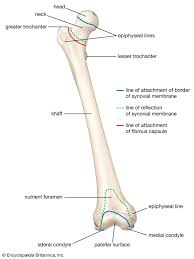
Femurs (thigh bones)
Tibias (shin bones)
Humerus lengthening (upper arms)
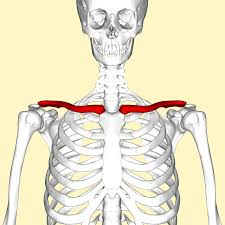
Clavicle lengthening (collarbones)
My first educational post, only thing I know about anyways. If mirin leave a rep. If considering LL, I'd say Dr Paley is the best shot, with >25000 procedures completed he's THE most educated and well equipped LL surgeon, though his prices are very $$$.
Femurs (thigh bones)
- Typical safe range is 5 to 8 cm.
- Heal faster than tibias due to better blood supply and more muscle coverage.
- Quadriceps strength drops significantly during recovery.
- Hip flexors get very tight.
- Changes knee position relative to the rest of the leg.
- Walking pattern must be relearned.
- PRECICE 2 (and other models) typically inserted 1/4 through the top of the femoral shaft.
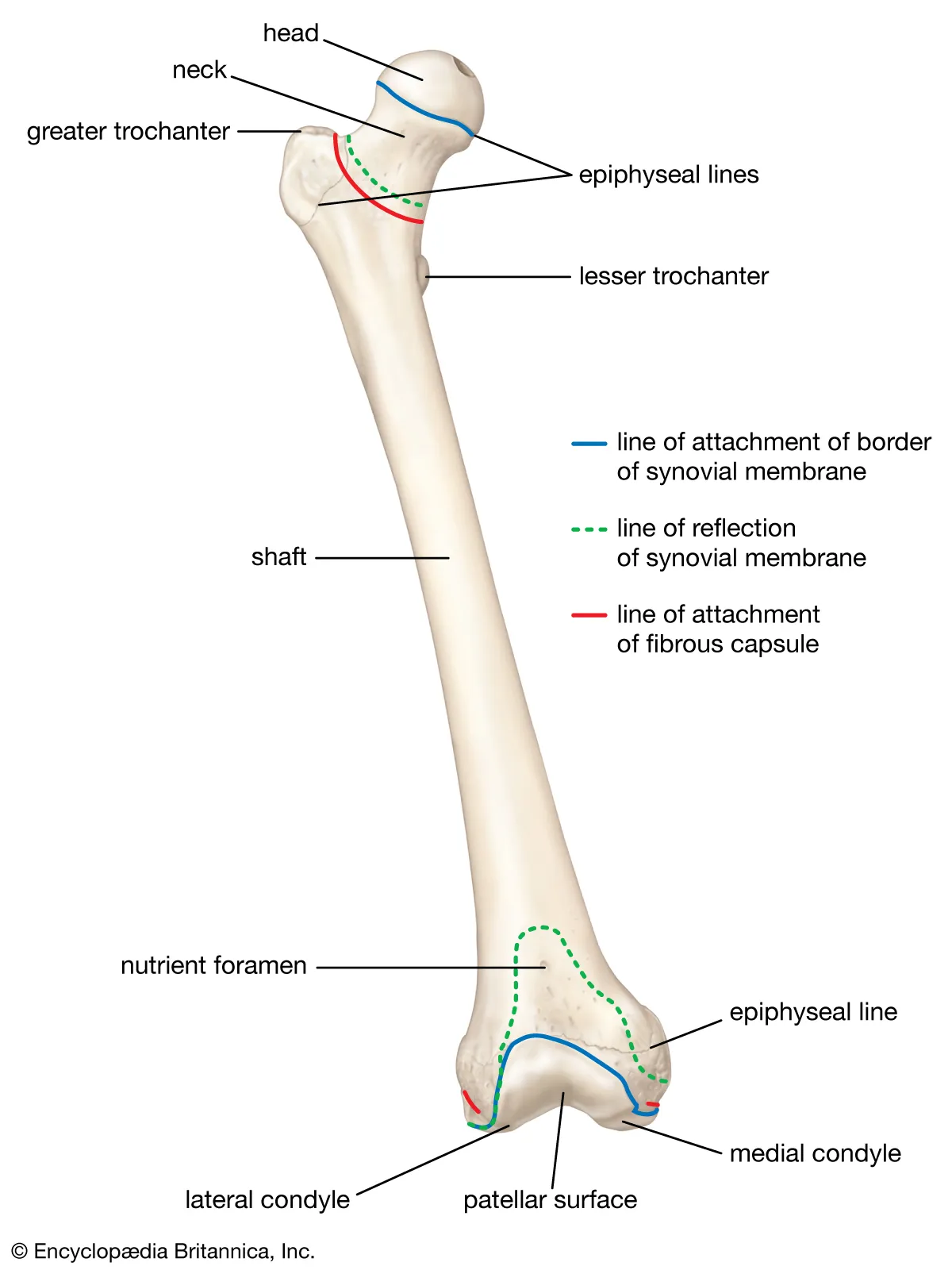
Tibias (shin bones)
- Typical safe range is up to 5 cm.
- Slower healing than femurs because of less soft tissue and worse blood flow.
- Higher risk of non union compared to femurs.
- Lengthening puts more stress on the ankles than the knees.
- Achilles tendon tightens. Physical therapy is required to avoid a toe walk.
- Nerve issues are more common than with femurs.
- Some people choose tibias to keep their thigh to shin ratio looking normal.
- Will look out of proportion without quadrilateral lengthening.
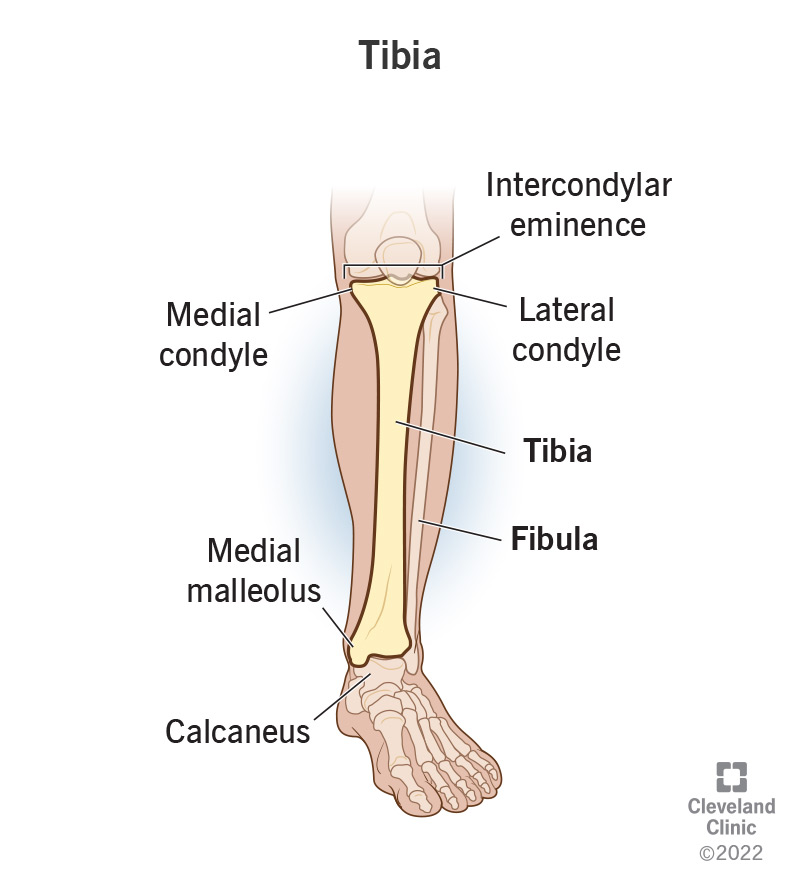
Humerus lengthening (upper arms)
- Typical range is 4 to 6 cm.
- Done mostly by people who already lengthened their legs and ended up with arms that look too short.
- Recovery is less painful than legs because you do not walk on your arms.
- Shoulder mobility decreases during treatment.
- Triceps get weak.
- External frames on the arms make daily tasks like dressing and typing difficult.
- Most cosmetic lengthening patients skip this.
- May be regrettable if patient has a short-end torso.
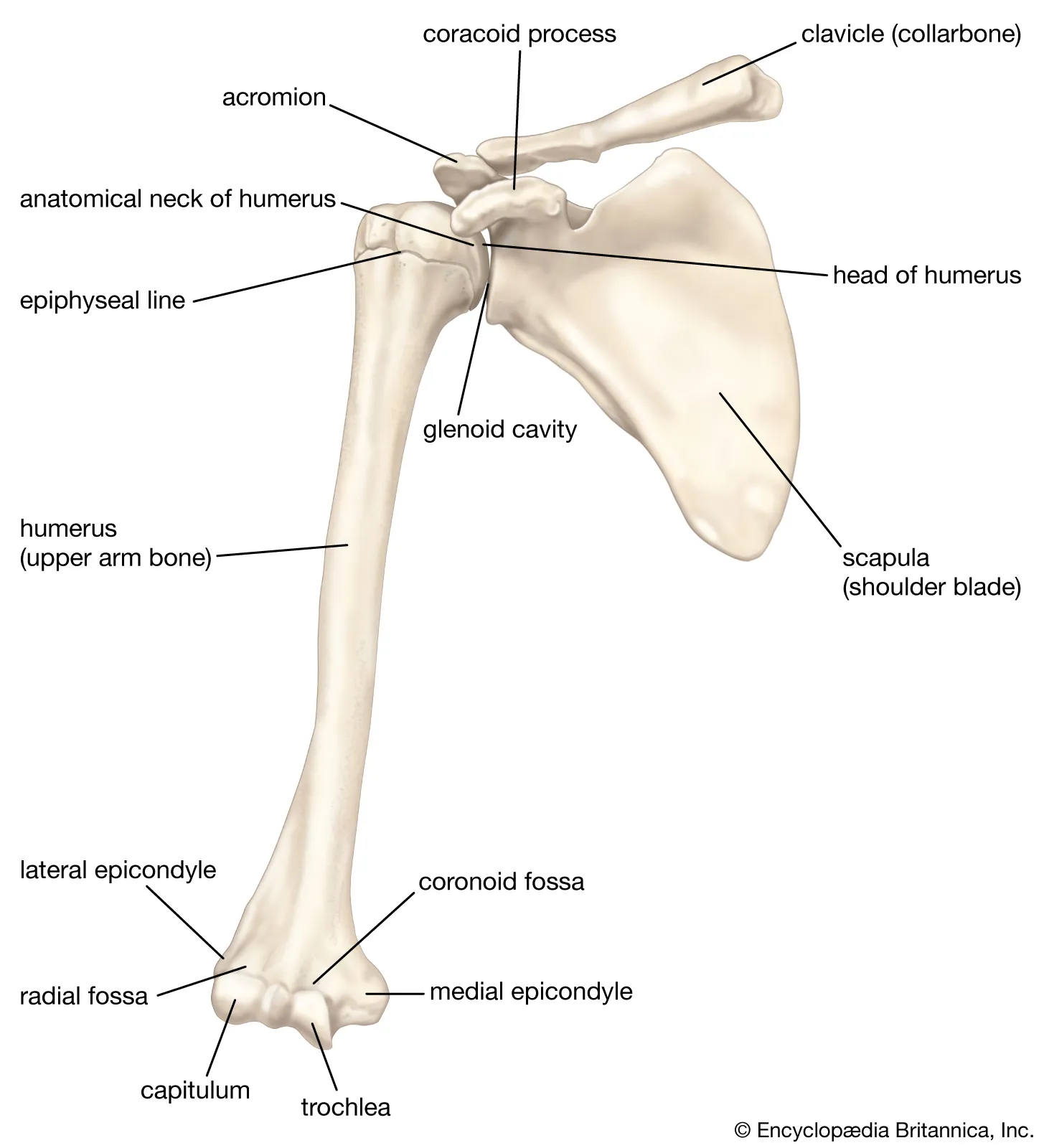
Clavicle lengthening (collarbones)
- Adds shoulder width, not height.
- Typical gain is 3 to 4 cm per side.
- Scars are visible because the clavicles sit just under the skin.
- Nerve damage is a real risk. The brachial plexus runs close by.
- Some people get permanent numbness or weakness in the arms.
- Over lengthening can cause shoulder impingement and joint problems.
- Most limb lengthening surgeons do not offer this. You need a specialist (No Dr Paley this time).
- Required for sub 6in framecels
- Typically also uses PRECICE or other LL model inserts.
My first educational post, only thing I know about anyways. If mirin leave a rep. If considering LL, I'd say Dr Paley is the best shot, with >25000 procedures completed he's THE most educated and well equipped LL surgeon, though his prices are very $$$.