



yussimania
DM to hardmaxx
- Joined
- Jun 15, 2025
- Posts
- 4,317
- Reputation
- 8,580
Thread will be focussed on some orbit stuff
In the animal kingdom you have something called orbital convergence: in humans and primates we have high convergence where the orbits are angled towards the midline - producing binocular vision. Some other animals will have eyes low orbital convergence where their eyes are more akin to the orbitomaxillary plane as described by thecel in his BOTB thread

 looksmax.org
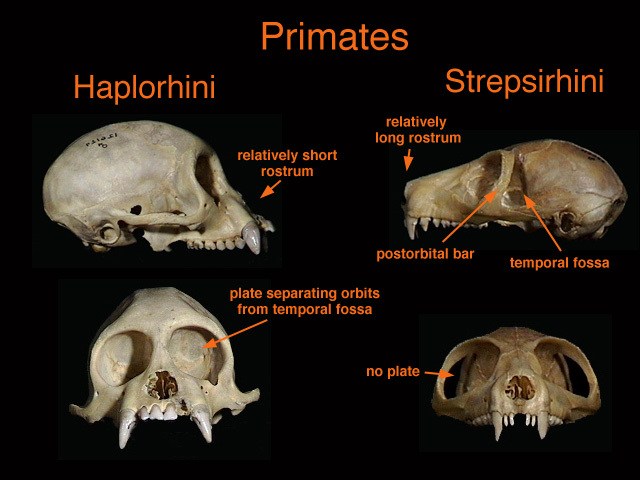
You can see it easier here where the right skull has eyes are facing off looking at each corner of the wall rather than right infront. Also note the correlation between outward facing orbits and longer "rostrum" - basically forward growth of the maxilla and nasal bone

You can see compared to humans that apes have orbits that are more medially rotated and their projection of the nasal/upper maxilla is absent
With Crouzons syndrome they have shallower orbits which results in extreme proptosis so I decided to do some research and found this
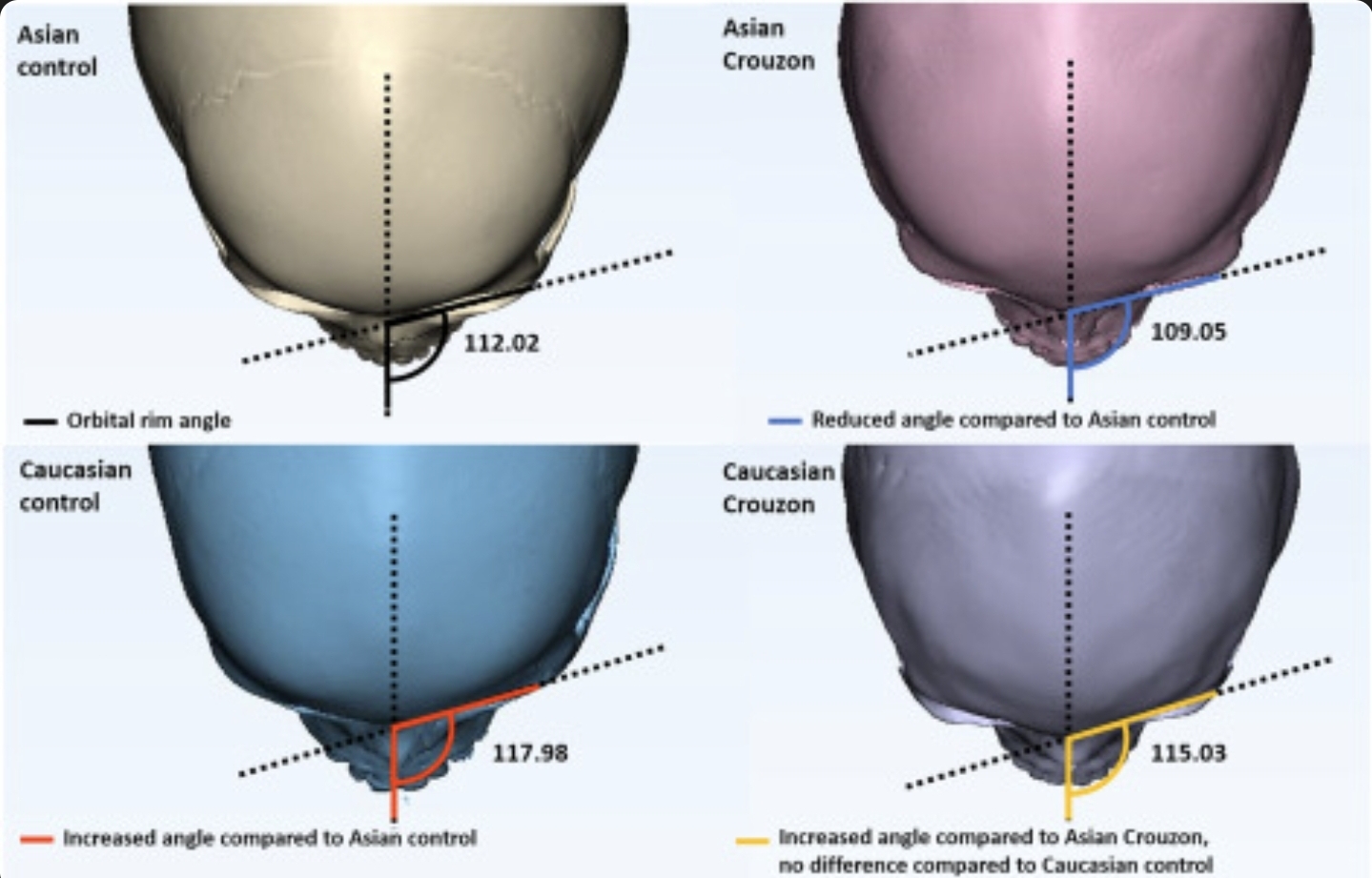
Above we can see the difference in yaw of the orbit, Asians have flatter medially rotated orbits. Crouzons syndrome patients have flatter orbits too in both groups compared to the control group
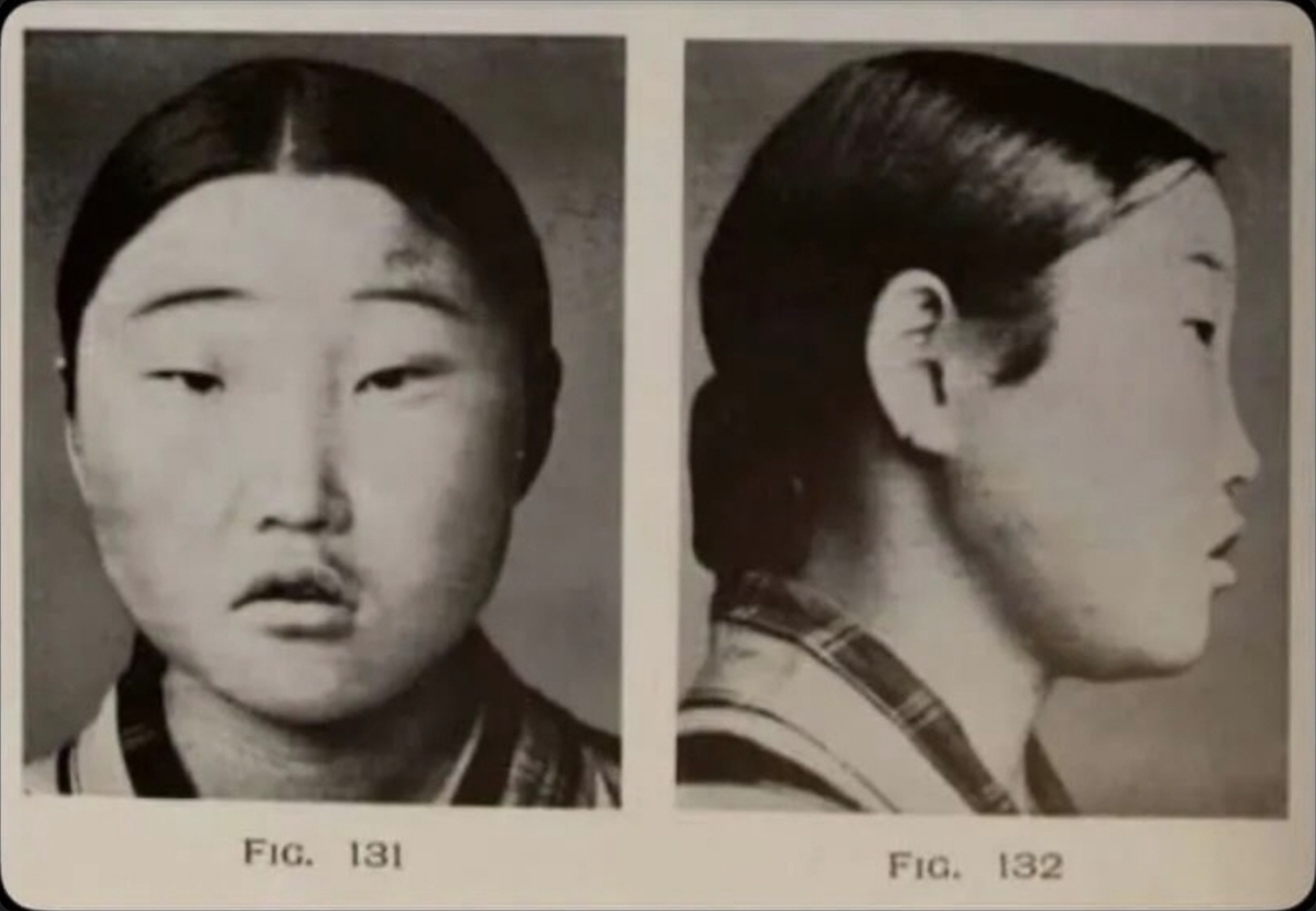
You can see how flat her face is, compare the length of the eyebrow/PFL length from the front profile to the side profile to gauge an idea for the orbitomaxillary plane
In the animal kingdom you have something called orbital convergence: in humans and primates we have high convergence where the orbits are angled towards the midline - producing binocular vision. Some other animals will have eyes low orbital convergence where their eyes are more akin to the orbitomaxillary plane as described by thecel in his BOTB thread
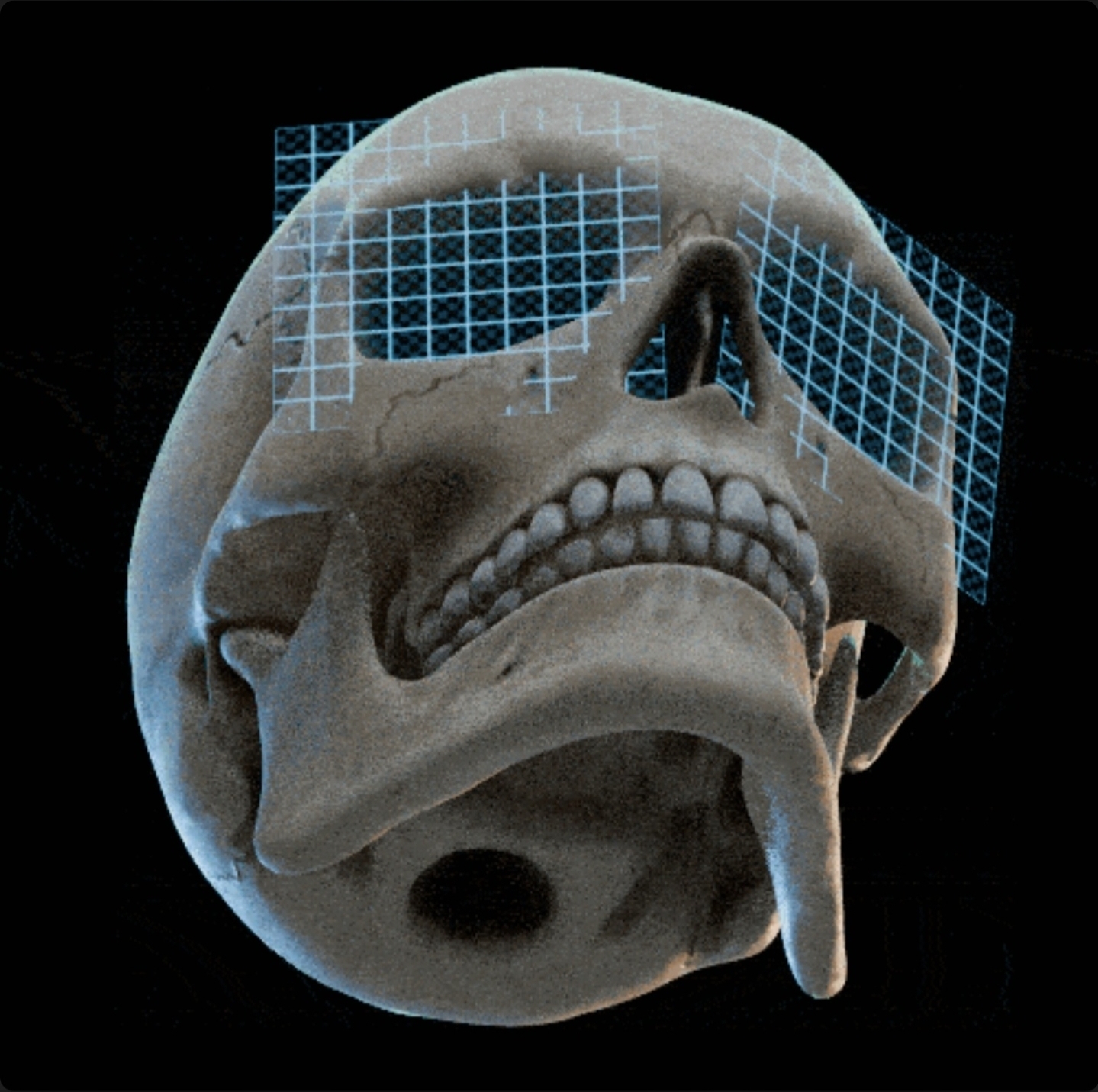
💀 The 3 Most Important Craniofacial Plane Angles for Aesthetics [3D Morphs]
Mandibular Plane Angle Animation Range: 0º to 45º Below Horizon Ideal Pitch: 12.5º Degrees Below Horizon Orbitomaxillary Plane Angle Animation Range: 2.5º Inward to 30º Outward Ideal Yaw: 25º Outward Temporal Plane Angle Animation Range: 0º to 30º Ideal Yaw: 10º
looksmax.org
You can see it easier here where the right skull has eyes are facing off looking at each corner of the wall rather than right infront. Also note the correlation between outward facing orbits and longer "rostrum" - basically forward growth of the maxilla and nasal bone
You can see compared to humans that apes have orbits that are more medially rotated and their projection of the nasal/upper maxilla is absent
With Crouzons syndrome they have shallower orbits which results in extreme proptosis so I decided to do some research and found this
Above we can see the difference in yaw of the orbit, Asians have flatter medially rotated orbits. Crouzons syndrome patients have flatter orbits too in both groups compared to the control group
You can see how flat her face is, compare the length of the eyebrow/PFL length from the front profile to the side profile to gauge an idea for the orbitomaxillary plane



