

D
Deleted member 157297
.
- Joined
- May 29, 2025
- Posts
- 599
- Reputation
- 1,535
Thread Song:
Do antioxidants secretly damage your health?
Unfortunately, they actually could be based on the way many utilize them, but let me elucidate this point first so there's no misunderstanding, and subsequently tell you how to fix and avoid it.

Different types of antioxidant activity
There are different types of antioxidant activity which are all very complex and crucial to keep your cells working properly. However reactive oxygen species or ROS in short form are not inherently bad chemicals, but instead essential for cellular signaling by carrying information or modulating the activity of enzymes.
Your cells are constantly trying to fine-tune and balance the ratio of oxidants versus reducing activity, and in healthy people they are very good at this task.
The critical error I see countless people make on a daily basis is that they are utilizing not only extremely strong antioxidants, but often even multiple alongside. This will not provide the benefits you can read online, but instead do the exact opposite.

Introducing too many antioxidants
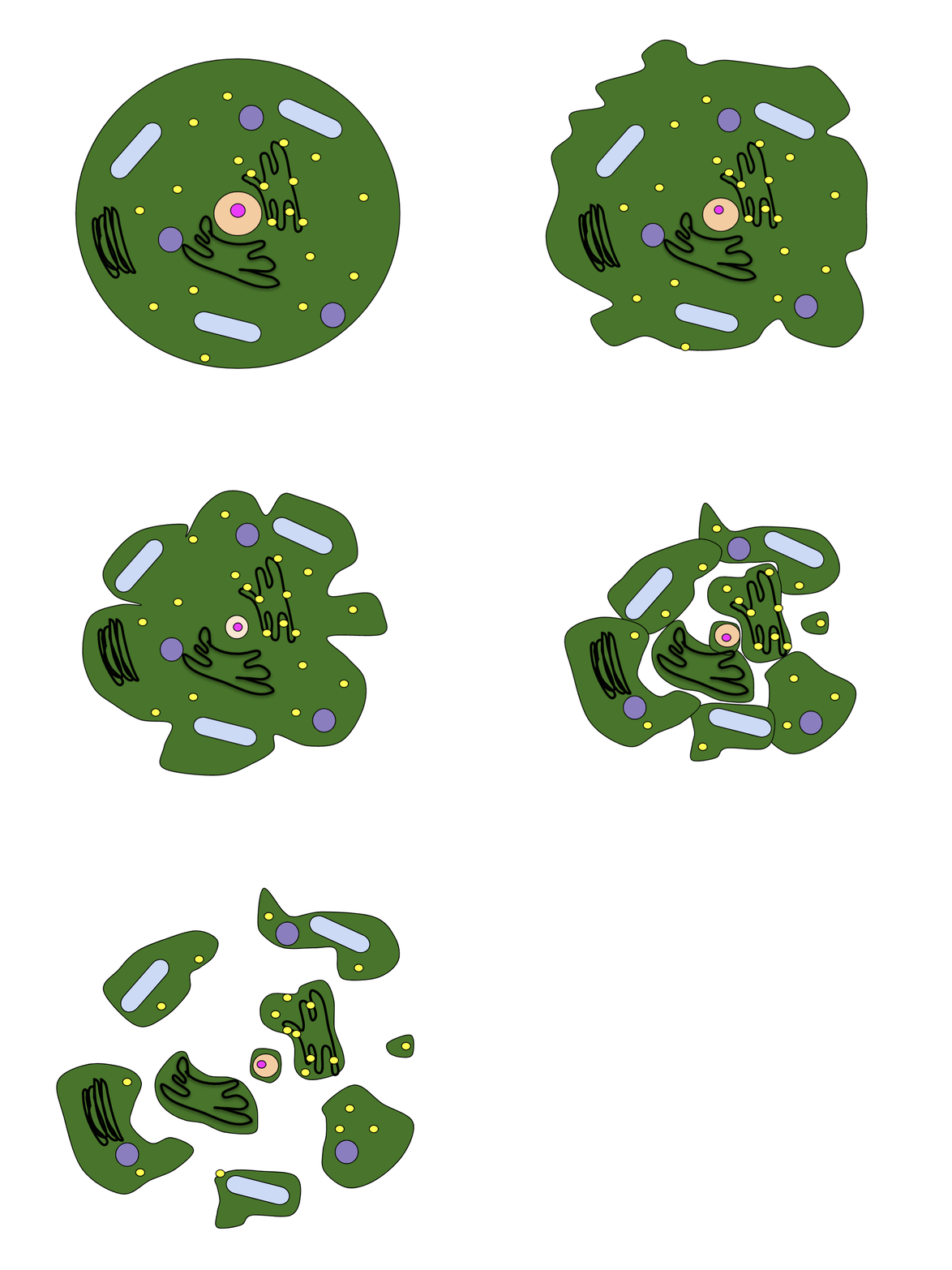
When you're healthy, introducing powerful antioxidants in the absence of much oxidant load can drive your cells into reductive stress, which you can imagine as pretty much the opposite of oxidative stress.
This overly reduced state can be just as detrimental and will interfere with things like learning, muscle building, metabolism, and cellular signaling while logically also causing cellular stress, resulting in cell death.
Why external antioxidants bypass your body's safety systems?
Here's what most people don't understand. your body has built-in negative feedback mechanisms that prevent excessive antioxidant production. When your endogenous defenses are sufficient, these systems automatically dial things back. It's your body's natural way of maintaining homeostasis.
But external antioxidants don't follow these rules. When you take vitamin C, NAC, or alpha-lipoic acid, you're flooding your system with exogenous reducing power that completely bypasses these protective feedback loops. Your cells have no way to regulate how much is coming in from outside, so they can't prevent reductive stress from building up.
This is fundamentally different from upregulating your endogenous defenses, which respects your body's own regulation. When you do that, your cells control exactly how much they produce based on what they actually need.

The solution
A good way to avoid such things while still getting the maximum amount of benefits is to keep antioxidants that work via direct scavenging at a minimum, and instead leverage compounds that directly upregulate and strengthen your endogenous defenses.
Direct scavenging antioxidants like vitamin C, vitamin E, NAC, and alpha-lipoic acid neutralize ROS directly. When you overuse these, you crash your system into reductive stress.
Endogenous defense upregulators work differently. They signal your body to produce more of its own antioxidant enzymes SOD, catalase, and glutathione peroxidase. Your body maintains control over the amount produced through its own feedback mechanisms.

The compounds that actually work
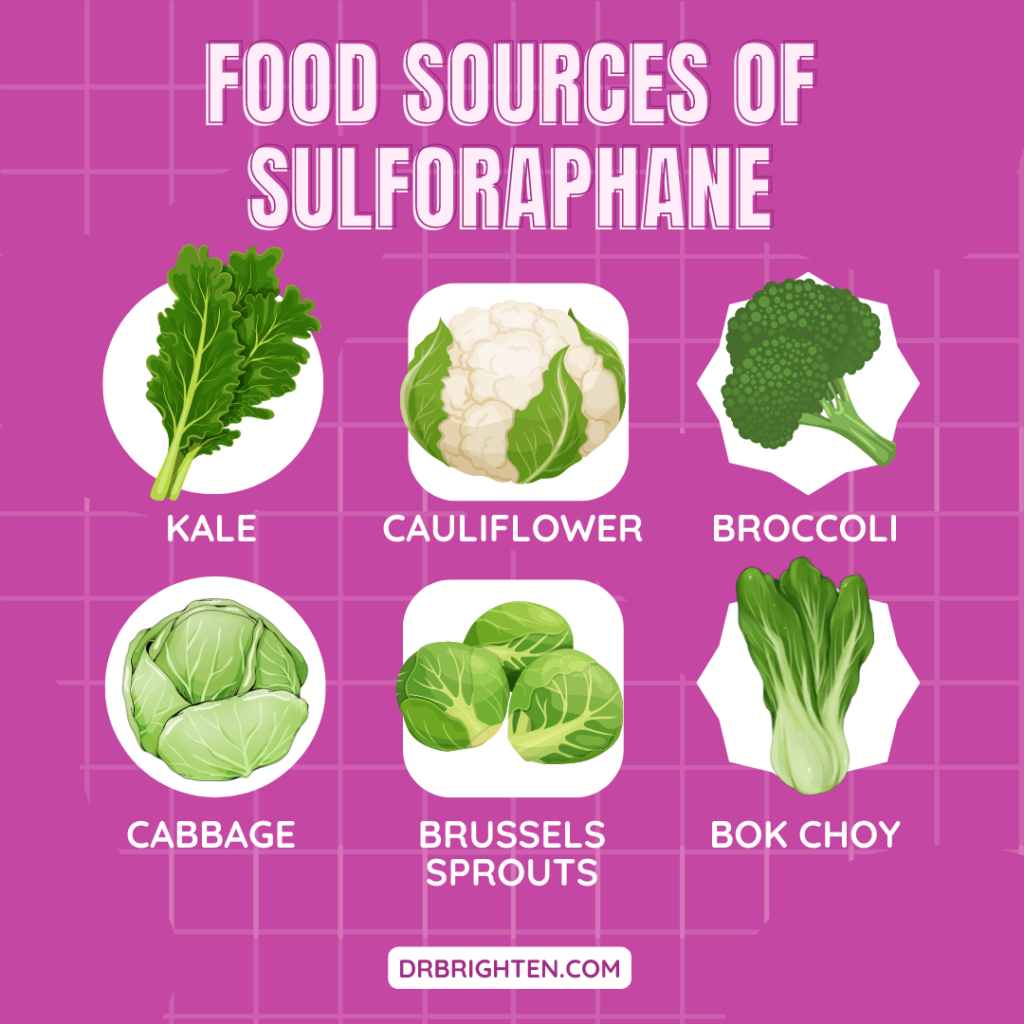
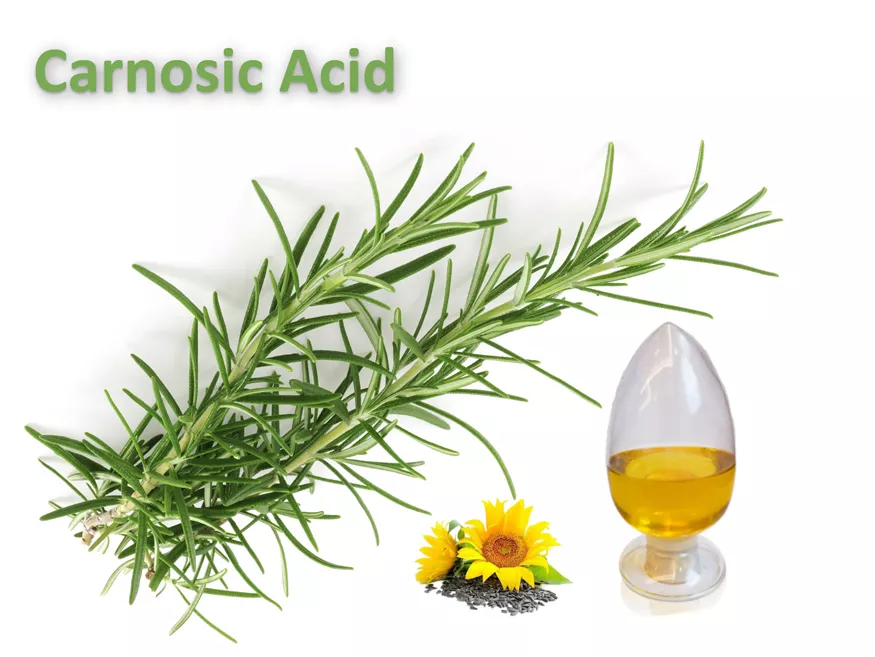
Good examples are sulforaphane or carnosic acid.
Sulforaphane is found in cruciferous vegetables like broccoli sprouts. It activates Nrf2, which upregulates SOD, catalase, and glutathione synthesis. The clinical research points to around 50-100 micromoles of sulforaphane daily as effective. In practical terms, that's about 10-20 grams of broccoli sprouts per day, or 50-100 grams of market-stage broccoli. Standardized supplements typically contain 30-50mg per dose, which gets you into that range. Whole broccoli sprouts are preferable because you get the additional nutrients as well.
Carnosic acid from rosemary operates through a similar mechanism, activating endogenous antioxidant defenses without direct ROS scavenging. Research suggests 15-50mg daily is effective. Dried rosemary as tea, about 2-6 grams provides adequate amounts. If supplementing pure carnosic acid, 20-30mg daily is reasonable.
Both of these work by strengthening your body's systems rather than replacing them.
When direct scavenging antioxidants actually make sense
It's important to note that there are specific situations where direct scavenging antioxidants become necessary.
Heavy training: intense resistance or endurance training generates significant ROS. Post-workout antioxidant support with vitamin C or NAC can accelerate recovery.
Acute oxidative stress: during illness, infection, or injury, your endogenous system may be temporarily overwhelmed. Short-term direct scavenging can genuinely help.
Environmental stressors: heavy pollution exposure, radiation, or chronic toxin exposure from work warrants more aggressive antioxidant support.
Aging or disease states: As people age or develop certain conditions, endogenous defenses naturally decline. Direct antioxidants become more beneficial in these contexts.
The key is understanding that these are situational exceptions. if you're healthy, exercising moderately, and eating well, you're probably creating unnecessary reductive stress by taking high-dose direct scavenging antioxidants constantly.

the essential point
Importantly, this thread's intent was merely to emphasize that even antioxidants can be unhealthy when not utilized correctly, and that more is not better, also not in this regard. So don't forget that antioxidants are healthy.
The best approach is understanding your actual oxidative load, using targeted compounds when needed, and prioritizing endogenous defense upregulation over blind supplementation.
Thank you for reading
Appreciate everyone who's been following these threads. The feedback from the last one was insane, so thanks for that. planning to keep these coming regularly, diving deeper into stuff that doesn't get talked about properly online.
If you enjoyed this one, drop your thoughts or bookmark it. It means a lot to me.

sources and references
Do antioxidants secretly damage your health?
Unfortunately, they actually could be based on the way many utilize them, but let me elucidate this point first so there's no misunderstanding, and subsequently tell you how to fix and avoid it.
Different types of antioxidant activity
There are different types of antioxidant activity which are all very complex and crucial to keep your cells working properly. However reactive oxygen species or ROS in short form are not inherently bad chemicals, but instead essential for cellular signaling by carrying information or modulating the activity of enzymes.
Your cells are constantly trying to fine-tune and balance the ratio of oxidants versus reducing activity, and in healthy people they are very good at this task.
The critical error I see countless people make on a daily basis is that they are utilizing not only extremely strong antioxidants, but often even multiple alongside. This will not provide the benefits you can read online, but instead do the exact opposite.
Introducing too many antioxidants
When you're healthy, introducing powerful antioxidants in the absence of much oxidant load can drive your cells into reductive stress, which you can imagine as pretty much the opposite of oxidative stress.
This overly reduced state can be just as detrimental and will interfere with things like learning, muscle building, metabolism, and cellular signaling while logically also causing cellular stress, resulting in cell death.
Why external antioxidants bypass your body's safety systems?
Here's what most people don't understand. your body has built-in negative feedback mechanisms that prevent excessive antioxidant production. When your endogenous defenses are sufficient, these systems automatically dial things back. It's your body's natural way of maintaining homeostasis.
But external antioxidants don't follow these rules. When you take vitamin C, NAC, or alpha-lipoic acid, you're flooding your system with exogenous reducing power that completely bypasses these protective feedback loops. Your cells have no way to regulate how much is coming in from outside, so they can't prevent reductive stress from building up.
This is fundamentally different from upregulating your endogenous defenses, which respects your body's own regulation. When you do that, your cells control exactly how much they produce based on what they actually need.
The solution
A good way to avoid such things while still getting the maximum amount of benefits is to keep antioxidants that work via direct scavenging at a minimum, and instead leverage compounds that directly upregulate and strengthen your endogenous defenses.
Direct scavenging antioxidants like vitamin C, vitamin E, NAC, and alpha-lipoic acid neutralize ROS directly. When you overuse these, you crash your system into reductive stress.
Endogenous defense upregulators work differently. They signal your body to produce more of its own antioxidant enzymes SOD, catalase, and glutathione peroxidase. Your body maintains control over the amount produced through its own feedback mechanisms.
The compounds that actually work
Good examples are sulforaphane or carnosic acid.
Sulforaphane is found in cruciferous vegetables like broccoli sprouts. It activates Nrf2, which upregulates SOD, catalase, and glutathione synthesis. The clinical research points to around 50-100 micromoles of sulforaphane daily as effective. In practical terms, that's about 10-20 grams of broccoli sprouts per day, or 50-100 grams of market-stage broccoli. Standardized supplements typically contain 30-50mg per dose, which gets you into that range. Whole broccoli sprouts are preferable because you get the additional nutrients as well.
Carnosic acid from rosemary operates through a similar mechanism, activating endogenous antioxidant defenses without direct ROS scavenging. Research suggests 15-50mg daily is effective. Dried rosemary as tea, about 2-6 grams provides adequate amounts. If supplementing pure carnosic acid, 20-30mg daily is reasonable.
Both of these work by strengthening your body's systems rather than replacing them.
When direct scavenging antioxidants actually make sense
It's important to note that there are specific situations where direct scavenging antioxidants become necessary.
Heavy training: intense resistance or endurance training generates significant ROS. Post-workout antioxidant support with vitamin C or NAC can accelerate recovery.
Acute oxidative stress: during illness, infection, or injury, your endogenous system may be temporarily overwhelmed. Short-term direct scavenging can genuinely help.
Environmental stressors: heavy pollution exposure, radiation, or chronic toxin exposure from work warrants more aggressive antioxidant support.
Aging or disease states: As people age or develop certain conditions, endogenous defenses naturally decline. Direct antioxidants become more beneficial in these contexts.
The key is understanding that these are situational exceptions. if you're healthy, exercising moderately, and eating well, you're probably creating unnecessary reductive stress by taking high-dose direct scavenging antioxidants constantly.
the essential point
Importantly, this thread's intent was merely to emphasize that even antioxidants can be unhealthy when not utilized correctly, and that more is not better, also not in this regard. So don't forget that antioxidants are healthy.
The best approach is understanding your actual oxidative load, using targeted compounds when needed, and prioritizing endogenous defense upregulation over blind supplementation.
Thank you for reading
Appreciate everyone who's been following these threads. The feedback from the last one was insane, so thanks for that. planning to keep these coming regularly, diving deeper into stuff that doesn't get talked about properly online.
If you enjoyed this one, drop your thoughts or bookmark it. It means a lot to me.
sources and references
Kensler, T. W., Wakabayashi, N., & Biswal, S. (2007)
https://pmc.ncbi.nlm.nih.gov/articles/PMC2679427/
Atwell, L. L., et al. (2015). "Sulforaphane bioavailability and chemopreventive activity in women scheduled for breast biopsy." Cancer Prevention Research, 8(12), 1184-1191.
https://pmc.ncbi.nlm.nih.gov/articles/PMC4670794/
Sies, H., & Jones, D. P. (2020) - Reactive oxygen species (ROS) as pleiotropic signalling
https://www.nature.com/articles/s41580-020-0230-3
Calabrese, V., et al. (2020) - Metabolic responses to reductive stress
https://www.liebertpub.com/doi/10.1089/ars.2019.7803
https://pmc.ncbi.nlm.nih.gov/articles/PMC7247050/
Sies, H. (1991) - Oxidative stress: from basic research to clinical application
https://pubmed.ncbi.nlm.nih.gov/1928209/
https://pmc.ncbi.nlm.nih.gov/articles/PMC2679427/
Atwell, L. L., et al. (2015). "Sulforaphane bioavailability and chemopreventive activity in women scheduled for breast biopsy." Cancer Prevention Research, 8(12), 1184-1191.
https://pmc.ncbi.nlm.nih.gov/articles/PMC4670794/
Sies, H., & Jones, D. P. (2020) - Reactive oxygen species (ROS) as pleiotropic signalling
https://www.nature.com/articles/s41580-020-0230-3
Calabrese, V., et al. (2020) - Metabolic responses to reductive stress
https://www.liebertpub.com/doi/10.1089/ars.2019.7803
https://pmc.ncbi.nlm.nih.gov/articles/PMC7247050/
Sies, H. (1991) - Oxidative stress: from basic research to clinical application
https://pubmed.ncbi.nlm.nih.gov/1928209/


