


R
Rapelord
Bronze
- Joined
- May 2, 2025
- Posts
- 418
- Reputation
- 548
Everyone is aware that facially, the eyes are the most prominent feature and thus the primary component in possessing a high-tier face.
Many argue that the eye region is entirely reliant on genetics, and there is a highly limited capacity, even in adolescence, to develop the most important area of the face. However, there is also an argument that it is possible to significantly improve the perceivable beauty of the eye region through the development of the supraorbital (brow-ridge) bone, infraorbital bones, zygomatic bones, and the maxilla (upper-jaw), a difficult feat in late youth, this is not what will be elaborated on in this theory, instead I will concern it with eye muscles.
Fat loss results in both negative and positive affects upon the eye region, as depending on the skeletal structure, the absence of fat (periorbital fat loss) in conjunction with recessed infraorbital bones and a recessed maxilla, amongst other bones, will prompt an amplified poor appearance of the under-eye area. This is the occurrence of a hollow or 'sunken' look which may feature 'crow's feet', wrinkles or folds and eye-bags. Regardless if the surrounding facial features adjacent to the eyes are somewhat underdeveloped in regards to general skeletal projection, the eyes themselves are best featured when the eyelids are in a optimal position. This optimal position is minimal upper-eyelid exposure, as although it is certainly not an utmost requirement for every face, it is almost always ideal.
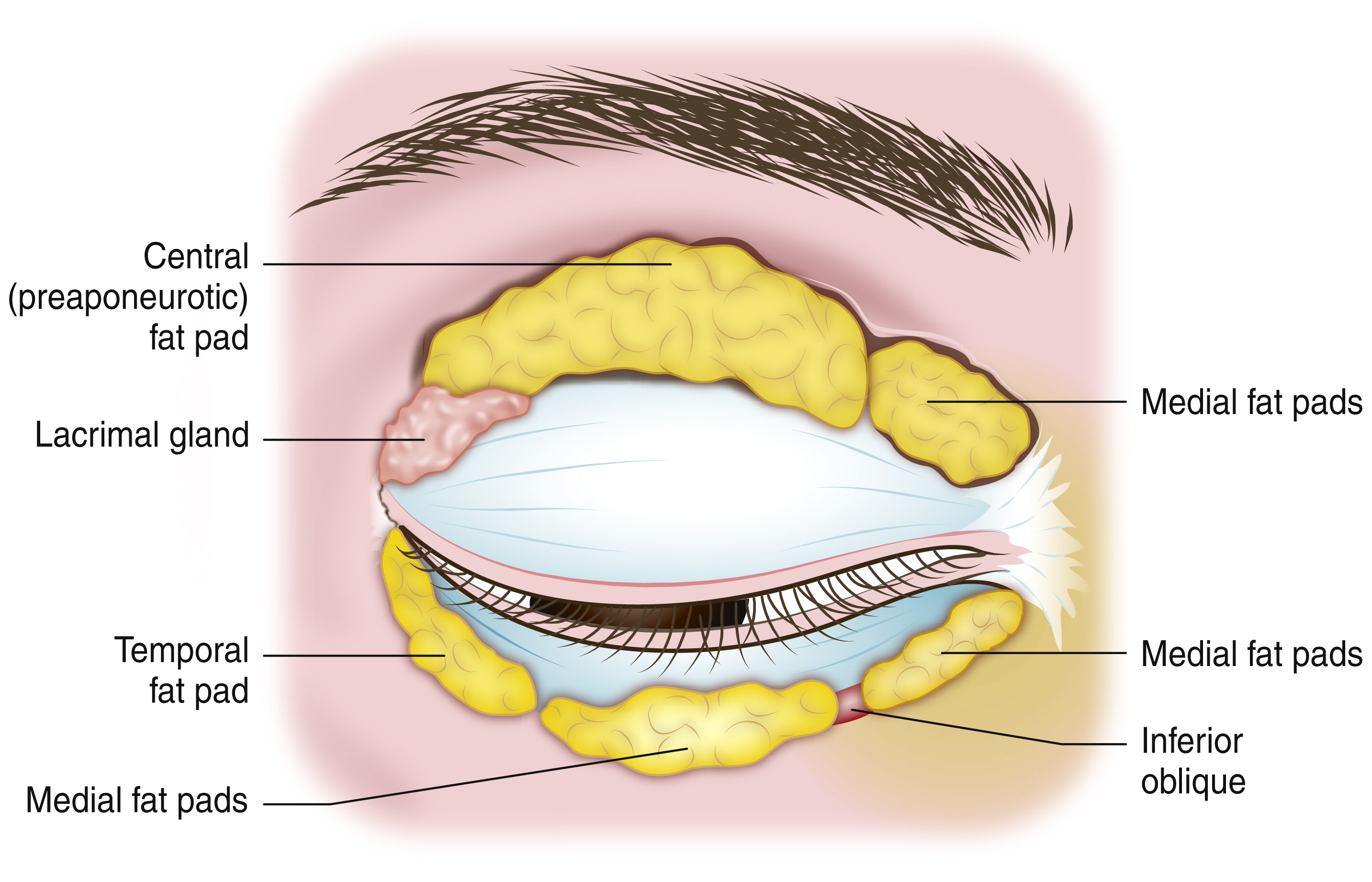
One method used on .org of reducing the drooping of an eyelid temporarily is applying ice or cold water to provide anti-inflammatory effects and to lower puffiness. This is an unreliable and momentary solution but may have benefits if consistently practiced over a prolonged period of time. This method implies that the reduction of inflammation and puffiness as mentioned is highly beneficial in counter-acting UEE. The reason may be muscle-related, which I will explain later. When athletes, body-builders and any other individual who participates in physical activity relevant to fat loss loses fat, what once was apparent as completely genetically 'ugly' eyes became much more improved beyond belief. The tissue surrounding the eyes has a major influence upon the appearance of the eyes, and the majority of people possess much more fatty tissue than what they conceive. Preseptal fat is fat above the upper eyelid, and its reduction can potentially provide a more 'deep-set' and striking appearance to the eyes, based on its relationship with the upper eyelid. Generally, attempts to lose fat cannot directly target the face itself, so in becoming lean and reducing overall body fat to the best of one's ability will eventually benefit the eye area. If tissue and fat is excessive, it disadvantages the appearance of the eye area significantly, so many people may not realise the true potential of their eye area beneath the assumption that nothing can be done.
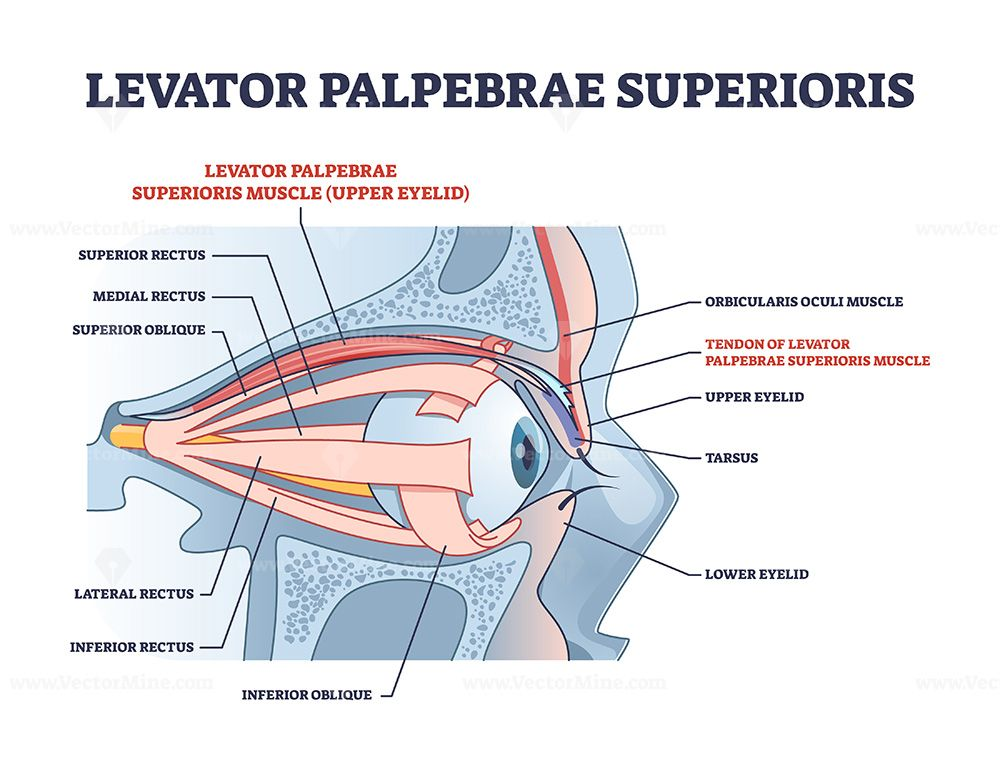
They believe nothing can be done except growing eyelashes or brows to better conceal the exposed upper eyelid, of which Latisse (bimatoprost), minoxidil and other products are used. If the eyelid is the problem in most eyes, then why not analyse all the factors relevant to the eyelid itself. For example, the condition 'ptosis' (blepharoptosis) is an instance in which the levator muscles responsible for the lifting of the eyelid are too weak to hold the eyelid up throughout the day and as a result the eyelid droops abnormally. This condition is corrected by ptosis repair/correction surgery, of which the levator muscles are repositioned to restore proper eyelid position. This affirms the relevance of the eye muscles and muscles in general which are neglected by many in this community, when in truth they are supportive of the skeletal structure. There is the tiktok trend of 'UUDD' training and eye exercises, of which relate to tissue allocation, and are unreliable methods of improving the eye area. However, in understanding ptosis, one can realise an emphasis on the importance of the levator muscles. When there is too much light, your eyelids squint or for some, close up completely. The natural reaction to bright light would be to squint or conduct the photophobia reflex, which in fact reduces levator strain and workload. This is why some claim sun-gazing benefits the appearance of the eye-area, it is because of how it affects the muscles, and their adaptation to a certain stance. If the levator muscles are weak, fatigued often, particularly in ptosis, an eye can almost close completely rather than narrowing in effortfully gazing at bright light. When you are sleepy, your levator muscles are fatigued, and your eyelids droop. So, I theorise that the levators, which as said are the most responsible for the lifting of the eyelid, and thus the exposure or lack of exposure of the upper-eyelid, are a necessary thing to concentrate upon.
In the circumstances in which a levator muscle is too weak to lift an eyelid, or it is simply lacking strength, the obvious response it to ease its load. I always wondered why my father has low upper eyelid exposure when I had the eyes of a bug as a child, and one reason he did was because the preseptal and suborbicularis fat pads in the upper eyelid shrink with age. The eyelid itself contains fat pads, and when one experiences fat loss these lose volume, and weight. The eyelids can thin, become more easily lifted, flexible, etc. The levator muscles can be permitted to reveal their full potential for supporting a good eye area. Eyelid thinning does not guarantee for everyone improvements in UEE, as muscle strength and skeletal structure varies, but it is fair to expect significant appearance improvements through it, and it is certain many people would benefit. 'Leanmaxxing' and the loss of body fat is obvious, so let me refer back to one of the original methods accepted as the best for the eye area in this community, Latisse. Orbital fat loss has been reported as a consequence (side-effect) of the use of lash serums, containing bimatoprost which is a 'prostaglandin F2α analog'. It inhibits adipocyte (fat cell) differentiation, and causes loss of volume. I doubt the the total reliability of Latisse for eyelid thinning, and I must state that the excessive thinning of an eyelid is potentially hazardous, so in attempting thinning caution must be taken. Glaucoma drops are a treatment for glaucoma, and high intraocular pressure. These drops also act as a prostaglandin analog (fat reducer) like lash serums, alongside products such as latanoprost (Xalatan) and travoprost (Travatan Z). Those two compounds are similiar to bimatoprost as well and also provide eyelash growth. There are always risks in use of any item as the eyes are a sensitive and vulnerable region.
Eyelid exercises are entirely unreliable as they are only a short-term and inconsistent action. The loss of fat however, is a permanent advantage to the levator muscles. Levator resection, ptosis repair surgery, levator advancement surgery and other procedures are inexpensive surgeries that can be taken under 18 (only if you have a functional justification) and at 18, for a very cheap price in comparison to other eye surgeries. For example, a cosmetic clinic in my country provides a surgery of this nature for 1995 euro, and as it is a cosmetic surgery no functional justification is required. Receiving adequate sleep and rest is also highly beneficial, as if you are on a screen for a prolonged period or awake all night you extremely tire the levator muscles. My theory is, less tissue, thinner eyelids, less mass, results in less force required to lift, and therefore the upper eyelid would be less prone to drooping, which can be done through the mentioned means. Even if the eyes are not necessarily 'deep-set', if there is no UUE they can still be highly attractive, take Alain Delon for example.
Many argue that the eye region is entirely reliant on genetics, and there is a highly limited capacity, even in adolescence, to develop the most important area of the face. However, there is also an argument that it is possible to significantly improve the perceivable beauty of the eye region through the development of the supraorbital (brow-ridge) bone, infraorbital bones, zygomatic bones, and the maxilla (upper-jaw), a difficult feat in late youth, this is not what will be elaborated on in this theory, instead I will concern it with eye muscles.
Fat loss results in both negative and positive affects upon the eye region, as depending on the skeletal structure, the absence of fat (periorbital fat loss) in conjunction with recessed infraorbital bones and a recessed maxilla, amongst other bones, will prompt an amplified poor appearance of the under-eye area. This is the occurrence of a hollow or 'sunken' look which may feature 'crow's feet', wrinkles or folds and eye-bags. Regardless if the surrounding facial features adjacent to the eyes are somewhat underdeveloped in regards to general skeletal projection, the eyes themselves are best featured when the eyelids are in a optimal position. This optimal position is minimal upper-eyelid exposure, as although it is certainly not an utmost requirement for every face, it is almost always ideal.
One method used on .org of reducing the drooping of an eyelid temporarily is applying ice or cold water to provide anti-inflammatory effects and to lower puffiness. This is an unreliable and momentary solution but may have benefits if consistently practiced over a prolonged period of time. This method implies that the reduction of inflammation and puffiness as mentioned is highly beneficial in counter-acting UEE. The reason may be muscle-related, which I will explain later. When athletes, body-builders and any other individual who participates in physical activity relevant to fat loss loses fat, what once was apparent as completely genetically 'ugly' eyes became much more improved beyond belief. The tissue surrounding the eyes has a major influence upon the appearance of the eyes, and the majority of people possess much more fatty tissue than what they conceive. Preseptal fat is fat above the upper eyelid, and its reduction can potentially provide a more 'deep-set' and striking appearance to the eyes, based on its relationship with the upper eyelid. Generally, attempts to lose fat cannot directly target the face itself, so in becoming lean and reducing overall body fat to the best of one's ability will eventually benefit the eye area. If tissue and fat is excessive, it disadvantages the appearance of the eye area significantly, so many people may not realise the true potential of their eye area beneath the assumption that nothing can be done.
They believe nothing can be done except growing eyelashes or brows to better conceal the exposed upper eyelid, of which Latisse (bimatoprost), minoxidil and other products are used. If the eyelid is the problem in most eyes, then why not analyse all the factors relevant to the eyelid itself. For example, the condition 'ptosis' (blepharoptosis) is an instance in which the levator muscles responsible for the lifting of the eyelid are too weak to hold the eyelid up throughout the day and as a result the eyelid droops abnormally. This condition is corrected by ptosis repair/correction surgery, of which the levator muscles are repositioned to restore proper eyelid position. This affirms the relevance of the eye muscles and muscles in general which are neglected by many in this community, when in truth they are supportive of the skeletal structure. There is the tiktok trend of 'UUDD' training and eye exercises, of which relate to tissue allocation, and are unreliable methods of improving the eye area. However, in understanding ptosis, one can realise an emphasis on the importance of the levator muscles. When there is too much light, your eyelids squint or for some, close up completely. The natural reaction to bright light would be to squint or conduct the photophobia reflex, which in fact reduces levator strain and workload. This is why some claim sun-gazing benefits the appearance of the eye-area, it is because of how it affects the muscles, and their adaptation to a certain stance. If the levator muscles are weak, fatigued often, particularly in ptosis, an eye can almost close completely rather than narrowing in effortfully gazing at bright light. When you are sleepy, your levator muscles are fatigued, and your eyelids droop. So, I theorise that the levators, which as said are the most responsible for the lifting of the eyelid, and thus the exposure or lack of exposure of the upper-eyelid, are a necessary thing to concentrate upon.
In the circumstances in which a levator muscle is too weak to lift an eyelid, or it is simply lacking strength, the obvious response it to ease its load. I always wondered why my father has low upper eyelid exposure when I had the eyes of a bug as a child, and one reason he did was because the preseptal and suborbicularis fat pads in the upper eyelid shrink with age. The eyelid itself contains fat pads, and when one experiences fat loss these lose volume, and weight. The eyelids can thin, become more easily lifted, flexible, etc. The levator muscles can be permitted to reveal their full potential for supporting a good eye area. Eyelid thinning does not guarantee for everyone improvements in UEE, as muscle strength and skeletal structure varies, but it is fair to expect significant appearance improvements through it, and it is certain many people would benefit. 'Leanmaxxing' and the loss of body fat is obvious, so let me refer back to one of the original methods accepted as the best for the eye area in this community, Latisse. Orbital fat loss has been reported as a consequence (side-effect) of the use of lash serums, containing bimatoprost which is a 'prostaglandin F2α analog'. It inhibits adipocyte (fat cell) differentiation, and causes loss of volume. I doubt the the total reliability of Latisse for eyelid thinning, and I must state that the excessive thinning of an eyelid is potentially hazardous, so in attempting thinning caution must be taken. Glaucoma drops are a treatment for glaucoma, and high intraocular pressure. These drops also act as a prostaglandin analog (fat reducer) like lash serums, alongside products such as latanoprost (Xalatan) and travoprost (Travatan Z). Those two compounds are similiar to bimatoprost as well and also provide eyelash growth. There are always risks in use of any item as the eyes are a sensitive and vulnerable region.
Eyelid exercises are entirely unreliable as they are only a short-term and inconsistent action. The loss of fat however, is a permanent advantage to the levator muscles. Levator resection, ptosis repair surgery, levator advancement surgery and other procedures are inexpensive surgeries that can be taken under 18 (only if you have a functional justification) and at 18, for a very cheap price in comparison to other eye surgeries. For example, a cosmetic clinic in my country provides a surgery of this nature for 1995 euro, and as it is a cosmetic surgery no functional justification is required. Receiving adequate sleep and rest is also highly beneficial, as if you are on a screen for a prolonged period or awake all night you extremely tire the levator muscles. My theory is, less tissue, thinner eyelids, less mass, results in less force required to lift, and therefore the upper eyelid would be less prone to drooping, which can be done through the mentioned means. Even if the eyes are not necessarily 'deep-set', if there is no UUE they can still be highly attractive, take Alain Delon for example.
Last edited:


