
JOTAROSON
Only pharmacology and high IQ
- Joined
- Oct 31, 2025
- Posts
- 1,950
- Reputation
- 1,654
 FGFR3 and its inhibitors
FGFR3 is a transmembrane protein that acts as a highly specific receptor on the cell surface. As a critical component of the cellular signalling system, it plays a central role in regulating fundamental biological processes such as cell proliferation, differentiation, migration and survival.
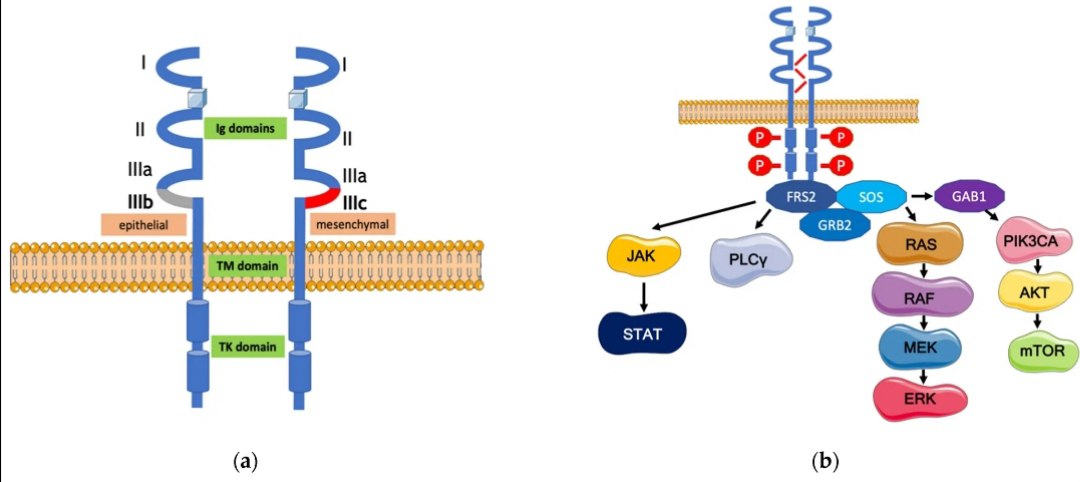
The primary function of FGFR3 is to regulate growth and development. This receptor is best known for its crucial role in controlling bone growth. In particular, FGFR3 acts as a key negative regulator of longitudinal bone growth by influencing the activity of chondrocytes in the skeletal growth plates
 IN OTHER WORDS, IT CAUSES ACHONDROPLASIA, A RECEDING JAWLINE, POOR BODY PROPORTIONS, AND SO ON
 INHIBITORS
1)HGH
 - Forceful suppression
The first and most tried-and-tested method is to ‘flood’ the system with doses of GH in order to override the receptor’s resistance.
hGH stimulates proliferation via IGF-1, counteracting the signals from FGFR3.
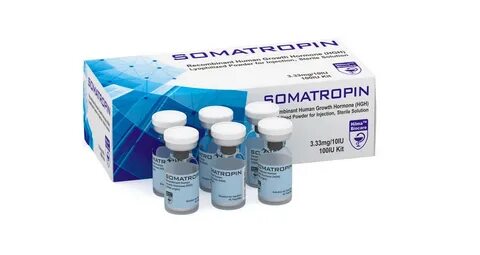
 In a study of children with growth disorders (achondroplasia), a daily dose of 1 IU/kg per week resulted in a phenomenal increase. Growth rates jumped from a meagre 3.2 cm to an impressive 8.3 cm per year.
Growth and growth hormone therapy in children with achondroplasia: a two-year experience - PubMed
The efficacy and safety of recombinant human growth hormone (hGH) administration was studied in children with achondroplasia. Fifteen children with achondroplasia, seven boys (4.8-12.2 years of age) and 12 girls (5.7-2.2 years of age), were treated daily with hGH at a dosage of 1 IU/kg/week...
 pubmed.ncbi.nlm.nih.gov
THE MAIN NUANCE
pubmed.ncbi.nlm.nih.gov
THE MAIN NUANCE HGH does not switch off FGFR3; it simply overpowers the receptor’s inhibitory system
2)ASP5878
 - An oral receptor inhibitor
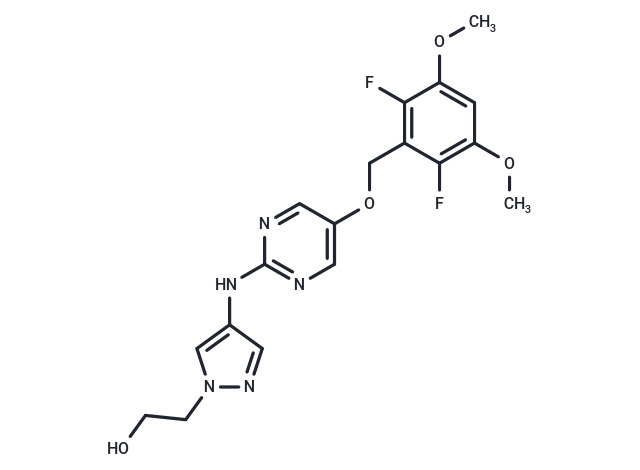
ASP5878 is a selective inhibitor of FGFR tyrosine kinase. It was originally developed to treat tumours, but has proved to be a goldmine for growth.
Unlike its injectable counterparts, this drug is taken orally (in tablet form).
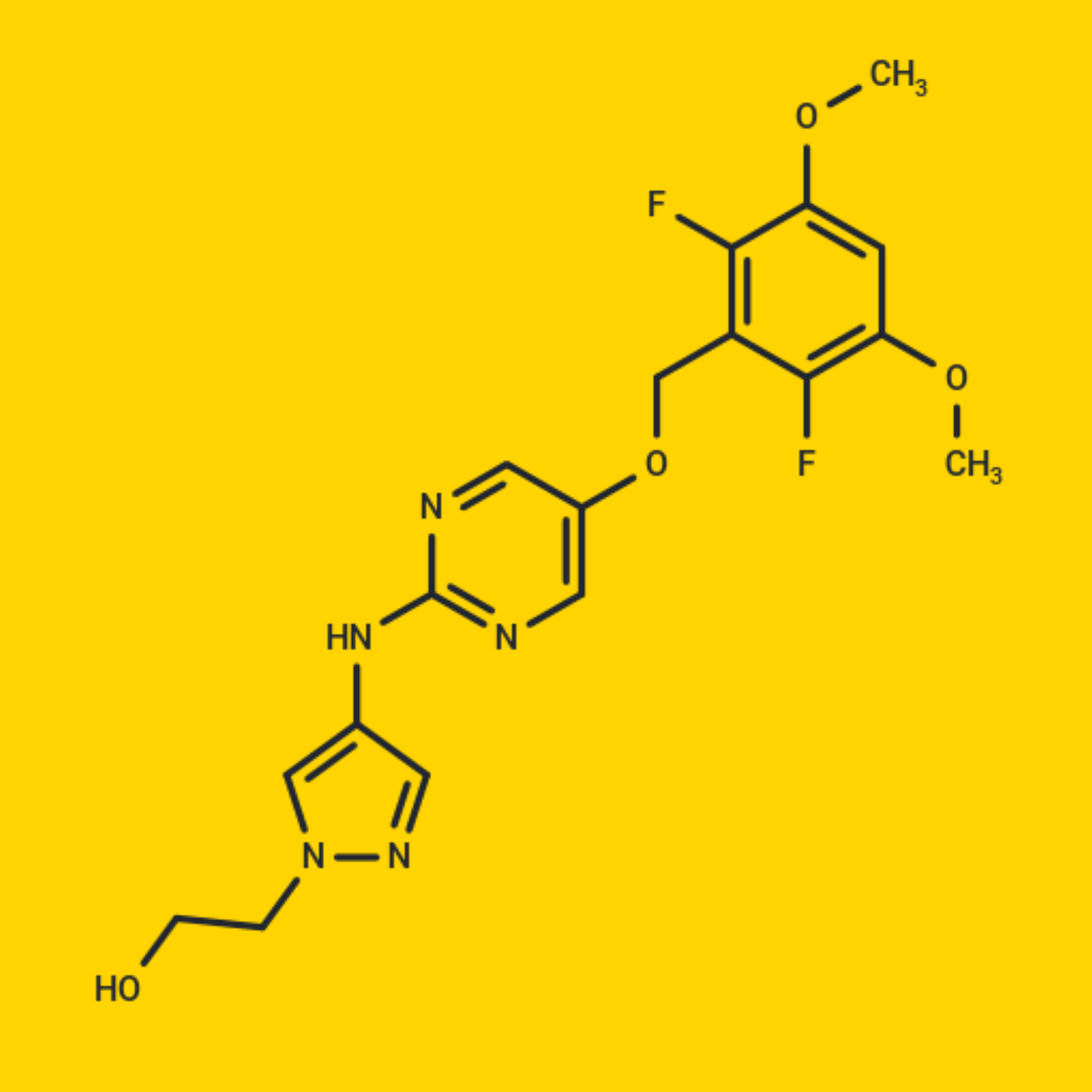
 A dose of 300 μg/kg resulted in significant bone elongation in the models.
A positive trade-off between the therapeutic dose and side effects (minimal effect on the corneal epithelium)
Evaluation of FGFR inhibitor ASP5878 as a drug candidate for achondroplasia - PubMed
Achondroplasia is caused by gain-of-function mutations in FGFR3 gene and leads to short-limb dwarfism. A stabilized analogue of C-type natriuretic peptide (CNP) is known to elongate bone by interacting with FGFR3 signals and thus is a promising drug candidate. However, it needs daily...
pubmed.ncbi.nlm.nih.gov
makes it an extremely promising option for those who don’t want to have their skin pierced every day.
3)TYRA300
 - It is an innovative selective FGFR3 inhibitor that acts like a molecular sniper.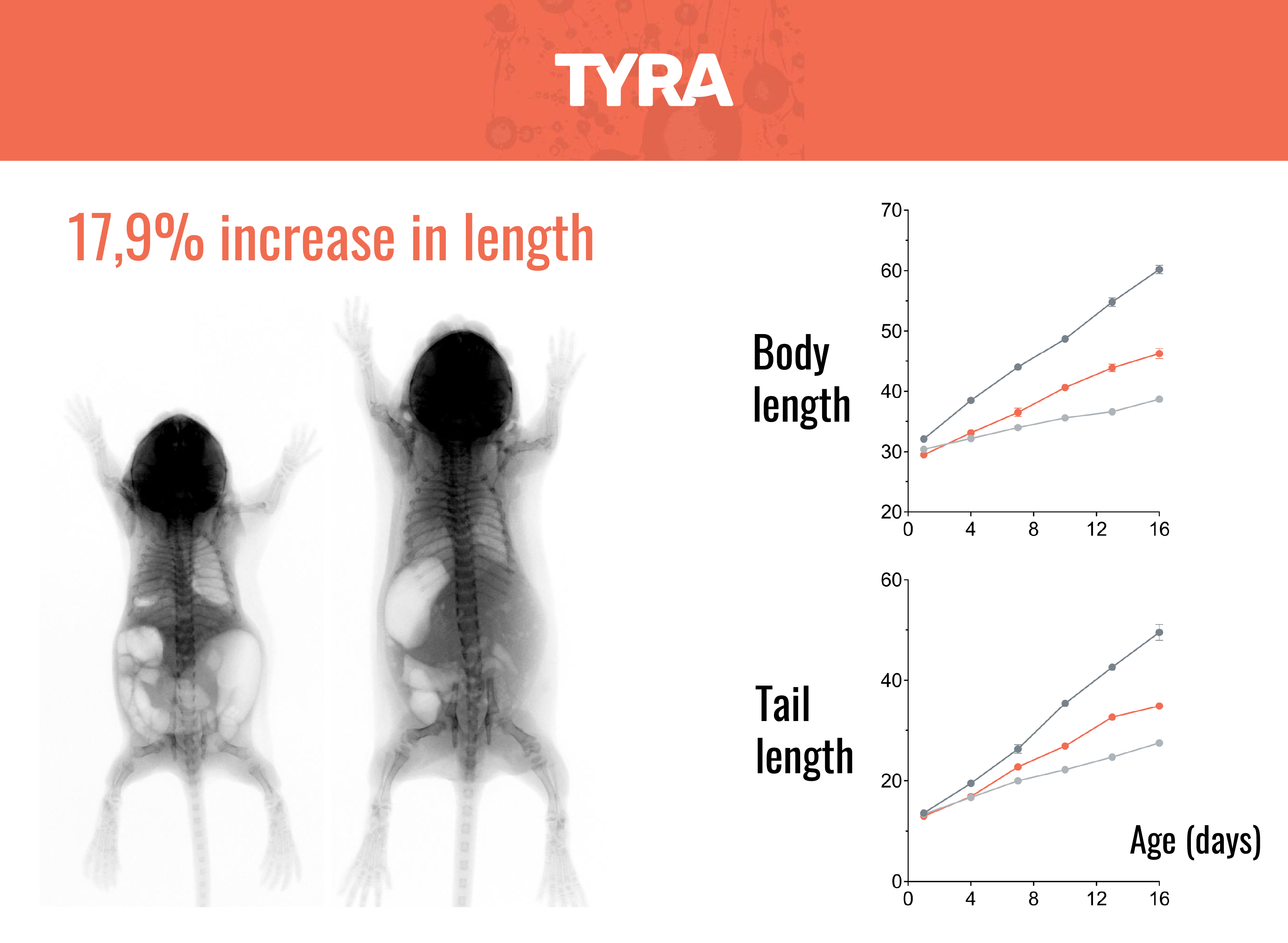
 Experiments have shown not only an increase in the length of long bones (thighs, lower legs), but also an increase in naso-anal length (overall height).
Skull and spine: The preparation addresses a critical issue — stenosis of the foramen magnum. It widens and corrects the shape of the skull, as well as increasing the length of the lumbar vertebrae.
TYRA-300, an FGFR3-selective inhibitor, promotes bone growth in two FGFR3-driven models of chondrodysplasia - PubMed
Achondroplasia (ACH) and hypochondroplasia (HCH), the two most common types of dwarfism, are each caused by FGFR3 gain-of-function mutations that result in increased FGFR3 signaling, which disrupts chondrogenesis and osteogenesis, resulting in disproportionately shortened long bones. In this...
pubmed.ncbi.nlm.nih.gov
 RESULTS
 FGFR3 is one of your genetic enemies. If your goal is to maximise height and achieve the right facial proportions, you cannot afford to ignore this receptor. The use of selective inhibitors (such as TYRA-300 or ASP5878)