


THE OTOPLASTY THREAD
EVERYTHING TO KNOW BEFORE, DURING AND AFTER GETTING IT
EVERYTHING TO KNOW BEFORE, DURING AND AFTER GETTING IT
This is gonna be my first sorta high quality guide, enjoy and I hope it helps!
I'll try to keep things short and straight to the point, only relevant stuff that actually matters.
An otoplasty, also known as ear pinning surgery is a surgical procedure used to pin, realign or slightly change shape of the ears.
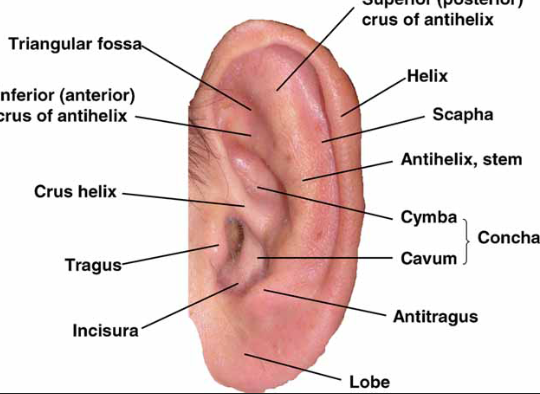
In this guide I will be using terms that are related to the structure of the ear so refer to this picture when needed.

In this guide I will be using terms that are related to the structure of the ear so refer to this picture when needed.
If you are in any one of these situations then you are most likely a good candidate:


HOWEVER, if you have super long hair that covers your ears and you always have it down then you don't really need to get this done.
The price heavily depends on where you live, where you get it done etc. Usually its between 2000-4000 dollars/euros.
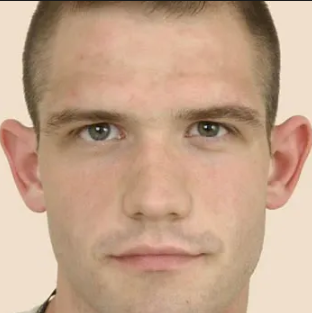
- You have flared out ears that visibly aren't parallel to your skull
- One of your ears is asymmetrical
- Ears that are very large or that have an abnormal shape

HOWEVER, if you have super long hair that covers your ears and you always have it down then you don't really need to get this done.
The price heavily depends on where you live, where you get it done etc. Usually its between 2000-4000 dollars/euros.
Some surgeons will tell you to cut your hair short before surgery, as the risk of infection is reduced when there isn't much hair. If you have very long hair, there isn't really any issue, you will just have to keep your hair up in a bun while its healing.
The surgeon will use local anesthesia, actual sedation is only used in very young kids.
You shouldn't feel anything at all besides some tugging and pulling during the surgery.
It usually lasts between 1-2 hours.
There are many techniques used for pinning the ears, these are the 3 most popular and common ones used:

The surgeon will use local anesthesia, actual sedation is only used in very young kids.
You shouldn't feel anything at all besides some tugging and pulling during the surgery.
It usually lasts between 1-2 hours.
There are many techniques used for pinning the ears, these are the 3 most popular and common ones used:
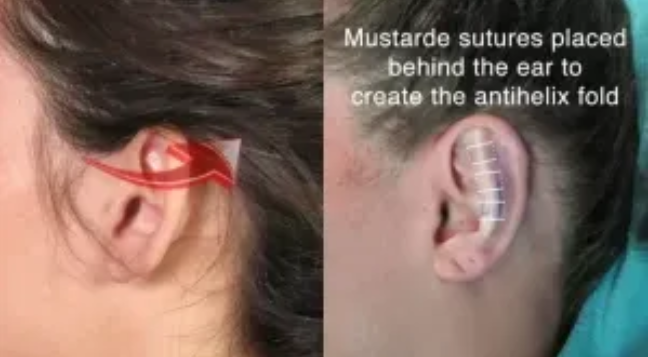
- Mustardé technique:
- Uses permanent sutures to fold the cartilage and create the antihelical fold
- No cutting of cartilage (cartilage-sparing)
- Used for people who have an underdeveloped antihelical fold
- Furnas technique:
- Places sutures from the ear cartilage to the bone behind the ear (mastoid)
- Pulls the ear closer to the head
- Used when in cases where the ears protrude due to a deep conchal bowl (the “cup” part of the ear)
- Combination technique:
- A lot of surgeons actually mix these techniques together:
- Mustardé (to create the fold)
- Furnas (to pull the ear inward)
RIght after the surgery is over you will be shown your new ears!
You will most likely feel weird about them at first, as they are very inflamed and extremely stuck to your skull. Literally, there wont be any space between them and your skull.
Afterwards, your surgeon will wrap a very thick bandage around your ears to protect them. You will have to wear this for about 5-10 days.
You will very likely be given antibiotics and pain meds. Trust me, you will need them. A lot of the pain will come from the bandage, as it's pretty tight and it puts pressure on your ears.
Once the days passed you will come back to the clinic to get it removed. By then, the swelling will have gone down about 60-70%, and it will keep going down over the course of a month or so.
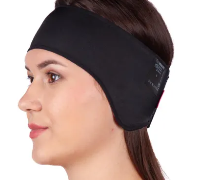
Now, this really depends on which technique your surgeon used, but you may need to wear a headband for a couple of weeks. This is to aid the recovery and make sure the sutures really set in place. I myself didn't wear one, but if you do then it wont be much of a problem, it will be much looser than the bandage.
 It will look something like this, usually worn for 2-6 weeks (mostly at night)
At this point, you should take good care of your ears. Wash behind them (at the incision point) with soapy water every day and make sure to not get hit or anything, seeing as they are very sensitive the first couple of months.
VERY IMPORTANT: Your ears will not look the exact same way they did right after surgery. The swelling will go down a lot and they will slowly get looser and not be as stuck to your skull.
The final result is visible at around 10-12 months post op, that's when you can get a really good idea on how they will look like.
The surgery itself is permanent, however if you are unhappy with your results, revisions are common.
Here are some results:


As you can see the difference is pretty big, even for such a small change. It makes your face seem more angular (the ears stopped making your head look like an egg), and much more symmetrical.
You will most likely feel weird about them at first, as they are very inflamed and extremely stuck to your skull. Literally, there wont be any space between them and your skull.
Afterwards, your surgeon will wrap a very thick bandage around your ears to protect them. You will have to wear this for about 5-10 days.
You will very likely be given antibiotics and pain meds. Trust me, you will need them. A lot of the pain will come from the bandage, as it's pretty tight and it puts pressure on your ears.
Once the days passed you will come back to the clinic to get it removed. By then, the swelling will have gone down about 60-70%, and it will keep going down over the course of a month or so.
Now, this really depends on which technique your surgeon used, but you may need to wear a headband for a couple of weeks. This is to aid the recovery and make sure the sutures really set in place. I myself didn't wear one, but if you do then it wont be much of a problem, it will be much looser than the bandage.
At this point, you should take good care of your ears. Wash behind them (at the incision point) with soapy water every day and make sure to not get hit or anything, seeing as they are very sensitive the first couple of months.
VERY IMPORTANT: Your ears will not look the exact same way they did right after surgery. The swelling will go down a lot and they will slowly get looser and not be as stuck to your skull.
The final result is visible at around 10-12 months post op, that's when you can get a really good idea on how they will look like.
The surgery itself is permanent, however if you are unhappy with your results, revisions are common.
Here are some results:
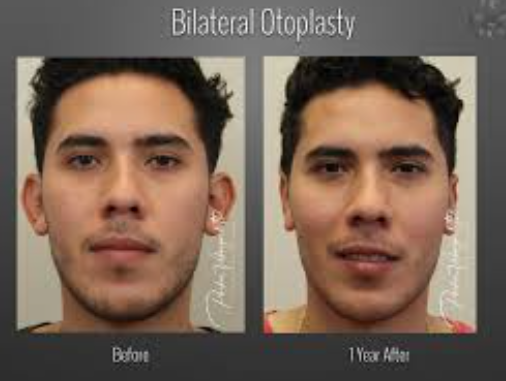
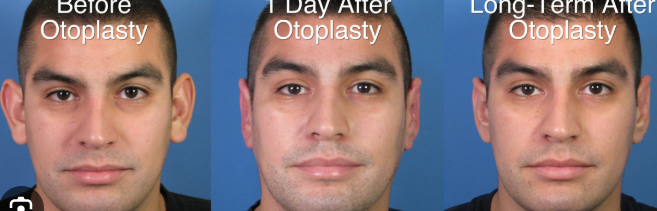
As you can see the difference is pretty big, even for such a small change. It makes your face seem more angular (the ears stopped making your head look like an egg), and much more symmetrical.
- Asymmetry during the healing process (one ear heals faster then the other)
- Infection (rare if you take antibiotics and clean the incision daily while it's healing)
- Hematoma (blood pooling up under the ear, could need drainage)
- Overcorrection/Undercorrection (your ear is either very stuck to your skull or not enough)
- Keloid formation
If you fit the descriptions I listed at part 2 then I think it's worth it.
FInd a good surgeon that posts his results before and after, not only directly after the surgery but a year or a couple of months after too.
Do not cheap out on surgeries, it isn't worth it.
Unless you are Ian Somerhalder, then this will definitely ascend you quite a bit.

FInd a good surgeon that posts his results before and after, not only directly after the surgery but a year or a couple of months after too.
Do not cheap out on surgeries, it isn't worth it.
Unless you are Ian Somerhalder, then this will definitely ascend you quite a bit.

I HOPE THIS HELPED! KEEP IN MIND THIS IS MY FIRST GUIDE AND IT MAY NOT LOOK SUPER WELL PUT TOGETHER


