

InspiredByClav
Silver
- Joined
- Nov 15, 2025
- Posts
- 718
- Reputation
- 752
Training Philosophy
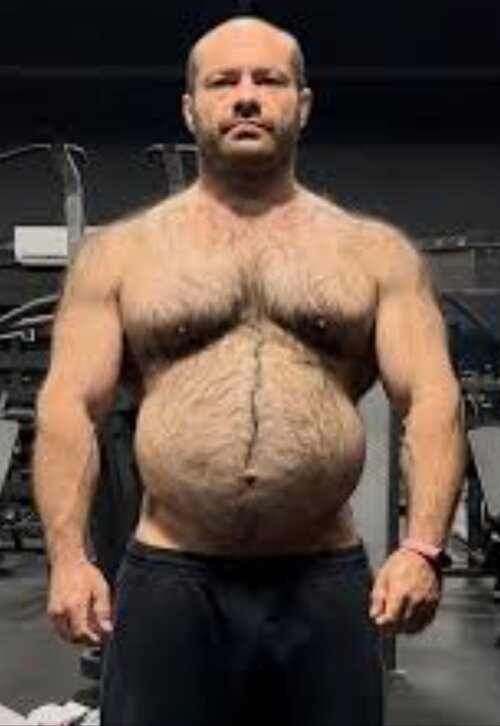
When comparing Mike Israetel and Greg Doucette, their training philosophies differ quite a bit. Mike Israetel leans heavily into structured, science-based programming, emphasizing concepts like volume landmarks, fatigue management, and periodization. His approach is very methodical and often appeals to people who enjoy tracking progress in a detailed way. Greg Doucette, on the other hand, focuses more on practical, high-effort training—famously pushing the idea of training harder than last time. His style is simpler and more intensity-driven, which can be easier to follow for beginners or those who don’t want to overcomplicate things.
 Nutrition Advice

In terms of nutrition, Mike Israetel promotes a balanced and evidence-based approach, often discussing macronutrient breakdowns, calorie cycling, and long-term sustainability. His advice tends to be structured and rooted in academic research. Greg Doucette is more aggressive and blunt with his recommendations, often emphasizing low-calorie dense foods, high protein intake, and appetite control strategies. He’s well-known for pushing “anabolic” eating—foods that let you eat more volume for fewer calories. Both approaches work, but Mike’s is more systematic, while Greg’s is more practical and geared toward immediate results.
 Communication Style
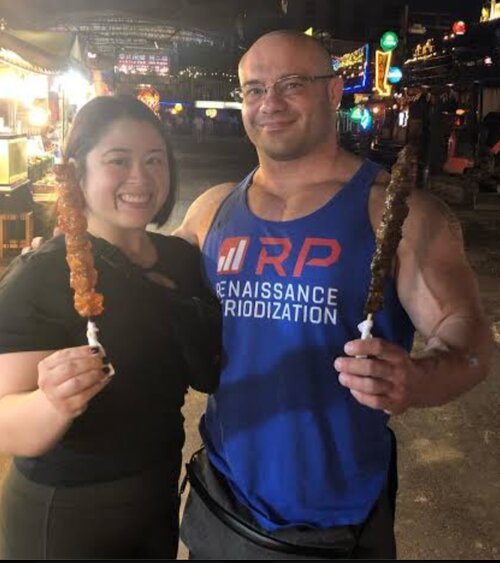
A big difference between the two is how they communicate. Mike Israetel comes across like a university lecturer—calm, analytical, and detailed. His content can sometimes feel complex, but it’s very informative. Greg Doucette is the complete opposite: loud, direct, and often comedic. He uses strong opinions and high energy to get his message across, which makes his content more entertaining but sometimes less nuanced. Which one is “better” here really depends on whether you prefer detailed explanations or straight-to-the-point advice.
 Credibility & Expertise

Both Mike and Greg are highly knowledgeable, but their credibility comes from slightly different areas. Mike Israetel has a strong academic background with a PhD in sports physiology and is deeply involved in scientific research. Greg Doucette is an IFBB pro bodybuilder and has decades of real-world experience competing and coaching. So Mike represents the academic side of fitness, while Greg represents applied, real-world experience. Neither is inherently better—they just bring different strengths to the table.
 Who Is Better Overall?
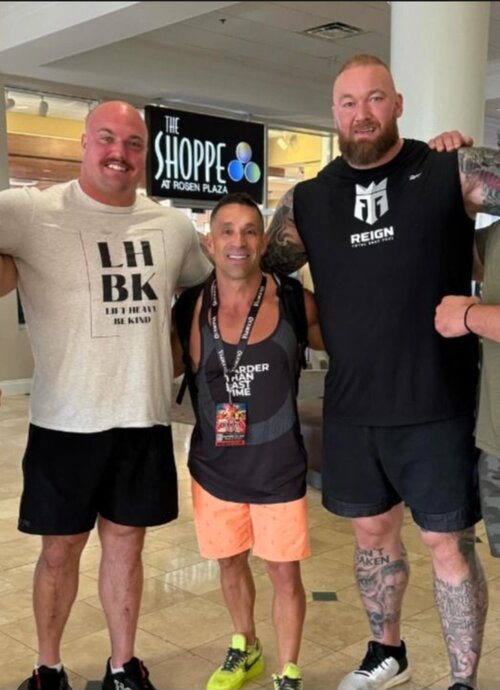
There isn’t a clear winner—it depends on what you’re looking for. If you want a structured, science-heavy approach with detailed explanations, Mike Israetel is probably better for you. If you prefer simple, aggressive advice that’s easy to follow and keeps you motivated, Greg Doucette might be the better choice. Ideally, the best approach is to take useful ideas from both: use Mike’s structure and understanding, combined with Greg’s intensity and practicality.
When comparing Mike Israetel and Greg Doucette, their training philosophies differ quite a bit. Mike Israetel leans heavily into structured, science-based programming, emphasizing concepts like volume landmarks, fatigue management, and periodization. His approach is very methodical and often appeals to people who enjoy tracking progress in a detailed way. Greg Doucette, on the other hand, focuses more on practical, high-effort training—famously pushing the idea of training harder than last time. His style is simpler and more intensity-driven, which can be easier to follow for beginners or those who don’t want to overcomplicate things.
Nutrition Advice
In terms of nutrition, Mike Israetel promotes a balanced and evidence-based approach, often discussing macronutrient breakdowns, calorie cycling, and long-term sustainability. His advice tends to be structured and rooted in academic research. Greg Doucette is more aggressive and blunt with his recommendations, often emphasizing low-calorie dense foods, high protein intake, and appetite control strategies. He’s well-known for pushing “anabolic” eating—foods that let you eat more volume for fewer calories. Both approaches work, but Mike’s is more systematic, while Greg’s is more practical and geared toward immediate results.
Communication Style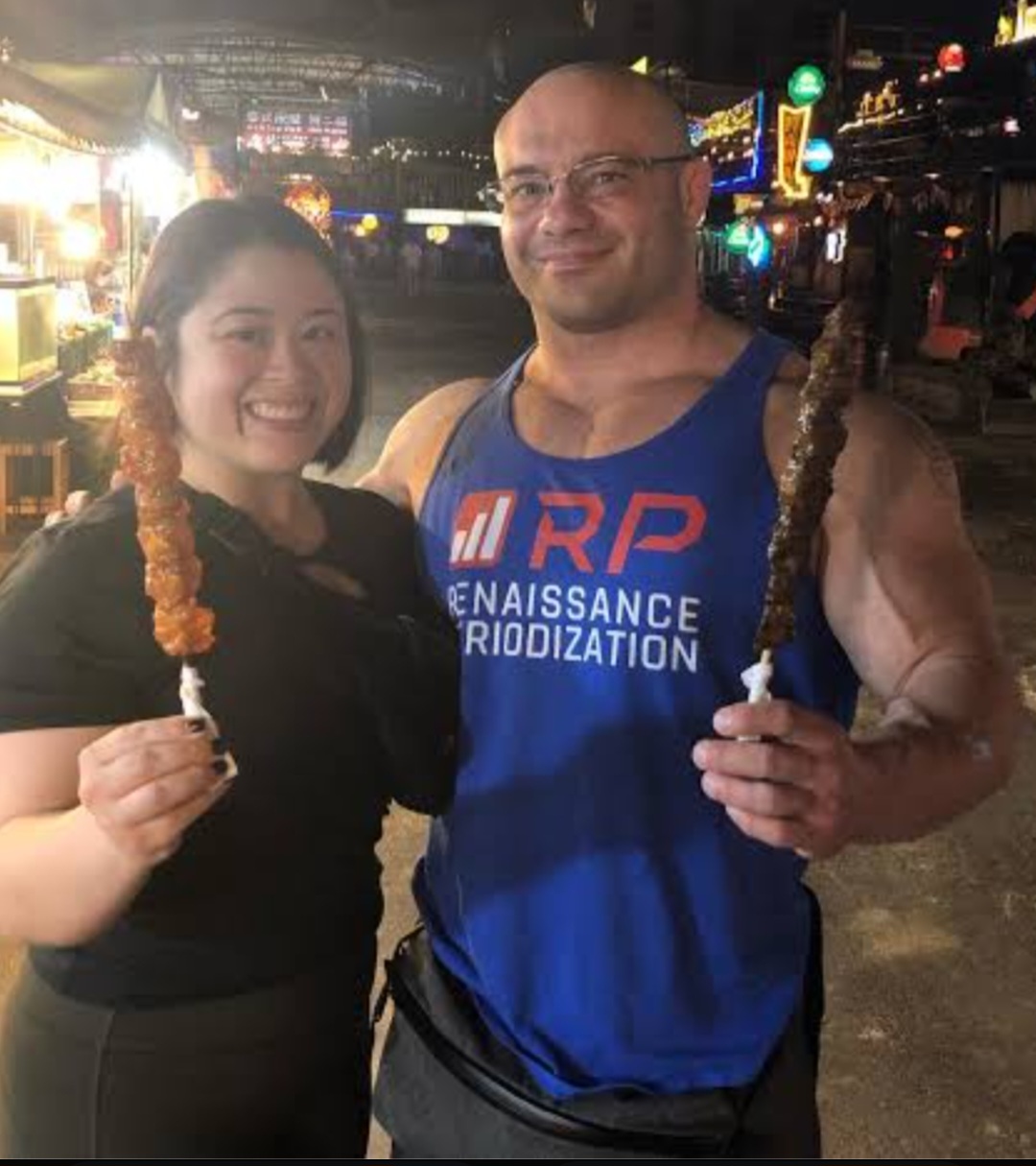
A big difference between the two is how they communicate. Mike Israetel comes across like a university lecturer—calm, analytical, and detailed. His content can sometimes feel complex, but it’s very informative. Greg Doucette is the complete opposite: loud, direct, and often comedic. He uses strong opinions and high energy to get his message across, which makes his content more entertaining but sometimes less nuanced. Which one is “better” here really depends on whether you prefer detailed explanations or straight-to-the-point advice.
Credibility & Expertise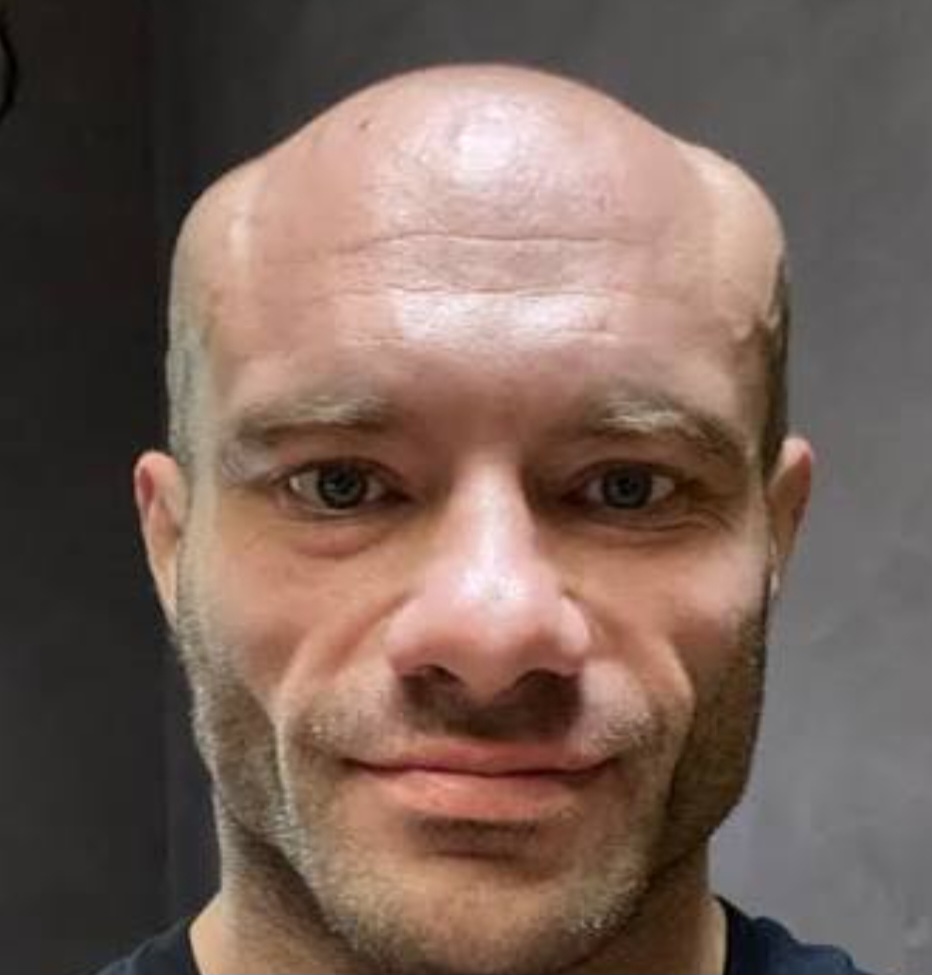
Both Mike and Greg are highly knowledgeable, but their credibility comes from slightly different areas. Mike Israetel has a strong academic background with a PhD in sports physiology and is deeply involved in scientific research. Greg Doucette is an IFBB pro bodybuilder and has decades of real-world experience competing and coaching. So Mike represents the academic side of fitness, while Greg represents applied, real-world experience. Neither is inherently better—they just bring different strengths to the table.
Who Is Better Overall?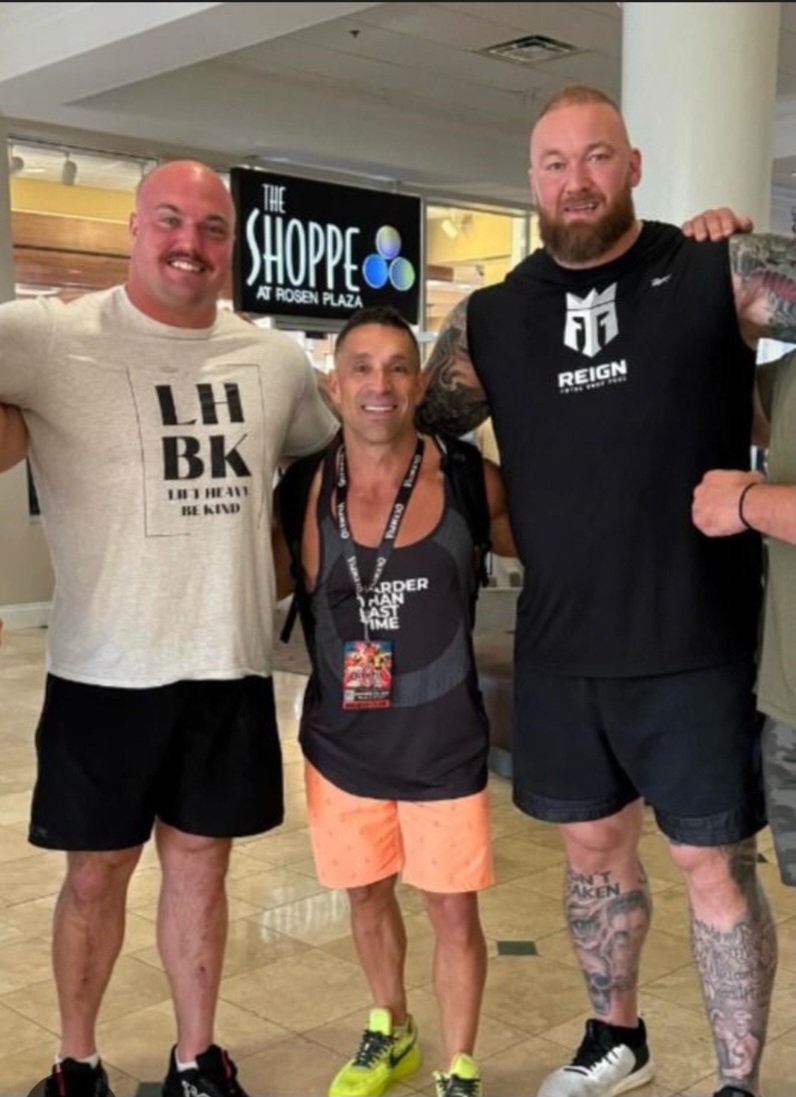
There isn’t a clear winner—it depends on what you’re looking for. If you want a structured, science-heavy approach with detailed explanations, Mike Israetel is probably better for you. If you prefer simple, aggressive advice that’s easy to follow and keeps you motivated, Greg Doucette might be the better choice. Ideally, the best approach is to take useful ideas from both: use Mike’s structure and understanding, combined with Greg’s intensity and practicality.