Hairloss Protocol, fighting the norwood reaper 1 step at a time.

h76

h76

Baron Herminius LXXVI
Joined
Nov 2, 2020
Posts
423
Reputation
665
Prologue

Hair loss is a brutal reality for men. Androgenic alopecia, the miniaturization of hair follicles caused by androgen receptor binding molecules, primarily effecting young men aged 20-29 (22.73%). Hair is an extremely vital component to your looks, which can single handedly make or break your aesthetics. Thankfully clinical pharmacology used to treat hair loss is incredibly expansive. There are a hundreds of treatments, many of which are cope. However, we fortunately have clinically proven treatments to mitigate hair loss. Today we will discuss each major treatment, what works & what should be left on the shelf.


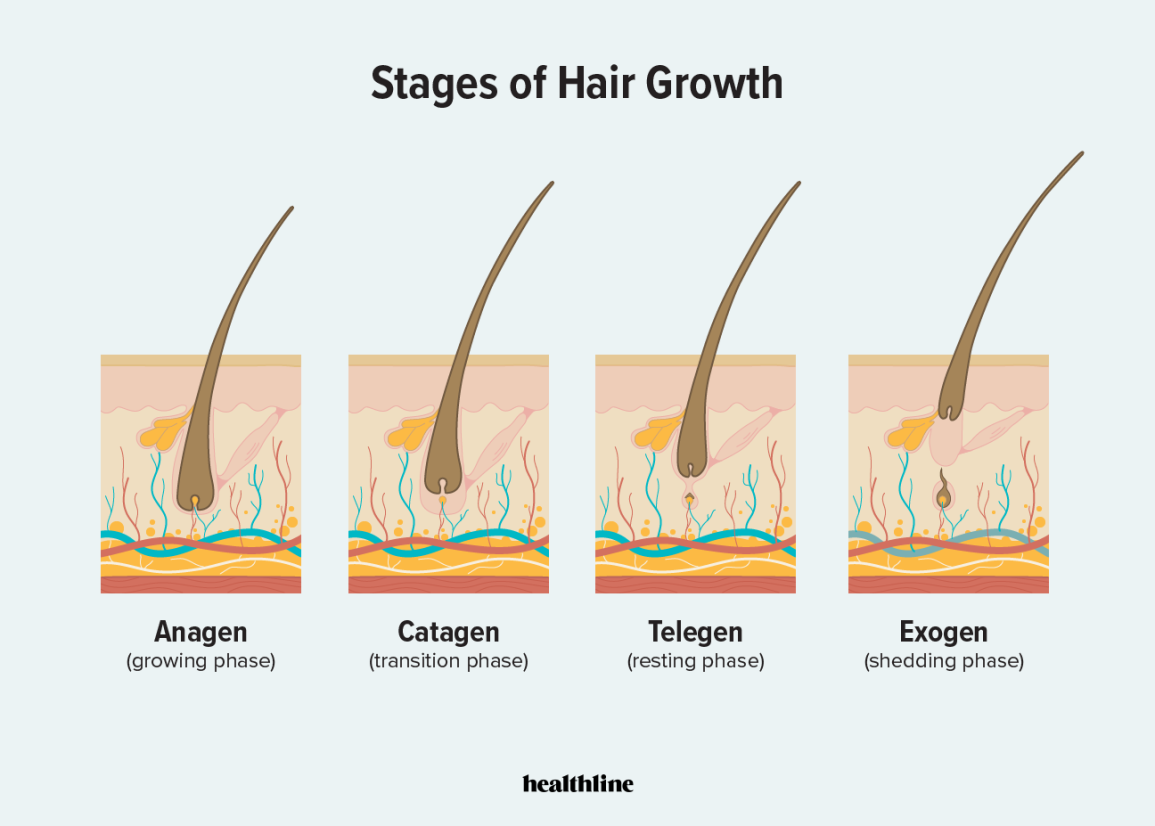
Hair growth cycle

Anagen

This is the longest phase, which lasts between 2 to 8 years. These hairs are pushed out by the
hair follicle and continue to grow until they’re cut. Representing about 85-90% of your hair. This
phase can theoretically be promoted by CXXC5 inhibitors, as discussed later.
Catagen

This phase which lasts for 2 weeks, represents about 1-3% of your hair. During this phase,
growth slows & hair follicles start to shrink. This hair separates from the hair follicle, but
doesn’t fall out.

Telogen

This phase lasts roughly 2-3 months. It represents roughly 9% of your hair. Hair wont grow
during this phase. New hair starts to form in the follicles during this phase
Exogen

Hair is shed from the scalp, leading to a loss of 50-100 hairs per day. This can last several
months, & during this time new hair follicles form to take their place.
Stages of the hair


5α-Reductase Inhibitors

5α-reductase (5αr), an enzyme that converts the androgen & sex hormone testosterone into
dihydrotestosterone (DHT). While much of it is deactivated by 3α-hydroxysteroid
dehydrogenase & converted into 3α-androstanediol, DHT can still bind to the androgen
receptors in the scalp which can lead to hair follicle miniaturization. This process involves shrinking the
hair follicle resulting in shorter, finer strands called vellus hair. Eventually, the hair completely
sheds & you’re left bald. Testosterone also binds to androgen receptors in your scalp, but
to a lesser extent than DHT which is ~10x more androgenic in its active form.

We can mitigate this process by taking 5α-reductase inhibitors, such as finasteride &
dutasteride. This will systematically lower serum DHT in the bloodstream, potentially leading to
side effects, which affect a small percentage of men. Finasteride & dutasteride actually have
virtually the same side effect profile [1].

Overall, 5α-reductase inhibitors are the first line of defense for hair loss. Any proper hair loss
protocol needs to include them to be effective. These compounds should NOT be taken during
development, as DHT is an essential hormone for the development of men. Since women have
low serum DHT levels biologically, these compounds will have virtually no effect on female
androgenic alopecia.

Oral Finasteride

This medication is typically prescribed in 1mg tablets for hair loss, & 5mg tablets to treat
benign prostatic hyperplasia [2]. The 1mg tablet is usually very effective for treating
androgenic alopecia. It leads to an average of ~70% serum reduction of DHT. This only blocks
type 1 5α-reductase, so it has no effect on skin & sebaceous glands. The 1mg vs. 5mg side
effect profiles are drastically different. 5mg tablet has a much higher rate of side effects,
without being more effective for treating hair loss.


Oral Dutasteride


Typically prescribed in 0.5mg tablets, however 0.5mg blocks just around 70% of DHT that is why a dose
of 2.5mg is much more optimal to treat hairloss. This blocks both type 1 & type 2 5α-reductase. It leads to
an average of roughly 95% serum reduction in DHT. While blocking more DHT, this does not lead to a clinically
significant increase in adverse effects. Many people praise oral dutasteride for its skin benefits, but this won’t
be as dramatic as something like topical retinoids. In a head-to-head trial comparing oral dutasteride to
finasteride, dutasteride wins by a long shot. However, oral dutasteride can be harder to source, & clinicians
typically prescribe finasteride over dutasteride due to a lack of understanding of both the safety & side effect
profile between the two.


Topical Compounds

Topical hair growth compounds focus on stimulating follicles and blocking DHT, usually acting
as artificial ways to ultimately prolonging the Anagen stage.

Fluocinoline
A mild corticosteroid that helps reduce inflammation & irritation in the scalp. This is mainly
used clinically to treat alopecia areata, but has a use case with androgenic alopecia as well.
Fluocinoline can ease the absorption of other topical agents, but probably won’t function very
strongly on its own. If your immune system is essentially attacking your own hair follicles,
corticosteroids can reduce the action of white blood cells in your scalp, freeing up hair follicles
to grow and prevent damage.

RU-58841

A topical anti-androgen that inhibits testosterone and DHT from binding to androgen
receptors in the scalp, with a minimal serum decrease in androgen receptor signaling.
Since testosterone also has a chance to miniaturize hair follicles in the scalp, RU can
become a good option to address androgenic alopecia. This compound is highly preferential
to AAS users, due to the fact that it promotes local androgen blockade without systemic
effects. It does not lower serum testosterone, estradiol, or DHT. Many AAS act directly
on the AR, bypassing 5αr & causing 5αris to fail. RU-58841 has compatibility with
the presence of supraphysiological androgen levels, especially with DHT derivatives
like masteron.


PTD-DBM

PTD-DBM, standing for Protein Transduction Domain-fused Dishevelled Binding Motif
is a peptide which inhibits the binding of CXXC5 to Dishevelled. This activates the
Wnt/β-catenin pathway which results in new hair growth. This supports follicular differentiation
and proliferation. Targeting CXXC5 has been proven to increase hair growth and neogenesis

KX-826

Also known as Pyrilumatide, which is a drug developed by Kintor Pharmaceuticals. Instead of
lowering DHT levels like finasteride, KX-826
directly blocks it from binding to androgen receptors
in the hair follicles ultimately preventing the hormones miniaturizing effect. It can be used as an
alternative to finasturide or minoxidil due to clinical trials suggesting minimal systemic side effects.


PP405 Ligands ~ The ultimate solution

PP405 is a compound that acts as a mitochondrial pyruvate carrier inhibitor, used topically as
a gel. This is an extremely effective & scientifically backed treatment for androgenic alopecia.
It works by stimulating lactate dehydrogenase in hair follicle stem cells, which regulates the hair
growth cycle & promotes cellular energy for hair growth. Normally, in the case of androgenic
alopecia, hair follicles tend to permanently stay in the exogen phase, catastrophizing their ability
to grow. By acting on hair follicle stem cells, PP405 reactivates hair follicles by promoting their
metabolism. Fortunately, this compound is unstable in blood serum, making the risk of systemic
absorption minimal. The chemical structure, for the most part, is unknown. The patent is owned
by Pelage Pharmaceuticals, but reverse engineering of patents has been underway for quite
some time. There are hints this will be released on everychem.com. This will be present in two
ligands of PP405: PP30 and 3HP. 3HP is the primary activator. This modulates redox
(oxidative/antioxidative) signaling within the hair follicle. This theoretically shifts the hair follicle
directly into the anagen phase. This is what actively acts on dormant hair follicles. PP30 can
act as a buffer for the oxidative stress caused by the activation of hair follicle stem cells. This
delays the transition from anagen to catagen preventing early shutdown. This doesn’t restart
the hair growth itself, but modulates the metabolism of hair follicles so they stay in the growth
phase. Together, PP30 and 3HP act as a non-androgenic growth signaling combination.


@Sadist @Nexom @Nutsack2000 @Mogs Me @adeeyeah @Orka @iblamexyz @BigBallsLarry @Cinnamon fan64 @knightgtb65 @dnrwarrior11 @Idontknow- @Laqi @nestivv @Volksstaffel @GonorrhoeaGobbler
 
Last edited:
  • +1
  • Woah
  • Love it
Reactions: Noun, mohi_100, wannabemogger and 17 others
dnr but mirin the effort bhai
 
  • +1
  • Ugh..
Reactions: knightgtb65, hej1377, nightvision and 2 others
why mention topical anti androgens and have Ru58841 but not KX 826???
 
  • +1
Reactions: hej1377
nice thread, bump
 
  • +1
Reactions: psltristan1, knightgtb65, iblamexyz and 3 others
why mention topical anti androgens and have Ru58841 but not KX 826???
still in clinical trails, i might edit this guide and put it in.
 
  • +1
Reactions: mohi_100, knightgtb65 and hej1377
still in clinical trails, i might edit this guide and put it in.
KX 826 is way more researched than RU58841 and available as a cosmetic because of the fluke study they had
 
@Orka @iblamexyz @BigBallsLarry @knightgtb65 @dnrwarrior11
 
  • +1
Reactions: mohi_100, knightgtb65, iblamexyz and 4 others
Fin/dut + minoxidil is tried and true
 
  • +1
Reactions: hej1377, h76 and nightvision
Dnr I have Norwood negative atp

But nice thread and effort, who knows might need it later
 
  • +1
  • JFL
Reactions: knightgtb65, hej1377 and h76
Why no minoxidil? cope?
No but its already talked about heavily so I just provided some alternatives that work just as well if not better.

@Idontknow- @Laqi @nestivv @GonorrhoeaGobbler
 
Last edited:
  • +1
Reactions: mohi_100, knightgtb65 and hej1377
No but its already talked about heavily so I just provided some alternatives that work just as well if not better.

@Idontknow- @Laqi @nestivv @GonorrhoeaGobbler

@hej1377 @Aryan Incel
 
  • +1
Reactions: mohi_100, Aryan Incel, knightgtb65 and 1 other person
@hej1377 @Aryan Incel
Very good thread with nice formating and good summarizing info, altough didnt Pyrilutamide fail its last trial in terms of efficacy and acheavied no statistically signifact results?

Altough it might be a mix up and i might just be tripoin as it was a while ago i looked into it
 
Last edited:
  • +1
Reactions: Aryan Incel and h76
Very good thread with nice formating and good summarizing info, altough didnt Pyrilutamide fail its last trial in terms of efficacy and acheavied no statistically signifact results?

Altough it might be a mix up and i might just be tripoin as it was a while ago i looked into it
I'll look into it, but I dont believe so.
 
  • +1
Reactions: mohi_100, knightgtb65 and hej1377
Did you not read about the latest studies on PP405, its not effective enough to combat the norwood reaper

Attention bait of you naming it a “final solution”
 
Last edited:
  • +1
Reactions: Orka
You did not read the newest studies about PP405, its not effective enough to combat the norwood reaper

Attention bait of you naming it a “final solution”
1766100527365

“This doesnt restart hair growth itself but..”

Nice chatgpt
 
  • Woah
Reactions: Orka
Also why did you put fluocinoline? No one has alopecia areata + AR antagonists lose effectiveness overtime
 
  • +1
Reactions: knightgtb65 and Orka
Prologue

Hair loss is a brutal reality for men. Androgenic alopecia, the miniaturization of hair follicles caused by androgen receptor binding molecules, primarily effecting young men aged 20-29 (22.73%). Hair is an extremely vital component to your looks, which can single handedly make or break your aesthetics. Thankfully clinical pharmacology used to treat hair loss is incredibly expansive. There are a hundreds of treatments, many of which are cope. However, we fortunately have clinically proven treatments to mitigate hair loss. Today we will discuss each major treatment, what works & what should be left on the shelf.


Hair growth cycle

Anagen

This is the longest phase, which lasts between 2 to 8 years. These hairs are pushed out by the
hair follicle and continue to grow until they’re cut. Representing about 85-90% of your hair. This
phase can theoretically be promoted by CXXC5 inhibitors, as discussed later.
Catagen

This phase which lasts for 2 weeks, represents about 1-3% of your hair. During this phase,
growth slows & hair follicles start to shrink. This hair separates from the hair follicle, but
doesn’t fall out.

Telogen

This phase lasts roughly 2-3 months. It represents roughly 9% of your hair. Hair wont grow
during this phase. New hair starts to form in the follicles during this phase
Exogen

Hair is shed from the scalp, leading to a loss of 50-100 hairs per day. This can last several
months, & during this time new hair follicles form to take their place.


5α-Reductase Inhibitors

5α-reductase (5αr), an enzyme that converts the androgen & sex hormone testosterone into
dihydrotestosterone (DHT). While much of it is deactivated by 3α-hydroxysteroid
dehydrogenase & converted into 3α-androstanediol, DHT can still bind to the androgen
receptors in the scalp which can lead to hair follicle miniaturization. This process involves shrinking the
hair follicle resulting in shorter, finer strands called vellus hair. Eventually, the hair completely
sheds & you’re left bald. Testosterone also binds to androgen receptors in your scalp, but
to a lesser extent than DHT which is ~10x more androgenic in its active form.

We can mitigate this process by taking 5α-reductase inhibitors, such as finasteride &
dutasteride. This will systematically lower serum DHT in the bloodstream, potentially leading to
side effects, which affect a small percentage of men. Finasteride & dutasteride actually have
virtually the same side effect profile [1].

Overall, 5α-reductase inhibitors are the first line of defense for hair loss. Any proper hair loss
protocol needs to include them to be effective. These compounds should NOT be taken during
development, as DHT is an essential hormone for the development of men. Since women have
low serum DHT levels biologically, these compounds will have virtually no effect on female
androgenic alopecia.

Oral Finasteride

This medication is typically prescribed in 1mg tablets for hair loss, & 5mg tablets to treat
benign prostatic hyperplasia [2]. The 1mg tablet is usually very effective for treating
androgenic alopecia. It leads to an average of ~70% serum reduction of DHT. This only blocks
type 1 5α-reductase, so it has no effect on skin & sebaceous glands. The 1mg vs. 5mg side
effect profiles are drastically different. 5mg tablet has a much higher rate of side effects,
without being more effective for treating hair loss.


Oral Dutasteride


Typically prescribed in 0.5mg tablets, however 0.5mg blocks just around 70% of DHT that is why a dose
of 2.5mg is much more optimal to treat hairloss. This blocks both type 1 & type 2 5α-reductase. It leads to
an average of roughly 95% serum reduction in DHT. While blocking more DHT, this does not lead to a clinically
significant increase in adverse effects. Many people praise oral dutasteride for its skin benefits, but this won’t
be as dramatic as something like topical retinoids. In a head-to-head trial comparing oral dutasteride to
finasteride, dutasteride wins by a long shot. However, oral dutasteride can be harder to source, & clinicians
typically prescribe finasteride over dutasteride due to a lack of understanding of both the safety & side effect
profile between the two.


Topical Compounds

Topical hair growth compounds focus on stimulating follicles and blocking DHT, usually acting
as artificial ways to ultimately prolonging the Anagen stage.

Fluocinoline
A mild corticosteroid that helps reduce inflammation & irritation in the scalp. This is mainly
used clinically to treat alopecia areata, but has a use case with androgenic alopecia as well.
Fluocinoline can ease the absorption of other topical agents, but probably won’t function very
strongly on its own. If your immune system is essentially attacking your own hair follicles,
corticosteroids can reduce the action of white blood cells in your scalp, freeing up hair follicles
to grow and prevent damage.

RU-58841

A topical anti-androgen that inhibits testosterone and DHT from binding to androgen
receptors in the scalp, with a minimal serum decrease in androgen receptor signaling.
Since testosterone also has a chance to miniaturize hair follicles in the scalp, RU can
become a good option to address androgenic alopecia. This compound is highly preferential
to AAS users, due to the fact that it promotes local androgen blockade without systemic
effects. It does not lower serum testosterone, estradiol, or DHT. Many AAS act directly
on the AR, bypassing 5αr & causing 5αris to fail. RU-58841 has compatibility with
the presence of supraphysiological androgen levels, especially with DHT derivatives
like masteron.


PTD-DBM

PTD-DBM, standing for Protein Transduction Domain-fused Dishevelled Binding Motif
is a peptide which inhibits the binding of CXXC5 to Dishevelled. This activates the
Wnt/β-catenin pathway which results in new hair growth. This supports follicular differentiation
and proliferation. Targeting CXXC5 has been proven to increase hair growth and neogenesis

KX-826

Also known as Pyrilumatide, which is a drug developed by Kintor Pharmaceuticals. Instead of
lowering DHT levels like finasteride, KX-826
directly blocks it from binding to androgen receptors
in the hair follicles ultimately preventing the hormones miniaturizing effect. It can be used as an
alternative to finasturide or minoxidil due to clinical trials suggesting minimal systemic side effects.


PP405 Ligands ~ The ultimate solution

PP405 is a compound that acts as a mitochondrial pyruvate carrier inhibitor, used topically as
a gel. This is an extremely effective & scientifically backed treatment for androgenic alopecia.
It works by stimulating lactate dehydrogenase in hair follicle stem cells, which regulates the hair
growth cycle & promotes cellular energy for hair growth. Normally, in the case of androgenic
alopecia, hair follicles tend to permanently stay in the exogen phase, catastrophizing their ability
to grow. By acting on hair follicle stem cells, PP405 reactivates hair follicles by promoting their
metabolism. Fortunately, this compound is unstable in blood serum, making the risk of systemic
absorption minimal. The chemical structure, for the most part, is unknown. The patent is owned
by Pelage Pharmaceuticals, but reverse engineering of patents has been underway for quite
some time. There are hints this will be released on everychem.com. This will be present in two
ligands of PP405: PP30 and 3HP. 3HP is the primary activator. This modulates redox
(oxidative/antioxidative) signaling within the hair follicle. This theoretically shifts the hair follicle
directly into the anagen phase. This is what actively acts on dormant hair follicles. PP30 can
act as a buffer for the oxidative stress caused by the activation of hair follicle stem cells. This
delays the transition from anagen to catagen preventing early shutdown. This doesn’t restart
the hair growth itself, but modulates the metabolism of hair follicles so they stay in the growth
phase. Together, PP30 and 3HP act as a non-androgenic growth signaling combination.


@Sadist @Nexom @Nutsack2000 @Mogs Me @adeeyeah @Orka @iblamexyz @BigBallsLarry @Cinnamon fan64 @knightgtb65 @dnrwarrior11 @Idontknow- @Laqi @nestivv @Volksstaffel @GonorrhoeaGobbler
nigga made a rainbow

u can only tag 5 ppl per post, but yea good stuff

I will never be bald.
 
  • +1
Reactions: knightgtb65
Well, to be honest. This is not enough proof, i dont want this to be see as a accusation. I apologize if it looks like one
 
  • +1
Reactions: Orka
Prologue

Hair loss is a brutal reality for men. Androgenic alopecia, the miniaturization of hair follicles caused by androgen receptor binding molecules, primarily effecting young men aged 20-29 (22.73%). Hair is an extremely vital component to your looks, which can single handedly make or break your aesthetics. Thankfully clinical pharmacology used to treat hair loss is incredibly expansive. There are a hundreds of treatments, many of which are cope. However, we fortunately have clinically proven treatments to mitigate hair loss. Today we will discuss each major treatment, what works & what should be left on the shelf.


Hair growth cycle

Anagen

This is the longest phase, which lasts between 2 to 8 years. These hairs are pushed out by the
hair follicle and continue to grow until they’re cut. Representing about 85-90% of your hair. This
phase can theoretically be promoted by CXXC5 inhibitors, as discussed later.
Catagen

This phase which lasts for 2 weeks, represents about 1-3% of your hair. During this phase,
growth slows & hair follicles start to shrink. This hair separates from the hair follicle, but
doesn’t fall out.

Telogen

This phase lasts roughly 2-3 months. It represents roughly 9% of your hair. Hair wont grow
during this phase. New hair starts to form in the follicles during this phase
Exogen

Hair is shed from the scalp, leading to a loss of 50-100 hairs per day. This can last several
months, & during this time new hair follicles form to take their place.


5α-Reductase Inhibitors

5α-reductase (5αr), an enzyme that converts the androgen & sex hormone testosterone into
dihydrotestosterone (DHT). While much of it is deactivated by 3α-hydroxysteroid
dehydrogenase & converted into 3α-androstanediol, DHT can still bind to the androgen
receptors in the scalp which can lead to hair follicle miniaturization. This process involves shrinking the
hair follicle resulting in shorter, finer strands called vellus hair. Eventually, the hair completely
sheds & you’re left bald. Testosterone also binds to androgen receptors in your scalp, but
to a lesser extent than DHT which is ~10x more androgenic in its active form.

We can mitigate this process by taking 5α-reductase inhibitors, such as finasteride &
dutasteride. This will systematically lower serum DHT in the bloodstream, potentially leading to
side effects, which affect a small percentage of men. Finasteride & dutasteride actually have
virtually the same side effect profile [1].

Overall, 5α-reductase inhibitors are the first line of defense for hair loss. Any proper hair loss
protocol needs to include them to be effective. These compounds should NOT be taken during
development, as DHT is an essential hormone for the development of men. Since women have
low serum DHT levels biologically, these compounds will have virtually no effect on female
androgenic alopecia.

Oral Finasteride

This medication is typically prescribed in 1mg tablets for hair loss, & 5mg tablets to treat
benign prostatic hyperplasia [2]. The 1mg tablet is usually very effective for treating
androgenic alopecia. It leads to an average of ~70% serum reduction of DHT. This only blocks
type 1 5α-reductase, so it has no effect on skin & sebaceous glands. The 1mg vs. 5mg side
effect profiles are drastically different. 5mg tablet has a much higher rate of side effects,
without being more effective for treating hair loss.


Oral Dutasteride


Typically prescribed in 0.5mg tablets, however 0.5mg blocks just around 70% of DHT that is why a dose
of 2.5mg is much more optimal to treat hairloss. This blocks both type 1 & type 2 5α-reductase. It leads to
an average of roughly 95% serum reduction in DHT. While blocking more DHT, this does not lead to a clinically
significant increase in adverse effects. Many people praise oral dutasteride for its skin benefits, but this won’t
be as dramatic as something like topical retinoids. In a head-to-head trial comparing oral dutasteride to
finasteride, dutasteride wins by a long shot. However, oral dutasteride can be harder to source, & clinicians
typically prescribe finasteride over dutasteride due to a lack of understanding of both the safety & side effect
profile between the two.


Topical Compounds

Topical hair growth compounds focus on stimulating follicles and blocking DHT, usually acting
as artificial ways to ultimately prolonging the Anagen stage.

Fluocinoline
A mild corticosteroid that helps reduce inflammation & irritation in the scalp. This is mainly
used clinically to treat alopecia areata, but has a use case with androgenic alopecia as well.
Fluocinoline can ease the absorption of other topical agents, but probably won’t function very
strongly on its own. If your immune system is essentially attacking your own hair follicles,
corticosteroids can reduce the action of white blood cells in your scalp, freeing up hair follicles
to grow and prevent damage.

RU-58841

A topical anti-androgen that inhibits testosterone and DHT from binding to androgen
receptors in the scalp, with a minimal serum decrease in androgen receptor signaling.
Since testosterone also has a chance to miniaturize hair follicles in the scalp, RU can
become a good option to address androgenic alopecia. This compound is highly preferential
to AAS users, due to the fact that it promotes local androgen blockade without systemic
effects. It does not lower serum testosterone, estradiol, or DHT. Many AAS act directly
on the AR, bypassing 5αr & causing 5αris to fail. RU-58841 has compatibility with
the presence of supraphysiological androgen levels, especially with DHT derivatives
like masteron.


PTD-DBM

PTD-DBM, standing for Protein Transduction Domain-fused Dishevelled Binding Motif
is a peptide which inhibits the binding of CXXC5 to Dishevelled. This activates the
Wnt/β-catenin pathway which results in new hair growth. This supports follicular differentiation
and proliferation. Targeting CXXC5 has been proven to increase hair growth and neogenesis

KX-826

Also known as Pyrilumatide, which is a drug developed by Kintor Pharmaceuticals. Instead of
lowering DHT levels like finasteride, KX-826
directly blocks it from binding to androgen receptors
in the hair follicles ultimately preventing the hormones miniaturizing effect. It can be used as an
alternative to finasturide or minoxidil due to clinical trials suggesting minimal systemic side effects.


PP405 Ligands ~ The ultimate solution

PP405 is a compound that acts as a mitochondrial pyruvate carrier inhibitor, used topically as
a gel. This is an extremely effective & scientifically backed treatment for androgenic alopecia.
It works by stimulating lactate dehydrogenase in hair follicle stem cells, which regulates the hair
growth cycle & promotes cellular energy for hair growth. Normally, in the case of androgenic
alopecia, hair follicles tend to permanently stay in the exogen phase, catastrophizing their ability
to grow. By acting on hair follicle stem cells, PP405 reactivates hair follicles by promoting their
metabolism. Fortunately, this compound is unstable in blood serum, making the risk of systemic
absorption minimal. The chemical structure, for the most part, is unknown. The patent is owned
by Pelage Pharmaceuticals, but reverse engineering of patents has been underway for quite
some time. There are hints this will be released on everychem.com. This will be present in two
ligands of PP405: PP30 and 3HP. 3HP is the primary activator. This modulates redox
(oxidative/antioxidative) signaling within the hair follicle. This theoretically shifts the hair follicle
directly into the anagen phase. This is what actively acts on dormant hair follicles. PP30 can
act as a buffer for the oxidative stress caused by the activation of hair follicle stem cells. This
delays the transition from anagen to catagen preventing early shutdown. This doesn’t restart
the hair growth itself, but modulates the metabolism of hair follicles so they stay in the growth
phase. Together, PP30 and 3HP act as a non-androgenic growth signaling combination.


@Sadist @Nexom @Nutsack2000 @Mogs Me @adeeyeah @Orka @iblamexyz @BigBallsLarry @Cinnamon fan64 @knightgtb65 @dnrwarrior11 @Idontknow- @Laqi @nestivv @Volksstaffel @GonorrhoeaGobbler
Mirin the guide
 
  • +1
Reactions: knightgtb65
Prologue

Hair loss is a brutal reality for men. Androgenic alopecia, the miniaturization of hair follicles caused by androgen receptor binding molecules, primarily effecting young men aged 20-29 (22.73%). Hair is an extremely vital component to your looks, which can single handedly make or break your aesthetics. Thankfully clinical pharmacology used to treat hair loss is incredibly expansive. There are a hundreds of treatments, many of which are cope. However, we fortunately have clinically proven treatments to mitigate hair loss. Today we will discuss each major treatment, what works & what should be left on the shelf.


Hair growth cycle

Anagen

This is the longest phase, which lasts between 2 to 8 years. These hairs are pushed out by the
hair follicle and continue to grow until they’re cut. Representing about 85-90% of your hair. This
phase can theoretically be promoted by CXXC5 inhibitors, as discussed later.
Catagen

This phase which lasts for 2 weeks, represents about 1-3% of your hair. During this phase,
growth slows & hair follicles start to shrink. This hair separates from the hair follicle, but
doesn’t fall out.

Telogen

This phase lasts roughly 2-3 months. It represents roughly 9% of your hair. Hair wont grow
during this phase. New hair starts to form in the follicles during this phase
Exogen

Hair is shed from the scalp, leading to a loss of 50-100 hairs per day. This can last several
months, & during this time new hair follicles form to take their place.


5α-Reductase Inhibitors

5α-reductase (5αr), an enzyme that converts the androgen & sex hormone testosterone into
dihydrotestosterone (DHT). While much of it is deactivated by 3α-hydroxysteroid
dehydrogenase & converted into 3α-androstanediol, DHT can still bind to the androgen
receptors in the scalp which can lead to hair follicle miniaturization. This process involves shrinking the
hair follicle resulting in shorter, finer strands called vellus hair. Eventually, the hair completely
sheds & you’re left bald. Testosterone also binds to androgen receptors in your scalp, but
to a lesser extent than DHT which is ~10x more androgenic in its active form.

We can mitigate this process by taking 5α-reductase inhibitors, such as finasteride &
dutasteride. This will systematically lower serum DHT in the bloodstream, potentially leading to
side effects, which affect a small percentage of men. Finasteride & dutasteride actually have
virtually the same side effect profile [1].

Overall, 5α-reductase inhibitors are the first line of defense for hair loss. Any proper hair loss
protocol needs to include them to be effective. These compounds should NOT be taken during
development, as DHT is an essential hormone for the development of men. Since women have
low serum DHT levels biologically, these compounds will have virtually no effect on female
androgenic alopecia.

Oral Finasteride

This medication is typically prescribed in 1mg tablets for hair loss, & 5mg tablets to treat
benign prostatic hyperplasia [2]. The 1mg tablet is usually very effective for treating
androgenic alopecia. It leads to an average of ~70% serum reduction of DHT. This only blocks
type 1 5α-reductase, so it has no effect on skin & sebaceous glands. The 1mg vs. 5mg side
effect profiles are drastically different. 5mg tablet has a much higher rate of side effects,
without being more effective for treating hair loss.


Oral Dutasteride


Typically prescribed in 0.5mg tablets, however 0.5mg blocks just around 70% of DHT that is why a dose
of 2.5mg is much more optimal to treat hairloss. This blocks both type 1 & type 2 5α-reductase. It leads to
an average of roughly 95% serum reduction in DHT. While blocking more DHT, this does not lead to a clinically
significant increase in adverse effects. Many people praise oral dutasteride for its skin benefits, but this won’t
be as dramatic as something like topical retinoids. In a head-to-head trial comparing oral dutasteride to
finasteride, dutasteride wins by a long shot. However, oral dutasteride can be harder to source, & clinicians
typically prescribe finasteride over dutasteride due to a lack of understanding of both the safety & side effect
profile between the two.


Topical Compounds

Topical hair growth compounds focus on stimulating follicles and blocking DHT, usually acting
as artificial ways to ultimately prolonging the Anagen stage.

Fluocinoline
A mild corticosteroid that helps reduce inflammation & irritation in the scalp. This is mainly
used clinically to treat alopecia areata, but has a use case with androgenic alopecia as well.
Fluocinoline can ease the absorption of other topical agents, but probably won’t function very
strongly on its own. If your immune system is essentially attacking your own hair follicles,
corticosteroids can reduce the action of white blood cells in your scalp, freeing up hair follicles
to grow and prevent damage.

RU-58841

A topical anti-androgen that inhibits testosterone and DHT from binding to androgen
receptors in the scalp, with a minimal serum decrease in androgen receptor signaling.
Since testosterone also has a chance to miniaturize hair follicles in the scalp, RU can
become a good option to address androgenic alopecia. This compound is highly preferential
to AAS users, due to the fact that it promotes local androgen blockade without systemic
effects. It does not lower serum testosterone, estradiol, or DHT. Many AAS act directly
on the AR, bypassing 5αr & causing 5αris to fail. RU-58841 has compatibility with
the presence of supraphysiological androgen levels, especially with DHT derivatives
like masteron.


PTD-DBM

PTD-DBM, standing for Protein Transduction Domain-fused Dishevelled Binding Motif
is a peptide which inhibits the binding of CXXC5 to Dishevelled. This activates the
Wnt/β-catenin pathway which results in new hair growth. This supports follicular differentiation
and proliferation. Targeting CXXC5 has been proven to increase hair growth and neogenesis

KX-826

Also known as Pyrilumatide, which is a drug developed by Kintor Pharmaceuticals. Instead of
lowering DHT levels like finasteride, KX-826
directly blocks it from binding to androgen receptors
in the hair follicles ultimately preventing the hormones miniaturizing effect. It can be used as an
alternative to finasturide or minoxidil due to clinical trials suggesting minimal systemic side effects.


PP405 Ligands ~ The ultimate solution

PP405 is a compound that acts as a mitochondrial pyruvate carrier inhibitor, used topically as
a gel. This is an extremely effective & scientifically backed treatment for androgenic alopecia.
It works by stimulating lactate dehydrogenase in hair follicle stem cells, which regulates the hair
growth cycle & promotes cellular energy for hair growth. Normally, in the case of androgenic
alopecia, hair follicles tend to permanently stay in the exogen phase, catastrophizing their ability
to grow. By acting on hair follicle stem cells, PP405 reactivates hair follicles by promoting their
metabolism. Fortunately, this compound is unstable in blood serum, making the risk of systemic
absorption minimal. The chemical structure, for the most part, is unknown. The patent is owned
by Pelage Pharmaceuticals, but reverse engineering of patents has been underway for quite
some time. There are hints this will be released on everychem.com. This will be present in two
ligands of PP405: PP30 and 3HP. 3HP is the primary activator. This modulates redox
(oxidative/antioxidative) signaling within the hair follicle. This theoretically shifts the hair follicle
directly into the anagen phase. This is what actively acts on dormant hair follicles. PP30 can
act as a buffer for the oxidative stress caused by the activation of hair follicle stem cells. This
delays the transition from anagen to catagen preventing early shutdown. This doesn’t restart
the hair growth itself, but modulates the metabolism of hair follicles so they stay in the growth
phase. Together, PP30 and 3HP act as a non-androgenic growth signaling combination.


@Sadist @Nexom @Nutsack2000 @Mogs Me @adeeyeah @Orka @iblamexyz @BigBallsLarry @Cinnamon fan64 @knightgtb65 @dnrwarrior11 @Idontknow- @Laqi @nestivv @Volksstaffel @GonorrhoeaGobbler
beautiful thread, enjoyed the colour pallete and am bookmarking this:love:
 
Prologue

Hair loss is a brutal reality for men. Androgenic alopecia, the miniaturization of hair follicles caused by androgen receptor binding molecules, primarily effecting young men aged 20-29 (22.73%). Hair is an extremely vital component to your looks, which can single handedly make or break your aesthetics. Thankfully clinical pharmacology used to treat hair loss is incredibly expansive. There are a hundreds of treatments, many of which are cope. However, we fortunately have clinically proven treatments to mitigate hair loss. Today we will discuss each major treatment, what works & what should be left on the shelf.


Hair growth cycle

Anagen

This is the longest phase, which lasts between 2 to 8 years. These hairs are pushed out by the
hair follicle and continue to grow until they’re cut. Representing about 85-90% of your hair. This
phase can theoretically be promoted by CXXC5 inhibitors, as discussed later.
Catagen

This phase which lasts for 2 weeks, represents about 1-3% of your hair. During this phase,
growth slows & hair follicles start to shrink. This hair separates from the hair follicle, but
doesn’t fall out.

Telogen

This phase lasts roughly 2-3 months. It represents roughly 9% of your hair. Hair wont grow
during this phase. New hair starts to form in the follicles during this phase
Exogen

Hair is shed from the scalp, leading to a loss of 50-100 hairs per day. This can last several
months, & during this time new hair follicles form to take their place.


5α-Reductase Inhibitors

5α-reductase (5αr), an enzyme that converts the androgen & sex hormone testosterone into
dihydrotestosterone (DHT). While much of it is deactivated by 3α-hydroxysteroid
dehydrogenase & converted into 3α-androstanediol, DHT can still bind to the androgen
receptors in the scalp which can lead to hair follicle miniaturization. This process involves shrinking the
hair follicle resulting in shorter, finer strands called vellus hair. Eventually, the hair completely
sheds & you’re left bald. Testosterone also binds to androgen receptors in your scalp, but
to a lesser extent than DHT which is ~10x more androgenic in its active form.

We can mitigate this process by taking 5α-reductase inhibitors, such as finasteride &
dutasteride. This will systematically lower serum DHT in the bloodstream, potentially leading to
side effects, which affect a small percentage of men. Finasteride & dutasteride actually have
virtually the same side effect profile [1].

Overall, 5α-reductase inhibitors are the first line of defense for hair loss. Any proper hair loss
protocol needs to include them to be effective. These compounds should NOT be taken during
development, as DHT is an essential hormone for the development of men. Since women have
low serum DHT levels biologically, these compounds will have virtually no effect on female
androgenic alopecia.

Oral Finasteride

This medication is typically prescribed in 1mg tablets for hair loss, & 5mg tablets to treat
benign prostatic hyperplasia [2]. The 1mg tablet is usually very effective for treating
androgenic alopecia. It leads to an average of ~70% serum reduction of DHT. This only blocks
type 1 5α-reductase, so it has no effect on skin & sebaceous glands. The 1mg vs. 5mg side
effect profiles are drastically different. 5mg tablet has a much higher rate of side effects,
without being more effective for treating hair loss.


Oral Dutasteride


Typically prescribed in 0.5mg tablets, however 0.5mg blocks just around 70% of DHT that is why a dose
of 2.5mg is much more optimal to treat hairloss. This blocks both type 1 & type 2 5α-reductase. It leads to
an average of roughly 95% serum reduction in DHT. While blocking more DHT, this does not lead to a clinically
significant increase in adverse effects. Many people praise oral dutasteride for its skin benefits, but this won’t
be as dramatic as something like topical retinoids. In a head-to-head trial comparing oral dutasteride to
finasteride, dutasteride wins by a long shot. However, oral dutasteride can be harder to source, & clinicians
typically prescribe finasteride over dutasteride due to a lack of understanding of both the safety & side effect
profile between the two.


Topical Compounds

Topical hair growth compounds focus on stimulating follicles and blocking DHT, usually acting
as artificial ways to ultimately prolonging the Anagen stage.

Fluocinoline
A mild corticosteroid that helps reduce inflammation & irritation in the scalp. This is mainly
used clinically to treat alopecia areata, but has a use case with androgenic alopecia as well.
Fluocinoline can ease the absorption of other topical agents, but probably won’t function very
strongly on its own. If your immune system is essentially attacking your own hair follicles,
corticosteroids can reduce the action of white blood cells in your scalp, freeing up hair follicles
to grow and prevent damage.

RU-58841

A topical anti-androgen that inhibits testosterone and DHT from binding to androgen
receptors in the scalp, with a minimal serum decrease in androgen receptor signaling.
Since testosterone also has a chance to miniaturize hair follicles in the scalp, RU can
become a good option to address androgenic alopecia. This compound is highly preferential
to AAS users, due to the fact that it promotes local androgen blockade without systemic
effects. It does not lower serum testosterone, estradiol, or DHT. Many AAS act directly
on the AR, bypassing 5αr & causing 5αris to fail. RU-58841 has compatibility with
the presence of supraphysiological androgen levels, especially with DHT derivatives
like masteron.


PTD-DBM

PTD-DBM, standing for Protein Transduction Domain-fused Dishevelled Binding Motif
is a peptide which inhibits the binding of CXXC5 to Dishevelled. This activates the
Wnt/β-catenin pathway which results in new hair growth. This supports follicular differentiation
and proliferation. Targeting CXXC5 has been proven to increase hair growth and neogenesis

KX-826

Also known as Pyrilumatide, which is a drug developed by Kintor Pharmaceuticals. Instead of
lowering DHT levels like finasteride, KX-826
directly blocks it from binding to androgen receptors
in the hair follicles ultimately preventing the hormones miniaturizing effect. It can be used as an
alternative to finasturide or minoxidil due to clinical trials suggesting minimal systemic side effects.


PP405 Ligands ~ The ultimate solution

PP405 is a compound that acts as a mitochondrial pyruvate carrier inhibitor, used topically as
a gel. This is an extremely effective & scientifically backed treatment for androgenic alopecia.
It works by stimulating lactate dehydrogenase in hair follicle stem cells, which regulates the hair
growth cycle & promotes cellular energy for hair growth. Normally, in the case of androgenic
alopecia, hair follicles tend to permanently stay in the exogen phase, catastrophizing their ability
to grow. By acting on hair follicle stem cells, PP405 reactivates hair follicles by promoting their
metabolism. Fortunately, this compound is unstable in blood serum, making the risk of systemic
absorption minimal. The chemical structure, for the most part, is unknown. The patent is owned
by Pelage Pharmaceuticals, but reverse engineering of patents has been underway for quite
some time. There are hints this will be released on everychem.com. This will be present in two
ligands of PP405: PP30 and 3HP. 3HP is the primary activator. This modulates redox
(oxidative/antioxidative) signaling within the hair follicle. This theoretically shifts the hair follicle
directly into the anagen phase. This is what actively acts on dormant hair follicles. PP30 can
act as a buffer for the oxidative stress caused by the activation of hair follicle stem cells. This
delays the transition from anagen to catagen preventing early shutdown. This doesn’t restart
the hair growth itself, but modulates the metabolism of hair follicles so they stay in the growth
phase. Together, PP30 and 3HP act as a non-androgenic growth signaling combination.


@Sadist @Nexom @Nutsack2000 @Mogs Me @adeeyeah @Orka @iblamexyz @BigBallsLarry @Cinnamon fan64 @knightgtb65 @dnrwarrior11 @Idontknow- @Laqi @nestivv @Volksstaffel @GonorrhoeaGobbler
thankssss
 
This is probably a good thread I have no idea :forcedsmile:
Bookmarked
 
Prologue

Hair loss is a brutal reality for men. Androgenic alopecia, the miniaturization of hair follicles caused by androgen receptor binding molecules, primarily effecting young men aged 20-29 (22.73%). Hair is an extremely vital component to your looks, which can single handedly make or break your aesthetics. Thankfully clinical pharmacology used to treat hair loss is incredibly expansive. There are a hundreds of treatments, many of which are cope. However, we fortunately have clinically proven treatments to mitigate hair loss. Today we will discuss each major treatment, what works & what should be left on the shelf.


Hair growth cycle

Anagen

This is the longest phase, which lasts between 2 to 8 years. These hairs are pushed out by the
hair follicle and continue to grow until they’re cut. Representing about 85-90% of your hair. This
phase can theoretically be promoted by CXXC5 inhibitors, as discussed later.
Catagen

This phase which lasts for 2 weeks, represents about 1-3% of your hair. During this phase,
growth slows & hair follicles start to shrink. This hair separates from the hair follicle, but
doesn’t fall out.

Telogen

This phase lasts roughly 2-3 months. It represents roughly 9% of your hair. Hair wont grow
during this phase. New hair starts to form in the follicles during this phase
Exogen

Hair is shed from the scalp, leading to a loss of 50-100 hairs per day. This can last several
months, & during this time new hair follicles form to take their place.


5α-Reductase Inhibitors

5α-reductase (5αr), an enzyme that converts the androgen & sex hormone testosterone into
dihydrotestosterone (DHT). While much of it is deactivated by 3α-hydroxysteroid
dehydrogenase & converted into 3α-androstanediol, DHT can still bind to the androgen
receptors in the scalp which can lead to hair follicle miniaturization. This process involves shrinking the
hair follicle resulting in shorter, finer strands called vellus hair. Eventually, the hair completely
sheds & you’re left bald. Testosterone also binds to androgen receptors in your scalp, but
to a lesser extent than DHT which is ~10x more androgenic in its active form.

We can mitigate this process by taking 5α-reductase inhibitors, such as finasteride &
dutasteride. This will systematically lower serum DHT in the bloodstream, potentially leading to
side effects, which affect a small percentage of men. Finasteride & dutasteride actually have
virtually the same side effect profile [1].

Overall, 5α-reductase inhibitors are the first line of defense for hair loss. Any proper hair loss
protocol needs to include them to be effective. These compounds should NOT be taken during
development, as DHT is an essential hormone for the development of men. Since women have
low serum DHT levels biologically, these compounds will have virtually no effect on female
androgenic alopecia.

Oral Finasteride

This medication is typically prescribed in 1mg tablets for hair loss, & 5mg tablets to treat
benign prostatic hyperplasia [2]. The 1mg tablet is usually very effective for treating
androgenic alopecia. It leads to an average of ~70% serum reduction of DHT. This only blocks
type 1 5α-reductase, so it has no effect on skin & sebaceous glands. The 1mg vs. 5mg side
effect profiles are drastically different. 5mg tablet has a much higher rate of side effects,
without being more effective for treating hair loss.


Oral Dutasteride


Typically prescribed in 0.5mg tablets, however 0.5mg blocks just around 70% of DHT that is why a dose
of 2.5mg is much more optimal to treat hairloss. This blocks both type 1 & type 2 5α-reductase. It leads to
an average of roughly 95% serum reduction in DHT. While blocking more DHT, this does not lead to a clinically
significant increase in adverse effects. Many people praise oral dutasteride for its skin benefits, but this won’t
be as dramatic as something like topical retinoids. In a head-to-head trial comparing oral dutasteride to
finasteride, dutasteride wins by a long shot. However, oral dutasteride can be harder to source, & clinicians
typically prescribe finasteride over dutasteride due to a lack of understanding of both the safety & side effect
profile between the two.


Topical Compounds

Topical hair growth compounds focus on stimulating follicles and blocking DHT, usually acting
as artificial ways to ultimately prolonging the Anagen stage.

Fluocinoline
A mild corticosteroid that helps reduce inflammation & irritation in the scalp. This is mainly
used clinically to treat alopecia areata, but has a use case with androgenic alopecia as well.
Fluocinoline can ease the absorption of other topical agents, but probably won’t function very
strongly on its own. If your immune system is essentially attacking your own hair follicles,
corticosteroids can reduce the action of white blood cells in your scalp, freeing up hair follicles
to grow and prevent damage.

RU-58841

A topical anti-androgen that inhibits testosterone and DHT from binding to androgen
receptors in the scalp, with a minimal serum decrease in androgen receptor signaling.
Since testosterone also has a chance to miniaturize hair follicles in the scalp, RU can
become a good option to address androgenic alopecia. This compound is highly preferential
to AAS users, due to the fact that it promotes local androgen blockade without systemic
effects. It does not lower serum testosterone, estradiol, or DHT. Many AAS act directly
on the AR, bypassing 5αr & causing 5αris to fail. RU-58841 has compatibility with
the presence of supraphysiological androgen levels, especially with DHT derivatives
like masteron.


PTD-DBM

PTD-DBM, standing for Protein Transduction Domain-fused Dishevelled Binding Motif
is a peptide which inhibits the binding of CXXC5 to Dishevelled. This activates the
Wnt/β-catenin pathway which results in new hair growth. This supports follicular differentiation
and proliferation. Targeting CXXC5 has been proven to increase hair growth and neogenesis

KX-826

Also known as Pyrilumatide, which is a drug developed by Kintor Pharmaceuticals. Instead of
lowering DHT levels like finasteride, KX-826
directly blocks it from binding to androgen receptors
in the hair follicles ultimately preventing the hormones miniaturizing effect. It can be used as an
alternative to finasturide or minoxidil due to clinical trials suggesting minimal systemic side effects.


PP405 Ligands ~ The ultimate solution

PP405 is a compound that acts as a mitochondrial pyruvate carrier inhibitor, used topically as
a gel. This is an extremely effective & scientifically backed treatment for androgenic alopecia.
It works by stimulating lactate dehydrogenase in hair follicle stem cells, which regulates the hair
growth cycle & promotes cellular energy for hair growth. Normally, in the case of androgenic
alopecia, hair follicles tend to permanently stay in the exogen phase, catastrophizing their ability
to grow. By acting on hair follicle stem cells, PP405 reactivates hair follicles by promoting their
metabolism. Fortunately, this compound is unstable in blood serum, making the risk of systemic
absorption minimal. The chemical structure, for the most part, is unknown. The patent is owned
by Pelage Pharmaceuticals, but reverse engineering of patents has been underway for quite
some time. There are hints this will be released on everychem.com. This will be present in two
ligands of PP405: PP30 and 3HP. 3HP is the primary activator. This modulates redox
(oxidative/antioxidative) signaling within the hair follicle. This theoretically shifts the hair follicle
directly into the anagen phase. This is what actively acts on dormant hair follicles. PP30 can
act as a buffer for the oxidative stress caused by the activation of hair follicle stem cells. This
delays the transition from anagen to catagen preventing early shutdown. This doesn’t restart
the hair growth itself, but modulates the metabolism of hair follicles so they stay in the growth
phase. Together, PP30 and 3HP act as a non-androgenic growth signaling combination.


@Sadist @Nexom @Nutsack2000 @Mogs Me @adeeyeah @Orka @iblamexyz @BigBallsLarry @Cinnamon fan64 @knightgtb65 @dnrwarrior11 @Idontknow- @Laqi @nestivv @Volksstaffel @GonorrhoeaGobbler
cool
 

Similar threads

jester
Replies
4
Views
95
Nutsack2000
Nutsack2000
hopelessromanticc
Replies
12
Views
2K
TheOsei
TheOsei
CelestialEmpire
Replies
4
Views
99
RetaRetaReta
RetaRetaReta
hej1377
Replies
5
Views
149
urban legend
urban legend

Users who are viewing this thread

Back
Top