

JOTAROSON
Only pharmacology and high IQ
- Joined
- Oct 31, 2025
- Posts
- 1,950
- Reputation
- 1,656
 HDAC or the "switch" gene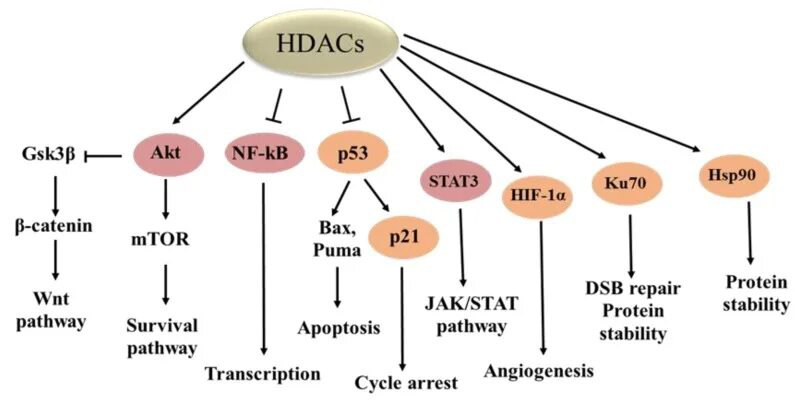
HDACs are enzymes that switch off certain genes by removing acetyl groups from histones.
To put it simply: HDACs make DNA less accessible to the cell, causing some of the necessary genes to become less active
When HDAC is overactive, bone tissue regenerates less effectively and growth signals become weaker.
HIGH HDAC ACTIVITY ULTIMATELY LEADS TO:
A sunken upper jaw
A shortened skull base
Low bone mass
Dwarfism and lots of other ‘goodies’
However, if HDAC activity is disrupted during the early stages of development, this can have serious consequences for the entire body, including growth retardation, skeletal abnormalities and various congenital syndromes, as these enzymes regulate the fundamental processes necessary for the formation and growth of all the tissues and structures that make up the human body.
A sunken upper jaw
A shortened skull base
Low bone mass
Dwarfism and lots of other ‘goodies’
However, if HDAC activity is disrupted during the early stages of development, this can have serious consequences for the entire body, including growth retardation, skeletal abnormalities and various congenital syndromes, as these enzymes regulate the fundamental processes necessary for the formation and growth of all the tissues and structures that make up the human body.
 INHIBITORS
 1) VORINOSTAT
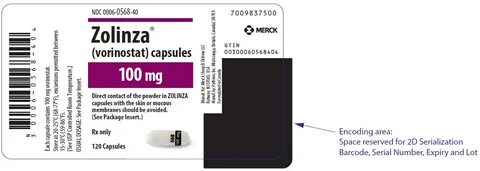
Vorinostat It inhibits several types of HDAC at once: HDAC1, HDAC2, HDAC3, HDAC6.
As a result, the effect is potent but not highly specific.

Effect of the HDAC inhibitor vorinostat on the osteogenic differentiation of mesenchymal stem cells in vitro and bone formation in vivo - PubMed
Vorinostat, known as a potent anti-myeloma drug, stimulates MSC osteogenesis in vitro. With the optimized treatment regimen, any decrease in bone formation was not observed in vivo.
 pubmed.ncbi.nlm.nih.gov
This study demonstrated that vorinostat enhanced the activity of Runx2, one of the key proteins involved in initiating bone formation.
The following effects were also observed: increased osteogenic differentiation, enhanced activity of bone lineage cells, increased mineralisation
 IMPORTANT NUANCE
The histone deacetylase inhibitor, vorinostat, reduces tumor growth at the metastatic bone site and associated osteolysis, but promotes normal bone loss - PubMed
Vorinostat, an oral histone deacetylase inhibitor with antitumor activity, is in clinical trials for hematologic and solid tumors that metastasize and compromise bone structure. Consequently, there is a requirement to establish the effects of vorinostat on tumor growth within bone. Breast...
pubmed.ncbi.nlm.nih.gov
However, in another study, the findings were quite the opposite: a decrease in bone mass, a reduction in trabecular bone volume, and a general thinning of the bone structure
WHY DOES THES HAPPEN?
Because vorinostat has too broad a range of action.
It affects not only bone cells, but also:
bone marrow, the immune system, blood vessels, glucose metabolism
2) VALPROIC ACID

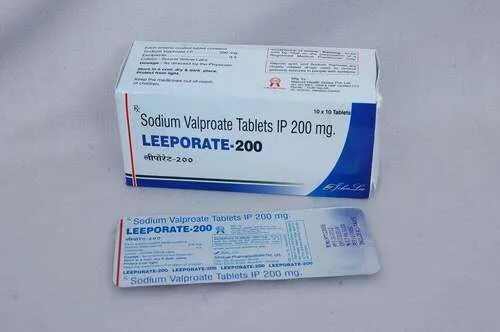
Valproic acid – a pharmaceutical HDAC inhibitor
Valproate regulates GSK-3-mediated axonal remodeling and synapsin I clustering in developing neurons - PubMed
Valproate (VPA) and lithium have been used for many years in the treatment of manic depression. However, their mechanisms of action remain poorly understood. Recent studies suggest that lithium and VPA inhibit GSK-3beta, a serine/threonine kinase involved in the insulin and WNT signaling...
pubmed.ncbi.nlm.nih.gov
Valproic acid inhibits
GSK-3β, a serine/threonine kinase involved in the WNT signalling pathways
In a study conducted on mice, elevated levels of Runx2—a vital transcription factor in bone tissue—and other key genes marking osteoblast differentiation were observe
Valproic acid, A Potential Inducer of Osteogenesis in Mouse Mesenchymal Stem Cells - PubMed
Thus, the current study confirmed the osteoinductive nature of VA at the cellular and molecular levels, opening the possibility for its application in bone therapeutics with mir-21.
pubmed.ncbi.nlm.nih.gov
 SIDE EFFECTS
Minor changes in serum sex hormone levels were observed in patients receiving sodium valproate therapy. Total testosterone levels had decreased significantly by the end of the year (p<0.05), but levels of LH, FSH and serum prolactin remained unchanged.
pubmed.ncbi.nlm.nih.gov
Sodium valproate monotherapy and sex hormones in men - PubMed
Antiepileptic drugs affect various endocrinal functions including sex hormones. In this study, the effect of sodium valproate monotherapy on sex hormones has been evaluated in sexually asymptomatic patients of primary generalised tonic clonic epilepsy. Twenty-six newly diagnosed young male...
pubmed.ncbi.nlm.nih.gov
3)MATRINOSTAT
 (VORINOSTAT UPGRADE)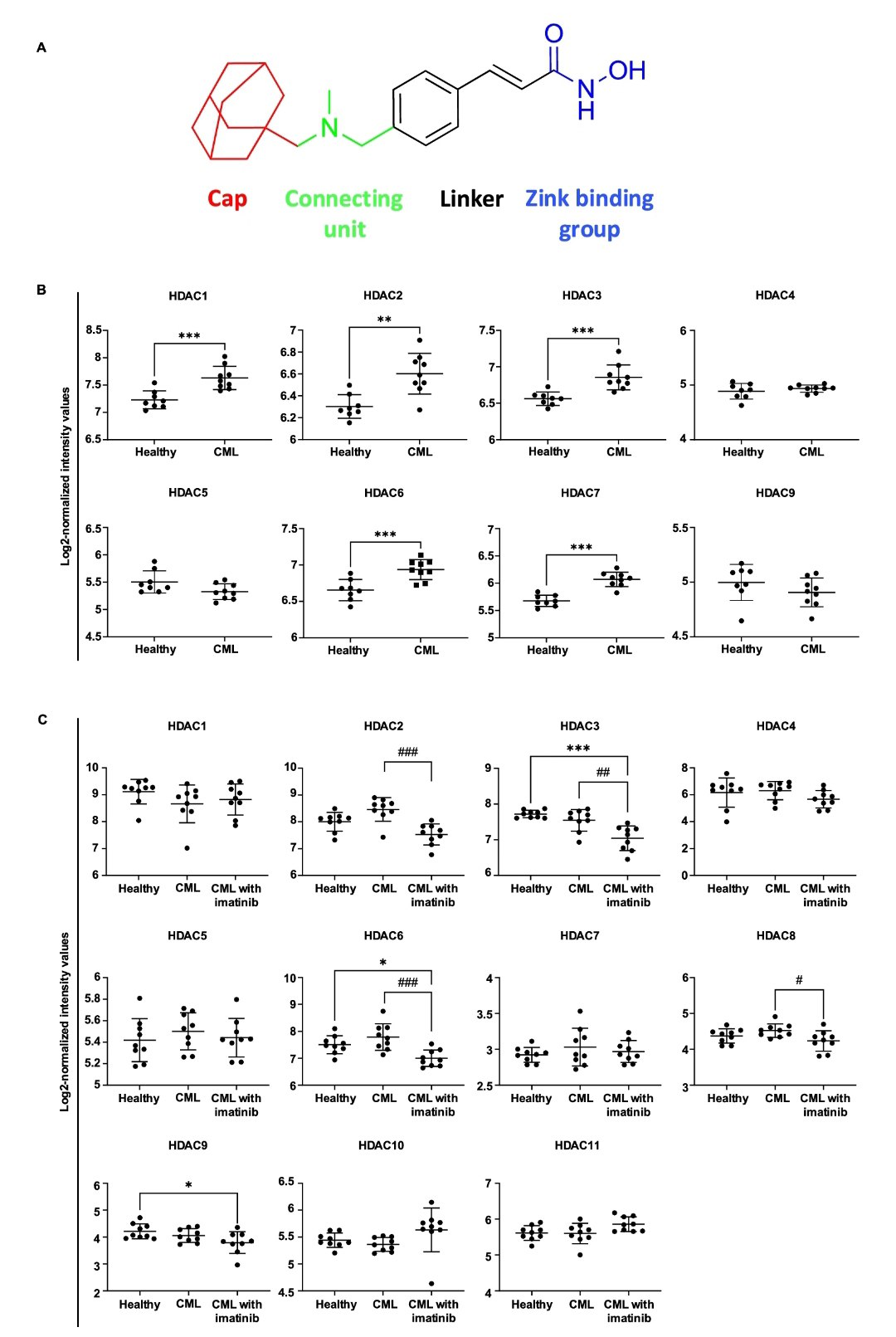
 MARTINOSTAT HAS PERFORMED EXCELLENTLY IN RESEARCH, BLOCKING THE HDAC GENE WILL ULTIMATELY PROVIDE MORE OPPORTUNITIES FOR BONE GROWTH AND ALSO PREVENT THE EXPRESSION OF NEGATIVE GENES
Martinostat as a novel HDAC inhibitor to overcome tyrosine kinase inhibitor resistance in chronic myeloid leukemia - PubMed
These findings highlight the potential of martinostat as a selective, low-toxicity HDACi that, combined with TKIs, could provide an effective strategy to overcome drug resistance in CML and improve therapeutic outcomes.
pubmed.ncbi.nlm.nih.gov

Martinostat as a novel HDAC inhibitor to overcome tyrosine kinase inhibitor resistance in chronic myeloid leukemia - Clinical Epigenetics
Background Chronic myeloid leukemia (CML) remains a therapeutic challenge, particularly in patients who develop resistance to standard tyrosine kinase inhibitors (TKIs) such as imatinib. Here, we present the first demonstration of the potent anti-leukemic activity of the histone deacetylase...
 link.springer.com
 SIDE EFFECTS
This usually only happens in rare cases, even when taking aggressive HDAC inhibitors.
But martinostat has been shown in studies to be a NON-TOXIC HDAC inhibitor, which is obviously good news
 CONCLUSION
 HDAC is neither a ‘bad’ nor a ‘good’ gene, but one of the key epigenetic regulators that determines which genes will be activated and which will remain suppressed.