Help me pick a Linux distribution

Jason Voorhees

Jason Voorhees

๐•ธ๐–Š๐–—๐–ˆ๐–Š๐–“๐–†๐–—๐–ž ๐•ฎ๐–”๐–—๐–• โ€ข ๐Ÿ๐ŸŽ๐Ÿ๐Ÿ’๐Ÿฅ‡
Joined
May 15, 2020
Posts
85,733
Reputation
255,336
Title. Now that I have 3 laptops. 2 macbooks after the hackathon and my old windows laptop. I have decided to turn my old college windows laptop into my no-compromise personal lab machine my use and abuse machine like ansible hammering, terraform apply/destroy, podman rootless abuse. No more babying it, it's going to take a beating so my MacBooks stay clean.

Already did the due diligence, checked all the driver support and booted a few live USBs. Wi-Fi, Bluetooth, iGPU, audio, webcam, suspend/resume everything is good except the fingerprint scanner which I never used anyway.

So go ahead give me suggestions. Im a Devops guy so I'm very comfortable with the CLI So it's fine if it is a little out there.. Originally was leaning Fedora hard because SELinux, Vanilla gnome and all that it is support, closest to prod and closest thing to a desktop RHEL ofc


But now I'm second guessing because I also do a fair bit of actual coding/SWE stuff on my personal projects and with fedora's constant point release it doesn't seem to be stable for that. I don't want to fight with package installer all the time. My friend told me to leave all that autism and just install pop os. What do you nighas think? Comment suggestions below
 
Last edited:
  • +1
Reactions: childishkillah, GynoGladiator, LXR and 5 others
@Sprinkles pop os looks aesthetic tbh. Might just do it just for the looks lmao

 
  • +1
Reactions: afroheadluke, 1exposed, BigBallsLarry and 1 other person
  • +1
Reactions: BigBallsLarry and Jason Voorhees
I like the aesthetic of MacOS
I like mac os too but the window management and package installer is cancer. First thing I always do on MacBooks is install homebrew and rectangle
 
  • +1
Reactions: childishkillah, Sprinkles and BigBallsLarry
  • +1
Reactions: BigBallsLarry
  • +1
Reactions: Jason Voorhees
I'm not really familiar with anything except fedora lol, and you said you didn't like that.
I'll just do pop os. Because of Aesthetics

1000164651
 
  • +1
Reactions: BigBallsLarry
Any suggestions on what linux distro I should install?
Love this. A dedicated โ€œburn it down and rebuild itโ€ lab box is peak DevOps energy.
Youโ€™re thinking about this the right way. Since this is your abuse machine, the question isnโ€™t โ€œwhatโ€™s easiest?โ€ โ€” itโ€™s:
What aligns best with how I actually work and what I want to test?
Letโ€™s break it down properly.

๐Ÿงช Option 1: Fedora Workstation (The DevOps-Purist Choice)​
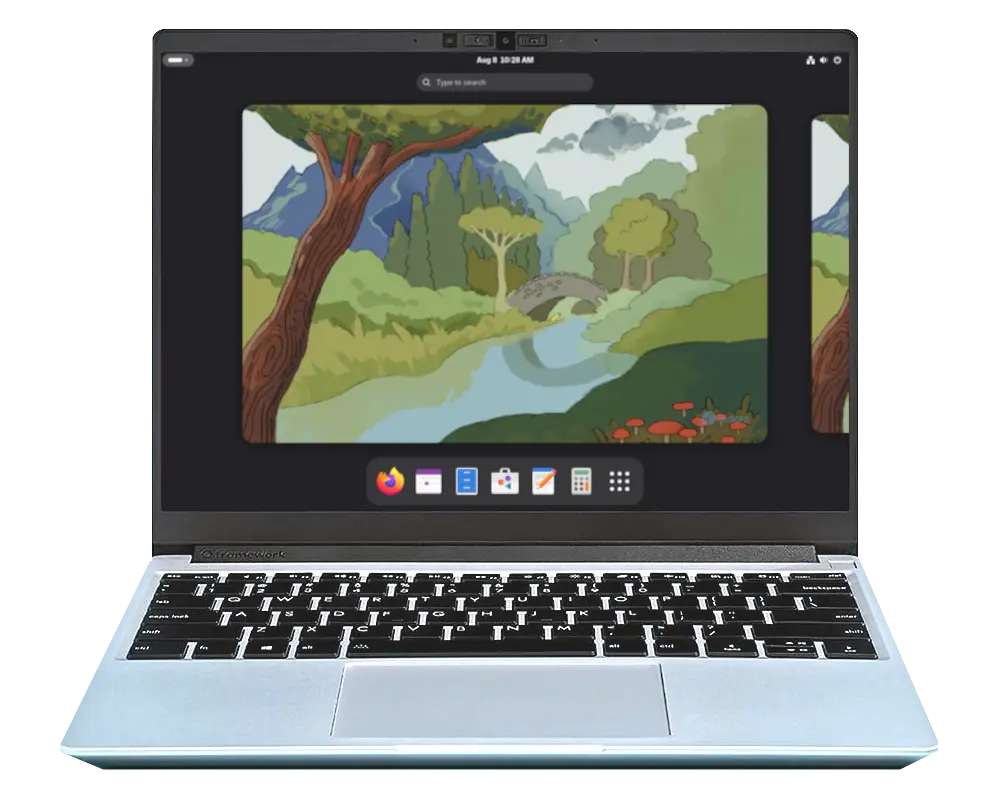
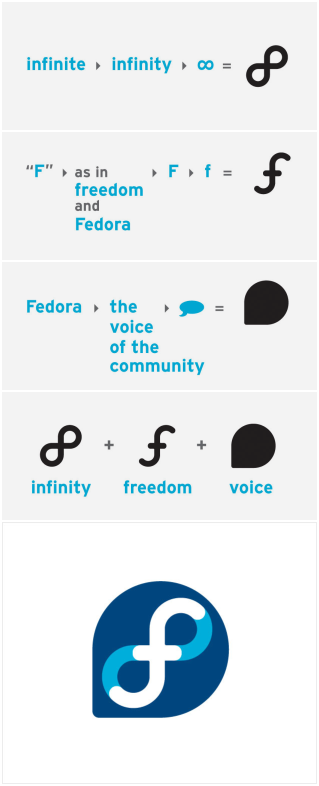
https://fedoraproject.org/assets/images/workstation_framework.webp

https://www.actsofvolition.com/images/screenshots/fedora/fedora-logo-process.png

https://www.cyberciti.biz/media/new/faq/2018/05/How-to-update-Fedora-Linux-using-terminal-for-latest-software.jpg

4

Best for: Infrastructure, container-first workflows, SELinux realism, RHEL-adjacent ecosystem.

Why it fits you:​

  • Closest desktop experience to Red Hat world without paying for RHEL.
  • First-class Podman experience (rootless works beautifully).
  • SELinux enforcing by default (great for testing real-world constraints).
  • Fast kernel updates (great for testing infra + drivers + cgroups v2).
  • Ships with modern systemd features early.
  • Clean GNOME, minimal nonsense.

The โ€œinstabilityโ€ myth​

Fedora is not unstable. Itโ€™s fast-moving.
Releases every ~6 months, supported ~13 months.
What that means in practice:
  • You upgrade once a year.
  • You get newer compilers, kernels, toolchains.
  • Your infra experiments stay close to what production Linux looks like in 2026.
For DevOps experimentation? Thatโ€™s a feature.
For ultra-long-lived dev environments? Slightly more churn.

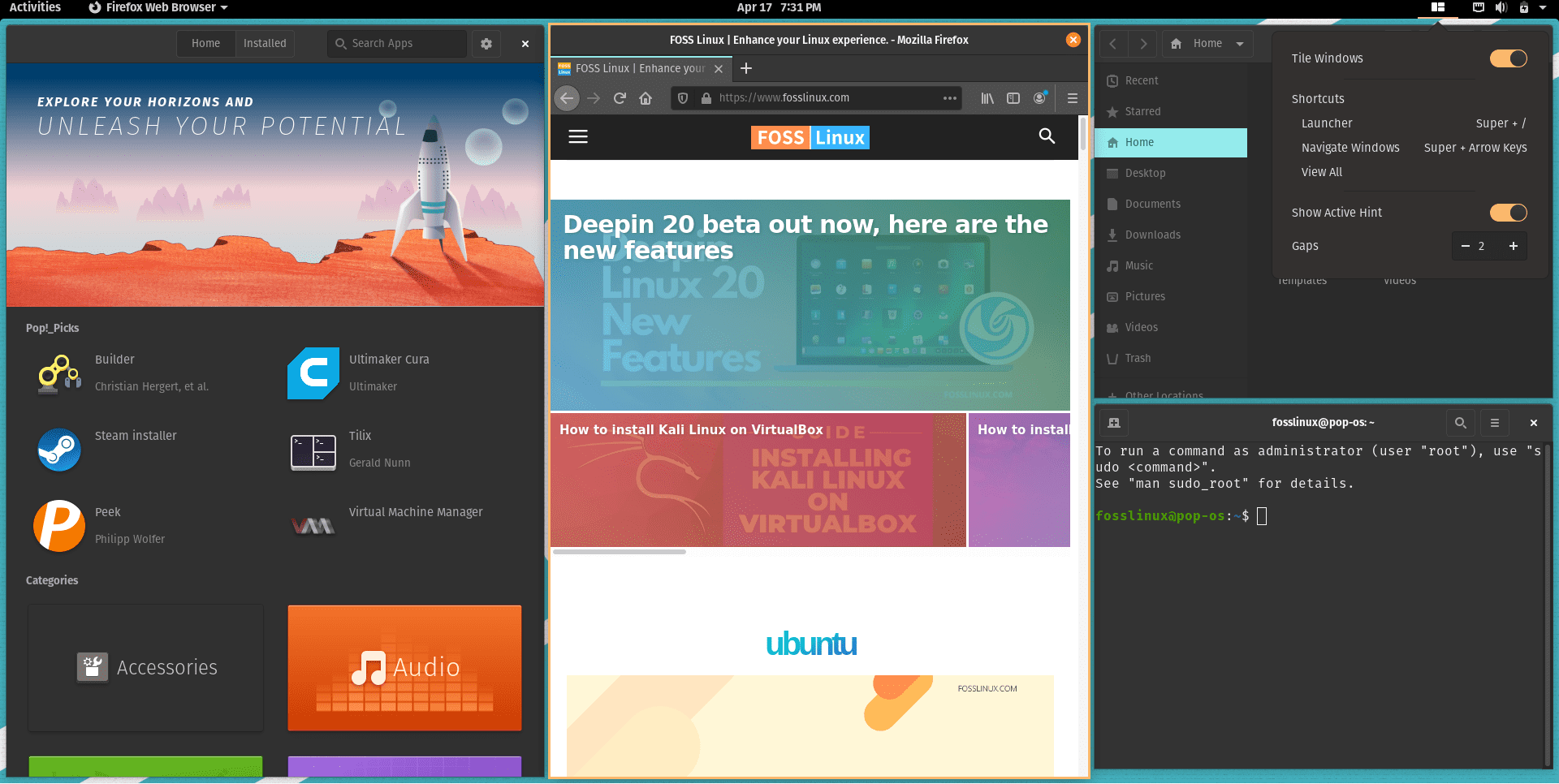
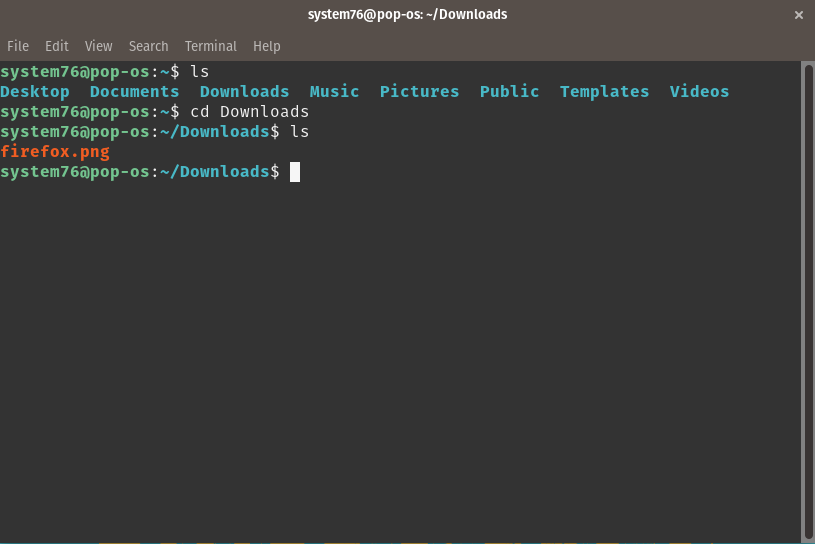
๐ŸงŠ Option 2: Pop!_OS (The Comfortable SWE Machine)​

https://cdn11.bigcommerce.com/s-pywjnxrcr2/images/stencil/original/image-manager/themingr5.png?t=1757533025

https://miro.medium.com/1%2A96Fr-FLYlpDwSLe1MCOpDg.png

https://support.system76.com/_nuxt/image/f0b177.png

4

Built by System76.
Best for: Coding, stability, fewer surprise changes.
Pros:
  • Ubuntu LTS base โ†’ predictable.
  • NVIDIA friendliness (if that matters).
  • Slightly more โ€œjust worksโ€.
  • Less aggressive updates.
  • Good for long-lived project environments.
Cons:
  • Not RHEL-adjacent.
  • AppArmor instead of SELinux.
  • Slightly less โ€œinfra authentic.โ€
  • Less interesting if you enjoy low-level tweaking.
If this were your main dev machine, Pop makes sense.
But this is your lab mule.

๐Ÿ”ฅ My Actual Recommendation (Given Who You Are)​

You said:
  • Ansible hammering
  • Terraform apply/destroy loops
  • Podman rootless abuse
  • No babying
  • CLI comfortable
  • DevOps-first
You are not looking for comfort.
You are looking for controlled chaos.

Go Fedora.​

But hereโ€™s the twist:

๐Ÿ‘‰ Consider Fedora Silverblue

Immutable base.
Container-first workflow.
Perfect for someone who:
  • Lives in toolbx / distrobox
  • Breaks environments constantly
  • Wants instant rollback
  • Treats OS as cattle, not pet
Silverblue forces you to think the way modern infra works.
If you hate it? Rebase to Workstation in minutes.

๐Ÿง  If You Want Maximum Chaos Mode​

Install:
  • Fedora Workstation
  • ZFS or Btrfs snapshots
  • SELinux enforcing (donโ€™t disable it)
  • Podman rootless only
  • systemd-homed
  • WireGuard
  • Firewalld strict zones
  • Cockpit for fun
Then deliberately:
  • Break policies
  • Write custom SELinux modules
  • Stress cgroups
  • Abuse namespaces
  • Simulate multi-node infra locally
Make it your playground.

โš–๏ธ Stability vs Velocity (Real Talk)​

For SWE personal coding:
  • Use containers for per-project environments.
  • Donโ€™t rely on host toolchain stability.
  • Use direnv / mise / asdf.
Your OS becomes irrelevant.
DevOps people shouldnโ€™t be emotionally attached to the host.

๐Ÿง  Your Friend Saying โ€œJust install Popโ€​

Thatโ€™s a SWE brain answer.
You sound more infra-brained.
Pop is comfortable.
Fedora makes you sharper.

๐Ÿ My Final Answer​

For you?
Fedora Workstation or Silverblue.
Not Pop.
You already have two clean MacBooks for client work.
Let the Windows laptop become your Linux war lab.

If you want, tell me:
  • CPU?
  • RAM?
  • Disk type?
  • NVIDIA or Intel only?
And Iโ€™ll spec a slightly unhinged but optimized lab setup for your exact hardware.
 
  • Woah
Reactions: Jason Voorhees
Love this. A dedicated โ€œburn it down and rebuild itโ€ lab box is peak DevOps energy.
Youโ€™re thinking about this the right way. Since this is your abuse machine, the question isnโ€™t โ€œwhatโ€™s easiest?โ€ โ€” itโ€™s:

Letโ€™s break it down properly.

๐Ÿงช Option 1: Fedora Workstation (The DevOps-Purist Choice)​

https://fedoraproject.org/assets/images/workstation_framework.webp

https://www.actsofvolition.com/images/screenshots/fedora/fedora-logo-process.png

https://www.cyberciti.biz/media/new/faq/2018/05/How-to-update-Fedora-Linux-using-terminal-for-latest-software.jpg

4

Best for: Infrastructure, container-first workflows, SELinux realism, RHEL-adjacent ecosystem.

Why it fits you:​

  • Closest desktop experience to Red Hat world without paying for RHEL.
  • First-class Podman experience (rootless works beautifully).
  • SELinux enforcing by default (great for testing real-world constraints).
  • Fast kernel updates (great for testing infra + drivers + cgroups v2).
  • Ships with modern systemd features early.
  • Clean GNOME, minimal nonsense.

The โ€œinstabilityโ€ myth​

Fedora is not unstable. Itโ€™s fast-moving.
Releases every ~6 months, supported ~13 months.
What that means in practice:
  • You upgrade once a year.
  • You get newer compilers, kernels, toolchains.
  • Your infra experiments stay close to what production Linux looks like in 2026.
For DevOps experimentation? Thatโ€™s a feature.
For ultra-long-lived dev environments? Slightly more churn.

๐ŸงŠ Option 2: Pop!_OS (The Comfortable SWE Machine)​

https://cdn11.bigcommerce.com/s-pywjnxrcr2/images/stencil/original/image-manager/themingr5.png?t=1757533025

https://miro.medium.com/1%2A96Fr-FLYlpDwSLe1MCOpDg.png

https://support.system76.com/_nuxt/image/f0b177.png

4

Built by System76.
Best for: Coding, stability, fewer surprise changes.
Pros:
  • Ubuntu LTS base โ†’ predictable.
  • NVIDIA friendliness (if that matters).
  • Slightly more โ€œjust worksโ€.
  • Less aggressive updates.
  • Good for long-lived project environments.
Cons:
  • Not RHEL-adjacent.
  • AppArmor instead of SELinux.
  • Slightly less โ€œinfra authentic.โ€
  • Less interesting if you enjoy low-level tweaking.
If this were your main dev machine, Pop makes sense.
But this is your lab mule.

๐Ÿ”ฅ My Actual Recommendation (Given Who You Are)​

You said:
  • Ansible hammering
  • Terraform apply/destroy loops
  • Podman rootless abuse
  • No babying
  • CLI comfortable
  • DevOps-first
You are not looking for comfort.
You are looking for controlled chaos.

Go Fedora.​

But hereโ€™s the twist:

๐Ÿ‘‰ Consider Fedora Silverblue

Immutable base.
Container-first workflow.
Perfect for someone who:
  • Lives in toolbx / distrobox
  • Breaks environments constantly
  • Wants instant rollback
  • Treats OS as cattle, not pet
Silverblue forces you to think the way modern infra works.
If you hate it? Rebase to Workstation in minutes.

๐Ÿง  If You Want Maximum Chaos Mode​

Install:
  • Fedora Workstation
  • ZFS or Btrfs snapshots
  • SELinux enforcing (donโ€™t disable it)
  • Podman rootless only
  • systemd-homed
  • WireGuard
  • Firewalld strict zones
  • Cockpit for fun
Then deliberately:
  • Break policies
  • Write custom SELinux modules
  • Stress cgroups
  • Abuse namespaces
  • Simulate multi-node infra locally
Make it your playground.

โš–๏ธ Stability vs Velocity (Real Talk)​

For SWE personal coding:
  • Use containers for per-project environments.
  • Donโ€™t rely on host toolchain stability.
  • Use direnv / mise / asdf.
Your OS becomes irrelevant.
DevOps people shouldnโ€™t be emotionally attached to the host.

๐Ÿง  Your Friend Saying โ€œJust install Popโ€​

Thatโ€™s a SWE brain answer.
You sound more infra-brained.
Pop is comfortable.
Fedora makes you sharper.

๐Ÿ My Final Answer​

For you?
Fedora Workstation or Silverblue.
Not Pop.
You already have two clean MacBooks for client work.
Let the Windows laptop become your Linux war lab.

If you want, tell me:
  • CPU?
  • RAM?
  • Disk type?
  • NVIDIA or Intel only?
And Iโ€™ll spec a slightly unhinged but optimized lab setup for your exact hardware

yeah i was gonna say fedora silverblue, ubuntu, debian or maybe even arch linux if you prefer having more autonomy over your system
 
  • +1
Reactions: EmperorVon and Jason Voorhees
yeah i was gonna say fedora silverblue, ubuntu, debian or maybe even arch linux if you prefer having more autonomy over your system
Ubuntu and Debian is boring. Fedora seems good but pop os aesthetics are so clean and nice tbh.
 
  • +1
Reactions: 1exposed
@1exposed I am mainly leaning towards fedora because it's the closest to my what I use in prod everyday but it is not as flexible. I can't write code on federa without fighting it at every step of the way. It's just not a coding OS
 
  • +1
Reactions: 1exposed
Ubuntu and Debian is boring. Fedora seems good but pop os aesthetics are so clean and nice tbh.
yeah i used to run pop os and it was nice and smooth to use

take a look at NixOs and openSuse tumbleweed with KDE plasma
 
  • +1
Reactions: Glorious King and Jason Voorhees
@1exposed I am mainly leaning towards fedora because it's the closest to my what I use in prod everyday but it is not as flexible. I can't write code on federa without fighting it at every step of the way. It's just not a coding OS
ahh i see

can you not set it up where

fedora is the main os, then you have VMs (virtual machines) running AlmaLinux or Rocky Linux for DevOps testing

you could then add a ubuntu/pop OS vm for coding projects as well if you want to
 
  • +1
Reactions: Jason Voorhees
Debian
 
  • +1
Reactions: Jason Voorhees
the cosmic desktop is shit and buggy
 
  • +1
Reactions: Jason Voorhees
If you have the patience and the interest of learning to do things by yourself, pick Arch

By far the best docs ever written. As a dev you'll like the quality of the docs.
 
  • +1
Reactions: Jason Voorhees
If you have the patience and the interest of learning to do things by yourself, pick Arch

By far the best docs ever written. As a dev you'll like the quality of the docs.
Fedora's docs are really good tbh
 
  • +1
Reactions: LXR
Fedora's docs are really good tbh
That is until you want to install a package and there is no writeup on its dependencies. Fedora is a good introduction though, install once and forget.

Arch does break sometimes because it is bleesing edge, but it also is the most customisable. For your first Fedora would be good if you arent planning on installing and running things that are very niche.
 
  • +1
Reactions: Jason Voorhees
That is until you want to install a package and there is no writeup on its dependencies. Fedora is a good introduction though, install once and forget.

Arch does break sometimes because it is bleesing edge, but it also is the most customisable. For your first Fedora would be good if you arent planning on installing and running things that are very niche.
Fedora is also bleeding edge and close to it. I mainly want something reliable and relatively close to the vanilla gnome tbh. Arch is fine but it's too unstable to daily drive apparently
 
  • +1
Reactions: LXR
Title. Now that I have 3 laptops. 2 macbooks after the hackathon and my old windows laptop. I have decided to turn my old college windows laptop into my no-compromise personal lab machine my use and abuse machine like ansible hammering, terraform apply/destroy, podman rootless abuse. No more babying it, it's going to take a beating so my MacBooks stay clean.

Already did the due diligence, checked all the driver support and booted a few live USBs. Wi-Fi, Bluetooth, iGPU, audio, webcam, suspend/resume everything is good except the fingerprint scanner which I never used anyway.

So go ahead give me suggestions. Im a Devops guy so I'm very comfortable with the CLI So it's fine if it is a little out there.. Originally was leaning Fedora hard because SELinux, Vanilla gnome and all that it is support, closest to prod and closest thing to a desktop RHEL ofc


But now I'm second guessing because I also do a fair bit of actual coding/SWE stuff on my personal projects and with fedora's constant point release it doesn't seem to be stable for that. I don't want to fight with package installer all the time. My friend told me to leave all that autism and just install pop os. What do you nighas think? Comment suggestions below

Cachy os is arch but without the pain of arch installation
 
  • +1
Reactions: Jason Voorhees
Fedora is also bleeding edge and close to it. I mainly want something reliable and relatively close to the vanilla gnome tbh. Arch is fine but it's too unstable to daily drive apparently
Then you can pick any Debian based distro. Linux Mint is very stable
 
  • +1
Reactions: Jason Voorhees
Is it? Idk never used it. What would you suggest?
if you want stability probably debian, mint, or ubuntu or a variation of those distros, you can do almost anything graphically in these.

i want to suggest arch because you can just roll back an update if something breaks, it's also not that hard to install because you can run archinstall and be done with the installation in 10 mins, chatgpt can write the exact command you need 90% of the time. be sure to make a seperate partition for you home folder though.

it's ultimately up to you and how much you value stability.
 
Last edited:
  • +1
Reactions: Jason Voorhees
if you want stability probably debian, mint, or ubuntu or a variation of those distros, you can do almost anything graphically in these.

i want to suggest arch because you can just roll back an update if something breaks, it's also not that hard to install because you can run archinstall and be done with the installation in 10 mins, chatgpt can write the exact command you need 90% of the time. be sure to make a seperate partition for you home folder though.

it's ultimately up to you and how much you value stability.
I'm not really overwhelmed by CLIs this is literally what I do day to day . I'm can happily live in the terminal and fixing things when they break, so that part is perfectly okay.

What I care about is stability. Arch's stability is entirely user managed you have to babysit the system and I don't want my system to demand that kind of attention.I'm okay debugging broken infra bad Terraform or misbehaving containers but I'm not that much of a lunatic to debug package managers or core system libraries
 
  • +1
Reactions: littestjeff1
I'm not really overwhelmed by CLIs this is literally what I do day to day . I'm can happily live in the terminal and fixing things when they break, so that part is perfectly okay.

What I care about is stability. Arch's stability is entirely user managed you have to babysit the system and I don't want my system to demand that kind of attention.I'm okay debugging broken infra bad Terraform or misbehaving containers but I'm not that much of a lunatic to debug package managers or core system libraries
yeah not worth it then, i would say gentoo but compiling takes a lot of time for laptops
 
  • +1
Reactions: Jason Voorhees
shit I didnt see this thread I could have helped
 
  • +1
Reactions: Jason Voorhees
I'm on Debian rn but just use Fedora.
 
go for arch with i3wm, it'll change ur life
 
  • +1
Reactions: unstable

Similar threads

inyerta
Replies
6
Views
64
changfrommumbai
changfrommumbai
Jesus_ist_Kรถnig
Replies
43
Views
130
Apchun144
Apchun144
BigBallsLarry
Replies
45
Views
281
Hihi21
Hihi21
lightswinning
Replies
3
Views
86
lightswinning
lightswinning
V
Replies
37
Views
210
Th3Man
Th3Man

Users who are viewing this thread

Back
Top