

det3rmined
reborn
- Joined
- Jan 14, 2025
- Posts
- 294
- Reputation
- 232
everyone obsesses over symmetry and static features. but i’ve noticed something almost nobody talks about: how a face moves changes everything. a face can be flawless in photos but look stiff, unapproachable or even unsettling in real life.
take Sean O’Pry
 unc’s got top-tier bone structure. amazing in stills. but in motion, some people find him cold or distant. part of it is his expression patterns and his eyes that dominate his face even when relaxed. extreme features plus microexpressions that don’t match give an uncanny vibe.
contrast that with Zac Efron
 not perfect in every angle, some minor asymmetry, but his face moves really well. his expressions read warmth and approachability. people respond positively because his movement cues are easy to process, and it makes his overall look feel natural rather than intimidating.
even smaller models show this effect. take Michal Mrazik
 his features are not perfectly symmetrical and slightly unusual in structure, but his resting expression is soft, subtle smiles, very approachable energy. his face isn’t “perfect,” yet in motion he has very high dynamic appeal.
microexpressions matter more than most people realize. slight twitches in the eyes, subtle smiles, jaw tension, these can change perceived attractiveness far more than perfect symmetry. some guys chase flawless static features but ignore how stiff their face looks when they talk or interact.
coloring also interacts with motion.
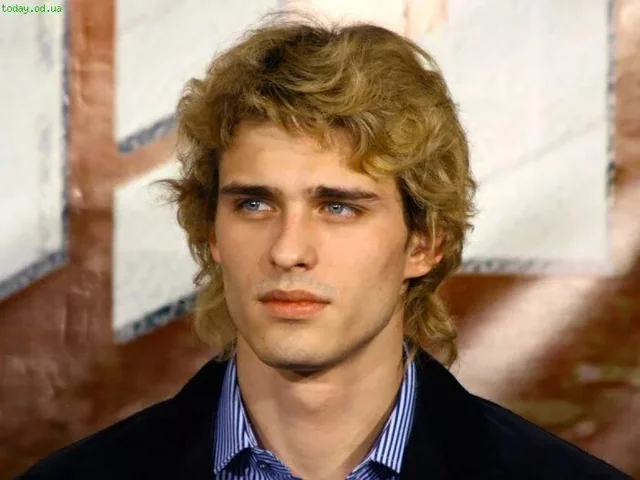
Vasily Stepanov has strong structural features but softer coloring, which makes him approachable despite robust bone structure. Sean O’Pry, by contrast, has sharper contrast; combined with microexpression patterns, he can feel less relatable.
the point is that extreme perfection can backfire if your expressions and micromovements clash with your static structure. what actually works is a combination of features that move naturally, approachable microexpressions, subtle coloring that softens extremes, and one standout feature rather than multiple competing points.
QUESTION MADE WITH GPT:
which male models or actors do you think look worse in motion than in photos because of stiff expressions or extreme static features? conversely, who improves drastically when moving?
@EvilSatanArseRapist
take Sean O’Pry
contrast that with Zac Efron
even smaller models show this effect. take Michal Mrazik
microexpressions matter more than most people realize. slight twitches in the eyes, subtle smiles, jaw tension, these can change perceived attractiveness far more than perfect symmetry. some guys chase flawless static features but ignore how stiff their face looks when they talk or interact.
coloring also interacts with motion.
Vasily Stepanov has strong structural features but softer coloring, which makes him approachable despite robust bone structure. Sean O’Pry, by contrast, has sharper contrast; combined with microexpression patterns, he can feel less relatable.
the point is that extreme perfection can backfire if your expressions and micromovements clash with your static structure. what actually works is a combination of features that move naturally, approachable microexpressions, subtle coloring that softens extremes, and one standout feature rather than multiple competing points.
QUESTION MADE WITH GPT:
which male models or actors do you think look worse in motion than in photos because of stiff expressions or extreme static features? conversely, who improves drastically when moving?
@EvilSatanArseRapist
Last edited: