



tynner
Iron
- Joined
- Dec 9, 2025
- Posts
- 12
- Reputation
- 7
What does proper sleep posture consist of? This is something I have been wondering about for some time now, as maintain a single position for 8 hours uninterrupted has to have some kind of affect on posture.
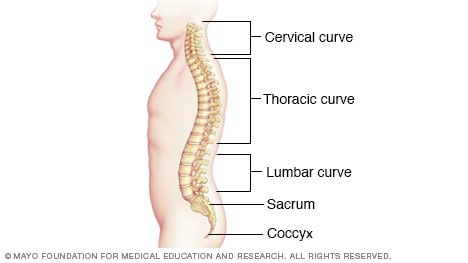
For example, sleeping on your back for extended periods of time with a larger pillows elevates the head and pushes it forward relative to the rib cage, sometimes even further forward. . This places the cervical spine under constant flexion and can actually lead to encouraging FHP. This especially applies to you doom-scrollers.

If you were to hold this same sleep position repeatedly every single night, this WILL increase strain on the upper back muscles such as the trapezius, levator scapulae, and the serratus posterior superior while reducing normal cervical extension. This can disrupt the circadian rhythm as the cervical is being compressed, causing ligament incompetence.
On the other hand, using a single pillow or no pillow when lying supine changes spinal curvature significantly. With too little support, the head can fall back into excessive extension, increasing compression in the posterior neck structures and flattening the natural cervical curve. This may feel “open” or relieving at first but can create its own issues if the neck is not well supported.
Side sleeping introduces another layer of asymmetry. If the pillow is too low or too high, the neck side-bends for hours, which can contribute to imbalances between the left and right sides of the cervical spine and shoulders. Additionally, if the top leg collapses forward without support, it can rotate the pelvis, potentially reinforcing an anterior pelvic tilt or a lateral pelvic shift. Over time, this may show up as uneven hip height, rib flare on one side, or differences in muscle tension between the left and right glutes and hip flexors.
For example, sleeping on your back for extended periods of time with a larger pillows elevates the head and pushes it forward relative to the rib cage, sometimes even further forward. . This places the cervical spine under constant flexion and can actually lead to encouraging FHP. This especially applies to you doom-scrollers.
If you were to hold this same sleep position repeatedly every single night, this WILL increase strain on the upper back muscles such as the trapezius, levator scapulae, and the serratus posterior superior while reducing normal cervical extension. This can disrupt the circadian rhythm as the cervical is being compressed, causing ligament incompetence.
On the other hand, using a single pillow or no pillow when lying supine changes spinal curvature significantly. With too little support, the head can fall back into excessive extension, increasing compression in the posterior neck structures and flattening the natural cervical curve. This may feel “open” or relieving at first but can create its own issues if the neck is not well supported.
Side sleeping introduces another layer of asymmetry. If the pillow is too low or too high, the neck side-bends for hours, which can contribute to imbalances between the left and right sides of the cervical spine and shoulders. Additionally, if the top leg collapses forward without support, it can rotate the pelvis, potentially reinforcing an anterior pelvic tilt or a lateral pelvic shift. Over time, this may show up as uneven hip height, rib flare on one side, or differences in muscle tension between the left and right glutes and hip flexors.


