



Jason Voorhees
𝕸𝖊𝖗𝖈𝖊𝖓𝖆𝖗𝖞 𝕮𝖔𝖗𝖕 • 𝟐𝟎𝟐𝟒🥇
- Joined
- May 15, 2020
- Posts
- 85,956
- Reputation
- 256,185
I've built everything from scrappy MVPs to scaled up multi tenant SaaS beasts capable of handling millions of users in my time of being a software dev and devops engineer.
The low code/no code and managed SaaS services has exploded recently If you're looking to spin up a SaaS app without drowning in lines of code this is exactly what I would do. I get asked this question in dms a lot so I wanted to post this thread before I go into hibernation.
I'll structure this as a step-by-step guide starting from the basics and layering on tools.
1. Choose Your Core Framework/Stack
Next.js. If you like doing it in JS/TS: This is your full-stack powerhouse. It handles routing, API routes, server side rendering, and deployment out of the box. With app router in newer versions, you can build entire apps with minimal setup. Their documentation is also really really good. If you get stuck anywhere it's as simple as reading their docs. It is also seo friendly and uses react.
Python Alternative. FastAPI: If you're more backend oriented and want to use those python libraries for AI stuff then use this. Skip Flask and Django imo. Swagger ui it comes with also makes testing endpoints easy tho i still recommend using postman. Always use it with an ORMs like SQLAlchemy or Prisma will talk about it later. Combine it with Streamlit or Gradio and you have frontend in seconds.
Low-Code Option: if you hate writing any code. Remix or SvelteKit also work Remix is data fetching with minimal JS. SvelteKit is even leaner and compiles to vanilla JS but with great DX. In any case Stick to one ecosystem. Mixing JS frontend with Python backend adds friction and glue code you don't want.
2. User Authentication.
Auth is a time sink if you roll your own sessions. Complete pain in the ass. OAuth, emails, security. Just ho third party for ready-made everything but do keep in mind there will be vendor lock in and migrating afterwards will be a pain in the ass afterwards just a heads up.
Clerk (My Top Pick): Dead simple. Drop in <ClerkProvider> and you're done one line for sign-up, sign-in, user management, and even orgs/roles. That's it. Also has Pre built UI components which saves you from designing login pages. Integrates with Next.js in minutes. Handles social logins and MFA. Also has a free tier that is very generous.

 clerk.com
Auth0: Solid alternative if you need enterprise features like SAML or advanced rules.

 auth0.com
More configurable but steeper learning curve than Clerk. UI is customizable but when I personally play with sensitive stuff like that I prefer having complete and absolute control so I tend to avoid black box wrappers especially if I'm handling a Fortune-500 company's SSO but if works it works.
 auth0.com
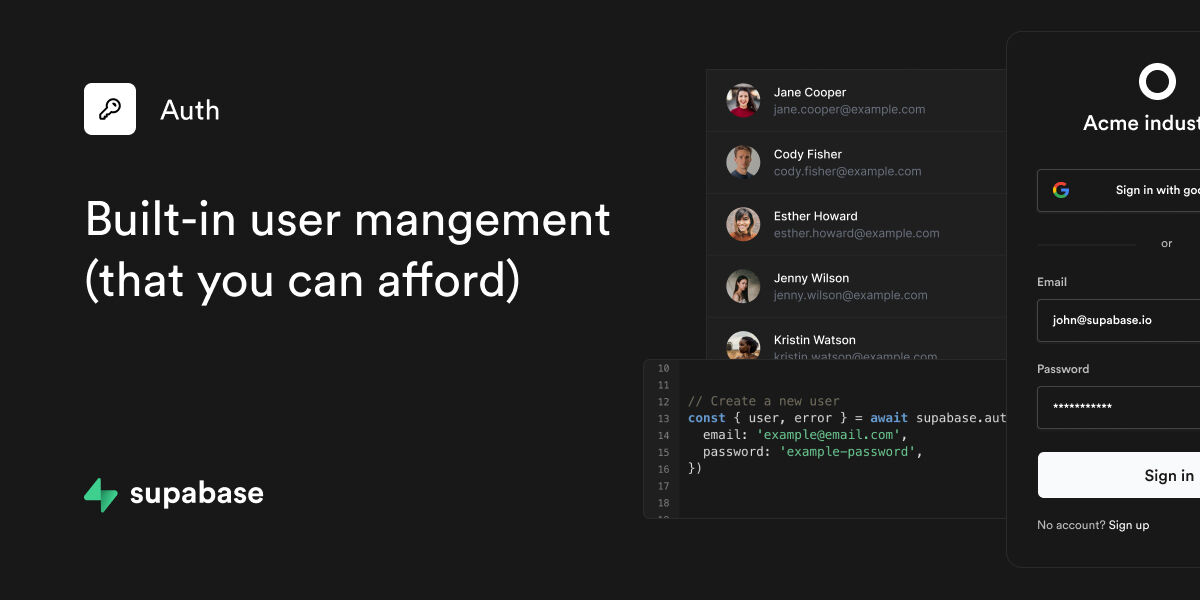
Supabase Auth : Supabase just last month launched its own auth. It is Free, open-source, and now with great UI kits Pairs perfectly if you're using Supabase for Database. One-liner setup`supabase.auth.signUp()`. Handles JWTs, Row Level Security (RLS) for DB auth. Haven't personally used this yet but be careful with supabase because if you don't set policy up properly you can get fucked over. Firebase Auth is also really good.
 supabase.com
3. UI/Frontend. Honestly just skip Tailwind CSS. It's will take you months to learn it. It's utility classes galore, and they keep adding stuff. Tweaking takes forever. Even I can't name many utility classes even after all these years. Just skip the headache and use component libraries
- Mantine (Mg favourite): Amazing for Next.js. Not just buttons and forms but it alsotables with sorting/filtering/search, modals, notifications, even data grids. Dark mode toggle in just one prop. Saves hundreds of lines. Also great documentation. Just one read is all it takes for me to figure it all out when I'm stuck. Pair with their DevTools and you are good.
 mantine.dev
- Shadcn/UI: Headless components (styles via Tailwind, but customizable). Just Copy-paste from their site, no need to install shit Great for charts, calendars, and forms. Chakra UI and Radix UI is also good. For icons just use lucide or heroicons.

 ui.shadcn.com
Tip-Use Storybook to preview components without running the app. For forms always add React Hook Form or Formik validation in ~10 lines.

 dev.to

 formik.org
4. Backend/Database: Managed DBs means no schema migrations or connection pooling headaches that comes with stuff like AWS and Azure.
-Supabase (My number 1 pick): Postgres but with real-time, storage, and auth like I mentioned Client-side queries like Firebase but with SQL. They also added a vector DB with the pgvector support last month. Will talk about it more later
Also just a few days added Claude connector support for vibe coding. See I'm up to date with all relevant stuff
They also added a privatelink feature for AWS which is a bit advanced stuff wouldn't bother for now
 supabase.com
-MongoDB Atlas: If you don't neet a relational database. Use this it is Document based, flexible schemas. And you can use the Mongoose for TypeScript safety. Minimal code for CRUD.

 www.mongodb.com
-Railway: Its not just a DB but has full infra. Spin up Postgres, MySQL, or Redis in clicks. Like this because it is cheap af and has Templates for Next.js + DB stacks.

5. Payments and Monetization. SaaS lives or dies on billing. Don't build Stripe webhooks from scratch. Complete waste of time
- Lemon Squeezy: Merchant of record, handles taxes/VAT globally. Integrates with Next.js via something called sn SDK. Just have one endpoint for checkouts. It also has Subscriptions, one time payments, analytics built-in.

 www.lemonsqueezy.com
-Stripe More flexible but more code. Use their Checkout or Billing pre-built forms. Pair with Stripe Elements for minimal UI work.

 stripe.com
6. Deployment and Scaling
- Vercel: Run your frontend on here. It is stateless and is used to handle Serverless functions also supports edge caching. Many people don't know this but it can do serious devops stuff if you want and even has an AI agents SDK tool but I don't want to get into that because you don't need it early on.

 vercel.com
- Railway: (Multi-env dev/prod), easy DB/Redis add-ons. Templates for full stacks. Honestly my go to for no other reason than it looks aesthetic and fun to use. There are other stuff services available to which are more powerful and have more granular control but sometimes you just like the simplicity

 railway.com
7. Boilerplates and Starters (Even More Hand-Holding) If you want skip it all together and want a pre-wired app here are your options
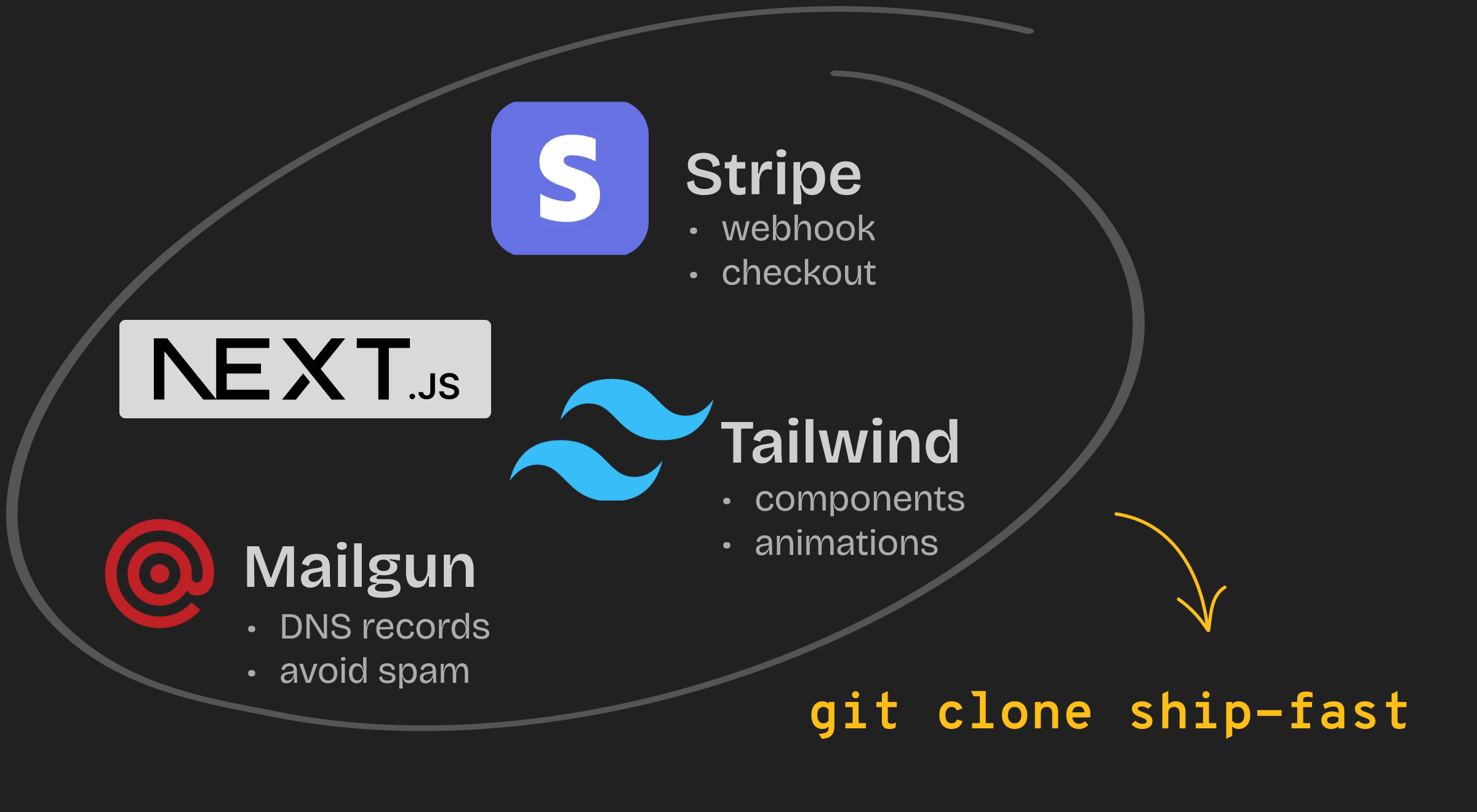
- ShipFast: Next.js boilerplate with auth, payments, SEO, emails. As a heads up it ships with vanilla JS which I absolutely hate because of lack of auto complete in IDE and no compile time errors like Typescript which makes it hard to work with but you can still make it work
 shipfa.st
More SaaS Starter Kits:
Taxi for Email (emails)
MakerKit (Supabase + Next.js).

 makerkit.dev
T3 App (tRPC, Prisma, NextAuth)

No Platforms: If by minimal code edges to no try Bubble (visual builder, but lock-in).

 bubble.io
Adalo for mobile-first SaaS. But stick to code for flexibility.

 www.adalo.com
8. Extras: AI, Analytics, and Miscs
-AI Integration: Supabase + Claude for code gen. Vercel AI SDK for LLM calls in Next.js. OpenAI's API for features like content gen with minimal wrappers. Recently claude cowork has also been on top of all headlines. There's a lot of stuff to talk about here honestly AI agent, LLMs that remember across states , inference models and so much more so this demands a seperate thread imo maybe next time

 claude.com
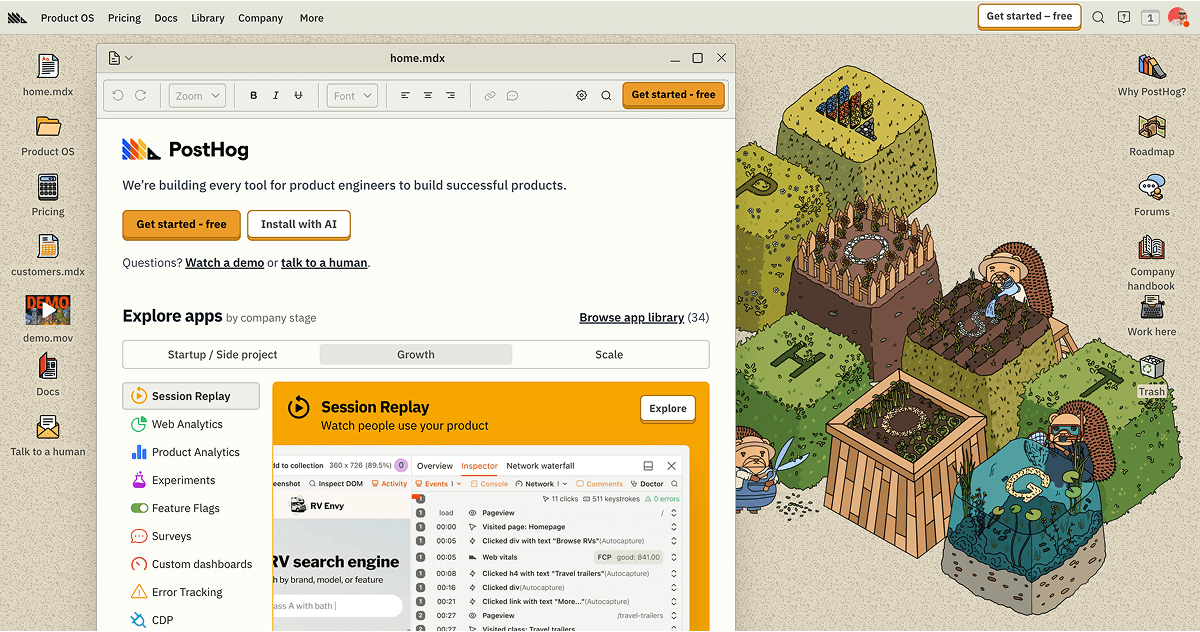
-Analytics: PostHog drop a single script, get user insights like that or you could just use the free vercel analytics that's already backed in.
 posthog.com
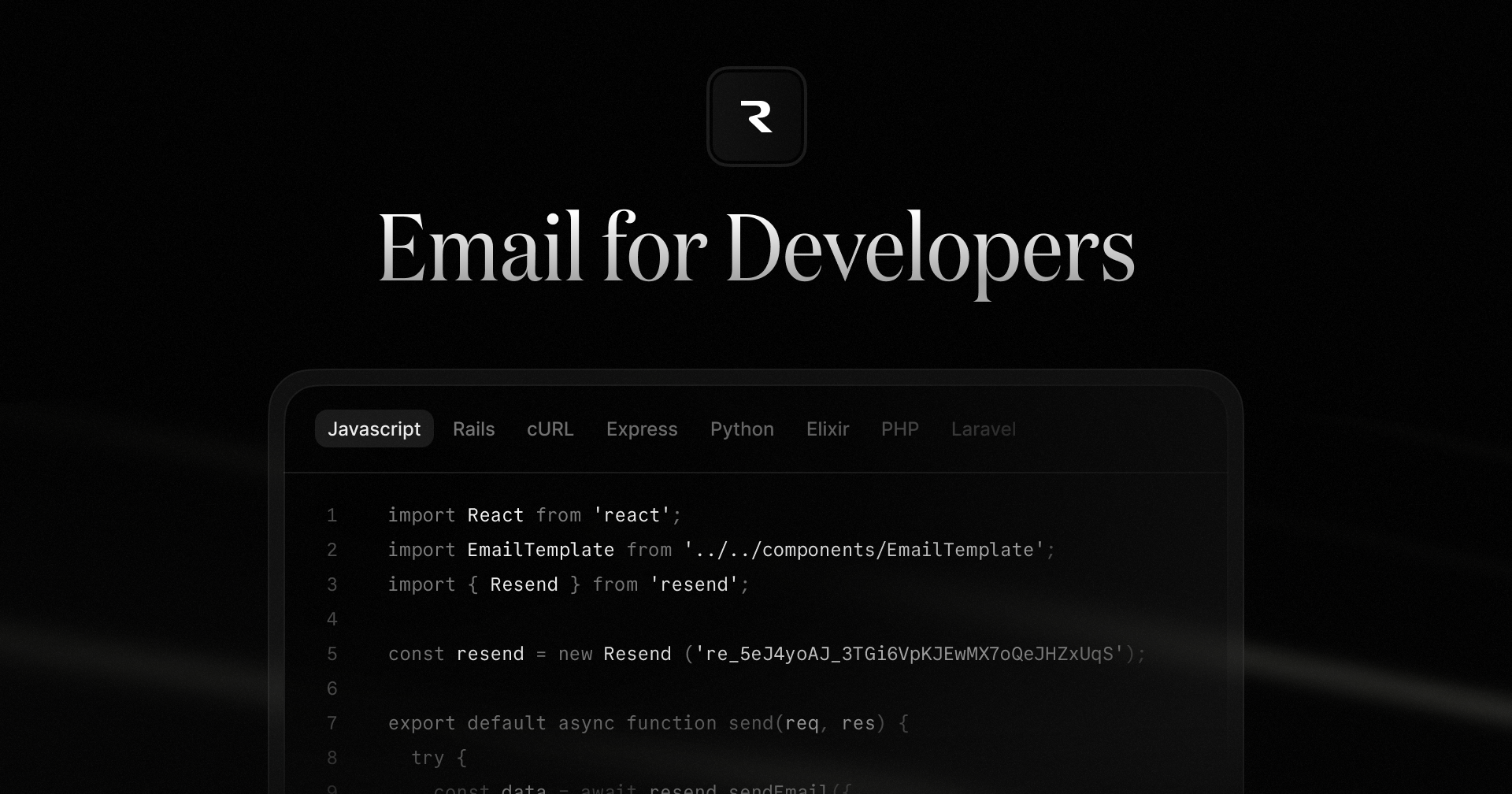
-Emails: Resend or Mailgun—transactional templates and generous free tier
 resend.com
-Images and videos: Just use cloudinary no need to play around with s3

 cloudinary.com
There you go a full list of tools to build a SaaS with maybe 500-1000 lines of code for an MVP (auth, CRUD, payments, UI). I've seen people launching apps like this in a weekend. But the truth is these cookie cutter tools are good for MVPs' but real world SaaS gets messy and difficult. Custom integrations, performance tweaks, compliance etc. All these things break down so spectacularly when it hits scale in ways that you'll be questioning your life choices.
AI and these ready made off the shelf stuff can handle grunt work with basic components but a experienced and talented software dev who can refactor, optimize and write custom logic are simply irreplaceable no AI or tool can replace them, the work done by people like that is simply too specialized, skilled and domain wide to be able to reliably be automated. You simply have to have human devs who knows their shit once things hit scale there's no way around it. So imo it is still 100% worth it to still learn how to code. Just my two cents
The low code/no code and managed SaaS services has exploded recently If you're looking to spin up a SaaS app without drowning in lines of code this is exactly what I would do. I get asked this question in dms a lot so I wanted to post this thread before I go into hibernation.
I'll structure this as a step-by-step guide starting from the basics and layering on tools.
1. Choose Your Core Framework/Stack
Next.js. If you like doing it in JS/TS: This is your full-stack powerhouse. It handles routing, API routes, server side rendering, and deployment out of the box. With app router in newer versions, you can build entire apps with minimal setup. Their documentation is also really really good. If you get stuck anywhere it's as simple as reading their docs. It is also seo friendly and uses react.
Python Alternative. FastAPI: If you're more backend oriented and want to use those python libraries for AI stuff then use this. Skip Flask and Django imo. Swagger ui it comes with also makes testing endpoints easy tho i still recommend using postman. Always use it with an ORMs like SQLAlchemy or Prisma will talk about it later. Combine it with Streamlit or Gradio and you have frontend in seconds.
Low-Code Option: if you hate writing any code. Remix or SvelteKit also work Remix is data fetching with minimal JS. SvelteKit is even leaner and compiles to vanilla JS but with great DX. In any case Stick to one ecosystem. Mixing JS frontend with Python backend adds friction and glue code you don't want.
2. User Authentication.
Auth is a time sink if you roll your own sessions. Complete pain in the ass. OAuth, emails, security. Just ho third party for ready-made everything but do keep in mind there will be vendor lock in and migrating afterwards will be a pain in the ass afterwards just a heads up.
Clerk (My Top Pick): Dead simple. Drop in <ClerkProvider> and you're done one line for sign-up, sign-in, user management, and even orgs/roles. That's it. Also has Pre built UI components which saves you from designing login pages. Integrates with Next.js in minutes. Handles social logins and MFA. Also has a free tier that is very generous.
Clerk | Authentication and User Management
The easiest way to add authentication and user management to your application. Purpose-built for React, Next.js, Remix, and “The Modern Web”.
Auth0: Solid alternative if you need enterprise features like SAML or advanced rules.
What is SAML and how does SAML Authentication Work | Auth0
Learn what SAML is, how SAML authentication works, the benefits SAML provides, and how to implement SAML with Auth0 as the identity provi...
auth0.com
More configurable but steeper learning curve than Clerk. UI is customizable but when I personally play with sensitive stuff like that I prefer having complete and absolute control so I tend to avoid black box wrappers especially if I'm handling a Fortune-500 company's SSO but if works it works.
Secure AI Agent & User Authentication | Auth0
Secure users, AI agents, and more with Auth0, an easy-to-implement, scalable, and adaptable authentication and authorization platform.
auth0.com
Supabase Auth : Supabase just last month launched its own auth. It is Free, open-source, and now with great UI kits Pairs perfectly if you're using Supabase for Database. One-liner setup`supabase.auth.signUp()`. Handles JWTs, Row Level Security (RLS) for DB auth. Haven't personally used this yet but be careful with supabase because if you don't set policy up properly you can get fucked over. Firebase Auth is also really good.
Auth | Built-in user management
Authentication that you can afford that is built in to your supabase project.
supabase.com
3. UI/Frontend. Honestly just skip Tailwind CSS. It's will take you months to learn it. It's utility classes galore, and they keep adding stuff. Tweaking takes forever. Even I can't name many utility classes even after all these years. Just skip the headache and use component libraries
- Mantine (Mg favourite): Amazing for Next.js. Not just buttons and forms but it alsotables with sorting/filtering/search, modals, notifications, even data grids. Dark mode toggle in just one prop. Saves hundreds of lines. Also great documentation. Just one read is all it takes for me to figure it all out when I'm stuck. Pair with their DevTools and you are good.
Mantine
mantine.dev
- Shadcn/UI: Headless components (styles via Tailwind, but customizable). Just Copy-paste from their site, no need to install shit Great for charts, calendars, and forms. Chakra UI and Radix UI is also good. For icons just use lucide or heroicons.
The Foundation for your Design System - shadcn/ui
A set of beautifully designed components that you can customize, extend, and build on. Start here then make it your own. Open Source. Open Code.
Tip-Use Storybook to preview components without running the app. For forms always add React Hook Form or Formik validation in ~10 lines.
Step 3: Setting up Storybook with React Native Web: show your mobile components the browser!
In the last part of this series we finally hook Storybook up with some React Native Web magic.
dev.to
Validation | Formik
formik.org
4. Backend/Database: Managed DBs means no schema migrations or connection pooling headaches that comes with stuff like AWS and Azure.
-Supabase (My number 1 pick): Postgres but with real-time, storage, and auth like I mentioned Client-side queries like Firebase but with SQL. They also added a vector DB with the pgvector support last month. Will talk about it more later
Also just a few days added Claude connector support for vibe coding. See I'm up to date with all relevant stuff
They also added a privatelink feature for AWS which is a bit advanced stuff wouldn't bother for now
Supabase | The Postgres Development Platform.
Build production-grade applications with a Postgres database, Authentication, instant APIs, Realtime, Functions, Storage and Vector embeddings. Start for free.
supabase.com
-MongoDB Atlas: If you don't neet a relational database. Use this it is Document based, flexible schemas. And you can use the Mongoose for TypeScript safety. Minimal code for CRUD.
MongoDB: The World’s Leading Modern Data Platform
Get your ideas to market faster with a flexible, AI-ready database. MongoDB makes working with data easy.
-Railway: Its not just a DB but has full infra. Spin up Postgres, MySQL, or Redis in clicks. Like this because it is cheap af and has Templates for Next.js + DB stacks.
Templates & Open Source | Railway Docs
Everything you need to know about Railway templates and the open source partner program.
docs.railway.com
5. Payments and Monetization. SaaS lives or dies on billing. Don't build Stripe webhooks from scratch. Complete waste of time
- Lemon Squeezy: Merchant of record, handles taxes/VAT globally. Integrates with Next.js via something called sn SDK. Just have one endpoint for checkouts. It also has Subscriptions, one time payments, analytics built-in.
Payments, Tax & Subscriptions for SaaS
Sell digital products and SaaS software the easy peasy way with Lemon Squeezy. As your merchant of record, we handle the tax compliance burden so you can focus on more revenue and less headache.
www.lemonsqueezy.com
-Stripe More flexible but more code. Use their Checkout or Billing pre-built forms. Pair with Stripe Elements for minimal UI work.
Stripe Elements | Custom Checkout Design and UI
Stripe’s suite of modular UI building blocks make it easy to design a secure on-brand checkout and payments experience for your customers.
stripe.com
6. Deployment and Scaling
- Vercel: Run your frontend on here. It is stateless and is used to handle Serverless functions also supports edge caching. Many people don't know this but it can do serious devops stuff if you want and even has an AI agents SDK tool but I don't want to get into that because you don't need it early on.
Vercel: Build and deploy the best web experiences with the AI Cloud – Vercel
Vercel gives developers the frameworks, workflows, and infrastructure to build a faster, more personalized web.
- Railway: (Multi-env dev/prod), easy DB/Redis add-ons. Templates for full stacks. Honestly my go to for no other reason than it looks aesthetic and fun to use. There are other stuff services available to which are more powerful and have more granular control but sometimes you just like the simplicity
Railway | The all-in-one intelligent cloud provider
Railway is a full-stack cloud for deploying web apps, servers, databases, and more with automatic scaling, monitoring, and security.
7. Boilerplates and Starters (Even More Hand-Holding) If you want skip it all together and want a pre-wired app here are your options
- ShipFast: Next.js boilerplate with auth, payments, SEO, emails. As a heads up it ships with vanilla JS which I absolutely hate because of lack of auto complete in IDE and no compile time errors like Typescript which makes it hard to work with but you can still make it work
Launch Your Startup in Days, Not Weeks | ShipFast
The NextJS boilerplate with all the stuff you need to get your product in front of customers. From idea to production in 5 minutes.
More SaaS Starter Kits:
Taxi for Email (emails)
MakerKit (Supabase + Next.js).
Next.js SaaS Starter Kit & Boilerplate | MakerKit
The production-ready Next.js SaaS starter kit with authentication, billing, and teams. Ship your SaaS in days, not months.
T3 App (tRPC, Prisma, NextAuth)

No Platforms: If by minimal code edges to no try Bubble (visual builder, but lock-in).
Build & ship web & mobile apps with AI and no-code
Build with AI when you want speed, edit visually when you want precision — design, database, logic, and privacy rules. Go from idea to launched app fast.
bubble.io
Adalo for mobile-first SaaS. But stick to code for flexibility.
Adalo | Visual AI App Builder for Web & Native Mobile Apps
Adalo's visual AI App Builder for database-driven web, iOS, and Android apps. No code needed. One canvas, device preview, publish to App Store and Google Play.
www.adalo.com
8. Extras: AI, Analytics, and Miscs
-AI Integration: Supabase + Claude for code gen. Vercel AI SDK for LLM calls in Next.js. OpenAI's API for features like content gen with minimal wrappers. Recently claude cowork has also been on top of all headlines. There's a lot of stuff to talk about here honestly AI agent, LLMs that remember across states , inference models and so much more so this demands a seperate thread imo maybe next time
Introducing Cowork | Claude
Claude Code's agentic capabilities, now for everyone. Give Claude access to your files and let it organize, create, and edit documents while you focus on what matters.
claude.com
-Analytics: PostHog drop a single script, get user insights like that or you could just use the free vercel analytics that's already backed in.
PostHog – We make dev tools for product engineers
All your developer tools in one place. PostHog gives engineers everything to build, test, measure, and ship successful products faster. Get started free.
posthog.com
-Emails: Resend or Mailgun—transactional templates and generous free tier
Resend · Email for developers
The best way to reach humans instead of spam folders. Deliver transactional and marketing emails at scale.
-Images and videos: Just use cloudinary no need to play around with s3
Image and Video Upload, Storage, Optimization and CDN
Streamline media management and improve user experience by automatically delivering images and videos, enhanced and optimized for every user.
cloudinary.com
There you go a full list of tools to build a SaaS with maybe 500-1000 lines of code for an MVP (auth, CRUD, payments, UI). I've seen people launching apps like this in a weekend. But the truth is these cookie cutter tools are good for MVPs' but real world SaaS gets messy and difficult. Custom integrations, performance tweaks, compliance etc. All these things break down so spectacularly when it hits scale in ways that you'll be questioning your life choices.
AI and these ready made off the shelf stuff can handle grunt work with basic components but a experienced and talented software dev who can refactor, optimize and write custom logic are simply irreplaceable no AI or tool can replace them, the work done by people like that is simply too specialized, skilled and domain wide to be able to reliably be automated. You simply have to have human devs who knows their shit once things hit scale there's no way around it. So imo it is still 100% worth it to still learn how to code. Just my two cents
Last edited:







 I never thought something like this would make its way to org. God works in mysterious ways


