



knut1
Niggabob
- Joined
- Apr 21, 2025
- Posts
- 106
- Reputation
- 59
1. Causes
2. Skincare
3. Diet and Lifestyle
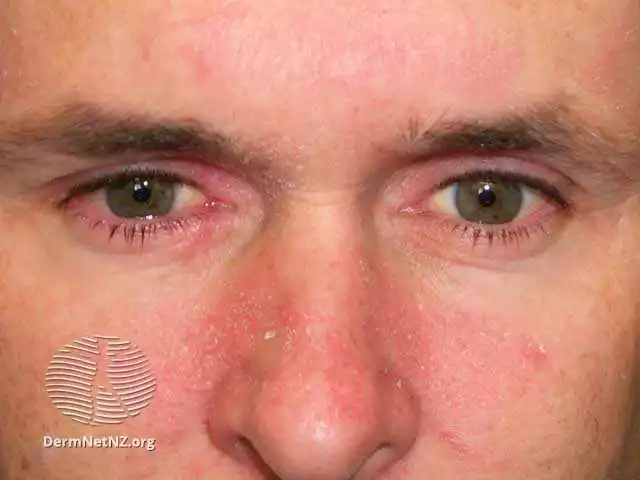
Seborrheic dermatitis is often caused by an overgrowth of a yeast called Malassezia that naturally lives on the skin. It feeds on skin oils, which allows it to grow more easily. This is why seborrheic dermatitis mainly occurs in oily areas of the face (nose, eyebrows, chin, etc.). Some people have an exaggerated immune response to it, which leads to inflammation, redness, itching, and flaking.

2. Skincare
Cleanser:
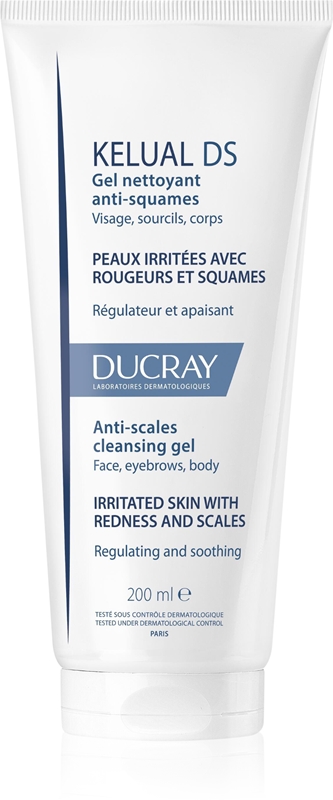
It’s important to choose a cleanser that’s gentle and slightly acidic (around pH 4.5–5.5). You can look for antifungal ingredients such as ketoconazole (only if your SD is very severe), ciclopirox, selenium sulfide, or zinc pyrithione.
Example:

Moisturizer:
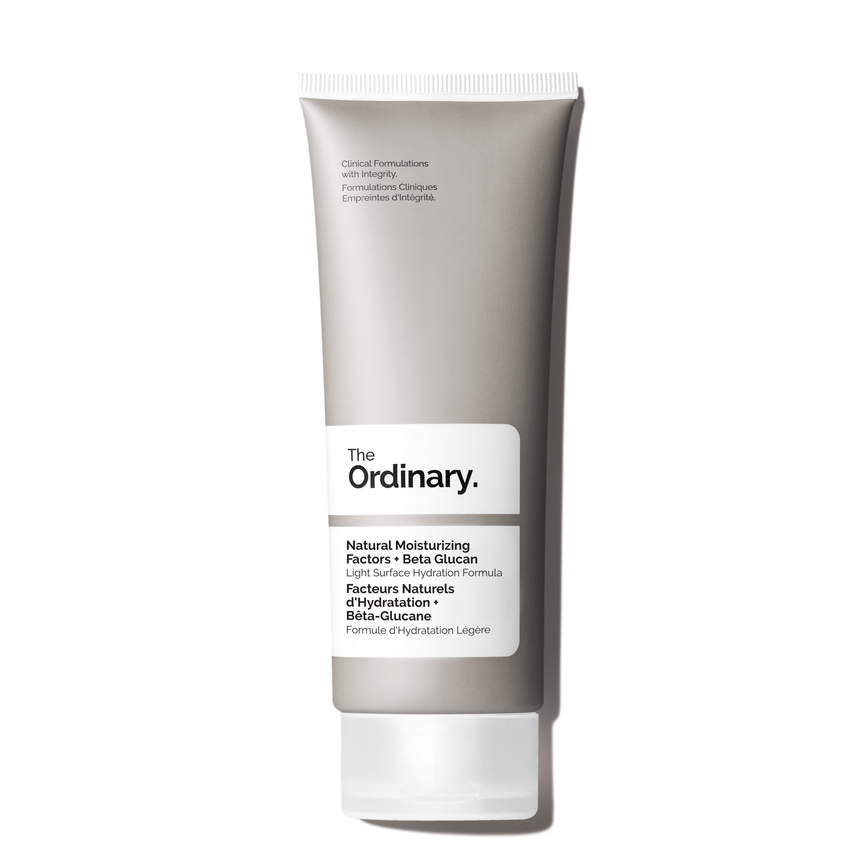
Choose a lightweight, hydrating moisturizer that doesn’t contain oils or fats that can feed the yeast, such as coconut oil, olive oil, or jojoba oil. Better options include squalane or MCT oil. You can also look for calming and sebum-controlling ingredients, since the yeast feeds on skin oils.
Example:

Sunscreen:
Use a lightweight mineral sunscreen that doesn’t contain chemical UV filters.
Treatment:
Look for an anti-inflammatory, antifungal cream or ointment. If it contains corticosteroids, don’t use it for longer than two weeks, as prolonged use can worsen the condition. I suggest visiting a dermatologist for that.
Actives:
Avoid harsh actives such as strong retinoids or exfoliating acids. If you use acids, stick to gentler options like PHAs, BHAs, or azelaic acid.
It’s important to choose a cleanser that’s gentle and slightly acidic (around pH 4.5–5.5). You can look for antifungal ingredients such as ketoconazole (only if your SD is very severe), ciclopirox, selenium sulfide, or zinc pyrithione.
Example:
Moisturizer:
Choose a lightweight, hydrating moisturizer that doesn’t contain oils or fats that can feed the yeast, such as coconut oil, olive oil, or jojoba oil. Better options include squalane or MCT oil. You can also look for calming and sebum-controlling ingredients, since the yeast feeds on skin oils.
Example:
Sunscreen:
Use a lightweight mineral sunscreen that doesn’t contain chemical UV filters.
Treatment:
Look for an anti-inflammatory, antifungal cream or ointment. If it contains corticosteroids, don’t use it for longer than two weeks, as prolonged use can worsen the condition. I suggest visiting a dermatologist for that.
Actives:
Avoid harsh actives such as strong retinoids or exfoliating acids. If you use acids, stick to gentler options like PHAs, BHAs, or azelaic acid.
3. Diet and Lifestyle
Diet:
An animal-based diet rich in fruit, red meat, organs, raw dairy, eggs and raw honey would be ideal, because it eliminates most toxins and antinutrients found in foods like vegetables. Completely cut out gluten, refined sugar, seed oils, alcohol and other junk. Also make sure to drink around 3 litres of water a day, as good hydration can help strenghten the skin barrier and lower sebum production.
Lifestyle:
Stress is a common trigger for seborrheic dermatitis flare-ups, as it can affect both the immune system and skin barrier function. Managing stress through much sleep, regular physical activity, and meditation can help.
An animal-based diet rich in fruit, red meat, organs, raw dairy, eggs and raw honey would be ideal, because it eliminates most toxins and antinutrients found in foods like vegetables. Completely cut out gluten, refined sugar, seed oils, alcohol and other junk. Also make sure to drink around 3 litres of water a day, as good hydration can help strenghten the skin barrier and lower sebum production.
Lifestyle:
Stress is a common trigger for seborrheic dermatitis flare-ups, as it can affect both the immune system and skin barrier function. Managing stress through much sleep, regular physical activity, and meditation can help.
Last edited:


