
Nectar
Akuma pump
- Joined
- Oct 29, 2022
- Posts
- 50,904
- Reputation
- 69,885
"Hunter eyes" (low IPD/forward-facing) and "prey eyes" (high IPD/side-facing) are archetypes in evolutionary biology and facial aesthetics that describe how eye placement, structure, and spacing relate to a species' role in the food chain and their surrounding awareness
Hunter Eyes (Low IPD / Forward-Facing)
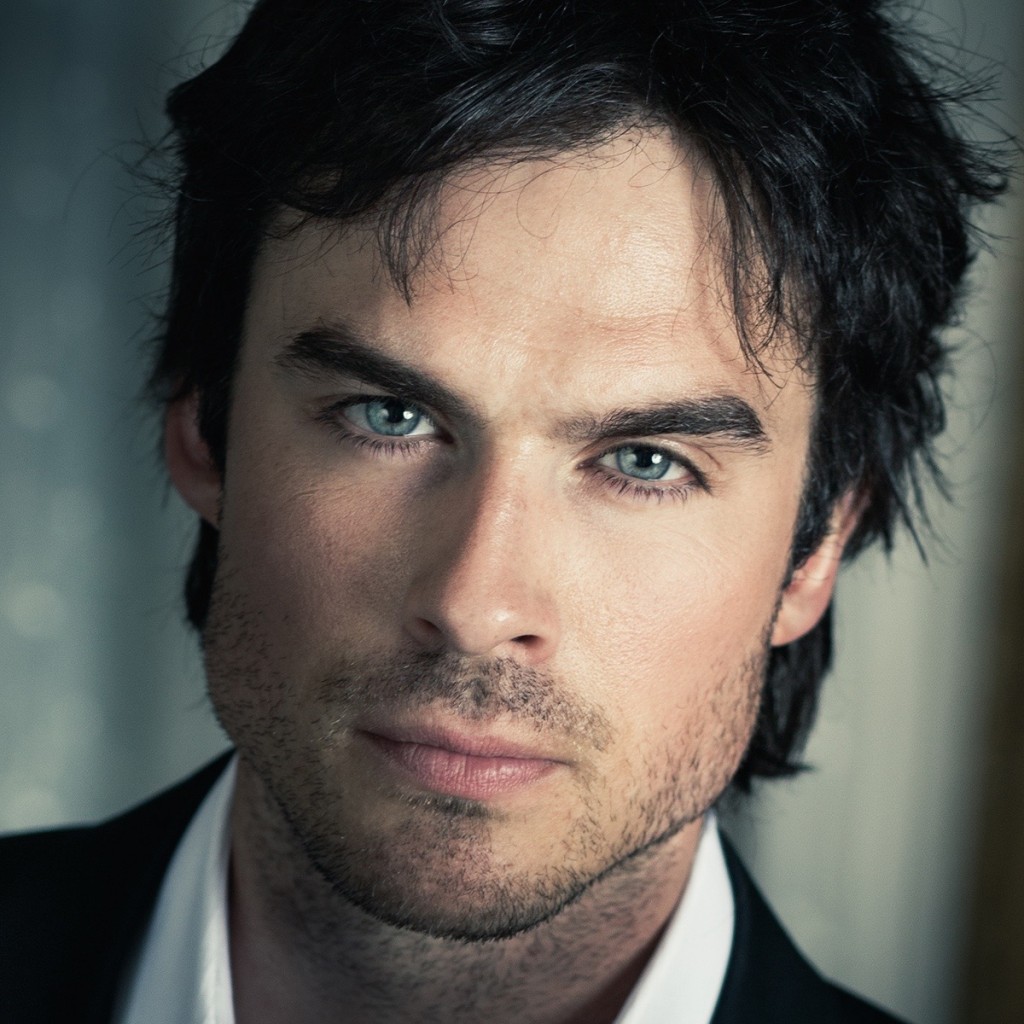
“Ugly close set eyes”

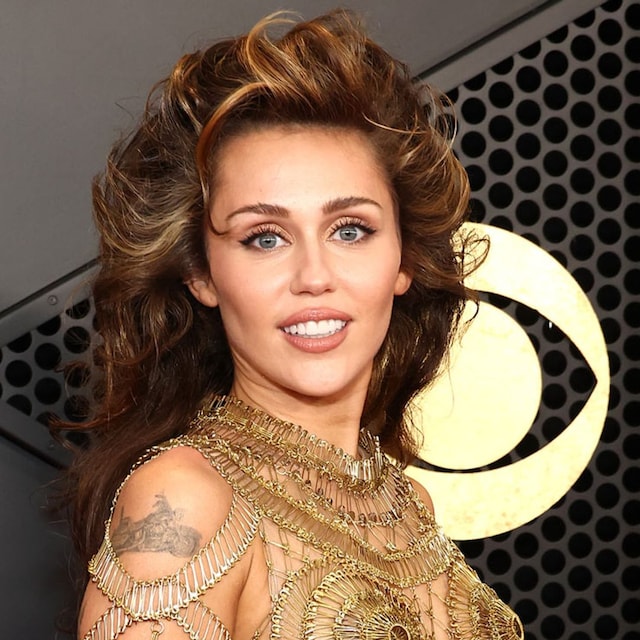
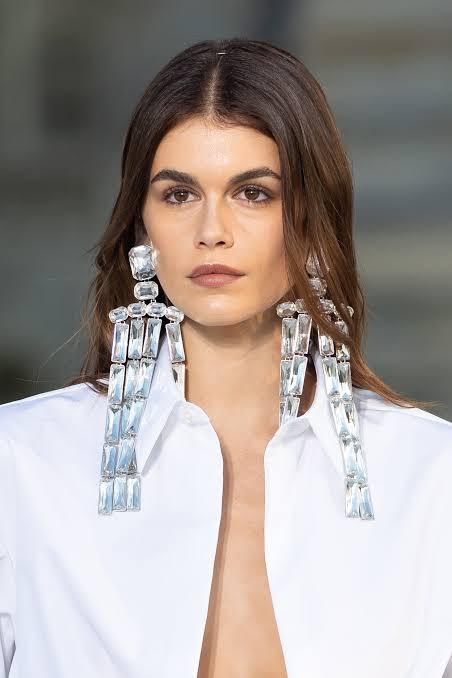
“Attractive wide set eyes”
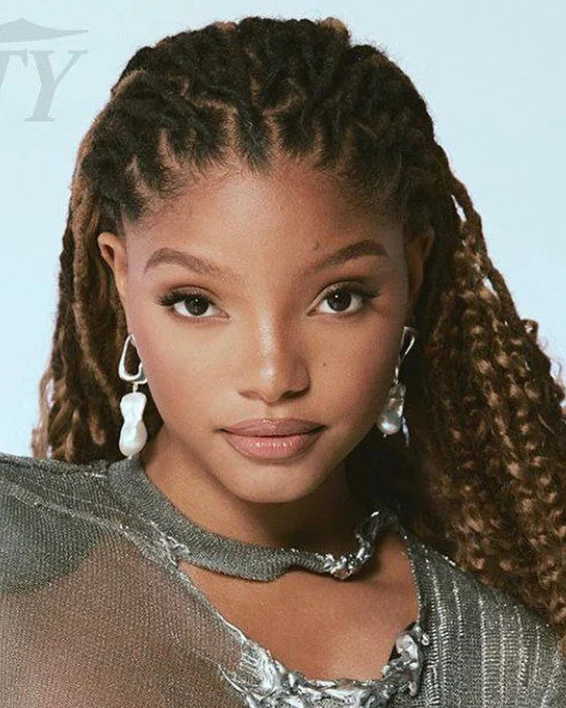

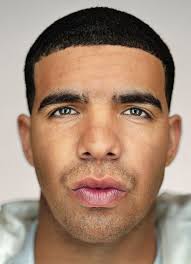
Hunter Eyes (Low IPD / Forward-Facing)
- Anatomy: Characterized by a lower Interpupillary Distance (IPD) or, more commonly, forward-facing eyes, often with a deep-set, hooded appearance.
- Function: This configuration allows for a higher degree of binocular overlap, which enhances depth perception and allows for better tracking of prey.
- Behavioral Traits: Associated with predatory animals (like cats, wolves, or hawks) and, in human aesthetic analysis, often associated with a more aggressive, confident, or dominant appearance.
- Visual Characteristics: Often paired with a positive canthal tilt (outer corner of the eye is higher than the inner).
- Anatomy: Characterized by a wider Interpupillary Distance (IPD) or, more commonly, eyes placed on the sides of the head.
- Function: This provides a much wider field of view (panoramic vision), allowing the animal to detect predators from almost any angle.
- Behavioral Traits: Associated with herbivores and prey animals (like rabbits, deer, or mice).
- Visual Characteristics: Often associated with a more open, "doe-eyed" look with a negative canthal tilt, which in human aesthetics might be interpreted as more submissive or timid.
“Ugly close set eyes”
“Attractive wide set eyes”