M
mistake67
Iron
- Joined
- Feb 12, 2026
- Posts
- 59
- Reputation
- 32
Semax and Selank: Overview
Semax is a synthetic peptide made from a fragment of the hormone ACTH (specifically ACTH(4–10)), with an added Pro-Gly-Pro sequence to make it more stable. It was first developed in Russia in 1991 and has since been used there for a range of neurological purposes, including stroke recovery, transient ischemic attacks (TIAs), cognitive disorders, optic nerve damage, and even immune support.
Despite being derived from ACTH, Semax doesn’t act like a hormone. Research describes it as having no hormonal activity, which is why it’s generally classified as a nootropic and neuroprotective drug rather than an endocrine medication. Because peptides like this break down quickly in the digestive system, Semax isn’t taken orally. Instead, it’s usually given intranasally (as a nasal spray) or by injection so it can reach the bloodstream and brain more effectively.
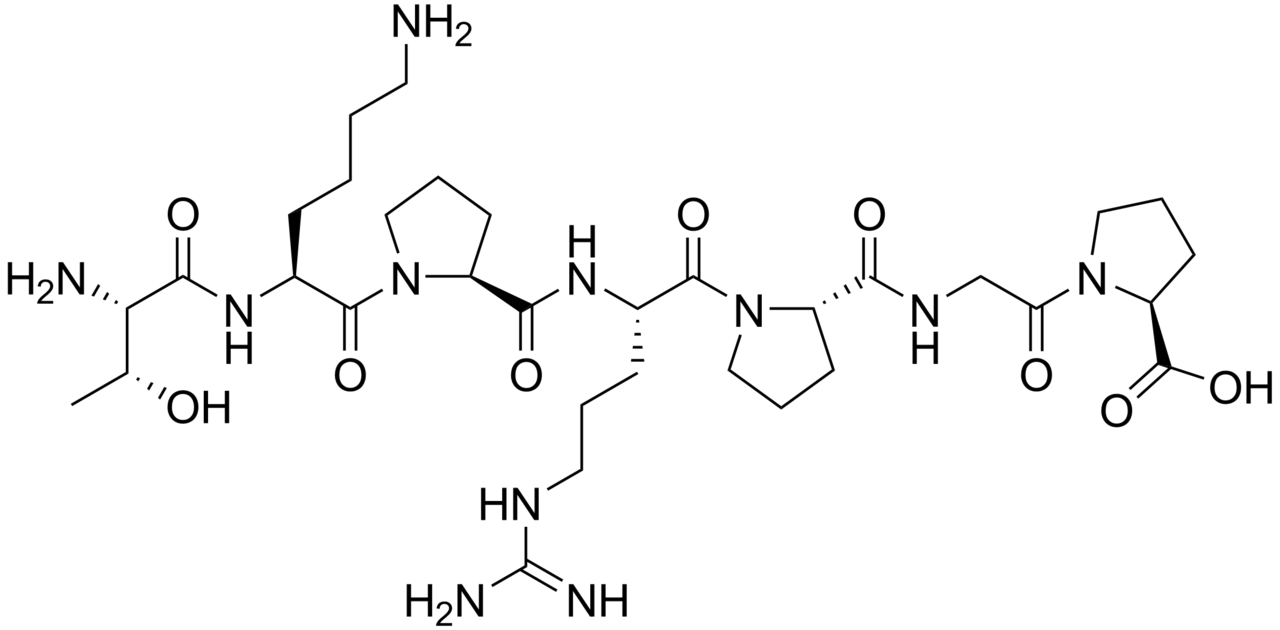
Selank is another synthetic peptide developed in Russia, but its origin is different. It’s based on tuftsin, a naturally occurring immune-system peptide. Structurally, Selank is also a short chain peptide with a Pro-Gly-Pro tail added for stability. Scientists designed it to influence both brain function and immune activity, and it’s mainly used in Russia and Ukraine for treating anxiety and promoting emotional stability.
Like Semax, Selank is usually administered intranasally or by injection because it isn’t stable enough to survive digestion.
In Russian medicine, the two drugs serve different official roles. Selank was approved in 2009 as an anxiolytic for conditions like generalized anxiety disorder. Semax, on the other hand, is approved as a neuroprotective and cognitive drug, and it was even added to Russia’s essential medicines list in 2011.
Outside of Russia and Ukraine, however, things look very different. Neither peptide is approved in Western countries. In fact, the U.S. FDA lists both Semax and Selank as unapproved substances, partly because there isn’t enough safety data and because peptides can potentially trigger immune reactions.
Mechanism of Action
Although Semax and Selank are both small peptides that affect brain function, they appear to work through somewhat different biological pathways.
Semax
Semax mainly influences neurotrophic factors and catecholamine systems in the brain.
Animal studies show that a single intranasal dose can quickly increase levels of BDNF (brain-derived neurotrophic factor) and activate its receptor TrkB in the hippocampus. In one rat study, BDNF protein increased by roughly 1.4 times, while TrkB phosphorylation rose by about 1.6 times, along with increases in the genes responsible for producing these proteins. Since BDNF plays a major role in learning, memory formation, and neural plasticity, this finding has attracted a lot of interest.
Semax also appears to increase the expression of other neurotrophic molecules, such as nerve growth factor (NGF), particularly after brain injury or ischemia.
On the neurotransmitter side, research suggests Semax can influence dopamine and serotonin pathways, which may explain its reported antidepressant- and anxiolytic-like effects in animals. Scientists have proposed several possible mechanisms, including interactions with melanocortin receptors or inhibition of enkephalin-degrading enzymes, though the exact details still aren’t fully understood.
In addition to its cognitive effects, Semax seems to have anti-stress and immune-regulating properties. Animal experiments show it can normalize stress-related gene activity in the hippocampus and protect the brain from acute stress. Importantly, unlike the hormone ACTH it was derived from, Semax does not stimulate the adrenal system and doesn’t significantly depress or sedate the central nervous system.
Selank
Selank’s mechanism is somewhat different and centers more on GABAergic and monoamine systems, along with immune modulation.
Studies suggest Selank interacts with GABA_A receptors, acting somewhat like benzodiazepines but without the typical sedating effects. Instead of causing drowsiness, Selank tends to maintain normal wakefulness. Some research even suggests it may increase activity in orexin systems, which are associated with alertness.
Selank also affects serotonin and dopamine signaling, altering the levels and metabolism of these neurotransmitters. In addition, it appears to influence the expression of genes involved in monoamine receptors and transporters.
Interestingly, Selank also increases BDNF expression in the hippocampus, similar to Semax. It can inhibit enzymes that break down enkephalins, which are natural peptides involved in pain regulation and mood.
Because Selank is derived from tuftsin, it also has immune-modulating properties. Studies show it can influence cytokines such as IL-6 and shift the balance of certain T-helper immune responses.
Overall, Selank’s profile tends to look anxiolytic and regulatory, while Semax is more nootropic and neuroprotective.
Key Differences
The main distinction between the two peptides lies in their origins and biological targets.
Semax is derived from an ACTH fragment and mainly enhances neurotrophic signaling and catecholamine activity, which may support learning, attention, and brain recovery.
Selank, as a tuftsin analog, focuses more on GABAergic modulation, stress regulation, and immune balance.
In practical terms, Semax is often associated with sharper attention and memory processes, likely through its effects on the hippocampus and frontal brain regions. Selank tends to work more on anxiety reduction and emotional stability, influencing systems connected to the amygdala and stress circuits.
Both peptides are typically administered intranasally, which allows them to reach the brain more efficiently than oral forms.
Effects on Studying, Focus, and Memory
Semax
Animal research suggests Semax can improve certain types of learning and memory. For instance, one study by Dolotov and colleagues found that rats receiving Semax learned a conditioned avoidance task faster than untreated animals, showing more correct responses.
Other studies have also reported improved memory consolidation in rodents.
Human data, however, are limited. A few small studies from Russia claim cognitive improvements, such as better memory in people with cognitive impairment, but detailed methodologies are often unclear. Some researchers have proposed that Semax could enhance selective attention and memory through its effects on dopamine and BDNF, but these ideas haven’t been confirmed in rigorous clinical trials.
In practice, Semax is sometimes used off-label to boost mental performance, but strong scientific support for this use is lacking.
Selank
Selank has been studied mainly for anxiety reduction, though there are hints it might also support cognitive performance in stressful situations.
One experiment involving middle-aged rats found that daily Selank administration for seven days improved performance in object recognition tasks and reduced memory impairment caused by alcohol exposure. These effects were associated with normalized BDNF levels in the hippocampus and prefrontal cortex.
However, research on healthy animals or humans is scarce, and there’s little direct evidence that Selank improves learning or memory in typical conditions. Any cognitive benefit may come indirectly from its anxiety-reducing effects, which could help people concentrate better under pressure.
Overall Evidence for Cognitive Enhancement
At the moment, strong evidence that either peptide directly improves studying ability or academic performance is still lacking.
Most positive findings come from animal studies, often in situations involving stress or brain injury. Human research is limited and often consists of small, unblinded trials conducted in Russia.
Some experiments show these peptides can reduce mental fatigue or protect against stress-related cognitive decline. For example, Semax appears to reduce cognitive problems caused by stress in animals, and Selank can prevent memory impairment after certain types of brain injury.
There are also a few imaging studies in humans. One fMRI experiment found that both peptides altered functional connectivity between brain regions, particularly between the amygdala and temporal cortex. While interesting, these changes don’t automatically translate into measurable improvements in studying or memory.
So far, no modern randomized, double-blind, placebo-controlled trials in healthy students have demonstrated clear academic benefits.
Clinical Research and Evidence Quality
Most research on Semax and Selank comes from Russia and Eastern Europe. A large number of animal studies show that these peptides influence neurotrophic factors, neurotransmitters, and behavior.
A few small human studies exist. For example, Selank has been compared with benzodiazepines in a trial involving around 30 patients with anxiety, where it reportedly produced similar anti-anxiety effects while improving cognitive measures. Another study involving about 70 patients tested Selank together with diazepam.
However, many of these studies aren’t widely available in Western scientific databases, and details about randomization, blinding, and study design are often unclear.
Large, high-quality clinical trials simply don’t exist yet. Semax has been used clinically in Russia for stroke recovery and cognitive disorders, but the kind of large Phase III trials required for international drug approval haven’t been published.
Because of these limitations—small sample sizes, unclear methods, and possible bias—the overall evidence base is considered weak by modern scientific standards. Replication by independent researchers is also limited, since many findings appear mainly in regional journals.
In short, while laboratory and animal research looks promising, the human evidence remains insufficient to draw firm conclusions about effectiveness.
Potential Benefits
Based on existing research, several potential benefits have been proposed for Semax and Selank.
Cognitive support: Animal studies suggest both peptides might slightly improve learning, attention, and memory, especially in stressful or impaired conditions. Semax’s ability to increase BDNF could support neural plasticity, while Selank’s calming effects may help maintain focus under pressure.
Anxiety and mood: Selank consistently shows anxiolytic effects in animal models and appears to relieve anxiety in human studies at levels comparable to mild benzodiazepines. Semax also demonstrates stress-reducing and mood-supporting effects in rodents.
Neuroprotection: Semax is used clinically in Russia to protect the brain after stroke or ischemia. Both peptides show neuroprotective potential in animal studies, including reducing oxidative stress and improving recovery after brain injury.
Stress resilience and immune effects: Semax can normalize stress-induced gene expression in the hippocampus, while Selank influences immune signaling molecules like cytokines. These actions suggest possible benefits for coping with chronic stress.
Overall, these benefits are supported mostly by preclinical research and small clinical observations, not large controlled trials.
Risks, Side Effects, and Unknowns
Reported side effects from Semax and Selank appear to be mild. Users occasionally report headaches, dizziness, fatigue, or nasal irritation when using intranasal forms.
Importantly, neither peptide seems to cause strong sedation or dependency. Selank, in particular, doesn’t produce the drowsiness typically seen with benzodiazepines.
Animal studies also show very low acute toxicity.
That said, safety data are still limited. Long-term human studies haven’t been done, so the effects of prolonged use remain uncertain.
Because these substances are peptides, there’s also a theoretical risk of immune reactions or allergies. In 2023, the FDA specifically warned about potential immunogenicity risks when these compounds are compounded outside regulated pharmaceutical environments.
While Semax doesn’t appear to affect hormones, subtle changes in immune or neuroendocrine systems can’t be completely ruled out with long-term use.
Semax vs Selank
In practice, the two peptides are often viewed as serving different purposes.
Semax is usually associated with mental clarity, focus, and cognitive enhancement, due to its effects on BDNF and catecholamine signaling.
Selank is more commonly used for anxiety reduction and emotional balance, working primarily through GABA and stress-regulating pathways.
Some users combine them, using Selank first to reduce anxiety and Semax later to enhance focus. However, this approach is mostly anecdotal rather than evidence-based.
Brain imaging research supports the idea that they influence different neural circuits. One fMRI study in healthy adults showed that each peptide altered connectivity patterns in distinct ways, particularly involving the amygdala and temporal lobe networks.
In simple terms, people often summarize the difference like this:
Semax for “sharp focus,” Selank for “calm focus.”
Regulatory Status
In Russia and Ukraine, both peptides are legitimate prescription medications. Semax is approved for neurological conditions such as stroke recovery and cognitive impairment, while Selank is approved for anxiety disorders.
In Western countries, neither compound is approved for medical use. The FDA lists them as unapproved bulk drug substances, meaning they can’t legally be sold as medications.
As a result, people outside Eastern Europe typically obtain them through research chemical markets or unregulated clinics, which introduces additional legal and safety concerns.
Use for Studying: An Evidence-Based Perspective
For someone struggling with studying, the scientific evidence supporting Semax or Selank as study aids is still weak.
If anxiety is the main issue, Selank could theoretically help by reducing stress. If fatigue or attention problems are the issue, Semax might improve alertness. But these possibilities remain largely speculative.
Before considering experimental substances, it’s generally better to address factors that have well-established effects on cognitive performance—things like sleep quality, nutrition, exercise, and stress management.
If attention or memory problems are severe, a medical evaluation may be worthwhile. Proven treatments—such as ADHD medications, structured study strategies, or behavioral interventions—have far stronger evidence behind them.
Conclusions
Semax and Selank are scientifically interesting peptides with real biological effects in the brain. Research shows they can influence BDNF levels, neurotransmitters, stress pathways, and immune signaling.
In animal models, they can improve learning under stressful conditions and protect neural tissue from damage. However, evidence in humans remains limited and often preliminary.
At present, there’s no strong clinical proof that these compounds reliably improve studying, focus, or memory in healthy people.
Short-term use appears relatively safe based on available data, but long-term safety hasn’t been established. Because they’re not approved by most regulatory agencies, concerns about quality control and immunogenic reactions also remain.
Overall, while Semax and Selank show potential in theory, the uncertainty around their effectiveness and safety means they shouldn’t be relied on as solutions for studying difficulties. Better-studied approaches—ranging from lifestyle changes to medically supervised treatments—are still the more reliable options.
Sources

Semax - Wikipedia

Semax, an analog of ACTH(4-10) with cognitive effects, regulates BDNF and trkB expression in the rat hippocampus - PubMed
The heptapeptide Semax (Met-Glu-His-Phe-Pro-Gly-Pro) is an analog of the adrenocorticotropin fragment (4-10) which after intranasal application has profound effects on learning and exerts marked neuroprotective activities. Here, we found that a single application of Semax (50 microg/kg body...
 pubmed.ncbi.nlm.nih.gov
List of Russian drugs - Wikipedia
Selank - Wikipedia
This took a while.