TITUS
Fuchsia
- Joined
- Jun 29, 2020
- Posts
- 10,159
- Reputation
- 10,209
THE TEXT IN BOLD IS THE IMPORTANT TEXT, DISCARD THE REST.
Short men have twice the suicide rate of tall men
Researchers in Sweden surveyed government data including 79% of all men born in Sweden in 1950–1981 to identify health outcomes for these men. They found that every extra 5 cm of height reduced suicide rates by 9%, such that the tallest men had half the suicide rate of shorter men.
They suggest several reasons for this difference. They note that shorter men tend to end up with lower socioeconomic status as they grow up, irrespective of their childhood social class. Additionally, as women judge shorter men negatively, they are therefore less likely to marry, which generally protects against suicide. An association between shorter height and higher risk of substance abuse was also found.
Quotes:
The increased satisfaction with their own height among taller men is also in line with studies indicating that tall men have higher self-esteem, display less jealousy towards other men, and display higher levels of subjective well-being. <------- MANLET'S RAGE IS REAL
Men were most satisfied when their partner was slightly shorter than themselves, whereas women were most satisfied when their partner was much taller than themselves.
24% of men under 5'9" would undergo surgery costing 31% of their life savings to be taller
BodyLogicMD, a network of physician-owned medical practices, performed a survey of 1,105 Americans using Amazon's Mechanical Turk platform. Their goal was to explore emotional impacts of height, including implications for romantic prospects and self-esteem.
Evidence is discussed showing that increased male height provides professional advantages, including higher pay and better odds of career advancement, and an edge in matters of romance. Disadvantages of increased height are described by their review as including higher rates of medical issues like cancers and blood clots.
Primary findings of their survey on height's impact were:
To calculate your own height percentile, use the following calculator: https://tall.life/height-percentile-calculator-age-country/
Quotes:
Sperm banks require that men be at least 5'8" tall
Sperm banks usually require that men be at least 5 feet 8 inches tall. 5 feet 8 inches corresponds to the 35.3rd percentile for height for males aged over 20 years old in the United States.
Given that the average South Asian, Southeast or East Asian man, or Hispanic man is around 5'7" in America, this suggests that women's reproductive market forces have determined most men of these ethnicities are not genetically fit for fathering their children, based solely on their heights.<---
In fact, fully 35.3% of men in America would be deemed unfit for reproduction based on this cutoff, factoring in height alone, without factoring in the general requirement for sperm donors to also possess a college degree (a stealth proxy for IQ being above a certain threshold).
References:
@Germania stay away from this thread, your copes won't handle it.
Short men have twice the suicide rate of tall men
Researchers in Sweden surveyed government data including 79% of all men born in Sweden in 1950–1981 to identify health outcomes for these men. They found that every extra 5 cm of height reduced suicide rates by 9%, such that the tallest men had half the suicide rate of shorter men.
They suggest several reasons for this difference. They note that shorter men tend to end up with lower socioeconomic status as they grow up, irrespective of their childhood social class. Additionally, as women judge shorter men negatively, they are therefore less likely to marry, which generally protects against suicide. An association between shorter height and higher risk of substance abuse was also found.
Quotes:
- We found a twofold higher risk of suicide in short men than tall men.
- The associations do not appear to be attributable to socioeconomic confounding or prenatal influences on growth.
- Short individuals are more likely to be in a low social class as adults, independent of their childhood social class.
- In a subset of subjects, however, we found that educational level, a marker of socioeconomic position, had little effect on the associations.
- Marriage protects against suicide, and short individuals may be less likely to marry than taller ones.
- Magnusson PKE, Gunnell D, Tynelius P, Davey Smith G, Rasmussen F. 2005. Strong Inverse Association Between Height and Suicide in a Large Cohort of Swedish Men: Evidence of Early Life Origins of Suicidal Behavior? Am J Psychiatry. 162: 1373–1375. [Abstract] [FullText]
The increased satisfaction with their own height among taller men is also in line with studies indicating that tall men have higher self-esteem, display less jealousy towards other men, and display higher levels of subjective well-being. <------- MANLET'S RAGE IS REAL
Men were most satisfied when their partner was slightly shorter than themselves, whereas women were most satisfied when their partner was much taller than themselves.
24% of men under 5'9" would undergo surgery costing 31% of their life savings to be taller
BodyLogicMD, a network of physician-owned medical practices, performed a survey of 1,105 Americans using Amazon's Mechanical Turk platform. Their goal was to explore emotional impacts of height, including implications for romantic prospects and self-esteem.
Evidence is discussed showing that increased male height provides professional advantages, including higher pay and better odds of career advancement, and an edge in matters of romance. Disadvantages of increased height are described by their review as including higher rates of medical issues like cancers and blood clots.
Primary findings of their survey on height's impact were:
- Both men and women said the ideal male height is 6' tall (i.e. Taller than 82.1% of men in America).
- Taller men reported they felt they were funnier, more desirable, more confident, more attractive, and more satisfied with their sex lives than shorter men.
- As an example, 69.2% of taller men felt they were attractive to potential partners, compared to 51.8% of shorter men.
- Short height was associated with feelings of being less masculine—48% of men under 5'5" felt less masculine due to their height.
- Taller men were significantly more likely to feel they were successful in their careers and make the salaries they deserved.
- 60% of men overall wished they were taller.
- 21.1% of men under 5'9" had actively researched ways to become taller.
- 23.9% of men under 5'9" said they would surgically alter their height if possible to become taller.
- On average, men wanting to be taller would pay 30.9% of their life savings to do so.
To calculate your own height percentile, use the following calculator: https://tall.life/height-percentile-calculator-age-country/
Quotes:
- At all heights, men were considerably less picky about the stature of their potential lovers.
- More than three-quarters of short, average, and tall men said they'd give dating someone taller a try.
- BodyLogicMD. 2019. Drawing the Short Straw: Exploring Height's Impact on Self-Perception, Dating, and Work. [FullText]
Sperm banks require that men be at least 5'8" tall
Sperm banks usually require that men be at least 5 feet 8 inches tall. 5 feet 8 inches corresponds to the 35.3rd percentile for height for males aged over 20 years old in the United States.
Given that the average South Asian, Southeast or East Asian man, or Hispanic man is around 5'7" in America, this suggests that women's reproductive market forces have determined most men of these ethnicities are not genetically fit for fathering their children, based solely on their heights.<---
In fact, fully 35.3% of men in America would be deemed unfit for reproduction based on this cutoff, factoring in height alone, without factoring in the general requirement for sperm donors to also possess a college degree (a stealth proxy for IQ being above a certain threshold).
References:
- Van Deven M. 2011. Secrets of the sperm bank. Salon [Article]
- Fryar CD, Gu Q, Ogden CL, Flegal KM. 2016. Anthropometric Reference Data for Children and Adults: United States, 2011–2014. Vital Health Stat. 3(39). [FullText]
@Germania stay away from this thread, your copes won't handle it.

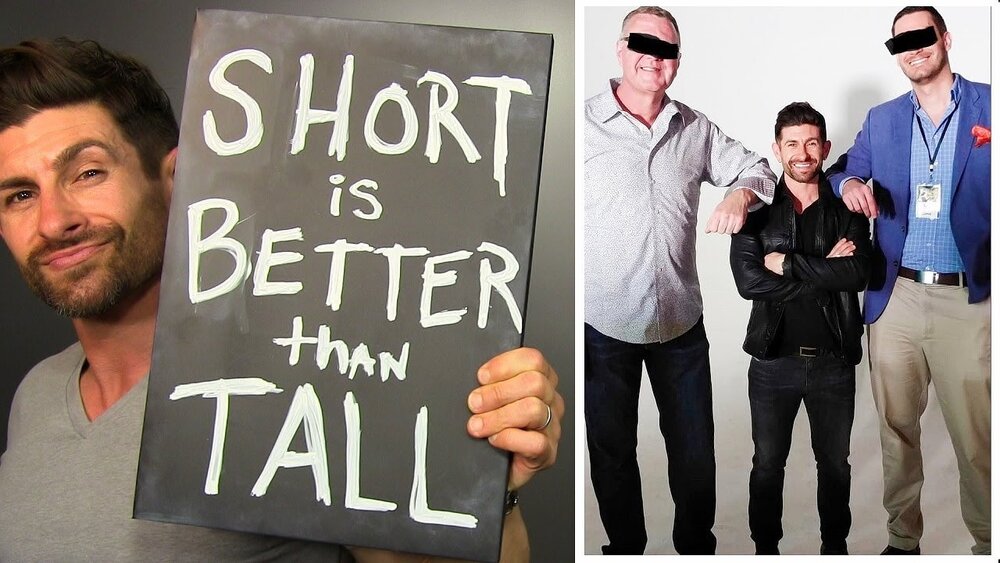

 So sad