The Metabolic Architect: Understanding Body Types & Using Fasting to Improve Your Health

sergdying

sergdying

Stoic
Joined
Aug 8, 2024
Posts
2,305
Reputation
5,184
Back ground songs


SOMATOTYPE TAXONOMY: GENETIC FUEL PARTITIONING


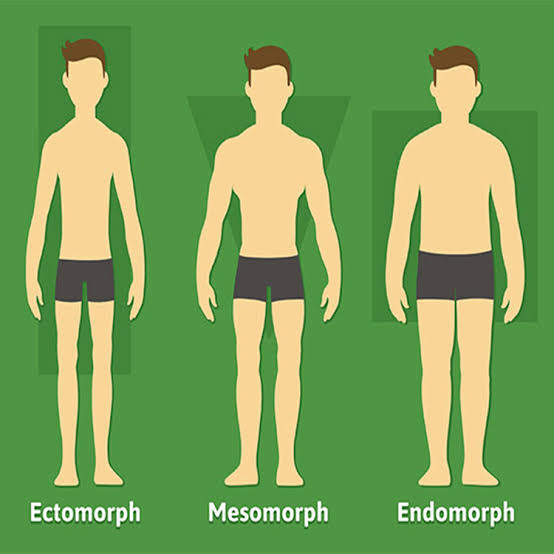
Metabolic stagnation isn’t random. It happens when your eating patterns don’t match how your body processes energy. The body is always directing fuel toward storage, muscle, or immediate use, and this is mainly controlled by insulin, growth hormone, and cortisol. When those signals are out of sync with your behavior, progress slows or completely stalls.

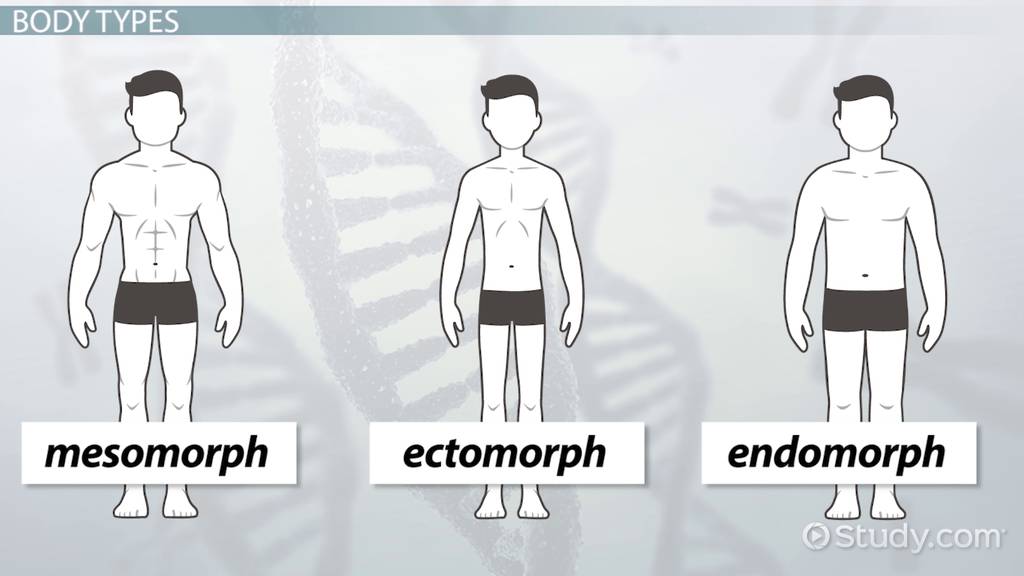
The endomorph phenotype tends to store energy aggressively. This profile is commonly associated with higher fasting insulin levels, often above 10 µIU/mL, and reduced fat oxidation when food intake is frequent. The issue isn’t just excess fat, but limited access to it. When insulin stays elevated, fat breakdown is suppressed, making stored energy harder to use. Longer fasting periods can help lower insulin to baseline, increase lipolysis, and improve insulin sensitivity over time, which allows the body to actually use its stored fat.

The mesomorph phenotype is more balanced and typically shows better nutrient partitioning. Insulin sensitivity is usually moderate to high, and the body responds well to training by building or maintaining muscle. The main issue here is not fat gain but stress-related breakdown. Elevated cortisol from frequent eating, poor recovery, or high stress can lead to muscle loss despite good genetics. A more controlled eating structure, such as one main meal per day, helps stabilize hormonal fluctuations, maintain growth hormone levels during fasting periods, and reduce unnecessary metabolic noise.

The ectomorph phenotype burns through energy quickly and struggles to maintain fullness. This is often tied to a higher basal metabolic rate and faster glycogen depletion, sometimes within 24 hours. The result is a flatter appearance due to low stored carbohydrates and water in the muscle. Shorter fasting windows work better here because they still allow for growth hormone increases without pushing the body too far into depletion. Keeping a consistent eating helps restore glycogen, maintain muscle fullness, and avoid excessive breakdown.

In chronic hyper-insulinemia, the baseline concentration of insulin remains sufficiently elevated to biochemically inhibit Lipolysis. Even in a caloric deficit, the system will downregulate thermogenesis and cognitive function rather than mobilizing lipid stores. Prolonged fasting is the only exogenous mechanism capable of suppressing this hormonal floor to permit adipose access.
TLDR
Phenotype calibration dictates fast duration based on individual insulin sensitivity. Endomorphs require longer durations (72h) to break the lipolytic blockade, while Ectomorphs utilize shorter windows (18:6) to preserve muscle fullness and glycogen levels. Mesomorphs benefit from stabilized cortisol via OMAD to maximize muscle density. The refeed serves as the primary growth event where substrate quality determines the final anatomical result.
IMG 2130
IMG 2131


THE 120-HOUR TRANSITION: THE BIOLOGICAL SWITCH

Fasting is not a static absence of nutrients; it is a progressive, violent reconfiguration of the mitochondrial engine. It represents a systemic transition from an exogenous glucose-dependent state to an endogenous lipid-centric architecture. This evolution occurs in distinct metabolic stages, each marked by specific hormonal shifts and cellular survival mechanisms.

PHASE ONE (0-12H): THE POST-ABSORPTIVE TRANSITION

In the immediate hours following the final caloric intake, the organism exists in a post-absorptive state. As blood glucose levels begin their descent, the pancreas downregulates insulin secretion while simultaneously upregulating glucagon. This phase is characterized by a peak in Ghrelin secretion, the "hunger hormone," which signals the brain to initiate food-seeking behavior. However, beneath this surface-level hunger, the liver is already beginning to tap into its glycogen reserves to maintain homeostatic blood sugar levels. This is the first step in the "unloading" of the system.

PHASE TWO (12-24H): HEPATIC GLUCONEOGENESIS

As liver glycogen stores approach exhaustion, the system enters the Gluconeogenesis phase. The liver begins the complex process of synthesizing "emergency" glucose from non-carbohydrate precursors, such as lactate, glycerol from fat cells, and certain glucogenic amino acids. This is a critical survival bridge. While the brain still demands glucose for energy, the body begins to prioritize which tissues receive this scarce resource. During this window, fat oxidation begins to accelerate significantly as the body prepares for the total substrate shift that occurs in the subsequent hours.

PHASE THREE (24-48H): THE KETOTIC PIVOT

This stage represents the "Crossover Point" of human metabolism. The liver initiates the large-scale synthesis of ketone bodies—specifically Beta-Hydroxybutyrate (BHB) and Acetoacetate—from mobilized fatty acids. This pivot is a biological masterstroke: ketones are a highly efficient, "clean-burning" fuel source that can cross the blood-brain barrier, providing up to 70% of the brain's energy requirements. As BHB levels rise, they act as signaling molecules that suppress oxidative stress and inflammation, while simultaneously blunting the appetite, leading to the "fasting high" or mental clarity often reported by practitioners.

PHASE FOUR (48-72H): PEAK MACRO-AUTOPHAGY
At the 48-hour threshold, the organism enters a state of deep cellular proteolysis known as Macro-Autophagy. With external nutrients absent for two full days, the system turns inward to find raw materials. It identifies and breaks down damaged organelles, misfolded proteins, and "zombie" (senescent) cells that are no longer functional but consume energy and leak inflammatory markers. These components are processed by lysosomes and recycled into new, high-fidelity cellular building blocks. This is effectively a systemic "housecleaning" that optimizes the health of every cell in the body.

PHASE FIVE (72H+): THE HEMATOPOIETIC SURGE

Beyond the 72-hour mark, the fast triggers a profound systemic reboot. This phase is characterized by the "Stem Cell Switch." As white blood cell counts drop due to the culling of old, inefficient immune cells, the body triggers a surge in Hematopoietic Stem Cell activity. Upon the eventual reintroduction of nutrients, these stem cells differentiate into brand-new, high-performance immune cells. Furthermore, Human Growth Hormone (HGH) reaches its peak during this window specifically to protect lean muscle mass and vital organs from being used as fuel
At the 72-hour threshold, the organism perceives a prolonged nutrient-deprivation event. To maximize survival efficiency, it initiates the apoptosis (programmed death) of senescent leukocytes. Upon the subsequent refeed, the system triggers Hematopoietic Stem Cells to generate a de novo, high-performance immune architecture. Prolonged fasting is one of the only known non-pharmacological methods to trigger this level of deep systemic regeneration.

The 120-hour transition moves from glucose depletion to ketone dominance, reaching a peak of cellular recycling (Autophagy) at 48 hours and a total immune system reboot (Stem Cell Surge) after 72 hours. This process optimizes mitochondrial efficiency and clears out "biological trash" to ensure survival in the absence of food.

Canadian Smoking GIF by The Weeknd


THE JANITOR PROTOCOL: SELECTIVE MACRO-AUTOPHAGY

At 48 hours, the system initiates a systematic purge of biological debris. This is not starvation; it is Transmutation.

TARGET ALPHA: Senescent Cells
that have ceased division but continue to secrete pro-inflammatory cytokines into the bloodstream.

TARGET BETA: Misfolded Proteins
consisting of aggregated protein structures linked to neurodegenerative decline and cognitive fog.

TARGET GAMMA: Intracellular Pathogens including dormant viruses and bacteria sequestered within the cellular cytoplasm.

THE GROWTH HORMONE (GH) SHIELD
The prevailing dogma regarding protein catabolism is Fallacious. Fasting is the most potent muscle-sparing mechanism in the human toolkit.

GH ELEVATION: Fasting triggers a 500% increase in Growth Hormone, which directly facilitates lipid mobilization while simultaneously inhibiting proteolysis. This serves as a protective buffer to prevent the deamination of muscle tissue for glucose.

THE REFEED PARADOX: THE mTOR SWITCH
The fast deconstructs the obsolete; the refeed manifests the superior. Breaking a 72-hour fast with processed carbohydrates triggers a catastrophic insulin spike and rapid lipid storage.

THE ANABOLIC REBOUND

During the fast, mTOR (the growth switch) is suppressed to allow for autophagy. Upon the reintroduction of nutrients—specifically high-quality proteins and fats—mTOR is activated with maximal sensitivity. This creates a window of super-compensation, where the body uses the newly cleared cellular environment to build higher-fidelity tissue than what existed before the fast.

The organism utilizes Ubiquitin-Tagging to identify its targets. Damaged proteins are chemically "marked" for degradation. These substrates are sequestered by an Autophagosome, fused with a Lysosome, and reduced to raw materials. This ensures that the body selectively burns the "trash" rather than healthy functional tissue.

Autophagy reaches its peak at 48 hours, selectively targeting "zombie" cells and misfolded proteins to clear cellular debris. This process is protected by a 500% spike in Growth Hormone, which prevents muscle loss. The refeed is the most critical stage, as it flips the mTOR switch to rebuild the body with higher-quality materials.
IMG 2132

REFEED STAGE ONE: Collagen and Bone Broth to facilitate intestinal mucosal restoration.

REFEED STAGE TWO: Essential Amino Acids via lean bovine or eggs to activate the mTOR growth pathway.

REFEED STAGE THREE: Lipid Substrates such as avocado or tallow for cellular membrane repair.

Phenotype calibration dictates fast duration based on individual insulin sensitivity. The 48-hour threshold serves as the catalyst for deep cellular recycling and autophagy. Systemic failure is prevented solely through the precise titration of Sodium, Potassium, and Magnesium. Fasting selectively prioritizes the oxidation of pathogenic visceral fat over subcutaneous stores. The refeed serves as the primary growth event where Leucine is prioritized to trigger the mTOR rebound. The ultimate goal is a total biological factory reset resulting in optimized hormone sensitivity and granite-level muscle density

Ending The End GIF by Tom Spoon


@tension @zakachiti @sodiumcel @Ahmed88 @Cookie271
 
  • +1
  • Love it
Reactions: Applejack, logicalpill850, StyIix and 14 others
@afroheadluke @CalmFrog @Kara @xzylecrey @StyIix
 
  • +1
Reactions: Applejack, logicalpill850, StyIix and 1 other person
1000025602

Bigass thread, bookmarking it for later tho, bc I gotta sleep:forcedsmile:
 
  • +1
  • Love it
Reactions: nellii, слон, sodiumcel and 1 other person
BUMP NIGGA
 
  • +1
  • Love it
Reactions: nellii, слон, sergdying and 1 other person
Nice thread son:feelsokman:
 
  • Love it
  • +1
Reactions: zakachiti and sergdying
Will read, seems high effort.
 
  • +1
  • Love it
Reactions: zakachiti, nellii, слон and 1 other person
Spent more time on this than any school assignment
 
  • +1
  • JFL
Reactions: Applejack, logicalpill850, Ahmed88 and 6 others
First tag 🥹

Thread boy got to work

Will read
 
  • +1
  • Love it
Reactions: zakachiti, nellii and sergdying
  • +1
Reactions: MLP, Applejack, logicalpill850 and 2 others
tell me its not true 💔
Screenshot 2026 04 06 at 233902
 
  • Love it
  • +1
  • Woah
Reactions: sergdying, sodiumcel, tension and 1 other person
Good thread king
I didn't read because no point for my subhuman genes
 
  • +1
  • Love it
Reactions: logicalpill850, sergdying and nellii
looks like a high effort thread.
nice man :Animedance:
 
  • +1
  • Love it
Reactions: logicalpill850, xzylecrey and sergdying
Back ground songs


SOMATOTYPE TAXONOMY: GENETIC FUEL PARTITIONING


Metabolic stagnation isn’t random. It happens when your eating patterns don’t match how your body processes energy. The body is always directing fuel toward storage, muscle, or immediate use, and this is mainly controlled by insulin, growth hormone, and cortisol. When those signals are out of sync with your behavior, progress slows or completely stalls.

The endomorph phenotype tends to store energy aggressively. This profile is commonly associated with higher fasting insulin levels, often above 10 µIU/mL, and reduced fat oxidation when food intake is frequent. The issue isn’t just excess fat, but limited access to it. When insulin stays elevated, fat breakdown is suppressed, making stored energy harder to use. Longer fasting periods can help lower insulin to baseline, increase lipolysis, and improve insulin sensitivity over time, which allows the body to actually use its stored fat.

The mesomorph phenotype is more balanced and typically shows better nutrient partitioning. Insulin sensitivity is usually moderate to high, and the body responds well to training by building or maintaining muscle. The main issue here is not fat gain but stress-related breakdown. Elevated cortisol from frequent eating, poor recovery, or high stress can lead to muscle loss despite good genetics. A more controlled eating structure, such as one main meal per day, helps stabilize hormonal fluctuations, maintain growth hormone levels during fasting periods, and reduce unnecessary metabolic noise.

The ectomorph phenotype burns through energy quickly and struggles to maintain fullness. This is often tied to a higher basal metabolic rate and faster glycogen depletion, sometimes within 24 hours. The result is a flatter appearance due to low stored carbohydrates and water in the muscle. Shorter fasting windows work better here because they still allow for growth hormone increases without pushing the body too far into depletion. Keeping a consistent eating helps restore glycogen, maintain muscle fullness, and avoid excessive breakdown.

In chronic hyper-insulinemia, the baseline concentration of insulin remains sufficiently elevated to biochemically inhibit Lipolysis. Even in a caloric deficit, the system will downregulate thermogenesis and cognitive function rather than mobilizing lipid stores. Prolonged fasting is the only exogenous mechanism capable of suppressing this hormonal floor to permit adipose access.
TLDR
Phenotype calibration dictates fast duration based on individual insulin sensitivity. Endomorphs require longer durations (72h) to break the lipolytic blockade, while Ectomorphs utilize shorter windows (18:6) to preserve muscle fullness and glycogen levels. Mesomorphs benefit from stabilized cortisol via OMAD to maximize muscle density. The refeed serves as the primary growth event where substrate quality determines the final anatomical result.
View attachment 4876715View attachment 4876716

THE 120-HOUR TRANSITION: THE BIOLOGICAL SWITCH

Fasting is not a static absence of nutrients; it is a progressive, violent reconfiguration of the mitochondrial engine. It represents a systemic transition from an exogenous glucose-dependent state to an endogenous lipid-centric architecture. This evolution occurs in distinct metabolic stages, each marked by specific hormonal shifts and cellular survival mechanisms.

PHASE ONE (0-12H): THE POST-ABSORPTIVE TRANSITION

In the immediate hours following the final caloric intake, the organism exists in a post-absorptive state. As blood glucose levels begin their descent, the pancreas downregulates insulin secretion while simultaneously upregulating glucagon. This phase is characterized by a peak in Ghrelin secretion, the "hunger hormone," which signals the brain to initiate food-seeking behavior. However, beneath this surface-level hunger, the liver is already beginning to tap into its glycogen reserves to maintain homeostatic blood sugar levels. This is the first step in the "unloading" of the system.

PHASE TWO (12-24H): HEPATIC GLUCONEOGENESIS

As liver glycogen stores approach exhaustion, the system enters the Gluconeogenesis phase. The liver begins the complex process of synthesizing "emergency" glucose from non-carbohydrate precursors, such as lactate, glycerol from fat cells, and certain glucogenic amino acids. This is a critical survival bridge. While the brain still demands glucose for energy, the body begins to prioritize which tissues receive this scarce resource. During this window, fat oxidation begins to accelerate significantly as the body prepares for the total substrate shift that occurs in the subsequent hours.

PHASE THREE (24-48H): THE KETOTIC PIVOT

This stage represents the "Crossover Point" of human metabolism. The liver initiates the large-scale synthesis of ketone bodies—specifically Beta-Hydroxybutyrate (BHB) and Acetoacetate—from mobilized fatty acids. This pivot is a biological masterstroke: ketones are a highly efficient, "clean-burning" fuel source that can cross the blood-brain barrier, providing up to 70% of the brain's energy requirements. As BHB levels rise, they act as signaling molecules that suppress oxidative stress and inflammation, while simultaneously blunting the appetite, leading to the "fasting high" or mental clarity often reported by practitioners.

PHASE FOUR (48-72H): PEAK MACRO-AUTOPHAGY
At the 48-hour threshold, the organism enters a state of deep cellular proteolysis known as Macro-Autophagy. With external nutrients absent for two full days, the system turns inward to find raw materials. It identifies and breaks down damaged organelles, misfolded proteins, and "zombie" (senescent) cells that are no longer functional but consume energy and leak inflammatory markers. These components are processed by lysosomes and recycled into new, high-fidelity cellular building blocks. This is effectively a systemic "housecleaning" that optimizes the health of every cell in the body.

PHASE FIVE (72H+): THE HEMATOPOIETIC SURGE

Beyond the 72-hour mark, the fast triggers a profound systemic reboot. This phase is characterized by the "Stem Cell Switch." As white blood cell counts drop due to the culling of old, inefficient immune cells, the body triggers a surge in Hematopoietic Stem Cell activity. Upon the eventual reintroduction of nutrients, these stem cells differentiate into brand-new, high-performance immune cells. Furthermore, Human Growth Hormone (HGH) reaches its peak during this window specifically to protect lean muscle mass and vital organs from being used as fuel
At the 72-hour threshold, the organism perceives a prolonged nutrient-deprivation event. To maximize survival efficiency, it initiates the apoptosis (programmed death) of senescent leukocytes. Upon the subsequent refeed, the system triggers Hematopoietic Stem Cells to generate a de novo, high-performance immune architecture. Prolonged fasting is one of the only known non-pharmacological methods to trigger this level of deep systemic regeneration.

The 120-hour transition moves from glucose depletion to ketone dominance, reaching a peak of cellular recycling (Autophagy) at 48 hours and a total immune system reboot (Stem Cell Surge) after 72 hours. This process optimizes mitochondrial efficiency and clears out "biological trash" to ensure survival in the absence of food.

Canadian Smoking GIF by The Weeknd


THE JANITOR PROTOCOL: SELECTIVE MACRO-AUTOPHAGY

At 48 hours, the system initiates a systematic purge of biological debris. This is not starvation; it is Transmutation.

TARGET ALPHA: Senescent Cells
that have ceased division but continue to secrete pro-inflammatory cytokines into the bloodstream.

TARGET BETA: Misfolded Proteins
consisting of aggregated protein structures linked to neurodegenerative decline and cognitive fog.

TARGET GAMMA: Intracellular Pathogens including dormant viruses and bacteria sequestered within the cellular cytoplasm.

THE GROWTH HORMONE (GH) SHIELD
The prevailing dogma regarding protein catabolism is Fallacious. Fasting is the most potent muscle-sparing mechanism in the human toolkit.

GH ELEVATION: Fasting triggers a 500% increase in Growth Hormone, which directly facilitates lipid mobilization while simultaneously inhibiting proteolysis. This serves as a protective buffer to prevent the deamination of muscle tissue for glucose.

THE REFEED PARADOX: THE mTOR SWITCH
The fast deconstructs the obsolete; the refeed manifests the superior. Breaking a 72-hour fast with processed carbohydrates triggers a catastrophic insulin spike and rapid lipid storage.

THE ANABOLIC REBOUND

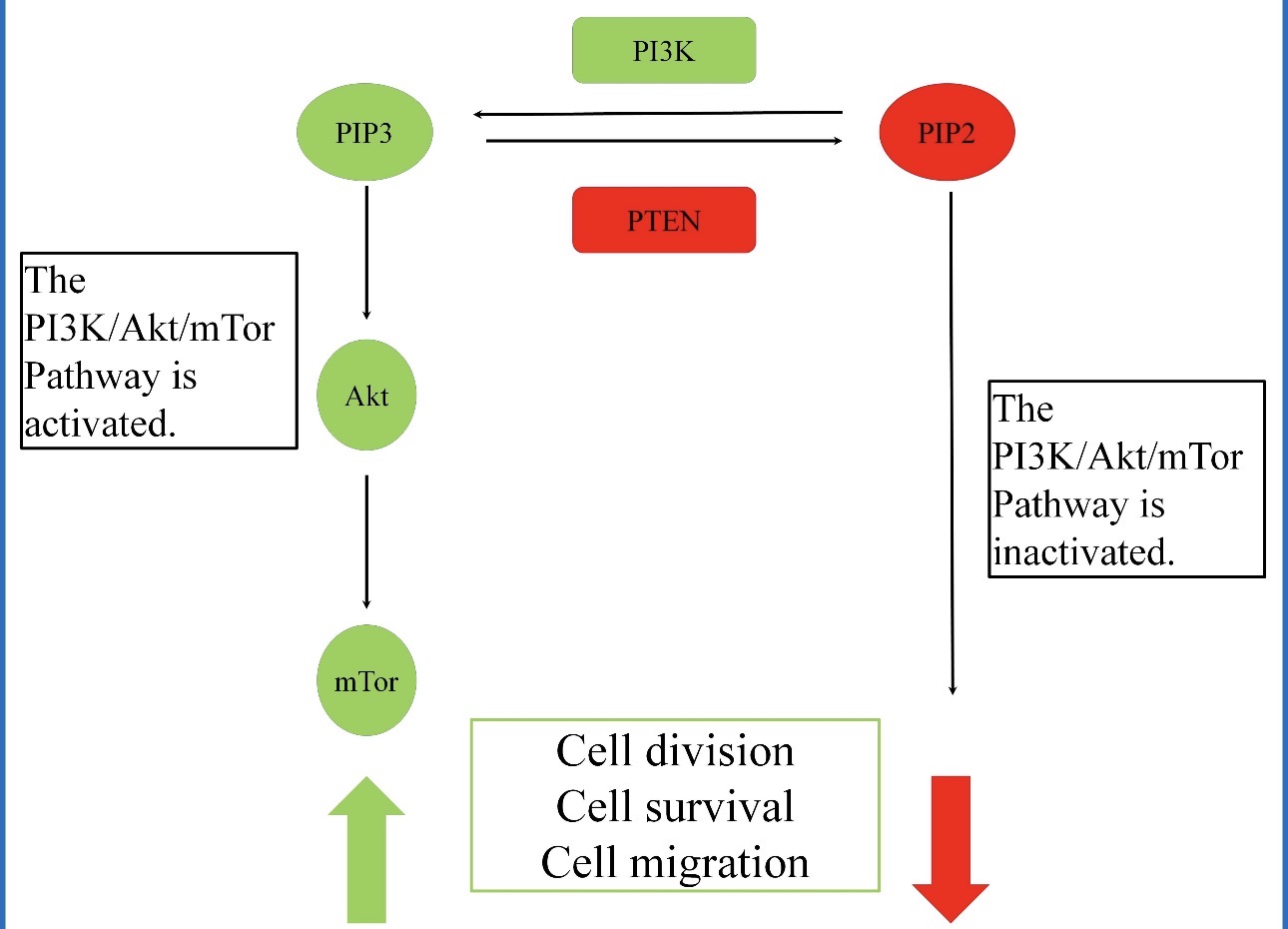
During the fast, mTOR (the growth switch) is suppressed to allow for autophagy. Upon the reintroduction of nutrients—specifically high-quality proteins and fats—mTOR is activated with maximal sensitivity. This creates a window of super-compensation, where the body uses the newly cleared cellular environment to build higher-fidelity tissue than what existed before the fast.

The organism utilizes Ubiquitin-Tagging to identify its targets. Damaged proteins are chemically "marked" for degradation. These substrates are sequestered by an Autophagosome, fused with a Lysosome, and reduced to raw materials. This ensures that the body selectively burns the "trash" rather than healthy functional tissue.

Autophagy reaches its peak at 48 hours, selectively targeting "zombie" cells and misfolded proteins to clear cellular debris. This process is protected by a 500% spike in Growth Hormone, which prevents muscle loss. The refeed is the most critical stage, as it flips the mTOR switch to rebuild the body with higher-quality materials.
View attachment 4877134
REFEED STAGE ONE: Collagen and Bone Broth to facilitate intestinal mucosal restoration.

REFEED STAGE TWO: Essential Amino Acids via lean bovine or eggs to activate the mTOR growth pathway.

REFEED STAGE THREE: Lipid Substrates such as avocado or tallow for cellular membrane repair.

Phenotype calibration dictates fast duration based on individual insulin sensitivity. The 48-hour threshold serves as the catalyst for deep cellular recycling and autophagy. Systemic failure is prevented solely through the precise titration of Sodium, Potassium, and Magnesium. Fasting selectively prioritizes the oxidation of pathogenic visceral fat over subcutaneous stores. The refeed serves as the primary growth event where Leucine is prioritized to trigger the mTOR rebound. The ultimate goal is a total biological factory reset resulting in optimized hormone sensitivity and granite-level muscle density

Ending The End GIF by Tom Spoon


@tension @zakachiti @sodiumcel @Ahmed88 @Cookie271

here before botb ❤️
 
  • Love it
  • +1
Reactions: logicalpill850 and sergdying
Back ground songs


SOMATOTYPE TAXONOMY: GENETIC FUEL PARTITIONING


Metabolic stagnation isn’t random. It happens when your eating patterns don’t match how your body processes energy. The body is always directing fuel toward storage, muscle, or immediate use, and this is mainly controlled by insulin, growth hormone, and cortisol. When those signals are out of sync with your behavior, progress slows or completely stalls.

The endomorph phenotype tends to store energy aggressively. This profile is commonly associated with higher fasting insulin levels, often above 10 µIU/mL, and reduced fat oxidation when food intake is frequent. The issue isn’t just excess fat, but limited access to it. When insulin stays elevated, fat breakdown is suppressed, making stored energy harder to use. Longer fasting periods can help lower insulin to baseline, increase lipolysis, and improve insulin sensitivity over time, which allows the body to actually use its stored fat.

The mesomorph phenotype is more balanced and typically shows better nutrient partitioning. Insulin sensitivity is usually moderate to high, and the body responds well to training by building or maintaining muscle. The main issue here is not fat gain but stress-related breakdown. Elevated cortisol from frequent eating, poor recovery, or high stress can lead to muscle loss despite good genetics. A more controlled eating structure, such as one main meal per day, helps stabilize hormonal fluctuations, maintain growth hormone levels during fasting periods, and reduce unnecessary metabolic noise.

The ectomorph phenotype burns through energy quickly and struggles to maintain fullness. This is often tied to a higher basal metabolic rate and faster glycogen depletion, sometimes within 24 hours. The result is a flatter appearance due to low stored carbohydrates and water in the muscle. Shorter fasting windows work better here because they still allow for growth hormone increases without pushing the body too far into depletion. Keeping a consistent eating helps restore glycogen, maintain muscle fullness, and avoid excessive breakdown.

In chronic hyper-insulinemia, the baseline concentration of insulin remains sufficiently elevated to biochemically inhibit Lipolysis. Even in a caloric deficit, the system will downregulate thermogenesis and cognitive function rather than mobilizing lipid stores. Prolonged fasting is the only exogenous mechanism capable of suppressing this hormonal floor to permit adipose access.
TLDR
Phenotype calibration dictates fast duration based on individual insulin sensitivity. Endomorphs require longer durations (72h) to break the lipolytic blockade, while Ectomorphs utilize shorter windows (18:6) to preserve muscle fullness and glycogen levels. Mesomorphs benefit from stabilized cortisol via OMAD to maximize muscle density. The refeed serves as the primary growth event where substrate quality determines the final anatomical result.
View attachment 4876715View attachment 4876716

THE 120-HOUR TRANSITION: THE BIOLOGICAL SWITCH

Fasting is not a static absence of nutrients; it is a progressive, violent reconfiguration of the mitochondrial engine. It represents a systemic transition from an exogenous glucose-dependent state to an endogenous lipid-centric architecture. This evolution occurs in distinct metabolic stages, each marked by specific hormonal shifts and cellular survival mechanisms.

PHASE ONE (0-12H): THE POST-ABSORPTIVE TRANSITION

In the immediate hours following the final caloric intake, the organism exists in a post-absorptive state. As blood glucose levels begin their descent, the pancreas downregulates insulin secretion while simultaneously upregulating glucagon. This phase is characterized by a peak in Ghrelin secretion, the "hunger hormone," which signals the brain to initiate food-seeking behavior. However, beneath this surface-level hunger, the liver is already beginning to tap into its glycogen reserves to maintain homeostatic blood sugar levels. This is the first step in the "unloading" of the system.

PHASE TWO (12-24H): HEPATIC GLUCONEOGENESIS

As liver glycogen stores approach exhaustion, the system enters the Gluconeogenesis phase. The liver begins the complex process of synthesizing "emergency" glucose from non-carbohydrate precursors, such as lactate, glycerol from fat cells, and certain glucogenic amino acids. This is a critical survival bridge. While the brain still demands glucose for energy, the body begins to prioritize which tissues receive this scarce resource. During this window, fat oxidation begins to accelerate significantly as the body prepares for the total substrate shift that occurs in the subsequent hours.

PHASE THREE (24-48H): THE KETOTIC PIVOT

This stage represents the "Crossover Point" of human metabolism. The liver initiates the large-scale synthesis of ketone bodies—specifically Beta-Hydroxybutyrate (BHB) and Acetoacetate—from mobilized fatty acids. This pivot is a biological masterstroke: ketones are a highly efficient, "clean-burning" fuel source that can cross the blood-brain barrier, providing up to 70% of the brain's energy requirements. As BHB levels rise, they act as signaling molecules that suppress oxidative stress and inflammation, while simultaneously blunting the appetite, leading to the "fasting high" or mental clarity often reported by practitioners.

PHASE FOUR (48-72H): PEAK MACRO-AUTOPHAGY
At the 48-hour threshold, the organism enters a state of deep cellular proteolysis known as Macro-Autophagy. With external nutrients absent for two full days, the system turns inward to find raw materials. It identifies and breaks down damaged organelles, misfolded proteins, and "zombie" (senescent) cells that are no longer functional but consume energy and leak inflammatory markers. These components are processed by lysosomes and recycled into new, high-fidelity cellular building blocks. This is effectively a systemic "housecleaning" that optimizes the health of every cell in the body.

PHASE FIVE (72H+): THE HEMATOPOIETIC SURGE

Beyond the 72-hour mark, the fast triggers a profound systemic reboot. This phase is characterized by the "Stem Cell Switch." As white blood cell counts drop due to the culling of old, inefficient immune cells, the body triggers a surge in Hematopoietic Stem Cell activity. Upon the eventual reintroduction of nutrients, these stem cells differentiate into brand-new, high-performance immune cells. Furthermore, Human Growth Hormone (HGH) reaches its peak during this window specifically to protect lean muscle mass and vital organs from being used as fuel
At the 72-hour threshold, the organism perceives a prolonged nutrient-deprivation event. To maximize survival efficiency, it initiates the apoptosis (programmed death) of senescent leukocytes. Upon the subsequent refeed, the system triggers Hematopoietic Stem Cells to generate a de novo, high-performance immune architecture. Prolonged fasting is one of the only known non-pharmacological methods to trigger this level of deep systemic regeneration.

The 120-hour transition moves from glucose depletion to ketone dominance, reaching a peak of cellular recycling (Autophagy) at 48 hours and a total immune system reboot (Stem Cell Surge) after 72 hours. This process optimizes mitochondrial efficiency and clears out "biological trash" to ensure survival in the absence of food.

Canadian Smoking GIF by The Weeknd


THE JANITOR PROTOCOL: SELECTIVE MACRO-AUTOPHAGY

At 48 hours, the system initiates a systematic purge of biological debris. This is not starvation; it is Transmutation.

TARGET ALPHA: Senescent Cells
that have ceased division but continue to secrete pro-inflammatory cytokines into the bloodstream.

TARGET BETA: Misfolded Proteins
consisting of aggregated protein structures linked to neurodegenerative decline and cognitive fog.

TARGET GAMMA: Intracellular Pathogens including dormant viruses and bacteria sequestered within the cellular cytoplasm.

THE GROWTH HORMONE (GH) SHIELD
The prevailing dogma regarding protein catabolism is Fallacious. Fasting is the most potent muscle-sparing mechanism in the human toolkit.

GH ELEVATION: Fasting triggers a 500% increase in Growth Hormone, which directly facilitates lipid mobilization while simultaneously inhibiting proteolysis. This serves as a protective buffer to prevent the deamination of muscle tissue for glucose.

THE REFEED PARADOX: THE mTOR SWITCH
The fast deconstructs the obsolete; the refeed manifests the superior. Breaking a 72-hour fast with processed carbohydrates triggers a catastrophic insulin spike and rapid lipid storage.

THE ANABOLIC REBOUND

During the fast, mTOR (the growth switch) is suppressed to allow for autophagy. Upon the reintroduction of nutrients—specifically high-quality proteins and fats—mTOR is activated with maximal sensitivity. This creates a window of super-compensation, where the body uses the newly cleared cellular environment to build higher-fidelity tissue than what existed before the fast.

The organism utilizes Ubiquitin-Tagging to identify its targets. Damaged proteins are chemically "marked" for degradation. These substrates are sequestered by an Autophagosome, fused with a Lysosome, and reduced to raw materials. This ensures that the body selectively burns the "trash" rather than healthy functional tissue.

Autophagy reaches its peak at 48 hours, selectively targeting "zombie" cells and misfolded proteins to clear cellular debris. This process is protected by a 500% spike in Growth Hormone, which prevents muscle loss. The refeed is the most critical stage, as it flips the mTOR switch to rebuild the body with higher-quality materials.
View attachment 4877134
REFEED STAGE ONE: Collagen and Bone Broth to facilitate intestinal mucosal restoration.

REFEED STAGE TWO: Essential Amino Acids via lean bovine or eggs to activate the mTOR growth pathway.

REFEED STAGE THREE: Lipid Substrates such as avocado or tallow for cellular membrane repair.

Phenotype calibration dictates fast duration based on individual insulin sensitivity. The 48-hour threshold serves as the catalyst for deep cellular recycling and autophagy. Systemic failure is prevented solely through the precise titration of Sodium, Potassium, and Magnesium. Fasting selectively prioritizes the oxidation of pathogenic visceral fat over subcutaneous stores. The refeed serves as the primary growth event where Leucine is prioritized to trigger the mTOR rebound. The ultimate goal is a total biological factory reset resulting in optimized hormone sensitivity and granite-level muscle density

Ending The End GIF by Tom Spoon


@tension @zakachiti @sodiumcel @Ahmed88 @Cookie271

Mirin the effort, so what your telling me is if I fast for 3 days, its like im doing a repair on my body, if so I might attempt this in 3 weeks, am I not allowed to eat anything after my last meal at the start of the initial 24 hours?
 
Last edited:
  • +1
Reactions: sergdying
  • +1
Reactions: MLP, Applejack, logicalpill850 and 1 other person
Back ground songs


SOMATOTYPE TAXONOMY: GENETIC FUEL PARTITIONING


Metabolic stagnation isn’t random. It happens when your eating patterns don’t match how your body processes energy. The body is always directing fuel toward storage, muscle, or immediate use, and this is mainly controlled by insulin, growth hormone, and cortisol. When those signals are out of sync with your behavior, progress slows or completely stalls.

The endomorph phenotype tends to store energy aggressively. This profile is commonly associated with higher fasting insulin levels, often above 10 µIU/mL, and reduced fat oxidation when food intake is frequent. The issue isn’t just excess fat, but limited access to it. When insulin stays elevated, fat breakdown is suppressed, making stored energy harder to use. Longer fasting periods can help lower insulin to baseline, increase lipolysis, and improve insulin sensitivity over time, which allows the body to actually use its stored fat.

The mesomorph phenotype is more balanced and typically shows better nutrient partitioning. Insulin sensitivity is usually moderate to high, and the body responds well to training by building or maintaining muscle. The main issue here is not fat gain but stress-related breakdown. Elevated cortisol from frequent eating, poor recovery, or high stress can lead to muscle loss despite good genetics. A more controlled eating structure, such as one main meal per day, helps stabilize hormonal fluctuations, maintain growth hormone levels during fasting periods, and reduce unnecessary metabolic noise.

The ectomorph phenotype burns through energy quickly and struggles to maintain fullness. This is often tied to a higher basal metabolic rate and faster glycogen depletion, sometimes within 24 hours. The result is a flatter appearance due to low stored carbohydrates and water in the muscle. Shorter fasting windows work better here because they still allow for growth hormone increases without pushing the body too far into depletion. Keeping a consistent eating helps restore glycogen, maintain muscle fullness, and avoid excessive breakdown.

In chronic hyper-insulinemia, the baseline concentration of insulin remains sufficiently elevated to biochemically inhibit Lipolysis. Even in a caloric deficit, the system will downregulate thermogenesis and cognitive function rather than mobilizing lipid stores. Prolonged fasting is the only exogenous mechanism capable of suppressing this hormonal floor to permit adipose access.
TLDR
Phenotype calibration dictates fast duration based on individual insulin sensitivity. Endomorphs require longer durations (72h) to break the lipolytic blockade, while Ectomorphs utilize shorter windows (18:6) to preserve muscle fullness and glycogen levels. Mesomorphs benefit from stabilized cortisol via OMAD to maximize muscle density. The refeed serves as the primary growth event where substrate quality determines the final anatomical result.
View attachment 4876715View attachment 4876716

THE 120-HOUR TRANSITION: THE BIOLOGICAL SWITCH

Fasting is not a static absence of nutrients; it is a progressive, violent reconfiguration of the mitochondrial engine. It represents a systemic transition from an exogenous glucose-dependent state to an endogenous lipid-centric architecture. This evolution occurs in distinct metabolic stages, each marked by specific hormonal shifts and cellular survival mechanisms.

PHASE ONE (0-12H): THE POST-ABSORPTIVE TRANSITION

In the immediate hours following the final caloric intake, the organism exists in a post-absorptive state. As blood glucose levels begin their descent, the pancreas downregulates insulin secretion while simultaneously upregulating glucagon. This phase is characterized by a peak in Ghrelin secretion, the "hunger hormone," which signals the brain to initiate food-seeking behavior. However, beneath this surface-level hunger, the liver is already beginning to tap into its glycogen reserves to maintain homeostatic blood sugar levels. This is the first step in the "unloading" of the system.

PHASE TWO (12-24H): HEPATIC GLUCONEOGENESIS

As liver glycogen stores approach exhaustion, the system enters the Gluconeogenesis phase. The liver begins the complex process of synthesizing "emergency" glucose from non-carbohydrate precursors, such as lactate, glycerol from fat cells, and certain glucogenic amino acids. This is a critical survival bridge. While the brain still demands glucose for energy, the body begins to prioritize which tissues receive this scarce resource. During this window, fat oxidation begins to accelerate significantly as the body prepares for the total substrate shift that occurs in the subsequent hours.

PHASE THREE (24-48H): THE KETOTIC PIVOT

This stage represents the "Crossover Point" of human metabolism. The liver initiates the large-scale synthesis of ketone bodies—specifically Beta-Hydroxybutyrate (BHB) and Acetoacetate—from mobilized fatty acids. This pivot is a biological masterstroke: ketones are a highly efficient, "clean-burning" fuel source that can cross the blood-brain barrier, providing up to 70% of the brain's energy requirements. As BHB levels rise, they act as signaling molecules that suppress oxidative stress and inflammation, while simultaneously blunting the appetite, leading to the "fasting high" or mental clarity often reported by practitioners.

PHASE FOUR (48-72H): PEAK MACRO-AUTOPHAGY
At the 48-hour threshold, the organism enters a state of deep cellular proteolysis known as Macro-Autophagy. With external nutrients absent for two full days, the system turns inward to find raw materials. It identifies and breaks down damaged organelles, misfolded proteins, and "zombie" (senescent) cells that are no longer functional but consume energy and leak inflammatory markers. These components are processed by lysosomes and recycled into new, high-fidelity cellular building blocks. This is effectively a systemic "housecleaning" that optimizes the health of every cell in the body.

PHASE FIVE (72H+): THE HEMATOPOIETIC SURGE

Beyond the 72-hour mark, the fast triggers a profound systemic reboot. This phase is characterized by the "Stem Cell Switch." As white blood cell counts drop due to the culling of old, inefficient immune cells, the body triggers a surge in Hematopoietic Stem Cell activity. Upon the eventual reintroduction of nutrients, these stem cells differentiate into brand-new, high-performance immune cells. Furthermore, Human Growth Hormone (HGH) reaches its peak during this window specifically to protect lean muscle mass and vital organs from being used as fuel
At the 72-hour threshold, the organism perceives a prolonged nutrient-deprivation event. To maximize survival efficiency, it initiates the apoptosis (programmed death) of senescent leukocytes. Upon the subsequent refeed, the system triggers Hematopoietic Stem Cells to generate a de novo, high-performance immune architecture. Prolonged fasting is one of the only known non-pharmacological methods to trigger this level of deep systemic regeneration.

The 120-hour transition moves from glucose depletion to ketone dominance, reaching a peak of cellular recycling (Autophagy) at 48 hours and a total immune system reboot (Stem Cell Surge) after 72 hours. This process optimizes mitochondrial efficiency and clears out "biological trash" to ensure survival in the absence of food.

Canadian Smoking GIF by The Weeknd


THE JANITOR PROTOCOL: SELECTIVE MACRO-AUTOPHAGY

At 48 hours, the system initiates a systematic purge of biological debris. This is not starvation; it is Transmutation.

TARGET ALPHA: Senescent Cells
that have ceased division but continue to secrete pro-inflammatory cytokines into the bloodstream.

TARGET BETA: Misfolded Proteins
consisting of aggregated protein structures linked to neurodegenerative decline and cognitive fog.

TARGET GAMMA: Intracellular Pathogens including dormant viruses and bacteria sequestered within the cellular cytoplasm.

THE GROWTH HORMONE (GH) SHIELD
The prevailing dogma regarding protein catabolism is Fallacious. Fasting is the most potent muscle-sparing mechanism in the human toolkit.

GH ELEVATION: Fasting triggers a 500% increase in Growth Hormone, which directly facilitates lipid mobilization while simultaneously inhibiting proteolysis. This serves as a protective buffer to prevent the deamination of muscle tissue for glucose.

THE REFEED PARADOX: THE mTOR SWITCH
The fast deconstructs the obsolete; the refeed manifests the superior. Breaking a 72-hour fast with processed carbohydrates triggers a catastrophic insulin spike and rapid lipid storage.

THE ANABOLIC REBOUND

During the fast, mTOR (the growth switch) is suppressed to allow for autophagy. Upon the reintroduction of nutrients—specifically high-quality proteins and fats—mTOR is activated with maximal sensitivity. This creates a window of super-compensation, where the body uses the newly cleared cellular environment to build higher-fidelity tissue than what existed before the fast.

The organism utilizes Ubiquitin-Tagging to identify its targets. Damaged proteins are chemically "marked" for degradation. These substrates are sequestered by an Autophagosome, fused with a Lysosome, and reduced to raw materials. This ensures that the body selectively burns the "trash" rather than healthy functional tissue.

Autophagy reaches its peak at 48 hours, selectively targeting "zombie" cells and misfolded proteins to clear cellular debris. This process is protected by a 500% spike in Growth Hormone, which prevents muscle loss. The refeed is the most critical stage, as it flips the mTOR switch to rebuild the body with higher-quality materials.
View attachment 4877134
REFEED STAGE ONE: Collagen and Bone Broth to facilitate intestinal mucosal restoration.

REFEED STAGE TWO: Essential Amino Acids via lean bovine or eggs to activate the mTOR growth pathway.

REFEED STAGE THREE: Lipid Substrates such as avocado or tallow for cellular membrane repair.

Phenotype calibration dictates fast duration based on individual insulin sensitivity. The 48-hour threshold serves as the catalyst for deep cellular recycling and autophagy. Systemic failure is prevented solely through the precise titration of Sodium, Potassium, and Magnesium. Fasting selectively prioritizes the oxidation of pathogenic visceral fat over subcutaneous stores. The refeed serves as the primary growth event where Leucine is prioritized to trigger the mTOR rebound. The ultimate goal is a total biological factory reset resulting in optimized hormone sensitivity and granite-level muscle density

Ending The End GIF by Tom Spoon


@tension @zakachiti @sodiumcel @Ahmed88 @Cookie271

where are your sources? this is a beautiful looking thread with a very scientific inspired base, I was not expecting this by the slightest.

I would like to read the actual articles, books, whatever you used so I can get a more in depth understanding of some parts, most parts tbh.

good work
 
  • Love it
Reactions: sergdying
Mirin the effort, so what your telling me is if I fast for 3 days, its like im doing a repair on my body, if so I might attempt this in 3 weeks, am I not allowed to eat anything after my last meal at the start of the initial 24 hours?
No food, only water and some electrolytes, if you do eat something, insulin will spike.

Essentially canceling out your progress
 
  • +1
Reactions: Applejack, logicalpill850 and ToDelirium
where are your sources? this is a beautiful looking thread with a very scientific inspired base, I was not expecting this by the slightest.

I would like to read the actual articles, books, whatever you used so I can get a more in depth understanding of some parts, most parts tbh.

good work
 
  • +1
Reactions: MLP, Applejack, logicalpill850 and 1 other person
Mirin
 
  • Love it
  • +1
Reactions: logicalpill850 and sergdying
B
 
  • +1
Reactions: Applejack and logicalpill850
Back ground songs


SOMATOTYPE TAXONOMY: GENETIC FUEL PARTITIONING


Metabolic stagnation isn’t random. It happens when your eating patterns don’t match how your body processes energy. The body is always directing fuel toward storage, muscle, or immediate use, and this is mainly controlled by insulin, growth hormone, and cortisol. When those signals are out of sync with your behavior, progress slows or completely stalls.

The endomorph phenotype tends to store energy aggressively. This profile is commonly associated with higher fasting insulin levels, often above 10 µIU/mL, and reduced fat oxidation when food intake is frequent. The issue isn’t just excess fat, but limited access to it. When insulin stays elevated, fat breakdown is suppressed, making stored energy harder to use. Longer fasting periods can help lower insulin to baseline, increase lipolysis, and improve insulin sensitivity over time, which allows the body to actually use its stored fat.

The mesomorph phenotype is more balanced and typically shows better nutrient partitioning. Insulin sensitivity is usually moderate to high, and the body responds well to training by building or maintaining muscle. The main issue here is not fat gain but stress-related breakdown. Elevated cortisol from frequent eating, poor recovery, or high stress can lead to muscle loss despite good genetics. A more controlled eating structure, such as one main meal per day, helps stabilize hormonal fluctuations, maintain growth hormone levels during fasting periods, and reduce unnecessary metabolic noise.

The ectomorph phenotype burns through energy quickly and struggles to maintain fullness. This is often tied to a higher basal metabolic rate and faster glycogen depletion, sometimes within 24 hours. The result is a flatter appearance due to low stored carbohydrates and water in the muscle. Shorter fasting windows work better here because they still allow for growth hormone increases without pushing the body too far into depletion. Keeping a consistent eating helps restore glycogen, maintain muscle fullness, and avoid excessive breakdown.

In chronic hyper-insulinemia, the baseline concentration of insulin remains sufficiently elevated to biochemically inhibit Lipolysis. Even in a caloric deficit, the system will downregulate thermogenesis and cognitive function rather than mobilizing lipid stores. Prolonged fasting is the only exogenous mechanism capable of suppressing this hormonal floor to permit adipose access.
TLDR
Phenotype calibration dictates fast duration based on individual insulin sensitivity. Endomorphs require longer durations (72h) to break the lipolytic blockade, while Ectomorphs utilize shorter windows (18:6) to preserve muscle fullness and glycogen levels. Mesomorphs benefit from stabilized cortisol via OMAD to maximize muscle density. The refeed serves as the primary growth event where substrate quality determines the final anatomical result.
View attachment 4876715View attachment 4876716

THE 120-HOUR TRANSITION: THE BIOLOGICAL SWITCH

Fasting is not a static absence of nutrients; it is a progressive, violent reconfiguration of the mitochondrial engine. It represents a systemic transition from an exogenous glucose-dependent state to an endogenous lipid-centric architecture. This evolution occurs in distinct metabolic stages, each marked by specific hormonal shifts and cellular survival mechanisms.

PHASE ONE (0-12H): THE POST-ABSORPTIVE TRANSITION

In the immediate hours following the final caloric intake, the organism exists in a post-absorptive state. As blood glucose levels begin their descent, the pancreas downregulates insulin secretion while simultaneously upregulating glucagon. This phase is characterized by a peak in Ghrelin secretion, the "hunger hormone," which signals the brain to initiate food-seeking behavior. However, beneath this surface-level hunger, the liver is already beginning to tap into its glycogen reserves to maintain homeostatic blood sugar levels. This is the first step in the "unloading" of the system.

PHASE TWO (12-24H): HEPATIC GLUCONEOGENESIS

As liver glycogen stores approach exhaustion, the system enters the Gluconeogenesis phase. The liver begins the complex process of synthesizing "emergency" glucose from non-carbohydrate precursors, such as lactate, glycerol from fat cells, and certain glucogenic amino acids. This is a critical survival bridge. While the brain still demands glucose for energy, the body begins to prioritize which tissues receive this scarce resource. During this window, fat oxidation begins to accelerate significantly as the body prepares for the total substrate shift that occurs in the subsequent hours.

PHASE THREE (24-48H): THE KETOTIC PIVOT

This stage represents the "Crossover Point" of human metabolism. The liver initiates the large-scale synthesis of ketone bodies—specifically Beta-Hydroxybutyrate (BHB) and Acetoacetate—from mobilized fatty acids. This pivot is a biological masterstroke: ketones are a highly efficient, "clean-burning" fuel source that can cross the blood-brain barrier, providing up to 70% of the brain's energy requirements. As BHB levels rise, they act as signaling molecules that suppress oxidative stress and inflammation, while simultaneously blunting the appetite, leading to the "fasting high" or mental clarity often reported by practitioners.

PHASE FOUR (48-72H): PEAK MACRO-AUTOPHAGY
At the 48-hour threshold, the organism enters a state of deep cellular proteolysis known as Macro-Autophagy. With external nutrients absent for two full days, the system turns inward to find raw materials. It identifies and breaks down damaged organelles, misfolded proteins, and "zombie" (senescent) cells that are no longer functional but consume energy and leak inflammatory markers. These components are processed by lysosomes and recycled into new, high-fidelity cellular building blocks. This is effectively a systemic "housecleaning" that optimizes the health of every cell in the body.

PHASE FIVE (72H+): THE HEMATOPOIETIC SURGE

Beyond the 72-hour mark, the fast triggers a profound systemic reboot. This phase is characterized by the "Stem Cell Switch." As white blood cell counts drop due to the culling of old, inefficient immune cells, the body triggers a surge in Hematopoietic Stem Cell activity. Upon the eventual reintroduction of nutrients, these stem cells differentiate into brand-new, high-performance immune cells. Furthermore, Human Growth Hormone (HGH) reaches its peak during this window specifically to protect lean muscle mass and vital organs from being used as fuel
At the 72-hour threshold, the organism perceives a prolonged nutrient-deprivation event. To maximize survival efficiency, it initiates the apoptosis (programmed death) of senescent leukocytes. Upon the subsequent refeed, the system triggers Hematopoietic Stem Cells to generate a de novo, high-performance immune architecture. Prolonged fasting is one of the only known non-pharmacological methods to trigger this level of deep systemic regeneration.

The 120-hour transition moves from glucose depletion to ketone dominance, reaching a peak of cellular recycling (Autophagy) at 48 hours and a total immune system reboot (Stem Cell Surge) after 72 hours. This process optimizes mitochondrial efficiency and clears out "biological trash" to ensure survival in the absence of food.

Canadian Smoking GIF by The Weeknd


THE JANITOR PROTOCOL: SELECTIVE MACRO-AUTOPHAGY

At 48 hours, the system initiates a systematic purge of biological debris. This is not starvation; it is Transmutation.

TARGET ALPHA: Senescent Cells
that have ceased division but continue to secrete pro-inflammatory cytokines into the bloodstream.

TARGET BETA: Misfolded Proteins
consisting of aggregated protein structures linked to neurodegenerative decline and cognitive fog.

TARGET GAMMA: Intracellular Pathogens including dormant viruses and bacteria sequestered within the cellular cytoplasm.

THE GROWTH HORMONE (GH) SHIELD
The prevailing dogma regarding protein catabolism is Fallacious. Fasting is the most potent muscle-sparing mechanism in the human toolkit.

GH ELEVATION: Fasting triggers a 500% increase in Growth Hormone, which directly facilitates lipid mobilization while simultaneously inhibiting proteolysis. This serves as a protective buffer to prevent the deamination of muscle tissue for glucose.

THE REFEED PARADOX: THE mTOR SWITCH
The fast deconstructs the obsolete; the refeed manifests the superior. Breaking a 72-hour fast with processed carbohydrates triggers a catastrophic insulin spike and rapid lipid storage.

THE ANABOLIC REBOUND

During the fast, mTOR (the growth switch) is suppressed to allow for autophagy. Upon the reintroduction of nutrients—specifically high-quality proteins and fats—mTOR is activated with maximal sensitivity. This creates a window of super-compensation, where the body uses the newly cleared cellular environment to build higher-fidelity tissue than what existed before the fast.

The organism utilizes Ubiquitin-Tagging to identify its targets. Damaged proteins are chemically "marked" for degradation. These substrates are sequestered by an Autophagosome, fused with a Lysosome, and reduced to raw materials. This ensures that the body selectively burns the "trash" rather than healthy functional tissue.

Autophagy reaches its peak at 48 hours, selectively targeting "zombie" cells and misfolded proteins to clear cellular debris. This process is protected by a 500% spike in Growth Hormone, which prevents muscle loss. The refeed is the most critical stage, as it flips the mTOR switch to rebuild the body with higher-quality materials.
View attachment 4877134
REFEED STAGE ONE: Collagen and Bone Broth to facilitate intestinal mucosal restoration.

REFEED STAGE TWO: Essential Amino Acids via lean bovine or eggs to activate the mTOR growth pathway.

REFEED STAGE THREE: Lipid Substrates such as avocado or tallow for cellular membrane repair.

Phenotype calibration dictates fast duration based on individual insulin sensitivity. The 48-hour threshold serves as the catalyst for deep cellular recycling and autophagy. Systemic failure is prevented solely through the precise titration of Sodium, Potassium, and Magnesium. Fasting selectively prioritizes the oxidation of pathogenic visceral fat over subcutaneous stores. The refeed serves as the primary growth event where Leucine is prioritized to trigger the mTOR rebound. The ultimate goal is a total biological factory reset resulting in optimized hormone sensitivity and granite-level muscle density

Ending The End GIF by Tom Spoon


@tension @zakachiti @sodiumcel @Ahmed88 @Cookie271

Good thread i honestly just eat one big meal and call it a day when i come from school 😭
 
  • JFL
Reactions: sergdying
nice thread, bookmarked.
 
  • +1
Reactions: sergdying

Similar threads

9499449930203049
Replies
10
Views
88
9499449930203049
9499449930203049
cortisoldamen
Replies
2
Views
35
ft4L
ft4L
faxilla
Replies
15
Views
125
ThomasDeutsch
ThomasDeutsch
Iziman27
Replies
3
Views
92
anthony267
anthony267
B
Replies
2
Views
34
Marlow
Marlow

Users who are viewing this thread

Back
Top