Jason Voorhees
Say cheese
- Joined
- May 15, 2020
- Posts
- 79,571
- Reputation
- 232,140
In tech, the landscape shifts brutally fast. One year you’re writing React components, the next year the entire ecosystem moves to hooks and functional components and suddenly half your knowledge is legacy
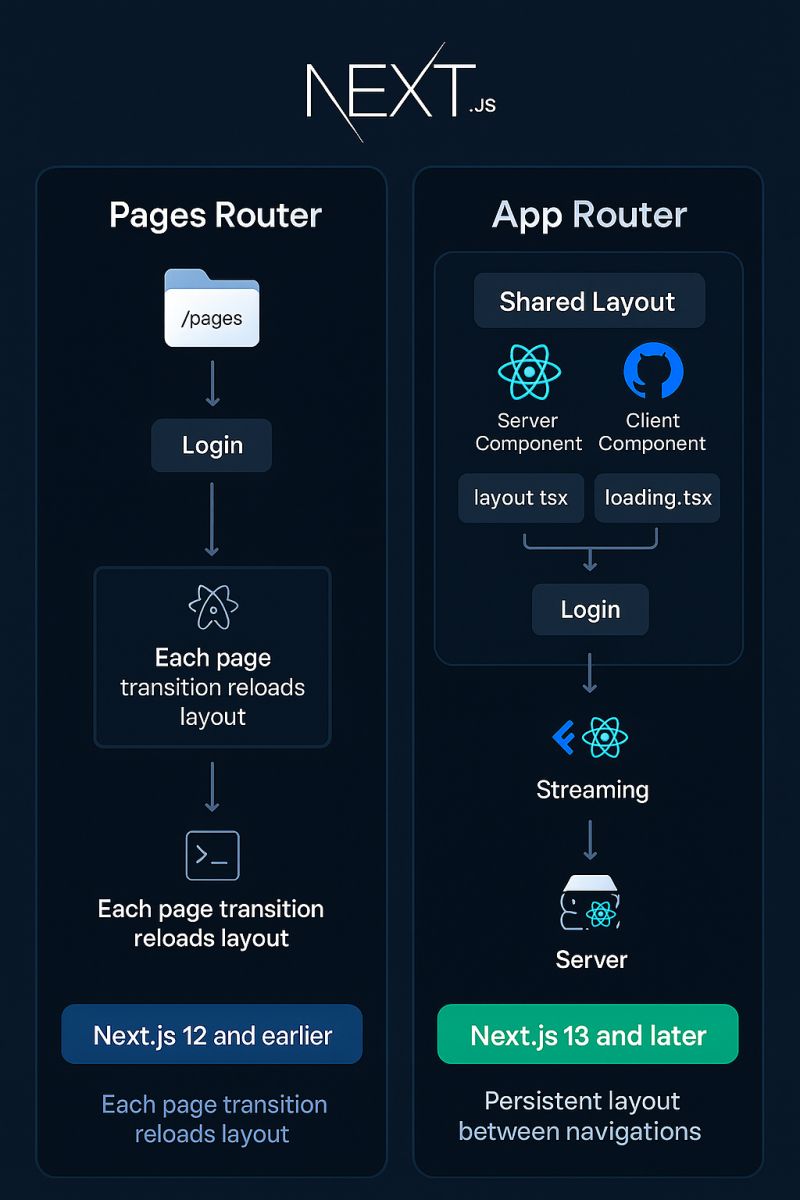
Something quite similar happened to me with Next.js. i learnt next.js 3 years ago in 2022 and was building apps on next.js framework and learnt everything from courses built on the Pages Router that were posted in 2021 but they suddenly became outdated almost instantly when the App Router dropped in 2023. I had to relearn Next.js again like sure like 70% of the things stayed the same but this wasn't a small change. And the irony is there are many poor chaps who aren't even aware of this updates who are still learning the outdated stuff from those youtube videos posted in 2021. This is a perfect example of how tech moves.
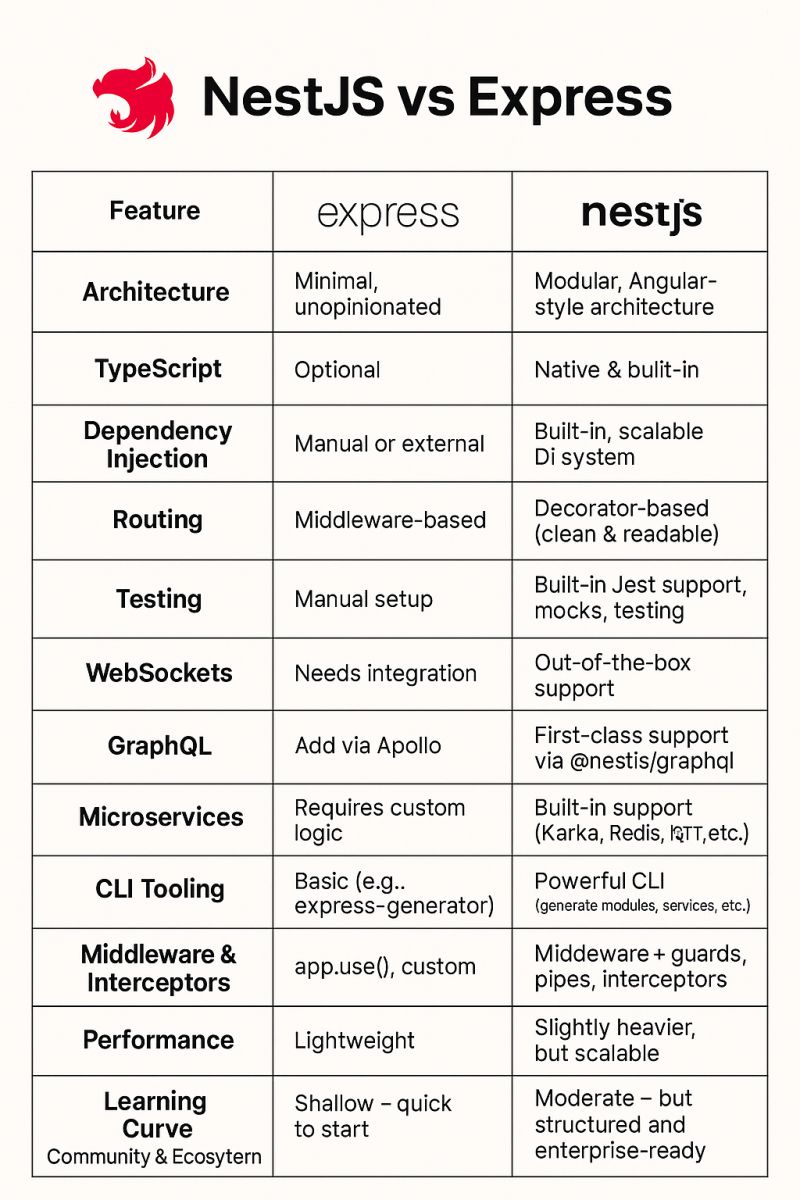
Similar thing happens in backend people who specialized in Express found the industry shifting toward NestJS, Fastify, and serverless architectures in just a couple of years.
The same pattern repeats everywhere in tech. Android developers who took a break during the Java era came back to find that everything had moved to Kotlin and Jetpack Compose.
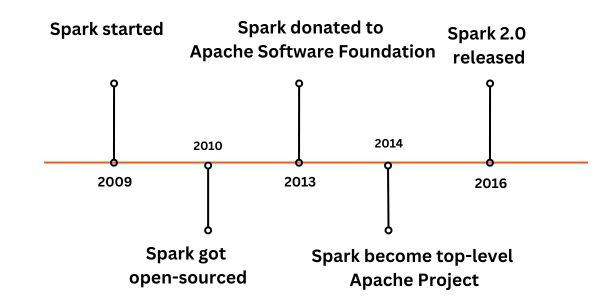
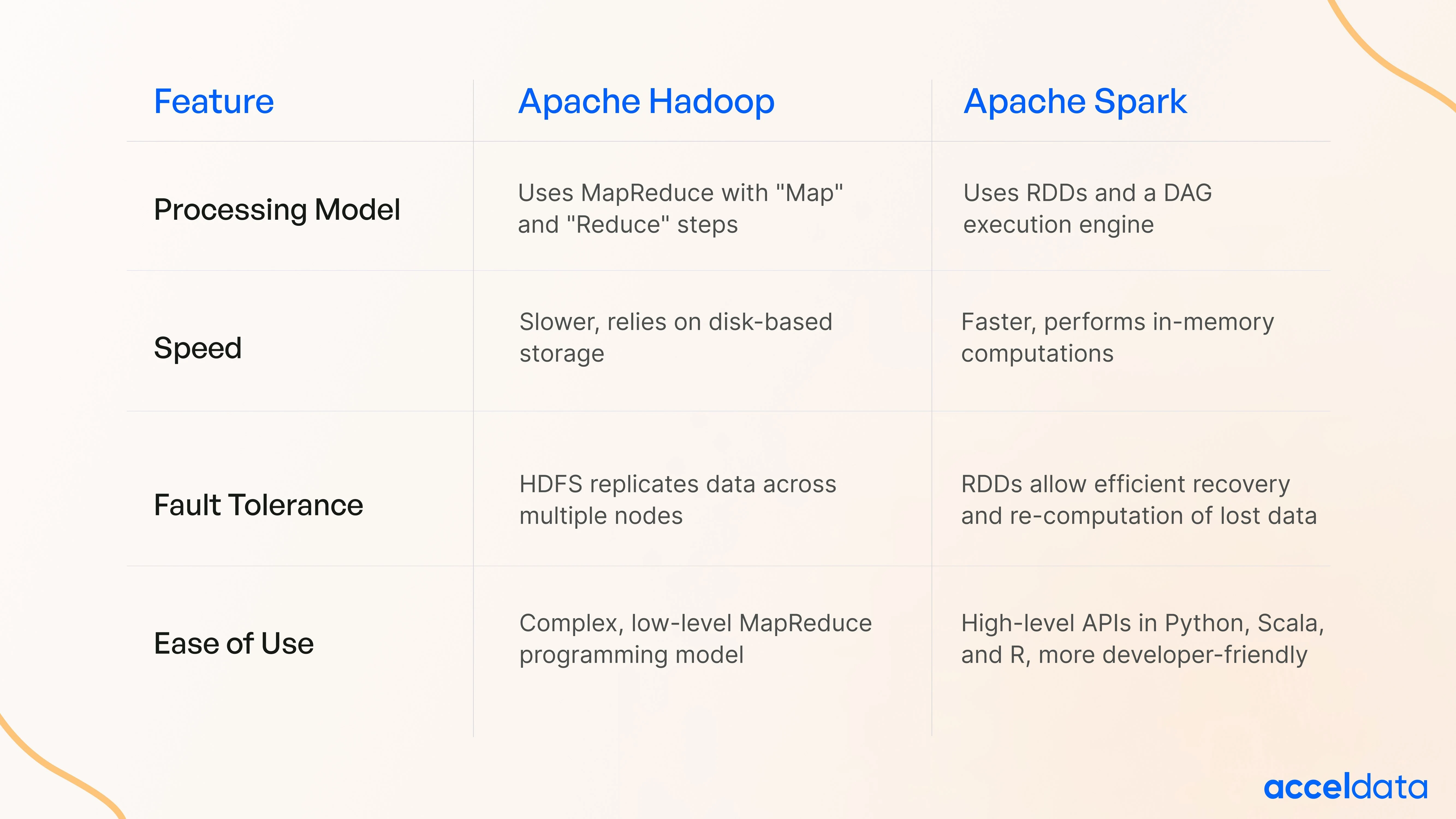
Data engineers who learned Hadoop in their 3rd year of university graduated out of uni to enter the job market and found a world dominated by Spark instead
Even cloud certifications expire. All the major providers AWS, Azure, GCP update their services constantly, and what you learned 18 months ago may not match real world deployments today. In AI/ML it is even more brutal. Taking a gap year in AI field is like missing a decade of model architectures, tooling, as inference methods and best practices evolve on a weekly basis.
This is why gap years in tech are dangerous not because rest is bad but because the industry doesn’t freeze while you’re away. Skills decay. APIs get deprecated. Companies pivot to new stacks.
A year off in tech feels like five years in any other field. If you want long term stability in this field the only real strategy is continuous upskilling. small, consistent learning everyday so you never fall more than a few steps behind the wave. This can be both a good thing or bad thing. Good thing is that you'll never get bored and will always an ocean of things to learn. Ideal for me but If you hate the idea of wanting constantly learn and upskill yourself. iT industry or atleast the technical roles in the IT industry aren't for you.
Something quite similar happened to me with Next.js. i learnt next.js 3 years ago in 2022 and was building apps on next.js framework and learnt everything from courses built on the Pages Router that were posted in 2021 but they suddenly became outdated almost instantly when the App Router dropped in 2023. I had to relearn Next.js again like sure like 70% of the things stayed the same but this wasn't a small change. And the irony is there are many poor chaps who aren't even aware of this updates who are still learning the outdated stuff from those youtube videos posted in 2021. This is a perfect example of how tech moves.
Similar thing happens in backend people who specialized in Express found the industry shifting toward NestJS, Fastify, and serverless architectures in just a couple of years.
The same pattern repeats everywhere in tech. Android developers who took a break during the Java era came back to find that everything had moved to Kotlin and Jetpack Compose.
Data engineers who learned Hadoop in their 3rd year of university graduated out of uni to enter the job market and found a world dominated by Spark instead
Even cloud certifications expire. All the major providers AWS, Azure, GCP update their services constantly, and what you learned 18 months ago may not match real world deployments today. In AI/ML it is even more brutal. Taking a gap year in AI field is like missing a decade of model architectures, tooling, as inference methods and best practices evolve on a weekly basis.
This is why gap years in tech are dangerous not because rest is bad but because the industry doesn’t freeze while you’re away. Skills decay. APIs get deprecated. Companies pivot to new stacks.
A year off in tech feels like five years in any other field. If you want long term stability in this field the only real strategy is continuous upskilling. small, consistent learning everyday so you never fall more than a few steps behind the wave. This can be both a good thing or bad thing. Good thing is that you'll never get bored and will always an ocean of things to learn. Ideal for me but If you hate the idea of wanting constantly learn and upskill yourself. iT industry or atleast the technical roles in the IT industry aren't for you.
Last edited: