160cmcurry
Fire
- Joined
- Jul 26, 2024
- Posts
- 15,227
- Reputation
- 23,529


?


Follow along with the video below to see how to install our site as a web app on your home screen.

Note: this_feature_currently_requires_accessing_site_using_safari

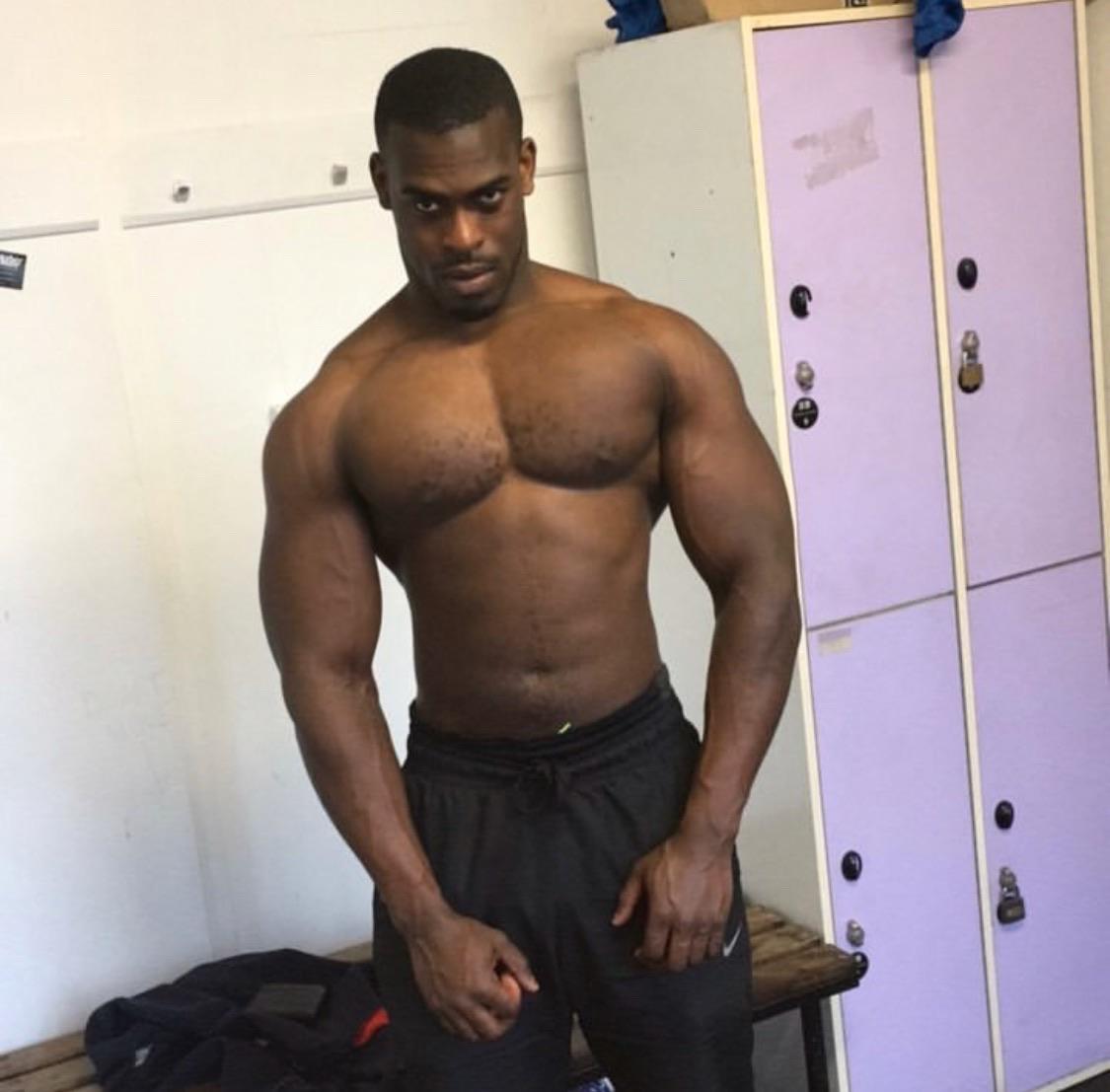
It always frustrates me that this nigga has a dick bigger than mine


nahIt's the other way around JFL, only Blacks have deeper voices than Whites.
Spics, gooks, sand niggers and jeets all sound nasally and if they try to project their voice loudly it immediately goes up octaves. Maybe their lungs or vocal cords are small since theyre framecel manlets idk.
why does it matter if i’ll chop it offIt always frustrates me that this nigga has a dick bigger than mine


white boyView attachment 4519279
"feminine gay whiteboy"



why you been looking at femboy dick brochachoIt always frustrates me that this nigga has a dick bigger than mine


tales

Then why are you 160cm?
height doesn’t correlate with t pinkieThen why are you 160cm?

More testosterone = Boosted HGH and IGF-1height doesn’t correlate with t pinkie
View attachment 4519492
now go make me my turkey sandwhich peter
boosted hgh and igf levels doesn’t correlate whether you’ll be tall or notMore testosterone = Boosted HGH and IGF-1
noAlso do i have to make you a sandwich because you cant reach the kitchen counter?

I've seen him once by mistake and the size with the face just bamboozled mewhy you been looking at femboy dick brochacho


are you sure about thatI've seen him once by mistake and the size with the face just bamboozled me

its literally the opposite, testerone closes the growth plates while hgh elongates them, ut its high levels also signal growth plates to mature and fuse, ending height growth; HGH, in contrast, directly drives bone elongation, and while it needs normal testosterone/estrogen for proper growth plate function, Growth hormone (GH) elongates bones during childhood and adolescence by stimulating cell activity at the epiphyseal growth plates, the areas of cartilage located near the ends of long bones. This process, called endochondral ossification, relies on a combination of direct GH action and its primary mediator, insulin-like growth factor-I (IGF-I),More testosterone = Boosted HGH and IGF-1
Also do i have to make you a sandwich because you cant reach the kitchen counter?
why is this nigga seething so muchView attachment 4519279
"feminine gay whiteboy"
Correct, i just wanted to justify the original joke i madeits literally the opposite, testerone closes the growth plates while hgh elongates them, ut its high levels also signal growth plates to mature and fuse, ending height growth; HGH, in contrast, directly drives bone elongation, and while it needs normal testosterone/estrogen for proper growth plate function, Growth hormone (GH) elongates bones during childhood and adolescence by stimulating cell activity at the epiphyseal growth plates, the areas of cartilage located near the ends of long bones. This process, called endochondral ossification, relies on a combination of direct GH action and its primary mediator, insulin-like growth factor-I (IGF-I),
This cycle of cartilage growth, maturation, calcification, and replacement by bone continues until the end of puberty, when the growth plates close (fuse) and are replaced by solid bone, at which point further longitudinal elongation is no longer possible.
- Stimulation of Chondrocytes: GH directly stimulates the division and differentiation of precursor cartilage cells (chondrocytes) in the upper, or germinal and proliferative, zones of the growth plate.
- IGF-I Production: GH also triggers the production and release of IGF-I, primarily from the liver (endocrine effect) and locally within the bone and growth plate tissue itself (autocrine/paracrine effect).
- Chondrocyte Proliferation and Hypertrophy: IGF-I then acts on the chondrocytes in the proliferative zone, promoting their rapid multiplication and subsequent enlargement (hypertrophy). This pushes the ends of the bone (epiphyses) further away from the center shaft (diaphysis).
- Ossification: The enlarged cartilage cells eventually die, and the matrix they leave behind becomes calcified and is invaded by blood vessels, osteoblasts (bone-forming cells), and osteoclasts (bone-resorbing cells). The osteoblasts then deposit new bone tissue, effectively replacing the cartilage with bone and lengthening the bone shaft.
Growth hormone (GH) contributes to a more masculine face by promoting the growth and development of specific facial bones and soft tissues, particularly during developmental years, leading to larger, broader, and more rugged features.
Effects on Bone Structure
GH, often mediated by Insulin-like Growth Factor 1 (IGF-1), is a critical regulator of bone growth. In the face, its influence contributes to:
These changes occur because while long bones (arms, legs) seal off after puberty, the flat bones of the skull can continue to grow or be influenced by hormones throughout life, albeit less dramatically in adulthood.
- Increased size of the mandible: This results in a larger, more prominent jawline and chin.
- Wider facial structure: It increases total facial height and width.
- Prominent features: The nose can become wider, and overall facial bone structure appears more substantial and chiseled.
Effects on Soft Tissue and Skin
Beyond bone structure, GH influences soft tissues in ways that contribute to a "masculine" appearance:
- Skin thickening: GH and testosterone can thicken the skin and widen pores, contributing to a coarser texture.
- Tissue hypertrophy: High levels can cause soft tissue hypertrophy (enlargement) and edema (swelling), which can give the face a fuller, sometimes "bloated" or rougher look.
- Ruddy complexion: Increased blood vessel creation can lead to a ruddy or red look to the skin.
idk even I just copied grok.aiCorrect, i just wanted to justify the original joke i made

What soy milk causes: