

keepswimming
Platinum
- Joined
- Jul 5, 2025
- Posts
- 1,183
- Reputation
- 2,212
I've said this a couple of times but it seems many people still don't know about this.
First of all why you should avoid oral minoxidil:
-unwanted hair growth
-bloating/ excessive water retention
-possible low blood pressure
-is far less systemic and grows hair around where it's placed
-has less water retention issues
-causes no cardiovascular issues for most people
One issue many experience with topical minoxidil is lack of effectiveness. To understand why this happens let's look how topical minoxidil actually works.
Minoxidil is a potassium channel opener.
That means it:
This improves delivery of Oxygen Nutrients and Growth Signals. A perfect environment for hair to grow.
Now here comes the issue:
Topical minoxidil itself isn’t fully active.
It must be converted into minoxidil sulfate This happens via an enzyme called sulfotransferase.
People with low sulfotransferase activity respond less to topical minoxidil this explains why some people see great results and others don’t.
Now comes the ultimate savior into play: Tretinion
Tretinoin works by binding to retinoic acid receptors inside scalp and follicle cells. These receptors directly regulate gene transcription, increasing the expression of genes involved in cellular metabolism and differentiation. Sulfotransferase enzymes are among those that can be upregulated by this process. As a result, tretinoin increases the local production and activity of sulfotransferase in the scalp, allowing more minoxidil to be converted into its active sulfate form right at the follicle.
Tretinoin also speeds up epidermal and follicular cell turnover. Older, less metabolically active cells are replaced more quickly with newer cells that have higher enzymatic activity. This creates a scalp environment that is better equipped to metabolize minoxidil, indirectly supporting higher sulfotransferase activity and more efficient drug activation.
Another effect of tretinoin is its ability to slightly thin and loosen the outermost layer of the skin. This allows more minoxidil to penetrate down to the hair follicle and reach the cells that contain sulfotransferase. While this does not directly create the enzyme, it increases the likelihood that minoxidil and sulfotransferase will interact, further improving conversion to the active form.
Note that this doesn't really apply to oral minoxidil because it doesn't need to penetrate the skin and gets mainly converted into its active form in the liver.
But what should you do now?
Use topical minoxidil on the areas you want hair growth.(Do not put it on eyelashes because it can darken the area. Putting it on eyebrows will still have an effect eyelashes because it travels can systemically even if it is not comparable to the completely systemic oral minoxidil).
Apply a normal amount of tretinion on that area.(If you need the hair growth on your face and already apply tret on it don't apply any more.)
Microneedling. 1mm twice a week on your entire face and the areas you want hairgrowth. Apart from it's collagen boosting effects it also boosts hairgrowth.
Thanks for reading.
First of all why you should avoid oral minoxidil:
-unwanted hair growth
-bloating/ excessive water retention
-possible low blood pressure
Topical minoxidil on the other hand:-is far less systemic and grows hair around where it's placed
-has less water retention issues
-causes no cardiovascular issues for most people
One issue many experience with topical minoxidil is lack of effectiveness. To understand why this happens let's look how topical minoxidil actually works.
Minoxidil is a potassium channel opener.
That means it:
- Increases local blood flow around hair follicles
- Relaxes smooth muscle around blood vessels
This improves delivery of Oxygen Nutrients and Growth Signals. A perfect environment for hair to grow.
Now here comes the issue:
It has to be converted into its active form.
Topical minoxidil itself isn’t fully active.
It must be converted into minoxidil sulfate This happens via an enzyme called sulfotransferase.
People with low sulfotransferase activity respond less to topical minoxidil this explains why some people see great results and others don’t.
Now comes the ultimate savior into play: Tretinion
Tretinoin works by binding to retinoic acid receptors inside scalp and follicle cells. These receptors directly regulate gene transcription, increasing the expression of genes involved in cellular metabolism and differentiation. Sulfotransferase enzymes are among those that can be upregulated by this process. As a result, tretinoin increases the local production and activity of sulfotransferase in the scalp, allowing more minoxidil to be converted into its active sulfate form right at the follicle.
Tretinoin also speeds up epidermal and follicular cell turnover. Older, less metabolically active cells are replaced more quickly with newer cells that have higher enzymatic activity. This creates a scalp environment that is better equipped to metabolize minoxidil, indirectly supporting higher sulfotransferase activity and more efficient drug activation.
Another effect of tretinoin is its ability to slightly thin and loosen the outermost layer of the skin. This allows more minoxidil to penetrate down to the hair follicle and reach the cells that contain sulfotransferase. While this does not directly create the enzyme, it increases the likelihood that minoxidil and sulfotransferase will interact, further improving conversion to the active form.
Note that this doesn't really apply to oral minoxidil because it doesn't need to penetrate the skin and gets mainly converted into its active form in the liver.
But what should you do now?
Use topical minoxidil on the areas you want hair growth.(Do not put it on eyelashes because it can darken the area. Putting it on eyebrows will still have an effect eyelashes because it travels can systemically even if it is not comparable to the completely systemic oral minoxidil).
Apply a normal amount of tretinion on that area.(If you need the hair growth on your face and already apply tret on it don't apply any more.)
Microneedling. 1mm twice a week on your entire face and the areas you want hairgrowth. Apart from it's collagen boosting effects it also boosts hairgrowth.
Thanks for reading.



 last time I saw a decent Tret site I had to do some video call and they said my skin looks fine and I don't need it like WHAT THE FUCK ? literally turning down free money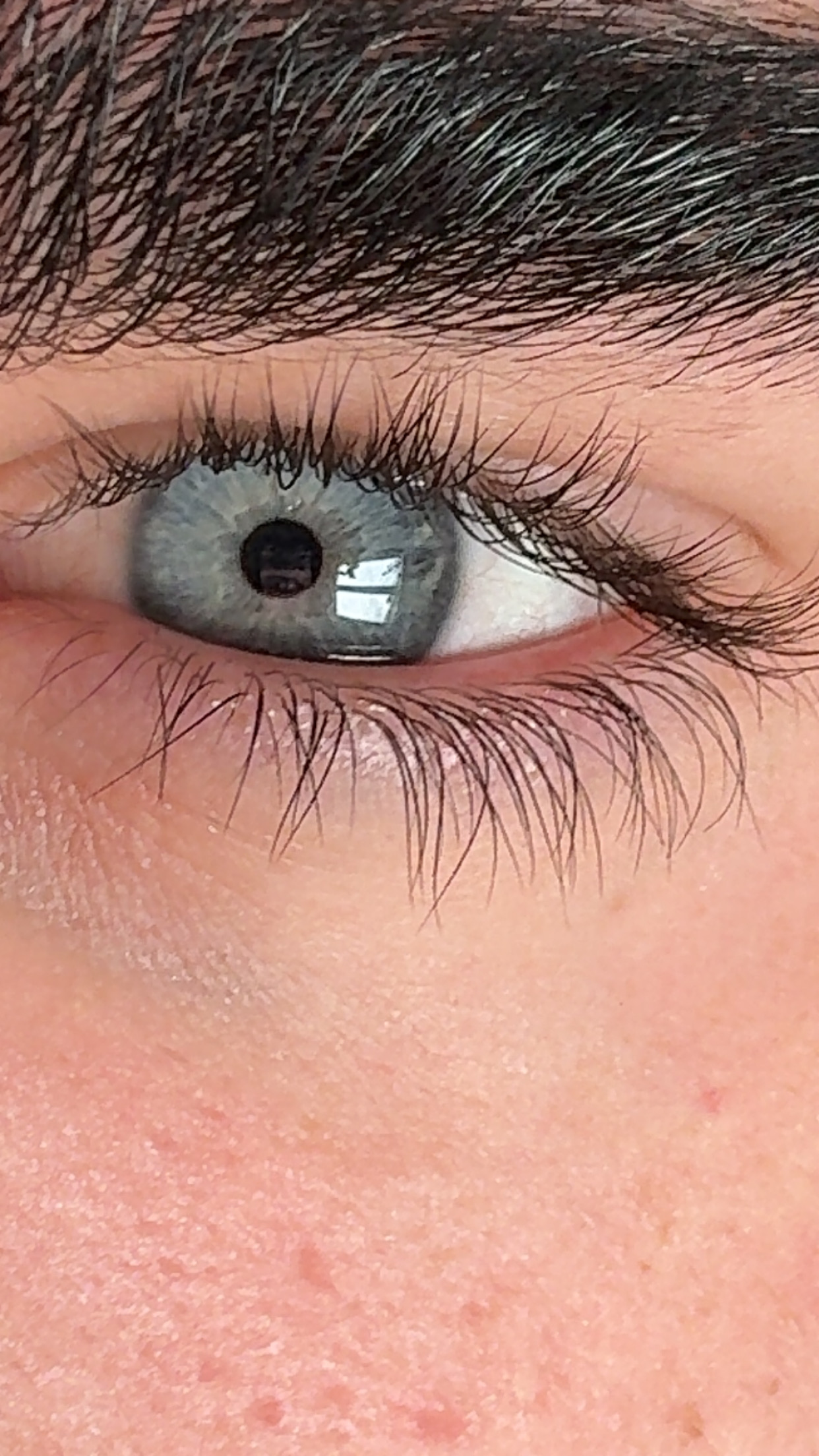
 i still got some darkening from minoxidil i started using a caffiene serum it helped a bit but my undereyes are still slightly darker then what they were