
leF
I post only HQ.
- Joined
- Jan 16, 2025
- Posts
- 139
- Reputation
- 826
Here's a small no BS breakdown on cortisol and stress. What actually happens, why it tanks your testosterone and drive, and exactly what to do about it.
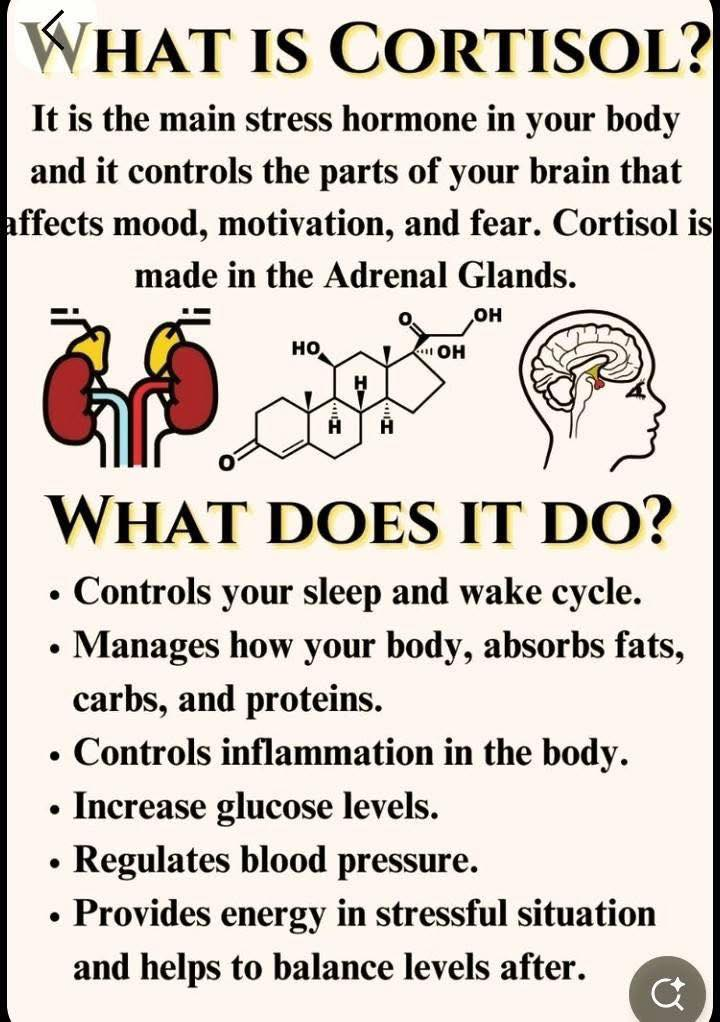
Cortisol is the long-term stress hormone. When it's chronically high it steals the same raw material your body uses to make testosterone. As a result, motivation declines, drive disappears, sleep turns to shit, and those masculine edges dull out. Over years it ages you faster, fries brain performance, damages brain structures, and wrecks overall health. Basically, you'ill look like your average subhuman.
Human research has shown the administration of cortisol into the circulation at rest will result in reduced blood testosterone levels
Significant prolonged cortisol elevations showed reduced hippocampal volume and deficits in hippocampus-dependent memory tasks
And millions of other studies back this, with data showing that acute stress can drop testosterone by about 10–30%, while long-term high cortisol is linked to roughly 10–20% reductions in the hippocampus volume over time, along with noticeable declines in cognitive performance.
Our goal here is simple : To keep cortisol low most of the time.
STRESS
Stress comes in two flavours. One good, the other bad.GOOD : Short-term stress runs on adrenaline. It sharpens focus, pulls up memory, spikes motivation for a minute, even boosts immunity in bursts.
Example : Cold shower (instant alertness, sharp focus) ; 5 mins before an exam (brain locks in, everything becomes clear ; public speaking (heart races but words flow better) ; Gym PR attempt (max strength + aggression) ; Almost missing the bus (sprint + full energy activation), etc..
BAD : Chronic stress runs on cortisol. It delivers brain fog, constant fatigue, crushed testosterone, and creeping anxiety.
Example : Constant overthinking about future (mental fatigue all day) ; Bad sleep for weeks (low energy and brain fog) ; Toxic environment ; Porn / dopamine / drugs abuse ; Scrolling , etc...
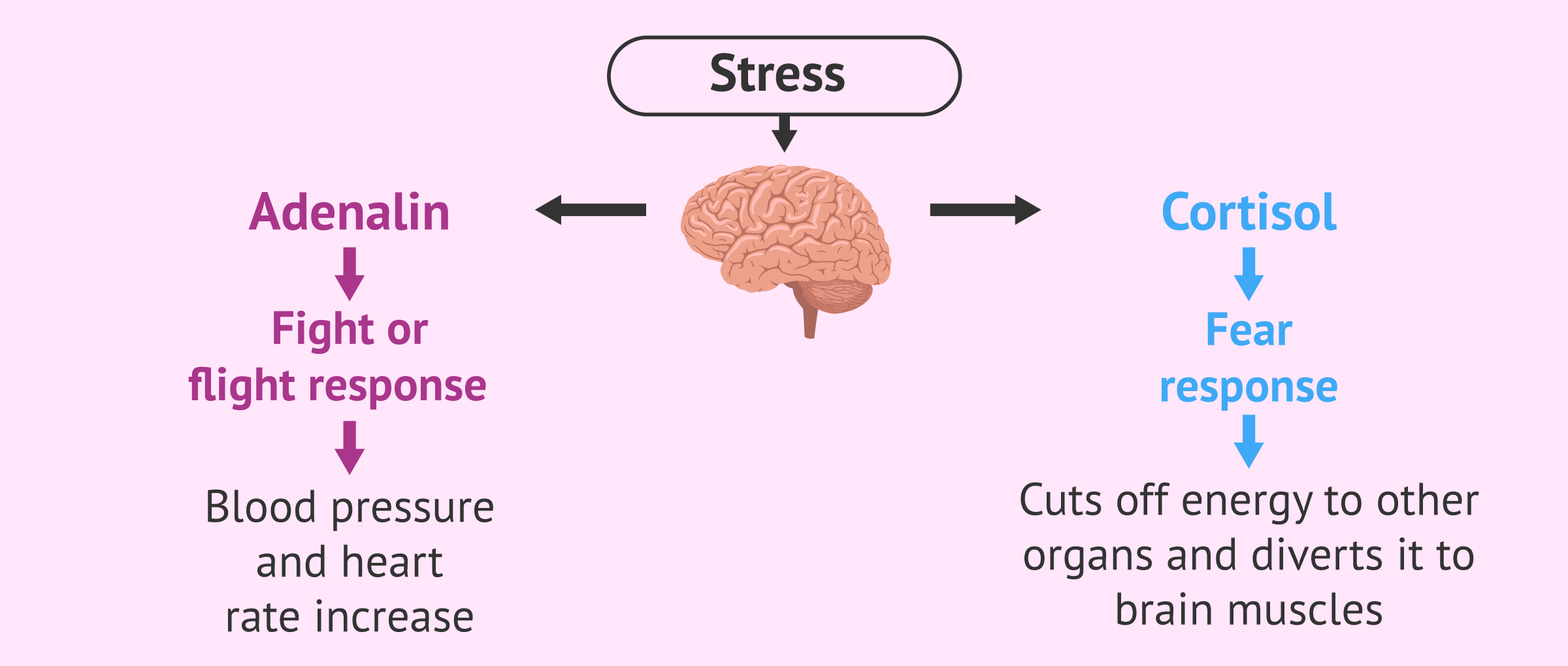
The goal is to live mostly in low baseline stress (low cortisol) and only tap the short bursts (adrenaline) when you need performance.
Example :
- (1) Calm all day (2) Go hit the gym (3) Intense set (4) Back to calm
- (1) Relaxed study (2) Short deadline sprint (3) Recover
- (1) Peaceful mindset (2) Competition mode (3) Exit mode
NERVOUS SYSTEM & BREATHING
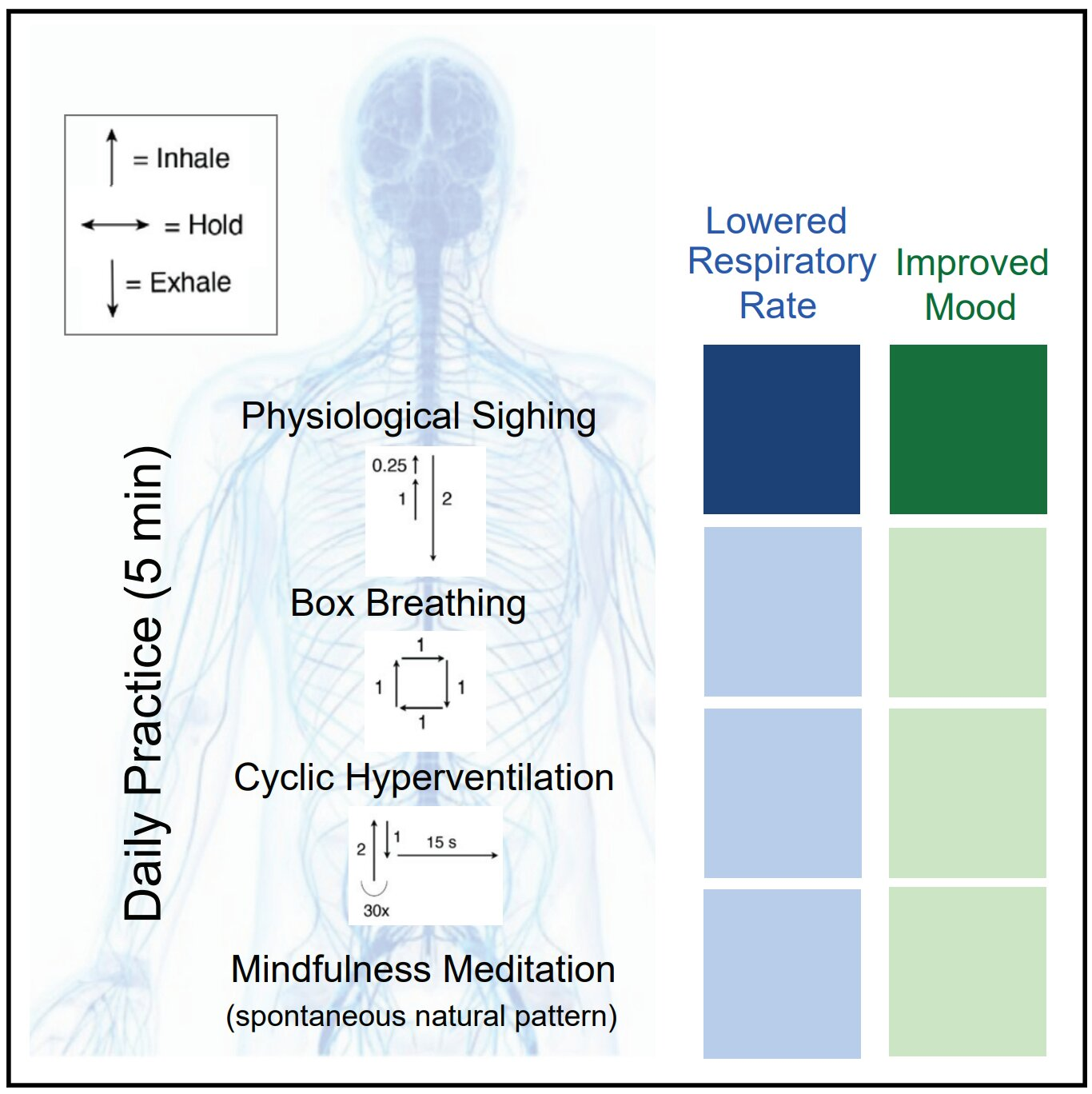
Your nervous system has two modes.
- Sympathetic : Stress mode (fight-or-flight, stress on)
- Parasympathetic : Calm mode (recovery and clear focus, stress off).
Long, slow inhale signals calm to your brain. Fast, short exhale signals stress. You can drop cortisol in seconds with the right pattern : slow inhale, quick exhale, and, if needed, a double inhale to top it up. Use it before anything that normally spikes you. This is literally the hack to control your stress in seconds.
FOCUS
Focus matters too. Narrow, locked-in staring jacks sympathetic mode and stress climbs. Switch to wide peripheral vision (just look around the room like you're scanning the horizon (The 30-Second Ocular Reset)) and stress drops instantly. Your eyes control your brain state. (That’s why they say every 20 minutes in front of your screen, look at something about 20 feet away for 20 seconds, then get back to regain focus and avoid fatigue (20-20-20 rule))
LIFESTYLE (biggest factor)
Lifestyle is the biggeset factor. The three pillars are movement, sleep, and diet, but the real killer is how most guys live : one hour in the gym then 23 hours glued to a chair, zero nature, zero walking, zero real-world stimulation.
Humans are built for constant low-level movement (walking at least) and outdoors (nature). Sitting 8 hours a day is what will pump your cortisol silently.
Social connection (the anti-stress chemical)
Real social connection is pure anti-stress. Face-to-face time with people releases serotonin and drops cortisol (DMs, calls, and facetime do not count).Supplements ? (not the solution)
Ashwagandha can lower cortisol for a short time but using it every day can backfire because it can mess with your hormones and your body gets used to it fast. Save it for big-stress days only.WHAT TO DO (summary)
1. Instant control : anytime stress hits, slow inhale through your nose, short exhale through your mouth. Add a double inhale if it’s strong. Do it before exams, arguments, deadlines, anything.
2. Fix your eyes : when you feel fog or tension, stop staring at one spot or your screen. Look around the room. Stress drops in under 30 seconds.
3. Move every day : 8k–15k steps, mostly outside. Get sunlight and nature. The gym alone is not enough.
4. Simple Nature awareness : go outside and pay attention to trees, wind, sounds, and temperature. No apps, no guided stuff meditation BS, just focus for 10 minutes. Cortisol drops.
5. Sleep is non-negotiable : 7.5–8 real hours. No phone in bed. Keep your room cool and dark. Real sleep, not scrolling. (I use a fan even in winter and black curtain and I sleep like a baby)
6. Build real life connections : see people in person, talk, walk, hang out. Replace some screen time with this and your cortsiol drops.
7. Use stress on purpose : before important work or competition, allow a controlled level of pressure. No stress at all hurts performance. You want the sweet spot, not just zero.
8. Supplements are only backup: use ashwagandha only before big events, not every day.
Your days should run on a calm baseline most of the time with short controlled stress spikes when needed and a fast return to calm. That’s the way to high testosterone and high brain performance (because you’ll have low cortisol).
FUCK STRESS (cortisol)
Last edited: