nicheroider

Iron
- Joined
- Feb 4, 2026
- Posts
- 70
- Reputation
- 91
2026 Heightmaxxing Megathread.
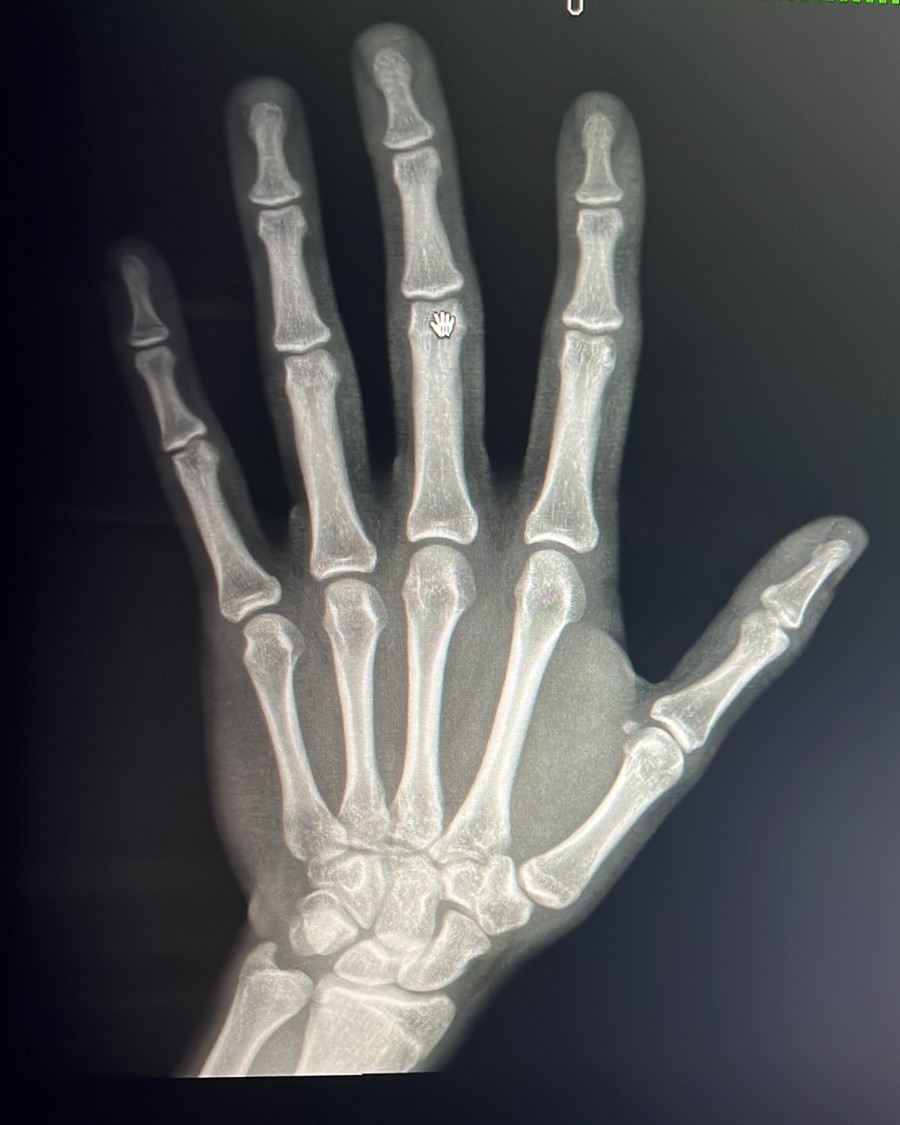
IMPORTANT: Please get your fucking plates checked via wrist x-ray, ($40-70) before spending hundreds of hours and thousands of dollars on a protocol that will provide little gains because your growth plates are fused... Now that that is out of the way we can continue, I still cannot believe people will spend hundreds on GH thinking they will grow by going in blind and unknowing of their own potential but that's an iqlet issue JFL.
Post Overview:
- Primary Bone Growth Pathways
- Pharmacological Intervention Options
- A Theoretical Protocol
- Common Copes and Lies
- Honorable Mentions and Unapplied Theories
- Conclusion
Primary Pathways of Growth and Pharmacological Interventions:
- In each pathway, I will be giving a basic explanation of what is signaled for, as well as a mini example/evidence for their importance.
1. GH → IGF-1 Axis (Hormonal Growth Engine)
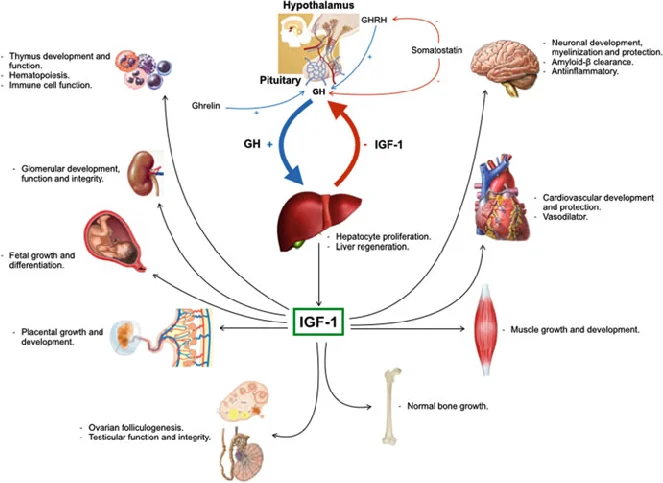
This is the central pathway starting with growth hormone (GH) from the pituitary gland, which signals the liver (and other tissues) to produce insulin-like growth factor-1 (IGF-1). GH binds receptors on target cells, activating JAK-STAT signaling inside, which ramps up gene expression for growth.
What it signals for: IGF-1 then acts locally and systemically on growth plates, telling chondrocytes in the proliferative zone to divide rapidly (proliferation) and in the hypertrophic zone to swell up bigger (hypertrophy). This stretches the bone longitudinally before mineralization. It also boosts overall protein synthesis and cell survival in cartilage. Without enough signaling here, growth stalls (e.g., in deficiencies). Strong activation correlates with peak growth spurts during puberty.
Mutations in this axis cause dwarfism or gigantism, proving it's the MVP for linear height remodeling.
Pharmacological Interventions:
- Recombinant HGH: Directly mimics natural GH, binding GH receptors to trigger JAK-STAT and boost liver IGF-1 production plus local IGF-1 in growth plates, accelerating chondrocyte proliferation and hypertrophy for elongation. Doses 6–12+ IU/day; trials show +3–7 cm in kids.
- Insulin (e.g., Humalog, Novolog, Lantus): Enhances the axis by activating IGF-1 receptors (insulin cross-binds them), suppressing IGF-binding proteins to free up more active IGF-1, and countering GH-induced insulin resistance while driving nutrients into cells for growth. Use cases exist for both long acting and rapid acting forms. Low doses (10–20 IU) post-meal/workout for rapid acting, and a similar dose of long acting in the AM.
- Recombinant IGF-1 (Increlex): Bypasses GH entirely, directly stimulating IGF-1 receptors on chondrocytes to promote proliferation and matrix synthesis, ideal if liver conversion is inefficient.
- Androgens (Testosterone, Trenbolone, etc): Upregulate IGF-1 expression in liver and locally via androgen receptors, amplifying GH signaling and chondrocyte activity; also synergize with puberty growth spurt.
2. Mechanical Tension/Loading Pathway (Physical Stress as a Growth Trigger)
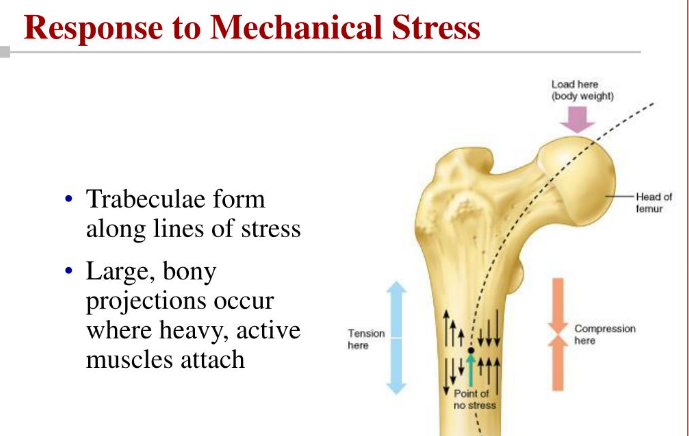
Bones sense and respond to mechanical forces like tension, compression, or shear through mechanotransduction. Cells convert physical these physical stress stimuli into biochemical signals.
What it signals for: Strain on growth plates (from activities like jumping or stretching) activates integrins and ion channels on chondrocytes and osteocytes, leading to release of local factors like prostaglandin E2 (PGE2) and nitric oxide (NO). These signal for increased cell proliferation, matrix production (collagen/glycosaminoglycans), and recruitment of osteoblasts for bone deposition. It follows Wolff's Law: bone adapts to loads, so repeated tension promotes elongation while compression might limit it. This pathway amplifies other signals, making active lifestyles key for maxing potential height.
We can examine this as the case through studies on athletes, which show high-impact loading and its links to taller stature via localized growth factor release.
Pharmacological Interventions:
- Androgens: Enhance mechanotransduction by increasing muscle mass/strength (more force on bones) and upregulating local IGF-1/PGE2 release in response to loading, making mechanical signals more potent for chondrocyte proliferation. Often stacked with training.
- PTH Analogs (crossover from PTH pathway, e.g., Teriparatide): Amplify repair after microtrauma by boosting osteoblast response to mechanical stress, indirectly supporting elongation via better bone modeling under load.
3. PTH/PTHrP Signaling (Calcium Regulator/Bone Builder)
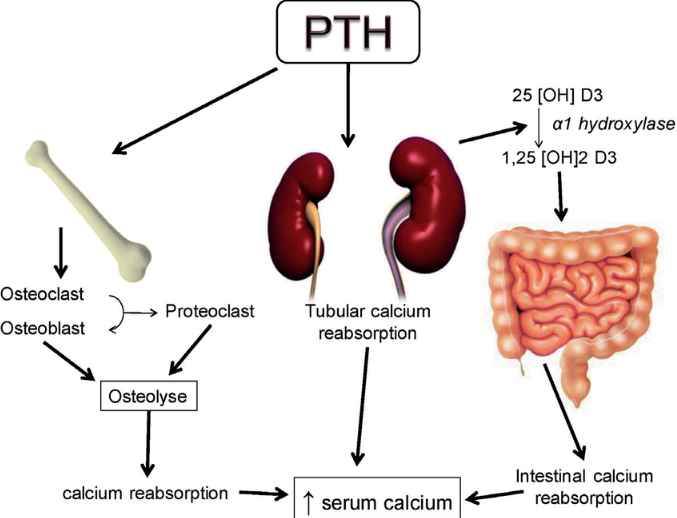
Parathyroid hormone (PTH) and its related protein (PTHrP) from nearby tissues bind PTH receptors on chondrocytes and osteoblasts, activating cAMP-PKA pathways inside cells.
What it signals for: In growth plates, it promotes chondrocyte survival and delays maturation in the proliferative zone while encouraging hypertrophy later on. It balances bone formation (anabolic) vs. breakdown (catabolic) – intermittent signaling favors building by upregulating RANKL and IGF-1 locally, leading to more matrix deposition and elongation. PTHrP specifically keeps plates "young" by inhibiting premature ossification. Disruptions here lead to short limbs or irregular growth.
Genetic knockouts in animal studies show stunted bones; it's crucial for fetal/postnatal lengthening.
Pharmacological Interventions:
- PTH Analogs (e.g., Teriparatide/Forteo, Abaloparatide/Tymlos): Mimic intermittent PTH pulses, binding PTH receptors to activate cAMP-PKA, which upregulates IGF-1 and osteoblast activity in growth plates for enhanced hypertrophy and elongation without rushing closure. 20 mcg/day subQ for Teriparatide and 80-120mcg/day subQ for Abalo.
- Denosumab (Prolia): Indirectly supports by inhibiting RANKL (downstream of PTH), reducing osteoclast activity (bone resorption) to favor net anabolic effects, preserving plate integrity for prolonged growth.
4. Wnt/β-Catenin Pathway (Switch for Bone Formation)
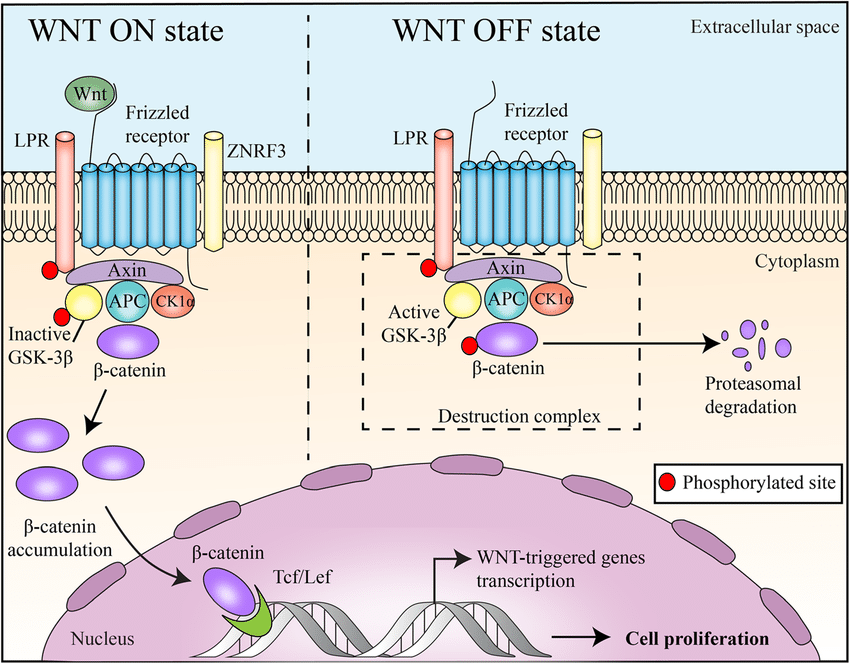
Wnt proteins (secreted signals) bind Frizzled receptors on cell surfaces, stabilizing β-catenin inside, which enters the nucleus to activate growth genes.
What it signals for: In growth plates, it recruits and activates osteoblasts (bone-formers) while supporting chondrocyte proliferation and differentiation. It inhibits apoptosis (cell death) in the hypertrophic zone, allowing more expansion before ossification. Strong Wnt signaling means more bone accrual and length; weak signaling leads to thinner, shorter bones. It cross-talks with IGF-1 and mechanical pathways for synergy.
Wnt mutations cause osteoporosis or dwarfism syndromes, it's the backbone of skeletal development.
Pharmacological Interventions:
- Lithium (low-dose, e.g., orotate): Inhibits GSK3β enzyme, stabilizing β-catenin to enhance Wnt signaling, promoting osteoblast recruitment and chondrocyte proliferation in growth plates for increased bone elongation.
- Androgens: Activate androgen receptors that cross-talk with Wnt, upregulating β-catenin targets and local IGF-1 for stronger osteoblast activity and plate expansion.
- Sclerostin Inhibitors (crossover, e.g., Romosozumab/Evenity): Neutralize sclerostin to unblock Wnt receptors, allowing massive β-catenin accumulation and osteoblast-driven bone formation, potentially extending growth plate activity.
5. FGFR3 Pathway (The Maturation Brake)
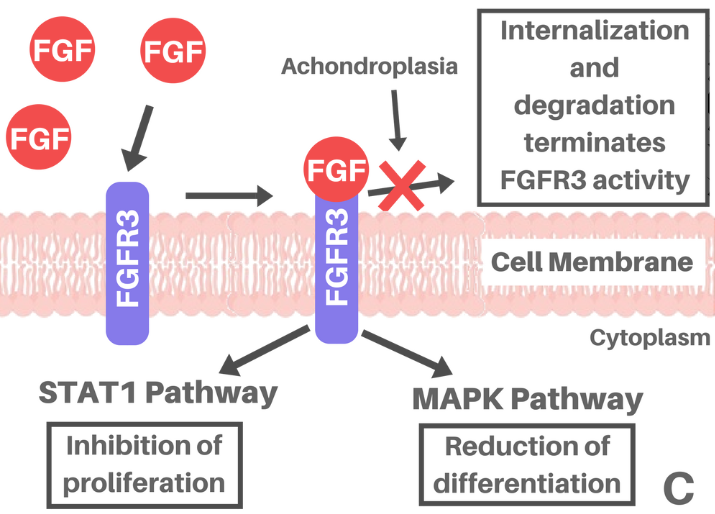
Fibroblast growth factor receptor 3 (FGFR3) on chondrocytes gets activated by FGF ligands, triggering MAPK/ERK signaling cascades.
What it signals for: It's a negative regulator which slows chondrocyte proliferation and accelerates maturation/senescence in the growth plate, pushing toward hypertrophy and eventual fusion. Balanced FGFR3 prevents overgrowth; overactivation rushes closure, limiting height. It acts as a "timer" for how long plates stay active.
Gain-of-function (FGFR3 overactivity) mutations cause achondroplasia (most common dwarfism) by hyper-braking growth.
Pharmacological Interventions:
- FGFR3 Inhibitors (e.g., Vosoritide/Voxzogo, Infigratinib experimental): Bind and block FGFR3 receptors on chondrocytes, reducing MAPK/ERK signaling to slow maturation/senescence, allowing prolonged proliferation and delaying plate closure for extra height gains. +1.5–2 cm/year in trials.
6. HDAC Pathway (Epigenetic Gene Controller)
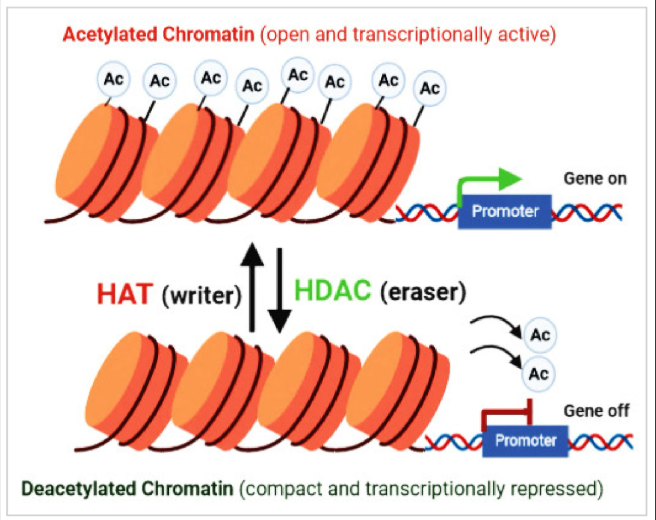
Histone deacetylases (HDACs) are enzymes that remove acetyl groups from histones, tightening DNA structure and repressing gene transcription.
What it signals for: In growth plates, HDACs regulate expression of pro-growth genes like Sox9 (for chondrocyte differentiation) and IGF-1 targets. Proper HDAC activity keeps chromatin accessible for signals like Wnt or IGF-1; dysregulation silences them, shortening the growth window. It's epigenetic, meaning it influences without changing DNA sequence, affecting how long plates respond to other pathways.
Animal studies link HDAC imbalances to delayed or accelerated plate closure.
Pharmacological Interventions:
- HDAC Inhibitors (e.g., Valproic Acid, Vorinostat/SAHA): Block HDAC enzymes to loosen chromatin, upregulating expression of growth genes like Sox9 and IGF-1 targets in chondrocytes, extending plate responsiveness and lifespan for continued elongation. Low oral doses in studies.
7. Sclerostin Pathway (Wnt Inhibitor)
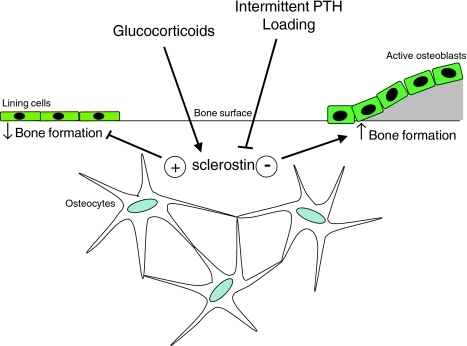
Sclerostin, produced by osteocytes (mature bone cells), binds to LRP5/6 co-receptors, blocking Wnt signaling.
What it signals for: It's a feedback brake on bone formation. High sclerostin dampens Wnt/β-catenin, reducing osteoblast activity and slowing growth plate elongation. Low sclerostin allows unchecked Wnt for more bone building and length. It fine-tunes mechanical responses: stress downregulates sclerostin to promote adaptation.
Sclerostin deficiencies cause van Buchem disease (overly dense, tall bones) indicative of its role as a growth limiter.
Pharmacological Interventions:
- Sclerostin Inhibitors (e.g., Romosozumab/Evenity, Blosozumab experimental): Monoclonal antibodies that bind and neutralize sclerostin, removing its inhibition on Wnt receptors to unleash β-catenin signaling, boosting osteoblast activity and bone accrual for enhanced longitudinal growth. Monthly injections; +20% density in trials.
8. Estrogen (E2)-Driven Growth Plate Closure Pathway
Estradiol (E2), the primary estrogen, binds estrogen receptors (ERα/β) on chondrocytes, activating genomic (nuclear) and non-genomic (membrane) signaling.
What it signals for: E2 accelerates chondrocyte maturation and senescence: it boosts hypertrophy, apoptosis in the terminal zone, and vascular invasion for ossification, ultimately fusing the plate into solid bone. In males, E2 comes from testosterone conversion (aromatization); in females, directly from ovaries. It coordinates the pubertal growth spurt but then "closes shop" – high E2 signals the end of linear growth. Timing varies by genetics/hormone levels.
Aromatase deficiencies (low E2) delay fusion, leading to taller adult height; excess E2 causes early closure and shorter stature.
Pharmacological Interventions:
- Aromatase Inhibitors (AIs, e.g., Exemestane/Aromasin, Letrozole, Anastrazole): Inhibit aromatase enzyme to block testosterone-to-E2 conversion, keeping E2 levels low and reducing ER signaling in chondrocytes, which delays maturation/senescence and extends the open-plate window for more growth. +2–5 cm in ISS studies.
- Selective Estrogen Receptor Modulators (SERMs, e.g., Tamoxifen, Raloxifene): Bind ERα/β in growth plates to antagonize E2 effects selectively, slowing hypertrophy and ossification without fully suppressing systemic E2, preserving bone health while prolonging elongation.
Common Cope Methods That Don't Work
Let's be honest, the whole "heightmaxxing" scene is full of bullshit pushed by cope merchants on TikTok, Reddit, or shady supp sites. These "methods" sound good in theory but have zero evidence for actual longitudinal growth if plates are open (or fused, JFL). Don't waste your time or money, they're placebo at best, harmful at worst. Here are the big ones to avoid:
- MK-677, "Oral GH" Supplements, and GH Secretagogues (GHRPs like Ipamorelin, CJC-1295): People hype these as cheap HGH alternatives because they spike GH pulses. But the GH release is weak/short-lived compared to injectable rhGH, and IGF-1 elevation is minimal/inconsistent. Studies show no meaningful height gains in adults/teens; it's mostly for appetite/water retention. Cope for any meaningful height or bone increase. GHRP-6 and MK-677 could be beneficial for appetite stimulation but that is unimportant to this post.
- Stretching Routines Alone (e.g., Yoga, Pilates, or "Grow Taller" Apps): Stretching decompresses spine temporarily (+0.5 cm morning height or maybe a bit more), but it doesn't stimulate chondrocyte proliferation or pathways like mechanical loading does. No studies link pure stretching to permanent height; it's posturemaxxing at best. If you're not combining this with high-impact or pharma, it's cope, gravity recompresses everything by evening.
- Supplements Like Arginine, Ornithine, or "Height Pills": These claim to boost GH naturally via amino acids. But oral aminos get metabolized before hitting the axis effectively; trials show tiny/transient GH spikes with no height impact. Vit D/Calcium/Zinc are basics for bone health, but they don't "unlock" extra inches – deficiencies fix stunting, not add growth. JFL at the marketing.
- Bonesmashing for Height (Not Face) (With an Exception): While anecdotes and theory show bonesmashing may be effective for facial bones, applying it to the legs and spine is borderline retarded LOL. Uncontrolled trauma causes inflammation and scarring without targeted repair. Studies on fractures show healing adds density, not length; overdo it and you risk asymmetry or shortened bones from poor remodeling. For this reason it is recommended to stick to controlled loading. The one exception to this is bonesmashing the heel, paired with androgens (as the heel bone has a decent amount of ARs) and igf you can expect a potential 5-10mm in direct height increase via bone direct bone mass and density increases under the foot. I like to recommend a rubber mallet as the tool of choice for this in conjunction with a massage gun as you are able to get a controlled and strong force alongside intermittent mechanotransduction vial high frequency massage gun "bursts" (which has been shown to help flood the area with growth factors).
- Aromatherapy/Essential Oils or "Subliminals": Pure pseudoscience for the most part. No pathway modulation, it's largely a mental cope. If you're listening to "grow taller" audios, humming, or using cheap and ineffective frequency devices all while ignoring plates/pharma, you're ngmi brah.
A Theoretical Protocol/Stack with Training & Mechanical Loading Plan:
This is a hypothetical "advanced" stack for someone 15–20 with confirmed open plates (X-ray twice, 6 months apart). Goal: 2–4+ inches over 6–12 months, assuming good genetics/response. Disclaimer, this is NOT medical advice, again this is a theoretical protocol one could implement based upon the information within this post. It is recommended to get bloods every 4–6 weeks (IGF-1 >400 ng/mL, E2 10–20 pg/mL, glucose <100 fasting, bone markers like P1NP up). Cycle off certain compounds, every 3–4 months to avoid resistance. Sourcing for these things isn't a major issue, I will not be assisting with that, if you are unable to find good sources, you most likely are not competent enough to run a protocol anywhere close to this. Budget: $500–2k/month (Minimum).
Core Stack (Daily Unless Noted):
- GH-IGF Axis: 8–12 IU rhGH (split 4 IU AM/8 IU pre-bed) + 10–15IU Humalog post-WO (with equivalent carbs) + 40–120 mcg/kg Increlex (up to twice daily). Androgens: 300-500mg Test E/week, 35-140mg Tren A, 2.5-10mg Halotestin ED for IGF upreg, and added benefits of facial masculinization and strong physique.
- E2 Mitigation: 6.25-12.5 mg Aromasin EOD (keep E2 low but not crashed, monitor mood/bone density and ideally get a sensitive e2 panel 4 weeks into the cycle to make sure you are staying in a low but healthy range).
- PTH/Wnt Boost: 80-120mcg Abaloparatide subQ daily + 1 mg Lithium Orotate daily (low-dose Wnt activator).
- FGFR3/Sclerostin: Vosoritide (if accessible, 15 mcg/kg daily) + Romosozumab monthly or biweekly injection.
- HDAC: 500 mg Valproic Acid daily (split doses, liver check).
- Support/Ancillaries: 12.5 mg Eplerenone 2x AM/PM (bloat), 5 mg Nebivolol (BP), 500mg Glutathione ED IM (antioxidant/skin), supps like Vit D3, K2, Zinc, Calcium, and Boron for synergy and supporting new bone mineralization.
Note: There is a laundry list of supporting supplements, and ancillaries of which are not mentioned. Use bloods to guage what ancilleries will be necessary, keep prolactin/e2 control on hand, as well as BP and cholesterol meds.
Training/Mechanical Loading Plan (5–6 Days/Week):
- High-Impact Loading (3x/week): Sprints (10x100m) + plyos (box jumps, depth drops 3x10). Basketball/volleyball drills for dynamic shear. Aim for peak force, spikes PGE2/IGF locally.
- Tension/Decompression (Daily): Inversion table/hanging bar 20–30 min (split sessions) for spinal traction. Add ankle weights (5–10 lbs) for leg pull. (Another option is banded sleeping, which will allow for a tractile force to be applied over the spine and legs overnight.
- Strength/Hypertrophy (FB EOD or UL Split): Full-body compounds – squats/deads 3x8–12 (heavy for bone stress), pull-ups/overhead press. For hypertrophy and bodybuilding, a SBL approach will be more optimal so you may want to incorporate aspects of SBL into your workouts if you would also like to build muscle optimally while taking advantage of these exogenous growth factors. Train during GH/insulin peaks for max response.
- Recovery: Sleep 7+ hours (GH pulses), eat 1.5–2g protein/lb BW, high cals (and high carbs for slin ofc), try to keep fats low (sub 50g). Keep hydration and electrolytes on point. Measure height AM weekly.
Honorable Mentions:
- BMP Inhibitors: Block bone morphogenetic proteins to delay ossification, similar to FGFR3 inhibition, emerging in animal models.
- Nitric Oxide Boosters (e.g., Cialis low-dose): Enhance mechanotransduction via NO release during loading; some studies link to better bone adaptation.
- Thyroid Hormones (T3/T4): Synergize with GH for IGF-1 upregulation, but potentially risky for metabolism, low doses only.
Unapplied Theories:
- CRISPR/Gene Editing: Target FGFR3 mutations or enhance IGF-1 expression directly in chondrocytes, proof-of-concept in mice, but human trials are 5–10+ years out due to ethics/delivery issues.
- Stem Cell Injections: Mesenchymal stem cells into growth plates to regenerate chondrocytes; early ortho research for cartilage repair, potential for elongation in open plates.
- Nanotech Delivery: Liposomal carriers for targeted IGF-1/PTH to bones, minimizing systemic sides. This is lab-stage, but could revolutionize dosing efficiency.
- AI-Predicted Protocols: Use machine learning (e.g., via apps analyzing bloods/genetics) to personalize stacks.
- Microbiome Modulation: Gut bacteria influence GH/IGF via short-chain fatty acids; probiotics or fecal transplants for growth optimization. Speculative, but links in animal studies.
Conclusion:
In summary, heightmaxxing boils down to the modulation of key pathways, GH-IGF for the engine, mechanical loading for the trigger, PTH/Wnt for building, and inhibitors like AIs/FGFR3 blockers to delay the brakes while avoiding the estrogen closure trap. This theoretical protocol stacks them synergistically with training for maximal potential gains, but remember: open plates are non-negotiable, and this isn't a magic pill. Gains of 2–4+ inches are possible with dedication, but so are serious sides if you half-ass any steps along the way. Always prioritize health over height, consult a doctor, get bloods religiously, and cycle smart. If your plates are already fused, pivot to lifts, posture, surgery, or acceptance; no amount of pharma will reopen them. I hope that this post resonates with readers and inspires more people to do research and develop/implement protocols which may become revolutionary for experimental height growth modulation. If you are currently running a stack similar to this measure your progress properly, I'd like for us to set a new precedent for experimental research and growth modulation. Don't fall for copes guys. If you have any questions, would like to share your stack/experience, or have anything to add or discuss. Drop a reply below.

IMPORTANT: Please get your fucking plates checked via wrist x-ray, ($40-70) before spending hundreds of hours and thousands of dollars on a protocol that will provide little gains because your growth plates are fused... Now that that is out of the way we can continue, I still cannot believe people will spend hundreds on GH thinking they will grow by going in blind and unknowing of their own potential but that's an iqlet issue JFL.
Post Overview:
- Primary Bone Growth Pathways
- Pharmacological Intervention Options
- A Theoretical Protocol
- Common Copes and Lies
- Honorable Mentions and Unapplied Theories
- Conclusion
Primary Pathways of Growth and Pharmacological Interventions:
- In each pathway, I will be giving a basic explanation of what is signaled for, as well as a mini example/evidence for their importance.
1. GH → IGF-1 Axis (Hormonal Growth Engine)
This is the central pathway starting with growth hormone (GH) from the pituitary gland, which signals the liver (and other tissues) to produce insulin-like growth factor-1 (IGF-1). GH binds receptors on target cells, activating JAK-STAT signaling inside, which ramps up gene expression for growth.
What it signals for: IGF-1 then acts locally and systemically on growth plates, telling chondrocytes in the proliferative zone to divide rapidly (proliferation) and in the hypertrophic zone to swell up bigger (hypertrophy). This stretches the bone longitudinally before mineralization. It also boosts overall protein synthesis and cell survival in cartilage. Without enough signaling here, growth stalls (e.g., in deficiencies). Strong activation correlates with peak growth spurts during puberty.
Mutations in this axis cause dwarfism or gigantism, proving it's the MVP for linear height remodeling.
Pharmacological Interventions:
- Recombinant HGH: Directly mimics natural GH, binding GH receptors to trigger JAK-STAT and boost liver IGF-1 production plus local IGF-1 in growth plates, accelerating chondrocyte proliferation and hypertrophy for elongation. Doses 6–12+ IU/day; trials show +3–7 cm in kids.
- Insulin (e.g., Humalog, Novolog, Lantus): Enhances the axis by activating IGF-1 receptors (insulin cross-binds them), suppressing IGF-binding proteins to free up more active IGF-1, and countering GH-induced insulin resistance while driving nutrients into cells for growth. Use cases exist for both long acting and rapid acting forms. Low doses (10–20 IU) post-meal/workout for rapid acting, and a similar dose of long acting in the AM.
- Recombinant IGF-1 (Increlex): Bypasses GH entirely, directly stimulating IGF-1 receptors on chondrocytes to promote proliferation and matrix synthesis, ideal if liver conversion is inefficient.
- Androgens (Testosterone, Trenbolone, etc): Upregulate IGF-1 expression in liver and locally via androgen receptors, amplifying GH signaling and chondrocyte activity; also synergize with puberty growth spurt.
2. Mechanical Tension/Loading Pathway (Physical Stress as a Growth Trigger)
Bones sense and respond to mechanical forces like tension, compression, or shear through mechanotransduction. Cells convert physical these physical stress stimuli into biochemical signals.
What it signals for: Strain on growth plates (from activities like jumping or stretching) activates integrins and ion channels on chondrocytes and osteocytes, leading to release of local factors like prostaglandin E2 (PGE2) and nitric oxide (NO). These signal for increased cell proliferation, matrix production (collagen/glycosaminoglycans), and recruitment of osteoblasts for bone deposition. It follows Wolff's Law: bone adapts to loads, so repeated tension promotes elongation while compression might limit it. This pathway amplifies other signals, making active lifestyles key for maxing potential height.
We can examine this as the case through studies on athletes, which show high-impact loading and its links to taller stature via localized growth factor release.
Pharmacological Interventions:
- Androgens: Enhance mechanotransduction by increasing muscle mass/strength (more force on bones) and upregulating local IGF-1/PGE2 release in response to loading, making mechanical signals more potent for chondrocyte proliferation. Often stacked with training.
- PTH Analogs (crossover from PTH pathway, e.g., Teriparatide): Amplify repair after microtrauma by boosting osteoblast response to mechanical stress, indirectly supporting elongation via better bone modeling under load.
3. PTH/PTHrP Signaling (Calcium Regulator/Bone Builder)
Parathyroid hormone (PTH) and its related protein (PTHrP) from nearby tissues bind PTH receptors on chondrocytes and osteoblasts, activating cAMP-PKA pathways inside cells.
What it signals for: In growth plates, it promotes chondrocyte survival and delays maturation in the proliferative zone while encouraging hypertrophy later on. It balances bone formation (anabolic) vs. breakdown (catabolic) – intermittent signaling favors building by upregulating RANKL and IGF-1 locally, leading to more matrix deposition and elongation. PTHrP specifically keeps plates "young" by inhibiting premature ossification. Disruptions here lead to short limbs or irregular growth.
Genetic knockouts in animal studies show stunted bones; it's crucial for fetal/postnatal lengthening.
Pharmacological Interventions:
- PTH Analogs (e.g., Teriparatide/Forteo, Abaloparatide/Tymlos): Mimic intermittent PTH pulses, binding PTH receptors to activate cAMP-PKA, which upregulates IGF-1 and osteoblast activity in growth plates for enhanced hypertrophy and elongation without rushing closure. 20 mcg/day subQ for Teriparatide and 80-120mcg/day subQ for Abalo.
- Denosumab (Prolia): Indirectly supports by inhibiting RANKL (downstream of PTH), reducing osteoclast activity (bone resorption) to favor net anabolic effects, preserving plate integrity for prolonged growth.
4. Wnt/β-Catenin Pathway (Switch for Bone Formation)
Wnt proteins (secreted signals) bind Frizzled receptors on cell surfaces, stabilizing β-catenin inside, which enters the nucleus to activate growth genes.
What it signals for: In growth plates, it recruits and activates osteoblasts (bone-formers) while supporting chondrocyte proliferation and differentiation. It inhibits apoptosis (cell death) in the hypertrophic zone, allowing more expansion before ossification. Strong Wnt signaling means more bone accrual and length; weak signaling leads to thinner, shorter bones. It cross-talks with IGF-1 and mechanical pathways for synergy.
Wnt mutations cause osteoporosis or dwarfism syndromes, it's the backbone of skeletal development.
Pharmacological Interventions:
- Lithium (low-dose, e.g., orotate): Inhibits GSK3β enzyme, stabilizing β-catenin to enhance Wnt signaling, promoting osteoblast recruitment and chondrocyte proliferation in growth plates for increased bone elongation.
- Androgens: Activate androgen receptors that cross-talk with Wnt, upregulating β-catenin targets and local IGF-1 for stronger osteoblast activity and plate expansion.
- Sclerostin Inhibitors (crossover, e.g., Romosozumab/Evenity): Neutralize sclerostin to unblock Wnt receptors, allowing massive β-catenin accumulation and osteoblast-driven bone formation, potentially extending growth plate activity.
5. FGFR3 Pathway (The Maturation Brake)
Fibroblast growth factor receptor 3 (FGFR3) on chondrocytes gets activated by FGF ligands, triggering MAPK/ERK signaling cascades.
What it signals for: It's a negative regulator which slows chondrocyte proliferation and accelerates maturation/senescence in the growth plate, pushing toward hypertrophy and eventual fusion. Balanced FGFR3 prevents overgrowth; overactivation rushes closure, limiting height. It acts as a "timer" for how long plates stay active.
Gain-of-function (FGFR3 overactivity) mutations cause achondroplasia (most common dwarfism) by hyper-braking growth.
Pharmacological Interventions:
- FGFR3 Inhibitors (e.g., Vosoritide/Voxzogo, Infigratinib experimental): Bind and block FGFR3 receptors on chondrocytes, reducing MAPK/ERK signaling to slow maturation/senescence, allowing prolonged proliferation and delaying plate closure for extra height gains. +1.5–2 cm/year in trials.
6. HDAC Pathway (Epigenetic Gene Controller)
Histone deacetylases (HDACs) are enzymes that remove acetyl groups from histones, tightening DNA structure and repressing gene transcription.
What it signals for: In growth plates, HDACs regulate expression of pro-growth genes like Sox9 (for chondrocyte differentiation) and IGF-1 targets. Proper HDAC activity keeps chromatin accessible for signals like Wnt or IGF-1; dysregulation silences them, shortening the growth window. It's epigenetic, meaning it influences without changing DNA sequence, affecting how long plates respond to other pathways.
Animal studies link HDAC imbalances to delayed or accelerated plate closure.
Pharmacological Interventions:
- HDAC Inhibitors (e.g., Valproic Acid, Vorinostat/SAHA): Block HDAC enzymes to loosen chromatin, upregulating expression of growth genes like Sox9 and IGF-1 targets in chondrocytes, extending plate responsiveness and lifespan for continued elongation. Low oral doses in studies.
7. Sclerostin Pathway (Wnt Inhibitor)
Sclerostin, produced by osteocytes (mature bone cells), binds to LRP5/6 co-receptors, blocking Wnt signaling.
What it signals for: It's a feedback brake on bone formation. High sclerostin dampens Wnt/β-catenin, reducing osteoblast activity and slowing growth plate elongation. Low sclerostin allows unchecked Wnt for more bone building and length. It fine-tunes mechanical responses: stress downregulates sclerostin to promote adaptation.
Sclerostin deficiencies cause van Buchem disease (overly dense, tall bones) indicative of its role as a growth limiter.
Pharmacological Interventions:
- Sclerostin Inhibitors (e.g., Romosozumab/Evenity, Blosozumab experimental): Monoclonal antibodies that bind and neutralize sclerostin, removing its inhibition on Wnt receptors to unleash β-catenin signaling, boosting osteoblast activity and bone accrual for enhanced longitudinal growth. Monthly injections; +20% density in trials.
8. Estrogen (E2)-Driven Growth Plate Closure Pathway
Estradiol (E2), the primary estrogen, binds estrogen receptors (ERα/β) on chondrocytes, activating genomic (nuclear) and non-genomic (membrane) signaling.
What it signals for: E2 accelerates chondrocyte maturation and senescence: it boosts hypertrophy, apoptosis in the terminal zone, and vascular invasion for ossification, ultimately fusing the plate into solid bone. In males, E2 comes from testosterone conversion (aromatization); in females, directly from ovaries. It coordinates the pubertal growth spurt but then "closes shop" – high E2 signals the end of linear growth. Timing varies by genetics/hormone levels.
Aromatase deficiencies (low E2) delay fusion, leading to taller adult height; excess E2 causes early closure and shorter stature.
Pharmacological Interventions:
- Aromatase Inhibitors (AIs, e.g., Exemestane/Aromasin, Letrozole, Anastrazole): Inhibit aromatase enzyme to block testosterone-to-E2 conversion, keeping E2 levels low and reducing ER signaling in chondrocytes, which delays maturation/senescence and extends the open-plate window for more growth. +2–5 cm in ISS studies.
- Selective Estrogen Receptor Modulators (SERMs, e.g., Tamoxifen, Raloxifene): Bind ERα/β in growth plates to antagonize E2 effects selectively, slowing hypertrophy and ossification without fully suppressing systemic E2, preserving bone health while prolonging elongation.
Common Cope Methods That Don't Work
Let's be honest, the whole "heightmaxxing" scene is full of bullshit pushed by cope merchants on TikTok, Reddit, or shady supp sites. These "methods" sound good in theory but have zero evidence for actual longitudinal growth if plates are open (or fused, JFL). Don't waste your time or money, they're placebo at best, harmful at worst. Here are the big ones to avoid:
- MK-677, "Oral GH" Supplements, and GH Secretagogues (GHRPs like Ipamorelin, CJC-1295): People hype these as cheap HGH alternatives because they spike GH pulses. But the GH release is weak/short-lived compared to injectable rhGH, and IGF-1 elevation is minimal/inconsistent. Studies show no meaningful height gains in adults/teens; it's mostly for appetite/water retention. Cope for any meaningful height or bone increase. GHRP-6 and MK-677 could be beneficial for appetite stimulation but that is unimportant to this post.
- Stretching Routines Alone (e.g., Yoga, Pilates, or "Grow Taller" Apps): Stretching decompresses spine temporarily (+0.5 cm morning height or maybe a bit more), but it doesn't stimulate chondrocyte proliferation or pathways like mechanical loading does. No studies link pure stretching to permanent height; it's posturemaxxing at best. If you're not combining this with high-impact or pharma, it's cope, gravity recompresses everything by evening.
- Supplements Like Arginine, Ornithine, or "Height Pills": These claim to boost GH naturally via amino acids. But oral aminos get metabolized before hitting the axis effectively; trials show tiny/transient GH spikes with no height impact. Vit D/Calcium/Zinc are basics for bone health, but they don't "unlock" extra inches – deficiencies fix stunting, not add growth. JFL at the marketing.
- Bonesmashing for Height (Not Face) (With an Exception): While anecdotes and theory show bonesmashing may be effective for facial bones, applying it to the legs and spine is borderline retarded LOL. Uncontrolled trauma causes inflammation and scarring without targeted repair. Studies on fractures show healing adds density, not length; overdo it and you risk asymmetry or shortened bones from poor remodeling. For this reason it is recommended to stick to controlled loading. The one exception to this is bonesmashing the heel, paired with androgens (as the heel bone has a decent amount of ARs) and igf you can expect a potential 5-10mm in direct height increase via bone direct bone mass and density increases under the foot. I like to recommend a rubber mallet as the tool of choice for this in conjunction with a massage gun as you are able to get a controlled and strong force alongside intermittent mechanotransduction vial high frequency massage gun "bursts" (which has been shown to help flood the area with growth factors).
- Aromatherapy/Essential Oils or "Subliminals": Pure pseudoscience for the most part. No pathway modulation, it's largely a mental cope. If you're listening to "grow taller" audios, humming, or using cheap and ineffective frequency devices all while ignoring plates/pharma, you're ngmi brah.
A Theoretical Protocol/Stack with Training & Mechanical Loading Plan:
This is a hypothetical "advanced" stack for someone 15–20 with confirmed open plates (X-ray twice, 6 months apart). Goal: 2–4+ inches over 6–12 months, assuming good genetics/response. Disclaimer, this is NOT medical advice, again this is a theoretical protocol one could implement based upon the information within this post. It is recommended to get bloods every 4–6 weeks (IGF-1 >400 ng/mL, E2 10–20 pg/mL, glucose <100 fasting, bone markers like P1NP up). Cycle off certain compounds, every 3–4 months to avoid resistance. Sourcing for these things isn't a major issue, I will not be assisting with that, if you are unable to find good sources, you most likely are not competent enough to run a protocol anywhere close to this. Budget: $500–2k/month (Minimum).
Core Stack (Daily Unless Noted):
- GH-IGF Axis: 8–12 IU rhGH (split 4 IU AM/8 IU pre-bed) + 10–15IU Humalog post-WO (with equivalent carbs) + 40–120 mcg/kg Increlex (up to twice daily). Androgens: 300-500mg Test E/week, 35-140mg Tren A, 2.5-10mg Halotestin ED for IGF upreg, and added benefits of facial masculinization and strong physique.
- E2 Mitigation: 6.25-12.5 mg Aromasin EOD (keep E2 low but not crashed, monitor mood/bone density and ideally get a sensitive e2 panel 4 weeks into the cycle to make sure you are staying in a low but healthy range).
- PTH/Wnt Boost: 80-120mcg Abaloparatide subQ daily + 1 mg Lithium Orotate daily (low-dose Wnt activator).
- FGFR3/Sclerostin: Vosoritide (if accessible, 15 mcg/kg daily) + Romosozumab monthly or biweekly injection.
- HDAC: 500 mg Valproic Acid daily (split doses, liver check).
- Support/Ancillaries: 12.5 mg Eplerenone 2x AM/PM (bloat), 5 mg Nebivolol (BP), 500mg Glutathione ED IM (antioxidant/skin), supps like Vit D3, K2, Zinc, Calcium, and Boron for synergy and supporting new bone mineralization.
Note: There is a laundry list of supporting supplements, and ancillaries of which are not mentioned. Use bloods to guage what ancilleries will be necessary, keep prolactin/e2 control on hand, as well as BP and cholesterol meds.
Training/Mechanical Loading Plan (5–6 Days/Week):
- High-Impact Loading (3x/week): Sprints (10x100m) + plyos (box jumps, depth drops 3x10). Basketball/volleyball drills for dynamic shear. Aim for peak force, spikes PGE2/IGF locally.
- Tension/Decompression (Daily): Inversion table/hanging bar 20–30 min (split sessions) for spinal traction. Add ankle weights (5–10 lbs) for leg pull. (Another option is banded sleeping, which will allow for a tractile force to be applied over the spine and legs overnight.
- Strength/Hypertrophy (FB EOD or UL Split): Full-body compounds – squats/deads 3x8–12 (heavy for bone stress), pull-ups/overhead press. For hypertrophy and bodybuilding, a SBL approach will be more optimal so you may want to incorporate aspects of SBL into your workouts if you would also like to build muscle optimally while taking advantage of these exogenous growth factors. Train during GH/insulin peaks for max response.
- Recovery: Sleep 7+ hours (GH pulses), eat 1.5–2g protein/lb BW, high cals (and high carbs for slin ofc), try to keep fats low (sub 50g). Keep hydration and electrolytes on point. Measure height AM weekly.
Honorable Mentions:
- BMP Inhibitors: Block bone morphogenetic proteins to delay ossification, similar to FGFR3 inhibition, emerging in animal models.
- Nitric Oxide Boosters (e.g., Cialis low-dose): Enhance mechanotransduction via NO release during loading; some studies link to better bone adaptation.
- Thyroid Hormones (T3/T4): Synergize with GH for IGF-1 upregulation, but potentially risky for metabolism, low doses only.
Unapplied Theories:
- CRISPR/Gene Editing: Target FGFR3 mutations or enhance IGF-1 expression directly in chondrocytes, proof-of-concept in mice, but human trials are 5–10+ years out due to ethics/delivery issues.
- Stem Cell Injections: Mesenchymal stem cells into growth plates to regenerate chondrocytes; early ortho research for cartilage repair, potential for elongation in open plates.
- Nanotech Delivery: Liposomal carriers for targeted IGF-1/PTH to bones, minimizing systemic sides. This is lab-stage, but could revolutionize dosing efficiency.
- AI-Predicted Protocols: Use machine learning (e.g., via apps analyzing bloods/genetics) to personalize stacks.
- Microbiome Modulation: Gut bacteria influence GH/IGF via short-chain fatty acids; probiotics or fecal transplants for growth optimization. Speculative, but links in animal studies.
Conclusion:
In summary, heightmaxxing boils down to the modulation of key pathways, GH-IGF for the engine, mechanical loading for the trigger, PTH/Wnt for building, and inhibitors like AIs/FGFR3 blockers to delay the brakes while avoiding the estrogen closure trap. This theoretical protocol stacks them synergistically with training for maximal potential gains, but remember: open plates are non-negotiable, and this isn't a magic pill. Gains of 2–4+ inches are possible with dedication, but so are serious sides if you half-ass any steps along the way. Always prioritize health over height, consult a doctor, get bloods religiously, and cycle smart. If your plates are already fused, pivot to lifts, posture, surgery, or acceptance; no amount of pharma will reopen them. I hope that this post resonates with readers and inspires more people to do research and develop/implement protocols which may become revolutionary for experimental height growth modulation. If you are currently running a stack similar to this measure your progress properly, I'd like for us to set a new precedent for experimental research and growth modulation. Don't fall for copes guys. If you have any questions, would like to share your stack/experience, or have anything to add or discuss. Drop a reply below.