davidlazaryako
#1 effort posts
- Joined
- Aug 3, 2026
- Posts
- 55
- Reputation
- 194
✧ ─── ⋆⋅☆⋅⋆ ─── ✧
9-Me-BC: The Groundbreaking Holy Grail of Nootropics
✧ ─── ⋆⋅☆⋅⋆ ─── ✧
★ neuronal growth, dopamine signalling, neurotrophic factors, inflammation and synaptic structure ★
✕ ───────── ⌁ ───────── ✕
◆───────────────────◆
⟪ Table of Contents ⟫
◆───────────────────◆
❖ I. Introduction
❖ II. Background & Discovery
❖ III. What Makes 9-Me-BC Different
❖ IV. Biological Effects
❖ V. Cognitive and Behavioral Data
❖VI. Practical Considerations
❖VIII. Final Thoughts
❖IX. Sources
»——————————《 ⚔ 》——————————«
9-Me-BC: The Groundbreaking Holy Grail of Nootropics
✧ ─── ⋆⋅☆⋅⋆ ─── ✧
★ neuronal growth, dopamine signalling, neurotrophic factors, inflammation and synaptic structure ★
✕ ───────── ⌁ ───────── ✕
◆───────────────────◆
⟪ Table of Contents ⟫
◆───────────────────◆
❖ I. Introduction
❖ II. Background & Discovery
❖ III. What Makes 9-Me-BC Different
❖ IV. Biological Effects
❖ V. Cognitive and Behavioral Data
❖VI. Practical Considerations
❖VIII. Final Thoughts
❖IX. Sources
»——————————《 ⚔ 》——————————«
✧ ─── ⋆⋅☆⋅⋆ ─── ✧
⊹ I. Introduction ⊹
✧ ─── ⋆⋅☆⋅⋆ ─── ✧
most dopamine talk on this forum is the same recycled shit. Stimulants, bromantane. everything is about dumping more dopamine or stopping it from getting broken down. Almost nobody talks about the actual neurons that make the dopamine in the first place.
unlike conventional stimulants that primarily alter neurotransmitter activity temporarily, 9-Me-BC has been investigated for potentially more fundamental effects on neurons, including changes in neuronal growth, dopamine signalling, neurotrophic factors, inflammation and synaptic structure.

the studies on this thing show it can increase the number of dopaminergic neurons, push out more neurites, turn up a bunch of the important neurotrophic factors, and lower inflammation in the midbrain.
im going to break down what it is, what the research actually says, and whether its worth giving a fuck about.
If you just want another stim, close the tab. If you’ve been feeling flat, unmotivated, or cooked from years of blasting dopamine, keep reading.
⊹ I. Introduction ⊹
✧ ─── ⋆⋅☆⋅⋆ ─── ✧
most dopamine talk on this forum is the same recycled shit. Stimulants, bromantane. everything is about dumping more dopamine or stopping it from getting broken down. Almost nobody talks about the actual neurons that make the dopamine in the first place.
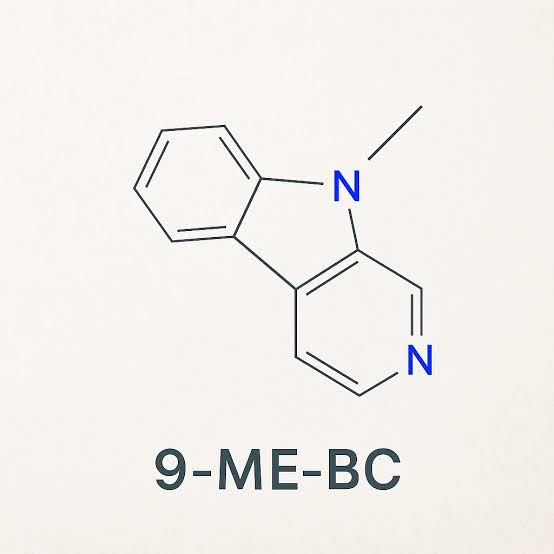
unlike conventional stimulants that primarily alter neurotransmitter activity temporarily, 9-Me-BC has been investigated for potentially more fundamental effects on neurons, including changes in neuronal growth, dopamine signalling, neurotrophic factors, inflammation and synaptic structure.
the studies on this thing show it can increase the number of dopaminergic neurons, push out more neurites, turn up a bunch of the important neurotrophic factors, and lower inflammation in the midbrain.
im going to break down what it is, what the research actually says, and whether its worth giving a fuck about.
If you just want another stim, close the tab. If you’ve been feeling flat, unmotivated, or cooked from years of blasting dopamine, keep reading.
✧ ─── ⋆⋅☆⋅⋆ ─── ✧
❖ II. Background & Discovery ❖
✧ ─── ⋆⋅☆⋅⋆ ─── ✧
9-Me-BC belongs to the β-carboline family, a chemically diverse group of compounds that occur both naturally and synthetically. β-carbolines have attracted scientific attention because different members of the family can produce dramatically different biological effects.
This is particularly important because some β-carbolines have demonstrated neurotoxic or convulsive properties. Consequently, the biological effects of one β-carboline cannot simply be assumed to apply to another.
Interest in 9-Me-BC developed from research investigating its effects on dopaminergic neurons. Researchers found that, rather unexpectedly, 9-Me-BC could stimulate characteristics associated with dopaminergic neurons rather than simply damaging them. This led to investigations into whether the compound could have neuroprotective and potentially regenerative properties.

⟢───────────────────⟣
✦The Unexpected Discovery ✦
⟢───────────────────⟣
The scientific interest in 9-Me-BC largely originated from an unexpected observation.
Researchers studying β-carbolines were interested in their possible relationship with dopaminergic neurodegeneration. However, experiments involving 9-Me-BC produced a surprising result: instead of simply producing toxicity in dopaminergic neurons, the compound increased markers associated with dopaminergic neuronal identity and stimulated neurite growth.
In early cell experiments, researchers observed increases in tyrosine hydroxylase-positive neurons
following exposure to 9-Me-BC. Tyrosine hydroxylase is particularly important because it catalyses the rate-limiting step in catecholamine synthesis and is commonly used as a marker of dopaminergic neurons.
The researchers subsequently investigated whether this represented a broader biological effect rather than an isolated laboratory finding.
Their later experiments revealed a remarkable combination of effects: stimulation of dopaminergic characteristics, neurite outgrowth, protection against experimentally induced toxicity, apparent regeneration after chronic toxic injury, and suppression of inflammatory microglial activity.
This combination is what transformed 9-Me-BC from an obscure β-carboline into a potential neuroscience research compound.
❖ II. Background & Discovery ❖
✧ ─── ⋆⋅☆⋅⋆ ─── ✧
9-Me-BC belongs to the β-carboline family, a chemically diverse group of compounds that occur both naturally and synthetically. β-carbolines have attracted scientific attention because different members of the family can produce dramatically different biological effects.
This is particularly important because some β-carbolines have demonstrated neurotoxic or convulsive properties. Consequently, the biological effects of one β-carboline cannot simply be assumed to apply to another.
Interest in 9-Me-BC developed from research investigating its effects on dopaminergic neurons. Researchers found that, rather unexpectedly, 9-Me-BC could stimulate characteristics associated with dopaminergic neurons rather than simply damaging them. This led to investigations into whether the compound could have neuroprotective and potentially regenerative properties.
⟢───────────────────⟣
✦The Unexpected Discovery ✦
⟢───────────────────⟣
The scientific interest in 9-Me-BC largely originated from an unexpected observation.
Researchers studying β-carbolines were interested in their possible relationship with dopaminergic neurodegeneration. However, experiments involving 9-Me-BC produced a surprising result: instead of simply producing toxicity in dopaminergic neurons, the compound increased markers associated with dopaminergic neuronal identity and stimulated neurite growth.
In early cell experiments, researchers observed increases in tyrosine hydroxylase-positive neurons
following exposure to 9-Me-BC. Tyrosine hydroxylase is particularly important because it catalyses the rate-limiting step in catecholamine synthesis and is commonly used as a marker of dopaminergic neurons.
The researchers subsequently investigated whether this represented a broader biological effect rather than an isolated laboratory finding.
Their later experiments revealed a remarkable combination of effects: stimulation of dopaminergic characteristics, neurite outgrowth, protection against experimentally induced toxicity, apparent regeneration after chronic toxic injury, and suppression of inflammatory microglial activity.
This combination is what transformed 9-Me-BC from an obscure β-carboline into a potential neuroscience research compound.
✧ ─── ⋆⋅☆⋅⋆ ─── ✧
⛨ III. What Makes 9-Me-BC Different? ⛨
✧ ─── ⋆⋅☆⋅⋆ ─── ✧
The most important feature of 9-Me-BC is its multimodal pharmacology.
Instead of having one obvious target, experimental studies suggest that it can influence several interconnected processes.
1. Dopaminergic differentiation
↳ 9-Me-BC increased tyrosine hydroxylase expression and altered the expression of transcription factors associated with dopaminergic neuronal development, including GATA2, GATA3, CREB1 and CREBBP.
This is significant because it suggests that 9-Me-BC may not simply increase dopamine release. It may alter the cellular machinery involved in maintaining a dopaminergic phenotype.
2. Neurite outgrowth
↳ Researchers observed increased growth of neuronal projections following exposure to 9-Me-BC.
Neurites are the developing projections that eventually become axons and dendrites. Their growth is fundamental to establishing and maintaining neuronal connectivity.
This is one reason the compound has generated so much interest: the hypothesis is not merely "more dopamine," but potentially healthier and more structurally developed neurons.
3. Neurotrophic signalling
↳ Later experiments found that 9-Me-BC stimulated the expression of several neurotrophic factors in astrocytes, including Artn, Bdnf, Egln1, Tgfb2 and Ncam1. These molecules are involved in neuronal growth, survival, differentiation and plasticity. The study also implicated the PI3K signalling pathway in these effects.
4. Neuroprotection
↳ 9-Me-BC protected dopaminergic neurons against experimentally induced damage in several models.
5. Anti-inflammatory effects
↳ The compound reduced microglial proliferation and decreased expression of inflammatory cytokines and receptors in experimental models.
6. Monoamine oxidase inhibition
↳ 9-Me-BC has also demonstrated inhibitory effects against monoamine oxidase A and B.
In the 2020 study, the reported IC50 values were approximately 1 μM for MAO-A and 15.5 μM for MAO-B in the experimental system.
This is particularly relevant because MAO enzymes metabolise monoamines including dopamine.

Taken together, these mechanisms create an unusual profile:
dopamine-related signalling + neuronal growth + neurotrophic signalling + neuroprotection + anti-inflammatory activity + MAO inhibition.
That combination is the central reason 9-Me-BC is scientifically interesting.
⛨ III. What Makes 9-Me-BC Different? ⛨
✧ ─── ⋆⋅☆⋅⋆ ─── ✧
The most important feature of 9-Me-BC is its multimodal pharmacology.
Instead of having one obvious target, experimental studies suggest that it can influence several interconnected processes.
1. Dopaminergic differentiation
↳ 9-Me-BC increased tyrosine hydroxylase expression and altered the expression of transcription factors associated with dopaminergic neuronal development, including GATA2, GATA3, CREB1 and CREBBP.
This is significant because it suggests that 9-Me-BC may not simply increase dopamine release. It may alter the cellular machinery involved in maintaining a dopaminergic phenotype.
2. Neurite outgrowth
↳ Researchers observed increased growth of neuronal projections following exposure to 9-Me-BC.
Neurites are the developing projections that eventually become axons and dendrites. Their growth is fundamental to establishing and maintaining neuronal connectivity.
This is one reason the compound has generated so much interest: the hypothesis is not merely "more dopamine," but potentially healthier and more structurally developed neurons.
3. Neurotrophic signalling
↳ Later experiments found that 9-Me-BC stimulated the expression of several neurotrophic factors in astrocytes, including Artn, Bdnf, Egln1, Tgfb2 and Ncam1. These molecules are involved in neuronal growth, survival, differentiation and plasticity. The study also implicated the PI3K signalling pathway in these effects.
4. Neuroprotection
↳ 9-Me-BC protected dopaminergic neurons against experimentally induced damage in several models.
5. Anti-inflammatory effects
↳ The compound reduced microglial proliferation and decreased expression of inflammatory cytokines and receptors in experimental models.
6. Monoamine oxidase inhibition
↳ 9-Me-BC has also demonstrated inhibitory effects against monoamine oxidase A and B.
In the 2020 study, the reported IC50 values were approximately 1 μM for MAO-A and 15.5 μM for MAO-B in the experimental system.
This is particularly relevant because MAO enzymes metabolise monoamines including dopamine.
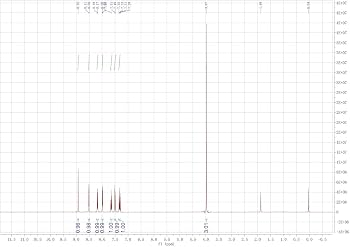
Taken together, these mechanisms create an unusual profile:
dopamine-related signalling + neuronal growth + neurotrophic signalling + neuroprotection + anti-inflammatory activity + MAO inhibition.
That combination is the central reason 9-Me-BC is scientifically interesting.
✧ ─── ⋆⋅☆⋅⋆ ─── ✧
▣ IV. Biological Effects ▣
✧ ─── ⋆⋅☆⋅⋆ ─── ✧
╭─────────────────╮
Neuron Growth & Differentiation

One of the most interesting findings is 9-Me-BC's effect on dopaminergic neurons.
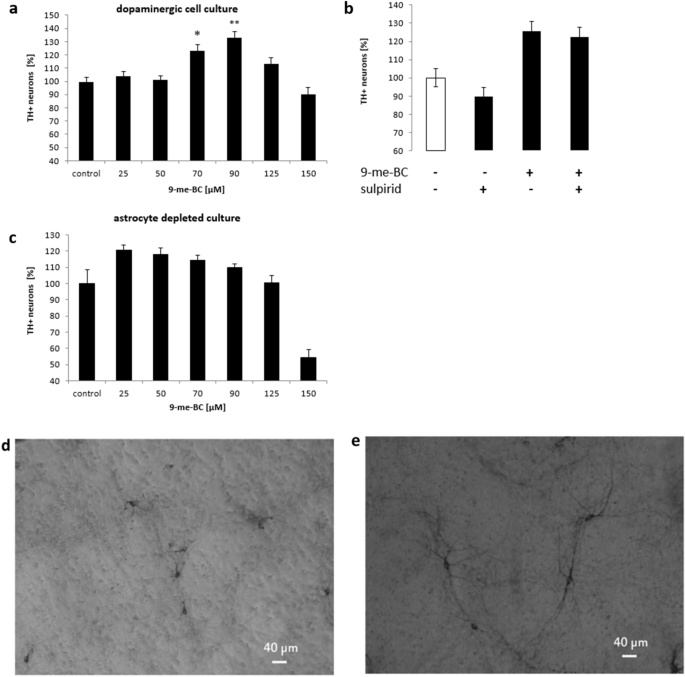
Laboratory research found increased expression of tyrosine hydroxylase, along with changes in transcription factors involved in dopaminergic neuronal function. Researchers also observed increased neurite outgrowth, meaning that neuronal projections became longer and more developed.
Further research suggested that astrocytes may contribute to these effects. 9-Me-BC increased the expression of several neurotrophic factors, including BDNF-related and other growth-associated signalling pathways, while activation of the PI3K pathway appeared to contribute to some of its effects.
This is significant because neuronal health depends not only on neurotransmitter levels but also on the growth, maintenance and connectivity of neurons.
However, it is important to distinguish neurite growth in cultured cells from actual functional brain regeneration in humans. A cell becoming more complex in a laboratory dish does not automatically mean that the same process occurs in a human brain.
⟐───────────────────────⟐
◈ Neuroprotection ◈
⟐───────────────────────⟐
9-Me-BC has also demonstrated potentially neuroprotective properties.
In laboratory models, researchers found that the compound could protect dopaminergic neurons against damage caused by substances such as lipopolysaccharide and rotenone. In a chronic toxicity model, treatment was associated with pronounced regeneration of dopaminergic neurons after toxin exposure.
Researchers have proposed several possible mechanisms, including changes in neurotrophic-factor expression, reduced apoptotic signalling and altered dopamine metabolism.
9-Me-BC has therefore been investigated as a possible future treatment for neurological disorders involving dopaminergic degeneration, particularly Parkinson's disease.
⟐───────────────────────⟐
◈ Anti-inflammatory Effects ◈
⟐───────────────────────⟐
Neuroinflammation is another major area of interest.
In cell models, 9-Me-BC reduced the proliferation of microglia following toxic stimulation and decreased the expression of inflammatory cytokines and receptors. Researchers described this as creating a more anti-inflammatory environment around the neurons.
This is potentially important because chronic neuroinflammation can contribute to neuronal dysfunction and degeneration.
However, once again, these findings should not be interpreted as proof that taking 9-Me-BC reduces neuroinflammation in healthy humans. The evidence is primarily experimental.
▣ IV. Biological Effects ▣
✧ ─── ⋆⋅☆⋅⋆ ─── ✧
╭─────────────────╮
Neuron Growth & Differentiation
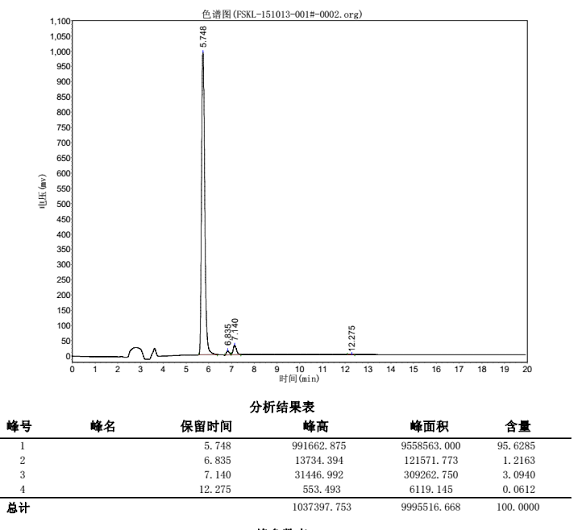
One of the most interesting findings is 9-Me-BC's effect on dopaminergic neurons.
Laboratory research found increased expression of tyrosine hydroxylase, along with changes in transcription factors involved in dopaminergic neuronal function. Researchers also observed increased neurite outgrowth, meaning that neuronal projections became longer and more developed.
Further research suggested that astrocytes may contribute to these effects. 9-Me-BC increased the expression of several neurotrophic factors, including BDNF-related and other growth-associated signalling pathways, while activation of the PI3K pathway appeared to contribute to some of its effects.
This is significant because neuronal health depends not only on neurotransmitter levels but also on the growth, maintenance and connectivity of neurons.
However, it is important to distinguish neurite growth in cultured cells from actual functional brain regeneration in humans. A cell becoming more complex in a laboratory dish does not automatically mean that the same process occurs in a human brain.
⟐───────────────────────⟐
◈ Neuroprotection ◈
⟐───────────────────────⟐
9-Me-BC has also demonstrated potentially neuroprotective properties.
In laboratory models, researchers found that the compound could protect dopaminergic neurons against damage caused by substances such as lipopolysaccharide and rotenone. In a chronic toxicity model, treatment was associated with pronounced regeneration of dopaminergic neurons after toxin exposure.
Researchers have proposed several possible mechanisms, including changes in neurotrophic-factor expression, reduced apoptotic signalling and altered dopamine metabolism.
9-Me-BC has therefore been investigated as a possible future treatment for neurological disorders involving dopaminergic degeneration, particularly Parkinson's disease.
⟐───────────────────────⟐
◈ Anti-inflammatory Effects ◈
⟐───────────────────────⟐
Neuroinflammation is another major area of interest.
In cell models, 9-Me-BC reduced the proliferation of microglia following toxic stimulation and decreased the expression of inflammatory cytokines and receptors. Researchers described this as creating a more anti-inflammatory environment around the neurons.
This is potentially important because chronic neuroinflammation can contribute to neuronal dysfunction and degeneration.
However, once again, these findings should not be interpreted as proof that taking 9-Me-BC reduces neuroinflammation in healthy humans. The evidence is primarily experimental.
✧ ─── ⋆⋅☆⋅⋆ ─── ✧
⚔ V. Cognitive and Behavioral Data ⚔
✧ ─── ⋆⋅☆⋅⋆ ─── ✧
The most directly relevant evidence for nootropic use comes from a 2012 animal study examining whether 9-Me-BC could actually improve cognition.
Researchers treated rats with 9-Me-BC and tested their spatial learning using a radial maze. After 10 days, but not after 5 days, treated animals demonstrated improved spatial learning.

The researchers also observed:
However, there is a major limitation: the study was performed in rats, not humans.
Therefore, it demonstrates that 9-Me-BC can produce measurable changes associated with cognition in an animal model, but it does not establish that the compound improves memory, intelligence, learning or academic performance in humans.
⚔ V. Cognitive and Behavioral Data ⚔
✧ ─── ⋆⋅☆⋅⋆ ─── ✧
The most directly relevant evidence for nootropic use comes from a 2012 animal study examining whether 9-Me-BC could actually improve cognition.
Researchers treated rats with 9-Me-BC and tested their spatial learning using a radial maze. After 10 days, but not after 5 days, treated animals demonstrated improved spatial learning.
The researchers also observed:
- Increased dopamine levels in the hippocampus
- More complex dendritic trees
- Increased spine numbers on dentate-gyrus neurons
- Improved performance in the spatial-learning task
However, there is a major limitation: the study was performed in rats, not humans.
Therefore, it demonstrates that 9-Me-BC can produce measurable changes associated with cognition in an animal model, but it does not establish that the compound improves memory, intelligence, learning or academic performance in humans.
✧ ─── ⋆⋅☆⋅⋆ ─── ✧
✦ VI. Practical Considerations ✦
✧ ─── ⋆⋅☆⋅⋆ ─── ✧
Dosing From the Studies
A major problem with discussing "9-Me-BC dosing" is that the research literature does not establish a validated human dose.
The doses and concentrations used in laboratory experiments vary depending on whether researchers are working with isolated cells, animals or biochemical systems. These experimental concentrations cannot simply be converted into a safe human dose.
For example, the 2012 cognitive study involved controlled administration to rats, while other studies used concentrations directly applied to cultured cells.
Therefore, research doses should be understood as experimental parameters rather than recommendations for human use.

Availability
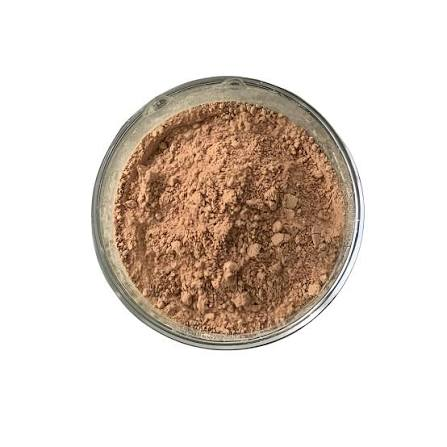
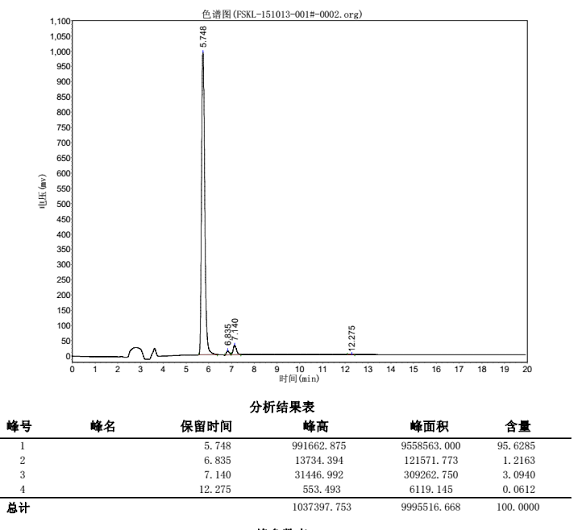
9-Me-BC is generally encountered through the research-chemical/nootropics market rather than as an approved medicine. Products marketed online should not be confused with pharmaceutical-grade products that have undergone extensive human testing.
The lack of pharmaceutical approval also means that important questions concerning purity, contaminants, identity and batch consistency can become relevant.
Risks & Unknowns
This is arguably the most important section when evaluating 9-Me-BC.
There is currently no established human safety profile comparable to that of approved medications. Long-term effects, optimal exposure, pharmacokinetics, interactions with other drugs and effects on different populations remain insufficiently characterized.
This is particularly important because β-carbolines are a pharmacologically diverse family, and some members have demonstrated harmful effects on the nervous system.
Another concern is that 9-Me-BC's biological activity is not necessarily limited to a single pathway. Its reported effects include changes to dopamine-related systems, MAO activity, neurotrophic signalling and inflammatory pathways.
Consequently, the fact that a mechanism appears beneficial in one experiment does not guarantee that chronic manipulation of that pathway will be beneficial in humans.
✦ VI. Practical Considerations ✦
✧ ─── ⋆⋅☆⋅⋆ ─── ✧
Dosing From the Studies
A major problem with discussing "9-Me-BC dosing" is that the research literature does not establish a validated human dose.
The doses and concentrations used in laboratory experiments vary depending on whether researchers are working with isolated cells, animals or biochemical systems. These experimental concentrations cannot simply be converted into a safe human dose.
For example, the 2012 cognitive study involved controlled administration to rats, while other studies used concentrations directly applied to cultured cells.
Therefore, research doses should be understood as experimental parameters rather than recommendations for human use.
Availability
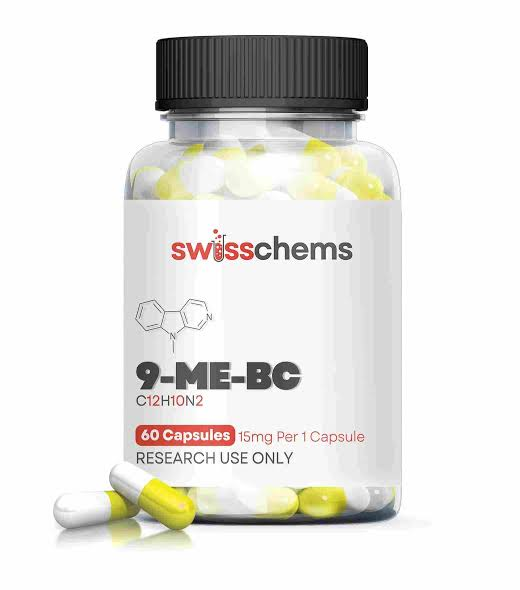
9-Me-BC is generally encountered through the research-chemical/nootropics market rather than as an approved medicine. Products marketed online should not be confused with pharmaceutical-grade products that have undergone extensive human testing.
The lack of pharmaceutical approval also means that important questions concerning purity, contaminants, identity and batch consistency can become relevant.
Risks & Unknowns
This is arguably the most important section when evaluating 9-Me-BC.
There is currently no established human safety profile comparable to that of approved medications. Long-term effects, optimal exposure, pharmacokinetics, interactions with other drugs and effects on different populations remain insufficiently characterized.
This is particularly important because β-carbolines are a pharmacologically diverse family, and some members have demonstrated harmful effects on the nervous system.
Another concern is that 9-Me-BC's biological activity is not necessarily limited to a single pathway. Its reported effects include changes to dopamine-related systems, MAO activity, neurotrophic signalling and inflammatory pathways.
Consequently, the fact that a mechanism appears beneficial in one experiment does not guarantee that chronic manipulation of that pathway will be beneficial in humans.
✧ ─── ⋆⋅☆⋅⋆ ─── ✧
⬗ VIII. Final Thoughts ⬗
✧ ─── ⋆⋅☆⋅⋆ ─── ✧
9-Me-BC is certainly one of the more scientifically intriguing compounds to appear in the nootropics space.
Its appeal comes from an unusual combination of findings: stimulation of dopaminergic neurons, neurite growth, increased neurotrophic signalling, neuroprotection, reduced inflammatory activity and improvements in spatial learning in rats.
If these effects translated reliably to humans, 9-Me-BC could potentially be far more significant than an ordinary cognitive enhancer.
But that is a big if.
The phrase "holy grail" describes the potential of the compound rather than the current state of the evidence. At present, the scientific literature provides an intriguing proof of concept, not proof of a safe and effective human nootropic.
The most accurate conclusion is therefore that 9-Me-BC is promising, unusual and worthy of further research, but nowhere near clinically established.
⬗ VIII. Final Thoughts ⬗
✧ ─── ⋆⋅☆⋅⋆ ─── ✧
9-Me-BC is certainly one of the more scientifically intriguing compounds to appear in the nootropics space.
Its appeal comes from an unusual combination of findings: stimulation of dopaminergic neurons, neurite growth, increased neurotrophic signalling, neuroprotection, reduced inflammatory activity and improvements in spatial learning in rats.
If these effects translated reliably to humans, 9-Me-BC could potentially be far more significant than an ordinary cognitive enhancer.
But that is a big if.
The phrase "holy grail" describes the potential of the compound rather than the current state of the evidence. At present, the scientific literature provides an intriguing proof of concept, not proof of a safe and effective human nootropic.
The most accurate conclusion is therefore that 9-Me-BC is promising, unusual and worthy of further research, but nowhere near clinically established.
✧ ─── ⋆⋅☆⋅⋆ ─── ✧
◉ IX. Sources ◉
✧ ─── ⋆⋅☆⋅⋆ ─── ✧
Gruss, M. et al. (2012). 9-Methyl-β-carboline-induced cognitive enhancement is associated with elevated hippocampal dopamine levels and dendritic and synaptic proliferation. Journal of Neurochemistry.
Flubacher, C. et al. (2010). The exceptional properties of 9-methyl-beta-carboline: stimulation, protection and regeneration of dopaminergic neurons coupled with anti-inflammatory effects. Journal of Neurochemistry.
Keller, S. et al. (2020). 9-Methyl-β-carboline inhibits monoamine oxidase activity and stimulates the expression of neurotrophic factors by astrocytes. Journal of Neural Transmission.
Flubacher, C. et al. (2011). Stimulation, protection and regeneration of dopaminergic neurons by 9-methyl-β-carboline: a new anti-Parkinson drug? Journal of Neural Transmission.
Venault, P. et al. (2007). From the behavioral pharmacology of beta-carbolines to seizures, anxiety, and memory. TheScientificWorldJournal.
◉ IX. Sources ◉
✧ ─── ⋆⋅☆⋅⋆ ─── ✧
Gruss, M. et al. (2012). 9-Methyl-β-carboline-induced cognitive enhancement is associated with elevated hippocampal dopamine levels and dendritic and synaptic proliferation. Journal of Neurochemistry.
Flubacher, C. et al. (2010). The exceptional properties of 9-methyl-beta-carboline: stimulation, protection and regeneration of dopaminergic neurons coupled with anti-inflammatory effects. Journal of Neurochemistry.
Keller, S. et al. (2020). 9-Methyl-β-carboline inhibits monoamine oxidase activity and stimulates the expression of neurotrophic factors by astrocytes. Journal of Neural Transmission.
Flubacher, C. et al. (2011). Stimulation, protection and regeneration of dopaminergic neurons by 9-methyl-β-carboline: a new anti-Parkinson drug? Journal of Neural Transmission.
Venault, P. et al. (2007). From the behavioral pharmacology of beta-carbolines to seizures, anxiety, and memory. TheScientificWorldJournal.
Attachments
Last edited: