A Guide on Learning How to Fight, and Run: Decision Making, Training, and Techniques.

Algernon

Algernon

contactless khhv
Joined
Mar 17, 2026
Posts
657
Reputation
665

How to Win in a Fight, and Run: Decision Making

Basic things I recommend, but are common sense:
Training for a fight is different then body building. This is a little obvious since in a fight, kicks and punches must be explosive to hurt someone.

Power & Strength

An example of a beginner fighting workout routine would be...

Monday
  • 3x5 Squat
  • 3x5 Bench Press
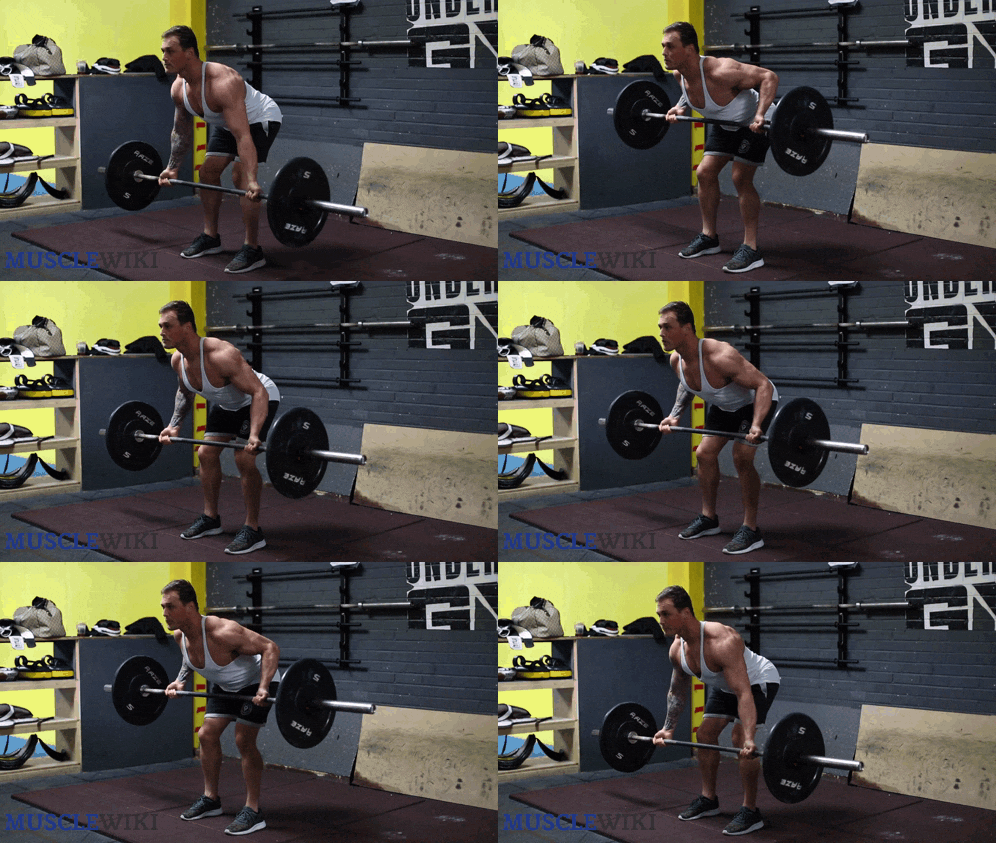
  • 3x5 Rows
Rows

Wednesday
  • 3x3 Deadlift
  • 3x5 Military Press
  • 3x10 Chinups 3 sets of 10, add weight if necessary.
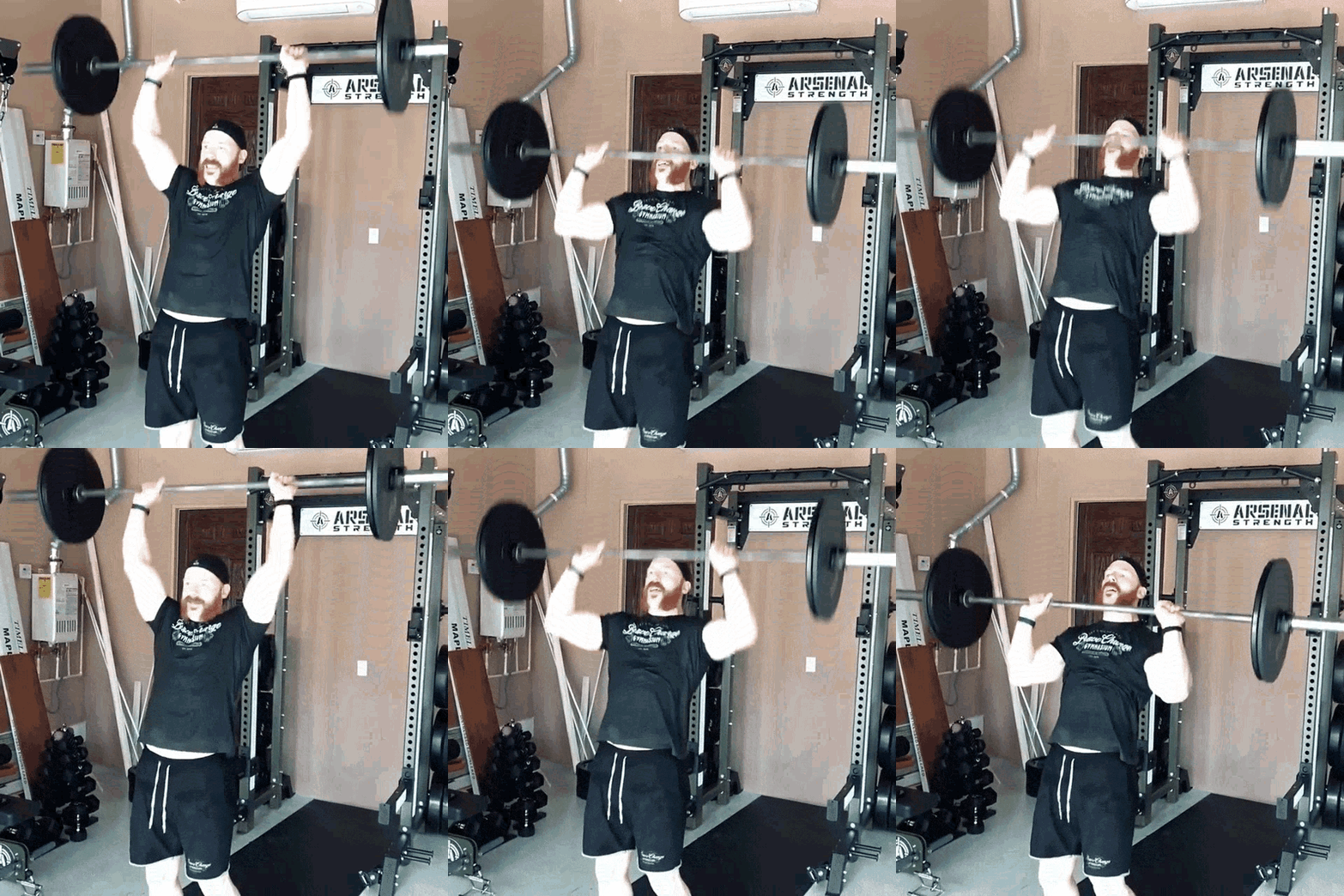
Military Press

Friday
  • 3x10 Step-Ups
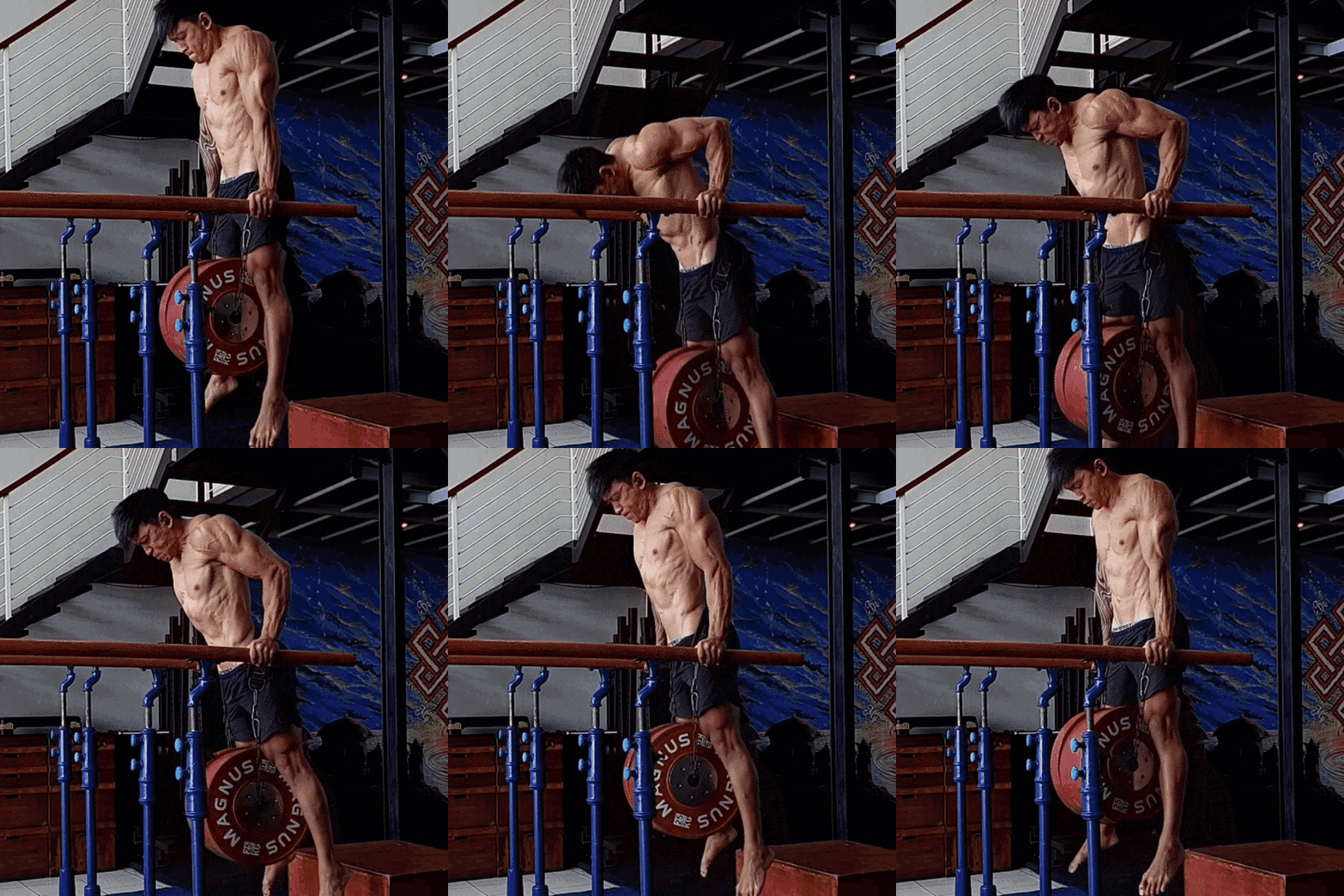
  • 3x5 Push Press or Incline Press or Dips
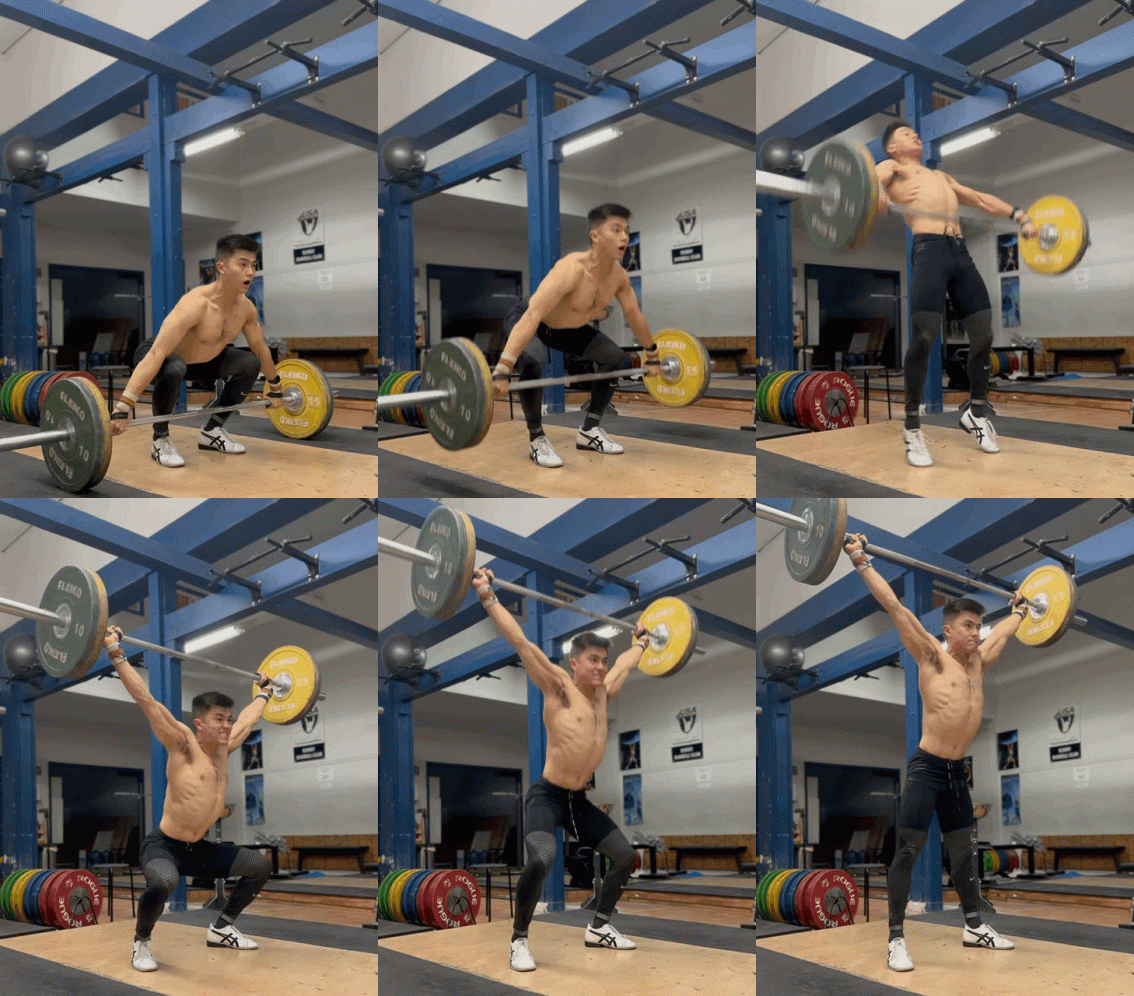
  • 5x3 Power Clean or Power Snatches
Power Snatch
Dips

Not sure if it was necessary, but I added in gifs of some of the workouts, clicking on the image it should be labeled its workout name. (Might not be)

Conditioning

Your body uses plenty of energy systems, if you use this forum frequently I'm sure you have worked out and know a little bit about them, so I'll skip over them.

Conditioning is the process of building your bodies strength to whatever it is you are doing, for example in Muay Thai they do pain conditioning by using leg rollers to kill their nerves, allowing for less painful fights. I'll be focusing on energy-based conditioning, which increases endurance.

Some recommended conditioning:
  • Swimming
  • Rowing
  • Tennis
  • Cycling
I'd only recommend two, since these are unrelated to fighting, they should only be used to complement your training. Conditioning should be done on off days and lightly in order to not harm your gains, but still support your endurance in fights.

Adding this in, bu there are reasons to learn beyond self-defense, such as...
  1. In social circles, like school fights, it can be a way to gain status.
  2. It is one of the most satisfying ways to be healthy since you train multiple goals at once.
  3. Gaining confidence knowing you are stronger then others and could defeat them could potentially lower your inhib and make you more NT.

Learn How to Fight (techniques and basics)

Firstly, in order to learn how to fight, you learn different martial arts. Martial arts are split into multiple categories, Striking, Grappling, Weapons, and Mixed. It is more important to learn one striking and one grappling, since this will give you a good ability to wrestle and hit others, allowing for greater range in areas.

So, which martial arts should you learn?

I'd recommend Muay Thai as the best striking and Brazilian Jiu-Jitsu as the best grappling, learning these two will allow for you to have the greatest variety in your ability to fight, in my opinion.

If you decide to learn how to fight with a weapon, it seems Arnis is the best weapon martial art (I wont really get into swords since the chance you find a sword or bring one out in public is low).

Now, you know what to learn, but how do you actively learn these?

The easiest way is simply signing up for a gym. But since you are on this guide, you probably do not want to learn with others. Learning alone is significantly harder, but it can be done.

Simple guides to learning alone:

Training kicks, punches, knees and elbows, know your different strikes and when to use them.

Punches


This is a very high-level example of arm strikes, straight punch forward, small step forward, knees well bent. When you are throwing jabs, this video shows you what your goal is. There are more specialized jabs beyond this that are dependent on the circumstance, however this is a beginner guide.

Kicks

I'd say the most important kick to learn is the leg kick, and its defense.

Other kicks are more easily reacted to and harder to learn for others, so at a beginner level, which fights usually are, the leg kick is the most commonly seen.
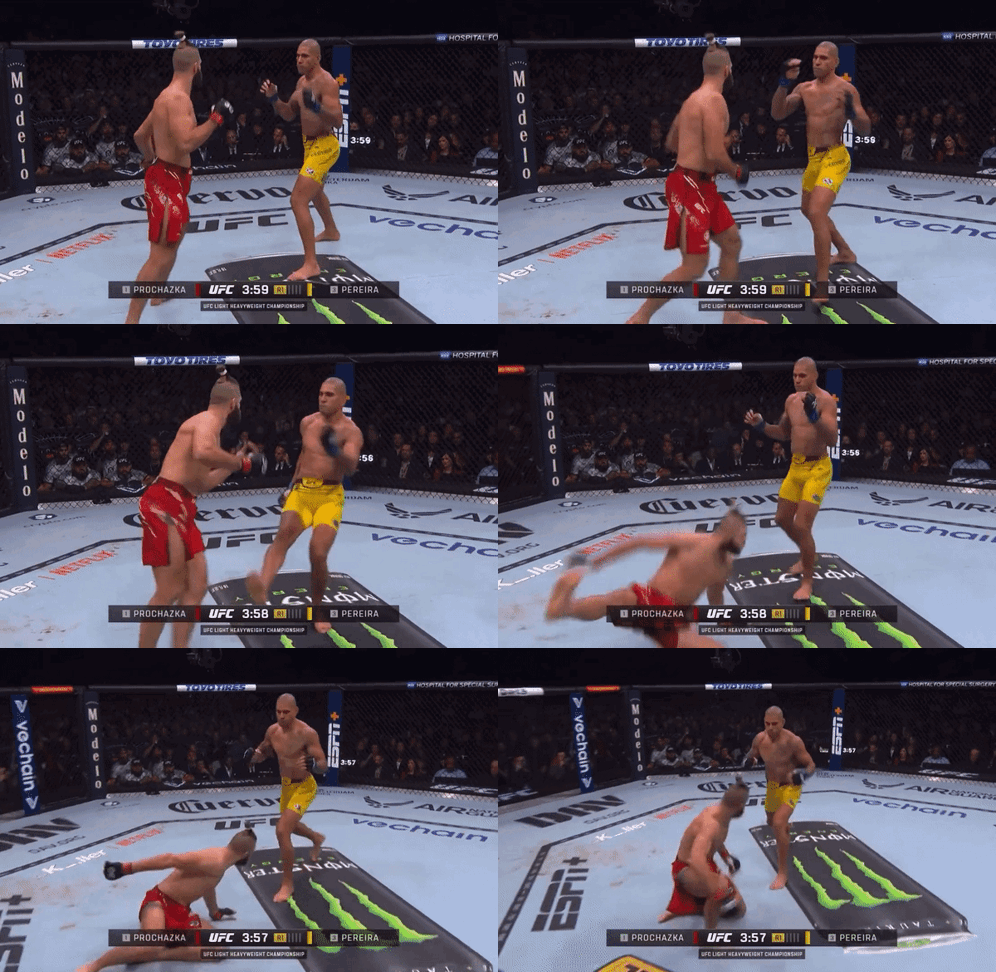
alex-pereira-jiri-prochazka.gif


An example of a leg kick, kicking the calf.

ay1Jbi1NTUEuanBn


An example of a defense, by turning the shin in. This will hurt both legs, which is why it's recommended to condition your legs from pain.

Beyond this, there are medium and high kicks, however they are at a more intermediate level.

There is also a move that is usually illegal in the UFC, where you strike by stomping on the knee of the other person, attempting to force their knee to bend, although I do not know this move too well, it is worth looking into.

a1bn-M8-G9Tqxsjz5WFKOeTxvj6kk80oOfIGiO-AWhQ.jpg


Elbows


Some elbows you should learn for muay thai are:

Uppercut Elbow:

As shown in the photo, you quickly get close to your target by taking a step, and then (you should be in the boxing pose, where your arms are guarding your face and high up), drive your elbow up into the chin.

dWxhdjkwaVBwVlM


Hook Elbow:


For some reason its annoyingly difficult to find photos of this, so describing it in words:

Set up: Stand up, keep your fist on your pec, then turn your elbow from being on your hip to infront of your neck. (Essentially, you are slashing your elbow across your opponents face).

It should come up and in, this way its less predictable and goes faster without time to predict, making a stronger strike.

Knees

Knees can hurt a lot in close range due to how hard the knee is, but they are very risky due to having to get so close, usually only possible in clinches, I'll briefly speak on one though.

Front Knee:

This is done by taking a quick step into the opponents space and quickly driving the opposite legs knee (step foreward with left foot? then drive the right knee up) into the face of the opponent, this move is hard to pull off in a real fight but if you can, it hurts a lot.


At home, you can try to learn BJJ, but it really will be hard, I'd recommend either training dummies or partners (you can buy then online, but it's much more expensive and less effective then just going to a gym or hiring someone/a friend).

Positions

Guards

On these I am assuming you are in a bad spot, otherwise if you are looking at this from the dominant position, your goal is to stop the opponent from using these escapes and use one of the submissions.


This is probably the most well-known part of grappling as a whole, someone is on their back while the other is ontop.
  • Open Guard - Remain aggressive and keep attacking. An example of open guard is shown below, it is somewhat of an open position since all it means is that your legs are not locked.
open-guard.jpg

  • Close Guard - Keep your elbows inside the thighs and push up on them to try and create an opening. Below is an example of a closed guard, where both legs are locked in place.
Rangers_in_Action_01-African_Land_Forces_Summit-US_Army_Africa-13_MAY_2010_%28cropped%29.jpg


Mount

NTRk

The person on the bottom is on their back, the person on the top is facing them, this is one of the best positions (ontop), or worst positions (on bottom) you can be in. It is still possible to escape though, shown in this video.


Controls
  • Side Control - It is pretty similar to the mount, but instead of being ontop, the top person is leaning/facing over the persons side (so hip to hip on the bottom person is about where neck to waist for the top person is).
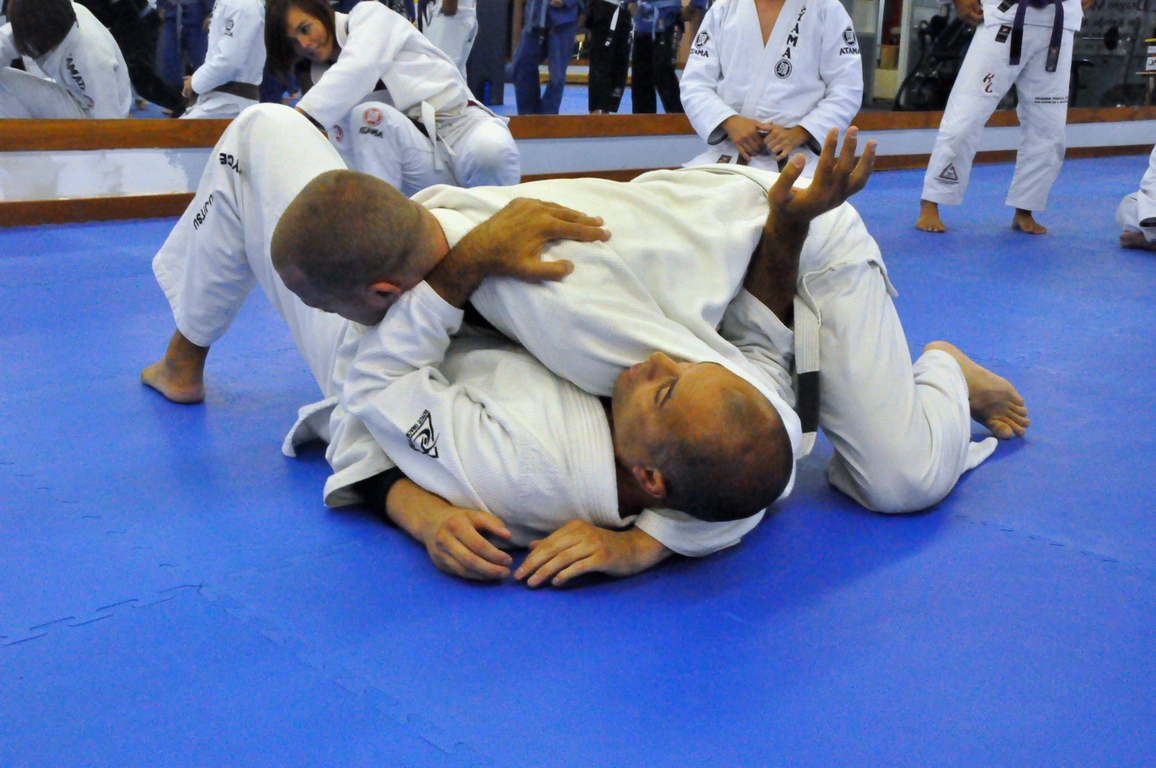
Royce_Gracie_Demonstration_09.jpg


Skip to 50 seconds to see the escape.
  • Back Control - Unlike before, now both are grabbing each other but now both are facing in the same direction, both have their backs facing the same way. The goal here is (usually) to try and break out and face your opponent.
NTAw


An example of the back control being broken out of.

Submissions
  • Armbar - The goal is to isolate their arm and then put pressure enough to damage it and get the other person to back out. A lot of photos of this online vary due different positions being able to do this.
Zw

  • Triangle Choke - Wrap your legs around their neck and one arm, attempting to choke them out by cutting off blood. (This one is one of the most effective submissions, important to learn).
dHJpYW5nbGUuanBn

  • Rear Naked Choke - Put your elbow on their neck, control the rest of their body and choke with your elbow.
shutterstock_53553163.jpg

  • Kimura - Grab their arm, trap the wrist behind their back, pulling their shoulder. Kimura is somewhat hard to learn, but it works in almost any position.
Zw


After learning all this, continue to practice and learn more, use a punching bag, record your strikes and attempt to compare them with professionals. Lastly, try to get someone to at least hit you so you can learn the defense, and not just the offense.

How to fight in different scenarios with your new knowledge

(Hand to hand of someone with equal stature):


This is pretty much the standard fighting advice, use BJJ and Muay Thai as I suggested, you will learn after training you are either better at Muay Thai or BJJ, attempt to settle with striking first if you are better at it, if you are winning continue with striking and if you begin losing attempt to settle into grappling to see if you have a chance or run.

(Other person has a weapon, equal fight):

No hope of winning, unless you are able to get the weapon out of their hand, you should run. If you are unable to run, and you learned Eskrima or Arnis (weapon martial arts), maybe theres a chance, but I am not too good with weapons, so I can't speak too well.

(If the other person is taller):

Then standard advice is take them down to the ground with grappling or attempt to use leg strikes, jabs are hard to see aswell, so those 3 will be your main tools, still you are fighting at a disadvantage and must know more about fighting then the opponent.

When you get into a dangerous scenario, you will have to run. But how do you train to run faster?

I'll be going through this quickly since theres a lot more research here by just searching up track and field training routine.

Firstly, you should prioritize training for short distance running. This is because you will be training for strong kicks and explosive legs anyways, if you train long distance the two don't entirely cancel out but gains are weaker then they could be.

So for legs, the goal is similar to Usain Bolt while also coexisting with your fight training, so we mainly will focus on the actual running.
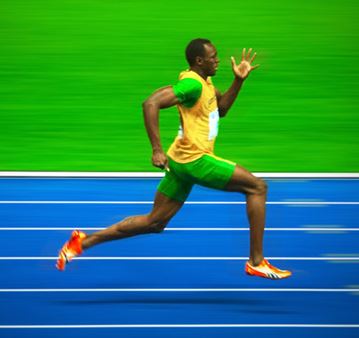
Usain-sprint.jpg


As you can see in this photo, he runs with a straight line through him while keeping a forward lean to push him forward, this is standard practice when running.

Follow up with breathwork as well, when running it is recommended to take light breaths and not large breaths.

Conclusion
While everything on here is valid, at the end of the day, practicing with others will be more effective since you learn both offensive and defensive methods in fighting better.
 
  • +1
Reactions: Mess, KellSS, Divineincel and 11 others
@munnabhai @kisslessvirgin

u guys asked me to tag u on the last thread
 
  • +1
Reactions: munnabhai and kisslessvirgin
Gpt
 
  • +1
  • Woah
  • So Sad
Reactions: epic09, ss07, joojuszn and 1 other person
1777082589807


seems legit

bookmarked, will read later
 
  • +1
Reactions: Sayori, epic09 and Algernon
good effort boyo

skimmed through it, looks good

bookmarked will read in its entirety later
 
  • +1
Reactions: epic09 and Algernon
Great thread
 
  • +1
Reactions: Algernon
good read

do a part 2 forsure

covering psychology of fighting. (how to read opponent behaviors)
science of how and where to punch (placement and location)
etc
 
  • +1
Reactions: Algernon
Dnr but look good
 
  • +1
Reactions: Algernon
good read

do a part 2 forsure

covering psychology of fighting. (how to read opponent behaviors)
science of how and where to punch (placement and location)
etc
alr, i'll work on it soon, i'll probably also add some extra intermediate stuff in fighting (extra guards and submissions, slightly more on weapons in its own spoiler etc)
 
dnr, because you can't teach fighting through text jfl
 
  • +1
  • JFL
Reactions: lnceIs, epic09 and Algernon
dnr, because you can't teach fighting through text jfl
you can

fighting has training, what martial arts to learn, specific moves from these martial arts to learn (for beginners), and making decisions to run + using gifs and youtube videos helps

while i can't teach how to actually do these moves i also put in ways for people to practice so they can learn how to fight beyond this
 
Good thread. Boxing and Wrestling is better than MT and BJJ though imo
 
  • +1
Reactions: Algernon
you can

fighting has training, what martial arts to learn, specific moves from these martial arts to learn (for beginners), and making decisions to run + using gifs and youtube videos helps

while i can't teach how to actually do these moves i also put in ways for people to practice so they can learn how to fight beyond this
you need real life experience so you can actually fight. just watching or reading a book is not gonna make you the next jon jones (even though he self taught he started sparring and gaining experience)
 
  • +1
Reactions: lnceIs and Algernon
you need real life experience so you can actually fight. just watching or reading a book is not gonna make you the next jon jones (even though he self taught he started sparring and gaining experience)
while i can't teach how to actually do these moves i also put in ways for people to practice so they can learn how to fight beyond this
 
  • +1
Reactions: whiteegyptian
Good thread.
thanks
Boxing and Wrestling is better than MT and BJJ though imo
boxing doesn't really teach kicks, elbows or knees and their defenses though, in an actual fight i think a boxer would get caught off guard by a stomp

bjj absorbed a lot of styles from other grappling like wrestling, which is why i recommended it

a pure wrestler with some knowledge of bjj defense would probably win though
 
  • +1
Reactions: lnceIs and Lonely
thanks

boxing doesn't really teach kicks, elbows or knees and their defenses though, in an actual fight i think a boxer would get caught off guard by a stomp

bjj absorbed a lot of styles from other grappling like wrestling, which is why i recommended it

a pure wrestler with some knowledge of bjj defense would probably win though
Yes, but I feel like in a street fight it’s better to be good at 1 or 2 things then be mid at everything. And a good punch can end things very fast.
 
  • +1
Reactions: Algernon
Yes, but I feel like in a street fight it’s better to be good at 1 or 2 things then be mid at everything. And a good punch can end things very fast.
ig thats true

tbh, there isn't much difference overall in different martial arts, the main difference is the sport rules of whats allowed, and the strikes are optimized for this

because of this, some are horrible, while the good ones usually have a lot of overlap (wrestling and bjj are pretty similar, just that bjj has more submissions so it is better for real fights)

i don't think it really should be broken down into subsets of martial arts but instead the attacks that can be done with parts of your body in striking and the defenses, same with grappling

it is more like you are becoming good at one limited way of striking and grappling

while you can get knocked out if you are mid at a decent amount of stuff, if you are able to hold on long enough you can try and transfer between what you are good at to win
 
  • +1
Reactions: Lonely and GuyFromSingapore
ig thats true

tbh, there isn't much difference overall in different martial arts, the main difference is the sport rules of whats allowed, and the strikes are optimized for this

because of this, some are horrible, while the good ones usually have a lot of overlap (wrestling and bjj are pretty similar, just that bjj has more submissions so it is better for real fights)

i don't think it really should be broken down into subsets of martial arts but instead the attacks that can be done with parts of your body in striking and the defenses, same with grappling

it is more like you are becoming good at one limited way of striking and grappling

while you can get knocked out if you are mid at a decent amount of stuff, if you are able to hold on long enough you can try and transfer between what you are good at to win
Yes I agree

As long as you have Striking and Grappling training and live sparring for a year or two you can fuck up basically anyone on the street as long as you’re above 75kg
 
  • +1
Reactions: Algernon
yeah most people in street fights are also beginners
 
Last edited:

How to Win in a Fight, and Run: Decision Making

Basic things I recommend, but are common sense:
Training for a fight is different then body building. This is a little obvious since in a fight, kicks and punches must be explosive to hurt someone.

Power & Strength

An example of a beginner fighting workout routine would be...

Monday
  • 3x5 Squat
  • 3x5 Bench Press
  • 3x5 Rows
Rows

Wednesday
  • 3x3 Deadlift
  • 3x5 Military Press
  • 3x10 Chinups 3 sets of 10, add weight if necessary.
Military Press

Friday
  • 3x10 Step-Ups
  • 3x5 Push Press or Incline Press or Dips
  • 5x3 Power Clean or Power Snatches
Power Snatch
Dips

Not sure if it was necessary, but I added in gifs of some of the workouts, clicking on the image it should be labeled its workout name. (Might not be)

Conditioning

Your body uses plenty of energy systems, if you use this forum frequently I'm sure you have worked out and know a little bit about them, so I'll skip over them.

Conditioning is the process of building your bodies strength to whatever it is you are doing, for example in Muay Thai they do pain conditioning by using leg rollers to kill their nerves, allowing for less painful fights. I'll be focusing on energy-based conditioning, which increases endurance.

Some recommended conditioning:
  • Swimming
  • Rowing
  • Tennis
  • Cycling
I'd only recommend two, since these are unrelated to fighting, they should only be used to complement your training. Conditioning should be done on off days and lightly in order to not harm your gains, but still support your endurance in fights.

Adding this in, bu there are reasons to learn beyond self-defense, such as...
  1. In social circles, like school fights, it can be a way to gain status.
  2. It is one of the most satisfying ways to be healthy since you train multiple goals at once.
  3. Gaining confidence knowing you are stronger then others and could defeat them could potentially lower your inhib and make you more NT.

Learn How to Fight (techniques and basics)

Firstly, in order to learn how to fight, you learn different martial arts. Martial arts are split into multiple categories, Striking, Grappling, Weapons, and Mixed. It is more important to learn one striking and one grappling, since this will give you a good ability to wrestle and hit others, allowing for greater range in areas.

So, which martial arts should you learn?

I'd recommend Muay Thai as the best striking and Brazilian Jiu-Jitsu as the best grappling, learning these two will allow for you to have the greatest variety in your ability to fight, in my opinion.

If you decide to learn how to fight with a weapon, it seems Arnis is the best weapon martial art (I wont really get into swords since the chance you find a sword or bring one out in public is low).

Now, you know what to learn, but how do you actively learn these?

The easiest way is simply signing up for a gym. But since you are on this guide, you probably do not want to learn with others. Learning alone is significantly harder, but it can be done.

Simple guides to learning alone:

Training kicks, punches, knees and elbows, know your different strikes and when to use them.

Punches


This is a very high-level example of arm strikes, straight punch forward, small step forward, knees well bent. When you are throwing jabs, this video shows you what your goal is. There are more specialized jabs beyond this that are dependent on the circumstance, however this is a beginner guide.

Kicks

I'd say the most important kick to learn is the leg kick, and its defense.

Other kicks are more easily reacted to and harder to learn for others, so at a beginner level, which fights usually are, the leg kick is the most commonly seen.

alex-pereira-jiri-prochazka.gif


An example of a leg kick, kicking the calf.

ay1Jbi1NTUEuanBn


An example of a defense, by turning the shin in. This will hurt both legs, which is why it's recommended to condition your legs from pain.

Beyond this, there are medium and high kicks, however they are at a more intermediate level.

There is also a move that is usually illegal in the UFC, where you strike by stomping on the knee of the other person, attempting to force their knee to bend, although I do not know this move too well, it is worth looking into.

a1bn-M8-G9Tqxsjz5WFKOeTxvj6kk80oOfIGiO-AWhQ.jpg


Elbows


Some elbows you should learn for muay thai are:

Uppercut Elbow:

As shown in the photo, you quickly get close to your target by taking a step, and then (you should be in the boxing pose, where your arms are guarding your face and high up), drive your elbow up into the chin.

dWxhdjkwaVBwVlM


Hook Elbow:


For some reason its annoyingly difficult to find photos of this, so describing it in words:

Set up: Stand up, keep your fist on your pec, then turn your elbow from being on your hip to infront of your neck. (Essentially, you are slashing your elbow across your opponents face).

It should come up and in, this way its less predictable and goes faster without time to predict, making a stronger strike.

Knees

Knees can hurt a lot in close range due to how hard the knee is, but they are very risky due to having to get so close, usually only possible in clinches, I'll briefly speak on one though.

Front Knee:

This is done by taking a quick step into the opponents space and quickly driving the opposite legs knee (step foreward with left foot? then drive the right knee up) into the face of the opponent, this move is hard to pull off in a real fight but if you can, it hurts a lot.


At home, you can try to learn BJJ, but it really will be hard, I'd recommend either training dummies or partners (you can buy then online, but it's much more expensive and less effective then just going to a gym or hiring someone/a friend).

Positions

Guards

On these I am assuming you are in a bad spot, otherwise if you are looking at this from the dominant position, your goal is to stop the opponent from using these escapes and use one of the submissions.


This is probably the most well-known part of grappling as a whole, someone is on their back while the other is ontop.
  • Open Guard - Remain aggressive and keep attacking. An example of open guard is shown below, it is somewhat of an open position since all it means is that your legs are not locked.
open-guard.jpg

  • Close Guard - Keep your elbows inside the thighs and push up on them to try and create an opening. Below is an example of a closed guard, where both legs are locked in place.
Rangers_in_Action_01-African_Land_Forces_Summit-US_Army_Africa-13_MAY_2010_%28cropped%29.jpg


Mount

NTRk

The person on the bottom is on their back, the person on the top is facing them, this is one of the best positions (ontop), or worst positions (on bottom) you can be in. It is still possible to escape though, shown in this video.


Controls
  • Side Control - It is pretty similar to the mount, but instead of being ontop, the top person is leaning/facing over the persons side (so hip to hip on the bottom person is about where neck to waist for the top person is).
Royce_Gracie_Demonstration_09.jpg


Skip to 50 seconds to see the escape.
  • Back Control - Unlike before, now both are grabbing each other but now both are facing in the same direction, both have their backs facing the same way. The goal here is (usually) to try and break out and face your opponent.
NTAw


An example of the back control being broken out of.

Submissions
  • Armbar - The goal is to isolate their arm and then put pressure enough to damage it and get the other person to back out. A lot of photos of this online vary due different positions being able to do this.
Zw

  • Triangle Choke - Wrap your legs around their neck and one arm, attempting to choke them out by cutting off blood. (This one is one of the most effective submissions, important to learn).
dHJpYW5nbGUuanBn

  • Rear Naked Choke - Put your elbow on their neck, control the rest of their body and choke with your elbow.
shutterstock_53553163.jpg

  • Kimura - Grab their arm, trap the wrist behind their back, pulling their shoulder. Kimura is somewhat hard to learn, but it works in almost any position.
Zw


After learning all this, continue to practice and learn more, use a punching bag, record your strikes and attempt to compare them with professionals. Lastly, try to get someone to at least hit you so you can learn the defense, and not just the offense.

How to fight in different scenarios with your new knowledge

(Hand to hand of someone with equal stature):


This is pretty much the standard fighting advice, use BJJ and Muay Thai as I suggested, you will learn after training you are either better at Muay Thai or BJJ, attempt to settle with striking first if you are better at it, if you are winning continue with striking and if you begin losing attempt to settle into grappling to see if you have a chance or run.

(Other person has a weapon, equal fight):

No hope of winning, unless you are able to get the weapon out of their hand, you should run. If you are unable to run, and you learned Eskrima or Arnis (weapon martial arts), maybe theres a chance, but I am not too good with weapons, so I can't speak too well.

(If the other person is taller):

Then standard advice is take them down to the ground with grappling or attempt to use leg strikes, jabs are hard to see aswell, so those 3 will be your main tools, still you are fighting at a disadvantage and must know more about fighting then the opponent.

When you get into a dangerous scenario, you will have to run. But how do you train to run faster?

I'll be going through this quickly since theres a lot more research here by just searching up track and field training routine.

Firstly, you should prioritize training for short distance running. This is because you will be training for strong kicks and explosive legs anyways, if you train long distance the two don't entirely cancel out but gains are weaker then they could be.

So for legs, the goal is similar to Usain Bolt while also coexisting with your fight training, so we mainly will focus on the actual running.

Usain-sprint.jpg


As you can see in this photo, he runs with a straight line through him while keeping a forward lean to push him forward, this is standard practice when running.

Follow up with breathwork as well, when running it is recommended to take light breaths and not large breaths.

Conclusion
While everything on here is valid, at the end of the day, practicing with others will be more effective since you learn both offensive and defensive methods in fighting better.

running is for pussies. high t chads accept their fate and die in battle with honor
 
  • Hmm...
Reactions: Algernon
running is for pussies. high t chads accept their fate and die in battle with honor
fair if thats what you believe

idc about honor and fate

im js trying to live a good life
 
  • +1
Reactions: zurrity
This thread is a joke, learning by yourself is not a valid option. You either join a club or you'll never learn how to fight.

you can

fighting has training, what martial arts to learn, specific moves from these martial arts to learn (for beginners), and making decisions to run + using gifs and youtube videos helps

while i can't teach how to actually do these moves i also put in ways for people to practice so they can learn how to fight beyond this
No you're wrong. You have never fought before lmao

"making decision to run"

You basically said if the other guy has a knife run

Like...? No shit nigga


Good thread. Boxing and Wrestling is better than MT and BJJ though imo
Boxing is not better than Muay Thai. You are absolutely delusional.

Just do MMA and you got it all in one package.
 
  • +1
Reactions: Algernon
This thread is a joke, learning by yourself is not a valid option. You either join a club or you'll never learn how to fight.
people can learn how to fight on their own

as i said in the thread its less effective, but floyd mayweather (decent boxer) started off practicing punches before sparring

you get technique (practicing alone) and power (training alone) down

experience is really important from training but at the very end i said
While everything on here is valid, at the end of the day, practicing with others will be more effective since you learn both offensive and defensive methods in fighting better.

"making decision to run"


You basically said if the other guy has a knife run

Like...? No shit nigga
yeah that was obvious of me to say

still the rest holds up
Boxing is not better than Muay Thai. You are absolutely delusional.


Just do MMA and you got it all in one package.
"Just do MMA"

you attach titles to things too much

mma is just a title covering striking and grappling, it takes the exact same amount of time because just as everything else they teach striking and grappling seperately, just as you learn muay thai and bjj seperately

the main difference with MMA is it covers the transition from striking to grappling and the opposite aswell

i was js saying the specifics to learn
 
people can learn how to fight on their own

as i said in the thread its less effective, but floyd mayweather (decent boxer) started off practicing punches before sparring

you get technique (practicing alone) and power (training alone) down

experience is really important from training but at the very end i said
Again, I just know you never stepped foot into the ring off of that.

You can practice technique on your own, albeit less effective, but you don't do sparring so you're still gonna get dogwalked in a real fight. You don't even learn how to chase people, hit them etc.

Learning the movement is so incredibly ineffective, you need fighting experience as well. Just join a club or LDAR. Floyd Mayweather practiced punches, so what?


"Just do MMA"

you attach titles to things too much

mma is just a title covering striking and grappling, it takes the exact same amount of time because just as everything else they teach striking and grappling seperately, just as you learn muay thai and bjj seperately

the main difference with MMA is it covers the transition from striking to grappling and the opposite aswell

i was js saying the specifics to learn
MMA is more accessible than Muay Thai + BJJ, so I was wondering why you said to learn these separately.

Also, Wrestling seems to be more effective than BJJ alone, from what I've seen
 
Again, I just know you never stepped foot into the ring off of that.

You can practice technique on your own, albeit less effective, but you don't do sparring so you're still gonna get dogwalked in a real fight. You don't even learn how to chase people, hit them etc.

Learning the movement is so incredibly ineffective, you need fighting experience as well. Just join a club or LDAR. Floyd Mayweather practiced punches, so what?
yeah clubs are more effective, i said that in the main thread a lot that its better to spar and gain experience

but some people on this forum do not like being in public

for example (understandably) they'd build a home gym instead of going to a gym

so i made this guide to at least help them from being blocked off of fighting and try to teach them at least a little

better to know some things then nothing
 
This thread is a joke, learning by yourself is not a valid option. You either join a club or you'll never learn how to fight.


No you're wrong. You have never fought before lmao

"making decision to run"

You basically said if the other guy has a knife run

Like...? No shit nigga


Boxing is not better than Muay Thai. You are absolutely delusional.

Just do MMA and you got it all in one package.
I don’t think saying Boxing is better for self defence than MT is a crazy take. You can make a good argument for either.

You do realise a common way MMA is taught is through learning the disciplines separately, right?
 
  • +1
Reactions: Algernon
I don’t think saying Boxing is better for self defence than MT is a crazy take. You can make a good argument for either.
It's a crazy take.

People in 2026 still think it's the 80s where Muay Thai fighters don't know how to deal with boxing pressure

In our club the Muay Thai fighters could compete in boxing entry level amateur fights

You do realise a common way MMA is taught is through learning the disciplines separately, right?
Okay..?
 
Last edited:
  • Woah
Reactions: Algernon
Well what do you think Sherlock?
Then you should know good hands is a massive advantage. Some of the best fighters in MMA like Ilia and Yan barely throw kicks and are almost entirely dominant based on good boxing
 
  • +1
Reactions: lnceIs and Algernon
Well what do you think Sherlock?
did you read what i said
yeah clubs are more effective, i said that in the main thread a lot that its better to spar and gain experience

but some people on this forum do not like being in public

for example (understandably) they'd build a home gym instead of going to a gym

so i made this guide to at least help them from being blocked off of fighting and try to teach them at least a little

better to know some things then nothing
 
  • +1
Reactions: Lonely and lnceIs
did you read what i said
I totally get you. If it wasn’t the fact I’d been gymcelling for years and was 200lbs+ I’d have gotten cooked totally my first time. So if you’re a regular skinny guy going to a MMA gym is basically asking to beaten up which is very difficult mentally.
 
  • +1
Reactions: lnceIs and Algernon
Then you should know good hands is a massive advantage. Some of the best fighters in MMA like Ilia and Yan barely throw kicks and are almost entirely dominant based on good boxing
It's different on the highest level where they are more lethal. In entry level amateur fights nobody really knows what they are doing.

Wrestling mogs, because without rules one takedown usually ends the fight.

Muay Thai comes second.

 
  • Woah
Reactions: Algernon
I totally get you. If it wasn’t the fact I’d been gymcelling for years and was 200lbs+ I’d have gotten cooked totally my first time. So if you’re a regular skinny guy going to a MMA gym is basically asking to beaten up which is very difficult mentally.
did you read what i said
If you can't muster up the courage; I'm sorry, but fighting might not be for you.

I showed up back when I was a 5'8 and 120lbs kiddo with giga high inhib and I managed just fine. The only excuse is if there are no gyms nearby, at which point you should just ldar tbh.
 
  • +1
Reactions: Algernon and Lonely
It's different on the highest level where they are more lethal. In entry level amateur fights nobody really knows what they are doing.

Wrestling mogs, because without rules one takedown usually ends the fight.

Muay Thai comes second.


wrestling is good but it’s still risky

In a street fight you wanna end things ASAP

Imagine being in a crowded place and getting stuck in a grappling engagement

Better to knock the other person out and run
 
  • +1
Reactions: Algernon and lnceIs
If you can't muster up the courage; I'm sorry, but fighting might not be for you.

I showed up back when I was a 5'8 and 120lbs kiddo with giga high inhib and I managed just fine. The only excuse is if there are no gyms nearby, at which point you should just ldar tbh.
I go now lol regularly, but having that initial advantage got me through my high inhib nature 🤷‍♂️
 
  • +1
Reactions: Algernon and lnceIs

How to Win in a Fight, and Run: Decision Making

Basic things I recommend, but are common sense:
Training for a fight is different then body building. This is a little obvious since in a fight, kicks and punches must be explosive to hurt someone.

Power & Strength

An example of a beginner fighting workout routine would be...

Monday
  • 3x5 Squat
  • 3x5 Bench Press
  • 3x5 Rows
Rows

Wednesday
  • 3x3 Deadlift
  • 3x5 Military Press
  • 3x10 Chinups 3 sets of 10, add weight if necessary.
Military Press

Friday
  • 3x10 Step-Ups
  • 3x5 Push Press or Incline Press or Dips
  • 5x3 Power Clean or Power Snatches
Power Snatch
Dips

Not sure if it was necessary, but I added in gifs of some of the workouts, clicking on the image it should be labeled its workout name. (Might not be)

Conditioning

Your body uses plenty of energy systems, if you use this forum frequently I'm sure you have worked out and know a little bit about them, so I'll skip over them.

Conditioning is the process of building your bodies strength to whatever it is you are doing, for example in Muay Thai they do pain conditioning by using leg rollers to kill their nerves, allowing for less painful fights. I'll be focusing on energy-based conditioning, which increases endurance.

Some recommended conditioning:
  • Swimming
  • Rowing
  • Tennis
  • Cycling
I'd only recommend two, since these are unrelated to fighting, they should only be used to complement your training. Conditioning should be done on off days and lightly in order to not harm your gains, but still support your endurance in fights.

Adding this in, bu there are reasons to learn beyond self-defense, such as...
  1. In social circles, like school fights, it can be a way to gain status.
  2. It is one of the most satisfying ways to be healthy since you train multiple goals at once.
  3. Gaining confidence knowing you are stronger then others and could defeat them could potentially lower your inhib and make you more NT.

Learn How to Fight (techniques and basics)

Firstly, in order to learn how to fight, you learn different martial arts. Martial arts are split into multiple categories, Striking, Grappling, Weapons, and Mixed. It is more important to learn one striking and one grappling, since this will give you a good ability to wrestle and hit others, allowing for greater range in areas.

So, which martial arts should you learn?

I'd recommend Muay Thai as the best striking and Brazilian Jiu-Jitsu as the best grappling, learning these two will allow for you to have the greatest variety in your ability to fight, in my opinion.

If you decide to learn how to fight with a weapon, it seems Arnis is the best weapon martial art (I wont really get into swords since the chance you find a sword or bring one out in public is low).

Now, you know what to learn, but how do you actively learn these?

The easiest way is simply signing up for a gym. But since you are on this guide, you probably do not want to learn with others. Learning alone is significantly harder, but it can be done.

Simple guides to learning alone:

Training kicks, punches, knees and elbows, know your different strikes and when to use them.

Punches


This is a very high-level example of arm strikes, straight punch forward, small step forward, knees well bent. When you are throwing jabs, this video shows you what your goal is. There are more specialized jabs beyond this that are dependent on the circumstance, however this is a beginner guide.

Kicks

I'd say the most important kick to learn is the leg kick, and its defense.

Other kicks are more easily reacted to and harder to learn for others, so at a beginner level, which fights usually are, the leg kick is the most commonly seen.

alex-pereira-jiri-prochazka.gif


An example of a leg kick, kicking the calf.

ay1Jbi1NTUEuanBn


An example of a defense, by turning the shin in. This will hurt both legs, which is why it's recommended to condition your legs from pain.

Beyond this, there are medium and high kicks, however they are at a more intermediate level.

There is also a move that is usually illegal in the UFC, where you strike by stomping on the knee of the other person, attempting to force their knee to bend, although I do not know this move too well, it is worth looking into.

a1bn-M8-G9Tqxsjz5WFKOeTxvj6kk80oOfIGiO-AWhQ.jpg


Elbows


Some elbows you should learn for muay thai are:

Uppercut Elbow:

As shown in the photo, you quickly get close to your target by taking a step, and then (you should be in the boxing pose, where your arms are guarding your face and high up), drive your elbow up into the chin.

dWxhdjkwaVBwVlM


Hook Elbow:


For some reason its annoyingly difficult to find photos of this, so describing it in words:

Set up: Stand up, keep your fist on your pec, then turn your elbow from being on your hip to infront of your neck. (Essentially, you are slashing your elbow across your opponents face).

It should come up and in, this way its less predictable and goes faster without time to predict, making a stronger strike.

Knees

Knees can hurt a lot in close range due to how hard the knee is, but they are very risky due to having to get so close, usually only possible in clinches, I'll briefly speak on one though.

Front Knee:

This is done by taking a quick step into the opponents space and quickly driving the opposite legs knee (step foreward with left foot? then drive the right knee up) into the face of the opponent, this move is hard to pull off in a real fight but if you can, it hurts a lot.


At home, you can try to learn BJJ, but it really will be hard, I'd recommend either training dummies or partners (you can buy then online, but it's much more expensive and less effective then just going to a gym or hiring someone/a friend).

Positions

Guards

On these I am assuming you are in a bad spot, otherwise if you are looking at this from the dominant position, your goal is to stop the opponent from using these escapes and use one of the submissions.


This is probably the most well-known part of grappling as a whole, someone is on their back while the other is ontop.
  • Open Guard - Remain aggressive and keep attacking. An example of open guard is shown below, it is somewhat of an open position since all it means is that your legs are not locked.
open-guard.jpg

  • Close Guard - Keep your elbows inside the thighs and push up on them to try and create an opening. Below is an example of a closed guard, where both legs are locked in place.
Rangers_in_Action_01-African_Land_Forces_Summit-US_Army_Africa-13_MAY_2010_%28cropped%29.jpg


Mount

NTRk

The person on the bottom is on their back, the person on the top is facing them, this is one of the best positions (ontop), or worst positions (on bottom) you can be in. It is still possible to escape though, shown in this video.


Controls
  • Side Control - It is pretty similar to the mount, but instead of being ontop, the top person is leaning/facing over the persons side (so hip to hip on the bottom person is about where neck to waist for the top person is).
Royce_Gracie_Demonstration_09.jpg


Skip to 50 seconds to see the escape.
  • Back Control - Unlike before, now both are grabbing each other but now both are facing in the same direction, both have their backs facing the same way. The goal here is (usually) to try and break out and face your opponent.
NTAw


An example of the back control being broken out of.

Submissions
  • Armbar - The goal is to isolate their arm and then put pressure enough to damage it and get the other person to back out. A lot of photos of this online vary due different positions being able to do this.
Zw

  • Triangle Choke - Wrap your legs around their neck and one arm, attempting to choke them out by cutting off blood. (This one is one of the most effective submissions, important to learn).
dHJpYW5nbGUuanBn

  • Rear Naked Choke - Put your elbow on their neck, control the rest of their body and choke with your elbow.
shutterstock_53553163.jpg

  • Kimura - Grab their arm, trap the wrist behind their back, pulling their shoulder. Kimura is somewhat hard to learn, but it works in almost any position.
Zw


After learning all this, continue to practice and learn more, use a punching bag, record your strikes and attempt to compare them with professionals. Lastly, try to get someone to at least hit you so you can learn the defense, and not just the offense.

How to fight in different scenarios with your new knowledge

(Hand to hand of someone with equal stature):


This is pretty much the standard fighting advice, use BJJ and Muay Thai as I suggested, you will learn after training you are either better at Muay Thai or BJJ, attempt to settle with striking first if you are better at it, if you are winning continue with striking and if you begin losing attempt to settle into grappling to see if you have a chance or run.

(Other person has a weapon, equal fight):

No hope of winning, unless you are able to get the weapon out of their hand, you should run. If you are unable to run, and you learned Eskrima or Arnis (weapon martial arts), maybe theres a chance, but I am not too good with weapons, so I can't speak too well.

(If the other person is taller):

Then standard advice is take them down to the ground with grappling or attempt to use leg strikes, jabs are hard to see aswell, so those 3 will be your main tools, still you are fighting at a disadvantage and must know more about fighting then the opponent.

When you get into a dangerous scenario, you will have to run. But how do you train to run faster?

I'll be going through this quickly since theres a lot more research here by just searching up track and field training routine.

Firstly, you should prioritize training for short distance running. This is because you will be training for strong kicks and explosive legs anyways, if you train long distance the two don't entirely cancel out but gains are weaker then they could be.

So for legs, the goal is similar to Usain Bolt while also coexisting with your fight training, so we mainly will focus on the actual running.

Usain-sprint.jpg


As you can see in this photo, he runs with a straight line through him while keeping a forward lean to push him forward, this is standard practice when running.

Follow up with breathwork as well, when running it is recommended to take light breaths and not large breaths.

Conclusion
While everything on here is valid, at the end of the day, practicing with others will be more effective since you learn both offensive and defensive methods in fighting better.

Bookmarked, will read later
 
  • +1
Reactions: Algernon
Go on a MMA club ❌
Learn from a Looksmax.org Guide ☑️
 
  • JFL
  • So Sad
Reactions: Algernon and lnceIs
It's different on the highest level where they are more lethal. In entry level amateur fights nobody really knows what they are doing.

Wrestling mogs, because without rules one takedown usually ends the fight.

Muay Thai comes second.


that kick at 2:13 was brutal
 
  • +1
Reactions: lnceIs
wrestling is good but it’s still risky

In a street fight you wanna end things ASAP

Imagine being in a crowded place and getting stuck in a grappling engagement

Better to knock the other person out and run
Yeah, that's true, in a 1v1 scenario wrestling wins. Ofc in street fights there are always other people, then striking becomes much more useful.

I go now lol regularly, but having that initial advantage got me through my high inhib nature 🤷‍♂️
I know, I was referring to the people who OP said should train at home if they're high inhib.

You don't get beaten up anyway, unless your club is old school (10%) or sucks ass (90%)
 
  • +1
Reactions: Algernon and Lonely
that kick at 2:13 was brutal
Yeah, tbh these guys must be fatherless and compensating for something. There is nothing to gain and so much to risk, "muhh glory"
 
  • +1
Reactions: Algernon
Go on a MMA club ❌
Learn from a Looksmax.org Guide ☑️
thats what the past 5 replies have been about

i do agree a little, so i addressed it in the thread
 
  • +1
Reactions: KellSS

Similar threads

BIitz
Replies
23
Views
103
cemkii
cemkii
Algernon
Replies
6
Views
48
Algernon
Algernon
Marlon67Zeta
Replies
7
Views
85
Marlon67Zeta
Marlon67Zeta
Joeseminate
Replies
3
Views
24
Stargazer
Stargazer
filipbrah
Replies
4
Views
39
filipbrah
filipbrah

Users who are viewing this thread

Back
Top