Aypo129
Luminary
- Joined
- Jul 25, 2022
- Posts
- 7,940
- Reputation
- 10,506
I feel like discussing one of the ideas I have regarding creating a face rather than trying to make our face better
I want this discussion and others to think about it too and overall improve it
A lot of us have all heard of hyperrealistic sillicon mask before.
These mask wore on the face with a set to look like someone else, a rather crude display mask that is heavy and can't move along with face, moreover not too realistic in any sense of the word
A good example of what I am talking about
A rather good upgrade of these mask are found in professional anaplastologist labs aka medical hardware prosthetic for face
Thinner than these mask and utterly realistic
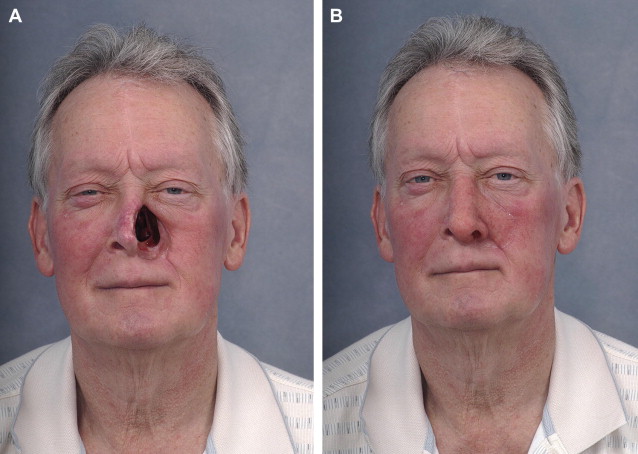
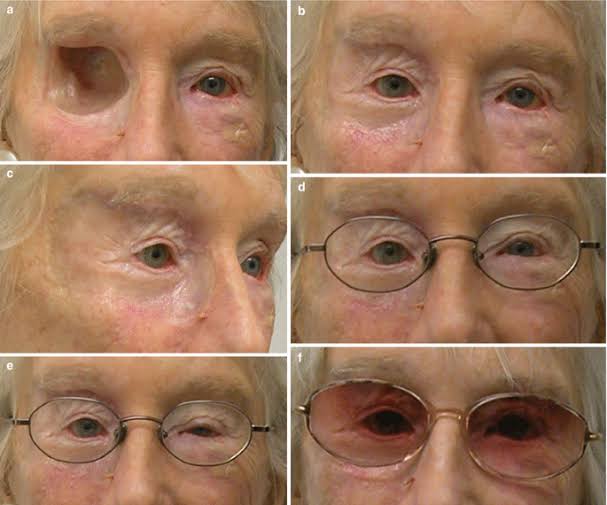
I was thinking around this concept
Technically what makes a mask/prosthetic work?
Well three components
1).Structural integrity
2).Optical realism
3).face attachment
I got around several concepts of face to come up with a solution
Here are they:-
1).Subsurface scattering- a human face diffuses light rather than reflecting light a very important aspect of our face that is not found on other faces
What is the requirement for subsurface scattering
The mask must be thin less than 700 microns thin with gradient
2).Refractive index:- skin has a refractive index of 1.37 to 1.45 it must have these values
3). Structural topography
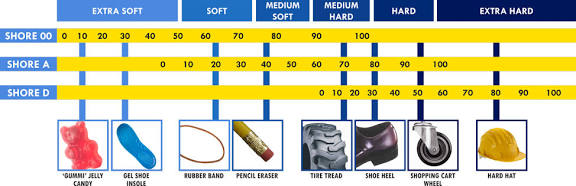
The mask must have a state with low young modulus capable of streching 35% with low hysterisis
4).bonding:- mask must bond to face no problem asked
5). Must feel like skin
Now I have described the problem, let's discuss possible solutions
I want this discussion and others to think about it too and overall improve it
A lot of us have all heard of hyperrealistic sillicon mask before.
These mask wore on the face with a set to look like someone else, a rather crude display mask that is heavy and can't move along with face, moreover not too realistic in any sense of the word
A good example of what I am talking about
A rather good upgrade of these mask are found in professional anaplastologist labs aka medical hardware prosthetic for face
Thinner than these mask and utterly realistic
I was thinking around this concept
Technically what makes a mask/prosthetic work?
Well three components
1).Structural integrity
2).Optical realism
3).face attachment
I got around several concepts of face to come up with a solution
Here are they:-
1).Subsurface scattering- a human face diffuses light rather than reflecting light a very important aspect of our face that is not found on other faces
What is the requirement for subsurface scattering
The mask must be thin less than 700 microns thin with gradient
2).Refractive index:- skin has a refractive index of 1.37 to 1.45 it must have these values
3). Structural topography
The mask must have a state with low young modulus capable of streching 35% with low hysterisis
4).bonding:- mask must bond to face no problem asked
5). Must feel like skin
Now I have described the problem, let's discuss possible solutions