mats.v
Silver
- Joined
- Feb 25, 2026
- Posts
- 611
- Reputation
- 370
Steroid users GTFIH.
If you haven’t already, read my in depth thread on the most common (and some uncommon) problems that anabolics can induce on the cardiovascular system.
This thread will go over how to prevent and treat all those issues
I. Specialized Testing
ECHOCARDIOGRAM - Detects LVH, reduces systolic function, chamber enlargement, valve abnormalities, myopathy, and some myocardial damage such as myocarditis, and less accurately but nonetheless plausible, widespread fibrosis. Crucial in the detection of congenital heart disease, restrictive myopathies, and arrhythmic ventricular myopathy.. rare but nonetheless, serious genetic disorders of the structural tissue of the heart..
The use of global longitudinal strain(GLS) is specialized and crucial for echocardiograms to use averages to better detect fibrosis and enlargement of the myocardium in limited effectiveness. Will not detect issues during stress or exertion. Only detects issues at the time of test..
Since echocardiograms only detect what happens during the test:
Holter monitors - electrical rhythm evaluations over long periods. Can be 48 hours to 2 weeks depending on symptoms. More random rhythm changes will require longer holter monitor testing.. analyzes all day, during rest, wakefulness, stress, exhertion etc. Can miss rhythm changes which are random.
Exercise stress test
Specifically analyzes the hearts behavior under physical exertion. Electrical and structural responses to stress, and good indicator of atherosclerosis, and lack of blood flow to the myocardium during exertion.
The main issue with these tests is they only tell the story of your heart during the test.. which is why a combination fathers information on widespread, testing up to several days, and analyzations of periods during physical exertion.. but if your tests are well before the cycle, and you’re cleared of genetic defects and ongoing defects of the heart that would worsen on cycle, what guarantees you of not developing them when the heart is experiencing the stresses of androgen therapy?
Although biomarkers and blood pressure can be good indicators, some of these issues do not show signs until too late, which is why it’s strongly recommended to discuss with your doctor how often you should get these tests.. although major structural damage takes several months(at least 4) to develop in most people, it is generally advised to retake these tests early in the cycle… and significant monitoring of your own symptoms can trigger analyzation..
The most important thing is to monitor your biomarkers and control your blood pressure, preferably below 120 / 100..
II. WHATS TESTS FAIL TO SHOW
Fibrosis:
Although these tests are standard for detecting structural genetic disorders, they still lack the necessary mechanisms to detect myocardial fibrosis or thickening of widespread tissue in the myocardium.. but some early detection such as through myocarditis, or abnormal echocardiogram findings can lead cardiologists to suspect, and order more in depth testing for fibrosis:
Bio markers such as,
GALECTIN-3: Approaching that rises when heart undergoes adverse structural change
sST2: measures cardiac stress, and inflammation
hs-cTn & NT-proBNP: can detect minor heart muscle damage or wall stress before fibrosis and heart failure…
hsCRP: not the best marker but can show ventricular swelling/fibrosis of myocardium..
CARDIAC MRI-
the gold standard for detection of myocardial fibrosis. While echocardiogram and basic labs can detect widespread fibrosis, many fibrotic tissue is small and will remain undetected by GLS averages of widespread tissue and also fail to elevate labs like galectin-3..
Ancillaries for preventing development of fibrosis, can include ARBs and to a lesser extent, beta blockers. The vasodilatory effects of ARBs can significantly reduce the effect of fibrosis of the myocardium along with endothelial tissues(more on this later)
Genetic ARRHYTHMIA:
Holter monitors, echocardiograms, and stress tests do not detect most genetic arrhythmias on their own. Because genetic arrhythmias are often intermittent electrical disorders rather than structural defects, they frequently hide behind normal test results, making genetic testingthe definitive diagnostic tool
Echocardiograms:
These evaluate physical heart structures. Most genetic arrhythmias (like Long QT Syndrome or Brugada Syndrome) are purely electricalissues, meaning the heart looks structurally perfect on an ultrasound.
Holter Monitors: These capture electrical rhythm, but only for 24 to 48 hours. If the dangerous rhythm does not happen during that brief monitoring window, the test will return a completely normal result. [1, 2, 3, 4]
Stress Tests: These push the heart to reveal exercise-induced rhythms (like CPVT). However, they will completely miss genetic arrhythmias that are triggered by rest, sleep, or sudden loud noisss.
To test for genetic arrhythmia, cardiologists will analyze saliva samples, and analyze your symptoms/family history to draw out clues and eventually diagnose rare but nonetheless potentially fatal genetic arrhythmia.
General steroid induced arrhythmia can occur as well during early steroid use.. although unlikely to be fatal during early months (1-3….).
Endothelial tissues
Another problem of which, standard testing, and blood work cannot truly identify is the production of:
endothelial damage/vascular fibrosis.
Issues of which can lead to coronary vasospasm.. although rare, or more commonly atherosclerosis and endothelial dysfunction can induce blockage or plaque rupture, manifesting in myocardial infarction, deep vein thrombosis(and other thrombosis events), ischemia, and stroke & aneurysm.
Terms: in rare early cases of steroid use, Coronary vasospasm is a sudden, temporary tightening of the coronary arteries that reduces blood flow to the heart, and can be potentially fatal.
The endothelial system consists of the vascular system, of arteries, veins, and capillaries spread throughout the body.. where damage of the system can lead to embolism, spasm, and potentially fatal consequences due to restricted blood flow. The vascular system is the hearts direct pathway to send blood flow to itself and other parts of the body. Androgenic anabolic steroids cause damage of the endothelium in 3 major ways, which have some degree of control.
How to prevent these issues?
The single most important way is to maintain labs(Such as hematocrit, and cholesterols) and blood pressure… any irregularities in testing can also lead to suspicion nonetheless, unlikely.
Damage control simply relies on the supplementation of various factors for preventative measure:
BPC-157
Widely known for its general cardiovascular benefits. BPC-157 is a strong contender for maintaining vascular health on AAS..
A 2020 study published in Scientific Reportsdemonstrated that BPC-157 causes endothelium-dependent vasodilation by activating the Src-Caveolin-1-eNOS signaling pathway. In isolated rat aorta, BPC-157 produced concentration-dependent vasorelaxation that was abolished when the endothelium was removed or nitric oxide production was blocked — confirming the pathway's central role (Hsieh et al., 2020, Scientific Reports. PMID: 33051481).
Beyond relaxing existing vessels, BPC-157 appears to encourage angiogenesis — the formation of new blood vessels. A comprehensive review in Current Pharmaceutical Design concluded that BPC-157 acts as "the most potent angiomodulatory agent" known, working through nitric oxide, VEGF (vascular endothelial growth factor), and FAK pathways to optimize vascular response after injury (Seiwerth et al., 2014, Current Pharmaceutical Design. PMID: 23782145).
In some studies, bpc 157, through its creation of new blood vessels helped reduce the strain of blocked pathways.
While BPC-157 seems promising, its effects on humans are widely limited and is still in the research phase.. its affects combined with anabolic steroids are well known and pose some risks related to: worsening myocardial strain in some cases.. (Don’t recommend bpc, but will add it here for research purposes)
L-Citrulline
This amino acid converts into l arginine. As opposed to taking pure arginine, the supplementation of l citruine proves to be stronger due to its ability to bypass first pass metabolism and lead to higher rate of l arginine in the system.. thus providing necessary nutrient to boost nitric oxide production, relaxing vessels via reducing ET-1 levels and reducing fatal embolism and spasm.
Antone sulfate:
A byproduct of l arginine it acts as a modulator that can exhibit enzymes that break down nitric oxide.
Antioxidants
Like vitamin c, Pycnogenol, and Coenzyme Q10, are all strong antioxidants for protecting nitride oxide from premature destruction, and the neutralization of free radicals caused by androgen induced free radicals. PubMed Central (PMC) (.gov)https://pmc.ncbi.nlm.nih.govThe Use of Coenzyme Q10 in Cardiovascular Diseases - PMC
Omega 3 fish oil: regulating blood pressure, but specifically controlling the upregulation of thromboxane-2 and its platelet binding effects, reducing clot formation..
VASODILATORS.
ARBs, can significantly reduce vascular fibrosis, via their blocking of angiotensin II receptor binding and beta receptor binding… the function of beta blockers is less significant(none the less still helpful). ARBs directly block the biochemical pathways that manufacture scar tissue, beta-blockers primarily work by reducing physical and sympathetic stress on organs).
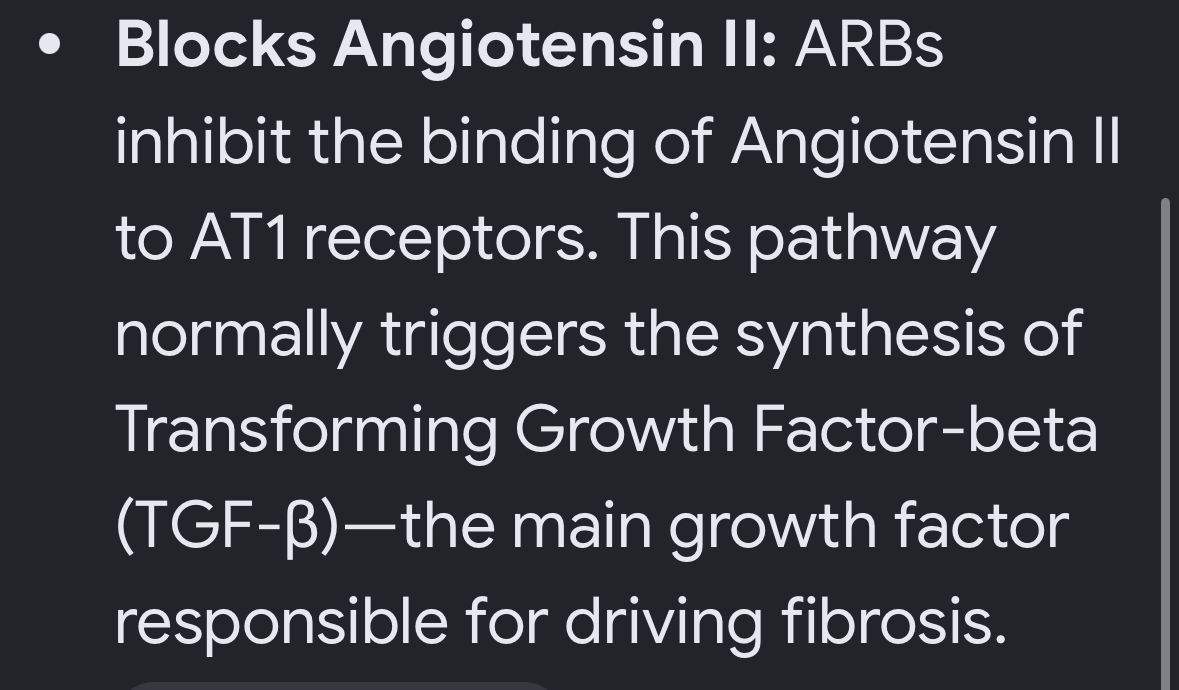
ARBs like telmisartan are also known to boost nitric oxide pathways, for vasodilation
How to test for Endothelial health.
Blood markers for Endothelial tissue health:
Hematocrit & Hemoglobin:
If hematocrit exceeds 50–52%, the blood becomes thick and viscous. Thick blood combined with steroid-induced vasoconstriction (high ET-1) and plaque (high oxLDL) creates a catastrophic risk for blood clots, stroke, or vasospastic heart attacks.
LDL, low density lipoprotein, direct information of your future risk of developing coronary artery disease(not a teller of current plaque buildup)..
VLDL - Very low density lipoprotein particles are made up of mostly triglycerides (about 50%), cholesterol, and proteins. Because it helps cholesterol deposit and build up on artery walls (atherosclerosis), it contributes to narrowed arteries and restricted blood flow.
HDL, high density lipoprotein, current levels of HDL in the bloodstream which acts as a LDL regulator.
LP(A) or Lipoprotein(a), is a genetically inherited cholesterol particle in your blood. High levels significantly increase the risk of heart disease, stroke, and aortic valve stenosis because Lp(a) promotes inflammation, plaque buildup, and blood clots
APO(B), or, Apolipoprotein B is the primary structural protein found on all potentially harmful, artery-clogging fat particles (such as LDL, VLDL, and lipoprotein(a)) in your blood.
Particle sizes - The size of these particles—specifically Low-Density Lipoproteins (LDL or "bad cholesterol")—ranges from 18 to 28 nanometers (nm) in diameter, with smaller particles (under 25.5 nm) carrying a higher risk of heart disease.
ADMA: AAS use significantly accelerates endothelial dysfunction. When the endothelium is damaged by steroids, ADMA levels rise, actively blocking the body's ability to produce nitric oxide, leading to chronic vasotoxicity and severe endothelial cell death.
Endothelin-1 (ET-1): Steroids potentiate vasoconstrictor pathways. As nitric oxide drops, ET-1 surges, which dramatically elevates the risk of severe arterial spasms and causes the dangerous spikes in blood pressure common in steroid users. ET-1 is one of the most potent vasoconstrictors in the body.
oxLDL (Oxidized LDL): Steroids heavily crash HDL (good cholesterol) while increasing LDL. Because steroids also induce massive oxidative stress in the blood vessels, this excess LDL is quickly modified into oxLDL, which aggressively drives the development of early-onset atherosclerosis. While LDL indicates how much cholesterol is circulating, oxLDL reveals how much of that cholesterol has become chemically altered and pro-inflammatory. Can still be at stable levels if plaque buildup is existent, which is why it’s important to protect N.O and other blood markers.
Vasospasm risk;
Myeloperoxidase (MPO): An inflammatory enzyme released by white blood cells that directly consumes and inactivates nitric oxide, leading to acute vasospasm and endothelial dysfunction.
Platelet binding:
Thromboxane B2 (TXB2): A metabolite of thromboxane A2, which causes potent platelet aggregation and coronary artery constriction, via the sticking of platelets… aspirin will reduce sticking of platelets by blocking an enzyme called COX-1, which lowers thromboxane b2, and thus reduces risk of clotting.. as aspirin can have side effects for the long term and is usually used to treat dislipidemia, the use of Omega 3 fish oil can provide baseline support toward the reduction of thromboxane-2 aggression
Atherosclerosis risk;
hs-CRP (High-Sensitivity C-Reactive Protein): The gold-standard inflammatory marker for predicting cardiovascular events and the underlying progression of arterial plaque.
Fibrosis Risk;
III. BEST ANCILLARIES:
Hydration and electrolytes:
Maintaining a good electrolyte balance reduces risk of thick blood, and clotting, as well as reducing overall blood pressure and risk of arrythmia, or structural damage induced via thick blood.
BPC-157: myocardial and endothelial tissue protection. Significant prevention against vascular system fibrosis, and clotting..
TB-500, myocyte protection preventative adoptive tissue death. Mitigates swelling from heightened androgen receptor activity.
MOTS-C, can also mediate endothelial tissue damage.
SS-32, ischemia protection
Magnesium glycinate: for heart rhythms and blood pressure health. also helps control blood pressure
Omega 3 fish oil, lipid management and vascular fibrosis prevention, also helps control blood pressure, and reduces Thromboxane-2 platelet sticking activation(embolism risk)
Coenzyme q10, extra energy for the myocardium during high demands and great production of nitric oxide to protect vascular endothelial tissues. also helps control blood pressure
L-Citrulline: nitric oxide pathways via indirect L-Arginine production for vasodilation.
Vitamin k2 & D3. Prevents arterial stiffness from fibrosis.
Citrus bergamot: best for non pharma lipid management, by boosting HDL.
L-Carnitine: HDL boosting
IV. PHARMACOLOGY
(Only to be used on High androgen doses when supplementation has already proved to insufficiently reduce damage! It is strongly advised to not continue steroids if your blood markers and blood pressure become uncontrollable, even with pharmaceuticals and supplements… this is not medical advice).
Heavy anabolics like high dose testosterone, methyldrostanolone, 19 nor nandrolone or Trenbolone are highly to induce the introduction of pharmaceutical technology..
Myocardial tissue strain
(& hypertension control)
Myocardial, and structural damage include LVH, cardiomyopathy, fibrosis of the myocardium…
Mineralocorticoid Receptor Antagonists (MRAs): E.g., spironolactone, eplerenone. These directly block aldosterone, which is responsible for aggressive fibrotic tissue buildup.
SGLT2 Inhibitors
Myocardial strain reduction via Hypertension control;
The portion below not only teaches you how to prevent or treat myocardial damage, but also preventive hypertension and blood pressure control..
Vasodilators,
Telmisartan is antihypertensive agent, angiotensin II receptor antagonist (type AT1). It has a very high affinity for this receptor subtype. Telmisartan displaces angiotensin II from its association with AT1 receptors. Affinity for other subtypes of AT receptors was not found. The functional significance of other subtypes of receptors and the effect of elevated (as a result of the appointment of telmisartan) levels of angiotensin II on them is not known.
The Renin-Angiotensin-Aldosterone System (RAAS), is in charge of regulating blood pressure and fluid balance. It regulates its response to things such as angiotensin, a naturally occurring chemical that narrows your blood vessels and can increase blood pressure. One specific type of angiotensin – specifically, angiotensin 2 – is of importance to us here, because the use of anabolic steroids raises levels of this specific type of hormone.
Telmisartan reduces plasma aldosterone levels, but does not inhibit plasma renin, does not block ion channels, does not inhibit ACE (kinase II), which also destroys bradykinin. Therefore, there are no side effects associated with bradykinin.
Blockade of the renin-angiotensin system with ACE inhibitors, which inhibit the biosynthesis of angiotensin II from angiotensin I, is widely used in the treatment of hypertension. ACE inhibitors also inhibit the degradation of bradykinin, a reaction also catalyzed by ACE. Because telmisartan does not inhibit ACE (kininase II), it does not affect the response to bradykinin. Whether this difference has clinical relevance is not yet known. Telmisartan does not bind to or block other hormone receptors or ion channels known to be important in cardiovascular regulation. Blockade of the angiotensin II receptor inhibits the negative regulatory feedback of angiotensin II on renin secretion, but the resulting increased plasma renin activity and angiotensin II circulating levels do not overcome the effect of telmisartan on blood pressure.
Sacubitril/Valsartan: of same family as telmisartan, This combination medication actively enhances the body's natural natriuretic peptides, promoting vasodilation, reducing ventricular stress, and preventing pathological remodeling to a greater degree than ACEIs alone.. choosing which meds to stack is crucial via communication with your cardiologist.
Cialis: professionally known as tadalifil can yield moderate rates of blood pressure management like 5 points lower, while also given you a mean hard on. Via its PDE5 enzyme inhibition, promoting vasodilation by eliminating the its endothelial tissue constricting effects.
Beta blockers,
Nebivolol,
The gold standard and most effective… via blockage of beta I receptors, and their binding with signals like adrenaline, significantly release the induction of heavy and sudden heart contractions of the myocardium, thus lowering stress on the heart and vascular system.. and promoting nitric oxide production for minor vasodilation.. often combined with Telmisartan ARBs to also gain vasodilatory effects.
Hydration with electrolytes is also necessary for hypertension control. The control of hypertension is significant in the process of controlling myocardial strain.
It is also strongly recommended to view the research/supplement protocols previously mentioned such as BPC-157, and magnesium for moderate control of myocardium.. when issues become more serious, pharmaceuticals are absolutely necessary
ENDOTHELIAL TISSUE DAMAGE CONTROL:
(Besides hypertension control)
Management and prevention of coronary artery disease, (atherosclerosis) via prevention and treatment of atherogenic dislipidemia..
Antiplatelet Therapy: Drugs like low-dose(baby) aspirin or clopidogrel are frequently prescribed to prevent blood clots via thromboxane-2 control, as steroids can increase the risk of a hypercoagulable state and thromboembolic events.
Statins: lipid management. Utilize the blocking of HMG-CoA reductase, a key liver enzyme used to make cholesterol.. This reduction triggers the liver to pull more LDL from the blood. Can be destructive as statins often lead to plateaus, demanding significant doses leading to reduced intracellular cholesterol and counterproductive damage of the heart.. more proven studies indicate statins are less effective at high doses,(e.g., atorvastatin 80 mg) reduce LDL-C by roughly 50% to 60%.. lower than its improved counterpart;
Repatha: the improved version of statins. Attacks the HDL effectiveness reducing PCSK9.. leaving higher rates of useful HDL in the bloodstream to eliminate Low density lipoprotein. can be used at higher doses without intracellular cholesterol dips thus reducing heart issues in the long run. Repatha is thus more affective for running on heavy cholesterol aggravating cycles like oral anabolics use.
ie: methyldrostanolone and oxandrolone.
Repatha at higher doses is nonetheless, proven to reduce Bad cholesterol at higher rates than statins. Repatha—taken as a bi-weekly or monthly injection—lowers it by an average of 55% to 65% and is significantly less likely to cause muscle pain.
The prevention of fatty plaque build up avoids the risks associated with atherosclerosis such as DVT, and myocardial infarction induced heart failure.
Endothelial tissue fibrosis, and vasoconstriction,
(As previously mentioned in the myocardial tissue and hypertension control phase)… vasodilators can prevent high blood pressure, by widening blood vessels, through angiotensin II receptor blockage, etc… (reread hypertension control)
Electrical damage:
During and especially while experiencing potentially fatal arrhythmias, it is generally urged to stop steroid use..
Prevention mechanism include;
Magnesium glycinate, coenzyme q10, and omega 3 fish oil.. Although yield moderate gains, and do not protect you from heavy dose androgens are genetic predispositions to arrhythmic distress.
some pharmacology for arrhythmia treatment once the androgen has cleared the system include:
Anti arrhythmic class
Sodium channel blockers (e.g., Flecainide and Propafenone): Slow the electrical signals in the heart, often used for atrial fibrillation (AFib) or ventricular tachycardia. [1, 2]
Potassium channel blockers (e.g., Amiodarone and Dofetilide): Delay cell repolarization, effectively slowing the heart rate. Amiodarone is highly effective but used carefully due to potential toxicity
Beta-blockers (e.g., Metoprolol, Atenolol, and Bisoprolol) slow the heart rate and lower blood pressure by blocking the effects of adrenaline. They are widely used to treat tachycardias (fast heartbeats), including AFib, and to prevent complications after a heart attack
Calcium channel blockers (e.g., Diltiazem and Verapamil) interrupt the movement of calcium into heart and blood vessel tissue. They slow down the electrical signals as they travel through the heart, making them effective in treating AFib and supraventricular tachycardia (SVT).
Anticoagulants(blood thinners)
While they do not fix the heart rhythm, Anticoagulants (like Apixaban, Rivaroxaban, or Warfarin) are critical for patients with certain arrhythmias, such as AFib, to prevent blood clots and reduce the risk of stroke.
VI: TIMING:
While having tests pre cycle clears you of major structural, and electrical damage prior to use it doesn’t guarantee safety from damage once on the cycle.. which is why doing regular testing and frequent labs to prevent the development of these issues is extremely necessary..
Myocardium and other structural issues are unlikely to develop on shorter cycles less than 4-months, but nonetheless can still occur..
Studies on strength athletes show adverse cardiac remodeling is common with suprapharmacological doses. While some parameters normalize within months of discontinuing use, extended multi-year cycles risk permanent myocardial fibrosis (scarring)..
As mentioned it is unlikely the lower end doses of testosterone 150-300mG will cause measurable strain on the myocardium tissue(fibrosis LVH, etc), nonetheless the risk of arrythmia and strain in the endothelial system is plausible at any time during the cycle, which can lead to fatal rhythms or blockages in vital pathways such as arteries or vains…especially due to your risk of high blood pressure and cholesterol in the family. Your history of palpitations also indicates, all contributing to potential for genetic endothelial tissue constriction.
On-Cycle Echocardiogram: If you are running a 5-month cycle, getting a follow-up echocardiogram around month 3 or 4 can directly look at your left ventricular wall thickness and diastolic function for structural analyzation.
On cycle holter:
Roughly 4 weeks into cycle, to detect more accurately, arrythmia like Brugada syndrome or common aFib.
Wearable Health Tracking (HRV): Tracking your Heart Rate Variability (HRV)and resting heart rate daily can serve as an early warning system for autonomic nervous system strain. A sudden, prolonged drop in HRV often signals that your heart is under significant stress.
As well as the supplementation of ancillaries to prevent vasoconstriction and nitric oxide depletion on steroid for endothelial tissues… monitoring heart rate with wearable monitors, etc to detect arrhythmia. If your labs are good you’re highly likely to reduce the risk of dangerous complications..
Although the previous variables we talked about will not detect vasoconstriction which can lead to spasm or embolism, despite good labs, ensuring that genetic cholesterol markers are controlled, in addition to ancillaries for nitric oxide production, will significantly reduce this danger, which is already quite low.
This is not medical advice nor is it the promotion of the use of non prescribed anabolic steroids. DNR, or try at home, as engaging in the use of Anabolic Androgenic Steroids can result in serious long term, or fatal cardiac conditions, as well as minor to major hormonal damage, cognitive strain, and strain to vital organ tissues in the body
If you haven’t already, read my in depth thread on the most common (and some uncommon) problems that anabolics can induce on the cardiovascular system.
This thread will go over how to prevent and treat all those issues
I. Specialized Testing
ECHOCARDIOGRAM - Detects LVH, reduces systolic function, chamber enlargement, valve abnormalities, myopathy, and some myocardial damage such as myocarditis, and less accurately but nonetheless plausible, widespread fibrosis. Crucial in the detection of congenital heart disease, restrictive myopathies, and arrhythmic ventricular myopathy.. rare but nonetheless, serious genetic disorders of the structural tissue of the heart..
The use of global longitudinal strain(GLS) is specialized and crucial for echocardiograms to use averages to better detect fibrosis and enlargement of the myocardium in limited effectiveness. Will not detect issues during stress or exertion. Only detects issues at the time of test..
Since echocardiograms only detect what happens during the test:
Holter monitors - electrical rhythm evaluations over long periods. Can be 48 hours to 2 weeks depending on symptoms. More random rhythm changes will require longer holter monitor testing.. analyzes all day, during rest, wakefulness, stress, exhertion etc. Can miss rhythm changes which are random.
Exercise stress test
Specifically analyzes the hearts behavior under physical exertion. Electrical and structural responses to stress, and good indicator of atherosclerosis, and lack of blood flow to the myocardium during exertion.
The main issue with these tests is they only tell the story of your heart during the test.. which is why a combination fathers information on widespread, testing up to several days, and analyzations of periods during physical exertion.. but if your tests are well before the cycle, and you’re cleared of genetic defects and ongoing defects of the heart that would worsen on cycle, what guarantees you of not developing them when the heart is experiencing the stresses of androgen therapy?
Although biomarkers and blood pressure can be good indicators, some of these issues do not show signs until too late, which is why it’s strongly recommended to discuss with your doctor how often you should get these tests.. although major structural damage takes several months(at least 4) to develop in most people, it is generally advised to retake these tests early in the cycle… and significant monitoring of your own symptoms can trigger analyzation..
The most important thing is to monitor your biomarkers and control your blood pressure, preferably below 120 / 100..
II. WHATS TESTS FAIL TO SHOW
Fibrosis:
Although these tests are standard for detecting structural genetic disorders, they still lack the necessary mechanisms to detect myocardial fibrosis or thickening of widespread tissue in the myocardium.. but some early detection such as through myocarditis, or abnormal echocardiogram findings can lead cardiologists to suspect, and order more in depth testing for fibrosis:
Bio markers such as,
GALECTIN-3: Approaching that rises when heart undergoes adverse structural change
sST2: measures cardiac stress, and inflammation
hs-cTn & NT-proBNP: can detect minor heart muscle damage or wall stress before fibrosis and heart failure…
hsCRP: not the best marker but can show ventricular swelling/fibrosis of myocardium..
CARDIAC MRI-
the gold standard for detection of myocardial fibrosis. While echocardiogram and basic labs can detect widespread fibrosis, many fibrotic tissue is small and will remain undetected by GLS averages of widespread tissue and also fail to elevate labs like galectin-3..
Ancillaries for preventing development of fibrosis, can include ARBs and to a lesser extent, beta blockers. The vasodilatory effects of ARBs can significantly reduce the effect of fibrosis of the myocardium along with endothelial tissues(more on this later)
Genetic ARRHYTHMIA:
Holter monitors, echocardiograms, and stress tests do not detect most genetic arrhythmias on their own. Because genetic arrhythmias are often intermittent electrical disorders rather than structural defects, they frequently hide behind normal test results, making genetic testingthe definitive diagnostic tool
Echocardiograms:
These evaluate physical heart structures. Most genetic arrhythmias (like Long QT Syndrome or Brugada Syndrome) are purely electricalissues, meaning the heart looks structurally perfect on an ultrasound.
Holter Monitors: These capture electrical rhythm, but only for 24 to 48 hours. If the dangerous rhythm does not happen during that brief monitoring window, the test will return a completely normal result. [1, 2, 3, 4]
Stress Tests: These push the heart to reveal exercise-induced rhythms (like CPVT). However, they will completely miss genetic arrhythmias that are triggered by rest, sleep, or sudden loud noisss.
To test for genetic arrhythmia, cardiologists will analyze saliva samples, and analyze your symptoms/family history to draw out clues and eventually diagnose rare but nonetheless potentially fatal genetic arrhythmia.
General steroid induced arrhythmia can occur as well during early steroid use.. although unlikely to be fatal during early months (1-3….).
Endothelial tissues
Another problem of which, standard testing, and blood work cannot truly identify is the production of:
endothelial damage/vascular fibrosis.
Issues of which can lead to coronary vasospasm.. although rare, or more commonly atherosclerosis and endothelial dysfunction can induce blockage or plaque rupture, manifesting in myocardial infarction, deep vein thrombosis(and other thrombosis events), ischemia, and stroke & aneurysm.
Terms: in rare early cases of steroid use, Coronary vasospasm is a sudden, temporary tightening of the coronary arteries that reduces blood flow to the heart, and can be potentially fatal.
The endothelial system consists of the vascular system, of arteries, veins, and capillaries spread throughout the body.. where damage of the system can lead to embolism, spasm, and potentially fatal consequences due to restricted blood flow. The vascular system is the hearts direct pathway to send blood flow to itself and other parts of the body. Androgenic anabolic steroids cause damage of the endothelium in 3 major ways, which have some degree of control.
- Oxidative Stress and Thiol Imbalance: Steroids trigger a surge of reactive oxygen species (ROS) while downregulating antioxidant proteins. This imbalance causes a thiol-disulfide disruption that damages vascular cells and uncouples nitric oxide synthase (NOS), crippling the vessels' ability to produce healthy, dilating nitric oxide… this results in the fibrosis of tissue, via the dis regulation of ET-1, causing ET-1 secretion and production to increase, reducing blood flow and increasing potentially, the contraction of the heart. the gradual decrease of N.O leads to constriction of blood vessels and eventually scarring(fibrosis). Nonetheless even without this adaptation of blood pressure which can act as an obvious signal, gradual fibrosis can lead to embolism and other fatal myocardial events.
- Atherosclerosis development/lipid imbalance due to androgen stimulation of the Hepatic Lipase enzyme can cause the development of plaque in the cell tissue, leading to rupture and major embolism or myocardial events.
- Direct Cellular Toxicity: Studies show that steroids (like testosterone and nandrolone) exhibit direct anti-proliferative and apoptotic effects on human endothelial cells, inhibiting cell growth and promoting premature cell death.
- Calcium Dysregulation: Exposure to high steroid levels causes a statistically significant increase in intracellular calcium concentration, which further impairs normal endothelial cell function and structural integrity.
How to prevent these issues?
The single most important way is to maintain labs(Such as hematocrit, and cholesterols) and blood pressure… any irregularities in testing can also lead to suspicion nonetheless, unlikely.
Damage control simply relies on the supplementation of various factors for preventative measure:
BPC-157
Widely known for its general cardiovascular benefits. BPC-157 is a strong contender for maintaining vascular health on AAS..
A 2020 study published in Scientific Reportsdemonstrated that BPC-157 causes endothelium-dependent vasodilation by activating the Src-Caveolin-1-eNOS signaling pathway. In isolated rat aorta, BPC-157 produced concentration-dependent vasorelaxation that was abolished when the endothelium was removed or nitric oxide production was blocked — confirming the pathway's central role (Hsieh et al., 2020, Scientific Reports. PMID: 33051481).
Beyond relaxing existing vessels, BPC-157 appears to encourage angiogenesis — the formation of new blood vessels. A comprehensive review in Current Pharmaceutical Design concluded that BPC-157 acts as "the most potent angiomodulatory agent" known, working through nitric oxide, VEGF (vascular endothelial growth factor), and FAK pathways to optimize vascular response after injury (Seiwerth et al., 2014, Current Pharmaceutical Design. PMID: 23782145).
In some studies, bpc 157, through its creation of new blood vessels helped reduce the strain of blocked pathways.
While BPC-157 seems promising, its effects on humans are widely limited and is still in the research phase.. its affects combined with anabolic steroids are well known and pose some risks related to: worsening myocardial strain in some cases.. (Don’t recommend bpc, but will add it here for research purposes)
L-Citrulline
This amino acid converts into l arginine. As opposed to taking pure arginine, the supplementation of l citruine proves to be stronger due to its ability to bypass first pass metabolism and lead to higher rate of l arginine in the system.. thus providing necessary nutrient to boost nitric oxide production, relaxing vessels via reducing ET-1 levels and reducing fatal embolism and spasm.
Antone sulfate:
A byproduct of l arginine it acts as a modulator that can exhibit enzymes that break down nitric oxide.
Antioxidants
Like vitamin c, Pycnogenol, and Coenzyme Q10, are all strong antioxidants for protecting nitride oxide from premature destruction, and the neutralization of free radicals caused by androgen induced free radicals. PubMed Central (PMC) (.gov)https://pmc.ncbi.nlm.nih.govThe Use of Coenzyme Q10 in Cardiovascular Diseases - PMC
Omega 3 fish oil: regulating blood pressure, but specifically controlling the upregulation of thromboxane-2 and its platelet binding effects, reducing clot formation..
VASODILATORS.
ARBs, can significantly reduce vascular fibrosis, via their blocking of angiotensin II receptor binding and beta receptor binding… the function of beta blockers is less significant(none the less still helpful). ARBs directly block the biochemical pathways that manufacture scar tissue, beta-blockers primarily work by reducing physical and sympathetic stress on organs).
ARBs like telmisartan are also known to boost nitric oxide pathways, for vasodilation
How to test for Endothelial health.
- Coronary artery calcium scan, only suggests plaque formation, which can be helpful in the beginning to tell if the arteries already contain plaque before starting cycle, as current lipid profiles can be normal but will not tell the true story of existing plaque formation in the arteries.
- Important blood markers Only suggests inflammation in the body itself which can likely be a root cause for arterial inflammation. Although small localized fibrosis can avoid swaying blood markers
- Pulse wave velocity the gold standard for direct measuring of arterial thickness.
- Flow mediated dilation an ultrasound which measures how well your blood arteries dilate in response to blood flow
Blood markers for Endothelial tissue health:
Hematocrit & Hemoglobin:
If hematocrit exceeds 50–52%, the blood becomes thick and viscous. Thick blood combined with steroid-induced vasoconstriction (high ET-1) and plaque (high oxLDL) creates a catastrophic risk for blood clots, stroke, or vasospastic heart attacks.
LDL, low density lipoprotein, direct information of your future risk of developing coronary artery disease(not a teller of current plaque buildup)..
VLDL - Very low density lipoprotein particles are made up of mostly triglycerides (about 50%), cholesterol, and proteins. Because it helps cholesterol deposit and build up on artery walls (atherosclerosis), it contributes to narrowed arteries and restricted blood flow.
HDL, high density lipoprotein, current levels of HDL in the bloodstream which acts as a LDL regulator.
LP(A) or Lipoprotein(a), is a genetically inherited cholesterol particle in your blood. High levels significantly increase the risk of heart disease, stroke, and aortic valve stenosis because Lp(a) promotes inflammation, plaque buildup, and blood clots
APO(B), or, Apolipoprotein B is the primary structural protein found on all potentially harmful, artery-clogging fat particles (such as LDL, VLDL, and lipoprotein(a)) in your blood.
Particle sizes - The size of these particles—specifically Low-Density Lipoproteins (LDL or "bad cholesterol")—ranges from 18 to 28 nanometers (nm) in diameter, with smaller particles (under 25.5 nm) carrying a higher risk of heart disease.
ADMA: AAS use significantly accelerates endothelial dysfunction. When the endothelium is damaged by steroids, ADMA levels rise, actively blocking the body's ability to produce nitric oxide, leading to chronic vasotoxicity and severe endothelial cell death.
Endothelin-1 (ET-1): Steroids potentiate vasoconstrictor pathways. As nitric oxide drops, ET-1 surges, which dramatically elevates the risk of severe arterial spasms and causes the dangerous spikes in blood pressure common in steroid users. ET-1 is one of the most potent vasoconstrictors in the body.
oxLDL (Oxidized LDL): Steroids heavily crash HDL (good cholesterol) while increasing LDL. Because steroids also induce massive oxidative stress in the blood vessels, this excess LDL is quickly modified into oxLDL, which aggressively drives the development of early-onset atherosclerosis. While LDL indicates how much cholesterol is circulating, oxLDL reveals how much of that cholesterol has become chemically altered and pro-inflammatory. Can still be at stable levels if plaque buildup is existent, which is why it’s important to protect N.O and other blood markers.
Vasospasm risk;
Myeloperoxidase (MPO): An inflammatory enzyme released by white blood cells that directly consumes and inactivates nitric oxide, leading to acute vasospasm and endothelial dysfunction.
Platelet binding:
Thromboxane B2 (TXB2): A metabolite of thromboxane A2, which causes potent platelet aggregation and coronary artery constriction, via the sticking of platelets… aspirin will reduce sticking of platelets by blocking an enzyme called COX-1, which lowers thromboxane b2, and thus reduces risk of clotting.. as aspirin can have side effects for the long term and is usually used to treat dislipidemia, the use of Omega 3 fish oil can provide baseline support toward the reduction of thromboxane-2 aggression
Atherosclerosis risk;
hs-CRP (High-Sensitivity C-Reactive Protein): The gold-standard inflammatory marker for predicting cardiovascular events and the underlying progression of arterial plaque.
Fibrosis Risk;
- Galectin-3: A protein that mediates cardiac and vascular tissue fibrosis, promoting stiffening of the blood vessels and heart muscle.
- PIIINP (N-terminal procollagen III peptide): A direct reflection of collagen synthesis and active fibrotic activity in vascular and cardiac tissue.
- hs-Troponin (High-Sensitivity Troponin): Primarily used to detect heart damage, but chronic, low-level elevations strongly correlate with adverse ventricular remodeling and myocardial fibrosis.
III. BEST ANCILLARIES:
Hydration and electrolytes:
Maintaining a good electrolyte balance reduces risk of thick blood, and clotting, as well as reducing overall blood pressure and risk of arrythmia, or structural damage induced via thick blood.
BPC-157: myocardial and endothelial tissue protection. Significant prevention against vascular system fibrosis, and clotting..
TB-500, myocyte protection preventative adoptive tissue death. Mitigates swelling from heightened androgen receptor activity.
MOTS-C, can also mediate endothelial tissue damage.
SS-32, ischemia protection
Magnesium glycinate: for heart rhythms and blood pressure health. also helps control blood pressure
Omega 3 fish oil, lipid management and vascular fibrosis prevention, also helps control blood pressure, and reduces Thromboxane-2 platelet sticking activation(embolism risk)
Coenzyme q10, extra energy for the myocardium during high demands and great production of nitric oxide to protect vascular endothelial tissues. also helps control blood pressure
L-Citrulline: nitric oxide pathways via indirect L-Arginine production for vasodilation.
Vitamin k2 & D3. Prevents arterial stiffness from fibrosis.
Citrus bergamot: best for non pharma lipid management, by boosting HDL.
L-Carnitine: HDL boosting
IV. PHARMACOLOGY
(Only to be used on High androgen doses when supplementation has already proved to insufficiently reduce damage! It is strongly advised to not continue steroids if your blood markers and blood pressure become uncontrollable, even with pharmaceuticals and supplements… this is not medical advice).
Heavy anabolics like high dose testosterone, methyldrostanolone, 19 nor nandrolone or Trenbolone are highly to induce the introduction of pharmaceutical technology..
Myocardial tissue strain
(& hypertension control)
Myocardial, and structural damage include LVH, cardiomyopathy, fibrosis of the myocardium…
Mineralocorticoid Receptor Antagonists (MRAs): E.g., spironolactone, eplerenone. These directly block aldosterone, which is responsible for aggressive fibrotic tissue buildup.
SGLT2 Inhibitors
- Dapagliflozin, Empagliflozin: Primarily used to treat diabetes and heart failure, these medications have shown significant promise in reducing cardiac fibrosis by modulating energy metabolism in activated cardiac fibroblasts and reducing myocardial inflammation.
Myocardial strain reduction via Hypertension control;
The portion below not only teaches you how to prevent or treat myocardial damage, but also preventive hypertension and blood pressure control..
Vasodilators,
Telmisartan is antihypertensive agent, angiotensin II receptor antagonist (type AT1). It has a very high affinity for this receptor subtype. Telmisartan displaces angiotensin II from its association with AT1 receptors. Affinity for other subtypes of AT receptors was not found. The functional significance of other subtypes of receptors and the effect of elevated (as a result of the appointment of telmisartan) levels of angiotensin II on them is not known.
The Renin-Angiotensin-Aldosterone System (RAAS), is in charge of regulating blood pressure and fluid balance. It regulates its response to things such as angiotensin, a naturally occurring chemical that narrows your blood vessels and can increase blood pressure. One specific type of angiotensin – specifically, angiotensin 2 – is of importance to us here, because the use of anabolic steroids raises levels of this specific type of hormone.
Telmisartan reduces plasma aldosterone levels, but does not inhibit plasma renin, does not block ion channels, does not inhibit ACE (kinase II), which also destroys bradykinin. Therefore, there are no side effects associated with bradykinin.
Blockade of the renin-angiotensin system with ACE inhibitors, which inhibit the biosynthesis of angiotensin II from angiotensin I, is widely used in the treatment of hypertension. ACE inhibitors also inhibit the degradation of bradykinin, a reaction also catalyzed by ACE. Because telmisartan does not inhibit ACE (kininase II), it does not affect the response to bradykinin. Whether this difference has clinical relevance is not yet known. Telmisartan does not bind to or block other hormone receptors or ion channels known to be important in cardiovascular regulation. Blockade of the angiotensin II receptor inhibits the negative regulatory feedback of angiotensin II on renin secretion, but the resulting increased plasma renin activity and angiotensin II circulating levels do not overcome the effect of telmisartan on blood pressure.
Sacubitril/Valsartan: of same family as telmisartan, This combination medication actively enhances the body's natural natriuretic peptides, promoting vasodilation, reducing ventricular stress, and preventing pathological remodeling to a greater degree than ACEIs alone.. choosing which meds to stack is crucial via communication with your cardiologist.
Cialis: professionally known as tadalifil can yield moderate rates of blood pressure management like 5 points lower, while also given you a mean hard on. Via its PDE5 enzyme inhibition, promoting vasodilation by eliminating the its endothelial tissue constricting effects.
Beta blockers,
Nebivolol,
The gold standard and most effective… via blockage of beta I receptors, and their binding with signals like adrenaline, significantly release the induction of heavy and sudden heart contractions of the myocardium, thus lowering stress on the heart and vascular system.. and promoting nitric oxide production for minor vasodilation.. often combined with Telmisartan ARBs to also gain vasodilatory effects.
Hydration with electrolytes is also necessary for hypertension control. The control of hypertension is significant in the process of controlling myocardial strain.
It is also strongly recommended to view the research/supplement protocols previously mentioned such as BPC-157, and magnesium for moderate control of myocardium.. when issues become more serious, pharmaceuticals are absolutely necessary
ENDOTHELIAL TISSUE DAMAGE CONTROL:
(Besides hypertension control)
Management and prevention of coronary artery disease, (atherosclerosis) via prevention and treatment of atherogenic dislipidemia..
Antiplatelet Therapy: Drugs like low-dose(baby) aspirin or clopidogrel are frequently prescribed to prevent blood clots via thromboxane-2 control, as steroids can increase the risk of a hypercoagulable state and thromboembolic events.
Statins: lipid management. Utilize the blocking of HMG-CoA reductase, a key liver enzyme used to make cholesterol.. This reduction triggers the liver to pull more LDL from the blood. Can be destructive as statins often lead to plateaus, demanding significant doses leading to reduced intracellular cholesterol and counterproductive damage of the heart.. more proven studies indicate statins are less effective at high doses,(e.g., atorvastatin 80 mg) reduce LDL-C by roughly 50% to 60%.. lower than its improved counterpart;
Repatha: the improved version of statins. Attacks the HDL effectiveness reducing PCSK9.. leaving higher rates of useful HDL in the bloodstream to eliminate Low density lipoprotein. can be used at higher doses without intracellular cholesterol dips thus reducing heart issues in the long run. Repatha is thus more affective for running on heavy cholesterol aggravating cycles like oral anabolics use.
ie: methyldrostanolone and oxandrolone.
Repatha at higher doses is nonetheless, proven to reduce Bad cholesterol at higher rates than statins. Repatha—taken as a bi-weekly or monthly injection—lowers it by an average of 55% to 65% and is significantly less likely to cause muscle pain.
The prevention of fatty plaque build up avoids the risks associated with atherosclerosis such as DVT, and myocardial infarction induced heart failure.
Endothelial tissue fibrosis, and vasoconstriction,
(As previously mentioned in the myocardial tissue and hypertension control phase)… vasodilators can prevent high blood pressure, by widening blood vessels, through angiotensin II receptor blockage, etc… (reread hypertension control)
Electrical damage:
During and especially while experiencing potentially fatal arrhythmias, it is generally urged to stop steroid use..
Prevention mechanism include;
Magnesium glycinate, coenzyme q10, and omega 3 fish oil.. Although yield moderate gains, and do not protect you from heavy dose androgens are genetic predispositions to arrhythmic distress.
some pharmacology for arrhythmia treatment once the androgen has cleared the system include:
Anti arrhythmic class
Sodium channel blockers (e.g., Flecainide and Propafenone): Slow the electrical signals in the heart, often used for atrial fibrillation (AFib) or ventricular tachycardia. [1, 2]
Potassium channel blockers (e.g., Amiodarone and Dofetilide): Delay cell repolarization, effectively slowing the heart rate. Amiodarone is highly effective but used carefully due to potential toxicity
Beta-blockers (e.g., Metoprolol, Atenolol, and Bisoprolol) slow the heart rate and lower blood pressure by blocking the effects of adrenaline. They are widely used to treat tachycardias (fast heartbeats), including AFib, and to prevent complications after a heart attack
Calcium channel blockers (e.g., Diltiazem and Verapamil) interrupt the movement of calcium into heart and blood vessel tissue. They slow down the electrical signals as they travel through the heart, making them effective in treating AFib and supraventricular tachycardia (SVT).
Anticoagulants(blood thinners)
While they do not fix the heart rhythm, Anticoagulants (like Apixaban, Rivaroxaban, or Warfarin) are critical for patients with certain arrhythmias, such as AFib, to prevent blood clots and reduce the risk of stroke.
VI: TIMING:
While having tests pre cycle clears you of major structural, and electrical damage prior to use it doesn’t guarantee safety from damage once on the cycle.. which is why doing regular testing and frequent labs to prevent the development of these issues is extremely necessary..
Myocardium and other structural issues are unlikely to develop on shorter cycles less than 4-months, but nonetheless can still occur..
Studies on strength athletes show adverse cardiac remodeling is common with suprapharmacological doses. While some parameters normalize within months of discontinuing use, extended multi-year cycles risk permanent myocardial fibrosis (scarring)..
As mentioned it is unlikely the lower end doses of testosterone 150-300mG will cause measurable strain on the myocardium tissue(fibrosis LVH, etc), nonetheless the risk of arrythmia and strain in the endothelial system is plausible at any time during the cycle, which can lead to fatal rhythms or blockages in vital pathways such as arteries or vains…especially due to your risk of high blood pressure and cholesterol in the family. Your history of palpitations also indicates, all contributing to potential for genetic endothelial tissue constriction.
On-Cycle Echocardiogram: If you are running a 5-month cycle, getting a follow-up echocardiogram around month 3 or 4 can directly look at your left ventricular wall thickness and diastolic function for structural analyzation.
On cycle holter:
Roughly 4 weeks into cycle, to detect more accurately, arrythmia like Brugada syndrome or common aFib.
Wearable Health Tracking (HRV): Tracking your Heart Rate Variability (HRV)and resting heart rate daily can serve as an early warning system for autonomic nervous system strain. A sudden, prolonged drop in HRV often signals that your heart is under significant stress.
- Consider utilizing a smartphone-compatible 6-lead EKG device (such as a KardiaMobile) at home. If you experience a sudden wave of palpitations on-cycle, recording an instant EKG can help your doctor determine if you are experiencing benign ectopic beats or a dangerous arrhythmia like atrial fibrillation. For something you can wear all day, you can get an Apple Watch with EKG or a wearable holter monitor to constantly monitor and track your symptoms which will accurately tell your heart rhythm at all times.
As well as the supplementation of ancillaries to prevent vasoconstriction and nitric oxide depletion on steroid for endothelial tissues… monitoring heart rate with wearable monitors, etc to detect arrhythmia. If your labs are good you’re highly likely to reduce the risk of dangerous complications..
Although the previous variables we talked about will not detect vasoconstriction which can lead to spasm or embolism, despite good labs, ensuring that genetic cholesterol markers are controlled, in addition to ancillaries for nitric oxide production, will significantly reduce this danger, which is already quite low.
This is not medical advice nor is it the promotion of the use of non prescribed anabolic steroids. DNR, or try at home, as engaging in the use of Anabolic Androgenic Steroids can result in serious long term, or fatal cardiac conditions, as well as minor to major hormonal damage, cognitive strain, and strain to vital organ tissues in the body
Last edited:

 i wish i was as high iq