SAG21k
Iron
- Joined
- Jun 20, 2026
- Posts
- 27
- Reputation
- 15
Androgen Receptor
The androgen receptor is a type of nuclear receptor that is activated by binding any of the androgenic hormones. This includes test and DHT, in the cytoplasm (material in a eukaryotic or prokaryotic cell that is enclosed by the cell membrane) and then translocating to the nucleus.
The main function of the androgen receptor is as a DNA binding transcription factor that regulates gene expression. However it has other functions including development and upkeep of male sexual phenotype
Testosterone is an agonist (chemical that activates a receptor to produce a biological response) of the androgen receptor (AR). The AR is the biological target of endogenous test and DHT. This androgen binding results in the transcriptional regulation of a number of genes via androgen responsive elements. Upon binding to androgens, the AR dissociates from accessory proteins, translocates to the nucleus, dimerizes and then stimulates transcription of androgen responsive genes.
ARs also interact with other proteins in the nucleus which leads to up or down regulation of specific gene transcription. Up regulation results in increased synthesis of messenger RNA (mRNA) which is then translated by ribosomes (ribonucleoprotein responsible for synthesis of proteins) to produce certain proteins.
How Testosterone’s Molecule Shape Plays a Role
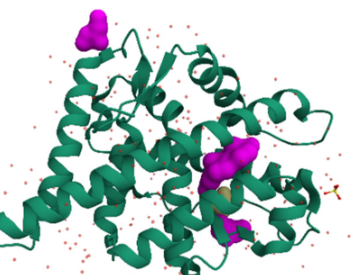
The shape of the test molecule significantly influences its binding affinity to the AR. When looking at 3D models of both the AR and the testosterone molecule we can see that their structures are meant for each other. Test fits precisely into the ligand binding domain (LBD) of the AR. Think of it like a key going into a lock. This induces a structural shift that locks the AR into an active mode, allowing it to regulate gene transcription.
AR Pathway Simplified
So basically, testosterone enters the androgen target cell and binds to the AR (will bind to AR after converting to DHT if 5AR is present).
Upon binding to the AR, it dissociates from chaperone protein complexes (heat shock proteins) in the cytoplasm.
This is simultaneously accompanied by conformational change of the receptor protein which leads to transformation and translocation to the nucleus.
When in the nucleus it binds as a homodimer to specific DNA elements present as enhanced upstream of androgen target genes.
They recruit coactivators which is what forms bridges of communication between the receptor and several components of the gene transcription.
This communication then triggers subsequent mRNA synthesis and consequently protein synthesis which results in androgenic responses.
AR up/down regulation
So androgen receptors can upregulate when responding to AAS, this means there are more androgen receptors to regulate androgens and pump out biological effects.

This is observed in vitro using porcine satellite cells


Now there is a consensus of a brake in ARs where if you run a high dose of test your androgen receptors will experience homologous downregulation. It's more nuanced than that however, as when observing muscle tissues, there isn't compelling evidence of this existing. The ARs in myocytes just upregulate to maintain the load the androgens are administrating on your muscles. So with that being said, there is a limit but this is more decided on other factors rather than AR downregulation.
mTOR pathway
The mTOR (Mechanistic target of rapamycin) pathway is a serine-threonine protein kinase that regulates cell growth, cell proliferation, cell motility, cell survival, autophagy, protein synthesis and transcription. It belongs to the PIKK (phosphatidylinositol 3 kinase related kinase) family. It also indirectly promotes the activation of insulin receptors and IGF1 receptors through the downstream pathways.
mTOR comes in two complexes, mTORC1 and mTORC2. MTORC1 is composed of mTOR, Raptor (regulatory associated protein of mTOR), mLST8 (mammalian lethal with SEC13 protein 8) and non core components (PRAS40 and DEPTOR). This functions as a redox/nutrient/energy sensor and controls protein synthesis. The activity for this complex is regulated by insulin, growth factors, phosphatidic acid, some amino acids, rapamycin, mechanical stimuli and oxidative stress. Now moving on to mTORC2, this complex is made up of mTOR, RICTOR (rapamycin insensitive companion of mTOR), Protor 1 and 2, MLST8, and mSIN1 (mammalian stress activated protein kinase interacting protein 1). This complex is involved in cell survival, metabolism and cytoskeletal organization.
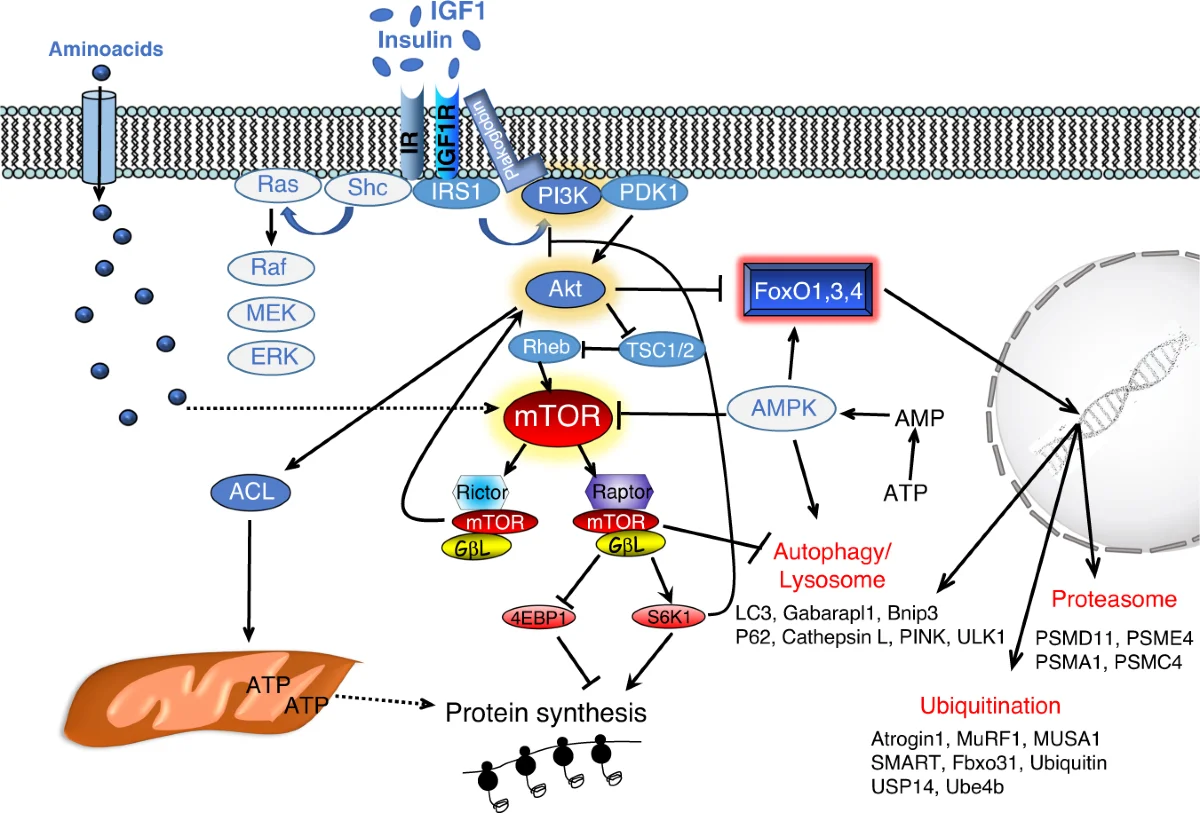
So mTORC1 is the protein that is responsible for muscle hypertrophy and is what test activates in order to promote protein synthesis and bigger muscles. Testosterone binds to the AR then moves to the nucleus, from there it promotes production of IGF1. The IGF1 then binds to the IGF1 receptor on the outside of the muscle cell. This activates PI3K which then activates AKT. The active AKT phosphorylates TSC 1 and 2 (aka the proteins that inhibit rheb). So with the phosphate group added to TSC 1/2 it gets inhibited, meaning that TSC 1/2 is no longer inhibiting rheb and rheb can interact with and activate mTORC1. Now with mTORC1 activated it can phosphorylate downstream targets such as S6K and 4EBP1. When S6K is phosphorylated it enhances protein synthesis of specific mRNAs. Moving on to 4EBP1, when this is phosphorylated it releases eIF4E which is essential for binding to the cap of mRNA which then starts the process of translating mRNA into proteins. (btw all phosphorylating is, is just adding a phosphate group to a molecule which can change its activity). This then leads to increased muscle proteins which leads to muscle growth.
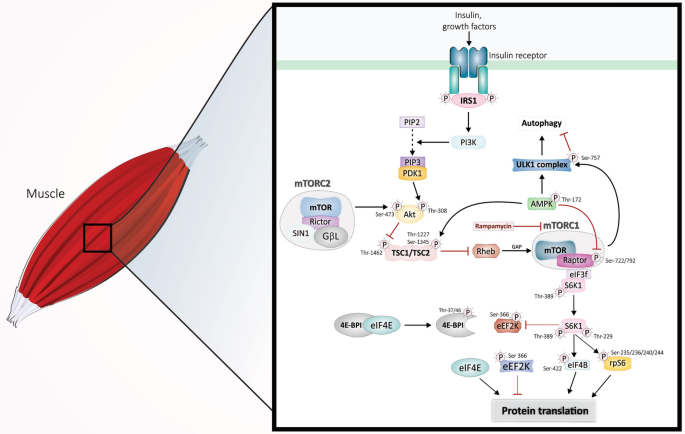
There is a lot that also plays into mTOR and much more factors that activates it or inhibits it, it's fairly complex and interesting. So ill leave it at that because this thread is only talking about testosterone.
mARs
mARs or membrane androgen receptors are a group of G protein coupled receptors that get activated by androgens. These work differently from traditional ARs. They are way faster in delivering their effects because they trigger non genomic cascades. Basically all that means is that it doesn't involve direct change in gene expression. Instead it just activates existing proteins or kinases. This is what makes these pathways faster.
Now I will be going over all the non genomic pathways testosterone takes in your body. Also the non genomic pathways activate PI3K which then activates mTOR like i explained above.
Genomic and non genomic effects in muscle
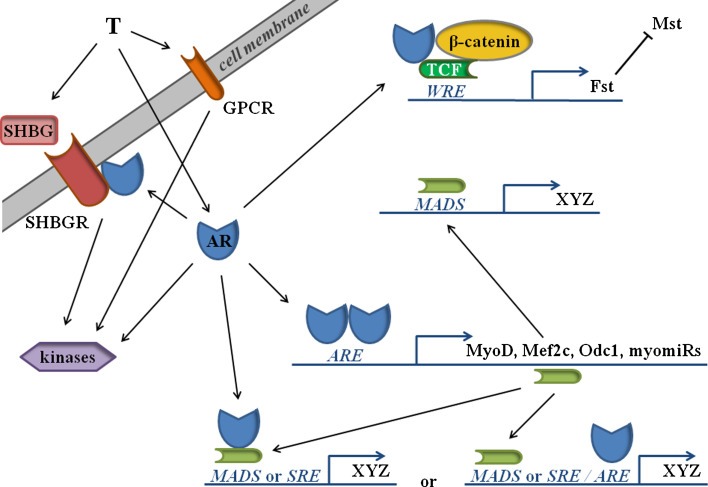
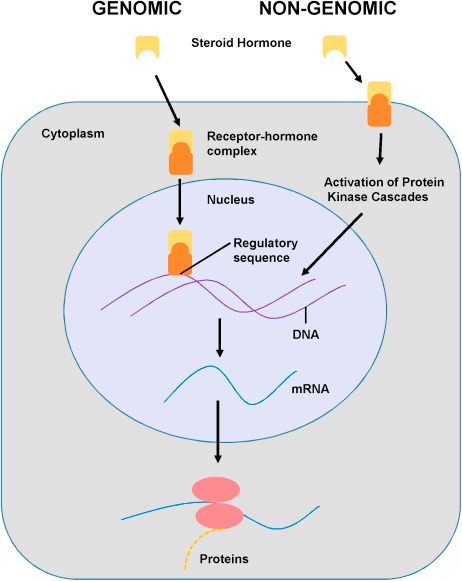
Genomic refers to the binding of androgens to the androgen receptor that then translocates to the nucleus where it binds to AREs to signal different genes on and off to produce an effect, basically the pathway that alters gene transcription. Genomic pathways take a lot longer to exert their effects compared to non genomic pathways. Now looking at non genomic pathways, these get activated by androgens via the mAR or in the cytoplasm basically all it does is activate proteins and kinases to produce a biological effect. These pathways don't work through gene transcription. They also happen at a way faster rate than genomic pathways.
Polyamine Biosynthesis
Polyamines are molecules that help cells proliferate and differentiate. (These molecules include spermine, spermidine, and putrescine). When muscle hypertrophy is associated with increased polyamine levels. Also when muscle atrophies it is associated with decreased polyamine levels.



(Rat studies)
So now we see their part in skeletal muscle. Androgens may contribute to this because they can directly regulate polyamine biosynthesis through upregulation of the rate limiting biosynthetic enzymes ornithine decarboxylase and S-adenosylmethionine decarboxylase, encoded by the genes Odc1 and Amd1. Male rats that got their balls removed showed a decrease in these genes that were then regenerated with testosterone treatment. Another decrease of these genes were also seen in androgen receptor knockout (ARKO) mice. This suggests that androgens can upregulate these genes which upregulates the enzymes I mentioned earlier. This is
an example of a genomic effect because they upregulate the Odc1 and Amd1 gene.
MAPK
A protein kinase called c-Src can interact with the AR thus stimulating MAPK. This may contribute to myogenic androgenic effects. The AR gets phosphorylated downstream by Extracellular Signal Regulated Kinase (ERK), this kinase is associated with enhanced AR transcription activity as well as an increase of the ability to recruit the coactivator ARA70. With this being said, phosphorylation of steroid receptor coactivators by MAPK leads to an increase in the ability to recruit more coactivator complexes to the DNA bound receptor. c-Src activation of MAPK also is involved in myoblast proliferation and differentiation.
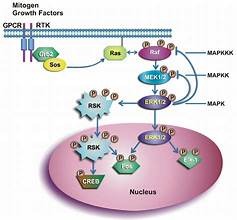
So here we can clearly see that androgens have effects on stimulating this pathway

What's interesting about this is that it was observed that non genomic effects of androgens in skeletal muscle may involve the epidermal growth factor receptor independent of the androgen receptor.
Ca2+
Testosterone increases intracellular levels of Ca2+ in certain cells. This may involve a membrane binding site that is selective and saturable for androgens. It is different from normal ARs and shares similarities with GPCRs or could be one itself. This increase of Ca2+ comes from an increase in inositol 1,4,5 triphosphate (IP3). This happens because testosterone binds to the membrane receptor which then increases IP3 which then raises intracellular Ca2+. Exposure of rat myotubes produced a IP3-Ca2+ dependent and pertussis toxin-sensitive increase in ERK phosphorylation, As we know this leads to phosphorylation of ARs and AR coactivators thus enhancing AR mediated genomic effects.
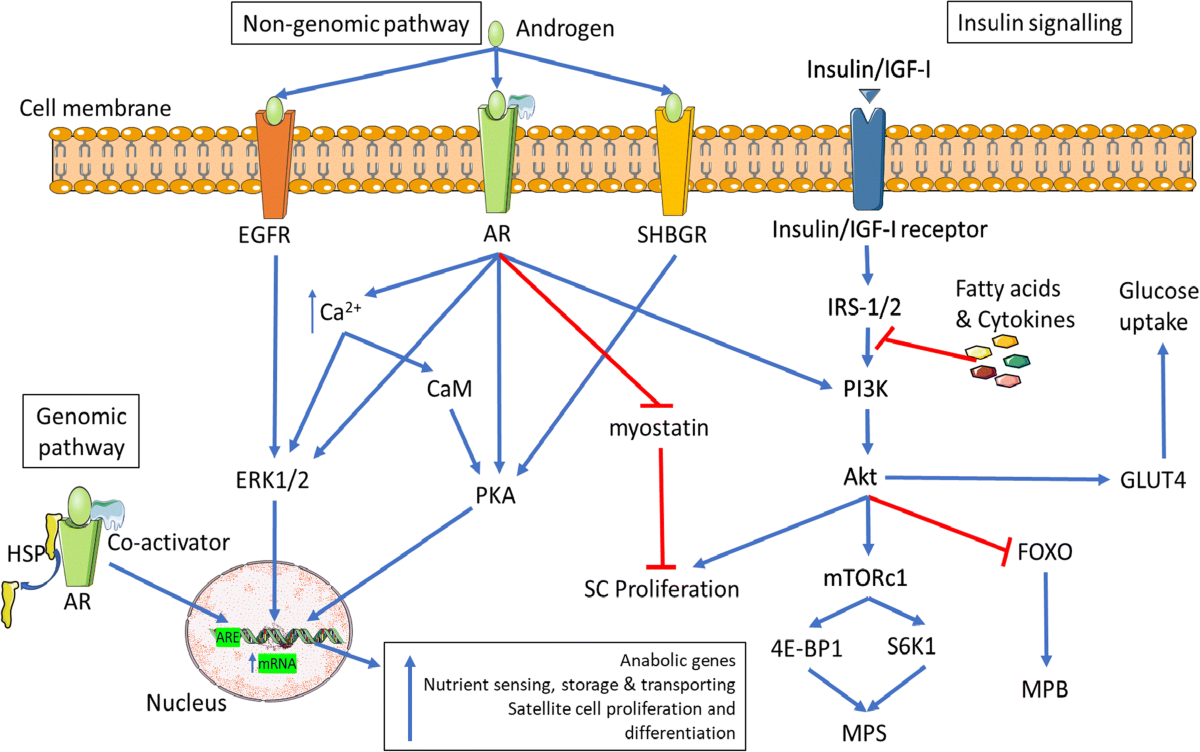
IGF-1
I touched on IGF-1 (Insulin like growth factor 1) a little bit in the mTOR thread but this will be a deeper look into this hormone. IGF1 has a similar molecular structure to insulin. IGF1 is a part of the somatotropic axis (GH/IGF1). Testosterone amplifies this axis by enhancing the secretary pattern of GH, thus leading to more IGF1 production.
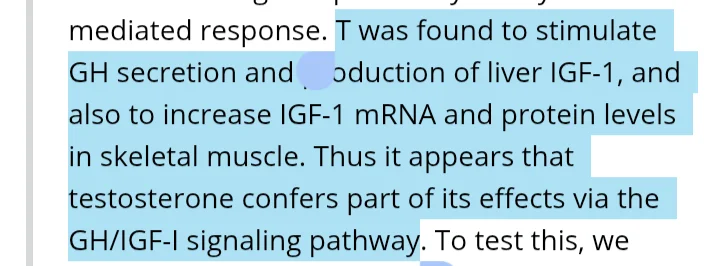

This of course leads to more hepatic secretion of igf1. However circulating levels of igf1 don't really do much in terms of muscle hypertrophy, its local form fills in that role.
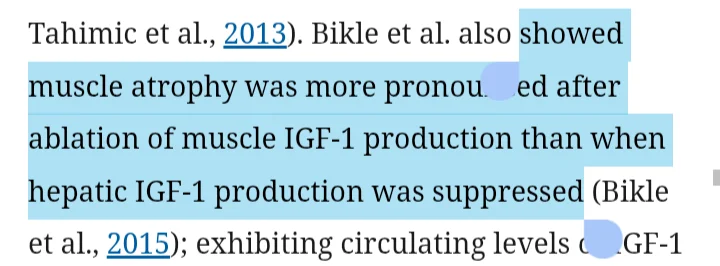
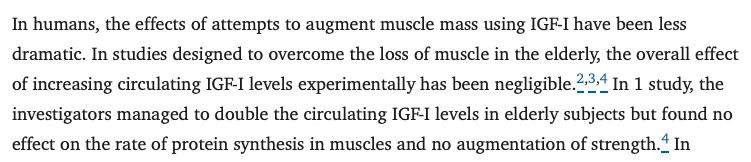
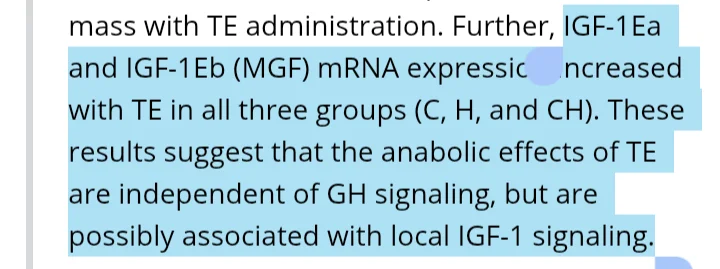
Local igf1 mogs serum igf1 in regards to muscle hypertrophy. Testosterone produces local igf1 within skeletal muscle tissue. When testosterone enters its target cell in the muscle it will go through the typical genomic pathway and end up binding to AREs, from there it will upregulate the igf1 gene while also decreasing igfbp-4 which is an inhibitory protein. This causes more bioavailable, local igf1 right there in the muscle.
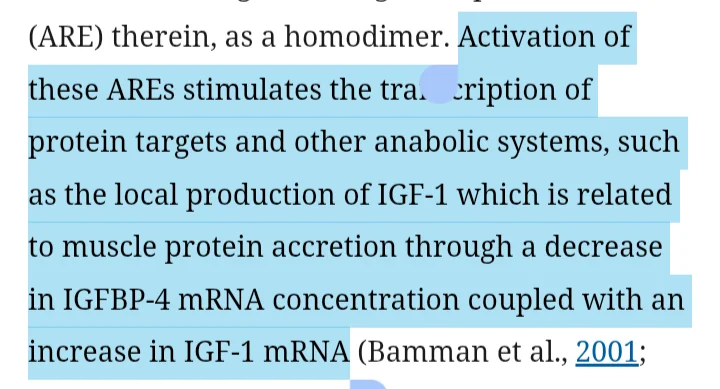
This local igf1 then can activate downstream cascades such as PI3K/akt/mTORC1, satellite cell proliferation, as well as interacting with GLUT4 and inhibiting catabolic pathways.
So igf1 binds to igf1 receptors in the muscle cell and then those activate PI3K/akt which then inhibits FoxO which leads to less protein degradation. It also activates mTORC1 via the same PI3K/akt pathway which mediates protein synthesis.
Igf is expressed in two forms. igf1Ea and igf1Ec (MGF). These are what's gonna influence your satellite cells. MGF influences myoblast proliferation while also inhibiting terminal differentiation in C2C12 myoblast cell line. IGF1Ea stimulates myoblast differentiation into myotubes. These two isoforms are actually observed to positively regulate β catenine. This means that it can inhibit myostatin nicely.

So with all of this catabolic inhibition, phosphorylation and gene expression it is evident that IGF1 plays a significant role in skeletal muscle hypertrophy.
PI3K/akt
Okay so we know that androgens interact with these proteins and induce muscle hypertrophy. Now let's look at it on a little bit of a deeper level, as I explained they activate these proteins either directly or from conversion into IGF1 and they phosphorylate downstream and activate the mTOR. However these phosphorylations can also inhibit forkhead box O (FoxO). FoxO is responsible for upregulating MuRF-1 and MAFbx. Basically these are ubiquitin ligases that are upregulated during muscle atrophy, they play key roles in skeletal muscle degradation which is obviously something we don't want. But as I said earlier, testosterone inhibits FoxO via PI3K/akt downstream phosphorylation thus leading to lower levels of MuRF-1 and MAFbx which means less muscle protein degradation.
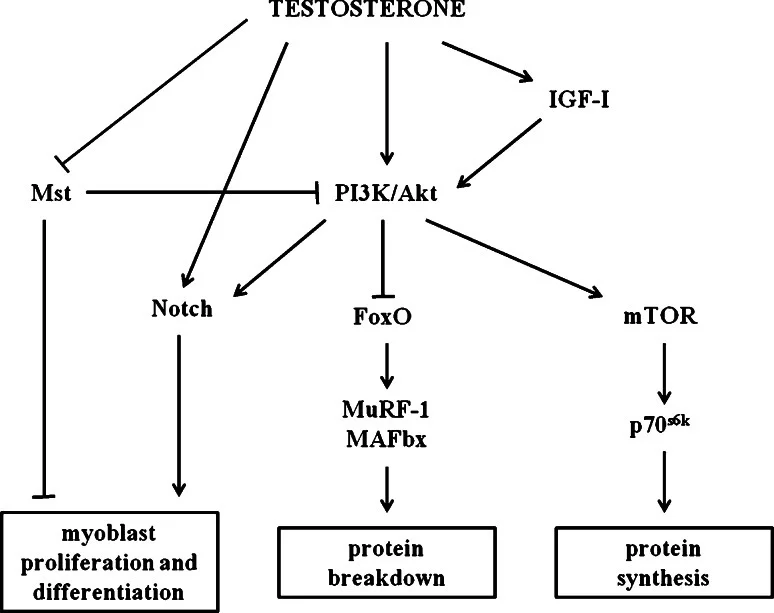
Another downstream effect of androgens acting upon the PI3K/akt is notch signalling. Notch signalling is good for satellite cell proliferation.


Testosterone also inhibits c Jun NH2-terminal kinase (JNK) and also activates
MAPK. These two factors are good for notch signalling which then leads to better cell proliferation. Notch signalling can be activated directly via androgens or indirectly via PI3K/akt.
Myostatin Inhibition
Testosterone inhibits activity and expression of myostatin. Myostatin is a member of the transforming growth factor-β (TGF-β) super family that's expressed in skeletal muscle. It's basically like a brake for your muscle growth. It represses protein synthesis by inhibiting the PI3K/akt thus upregulating FoxO. It is also bad for myoblast proliferation and differentiation, thus limiting the amount of muscle you can build.
Myostatin is proposed to act on pluripotent mesenchymal precursor cells. This is because myostatin knockout mice were associated with decreased adipogenesis and body fat. Myostatin also induces the expression of adipogenic markers in the pluripotent mesenchymal cell line. Basically what this means is that the pluripotent mesenchymal cells can turn into either myocytes (muscle cells) or adipocytes (fat cells). Lower myostatin can help these cells turn into muscle.
Myostatin binds to activin receptors type 1 and 2 and upon tetramerization of the receptor complex the signal is sent to the cytoplasm via the SMAD proteins. The receptors phosphorylate the SMAD proteins. The phosphorylated SMAD4 will translocate to the nucleus and then regulate target genes, this is how myostatin regulates muscle degradation. A protein called follistatin antagonizes myostatin thus preventing it from binding to its receptor and downregulating its effects.
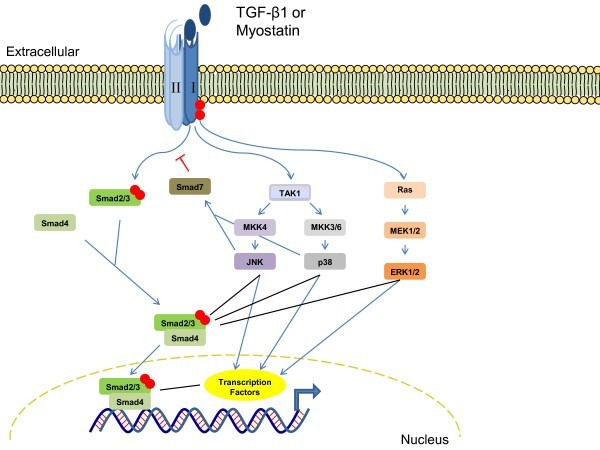
Testosterone inhibits myostatin by repressing the myostatin at a gene level, some sources also support the theory that androgens upregulate β catenin signalling which then upregulates follistatin which then inhibits myostatin. Speaking of β catenin, testosterone has been observed to downregulate axin which is a negative regulator of β catenin. This was observed in rats who were given exogenous testosterone because they couldn't produce their own because their balls were cut off. Of course with β catenin not being downregulated by axin, it can produce more follistatin and inhibit myostatin. Direct AR and β catenine interaction has also been observed before which may help against degradation.
Testosterone may also activate adenosine monophosphate-activated kinase (AMPK) which can lead to more β catenine stabilization.
More on the Way

The androgen receptor is a type of nuclear receptor that is activated by binding any of the androgenic hormones. This includes test and DHT, in the cytoplasm (material in a eukaryotic or prokaryotic cell that is enclosed by the cell membrane) and then translocating to the nucleus.
The main function of the androgen receptor is as a DNA binding transcription factor that regulates gene expression. However it has other functions including development and upkeep of male sexual phenotype
Testosterone is an agonist (chemical that activates a receptor to produce a biological response) of the androgen receptor (AR). The AR is the biological target of endogenous test and DHT. This androgen binding results in the transcriptional regulation of a number of genes via androgen responsive elements. Upon binding to androgens, the AR dissociates from accessory proteins, translocates to the nucleus, dimerizes and then stimulates transcription of androgen responsive genes.
ARs also interact with other proteins in the nucleus which leads to up or down regulation of specific gene transcription. Up regulation results in increased synthesis of messenger RNA (mRNA) which is then translated by ribosomes (ribonucleoprotein responsible for synthesis of proteins) to produce certain proteins.
How Testosterone’s Molecule Shape Plays a Role
The shape of the test molecule significantly influences its binding affinity to the AR. When looking at 3D models of both the AR and the testosterone molecule we can see that their structures are meant for each other. Test fits precisely into the ligand binding domain (LBD) of the AR. Think of it like a key going into a lock. This induces a structural shift that locks the AR into an active mode, allowing it to regulate gene transcription.
AR Pathway Simplified
So basically, testosterone enters the androgen target cell and binds to the AR (will bind to AR after converting to DHT if 5AR is present).
Upon binding to the AR, it dissociates from chaperone protein complexes (heat shock proteins) in the cytoplasm.
This is simultaneously accompanied by conformational change of the receptor protein which leads to transformation and translocation to the nucleus.
When in the nucleus it binds as a homodimer to specific DNA elements present as enhanced upstream of androgen target genes.
They recruit coactivators which is what forms bridges of communication between the receptor and several components of the gene transcription.
This communication then triggers subsequent mRNA synthesis and consequently protein synthesis which results in androgenic responses.
AR up/down regulation
So androgen receptors can upregulate when responding to AAS, this means there are more androgen receptors to regulate androgens and pump out biological effects.
This is observed in vitro using porcine satellite cells
Now there is a consensus of a brake in ARs where if you run a high dose of test your androgen receptors will experience homologous downregulation. It's more nuanced than that however, as when observing muscle tissues, there isn't compelling evidence of this existing. The ARs in myocytes just upregulate to maintain the load the androgens are administrating on your muscles. So with that being said, there is a limit but this is more decided on other factors rather than AR downregulation.
mTOR pathway
The mTOR (Mechanistic target of rapamycin) pathway is a serine-threonine protein kinase that regulates cell growth, cell proliferation, cell motility, cell survival, autophagy, protein synthesis and transcription. It belongs to the PIKK (phosphatidylinositol 3 kinase related kinase) family. It also indirectly promotes the activation of insulin receptors and IGF1 receptors through the downstream pathways.
mTOR comes in two complexes, mTORC1 and mTORC2. MTORC1 is composed of mTOR, Raptor (regulatory associated protein of mTOR), mLST8 (mammalian lethal with SEC13 protein 8) and non core components (PRAS40 and DEPTOR). This functions as a redox/nutrient/energy sensor and controls protein synthesis. The activity for this complex is regulated by insulin, growth factors, phosphatidic acid, some amino acids, rapamycin, mechanical stimuli and oxidative stress. Now moving on to mTORC2, this complex is made up of mTOR, RICTOR (rapamycin insensitive companion of mTOR), Protor 1 and 2, MLST8, and mSIN1 (mammalian stress activated protein kinase interacting protein 1). This complex is involved in cell survival, metabolism and cytoskeletal organization.
So mTORC1 is the protein that is responsible for muscle hypertrophy and is what test activates in order to promote protein synthesis and bigger muscles. Testosterone binds to the AR then moves to the nucleus, from there it promotes production of IGF1. The IGF1 then binds to the IGF1 receptor on the outside of the muscle cell. This activates PI3K which then activates AKT. The active AKT phosphorylates TSC 1 and 2 (aka the proteins that inhibit rheb). So with the phosphate group added to TSC 1/2 it gets inhibited, meaning that TSC 1/2 is no longer inhibiting rheb and rheb can interact with and activate mTORC1. Now with mTORC1 activated it can phosphorylate downstream targets such as S6K and 4EBP1. When S6K is phosphorylated it enhances protein synthesis of specific mRNAs. Moving on to 4EBP1, when this is phosphorylated it releases eIF4E which is essential for binding to the cap of mRNA which then starts the process of translating mRNA into proteins. (btw all phosphorylating is, is just adding a phosphate group to a molecule which can change its activity). This then leads to increased muscle proteins which leads to muscle growth.
There is a lot that also plays into mTOR and much more factors that activates it or inhibits it, it's fairly complex and interesting. So ill leave it at that because this thread is only talking about testosterone.
mARs
mARs or membrane androgen receptors are a group of G protein coupled receptors that get activated by androgens. These work differently from traditional ARs. They are way faster in delivering their effects because they trigger non genomic cascades. Basically all that means is that it doesn't involve direct change in gene expression. Instead it just activates existing proteins or kinases. This is what makes these pathways faster.
Now I will be going over all the non genomic pathways testosterone takes in your body. Also the non genomic pathways activate PI3K which then activates mTOR like i explained above.
Genomic and non genomic effects in muscle
Genomic refers to the binding of androgens to the androgen receptor that then translocates to the nucleus where it binds to AREs to signal different genes on and off to produce an effect, basically the pathway that alters gene transcription. Genomic pathways take a lot longer to exert their effects compared to non genomic pathways. Now looking at non genomic pathways, these get activated by androgens via the mAR or in the cytoplasm basically all it does is activate proteins and kinases to produce a biological effect. These pathways don't work through gene transcription. They also happen at a way faster rate than genomic pathways.
Polyamine Biosynthesis
Polyamines are molecules that help cells proliferate and differentiate. (These molecules include spermine, spermidine, and putrescine). When muscle hypertrophy is associated with increased polyamine levels. Also when muscle atrophies it is associated with decreased polyamine levels.
(Rat studies)
So now we see their part in skeletal muscle. Androgens may contribute to this because they can directly regulate polyamine biosynthesis through upregulation of the rate limiting biosynthetic enzymes ornithine decarboxylase and S-adenosylmethionine decarboxylase, encoded by the genes Odc1 and Amd1. Male rats that got their balls removed showed a decrease in these genes that were then regenerated with testosterone treatment. Another decrease of these genes were also seen in androgen receptor knockout (ARKO) mice. This suggests that androgens can upregulate these genes which upregulates the enzymes I mentioned earlier. This is
an example of a genomic effect because they upregulate the Odc1 and Amd1 gene.
MAPK
A protein kinase called c-Src can interact with the AR thus stimulating MAPK. This may contribute to myogenic androgenic effects. The AR gets phosphorylated downstream by Extracellular Signal Regulated Kinase (ERK), this kinase is associated with enhanced AR transcription activity as well as an increase of the ability to recruit the coactivator ARA70. With this being said, phosphorylation of steroid receptor coactivators by MAPK leads to an increase in the ability to recruit more coactivator complexes to the DNA bound receptor. c-Src activation of MAPK also is involved in myoblast proliferation and differentiation.
So here we can clearly see that androgens have effects on stimulating this pathway
What's interesting about this is that it was observed that non genomic effects of androgens in skeletal muscle may involve the epidermal growth factor receptor independent of the androgen receptor.
Ca2+
Testosterone increases intracellular levels of Ca2+ in certain cells. This may involve a membrane binding site that is selective and saturable for androgens. It is different from normal ARs and shares similarities with GPCRs or could be one itself. This increase of Ca2+ comes from an increase in inositol 1,4,5 triphosphate (IP3). This happens because testosterone binds to the membrane receptor which then increases IP3 which then raises intracellular Ca2+. Exposure of rat myotubes produced a IP3-Ca2+ dependent and pertussis toxin-sensitive increase in ERK phosphorylation, As we know this leads to phosphorylation of ARs and AR coactivators thus enhancing AR mediated genomic effects.
IGF-1
I touched on IGF-1 (Insulin like growth factor 1) a little bit in the mTOR thread but this will be a deeper look into this hormone. IGF1 has a similar molecular structure to insulin. IGF1 is a part of the somatotropic axis (GH/IGF1). Testosterone amplifies this axis by enhancing the secretary pattern of GH, thus leading to more IGF1 production.
This of course leads to more hepatic secretion of igf1. However circulating levels of igf1 don't really do much in terms of muscle hypertrophy, its local form fills in that role.
Local igf1 mogs serum igf1 in regards to muscle hypertrophy. Testosterone produces local igf1 within skeletal muscle tissue. When testosterone enters its target cell in the muscle it will go through the typical genomic pathway and end up binding to AREs, from there it will upregulate the igf1 gene while also decreasing igfbp-4 which is an inhibitory protein. This causes more bioavailable, local igf1 right there in the muscle.
This local igf1 then can activate downstream cascades such as PI3K/akt/mTORC1, satellite cell proliferation, as well as interacting with GLUT4 and inhibiting catabolic pathways.
So igf1 binds to igf1 receptors in the muscle cell and then those activate PI3K/akt which then inhibits FoxO which leads to less protein degradation. It also activates mTORC1 via the same PI3K/akt pathway which mediates protein synthesis.
Igf is expressed in two forms. igf1Ea and igf1Ec (MGF). These are what's gonna influence your satellite cells. MGF influences myoblast proliferation while also inhibiting terminal differentiation in C2C12 myoblast cell line. IGF1Ea stimulates myoblast differentiation into myotubes. These two isoforms are actually observed to positively regulate β catenine. This means that it can inhibit myostatin nicely.
So with all of this catabolic inhibition, phosphorylation and gene expression it is evident that IGF1 plays a significant role in skeletal muscle hypertrophy.
PI3K/akt
Okay so we know that androgens interact with these proteins and induce muscle hypertrophy. Now let's look at it on a little bit of a deeper level, as I explained they activate these proteins either directly or from conversion into IGF1 and they phosphorylate downstream and activate the mTOR. However these phosphorylations can also inhibit forkhead box O (FoxO). FoxO is responsible for upregulating MuRF-1 and MAFbx. Basically these are ubiquitin ligases that are upregulated during muscle atrophy, they play key roles in skeletal muscle degradation which is obviously something we don't want. But as I said earlier, testosterone inhibits FoxO via PI3K/akt downstream phosphorylation thus leading to lower levels of MuRF-1 and MAFbx which means less muscle protein degradation.
Another downstream effect of androgens acting upon the PI3K/akt is notch signalling. Notch signalling is good for satellite cell proliferation.
Testosterone also inhibits c Jun NH2-terminal kinase (JNK) and also activates
MAPK. These two factors are good for notch signalling which then leads to better cell proliferation. Notch signalling can be activated directly via androgens or indirectly via PI3K/akt.
Myostatin Inhibition
Testosterone inhibits activity and expression of myostatin. Myostatin is a member of the transforming growth factor-β (TGF-β) super family that's expressed in skeletal muscle. It's basically like a brake for your muscle growth. It represses protein synthesis by inhibiting the PI3K/akt thus upregulating FoxO. It is also bad for myoblast proliferation and differentiation, thus limiting the amount of muscle you can build.
Myostatin is proposed to act on pluripotent mesenchymal precursor cells. This is because myostatin knockout mice were associated with decreased adipogenesis and body fat. Myostatin also induces the expression of adipogenic markers in the pluripotent mesenchymal cell line. Basically what this means is that the pluripotent mesenchymal cells can turn into either myocytes (muscle cells) or adipocytes (fat cells). Lower myostatin can help these cells turn into muscle.
Myostatin binds to activin receptors type 1 and 2 and upon tetramerization of the receptor complex the signal is sent to the cytoplasm via the SMAD proteins. The receptors phosphorylate the SMAD proteins. The phosphorylated SMAD4 will translocate to the nucleus and then regulate target genes, this is how myostatin regulates muscle degradation. A protein called follistatin antagonizes myostatin thus preventing it from binding to its receptor and downregulating its effects.
Testosterone inhibits myostatin by repressing the myostatin at a gene level, some sources also support the theory that androgens upregulate β catenin signalling which then upregulates follistatin which then inhibits myostatin. Speaking of β catenin, testosterone has been observed to downregulate axin which is a negative regulator of β catenin. This was observed in rats who were given exogenous testosterone because they couldn't produce their own because their balls were cut off. Of course with β catenin not being downregulated by axin, it can produce more follistatin and inhibit myostatin. Direct AR and β catenine interaction has also been observed before which may help against degradation.
Testosterone may also activate adenosine monophosphate-activated kinase (AMPK) which can lead to more β catenine stabilization.
More on the Way