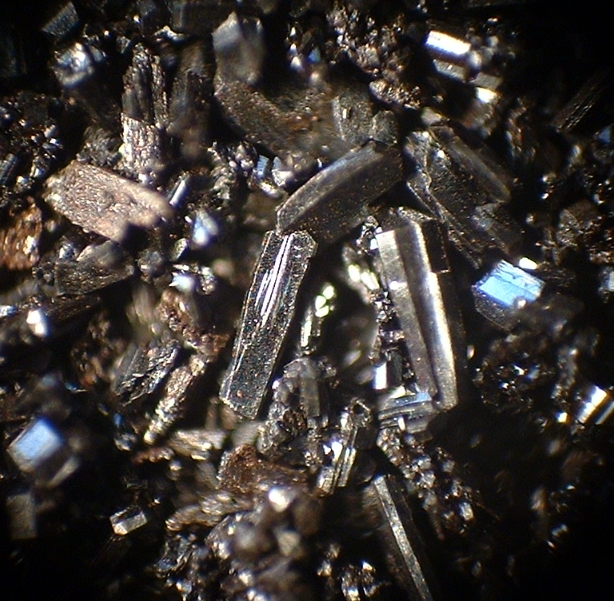
Anyone of you tried C60 fullerene?

Anyone trialed it?
 
C₆₀ (also known as Buckminsterfullerene or a buckyball) has attracted a lot of attention in biomedical research because of its unique physical and chemical properties. Here’s a breakdown of why it’s considered special for medical applications:


⚛️ 1. Unique Structure and Stability


  • C₆₀ is a spherical molecule made of 60 carbon atoms arranged like a soccer ball (12 pentagons and 20 hexagons).
  • This structure makes it extremely stable — chemically and thermally — and it can withstand high pressures and radiation.
  • The cage-like structure can encapsulate other molecules, acting like a nanoscale carrier.


🧬 2. Powerful Antioxidant Properties


  • C₆₀ is an exceptional free radical scavenger — it can neutralize reactive oxygen species (ROS) far more efficiently than traditional antioxidants.
  • This is because its structure allows it to accept multiple electrons without being destabilized.
  • It has been studied for anti-aging, neuroprotective, and anti-inflammatory effects due to this property.


💊 3. Drug Delivery Capabilities


  • The hollow, cage-like shape can carry small drug molecules or therapeutic agents inside it.
  • Chemical modifications on its surface can make it water-soluble (since pure C₆₀ is hydrophobic), improving biocompatibility.
  • Functionalized C₆₀ can cross biological barriers — even the blood-brain barrier, which is a major challenge for drug delivery.


🦠 4. Antiviral and Antibacterial Potential


  • Certain derivatives of C₆₀ can inhibit viral enzymes (e.g., HIV protease) or disrupt bacterial membranes.
  • It has shown promising photodynamic activity — when exposed to light, it can produce reactive oxygen species that kill pathogens or cancer cells.


🧫 5. Applications in Cancer Therapy


  • C₆₀ derivatives can act as photosensitizers for photodynamic therapy (PDT) — light-activated destruction of tumor cells.
  • It can also serve as a carrier for anticancer drugs, improving their stability and targeting while reducing side effects.


⚠️ 6. Safety and Controversy


  • While some studies suggest low toxicity (especially for functionalized, water-soluble C₆₀), others have raised concerns about potential oxidative damage or accumulation in tissues.
  • The 2012 study that claimed C₆₀ in olive oil extended rat lifespan by 90% sparked huge interest — but it remains controversial and not fully reproducible.
  • Human medical use is still experimental; regulatory approval is far off.


🧠 In summary:​


C₆₀’s medical potential comes from its unmatched antioxidant ability, chemical versatility, and nanocarrier potential. It’s a bridge between nanotechnology and biomedicine, with possible applications ranging from drug delivery to neuroprotection, anti-infectives, and cancer therapy — but safety and efficacy in humans are not yet established.


Similar threads

AuggyDauggy
Replies
10
Views
159
terlound
terlound
trueascender11
Replies
5
Views
18
Azerik Uvon
Azerik Uvon
sung_jinwoo
Replies
4
Views
87
sung_jinwoo
sung_jinwoo
TheWigger
Replies
1
Views
21
Repentsinner
Repentsinner

Users who are viewing this thread

Back
Top