
Jason Voorhees

𝕸𝖊𝖗𝖈𝖊𝖓𝖆𝖗𝖞 𝕮𝖔𝖗𝖕 • 𝟐𝟎𝟐𝟒🥇
- Joined
- May 15, 2020
- Posts
- 88,639
- Reputation
- 265,901
Lighting is critical for highlighting bone structure. The way light strikes the bones, creating shadows and highlights, can drastically alter the appearance of bones in specific areas. When I got gifted a Fujifilm X1000VI i experimented a bit and read up on some photography techniques. I'm not expert or anything but here's some of my findings and maybe people can chime in to make this thread better. There are two kinds of lighting
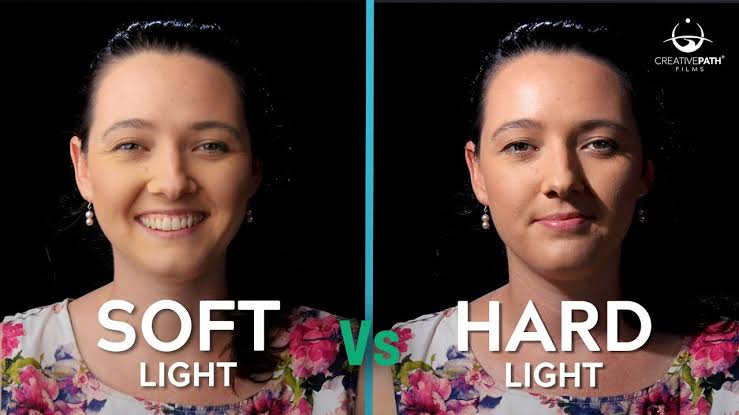
Diffused Light (Soft Light)
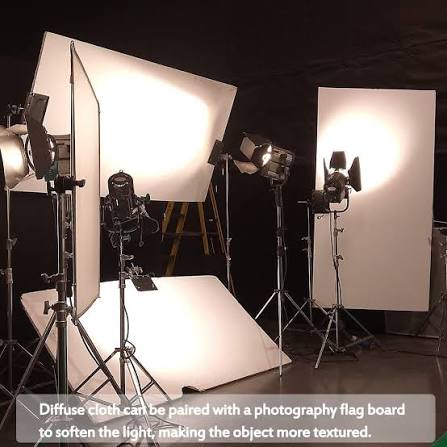
This occurs when light is scattered by a medium like a softboxbor a cloudy sky. The light hits the face from many different angles simultaneously. Fills in the "valleys" of the face. Because light is coming from everywhere, shadows have blurry edges and hence low contrast result. Is more emphasis on the silhouette and overall shape rather than the texture. Suddenly your face starts looking having more structure. It's the Instagram Filter of lighting because it hides blemishes, softens deep eye bags, and smooths out a recessed maxilla
Undiffused Light (Hard Light)
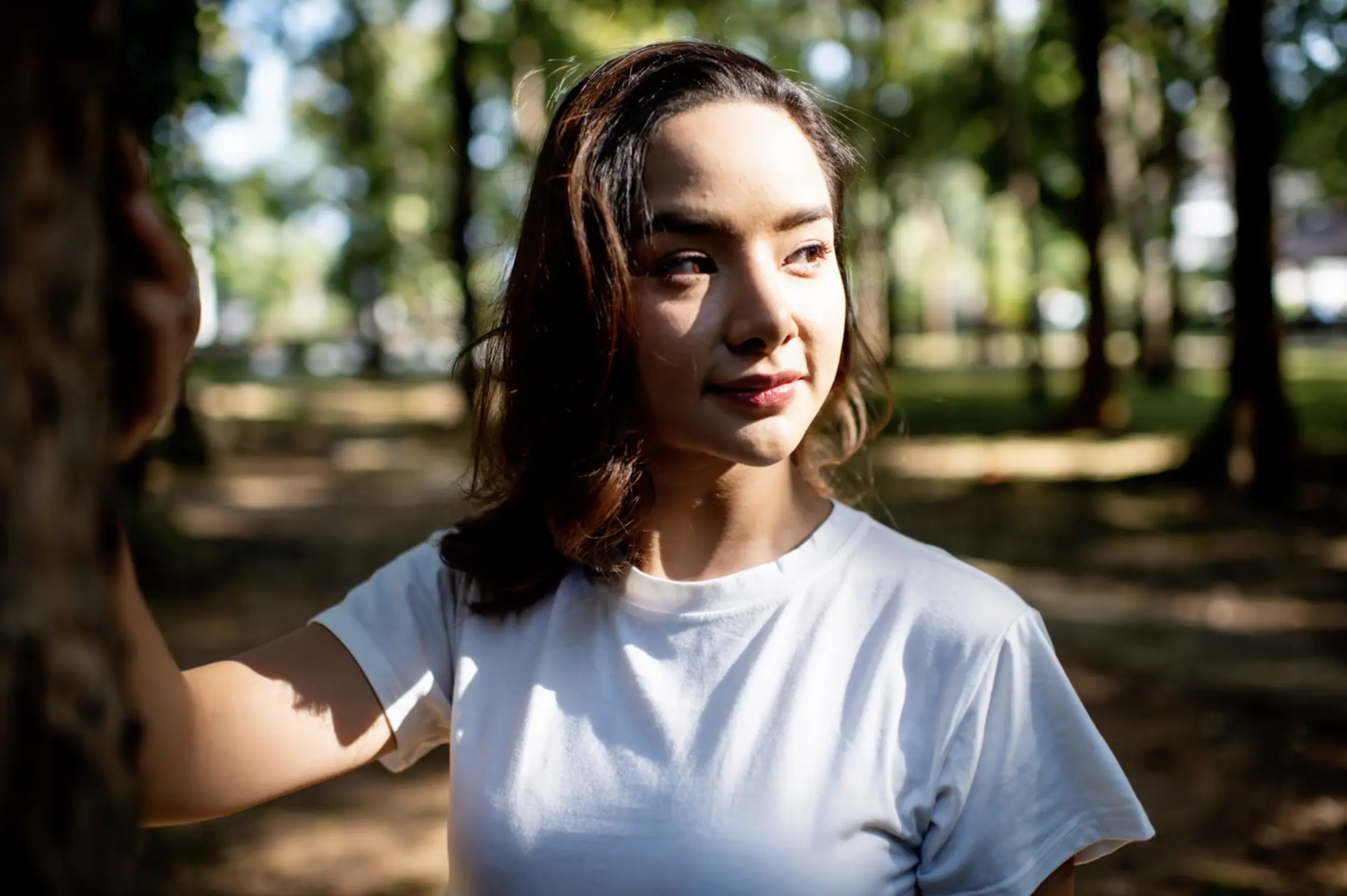
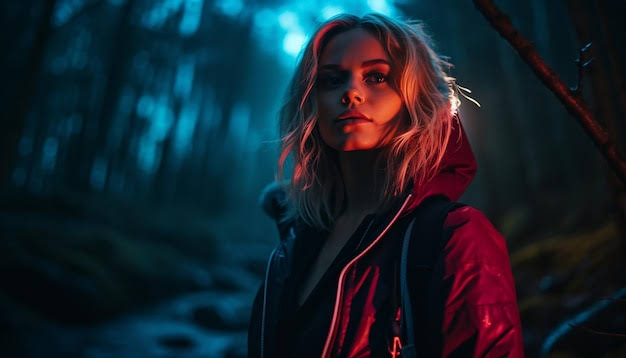
This comes from a small, direct source (the sun at noon, a bare lightbulb, or a phone flash. The light rays are parallel and travel in one direction It creates specular highlights and "hard" shadows with crisp edges. This is the lighting that "exaggerates". Jaw looks sharper, zygos look sharper but if you have bae skin texture or minor nasolabial folds, hard light will turn them into deep dark lines
Playing around with these lights you can create all kinds of affects and emphasize or deemphasize the features in your face
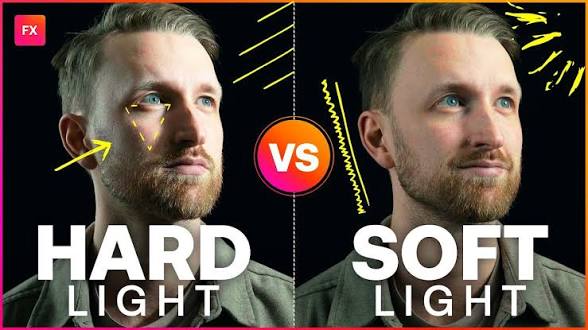
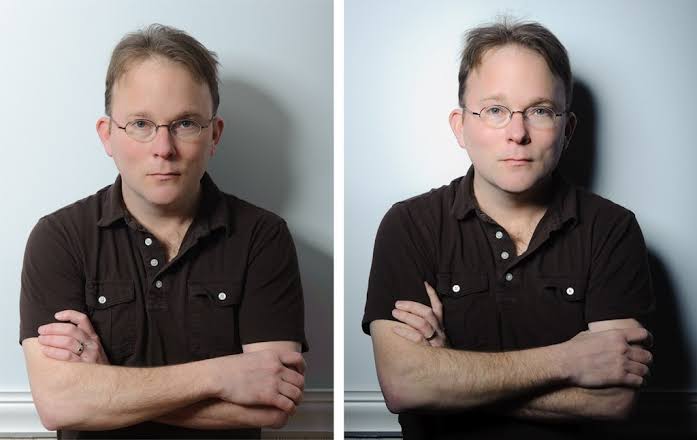
Diffused lighting from behind highlights hollow cheeks, making the zygos stand out more.
For example-Liam Payne doesn't have hollow cheeks in normal lighting
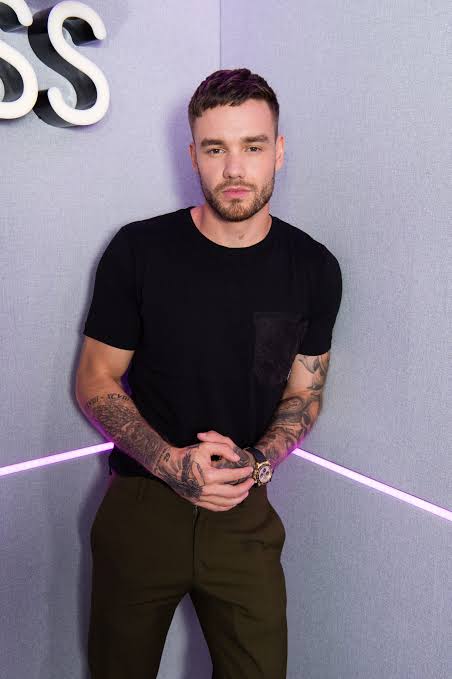
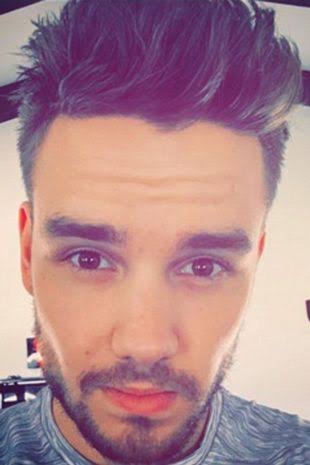
Non-Diffused Light from the front with a slight elevation highlights the lower third more and creates a shadow effect to make the eyes appear deeper set.
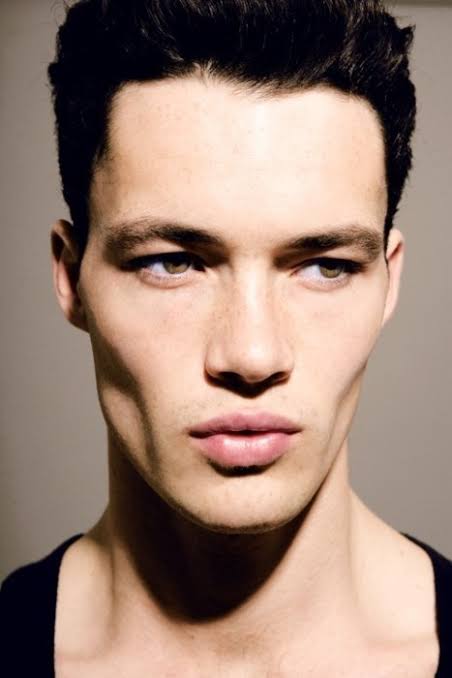
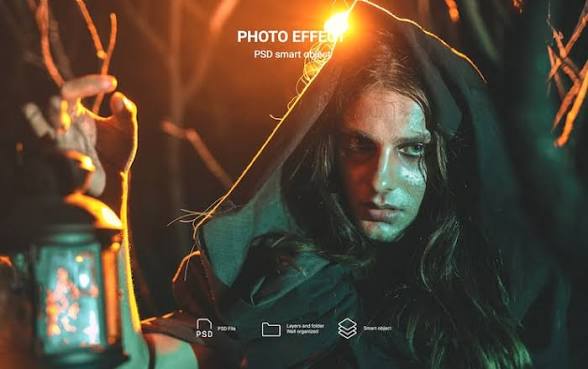
Non-Diffused lights from the top. The god father lighting are also good for body pics.
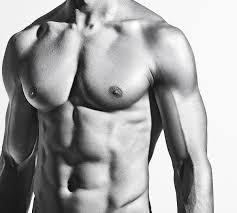
A bright flash from the front can make the face appear leaner and the eye colour pop more.
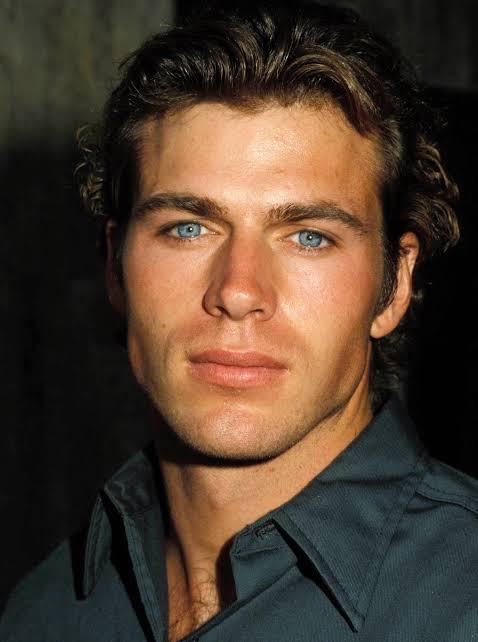
It's not as easy and straight forward tho. Finding 'good light' for your face can be tricky. While non-diffused light does highlights the lower third, it also exaggerates the recession in the under eye area and makes the maxilla appear more flat, making anyone with a recessed maxilla or under eyes look bad in them and likewise flashlights can make you look like shit if your face is not lean enough or if your skin has blemishes.
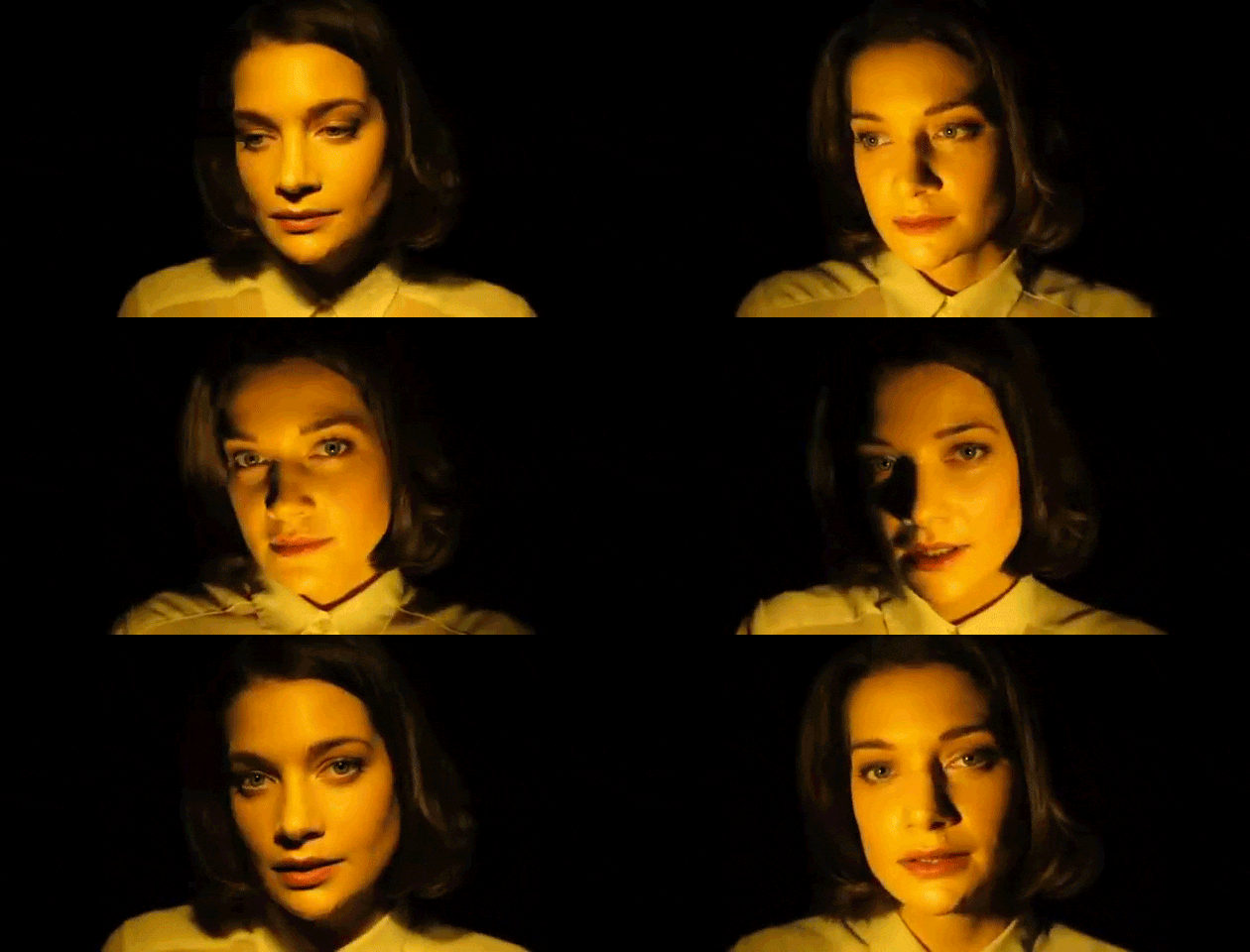
And all this is barely scratching the surface when it comes to lighting. There's hundreds of techniques. Lighting is extremely extremely important. It cannot be over stated tbh
It can convey mood, style, expression, emotions, feelings. You can use color, reflectors, color temperate, vibrance, angles, luminance all sorts of things to dramatically alter your face.
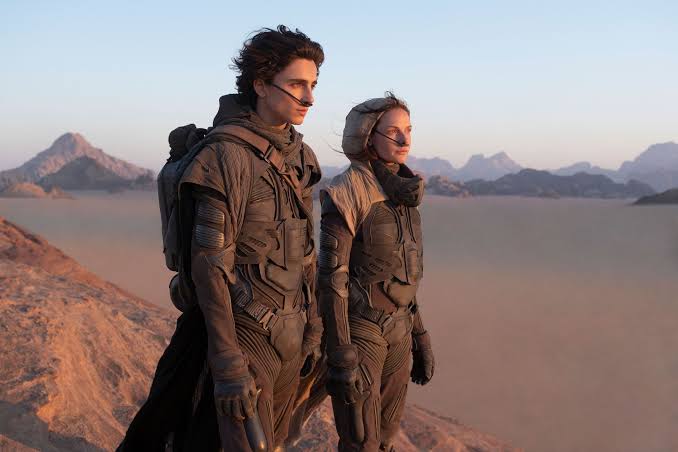
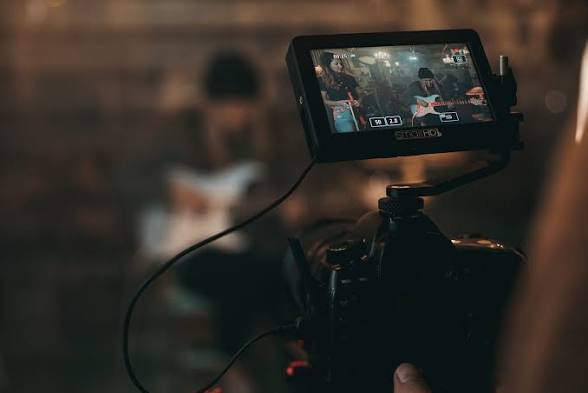
There's a reason why cinema production have a dedicated crew whose entire job is to ensure optimal lighting in all scene. In Hollywood, the Director of Photography (DP), Cinematographers and the Gaffer are often paid as much as the actors because they know that a million dollar face can look like a five dollar face with bad lighting and it takes years to master. Moving a light source an inch to the left can be the difference between "heroic" and "villainous," or "chiseled" and "emaciated" if there's one takeaway that you can have from this thread it should be that lighting is giga important
What are your thoughts? What do you think is the best lighting setup to take pics? What's your take on this?
Diffused Light (Soft Light)
This occurs when light is scattered by a medium like a softboxbor a cloudy sky. The light hits the face from many different angles simultaneously. Fills in the "valleys" of the face. Because light is coming from everywhere, shadows have blurry edges and hence low contrast result. Is more emphasis on the silhouette and overall shape rather than the texture. Suddenly your face starts looking having more structure. It's the Instagram Filter of lighting because it hides blemishes, softens deep eye bags, and smooths out a recessed maxilla
Undiffused Light (Hard Light)
This comes from a small, direct source (the sun at noon, a bare lightbulb, or a phone flash. The light rays are parallel and travel in one direction It creates specular highlights and "hard" shadows with crisp edges. This is the lighting that "exaggerates". Jaw looks sharper, zygos look sharper but if you have bae skin texture or minor nasolabial folds, hard light will turn them into deep dark lines
Playing around with these lights you can create all kinds of affects and emphasize or deemphasize the features in your face
Diffused lighting from behind highlights hollow cheeks, making the zygos stand out more.
For example-Liam Payne doesn't have hollow cheeks in normal lighting
Non-Diffused Light from the front with a slight elevation highlights the lower third more and creates a shadow effect to make the eyes appear deeper set.
Non-Diffused lights from the top. The god father lighting are also good for body pics.
A bright flash from the front can make the face appear leaner and the eye colour pop more.
It's not as easy and straight forward tho. Finding 'good light' for your face can be tricky. While non-diffused light does highlights the lower third, it also exaggerates the recession in the under eye area and makes the maxilla appear more flat, making anyone with a recessed maxilla or under eyes look bad in them and likewise flashlights can make you look like shit if your face is not lean enough or if your skin has blemishes.
And all this is barely scratching the surface when it comes to lighting. There's hundreds of techniques. Lighting is extremely extremely important. It cannot be over stated tbh
It can convey mood, style, expression, emotions, feelings. You can use color, reflectors, color temperate, vibrance, angles, luminance all sorts of things to dramatically alter your face.
There's a reason why cinema production have a dedicated crew whose entire job is to ensure optimal lighting in all scene. In Hollywood, the Director of Photography (DP), Cinematographers and the Gaffer are often paid as much as the actors because they know that a million dollar face can look like a five dollar face with bad lighting and it takes years to master. Moving a light source an inch to the left can be the difference between "heroic" and "villainous," or "chiseled" and "emaciated" if there's one takeaway that you can have from this thread it should be that lighting is giga important
What are your thoughts? What do you think is the best lighting setup to take pics? What's your take on this?
Last edited: