M
minty
long-time lurker
- Joined
- Aug 21, 2024
- Posts
- 126
- Reputation
- 117
Multiple part series (hopefully) on different parts of facial aesthetics
A massively overlooked part of facial aesthetics is the back of the skull. Mostly people tend to overlook this because you can't see the back of your head in a mirror.
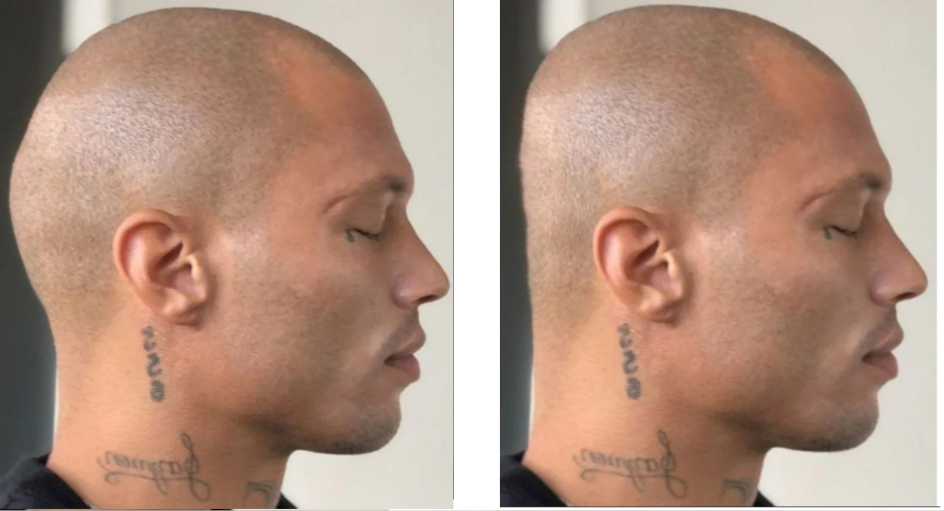
Which photo in the side-by-side looks better and more aesthetic? Obviously the photo on the left. The flat occipital bone (the bone at the back of the skull) looks way worse, and even creates an illusion that the rest of the face looks less forward grown.
How is this caused?
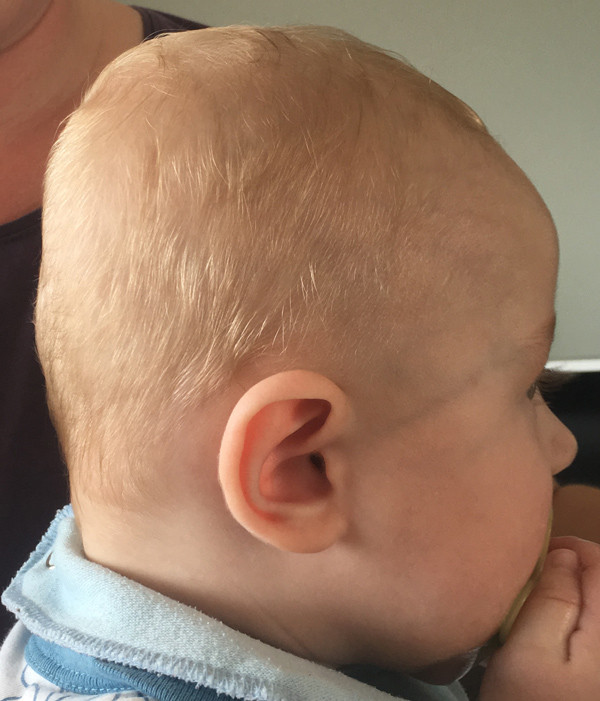
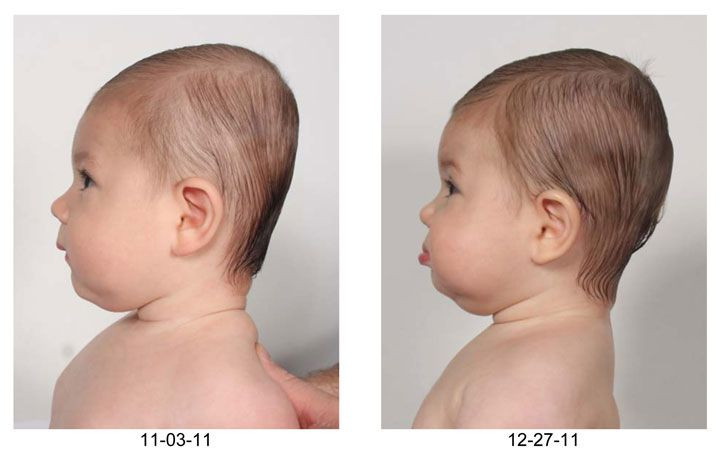
This is usually developed as an infant, caused by prolonged pressure to the back of their soft malleable skulls. If a baby sleeps on a firm mattress all night, that will cause flattening over time. Usually due to the soft nature of a baby's skull, the flat shape will morph back into a regular looking skull, but in cases of severe and persistent pressure, flatness can last until adulthood, like the morphs above.
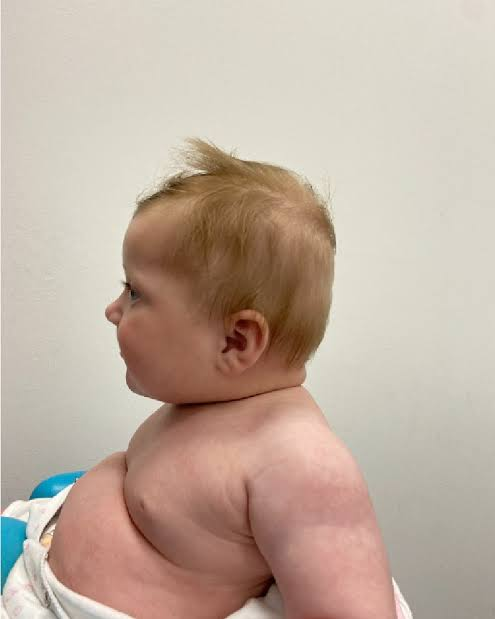
How can you check the back of your skull?
The same way you check anything else in your side, by taking a proper analytical photo from 5 feet away, at head height. If you have long hair at the back, use an elastic band or flatten it down as best you can before you take the photo.
How can I tell if my occipital bone is too flat?
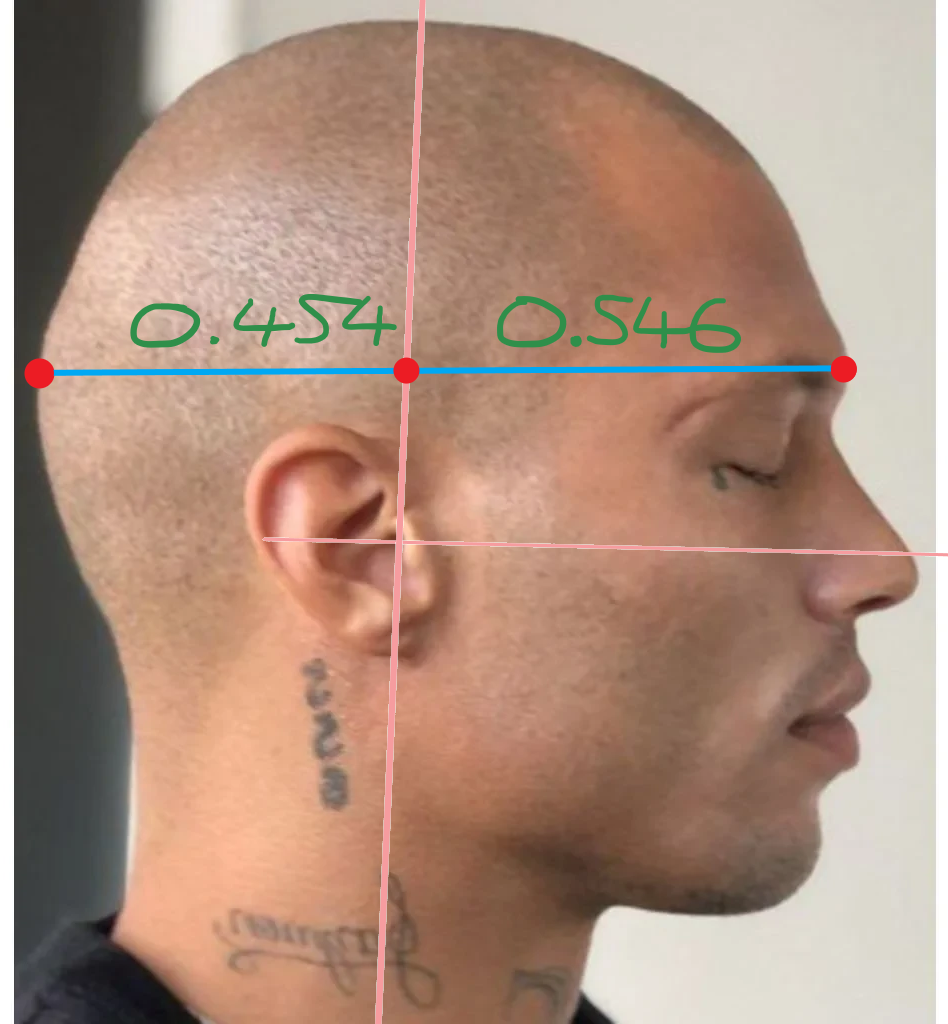
Here's a ratio to help determine occipital depth. I haven't seen this anywhere else on the forum, but it probably exists somewhere already. By drawing a line perpendicular to the frankfort plane up from the tragus, and marking the point that also intersects the line drawn between the very back of the skull and the browridge, you can use all three of those points to calculate your occiptal depth. In the picture above, the line to the left of the tragus is 0.83x the line to the right, which visually looks ideal. Knowing this ideal, if you calculate yours and it's anywhere from 0.78 - 0.88, you're probably around T1. I can't be bothered to write a proper tier system.
How can I cope with a bad occipital depth?
Sorry for low effort thread, probably doesn't help most people, but might help a few ppl
A massively overlooked part of facial aesthetics is the back of the skull. Mostly people tend to overlook this because you can't see the back of your head in a mirror.
Which photo in the side-by-side looks better and more aesthetic? Obviously the photo on the left. The flat occipital bone (the bone at the back of the skull) looks way worse, and even creates an illusion that the rest of the face looks less forward grown.
How is this caused?
This is usually developed as an infant, caused by prolonged pressure to the back of their soft malleable skulls. If a baby sleeps on a firm mattress all night, that will cause flattening over time. Usually due to the soft nature of a baby's skull, the flat shape will morph back into a regular looking skull, but in cases of severe and persistent pressure, flatness can last until adulthood, like the morphs above.
How can you check the back of your skull?
The same way you check anything else in your side, by taking a proper analytical photo from 5 feet away, at head height. If you have long hair at the back, use an elastic band or flatten it down as best you can before you take the photo.
How can I tell if my occipital bone is too flat?
Here's a ratio to help determine occipital depth. I haven't seen this anywhere else on the forum, but it probably exists somewhere already. By drawing a line perpendicular to the frankfort plane up from the tragus, and marking the point that also intersects the line drawn between the very back of the skull and the browridge, you can use all three of those points to calculate your occiptal depth. In the picture above, the line to the left of the tragus is 0.83x the line to the right, which visually looks ideal. Knowing this ideal, if you calculate yours and it's anywhere from 0.78 - 0.88, you're probably around T1. I can't be bothered to write a proper tier system.
How can I cope with a bad occipital depth?
- Grow out a hairstyle with lots of length at the back.
- Wear a hat, cap, or a durag
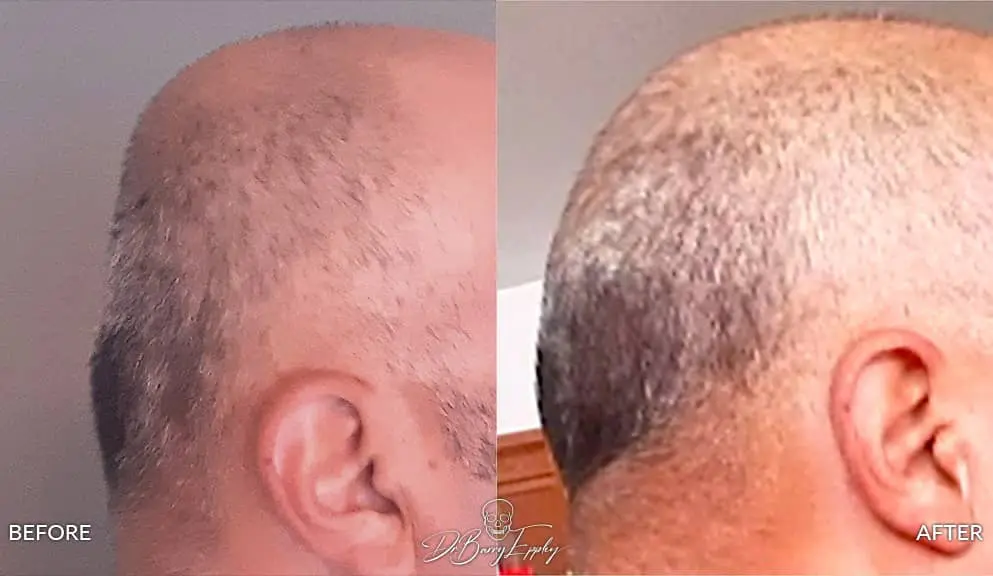
- Get skull reshaping/occipital surgery (example below)
Sorry for low effort thread, probably doesn't help most people, but might help a few ppl
Last edited: