Jeiko
Personnalitymaxxer
- Joined
- Dec 16, 2025
- Posts
- 476
- Reputation
- 513
Ultimate Bimax / Osteotomy Recovery Optimization Guide MEGATHREAD
You can ask any oral/jaw surgeon, he can see the difference between a good recovery and a bad recovery.
Hello, if you're interrested with osteotomy surgeries in the near future, this post can help you understand how to optimize your recovery to get the best results as possible!
Even tho the surgeon do the main work, it's up to you if you want to fucked up your ideal result or maximize everything in your control for the 2 most important weeks.
I will be talking about bimax only because it is the most common osteotomy, however it can be applied to any osteotomies.
The goal of this thread is not to speedrun the swelling like a retard scared of looking bloated for 2-3 weeks. Btw inflammation is your friend during the recovery, do NOT try to nuke it completly but you're going to know why later in the thread.

- post recovery aesthetic outcome
- Soft tissues looks and remodeling
- long term bone quality
- consolidation
- avoid relapse
- vascularization
- nerve recovery
I'm not a Doctor and some shits are at your own risks. However if you need the best infos about recovery optimization (once the surgery is done, from day 1 post op), it's here ! Let's autistmaxx and get into it !
Complete Post-Osteotomy Nutrition
If you only need to perfect one part, this is this one. Nutrition is THE key.Primary objective:
Maximize bone healing quality (density, mechanical strength, optimal remodeling), soft tissue quality (collagen, vascularization, low fibrosis), and long-term stability (anti-relapse). Faster recovery comes as a bonus.
Everything is based on concrete physiological mechanisms, not mainstream recommendations or generic surgeon advice.
Calories & Protein Requirements (Non-Negotiable Foundation)
Calories:
Aim for minimum 35–45 kcal/kg bodyweight during the first 4–6 weeks (hypermetabolic phase).
Examples:
- 75 kg male → 2600–3400 kcal/day.
- 60 kg female → 2100–2700 kcal/day.
Protein:
1.8 – 2.5 g/kg bodyweight (ideal = 2.0–2.2 g/kg for maximal bone quality).
Reason:
Bone is composed of ~50% protein (mainly type I collagen).
Fracture repair requires intense protein synthesis.
Studies show that high protein intake improves callus formation and reduces post-traumatic bone loss.
Example:
75 kg → 135–165 g protein/day.
Split into 5–7 feedings/meals (better utilization + lower renal stress).
Priority protein sources (ranked for post-op efficiency):
- Whole eggs → excellent protein matrix + choline + fat-soluble vitamins.
- dairy product (milk, yogurt) → nutrients+ easy intake to mix with a lot of things when you can't chew at all
- meats / fatty fish (salmon, sardines) → zinc, heme iron, omega-3.
- Homemade bone broth (long cooking time) → direct glycine, proline, hydroxyproline for collagen synthesis.
- Fresh cheeses / full-fat yogurts (if tolerated).
- Whey isolate protein or colostrum (if supplementation is needed).
Large amounts of isolated plant proteins (less effective for bone collagen synthesis).
Raw Milk Post-Op ?

My opinion: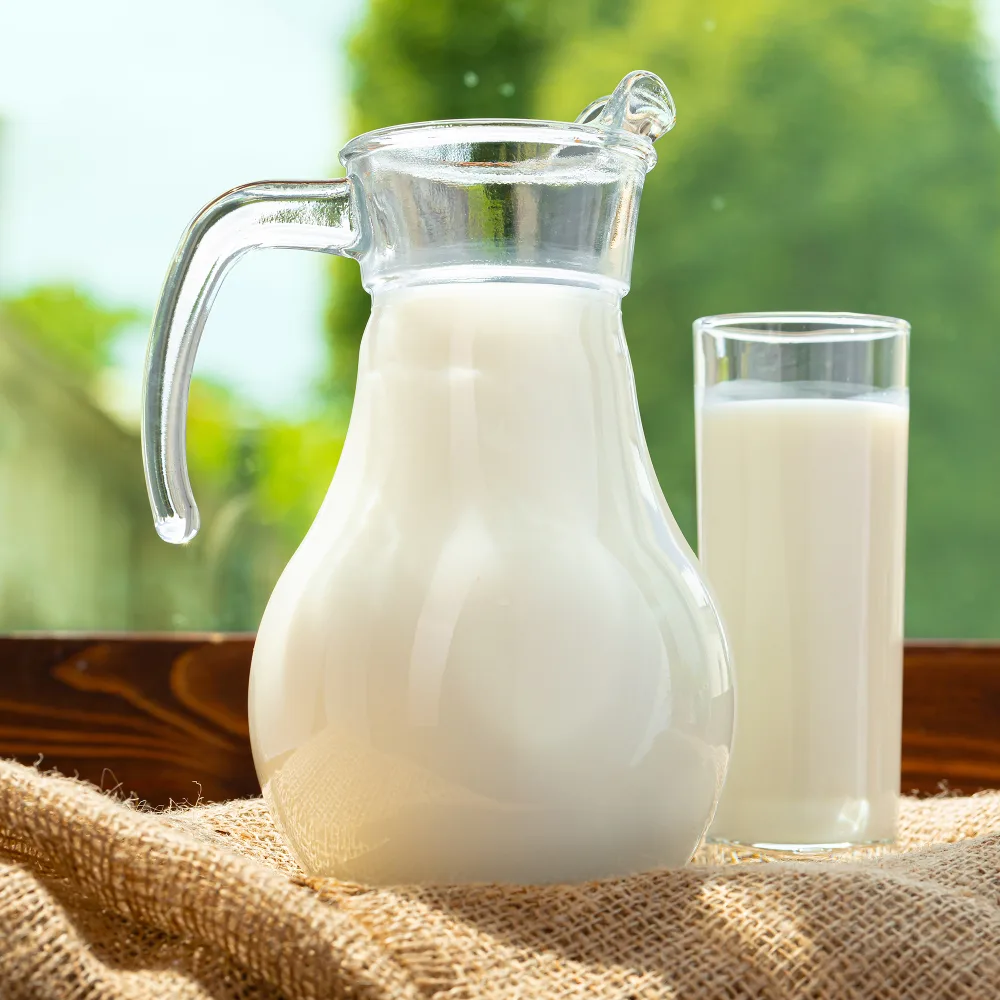
Raw milk is superior to pasteurized milk in nutritional density (enzymes, heat-sensitive vitamins, probiotics, growth factors).
It provides higher bioavailability of calcium, vitamins A/K2, and CLA.
However:
The bacterial risk increase a lot with oral wounds/open incisions.
Post-op, your immune system is heavily mobilized for healing → higher infection risk
Recommendation:
- Day 0 to Day 10:
Completely avoid raw milk. - From Day 10-21 (case by case, depends on immune system)
Start progressively then go for a litter a day, raw milk has a lot of nutrients and calories its going to help you a lot.
Whole raw milk from grass-fed cows (higher K2 and omega-3 content).
If the source is questionable → better to use whole pasteurized milk + K2 MK-7 supplementation.
Critical Micronutrients for Bone Quality
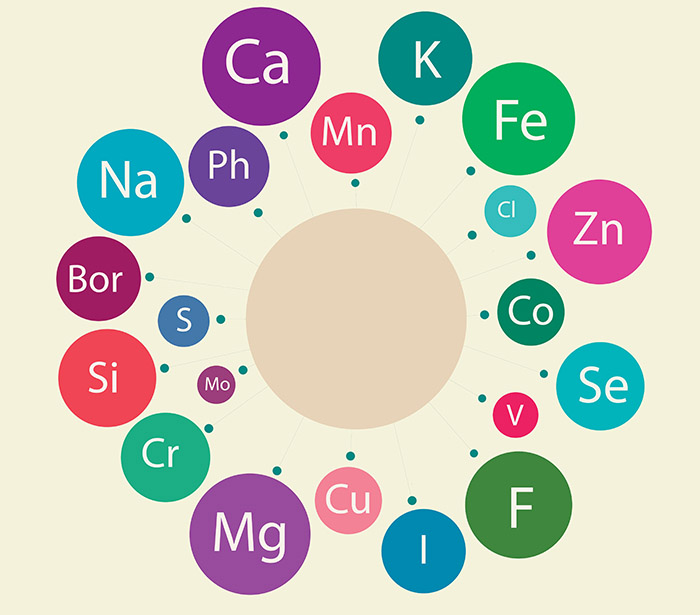
Vitamin D3 + K2 (MK-7):
Non-negotiable.
- D3:
4000–6000 IU/day (target blood levels: 50–80 ng/ml). - K2 MK-7:
180–360 µg/day → directs calcium into bone instead of soft tissues/arteries.
1–2 g/day (split doses).
Essential for collagen hydroxylation (bone matrix synthesis).
Zinc:
30–50 mg/day (with 2 mg copper for balance).
Key cofactor for osteoblast function.
Magnesium:
400–600 mg/day (glycinate/threonate forms preferred).
Calcium:
800–1200 mg/day maximum through food sources (milk, cheese, sardines with bones, green vegetables).
Avoid massive calcium supplementation unless deficiency is proven (risk of ectopic calcification).
Food Texture & Recovery Phases (Bimax-Adapted)
Day 0–14:
Fully liquid / ultra-blended diet (smoothies, blended soups, broths, drinkable yogurts).
Goal:
High calorie/protein density in low volume.
Day 14–42:
Fine purées + very soft foods (scrambled eggs, shredded fish, avocado, blended sweet potato).
After Day 42:
Gradual introduction of resistant soft textures for mechanical stimulus (controlled chewing).
What to MAX Without Compromise
- Homemade bone broth (2–3 cups/day).
- Eggs (4–8/day if tolerated).
- Fatty fish.
- Stable saturated fats (butter, ghee, avocado) for hormones and cell membranes.
- Salt (sodium):
Do not restrict during the first weeks.
Fluid retention helps osmotic pressure for healing.
- Fast sugars / industrial fruit juices → insulin spikes + inflammation.
- Seeds / nuts in large quantities (phytic acid, pro-inflammatory omega-6).
- Excess raw cruciferous vegetables (goitrogens, harder to digest).
- High-dose turmeric / ginger during the first weeks (possible CGRP reduction as discussed earlier).
- Alcohol, ultra-processed foods, industrial vegetable oils.
CARBS/FATS/PROTS, TIMING, MEALS, SUPPLEMENTS (Part 2)
Carbohydrates vs Fats: What Is the Optimal Ratio?
Bone repair is an energy-intensive and anabolic process. It requires a precise balance.
Elite-level recommendation:
- Proteins: 25–30% of total calories (2.0–2.2 g/kg as explained in Part 1).
- Fats: 45–55% of total calories (very high for post-trauma recovery).
- Carbohydrates: 20–30% of total calories (mainly slow-digesting and anti-inflammatory sources).
- Saturated and monounsaturated fats support steroid hormone production (testosterone, pregnenolone) and provide the stable energy required for osteogenesis.
- Excess carbohydrates = repeated insulin spikes → chronic inflammation + risk of ectopic calcification.
- Carbohydrates are still necessary to replenish muscle glycogen and support thyroid function (T3), but they should be slow-digesting and low glycemic.
- Sweet potatoes, well-cooked white rice (less irritating than brown rice), ripe bananas, raw honey (small amounts), pumpkin.
- Avoid:
Wheat, bread, pasta, cereals, fruit juices, excessive fructose (large amounts of pears or raw apples).
- Raw butter / ghee, egg yolks, avocado, extra virgin olive oil, sardines in olive oil, beef fat / duck fat.
- Avoid:
Seed oils (sunflower, soybean, canola) → oxidation + pro-inflammatory omega-6 overload.
- 5 to 7 meals/feedings per day during the first 4 weeks (better protein synthesis + glycemic stability + lower digestive stress).
- No intermittent fasting during the first 3–4 weeks (too catabolic for bone repair).
- Last meal:
At least 2h before sleep, rich in protein + fats + glycine (bone broth or cheese).
Phase 1 (Day 0–14): Fully Liquid / Blended (high caloric density)
Morning Smoothie (800–1000 kcal):
- 4 whole raw eggs (or cooked if concerned)
- 400 ml whole milk (pasteurized or raw after Day 14-21)
- 1 ripe banana + 100 g cooked sweet potato
- 30 g whey isolate or colostrum
- 1 tbsp cocoa butter or ghee
- 20 g raw honey
- Pink salt + cinnamon
- Beef/chicken bones cooked 12–24h + beef feet (massive glycine source)
- Add raw egg yolk before drinking
- 500 ml whole milk
- 40 g whey
- 4 egg yolks
- 1/2 avocado
- Salt + raw cacao
- Scrambled eggs with butter + shredded salmon
- Sweet potato/squash purée + very well-cooked minced meat + butter
- Blended vegetable soup (carrot, zucchini, pumpkin) + bone broth + full-fat cream
- Vitamin D3 5000 IU + K2 MK-7 360 µg (with a fatty meal)
- Magnesium glycinate/threonate 500 mg in the evening
- Zinc picolinate 40 mg + Copper 2 mg
- Vitamin C 1.5–2 g split doses
- Omega-3 (EPA/DHA) 3–4 g (fish oil or krill oil)
- Hydrolyzed collagen type I & II or bone broth
- Glycine 5–10 g/day (sleep + collagen support)
- Taurine 2–3 g/day (bone + calcium metabolism)
- Vitamin A (retinol) 5000–10000 IU (cheese, eggs, liver 1–2x/week)
- High-dose turmeric / curcumin (possible CGRP reduction, part 4 of the thread)
- Concentrated ginger
- Strong plant anti-inflammatories (megadose resveratrol, quercetin)
Example: 75 kg / 1m82 male (average metabolism)
- Calories: 2900–3300 kcal
- Protein: 150–165 g
- Fats: 160–200 g
- Carbs: 120–180 g (mainly sweet potatoes, rice, ripe fruits)
- Calories: 2500–2900 kcal
- Protein: 130–145 g
- If you lose weight rapidly → increase calories and fats.
- If swelling becomes excessive → slightly reduce sodium and carbohydrates.
FRUITS/VEGETABLES, DAIRY, INFLAMMATION, MISTAKES, EXEMPLES, MINDSET
Fruits & Vegetables: What to Prioritize / Avoid
Vegetables:Fruits & Vegetables: What to Prioritize / Avoid
Prioritize:
Zucchini, cooked carrots, pumpkin, sweet potato, cooked beetroot, peeled cucumber.
These are easy to digest and provide potassium and antioxidants without excessive anti-nutrients.
Avoid or strongly limit during the first 4–6 weeks:
- Raw cruciferous vegetables (broccoli, cauliflower, cabbage) → goitrogens + difficult digestion → bloating and digestive inflammation.
- Spinach and high-oxalate vegetables (sorrel, chard) → risk of ectopic calcification if calcium metabolism is not well controlled.
- Raw vegetables in general → too much fiber irritation for a slowed post-op digestive system.
Prioritize:
Very ripe banana, avocado, ripe mango, papaya, melon.
Rich in potassium and digestive enzymes.
Limit:
Apples, pears, berries (oxidative load and fructose not well tolerated in excess during inflammation).
Avoid:
Citrus fruits (orange, lemon) in large quantities → acidity may irritate surgical areas and increase salivation.
Dairy Products in Detail
Post-op ranking:Best:
Raw whole milk (after Day 10–21 if source is perfect), raw butter, full-fat fresh cheeses (cottage cheese, ricotta, mozzarella di bufala), heavy cream.
Good:
Whole pasteurized milk, full-fat unsweetened yogurt, kefir (if tolerated).
Acceptable:
Aged cheeses in small amounts (parmesan, comté) for vitamin K2 content.
Avoid:
Skim milk, 0% yogurts, ultra-processed industrial cheeses, anything with additives.
Whole milk provides highly bioavailable calcium, vitamin A, and stable saturated fats. It is superior to calcium supplements.
Inflammation Management via Diet (CGRP-Friendly)
Animal fats, eggs, bone broth, fatty fish (EPA/DHA), mild ginger (light tea after Day 10).
Avoid:
High-dose turmeric/curcumin, strong ginger extracts, high-dose polyphenols (resveratrol, EGCG, quercetin) during the first 3 weeks → they may reduce CGRP signaling and interfere with the early beneficial inflammatory phase of bone healing.
Sugars:
Very low during the first 10 days (avoid insulin spikes). After that, only slow carbohydrates around protein meals.
Common Mistakes from Surgeons / Maxillofacial Nutrition Advice
They are profesionnal but they adapt to the average patient (bluepilled, NT, average diet, maybe scared of swelling, etc)- Recommending insufficient protein intake (<1.5 g/kg).
- Promoting green juices / smoothies with raw spinach and cruciferous vegetables.
- Prescribing low-fat diets.
- Recommending curcumin as “always beneficial anti-inflammatory” without nuance (can interfere with CGRP).
- Not emphasizing bone broth and vitamin K2 enough.
- Allowing solid or irritating foods too early.
Example Full-Day Diets
Example: 75 kg male – Phase 1 (Day 3–10) ~3100 kcalMorning:
Smoothie (4 eggs + 400 ml milk + banana + whey + cocoa butter) → 950 kcal
10:00:
Bone broth + 2 egg yolks + salt → 350 kcal
13:00:
Shake (500 ml milk + 40 g whey + avocado + honey) → 750 kcal
15:00:
Sweet potato purée + blended salmon + butter → 650 kcal
18:00:
Bone broth + full-fat cottage cheese + honey → 400 kcal
20:00:
2 boiled eggs + cream → 300 kcal
Example Phase 2 (Day 21+) ~2900–3200 kcal
- Add scrambled eggs, minced meats, more resistant textures for mechanical stimulation.
Adjustments by Post-Op Phase
Day 0–7 (Acute inflammation):More fats, fewer carbs, focus on edema control (high potassium, moderate sodium).
Day 8–21 (Callus formation phase):
Increase protein + K2 + vitamin D + gradual mechanical stimulus.
Day 21–60 (Remodeling phase):
Gradually reintroduce more textures and slow carbohydrates for energy.
Global Nutrition Conclusion
Post-bimax nutrition must be:
Hypercaloric, high-protein, rich in stable animal fats, and high in direct growth factors (bone broth, eggs, reliable raw milk, vitamin K2, vitamin D).
Everything else (excess green vegetables, curcumin-heavy “anti-inflammatory” protocols, detox diets, etc.) is noise or even counterproductive.
Absolute priorities:
Animal protein + saturated fats + vitamin D/K2 + bone broth.
Absolute avoidances:
Fast sugars, industrial seed oils, irritating foods, and strong plant-based anti-inflammatories during the early phase.
VERY IMPORTANT :
Consult a post bimax nutritionist ! I'm getting the surgery in 6 months and that's what im going to do. Usually your surgeon can recommend you one or two profesionnal. Take it seriously and ask him for some details, tips and meals for the nutrition part.
Deep sleep is where the magic happens

- growth hormone pulses
- tissue remodeling
- collagen synthesis
- nerve repair
- immune regulation
- inflammation regulation
- bone healing
IMPORTANT:
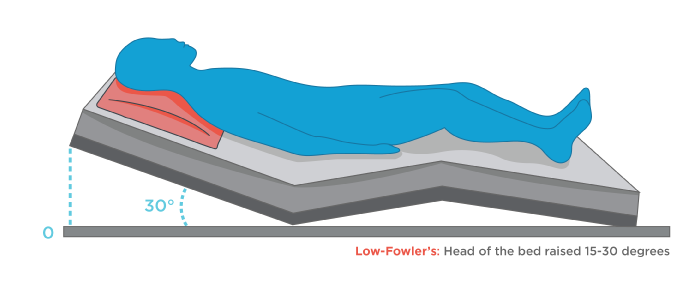
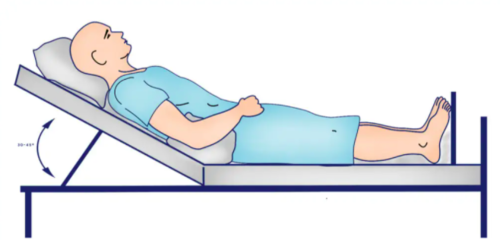
Sleeping elevated is mandatory early post op for swelling and breathing management.
Too much elevation can destroy sleep quality and neck comfort.
You want enough elevation to help drainage and breathing, while still getting real deep sleep.
Ideal:
~20-45° depending on your swelling/breathing.
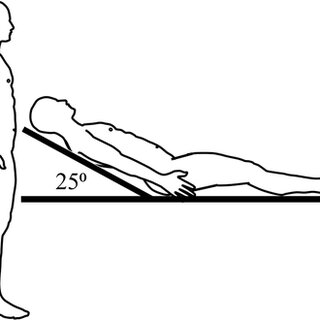
SLEEP AS MUCH AS YOU CAN
Minimum 8 hours of sleep per night for the first 6-8 weeks.
SLEEP EARLY
Ideally before 10:00-10:30 PM) → best window for GH.
Other important things:
- Completely dark room
- Cold room (16-18°C)
- No blue light / doomscrolling 4H before sleep
- Avoid caffeine
- Mouth breathing must be avoided
- Nasal hygiene matters a lot post op
- Use saline spray if needed
- Humidifier can help massively
- A short nap (20-25 min) is possible around 1-2pm if needed
- No long naps (>30 min) after 3pm (disrupts sleep)
- Magnesium intake can help
Good sleep > trying to act hardcore for no reason.
And finally:
don't panic if sleep is horrible the first few nights.
That's normal after a massive osteotomy.
I guess you could still call your surgeon or someone if something is wrong tho.
Goals:
- maximize sleep quality
- maximize nasal breathing if possible
- avoid constant wake ups
- keep nervous system calm
- avoid unnecessary cortisol spikes

LYMPHATIC DRAINAGE, MASSAGES, SOFT TISSUES AND WALKING

This section is fundamental for your primary objective: final aesthetic quality (harmonious soft tissues, less fibrosis, better facial contour definition) and long-term stability (lower risk of indirect relapse via poor healing or chronic inflammation).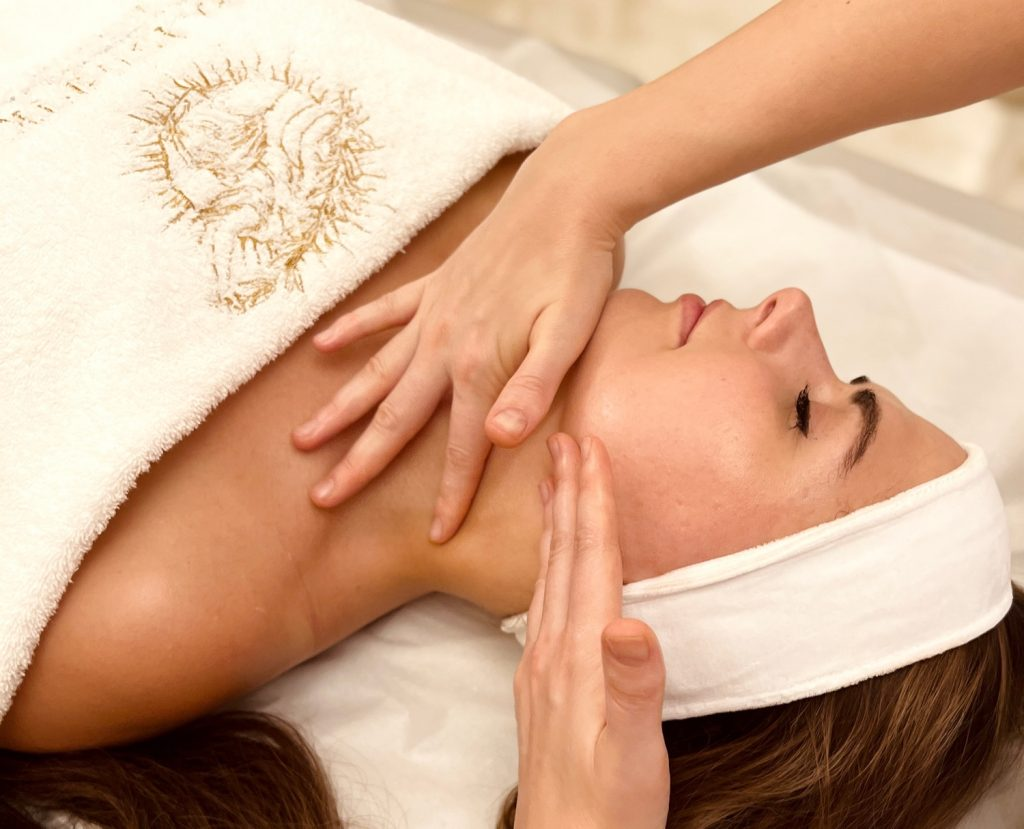
Why It Matters After Osteotomy (Bimax, Genio, ZSO, chin wing, etc.)
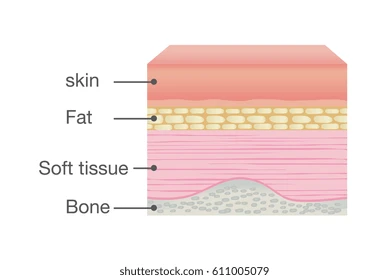
After an osteotomy, major swelling + surgical trauma to the soft tissues causes:
- Accumulation of lymphatic fluid → pressure on tissues → risk of fibrosis and ptosis (sagging) over time.

- Excessive scar tissue formation → stiffness, poorer aesthetic definition, and sometimes negative influence on skeletal stability (soft tissue tension).
- Altered local vascularization → lower healing quality.
Real Effects (Not Just Debloating)
- Accelerates edema resorption in a more physiological way than cold therapy alone.
- Reduces the risk of fibrosis and hypertrophic internal scar tissue.
- Improves local circulation → better oxygenation and tissue nutrition (bone and soft tissue).
- Helps maintain soft tissue elasticity and mobility → better final aesthetic outcome (sharper contour, less chronic puffiness).
- Reduces tension sensation and pain → better compliance with the overall recovery protocol.
- Indirect effect on skeletal stability: less chronic inflammation = fewer unfavorable traction forces on the jaws.
Manual lymphatic drainage and Kinesio taping applications reduce early-stage lower extremity edema and pain following total knee arthroplasty - PubMed
Additional MLD or KT applications to standard exercises were both effective on early-stage lower extremity edema and pain levels. Clinicians might implement one of these applications to the standard rehabilitation programs to control pain and edema following TKA.
 pubmed.ncbi.nlm.nih.gov
Recommended Timing (Very Important)
Day 1 to 7 post op:
Very gentle sessions, almost exclusively lymphatic drainage (no deep massage).
Ideally 3–5 professional sessions during the first week.
Day 7 to 21 post op:
Drainage + gradual introduction of soft tissue massage (face, neck, shoulders).
Day 21 to 60+ post op:
More targeted massage (scars, deeper tissues) + mobility work.
Ideal frequency:
3–5 sessions/week during the first 3 weeks, then 2/week.
Priority Techniques
- Very light, rhythmic, directional movements toward lymph nodes (neck, clavicles).
- Performed by a physiotherapist or therapist trained in post maxillofacial surgery care.
- After J10-14: light myofascial techniques to prevent adhesions.
- Intraoral massage (if approved by surgeon) for masseters, pterygoids, and oral mucosa.
- 10–15 min morning and evening.
- Gentle “pumping” movements from the center of the face toward the ears and neck.
- Use a gua sha or fingers (very light pressure).
Walking: Natural Lymphatic Drainage

Yes, this is almost fundamental and not just for “reducing swelling”.

Yes, this is almost fundamental and not just for “reducing swelling”.
Early light walking:
- Activates the muscular pump of the legs → improves venous and lymphatic return globally.
- Increases circulation without stressing the surgical area.
- Reduces complication risk (clots, lymphatic stagnation).
- Positive effect on mood, sleep, and cortisol regulation (very important for bone quality).
As early as possible (often from day 1-2 PO with surgeon approval):
Short flat walks of 5–10 min multiple times per day.
Week 1-2:
Aim for a cumulative 20–40 min/day (no exertion).
Week 3+:
Gradually increase, while keeping the head slightly elevated whenever possible.
Avoid:
Stairs, hills, and intense cardio before week 6–8.
Real benefit:
Not just anti-stagnation, but global support for healing (better oxygenation, better inflammatory control).
Recommendations for Soft Tissues
- Always combine cold therapy (check part 5 after) + MLD during the first days (strong synergy).
- Avoid aggressive or premature massage (risk of worsening edema).
- Track progress with daily photos + measurements (facial circumference).
- Consult a maxillofacial-specialized physiotherapist if possible (not just a generic massage therapist).
CGRP (Calcitonin Gene-Related Peptide) is one of the most interesting things for bone healing post osteotomy.
Never seen a single thread on that but it play a huge role on osteotomies or fractures. Understanding his role can really help you. You will not be able to produce it that much more than you want tho but at least you can minimize everything that blocks CGRP.

Studies show that CGRP is heavily involved in:
- bone regeneration
- osteoblast activity
- callus formation
- angiogenesis
- vascular signaling
- overall fracture consolidation
Your body naturally increases CGRP around the fracture/osteotomy/inflammation site because it helps healing. The more the inflammation, the more active CGRP are.
Important part:
multiple studies showed that blocking CGRP significantly worsened bone healing.
Less bone mass.
Smaller callus.
Weaker consolidation.
Higher non-union risk.
This is why blindly trying to suppress every inflammatory signal is low IQ.
Important nuance:
more inflammation ≠ always better.
Chronic excessive inflammation is dogshit for healing too. It raises cortisol and much more problems to avoid a "perfect" recovery. Managing, controlling and lowering inflammation is key. Trying to get 0 inflammation as fast as possible is not.
The goal is controlled inflammation and smart recovery, not trying to turn your body into an ice cube anti-inflammatory experiment 24/7.
Some inflammation and neurogenic signaling are PART of the healing process.
Things that lower CGRP (avoid):
- erenumab (anti CGRP drug)
- fremanezumab (anti CGRP drug)
- galcanezumab (anti CGRP drug)
- ubrogepant (anti CGRP drug)
- olcegepant (anti CGRP drug)
- alcohol
- smoking
- hard drugs
- just overall bad health (bad diet, etc)
- turmeric
- ginger
The obsession with instantly nuking all swelling from day 1 is probably not optimal for long term consolidation.
Inflammation is not just “damage”.
It is also signaling.
And CGRP is one of those signals.
Post-Op Cold Therapy in Osteotomy (Bimax, Genio, Chin Wing, etc.)
(AI generated pic)

(AI generated pic)
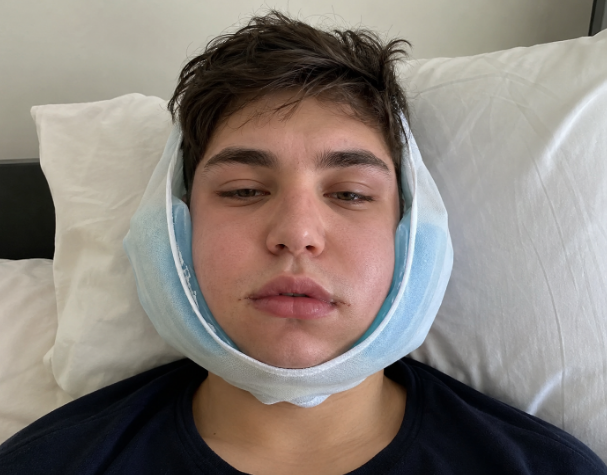
Primary objective: Bone healing quality (dense callus formation, proper vascularization, optimal remodeling).
Secondary objective: Overall tissue quality (less fibrosis, better mucosal healing).
Tertiary objective: Faster recovery (reduced edema, pain, hospitalization time).
Why Cold Therapy Is Not Binary (Cold ≠ Always Good)
Acute inflammation (first 48–72h) is mandatory for proper bone healing:
- It recruits stem cells and releases growth factors.
- It contributes to local CGRP release (which is pro-bone-healing, as shown in studies).
- Over-suppressing this phase = risk of weaker callus formation, delayed consolidation, and poorer final bone quality.
Cold therapy is therefore a modulation tool, not a total shutdown mechanism.
Optimized Post-Osteotomy Cold Therapy Protocol
Phase 1: 0 to day 2 post op (priority = edema control without killing useful inflammation)
- Ideal temperature: 15°C to 18°C (not below 10–12°C continuously → risk of tissue damage and excessive suppression).
- Recommended method: Hilotherapy (controlled circulating water mask) if available → clearly superior to ice packs in maxillofacial studies (less edema, less pain, higher satisfaction).
- 15–20 minutes ON / 20–30 minutes OFF (or 10 min ON / 20 min OFF if very sensitive).
- Never place ice directly on the skin → always use a thin cloth barrier.
- Apply to swollen areas (cheeks, chin, under-eyes) while keeping the surgical zone slightly “cool” but not frozen.
- Target skin temperature around 15–20°C, not 5°C.
- Gradually reduce cold intensity.
- Alternate intermittent cold + very gradual introduction of moist heat (after Day 3-4) to improve circulation and residual edema resorption.
- Edema peak is often around Day 3 → cold is still useful at this stage, but less aggressively.
- Transition mostly to heat (warm moist compresses) to stimulate vascularization and bone remodeling.
- Prolonged cold beyond 5–7 days is generally counterproductive for bone quality.
Day 0 to Day 2:
Priority = control massive swelling.
If swelling becomes intense → increase cold exposure (Hilotherm or more frequent packs).
If edema is very low + pain minimal:
Reduce cold earlier (keep only enough for light control).
Signs You Are Cooling Too Much
- Skin becomes very pale / numb long after removal.
- “Hard” sensation or edema that no longer changes.
- Lack of natural warmth returning afterward.
Signs You Are Not Cooling Enough
- Massive swelling with pulling/throbbing sensation.
- Strong tension-related pain.
Global objective:
Maintain a pink/controlled inflammation state — not red/explosive, and not white/shut down.
This “Cold Therapy” section is fundamental because it directly influences bone callus quality (your #1 objective).
This is probably the most uncommon tool used post osteotomy surgeries : PEPTIDES.

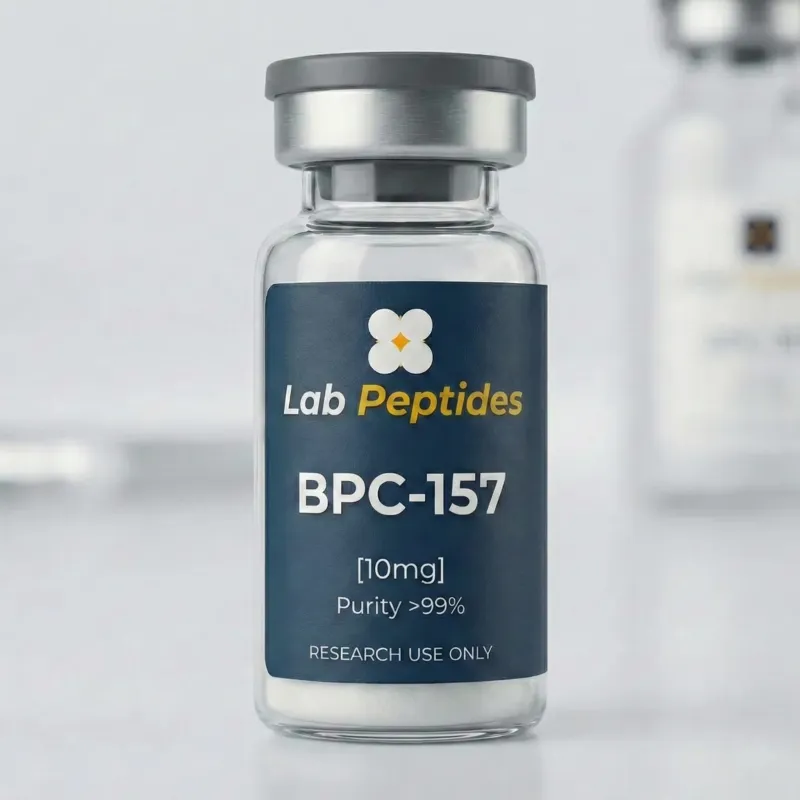
Peptides are one of the few things that MAY genuinely influence recovery quality post-op beyond basic normie advice.
HOWEVER:
most data is still preclinical (rats, mice, orthopedic models, etc).
Do not expect more than 10% of all the post op effects with this.
The most interesting peptide by far for osteotomies is BPC-157.
Why?
Because it seems to positively affect almost everything relevant for post-op recovery:
- angiogenesis
- soft tissue healing
- bone healing
- tendon/ligament healing
- inflammation modulation
- vascularization
- nerve recovery
- protection against NSAID toxicity
Sources
https://pubmed.ncbi.nlm.nih.gov/29998800/
https://pubmed.ncbi.nlm.nih.gov/34267654/
https://pubmed.ncbi.nlm.nih.gov/40756949/
https://pubmed.ncbi.nlm.nih.gov/29998800/
https://pubmed.ncbi.nlm.nih.gov/34267654/
https://pubmed.ncbi.nlm.nih.gov/40756949/
It also appears very interesting for intraoral healing because bimax recovery is not just “bone healing”.
You also have:
- gingiva incisions
- mucosa healing
- soft tissue remodeling
- nerve irritation
- massive inflammation
- vascular stress
Another interesting point:
It may help protect against some negative effects of NSAIDs and paracetamol toxicity without suppressing good effects from it (often prescribed on post op) :
https://pubmed.ncbi.nlm.nih.gov/20436226/
Which matters because post-op patients often spam painkillers for days or weeks.
Now IMPORTANT:
this thread is NOT saying:
“take peptides and ignore recovery basics”.
If your sleep is trash, nutrition is trash, stress is sky high and you're chronically inflamed, peptides will not save your recovery at all.
Peptides are recovery amplifiers, not magic.
And you can still get common risks like infections, which is not ideal at the same time as recovery. Talk to it with your surgeon but i think pretty much everyone will disagree because it's their fault if you have problems if they have said "yes take peptides if it can help". The reality is that BPC-157 and GHK-CU can easily be taken during recovery and it is smart in theory. Do it at your own risks.
Other peptides interresting:
- TB-500
- GHK-Cu
angiogenesis, collagen remodeling, GH/IGF-1 signaling, tissue repair, etc.
But:
BPC-157 is by far the most interesting and relevant one from the literature discussed in this thread. GHK-CU can help with soft tissues repair and collagene production.
Your body already knows how to heal.
The goal is to support and optimize the process smartly.
I've not talked about roids because it's not my case and dont want to take them. DYOR on roids if you want to hop on a cycle or you are actually on cycle. Btw avoid MK677 during recovery also.
EVERYTHING ELSE THAT CAN HELP OR THAT YOU NEED TO KNOW
Sure, it depends on everyone and you can dyor and found some shits more appropriate to you. It is very case dependent. You can also talk to your surgeon about some of that.
Cortisol: The #1 Enemy of Bone and Soft Tissue QualitySure, it depends on everyone and you can dyor and found some shits more appropriate to you. It is very case dependent. You can also talk to your surgeon about some of that.
Elevated cortisol = lower bone density, more fibrosis, more soft tissue ptosis (sagging), and increased relapse risk.
Strategy:
Create an environment of “maximum biological safety” for at least 4 weeks.
Where to Spend the First 2 Weeks? (Critical Choice)
Best option imo:
At your grandparents’ house or with calm family members in the countryside.
Reasons:
- Clean air, silence, negative ions, nature.
- Far fewer strangers → you avoid stares, pity, and the silent “holy shit did you see his face?”
- Older family members are generally less obsessed with physical appearance and more focused on “how do you feel?”
Total isolation increases cortisol. You need gentle, non-judgmental social connection.
In my opinion, the better is close to nature, away from strangers (for the first week at least) and close to family.
Social Management & Other People’s Gaze
Accept it:
You are going to have a hamster face for the first 10–15 days. That is unavoidable.
Solution:
- Minimize interactions with strangers or superficial people (1 eye contact can increase your cortisol for the entire day, especially if you're ND)
- Only spend time with people who make you feel safe (without them being to worried because it can also increase your cortisol).
- Light laughter is beneficial (oxytocin), but avoid violent laughing fits during the first 3 weeks.
Oxytocin (Without a Girlfriend or Easy Physical Affection)
Oxytocin is extremely powerful for lowering cortisol and promoting healing.
Realistic solutions:
- Animal: A cat is excellent (petting + purring). A calm dog is good also.
- Weighted blanket (10–15 kg).
- Linen wrapping:
Sleep and relax in oversized 100% linen shirts/tunics. Linen is antibacterial, highly breathable, and creates a calming sensation. - Self-contact:
Slightly weird technique but effective → wrapping your own arms around yourself + slow breathing. - Sounds: 8-12hz frequency, 432hz frequency, nature sounds or silence
During the first 3 weeks, prioritize retention (or keep ejaculation very infrequent).
Frequent ejaculation often lowers dopamine and slightly raises cortisol.
After Day 21-28, if you want a release, a tantric massage or an escort (with good hygiene) may provide a strong oxytocin spike. DYOR on that but i guess escortmaxxing can help after 3 weeks
Manage case by case.
Light & Seasons
Ideal season:
November → mid-January (early winter).
Best period because:
- Less swelling (cold weather).
- Less direct sunlight (reduced pigmentation risk).
- Easier to stay indoors without frustration.
- Morning:
Natural sunlight exposure within 30–60 min after waking up - Red Light:
660–850nm LED mask, 10–20 min/day after Day 7-10 (healing, collagen, fibrosis reduction, improved soft tissue quality).
Grounding + Nature
- 45 to 90 cumulative minutes per day (15–30 min morning + afternoon).
- Barefoot on soil/grass whenever possible.
Real anti-inflammatory effect + cortisol reduction.
- Clothing:
Absolute priority = linen (day and night), organic cotton, merino wool.
Avoid all synthetic fabrics. Linen is proven to help your body to repair. - Position:
Head always elevated 30–45° for at least 4 weeks (even while sitting).
Never keep the head below the body, your head need to still 24/7 above your body for the first 4 weeks. - Keep the body warm:
Hands and feet should always stay warm.
The body heals better when it does not have to fight to maintain temperature. - Sounds:
Alpha waves, 432 Hz, nature sounds, rain, silence.
Nothing aggressive. - Screens:
Maximum 45–60 minutes/day during the first 2 weeks.
No social media, no news. This is hardcore version but 3-4 hours of screens a day is ok. - Chewing:
It is very important to not chew too early in the recovery process.
However i can't find real data/studies if chewing is good or not at X weeks post op etc.
In theory i think it's not good to chew too early to avoid relapse and non-union. DYOR and ask your surgeon on that.
Final Philosophy
Anything that requires too much cognitive management or creates stress should be removed.
It is better to apply 80% consistency to 8–10 important things than 40% consistency to 30 optimizations.
The body must feel that it is in a perfect environment:
calm, nourished, safe, close to nature, with minimal social judgment.
That is what creates the difference between a good result and an exceptional long-term result.
Thank you for reading! I will be mirin for additional reps.
At first, i wanted to create a post-bimax peptide protocol for myself.
Then i did some research about cold therapy and GHRP, to finally write a thread.
@Jeiko
At first, i wanted to create a post-bimax peptide protocol for myself.
Then i did some research about cold therapy and GHRP, to finally write a thread.
@Jeiko
The nutrition part is 60% AI (and 100% for the structure). You can DYOR more on this part.
The sleep part is 40% AI. This is the essential imo, extremly important but enought and simple to understand.
The lymphatic drainage part is 30% AI.
GHRP, cold, peptides and overall tips parts are 0% AI.
The first pic for the cold part is AI generated.
The sleep part is 40% AI. This is the essential imo, extremly important but enought and simple to understand.
The lymphatic drainage part is 30% AI.
GHRP, cold, peptides and overall tips parts are 0% AI.
The first pic for the cold part is AI generated.