


Seth Walsh

Iconoclast
Contributor
- Joined
- Jan 12, 2020
- Posts
- 11,075
- Reputation
- 22,654
Rich families treat living at home as capital preservation. Poor and lower-middle families are taught to treat it as personal failure. Same behavior — two completely different moral labels, depending on who's doing it.



A rich 27-year-old living in the family house is "staying close to family," or "building optionality." A poor 27-year-old doing the exact same thing is "not independent." The judgment was never really about the choice. It's about who's making it.
Zoom out and you can see why the stress concentrates where it does. The poor are often locked out entirely. The rich are already insulated. The middle are left performing upward mobility without the safety net that would actually make upward mobility possible — trapped in the theatre of proving they deserve to rise.
None of that is a personal failure.
The real crisis was never people "failing to grow up." It was the quiet collapse of the old adulthood bargain: work hard, get a stable job, move out, buy a house, form a family, accumulate security. That bargain broke. The moral expectations stayed exactly the same. People are still being judged by 1990s milestones under 2020s economic conditions.
The visible crisis is rent, housing, jobs, loneliness. Everyone already talks about that one. The silent crisis is worse: people still blame themselves, as a character failure, for not reaching a life structure the economy no longer reliably provides.


Independence used to be a character test. It quietly became a balance-sheet test, and nobody sent out the memo. That mismatch creates a strange trap. People who stay home feel delayed. People who move out often get financially weaker for it. People who rent alone look independent, but may be quietly burning through their capital.
People who stay and preserve capital look immature, even when they're behaving the most rationally of anyone in the room.
The old shame system asks: "Why are you still at home?" The new economic reality asks: "Why would you burn half your income pretending the old system still works?"
Rich families aren't confused about this, because they never believed independence meant maximum financial leakage. They treat the family as an economic platform — housing, introductions, advice, inheritance planning, career cushioning, emotional stability, and the unpaid time it takes to wait for a good opportunity instead of grabbing the first one available.
Poorer and lower-middle families get pushed into "independence" before they've built any capital to make that independence survivable. That isn't independence. That's exposure. The real class divide was never just money — it's whether your family home functions as a launchpad or a trap.

Zoom out further and the pattern gets bigger. Society used to provide a rough, shared pathway: school, then work, then housing, then family, then savings, then stability. Now each person has to assemble that pathway alone, usually without the wages, assets, institutional trust, or family capital it actually requires. Adulthood didn't disappear. It became a luxury product.
That's the part nobody wants to say out loud, because once adulthood gets expensive, moral judgment quietly turns into class disguise. "Grow up" starts to mean: have access to capital. "Be independent" starts to mean: absorb structural costs alone. "Stand on your own two feet" starts to mean: enter the market with no shield, and call the exposure freedom. That's why the old language is so cruel — it takes an economic impossibility and translates it into a character flaw.
The person still living at home isn't necessarily refusing adulthood. They may be refusing a bad trade. Paying €1,400 a month for a mediocre rental, saving nothing, dating under financial stress, working under pressure, and calling all of that "growth" isn't obviously better than living at home, saving aggressively, rebuilding your health, and waiting for a move that's actually worth making.

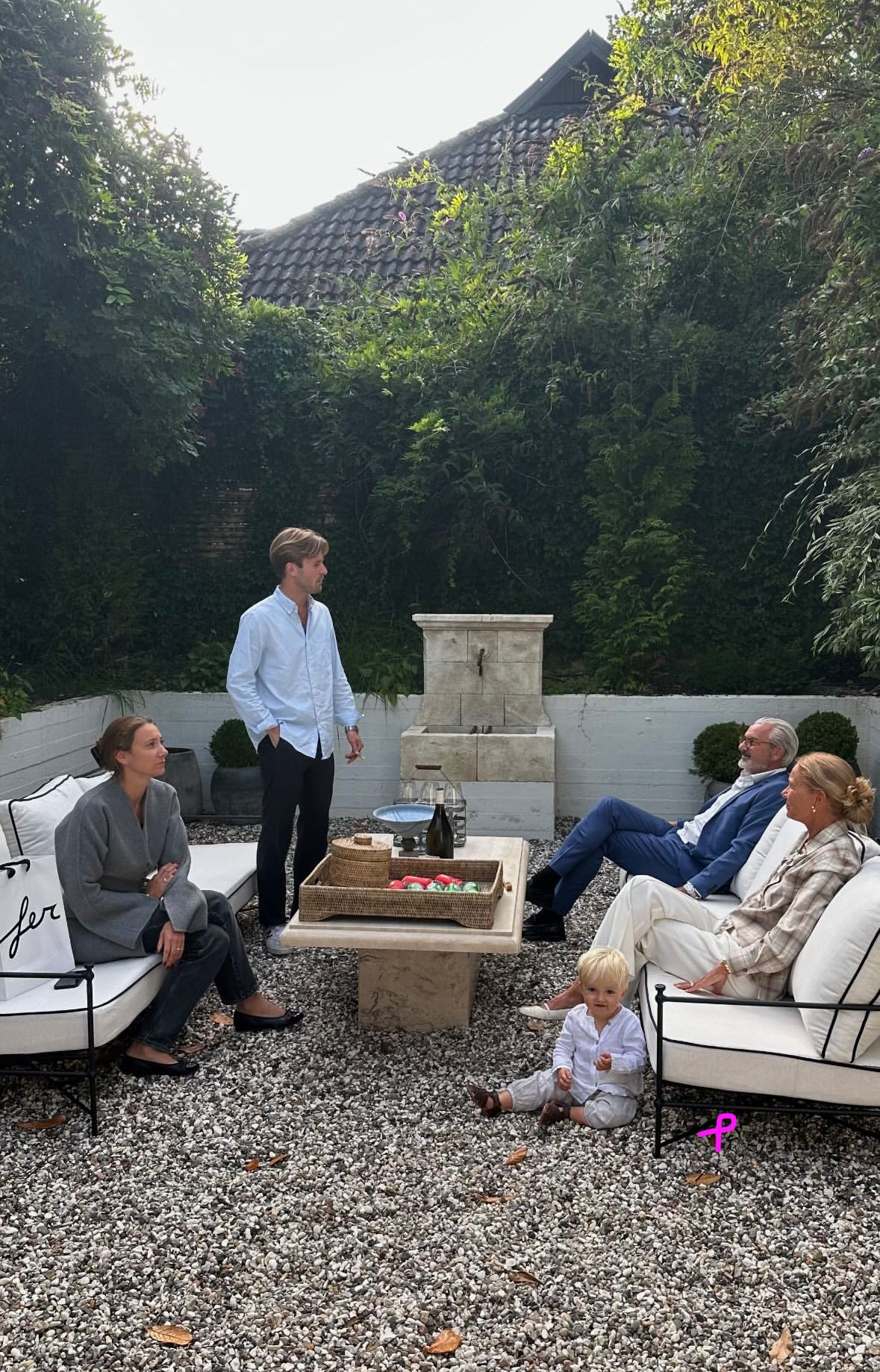
The real distinction was never home versus away. It's drift versus strategy. Living at home with no plan is decay. Living at home while compounding capital, health, skill, network, and optionality is class arbitrage. Rich families have always understood the underlying rule: never pay retail for adulthood. Use every inherited structure available until you can move from a position of strength.
The middle-class error is confusing discomfort with progress. Sometimes the painful thing really is growth. Sometimes it's just leakage. The modern economy is full of leakage disguised as maturity.
Here's the layer underneath that. The old path survived because it was built on cheap mistakes. Previous generations could make an average decision and still land somewhere stable: an average job, an average house price, an average level of debt, average timing on marriage, an average pension, an average savings rate. The system had enough slack that mediocrity was survivable.
That slack is gone. A handful of bad early decisions can now permanently deform an entire trajectory — the wrong degree, the wrong rent, the wrong relationship, the wrong city, bad timing in the job market, a health scare, a bad employer. Young adults today aren't just "delayed." They're operating with far less margin for error than their parents ever had.
That's why living at home can be the rational move — not only because it saves on rent, but because it preserves decision quality. Financial exposure makes people choose worse: the wrong job, out of desperation. The wrong relationship, out of dependency. A bad boss, tolerated too long. Decisions optimized for this month's cash flow instead of long-term position. Rent doesn't just extract money. It extracts time, risk tolerance, patience, and negotiating power.
The person living at home with real savings may look less "adult" by the old script. But they may hold more actual freedom than the person renting alone with nothing left over — because freedom was never an aesthetic. Freedom is refusal capacity. Can you refuse a bad job? Wait for a better opening? Leave a toxic workplace? Avoid a desperate relationship? Survive six bad months in a row? Invest when everyone else is forced to sell? Move cities the moment the right opportunity appears?
That's adulthood in the new economy. Not the performance of independence. The capacity to refuse coercion.

A rich 27-year-old living in the family house is "staying close to family," or "building optionality." A poor 27-year-old doing the exact same thing is "not independent." The judgment was never really about the choice. It's about who's making it.
Zoom out and you can see why the stress concentrates where it does. The poor are often locked out entirely. The rich are already insulated. The middle are left performing upward mobility without the safety net that would actually make upward mobility possible — trapped in the theatre of proving they deserve to rise.
None of that is a personal failure.
The real crisis was never people "failing to grow up." It was the quiet collapse of the old adulthood bargain: work hard, get a stable job, move out, buy a house, form a family, accumulate security. That bargain broke. The moral expectations stayed exactly the same. People are still being judged by 1990s milestones under 2020s economic conditions.
The visible crisis is rent, housing, jobs, loneliness. Everyone already talks about that one. The silent crisis is worse: people still blame themselves, as a character failure, for not reaching a life structure the economy no longer reliably provides.
Independence used to be a character test. It quietly became a balance-sheet test, and nobody sent out the memo. That mismatch creates a strange trap. People who stay home feel delayed. People who move out often get financially weaker for it. People who rent alone look independent, but may be quietly burning through their capital.
People who stay and preserve capital look immature, even when they're behaving the most rationally of anyone in the room.
The old shame system asks: "Why are you still at home?" The new economic reality asks: "Why would you burn half your income pretending the old system still works?"
Rich families aren't confused about this, because they never believed independence meant maximum financial leakage. They treat the family as an economic platform — housing, introductions, advice, inheritance planning, career cushioning, emotional stability, and the unpaid time it takes to wait for a good opportunity instead of grabbing the first one available.
Poorer and lower-middle families get pushed into "independence" before they've built any capital to make that independence survivable. That isn't independence. That's exposure. The real class divide was never just money — it's whether your family home functions as a launchpad or a trap.
Zoom out further and the pattern gets bigger. Society used to provide a rough, shared pathway: school, then work, then housing, then family, then savings, then stability. Now each person has to assemble that pathway alone, usually without the wages, assets, institutional trust, or family capital it actually requires. Adulthood didn't disappear. It became a luxury product.
That's the part nobody wants to say out loud, because once adulthood gets expensive, moral judgment quietly turns into class disguise. "Grow up" starts to mean: have access to capital. "Be independent" starts to mean: absorb structural costs alone. "Stand on your own two feet" starts to mean: enter the market with no shield, and call the exposure freedom. That's why the old language is so cruel — it takes an economic impossibility and translates it into a character flaw.
The person still living at home isn't necessarily refusing adulthood. They may be refusing a bad trade. Paying €1,400 a month for a mediocre rental, saving nothing, dating under financial stress, working under pressure, and calling all of that "growth" isn't obviously better than living at home, saving aggressively, rebuilding your health, and waiting for a move that's actually worth making.
The real distinction was never home versus away. It's drift versus strategy. Living at home with no plan is decay. Living at home while compounding capital, health, skill, network, and optionality is class arbitrage. Rich families have always understood the underlying rule: never pay retail for adulthood. Use every inherited structure available until you can move from a position of strength.
The middle-class error is confusing discomfort with progress. Sometimes the painful thing really is growth. Sometimes it's just leakage. The modern economy is full of leakage disguised as maturity.
Here's the layer underneath that. The old path survived because it was built on cheap mistakes. Previous generations could make an average decision and still land somewhere stable: an average job, an average house price, an average level of debt, average timing on marriage, an average pension, an average savings rate. The system had enough slack that mediocrity was survivable.
That slack is gone. A handful of bad early decisions can now permanently deform an entire trajectory — the wrong degree, the wrong rent, the wrong relationship, the wrong city, bad timing in the job market, a health scare, a bad employer. Young adults today aren't just "delayed." They're operating with far less margin for error than their parents ever had.
That's why living at home can be the rational move — not only because it saves on rent, but because it preserves decision quality. Financial exposure makes people choose worse: the wrong job, out of desperation. The wrong relationship, out of dependency. A bad boss, tolerated too long. Decisions optimized for this month's cash flow instead of long-term position. Rent doesn't just extract money. It extracts time, risk tolerance, patience, and negotiating power.
The person living at home with real savings may look less "adult" by the old script. But they may hold more actual freedom than the person renting alone with nothing left over — because freedom was never an aesthetic. Freedom is refusal capacity. Can you refuse a bad job? Wait for a better opening? Leave a toxic workplace? Avoid a desperate relationship? Survive six bad months in a row? Invest when everyone else is forced to sell? Move cities the moment the right opportunity appears?
That's adulthood in the new economy. Not the performance of independence. The capacity to refuse coercion.


