Braces Do NOT Recess Your Jaw — The Truth About Orthodontics, Extractions, Facial Growth & “Mandibular Recession”

kingofearth

kingofearth

Silver
Joined
May 1, 2026
Posts
517
Reputation
417
This thread is aimed at covering whether braces recess your Mandibular (lower jaw bone)

One of the biggest misconceptions online is people confusing profile flattening with literal mandibular bone recession.

I see people asking whether braces will recess their jaw/mandibular. This is false. It's important to note that orthodontic results are individualized and subjective. Never ever make treatment decisions based on threads you read online, especially on a forum.

Moving teeth backwards does NOT mean your mandibular bone itself has shrunk backwards. Orthodontics mainly move teeth within your bone structure. It does not directly reshape, regrow or physically push your mandible backwards as a whole structure.


What people online are describing is more so:
  1. Reduced lip support
  2. Flatter soft tissue profile
  3. Camouflage treatment of a skeletal issue
  4. Natural growth changes being incorrectly attributed to braces
  5. Altered facial balance

Orthodontics is not a yes or no binary.

There are patients whose treatment improved:
Function, improved jaw development, improved facial harmony, improved breathing, improved symmetry,

On the other end of the stick you also have people who report:
Flatter profiles, weaker lower thirds, reduced tongue space, narrowed arches, aesthetic problems despite an improved bite.


Go to an Orthodontist. Obtain:
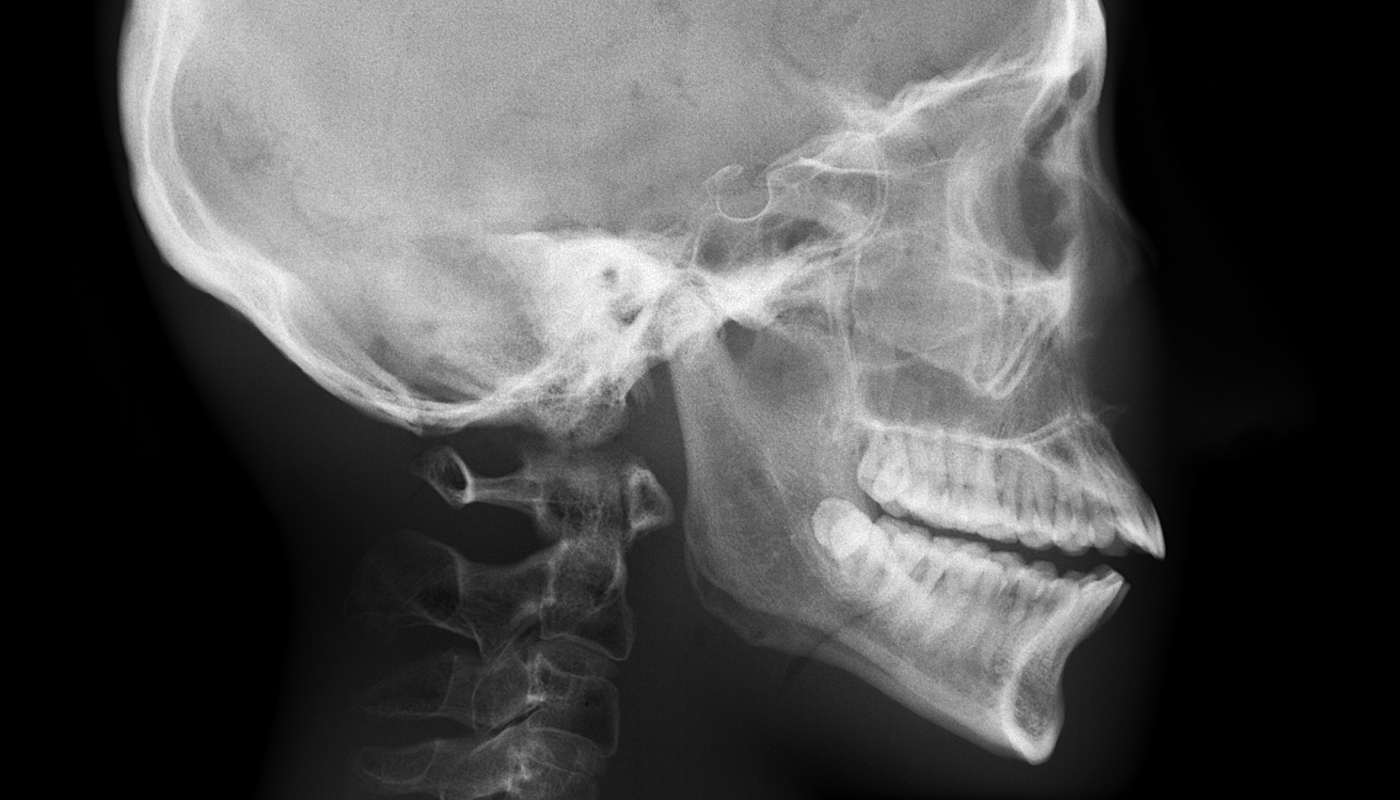
  1. Cephalometric imaging
  2. Multiple orthodontic opinions
1778154359728

Before considering any irreversible treatment.


Dental problems vs Skeletal problems

A large portion of confusion comes from people who mix up dental issues with structural, skeletal problems.

Dental issues may include:
  1. Tooth alignment
  2. Spacing
  3. Crowding
  4. Overjet
  5. Relationship between your bite

Skeletal issues may include:
  1. Maxillary position
  2. Mandibular position
  3. Facial growth direction
  4. Craniofacial development
  5. Airway structure
  6. Jaw projection


What Camouflage Orthodontics Means

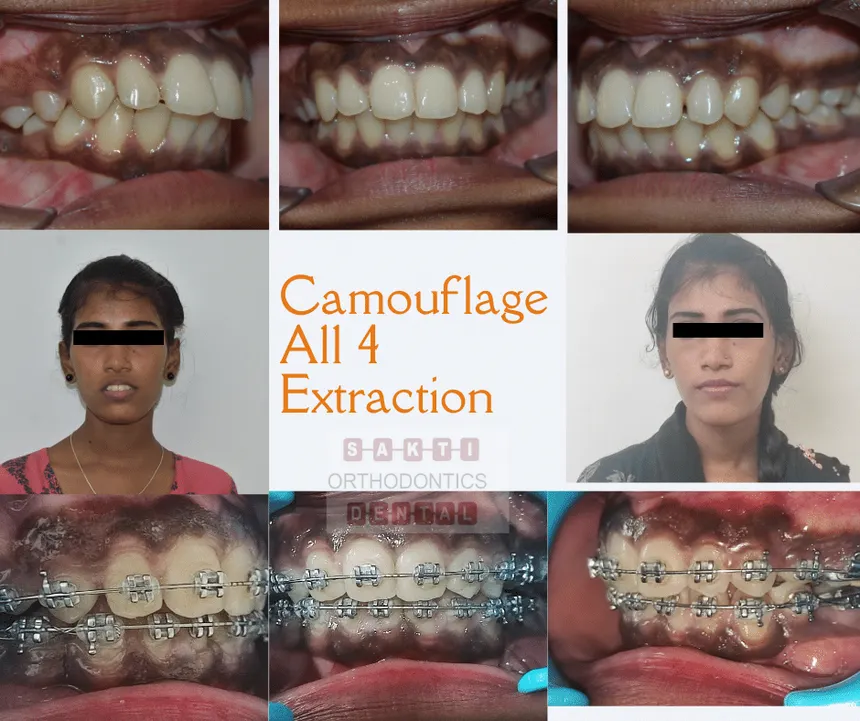
Camouflage Orthodontics means using tooth movement to hide a skeletal discrepancy instead of correcting the skeletal structure itself.

A patient may have a recessed mandible, excess overjet, weak chin projection... but instead of surgically advancing the mandible or using growth modification, an Orthodontist may move teeth to fit the bite together, reduce visible overjet or retract your upper incisors.


These are not the same thing. You can have straight teeth with a recessed jaw. You can also have crooked teeth with a strong jaw. You can have a perfect bite with weak facial projection, or severe crowding with above average facial aesthetics.

Orthodontics moves mainly your teeth. It does not regrow, or reshape your mandible. Many patients with skeletal problems are treated dentally, and that is where the controversy begins.

The result of this is your bite looking more correct, yet skeletal issues still existing.
1778154392163


In more severe skeletal cases, orthodontics alone may not be capable of fully correcting structural jaw deficiency.

In that particular instance, this is where the following below would require looking into:
  1. Growth modification
  2. Functional appliances
  3. Orthognathic surgery
  4. Combined orthodontic-surgical treatment
Begins to enter the discussion depending on age and skeletal maturity.


Extractions and Retraction Mechanics

Premolar extraction has existed for DECADES.

It is used in many cases to reduce crowding, negate protrusive incisors, improve bite mechanics or avoid surgery. The issue is not with extractions being bad, it's what may potentially happen afterwards.

If a premolar is extracted, Orthodontists often use that space created to retract anterior teeth, pull incisors backward, reduce protrusion...

This might affect:

  1. Lip support
  2. Tongue space
  3. Smile width
  4. Overall facial convexities
  5. Profile fullness
In patients who are already recessed, then yes excessive retraction may flatten your face. Your lips may appear less supported, and your lower third projection may appear weaker. It's not universal though.

Untreated malocclusion (misaligned bite) comes with its own consequences.


These consequences may be outlined below:
  1. Tooth wear
  2. Bite instability
  3. Chewing dysfunction
  4. TMJ strain
  5. Asymmetrical compensation
  6. Gum issues
  7. Long term oral stability
For the vast majority of patients, orthodontics will overall improve:
  1. Function
  2. Bite mechanics
  3. Oral health
  4. Smile aesthetics
  5. Long term dental stability


Mandibular Rotation and Facial Growth Direction

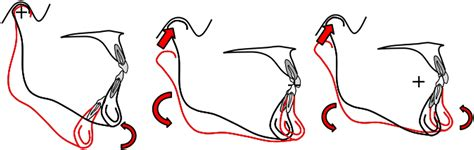
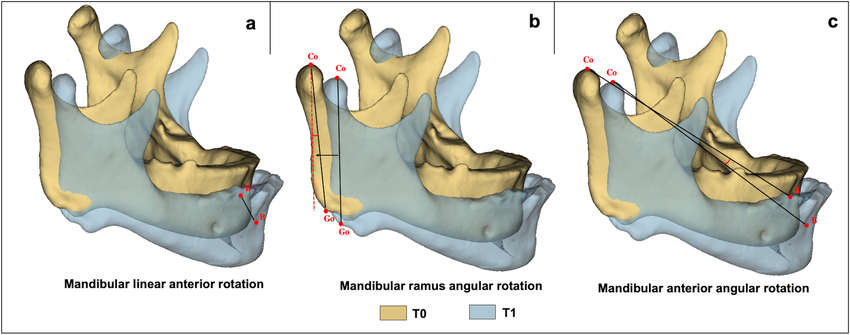
Not all mandibular growth is forward. It can grow upwards, forward, downwards, backwards. Hence the term rotational growth.


More favourable growth will be forward/upward rotation. This results in a stronger jawline, shorter lower face, better chin projection and a more compact facial structure.

Backwards/downward rotation will result in a weaker jaw appearance, longer lower third, recessed chin appearance, steeper mandibular plane and an increased facial convexity.
1778154432264
1778154495655


Retainers matter more than people think

Your teeth are not permanently "locked" into place immediately after your braces come off. Teeth naturally have the tendency to relapse over time due to:

periodontal ligament memory
bite forces
aging
oral habits
continued facial change/remodelling


Orthodontic treatment, yes, it can influence facial growth and aesthetics, profile appearance, and growth direction but this depends more on:

  1. Treatment mechanics
  2. Extraction/retraction strategy
  3. Growth stage
  4. Skeletal structure
  5. Orthodontist philosophy

Braces themselves, however, do not directly recess your mandibular bone. Take advantage of braces whilst you're young, people don't give as much of a shit about your teeth, and it may potentially save you further complications down the line. Oral health is important, and straight teeth are an easy way to boost PSL.


What many people online interpret as jaw recession is often just related to profile flattening, reduced lip support, camouflage treatment, or pre-existing skeletal problems becoming more noticeable over time.

The important issue is getting a correct diagnosis, understanding skeletal vs dental problems, individualized treatment planning, airway consideration, and finally informed consent regarding aesthetic tradeoffs.

A healthy and functional bite, with a stable oral structure is, in most cases far more important than obsessing over a perceived profile change from anecdotes.


Topics you can research to further educate yourselves:

Class II skeletal malocclusion
Camouflage orthodontics
Premolar extraction controversy
Mandibular rotation growth patterns
Functional appliances orthodontics
Airway-focused orthodontics
Cephalometric analysis


  • +1
Reactions: ToDelirium, Jorad, Aoki33 and 5 others
Very good thread OP.
 
  • +1
Reactions: Jorad and kingofearth
dnr, will read tho
 
  • +1
Reactions: Jorad and kingofearth
Peak
 
  • +1
Reactions: Jorad and kingofearth
This thread is aimed at covering whether braces recess your Mandibular (lower jaw bone)

One of the biggest misconceptions online is people confusing profile flattening with literal mandibular bone recession.

I see people asking whether braces will recess their jaw/mandibular. This is false. It's important to note that orthodontic results are individualized and subjective. Never ever make treatment decisions based on threads you read online, especially on a forum.

Moving teeth backwards does NOT mean your mandibular bone itself has shrunk backwards. Orthodontics mainly move teeth within your bone structure. It does not directly reshape, regrow or physically push your mandible backwards as a whole structure.


What people online are describing is more so:
  1. Reduced lip support
  2. Flatter soft tissue profile
  3. Camouflage treatment of a skeletal issue
  4. Natural growth changes being incorrectly attributed to braces
  5. Altered facial balance

Orthodontics is not a yes or no binary.

There are patients whose treatment improved:
Function, improved jaw development, improved facial harmony, improved breathing, improved symmetry,

On the other end of the stick you also have people who report:
Flatter profiles, weaker lower thirds, reduced tongue space, narrowed arches, aesthetic problems despite an improved bite.


Go to an Orthodontist. Obtain:
  1. Cephalometric imaging
  2. Multiple orthodontic opinions
View attachment 5021988
Before considering any irreversible treatment.


Dental problems vs Skeletal problems

A large portion of confusion comes from people who mix up dental issues with structural, skeletal problems.

Dental issues may include:
  1. Tooth alignment
  2. Spacing
  3. Crowding
  4. Overjet
  5. Relationship between your bite

Skeletal issues may include:
  1. Maxillary position
  2. Mandibular position
  3. Facial growth direction
  4. Craniofacial development
  5. Airway structure
  6. Jaw projection


What Camouflage Orthodontics Means

Camouflage Orthodontics means using tooth movement to hide a skeletal discrepancy instead of correcting the skeletal structure itself.

A patient may have a recessed mandible, excess overjet, weak chin projection... but instead of surgically advancing the mandible or using growth modification, an Orthodontist may move teeth to fit the bite together, reduce visible overjet or retract your upper incisors.


These are not the same thing. You can have straight teeth with a recessed jaw. You can also have crooked teeth with a strong jaw. You can have a perfect bite with weak facial projection, or severe crowding with above average facial aesthetics.

Orthodontics moves mainly your teeth. It does not regrow, or reshape your mandible. Many patients with skeletal problems are treated dentally, and that is where the controversy begins.

The result of this is your bite looking more correct, yet skeletal issues still existing.

View attachment 5021990


In more severe skeletal cases, orthodontics alone may not be capable of fully correcting structural jaw deficiency.

In that particular instance, this is where the following below would require looking into:
  1. Growth modification
  2. Functional appliances
  3. Orthognathic surgery
  4. Combined orthodontic-surgical treatment
Begins to enter the discussion depending on age and skeletal maturity.


Extractions and Retraction Mechanics

Premolar extraction has existed for DECADES.

It is used in many cases to reduce crowding, negate protrusive incisors, improve bite mechanics or avoid surgery. The issue is not with extractions being bad, it's what may potentially happen afterwards.

If a premolar is extracted, Orthodontists often use that space created to retract anterior teeth, pull incisors backward, reduce protrusion...

This might affect:

  1. Lip support
  2. Tongue space
  3. Smile width
  4. Overall facial convexities
  5. Profile fullness
In patients who are already recessed, then yes excessive retraction may flatten your face. Your lips may appear less supported, and your lower third projection may appear weaker. It's not universal though.

Untreated malocclusion (misaligned bite) comes with its own consequences.


These consequences may be outlined below:
  1. Tooth wear
  2. Bite instability
  3. Chewing dysfunction
  4. TMJ strain
  5. Asymmetrical compensation
  6. Gum issues
  7. Long term oral stability
For the vast majority of patients, orthodontics will overall improve:
  1. Function
  2. Bite mechanics
  3. Oral health
  4. Smile aesthetics
  5. Long term dental stability


Mandibular Rotation and Facial Growth Direction

Not all mandibular growth is forward. It can grow upwards, forward, downwards, backwards. Hence the term rotational growth.


More favourable growth will be forward/upward rotation. This results in a stronger jawline, shorter lower face, better chin projection and a more compact facial structure.

Backwards/downward rotation will result in a weaker jaw appearance, longer lower third, recessed chin appearance, steeper mandibular plane and an increased facial convexity.


View attachment 5021991 View attachment 5021997


Retainers matter more than people think

Your teeth are not permanently "locked" into place immediately after your braces come off. Teeth naturally have the tendency to relapse over time due to:

periodontal ligament memory
bite forces
aging
oral habits
continued facial change/remodelling


Orthodontic treatment, yes, it can influence facial growth and aesthetics, profile appearance, and growth direction but this depends more on:

  1. Treatment mechanics
  2. Extraction/retraction strategy
  3. Growth stage
  4. Skeletal structure
  5. Orthodontist philosophy

Braces themselves, however, do not directly recess your mandibular bone. Take advantage of braces whilst you're young, people don't give as much of a shit about your teeth, and it may potentially save you further complications down the line. Oral health is important, and straight teeth are an easy way to boost PSL.


What many people online interpret as jaw recession is often just related to profile flattening, reduced lip support, camouflage treatment, or pre-existing skeletal problems becoming more noticeable over time.

The important issue is getting a correct diagnosis, understanding skeletal vs dental problems, individualized treatment planning, airway consideration, and finally informed consent regarding aesthetic tradeoffs.

A healthy and functional bite, with a stable oral structure is, in most cases far more important than obsessing over a perceived profile change from anecdotes.


Topics you can research to further educate yourselves:

Class II skeletal malocclusion
Camouflage orthodontics
Premolar extraction controversy
Mandibular rotation growth patterns
Functional appliances orthodontics
Airway-focused orthodontics
Cephalometric analysis


Here before BOTB
 
  • +1
Reactions: Jorad and kingofearth
  • +1
Reactions: Disturbed, Jorad, height maxxer and 1 other person
This thread is aimed at covering whether braces recess your Mandibular (lower jaw bone)

One of the biggest misconceptions online is people confusing profile flattening with literal mandibular bone recession.

I see people asking whether braces will recess their jaw/mandibular. This is false. It's important to note that orthodontic results are individualized and subjective. Never ever make treatment decisions based on threads you read online, especially on a forum.

Moving teeth backwards does NOT mean your mandibular bone itself has shrunk backwards. Orthodontics mainly move teeth within your bone structure. It does not directly reshape, regrow or physically push your mandible backwards as a whole structure.


What people online are describing is more so:
  1. Reduced lip support
  2. Flatter soft tissue profile
  3. Camouflage treatment of a skeletal issue
  4. Natural growth changes being incorrectly attributed to braces
  5. Altered facial balance

Orthodontics is not a yes or no binary.

There are patients whose treatment improved:
Function, improved jaw development, improved facial harmony, improved breathing, improved symmetry,

On the other end of the stick you also have people who report:
Flatter profiles, weaker lower thirds, reduced tongue space, narrowed arches, aesthetic problems despite an improved bite.


Go to an Orthodontist. Obtain:
  1. Cephalometric imaging
  2. Multiple orthodontic opinions
View attachment 5021988
Before considering any irreversible treatment.


Dental problems vs Skeletal problems

A large portion of confusion comes from people who mix up dental issues with structural, skeletal problems.

Dental issues may include:
  1. Tooth alignment
  2. Spacing
  3. Crowding
  4. Overjet
  5. Relationship between your bite

Skeletal issues may include:
  1. Maxillary position
  2. Mandibular position
  3. Facial growth direction
  4. Craniofacial development
  5. Airway structure
  6. Jaw projection


What Camouflage Orthodontics Means

Camouflage Orthodontics means using tooth movement to hide a skeletal discrepancy instead of correcting the skeletal structure itself.

A patient may have a recessed mandible, excess overjet, weak chin projection... but instead of surgically advancing the mandible or using growth modification, an Orthodontist may move teeth to fit the bite together, reduce visible overjet or retract your upper incisors.


These are not the same thing. You can have straight teeth with a recessed jaw. You can also have crooked teeth with a strong jaw. You can have a perfect bite with weak facial projection, or severe crowding with above average facial aesthetics.

Orthodontics moves mainly your teeth. It does not regrow, or reshape your mandible. Many patients with skeletal problems are treated dentally, and that is where the controversy begins.

The result of this is your bite looking more correct, yet skeletal issues still existing.

View attachment 5021990


In more severe skeletal cases, orthodontics alone may not be capable of fully correcting structural jaw deficiency.

In that particular instance, this is where the following below would require looking into:
  1. Growth modification
  2. Functional appliances
  3. Orthognathic surgery
  4. Combined orthodontic-surgical treatment
Begins to enter the discussion depending on age and skeletal maturity.


Extractions and Retraction Mechanics

Premolar extraction has existed for DECADES.

It is used in many cases to reduce crowding, negate protrusive incisors, improve bite mechanics or avoid surgery. The issue is not with extractions being bad, it's what may potentially happen afterwards.

If a premolar is extracted, Orthodontists often use that space created to retract anterior teeth, pull incisors backward, reduce protrusion...

This might affect:

  1. Lip support
  2. Tongue space
  3. Smile width
  4. Overall facial convexities
  5. Profile fullness
In patients who are already recessed, then yes excessive retraction may flatten your face. Your lips may appear less supported, and your lower third projection may appear weaker. It's not universal though.

Untreated malocclusion (misaligned bite) comes with its own consequences.


These consequences may be outlined below:
  1. Tooth wear
  2. Bite instability
  3. Chewing dysfunction
  4. TMJ strain
  5. Asymmetrical compensation
  6. Gum issues
  7. Long term oral stability
For the vast majority of patients, orthodontics will overall improve:
  1. Function
  2. Bite mechanics
  3. Oral health
  4. Smile aesthetics
  5. Long term dental stability


Mandibular Rotation and Facial Growth Direction

Not all mandibular growth is forward. It can grow upwards, forward, downwards, backwards. Hence the term rotational growth.


More favourable growth will be forward/upward rotation. This results in a stronger jawline, shorter lower face, better chin projection and a more compact facial structure.

Backwards/downward rotation will result in a weaker jaw appearance, longer lower third, recessed chin appearance, steeper mandibular plane and an increased facial convexity.


View attachment 5021991 View attachment 5021997


Retainers matter more than people think

Your teeth are not permanently "locked" into place immediately after your braces come off. Teeth naturally have the tendency to relapse over time due to:

periodontal ligament memory
bite forces
aging
oral habits
continued facial change/remodelling


Orthodontic treatment, yes, it can influence facial growth and aesthetics, profile appearance, and growth direction but this depends more on:

  1. Treatment mechanics
  2. Extraction/retraction strategy
  3. Growth stage
  4. Skeletal structure
  5. Orthodontist philosophy

Braces themselves, however, do not directly recess your mandibular bone. Take advantage of braces whilst you're young, people don't give as much of a shit about your teeth, and it may potentially save you further complications down the line. Oral health is important, and straight teeth are an easy way to boost PSL.


What many people online interpret as jaw recession is often just related to profile flattening, reduced lip support, camouflage treatment, or pre-existing skeletal problems becoming more noticeable over time.

The important issue is getting a correct diagnosis, understanding skeletal vs dental problems, individualized treatment planning, airway consideration, and finally informed consent regarding aesthetic tradeoffs.

A healthy and functional bite, with a stable oral structure is, in most cases far more important than obsessing over a perceived profile change from anecdotes.


Topics you can research to further educate yourselves:

Class II skeletal malocclusion
Camouflage orthodontics
Premolar extraction controversy
Mandibular rotation growth patterns
Functional appliances orthodontics
Airway-focused orthodontics
Cephalometric analysis


Very nice
 
  • +1
Reactions: Jorad and kingofearth
good thread. waiting for BOTB
 
  • +1
Reactions: Jorad and kingofearth
Mirin, Very nice information
 
  • +1
Reactions: Jorad and kingofearth
Respect
 
  • +1
Reactions: Jorad
This thread is aimed at covering whether braces recess your Mandibular (lower jaw bone)

One of the biggest misconceptions online is people confusing profile flattening with literal mandibular bone recession.

I see people asking whether braces will recess their jaw/mandibular. This is false. It's important to note that orthodontic results are individualized and subjective. Never ever make treatment decisions based on threads you read online, especially on a forum.

Moving teeth backwards does NOT mean your mandibular bone itself has shrunk backwards. Orthodontics mainly move teeth within your bone structure. It does not directly reshape, regrow or physically push your mandible backwards as a whole structure.


What people online are describing is more so:
  1. Reduced lip support
  2. Flatter soft tissue profile
  3. Camouflage treatment of a skeletal issue
  4. Natural growth changes being incorrectly attributed to braces
  5. Altered facial balance

Orthodontics is not a yes or no binary.

There are patients whose treatment improved:
Function, improved jaw development, improved facial harmony, improved breathing, improved symmetry,

On the other end of the stick you also have people who report:
Flatter profiles, weaker lower thirds, reduced tongue space, narrowed arches, aesthetic problems despite an improved bite.


Go to an Orthodontist. Obtain:
  1. Cephalometric imaging
  2. Multiple orthodontic opinions
View attachment 5021988
Before considering any irreversible treatment.


Dental problems vs Skeletal problems

A large portion of confusion comes from people who mix up dental issues with structural, skeletal problems.

Dental issues may include:
  1. Tooth alignment
  2. Spacing
  3. Crowding
  4. Overjet
  5. Relationship between your bite

Skeletal issues may include:
  1. Maxillary position
  2. Mandibular position
  3. Facial growth direction
  4. Craniofacial development
  5. Airway structure
  6. Jaw projection


What Camouflage Orthodontics Means

Camouflage Orthodontics means using tooth movement to hide a skeletal discrepancy instead of correcting the skeletal structure itself.

A patient may have a recessed mandible, excess overjet, weak chin projection... but instead of surgically advancing the mandible or using growth modification, an Orthodontist may move teeth to fit the bite together, reduce visible overjet or retract your upper incisors.


These are not the same thing. You can have straight teeth with a recessed jaw. You can also have crooked teeth with a strong jaw. You can have a perfect bite with weak facial projection, or severe crowding with above average facial aesthetics.

Orthodontics moves mainly your teeth. It does not regrow, or reshape your mandible. Many patients with skeletal problems are treated dentally, and that is where the controversy begins.

The result of this is your bite looking more correct, yet skeletal issues still existing.

View attachment 5021990


In more severe skeletal cases, orthodontics alone may not be capable of fully correcting structural jaw deficiency.

In that particular instance, this is where the following below would require looking into:
  1. Growth modification
  2. Functional appliances
  3. Orthognathic surgery
  4. Combined orthodontic-surgical treatment
Begins to enter the discussion depending on age and skeletal maturity.


Extractions and Retraction Mechanics

Premolar extraction has existed for DECADES.

It is used in many cases to reduce crowding, negate protrusive incisors, improve bite mechanics or avoid surgery. The issue is not with extractions being bad, it's what may potentially happen afterwards.

If a premolar is extracted, Orthodontists often use that space created to retract anterior teeth, pull incisors backward, reduce protrusion...

This might affect:

  1. Lip support
  2. Tongue space
  3. Smile width
  4. Overall facial convexities
  5. Profile fullness
In patients who are already recessed, then yes excessive retraction may flatten your face. Your lips may appear less supported, and your lower third projection may appear weaker. It's not universal though.

Untreated malocclusion (misaligned bite) comes with its own consequences.


These consequences may be outlined below:
  1. Tooth wear
  2. Bite instability
  3. Chewing dysfunction
  4. TMJ strain
  5. Asymmetrical compensation
  6. Gum issues
  7. Long term oral stability
For the vast majority of patients, orthodontics will overall improve:
  1. Function
  2. Bite mechanics
  3. Oral health
  4. Smile aesthetics
  5. Long term dental stability


Mandibular Rotation and Facial Growth Direction

Not all mandibular growth is forward. It can grow upwards, forward, downwards, backwards. Hence the term rotational growth.


More favourable growth will be forward/upward rotation. This results in a stronger jawline, shorter lower face, better chin projection and a more compact facial structure.

Backwards/downward rotation will result in a weaker jaw appearance, longer lower third, recessed chin appearance, steeper mandibular plane and an increased facial convexity.


View attachment 5021991 View attachment 5021997


Retainers matter more than people think

Your teeth are not permanently "locked" into place immediately after your braces come off. Teeth naturally have the tendency to relapse over time due to:

periodontal ligament memory
bite forces
aging
oral habits
continued facial change/remodelling


Orthodontic treatment, yes, it can influence facial growth and aesthetics, profile appearance, and growth direction but this depends more on:

  1. Treatment mechanics
  2. Extraction/retraction strategy
  3. Growth stage
  4. Skeletal structure
  5. Orthodontist philosophy

Braces themselves, however, do not directly recess your mandibular bone. Take advantage of braces whilst you're young, people don't give as much of a shit about your teeth, and it may potentially save you further complications down the line. Oral health is important, and straight teeth are an easy way to boost PSL.


What many people online interpret as jaw recession is often just related to profile flattening, reduced lip support, camouflage treatment, or pre-existing skeletal problems becoming more noticeable over time.

The important issue is getting a correct diagnosis, understanding skeletal vs dental problems, individualized treatment planning, airway consideration, and finally informed consent regarding aesthetic tradeoffs.

A healthy and functional bite, with a stable oral structure is, in most cases far more important than obsessing over a perceived profile change from anecdotes.


Topics you can research to further educate yourselves:

Class II skeletal malocclusion
Camouflage orthodontics
Premolar extraction controversy
Mandibular rotation growth patterns
Functional appliances orthodontics
Airway-focused orthodontics
Cephalometric analysis


So true. I also see people misunderstand maxilary expansion. Maxilary expansion with devices like MARP, is not effective if the mandible is not wide enough.
 
  • +1
Reactions: Jorad and kingofearth
The bite occlusion matters a lot. That's why they have to consider both arches first, the upper-lower arch specifically. Clinicians want to match those. If the upper jaw is expanded a lot but the lower jaw is still relatively narrow, you'll still get crossbite chances, buccal over-expansion and most likely an unstable bite unless compensated for.


Final bite may not fit well without both arches. MARPE works, but the bite won't always automatically match. @SlayerOfFoids
 
  • +1
Reactions: SlayerOfFoids and Jorad
getting my wisdom teeth removed with braces at 19 this summer, good thread
 
  • +1
Reactions: kingofearth
Americans have an underbite obsession. they dont seem to realize that humans are supposed to have an overbite, not an underbite
 
  • +1
Reactions: kingofearth
  • +1
Reactions: kingofearth
This thread is aimed at covering whether braces recess your Mandibular (lower jaw bone)

One of the biggest misconceptions online is people confusing profile flattening with literal mandibular bone recession.

I see people asking whether braces will recess their jaw/mandibular. This is false. It's important to note that orthodontic results are individualized and subjective. Never ever make treatment decisions based on threads you read online, especially on a forum.

Moving teeth backwards does NOT mean your mandibular bone itself has shrunk backwards. Orthodontics mainly move teeth within your bone structure. It does not directly reshape, regrow or physically push your mandible backwards as a whole structure.


What people online are describing is more so:
  1. Reduced lip support
  2. Flatter soft tissue profile
  3. Camouflage treatment of a skeletal issue
  4. Natural growth changes being incorrectly attributed to braces
  5. Altered facial balance

Orthodontics is not a yes or no binary.

There are patients whose treatment improved:
Function, improved jaw development, improved facial harmony, improved breathing, improved symmetry,

On the other end of the stick you also have people who report:
Flatter profiles, weaker lower thirds, reduced tongue space, narrowed arches, aesthetic problems despite an improved bite.


Go to an Orthodontist. Obtain:
  1. Cephalometric imaging
  2. Multiple orthodontic opinions
View attachment 5021988
Before considering any irreversible treatment.


Dental problems vs Skeletal problems

A large portion of confusion comes from people who mix up dental issues with structural, skeletal problems.

Dental issues may include:
  1. Tooth alignment
  2. Spacing
  3. Crowding
  4. Overjet
  5. Relationship between your bite

Skeletal issues may include:
  1. Maxillary position
  2. Mandibular position
  3. Facial growth direction
  4. Craniofacial development
  5. Airway structure
  6. Jaw projection


What Camouflage Orthodontics Means

Camouflage Orthodontics means using tooth movement to hide a skeletal discrepancy instead of correcting the skeletal structure itself.

A patient may have a recessed mandible, excess overjet, weak chin projection... but instead of surgically advancing the mandible or using growth modification, an Orthodontist may move teeth to fit the bite together, reduce visible overjet or retract your upper incisors.


These are not the same thing. You can have straight teeth with a recessed jaw. You can also have crooked teeth with a strong jaw. You can have a perfect bite with weak facial projection, or severe crowding with above average facial aesthetics.

Orthodontics moves mainly your teeth. It does not regrow, or reshape your mandible. Many patients with skeletal problems are treated dentally, and that is where the controversy begins.

The result of this is your bite looking more correct, yet skeletal issues still existing.

View attachment 5021990


In more severe skeletal cases, orthodontics alone may not be capable of fully correcting structural jaw deficiency.

In that particular instance, this is where the following below would require looking into:
  1. Growth modification
  2. Functional appliances
  3. Orthognathic surgery
  4. Combined orthodontic-surgical treatment
Begins to enter the discussion depending on age and skeletal maturity.


Extractions and Retraction Mechanics

Premolar extraction has existed for DECADES.

It is used in many cases to reduce crowding, negate protrusive incisors, improve bite mechanics or avoid surgery. The issue is not with extractions being bad, it's what may potentially happen afterwards.

If a premolar is extracted, Orthodontists often use that space created to retract anterior teeth, pull incisors backward, reduce protrusion...

This might affect:

  1. Lip support
  2. Tongue space
  3. Smile width
  4. Overall facial convexities
  5. Profile fullness
In patients who are already recessed, then yes excessive retraction may flatten your face. Your lips may appear less supported, and your lower third projection may appear weaker. It's not universal though.

Untreated malocclusion (misaligned bite) comes with its own consequences.


These consequences may be outlined below:
  1. Tooth wear
  2. Bite instability
  3. Chewing dysfunction
  4. TMJ strain
  5. Asymmetrical compensation
  6. Gum issues
  7. Long term oral stability
For the vast majority of patients, orthodontics will overall improve:
  1. Function
  2. Bite mechanics
  3. Oral health
  4. Smile aesthetics
  5. Long term dental stability


Mandibular Rotation and Facial Growth Direction

Not all mandibular growth is forward. It can grow upwards, forward, downwards, backwards. Hence the term rotational growth.


More favourable growth will be forward/upward rotation. This results in a stronger jawline, shorter lower face, better chin projection and a more compact facial structure.

Backwards/downward rotation will result in a weaker jaw appearance, longer lower third, recessed chin appearance, steeper mandibular plane and an increased facial convexity.


View attachment 5021991 View attachment 5021997


Retainers matter more than people think

Your teeth are not permanently "locked" into place immediately after your braces come off. Teeth naturally have the tendency to relapse over time due to:

periodontal ligament memory
bite forces
aging
oral habits
continued facial change/remodelling


Orthodontic treatment, yes, it can influence facial growth and aesthetics, profile appearance, and growth direction but this depends more on:

  1. Treatment mechanics
  2. Extraction/retraction strategy
  3. Growth stage
  4. Skeletal structure
  5. Orthodontist philosophy

Braces themselves, however, do not directly recess your mandibular bone. Take advantage of braces whilst you're young, people don't give as much of a shit about your teeth, and it may potentially save you further complications down the line. Oral health is important, and straight teeth are an easy way to boost PSL.


What many people online interpret as jaw recession is often just related to profile flattening, reduced lip support, camouflage treatment, or pre-existing skeletal problems becoming more noticeable over time.

The important issue is getting a correct diagnosis, understanding skeletal vs dental problems, individualized treatment planning, airway consideration, and finally informed consent regarding aesthetic tradeoffs.

A healthy and functional bite, with a stable oral structure is, in most cases far more important than obsessing over a perceived profile change from anecdotes.


Topics you can research to further educate yourselves:

Class II skeletal malocclusion
Camouflage orthodontics
Premolar extraction controversy
Mandibular rotation growth patterns
Functional appliances orthodontics
Airway-focused orthodontics
Cephalometric analysis


mirin, good info.

i was acc going through this rout before seeing this, after reading i realise im in the right path.

had my wisdoms removed 3 weeks-ish ago, and getting premolars removed next week, ive always had a forward grown chin but my teeth stick out making me look super weird especially from the side.

+in b4 BOTB
 
  • +1
Reactions: kingofearth
What else is missing from it? Thanks for the feedback.
didnt read a single molecule, overall it was just a bad thread, badly formatted, and from what i read wasnt that good information
 
didnt read a single molecule, overall it was just a bad thread, badly formatted, and from what i read wasnt that good information
Well thanks for the feedback. I have a far more detailed thread coming out soon regarding how people judge jawlines incorrectly. I'll work on the formatting more (y)
 
  • +1
Reactions: Disturbed
Well thanks for the feedback. I have a far more detailed thread coming out soon regarding how people judge jawlines incorrectly. I'll work on the formatting more (y)
use spoilers, do
 
  • +1
Reactions: kingofearth
The bite occlusion matters a lot. That's why they have to consider both arches first, the upper-lower arch specifically. Clinicians want to match those. If the upper jaw is expanded a lot but the lower jaw is still relatively narrow, you'll still get crossbite chances, buccal over-expansion and most likely an unstable bite unless compensated for.


Final bite may not fit well without both arches. MARPE works, but the bite won't always automatically match. @SlayerOfFoids
Yeah, it is a trade off between having a wide maxilla and having a stable bite.
 
  • +1
Reactions: kingofearth
should be on BOTB ngl
did read
 
  • +1
Reactions: kingofearth
This thread is aimed at covering whether braces recess your Mandibular (lower jaw bone)

One of the biggest misconceptions online is people confusing profile flattening with literal mandibular bone recession.

I see people asking whether braces will recess their jaw/mandibular. This is false. It's important to note that orthodontic results are individualized and subjective. Never ever make treatment decisions based on threads you read online, especially on a forum.

Moving teeth backwards does NOT mean your mandibular bone itself has shrunk backwards. Orthodontics mainly move teeth within your bone structure. It does not directly reshape, regrow or physically push your mandible backwards as a whole structure.


What people online are describing is more so:
  1. Reduced lip support
  2. Flatter soft tissue profile
  3. Camouflage treatment of a skeletal issue
  4. Natural growth changes being incorrectly attributed to braces
  5. Altered facial balance

Orthodontics is not a yes or no binary.

There are patients whose treatment improved:
Function, improved jaw development, improved facial harmony, improved breathing, improved symmetry,

On the other end of the stick you also have people who report:
Flatter profiles, weaker lower thirds, reduced tongue space, narrowed arches, aesthetic problems despite an improved bite.


Go to an Orthodontist. Obtain:
  1. Cephalometric imaging
  2. Multiple orthodontic opinions
View attachment 5021988
Before considering any irreversible treatment.


Dental problems vs Skeletal problems

A large portion of confusion comes from people who mix up dental issues with structural, skeletal problems.

Dental issues may include:
  1. Tooth alignment
  2. Spacing
  3. Crowding
  4. Overjet
  5. Relationship between your bite

Skeletal issues may include:
  1. Maxillary position
  2. Mandibular position
  3. Facial growth direction
  4. Craniofacial development
  5. Airway structure
  6. Jaw projection


What Camouflage Orthodontics Means

Camouflage Orthodontics means using tooth movement to hide a skeletal discrepancy instead of correcting the skeletal structure itself.

A patient may have a recessed mandible, excess overjet, weak chin projection... but instead of surgically advancing the mandible or using growth modification, an Orthodontist may move teeth to fit the bite together, reduce visible overjet or retract your upper incisors.


These are not the same thing. You can have straight teeth with a recessed jaw. You can also have crooked teeth with a strong jaw. You can have a perfect bite with weak facial projection, or severe crowding with above average facial aesthetics.

Orthodontics moves mainly your teeth. It does not regrow, or reshape your mandible. Many patients with skeletal problems are treated dentally, and that is where the controversy begins.

The result of this is your bite looking more correct, yet skeletal issues still existing.

View attachment 5021990


In more severe skeletal cases, orthodontics alone may not be capable of fully correcting structural jaw deficiency.

In that particular instance, this is where the following below would require looking into:
  1. Growth modification
  2. Functional appliances
  3. Orthognathic surgery
  4. Combined orthodontic-surgical treatment
Begins to enter the discussion depending on age and skeletal maturity.


Extractions and Retraction Mechanics

Premolar extraction has existed for DECADES.

It is used in many cases to reduce crowding, negate protrusive incisors, improve bite mechanics or avoid surgery. The issue is not with extractions being bad, it's what may potentially happen afterwards.

If a premolar is extracted, Orthodontists often use that space created to retract anterior teeth, pull incisors backward, reduce protrusion...

This might affect:

  1. Lip support
  2. Tongue space
  3. Smile width
  4. Overall facial convexities
  5. Profile fullness
In patients who are already recessed, then yes excessive retraction may flatten your face. Your lips may appear less supported, and your lower third projection may appear weaker. It's not universal though.

Untreated malocclusion (misaligned bite) comes with its own consequences.


These consequences may be outlined below:
  1. Tooth wear
  2. Bite instability
  3. Chewing dysfunction
  4. TMJ strain
  5. Asymmetrical compensation
  6. Gum issues
  7. Long term oral stability
For the vast majority of patients, orthodontics will overall improve:
  1. Function
  2. Bite mechanics
  3. Oral health
  4. Smile aesthetics
  5. Long term dental stability


Mandibular Rotation and Facial Growth Direction

Not all mandibular growth is forward. It can grow upwards, forward, downwards, backwards. Hence the term rotational growth.


More favourable growth will be forward/upward rotation. This results in a stronger jawline, shorter lower face, better chin projection and a more compact facial structure.

Backwards/downward rotation will result in a weaker jaw appearance, longer lower third, recessed chin appearance, steeper mandibular plane and an increased facial convexity.


View attachment 5021991 View attachment 5021997


Retainers matter more than people think

Your teeth are not permanently "locked" into place immediately after your braces come off. Teeth naturally have the tendency to relapse over time due to:

periodontal ligament memory
bite forces
aging
oral habits
continued facial change/remodelling


Orthodontic treatment, yes, it can influence facial growth and aesthetics, profile appearance, and growth direction but this depends more on:

  1. Treatment mechanics
  2. Extraction/retraction strategy
  3. Growth stage
  4. Skeletal structure
  5. Orthodontist philosophy

Braces themselves, however, do not directly recess your mandibular bone. Take advantage of braces whilst you're young, people don't give as much of a shit about your teeth, and it may potentially save you further complications down the line. Oral health is important, and straight teeth are an easy way to boost PSL.


What many people online interpret as jaw recession is often just related to profile flattening, reduced lip support, camouflage treatment, or pre-existing skeletal problems becoming more noticeable over time.

The important issue is getting a correct diagnosis, understanding skeletal vs dental problems, individualized treatment planning, airway consideration, and finally informed consent regarding aesthetic tradeoffs.

A healthy and functional bite, with a stable oral structure is, in most cases far more important than obsessing over a perceived profile change from anecdotes.


Topics you can research to further educate yourselves:

Class II skeletal malocclusion
Camouflage orthodontics
Premolar extraction controversy
Mandibular rotation growth patterns
Functional appliances orthodontics
Airway-focused orthodontics
Cephalometric analysis


Good thread bhai, I had braces for 3 years so this makes me feel good
 
  • +1
Reactions: kingofearth
This thread is aimed at covering whether braces recess your Mandibular (lower jaw bone)

One of the biggest misconceptions online is people confusing profile flattening with literal mandibular bone recession.

I see people asking whether braces will recess their jaw/mandibular. This is false. It's important to note that orthodontic results are individualized and subjective. Never ever make treatment decisions based on threads you read online, especially on a forum.

Moving teeth backwards does NOT mean your mandibular bone itself has shrunk backwards. Orthodontics mainly move teeth within your bone structure. It does not directly reshape, regrow or physically push your mandible backwards as a whole structure.


What people online are describing is more so:
  1. Reduced lip support
  2. Flatter soft tissue profile
  3. Camouflage treatment of a skeletal issue
  4. Natural growth changes being incorrectly attributed to braces
  5. Altered facial balance

Orthodontics is not a yes or no binary.

There are patients whose treatment improved:
Function, improved jaw development, improved facial harmony, improved breathing, improved symmetry,

On the other end of the stick you also have people who report:
Flatter profiles, weaker lower thirds, reduced tongue space, narrowed arches, aesthetic problems despite an improved bite.


Go to an Orthodontist. Obtain:
  1. Cephalometric imaging
  2. Multiple orthodontic opinions
View attachment 5021988
Before considering any irreversible treatment.


Dental problems vs Skeletal problems

A large portion of confusion comes from people who mix up dental issues with structural, skeletal problems.

Dental issues may include:
  1. Tooth alignment
  2. Spacing
  3. Crowding
  4. Overjet
  5. Relationship between your bite

Skeletal issues may include:
  1. Maxillary position
  2. Mandibular position
  3. Facial growth direction
  4. Craniofacial development
  5. Airway structure
  6. Jaw projection


What Camouflage Orthodontics Means

Camouflage Orthodontics means using tooth movement to hide a skeletal discrepancy instead of correcting the skeletal structure itself.

A patient may have a recessed mandible, excess overjet, weak chin projection... but instead of surgically advancing the mandible or using growth modification, an Orthodontist may move teeth to fit the bite together, reduce visible overjet or retract your upper incisors.


These are not the same thing. You can have straight teeth with a recessed jaw. You can also have crooked teeth with a strong jaw. You can have a perfect bite with weak facial projection, or severe crowding with above average facial aesthetics.

Orthodontics moves mainly your teeth. It does not regrow, or reshape your mandible. Many patients with skeletal problems are treated dentally, and that is where the controversy begins.

The result of this is your bite looking more correct, yet skeletal issues still existing.

View attachment 5021990


In more severe skeletal cases, orthodontics alone may not be capable of fully correcting structural jaw deficiency.

In that particular instance, this is where the following below would require looking into:
  1. Growth modification
  2. Functional appliances
  3. Orthognathic surgery
  4. Combined orthodontic-surgical treatment
Begins to enter the discussion depending on age and skeletal maturity.


Extractions and Retraction Mechanics

Premolar extraction has existed for DECADES.

It is used in many cases to reduce crowding, negate protrusive incisors, improve bite mechanics or avoid surgery. The issue is not with extractions being bad, it's what may potentially happen afterwards.

If a premolar is extracted, Orthodontists often use that space created to retract anterior teeth, pull incisors backward, reduce protrusion...

This might affect:

  1. Lip support
  2. Tongue space
  3. Smile width
  4. Overall facial convexities
  5. Profile fullness
In patients who are already recessed, then yes excessive retraction may flatten your face. Your lips may appear less supported, and your lower third projection may appear weaker. It's not universal though.

Untreated malocclusion (misaligned bite) comes with its own consequences.


These consequences may be outlined below:
  1. Tooth wear
  2. Bite instability
  3. Chewing dysfunction
  4. TMJ strain
  5. Asymmetrical compensation
  6. Gum issues
  7. Long term oral stability
For the vast majority of patients, orthodontics will overall improve:
  1. Function
  2. Bite mechanics
  3. Oral health
  4. Smile aesthetics
  5. Long term dental stability


Mandibular Rotation and Facial Growth Direction

Not all mandibular growth is forward. It can grow upwards, forward, downwards, backwards. Hence the term rotational growth.


More favourable growth will be forward/upward rotation. This results in a stronger jawline, shorter lower face, better chin projection and a more compact facial structure.

Backwards/downward rotation will result in a weaker jaw appearance, longer lower third, recessed chin appearance, steeper mandibular plane and an increased facial convexity.


View attachment 5021991 View attachment 5021997


Retainers matter more than people think

Your teeth are not permanently "locked" into place immediately after your braces come off. Teeth naturally have the tendency to relapse over time due to:

periodontal ligament memory
bite forces
aging
oral habits
continued facial change/remodelling


Orthodontic treatment, yes, it can influence facial growth and aesthetics, profile appearance, and growth direction but this depends more on:

  1. Treatment mechanics
  2. Extraction/retraction strategy
  3. Growth stage
  4. Skeletal structure
  5. Orthodontist philosophy

Braces themselves, however, do not directly recess your mandibular bone. Take advantage of braces whilst you're young, people don't give as much of a shit about your teeth, and it may potentially save you further complications down the line. Oral health is important, and straight teeth are an easy way to boost PSL.


What many people online interpret as jaw recession is often just related to profile flattening, reduced lip support, camouflage treatment, or pre-existing skeletal problems becoming more noticeable over time.

The important issue is getting a correct diagnosis, understanding skeletal vs dental problems, individualized treatment planning, airway consideration, and finally informed consent regarding aesthetic tradeoffs.

A healthy and functional bite, with a stable oral structure is, in most cases far more important than obsessing over a perceived profile change from anecdotes.


Topics you can research to further educate yourselves:

Class II skeletal malocclusion
Camouflage orthodontics
Premolar extraction controversy
Mandibular rotation growth patterns
Functional appliances orthodontics
Airway-focused orthodontics
Cephalometric analysis


thread actually was resourcful and helped👍
 
  • +1
Reactions: kingofearth

Similar threads

P
Replies
5
Views
47
foidannihilator1488
foidannihilator1488
I
Replies
2
Views
19
Weed
Weed
S
Replies
2
Views
48
sub5sucks
S
beltranllll
Replies
9
Views
40
Chang127
Chang127
E
Replies
12
Views
85
norwoodingmanlet
norwoodingmanlet

Users who are viewing this thread

  • bigchungusXD
Back
Top