



astatin
Previously Iblamemyse1f
- Joined
- Dec 10, 2025
- Posts
- 2,128
- Reputation
- 3,836
Introduction:
Braces are the only way to straighten ur teeth, but not all braces work the same way. This guide explains what braces are, how they work, and what you should know before geting them. If you’re thinking about getting braces this guide is for you.
Brace types:
there are tons of brace types available. Each type is designed to move teeth into the correct position, but they are all different when it comes to: appearance, comfort and cost. However, traditional braces and damon braces are the most popular options, mainly because they are the most effective.
Traditional braces:
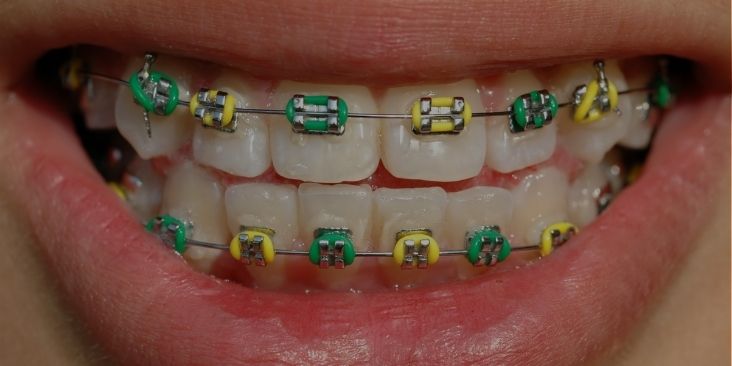
Traditional braces are the most common and well known type of braces. They use metal brackets that are attached to the teeth and connected by a wire. Small elastic bands hold the wire in place. They are very effective and can treat simple to complex orthodontic problems.
Benefits of traditional braces:
-Usually more affordable.
-Widely available.
Downsides:
-cause more discomfort .
-Elastic bands trap food.
-Simply isnt as effective as damon braces.
picture of traditional braces:
Damon braces:
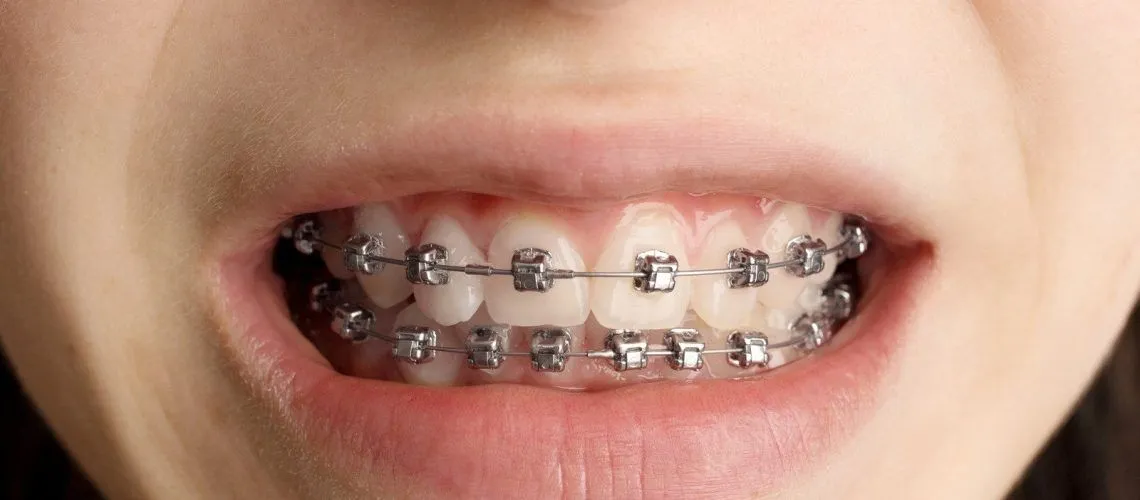
Damon braces are a more modern type of braces known for being "self-ligating". Instead of elastic bands, they use a clip to hold the wire in place. This mechnism allows the wire to move more freely, which often results in less pressure and pain. (i myself have damon braces )
)
Benefits of Damon braces:
-Less friction and pressure.
-more effective.
-Unlike trad. braces they widen ur palate.
Downsides:
-more expensive.
-Not available at every orthodontist.
picture of damon braces:
Cost:
Traditional braces: Usually about $3,000–$7,000, depending on complexity and location.
Damon braces: Typically about $4,000–$8,000, often slightly more expensive than traditional braces.
keep in mind the cost really depends on ur location
What should you expect from braces when getting them?
When you first get any type of braces, you will feel pain for a few days. This is normal and improves over time. Regular visits are required to adjust them and make sure teeth are moving correctly. Also certain foods, like hard or sticky foods, should be avoided to prevent damaging braces. (especially a few days after going for a visit!)
How Long Do Braces Take?
Treatment time depends on the persons case, and the type of braces. On average, braces are worn for about 1 to 3 years.
How to take care of your braces?
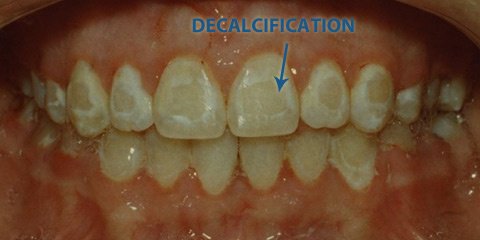
well obv. u need to brush ur teeth, in some cases when u do not brush ur teeth, or drink alot of fizzy drinks like coca cola, after the braces are removed there can be stains left. like this:
How to make sure u dont get these kind of stains?
first of all u need proper tools:
-tooth brush (pretty self explanitory, however brushing with braces is different than without braces, we will talk about that later)
-one tooth toothbrush (sometimes a toothbrush isnt enough to clean, food can get stuck pretty well in the brackets so i recommend buying this brush just incase!)
-water flosser (this tool is probably more important than a toothbrush, when u have braces u cant really floss properly so to make sure ur teeth are flossed buy a water flosser!)
and dont drink anything tht stains ur teeth (especially coca-cola)
brushing with braces:
When you have braces, brushing is different because plaque and food can get trapped around the brackets, not just on the teeth. You cant brush quickly like normal.
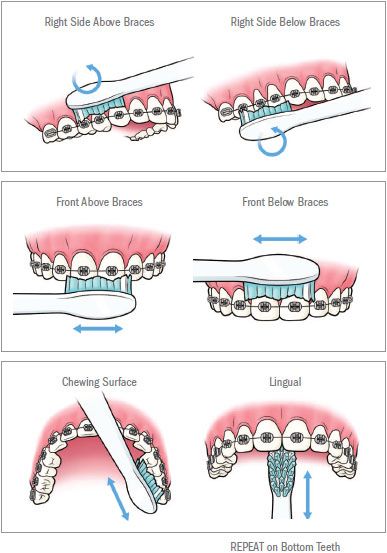
First, use a soft toothbrush and hold it at about a 45-degree angle toward the gums. Gently brush in circular motions to clean where the gums meet the teeth, since this area is more likely to get inflamed with braces.
Next, change the angle of the brush to clean above the brackets, then below the brackets, making sure the bristles reach under the wire. Each tooth should be brushed individually from multiple angles, not all at once. After that, brush the chewing surfaces and the inside surfaces of the teeth like usual. Brushing with braces should take longer, usually around 2 to 3 minutes, and it should be done carefully to prevent plaque buildup and cavities.
Many people dont know that you need to use a retiner for some time after taking braces off because teeth have memory and can return to their original place, so keep that in mind!
Common Misconceptions About Braces:
Misconception 1:
"Braces cause maxilla recession"
Braces do not cause the upper maxilla to recede. Damon braces can help widen the maxilla naturally, improving bite alignment and smile width. Jaw recession is usually caused by genetics or untreated bite issues not braces.
Misconception 2:
"Braces cannot fix serious bite issues"
Damon braces can fix overbites, underbites, and crowding. Damon braces can also help expand the maxilla naturally, sometimes reducing the need for extra appliances or surgery.
Misconception 3:
"Once braces are off, teeth stay perfectly straight forever"
Teeth can shift after braces if retainers are not worn as instructed. Retainers are an important part of maintaining your teeth alingment after braces.
Pain management:
Be prepared for agonizing pain in the first week. Eat soft foods like yogurt, mashed potatoes, soup, and smoothies for the first couple of days. Rinse your mouth with warm salt water to soothe irritated gums. ibuprom and prececetamol are good pain relievers. Orthodontic wax can cover poking brackets to prevent cuts or irritation inside your mouth.
Conclusion:
Braces are a nice invesment for ur confidence, and oral health. taking care of your teeth, and following your orthodontists instructions, are key to a faster treatment. your new straight smile is worth the pain. i hope this guide helped you learn more about braces. wishing all the readers the best.
loveBraces are the only way to straighten ur teeth, but not all braces work the same way. This guide explains what braces are, how they work, and what you should know before geting them. If you’re thinking about getting braces this guide is for you.
Brace types:
there are tons of brace types available. Each type is designed to move teeth into the correct position, but they are all different when it comes to: appearance, comfort and cost. However, traditional braces and damon braces are the most popular options, mainly because they are the most effective.
Traditional braces:
Traditional braces are the most common and well known type of braces. They use metal brackets that are attached to the teeth and connected by a wire. Small elastic bands hold the wire in place. They are very effective and can treat simple to complex orthodontic problems.
Benefits of traditional braces:
-Usually more affordable.
-Widely available.
Downsides:
-cause more discomfort .
-Elastic bands trap food.
-Simply isnt as effective as damon braces.
picture of traditional braces:
Damon braces:
Damon braces are a more modern type of braces known for being "self-ligating". Instead of elastic bands, they use a clip to hold the wire in place. This mechnism allows the wire to move more freely, which often results in less pressure and pain. (i myself have damon braces
)Benefits of Damon braces:
-Less friction and pressure.
-more effective.
-Unlike trad. braces they widen ur palate.
Downsides:
-more expensive.
-Not available at every orthodontist.
picture of damon braces:
Cost:
Traditional braces: Usually about $3,000–$7,000, depending on complexity and location.
Damon braces: Typically about $4,000–$8,000, often slightly more expensive than traditional braces.
keep in mind the cost really depends on ur location
What should you expect from braces when getting them?
When you first get any type of braces, you will feel pain for a few days. This is normal and improves over time. Regular visits are required to adjust them and make sure teeth are moving correctly. Also certain foods, like hard or sticky foods, should be avoided to prevent damaging braces. (especially a few days after going for a visit!)
How Long Do Braces Take?
Treatment time depends on the persons case, and the type of braces. On average, braces are worn for about 1 to 3 years.
How to take care of your braces?
well obv. u need to brush ur teeth, in some cases when u do not brush ur teeth, or drink alot of fizzy drinks like coca cola, after the braces are removed there can be stains left. like this:
How to make sure u dont get these kind of stains?
first of all u need proper tools:
-tooth brush (pretty self explanitory, however brushing with braces is different than without braces, we will talk about that later)
-one tooth toothbrush (sometimes a toothbrush isnt enough to clean, food can get stuck pretty well in the brackets so i recommend buying this brush just incase!)
-water flosser (this tool is probably more important than a toothbrush, when u have braces u cant really floss properly so to make sure ur teeth are flossed buy a water flosser!)
and dont drink anything tht stains ur teeth (especially coca-cola)
brushing with braces:
When you have braces, brushing is different because plaque and food can get trapped around the brackets, not just on the teeth. You cant brush quickly like normal.
First, use a soft toothbrush and hold it at about a 45-degree angle toward the gums. Gently brush in circular motions to clean where the gums meet the teeth, since this area is more likely to get inflamed with braces.
Next, change the angle of the brush to clean above the brackets, then below the brackets, making sure the bristles reach under the wire. Each tooth should be brushed individually from multiple angles, not all at once. After that, brush the chewing surfaces and the inside surfaces of the teeth like usual. Brushing with braces should take longer, usually around 2 to 3 minutes, and it should be done carefully to prevent plaque buildup and cavities.
Many people dont know that you need to use a retiner for some time after taking braces off because teeth have memory and can return to their original place, so keep that in mind!
Common Misconceptions About Braces:
Misconception 1:
"Braces cause maxilla recession"
Braces do not cause the upper maxilla to recede. Damon braces can help widen the maxilla naturally, improving bite alignment and smile width. Jaw recession is usually caused by genetics or untreated bite issues not braces.
Misconception 2:
"Braces cannot fix serious bite issues"
Damon braces can fix overbites, underbites, and crowding. Damon braces can also help expand the maxilla naturally, sometimes reducing the need for extra appliances or surgery.
Misconception 3:
"Once braces are off, teeth stay perfectly straight forever"
Teeth can shift after braces if retainers are not worn as instructed. Retainers are an important part of maintaining your teeth alingment after braces.
Pain management:
Be prepared for agonizing pain in the first week. Eat soft foods like yogurt, mashed potatoes, soup, and smoothies for the first couple of days. Rinse your mouth with warm salt water to soothe irritated gums. ibuprom and prececetamol are good pain relievers. Orthodontic wax can cover poking brackets to prevent cuts or irritation inside your mouth.
Conclusion:
Braces are a nice invesment for ur confidence, and oral health. taking care of your teeth, and following your orthodontists instructions, are key to a faster treatment. your new straight smile is worth the pain. i hope this guide helped you learn more about braces. wishing all the readers the best.
-lblamemyse1f




 Always



 .
.


