Can Phenytoin Become The Future of AGA Treatment? A Deepdive Into the drug

★☠︎︎PHENYTOIN☠︎︎★
could phenytoin really help with androgenetic alopecia?
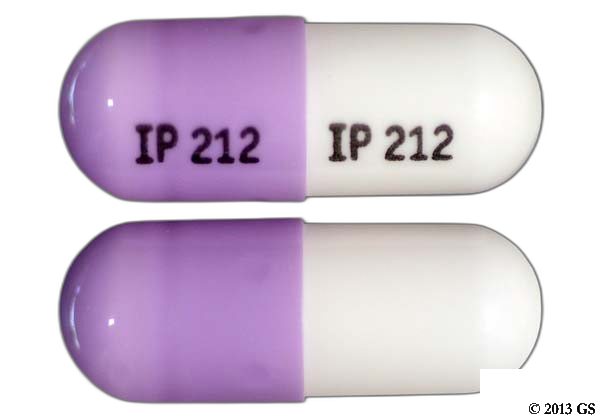
1000071463


Let's look into it:

☠︎︎THIS THREAD INCLUDES☠︎︎:
  • an explanation on what phenytoin is;
  • Phenytoin's side effects;​
  • How phenytoin causes hair growth;​
  • The study part;​
  • A final elaboration on the drug.​
NOTE: if you happen to don't know some terms, there will be most likely a
b
with a definition attached to it, to make everyone understand better).

NOTE²: this thread is only for educational purposes. Don't take this as medical advice.


PHENYTOIN'S ORIGINAL PURPOSE:

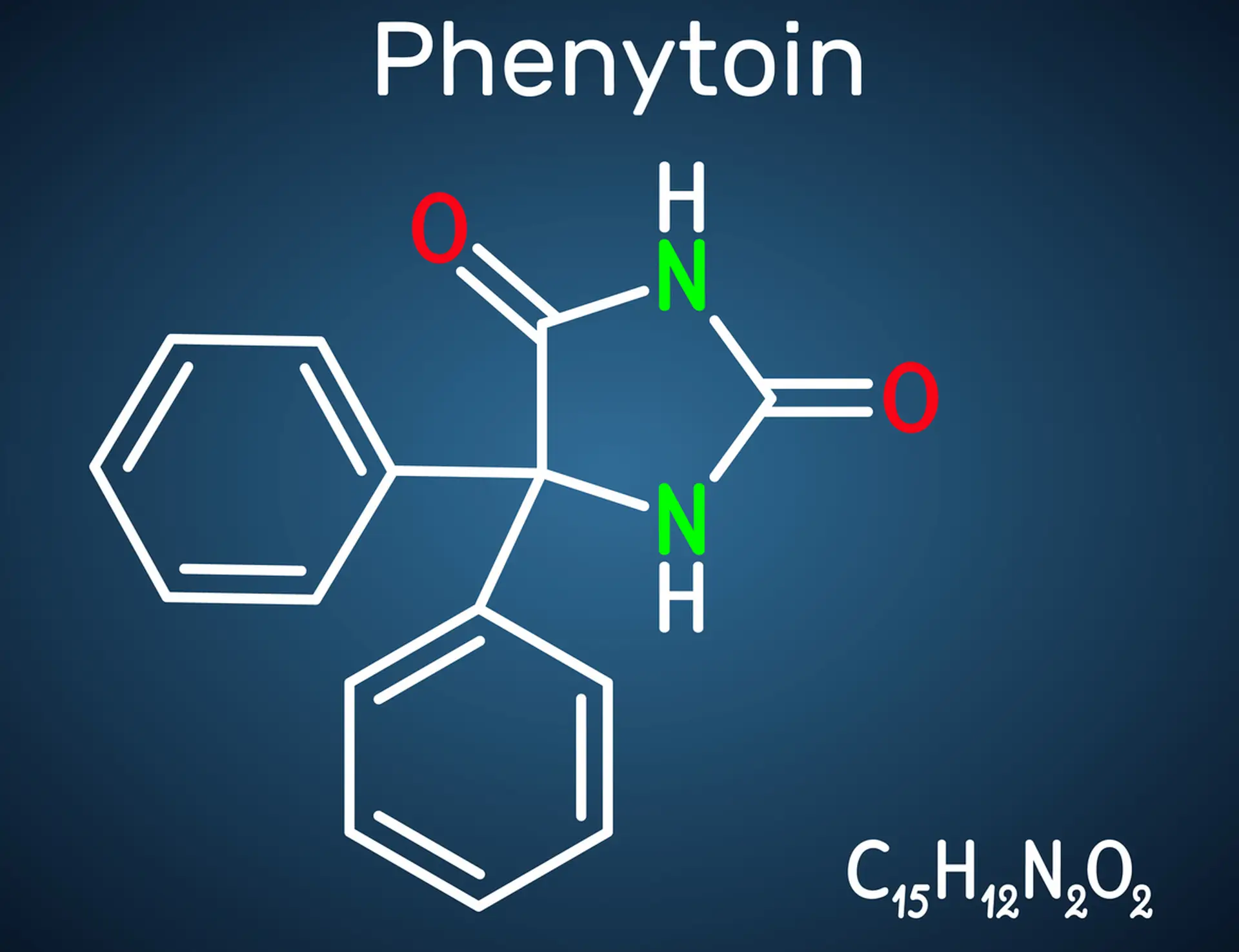
  • Phenytoin is an anti-seizure drug that has been under clinical evaluation for around eight decades. It is primarily used for the treatment of tonic-clonic and partial seizures. Phenytoin has a highly selective inhibitory effect on the motor area of the cerebral cortex. For its mode of action, phenytoin binds to the inactivated state of the Na+ channel to prolong the neuronal refractory period. Moreover, it is generally believed that phenytoin exerts its antiepileptic effect by stabilising the function of brain cell membranes and increasing the levels of the inhibitory neurotransmitters serotonin (5-HT) and γ-aminobutyric acid (GABA) in the brain . Through these mechanisms, phenytoin prevents the spread of abnormal discharge and has anti-epileptic effects.
1000071462


_______________________

__________________

____________


PHENYTOIN'S SIDE EFFECTS:


  • cerebellar dysfunction;
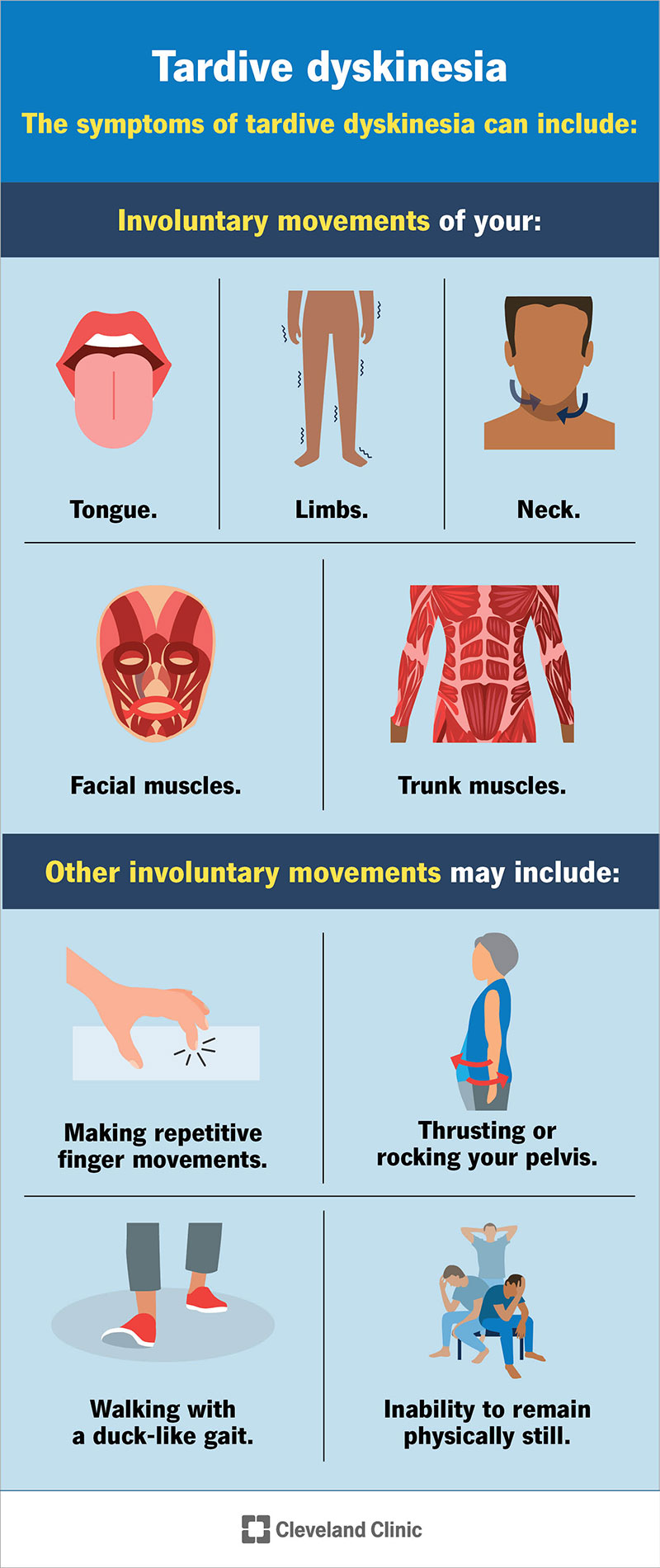
  • dyskinesia;
    Dyskinesia is, in general, an abnormality of movement. In neurology, the term can refer to abnormal movements of the voluntary muscles, while in internal medicine it may refer to abnormal movement of certain organs or hollow viscera.
    1000071465
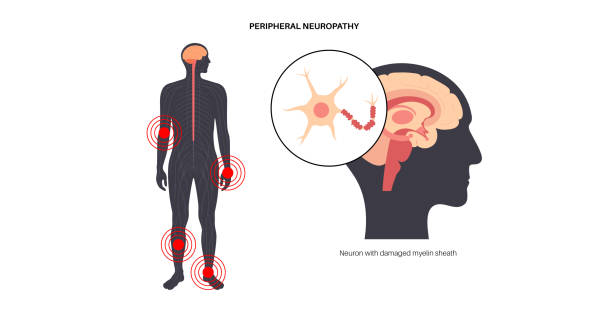
  • peripheral neuropathy;
    Peripheral neuropathy, often shortened to neuropathy, is damage or disease affecting the nerves. Damage to nerves may impair sensation, movement, gland function, or organ function depending on which nerve fibers are affected. Neuropathies affecting motor, sensory, or autonomic nerve fibers result in different symptoms. More than one type of fiber may be affected simultaneously. Peripheral neuropathy may be acute (with sudden onset, rapid progress) or chronic (symptoms begin subtly and progress slowly), and may be reversible or permanent.
    1000071466
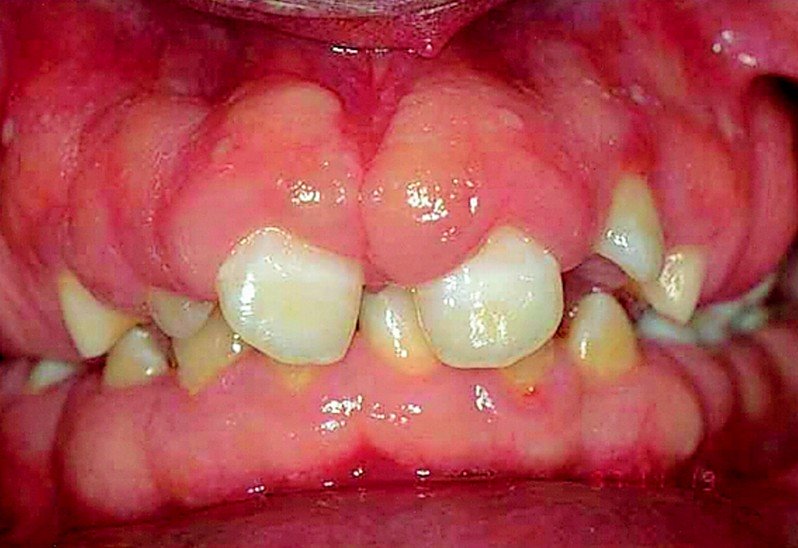
  • gingival hyperplasia;
    Gingival enlargement is an increase in the size of the gingiva (gums). It is a common feature of gingival disease. Gingival enlargement can be caused by a number of factors, including inflammatory conditions and the side effects of certain medications. The treatment is based on the cause.
    1000071467
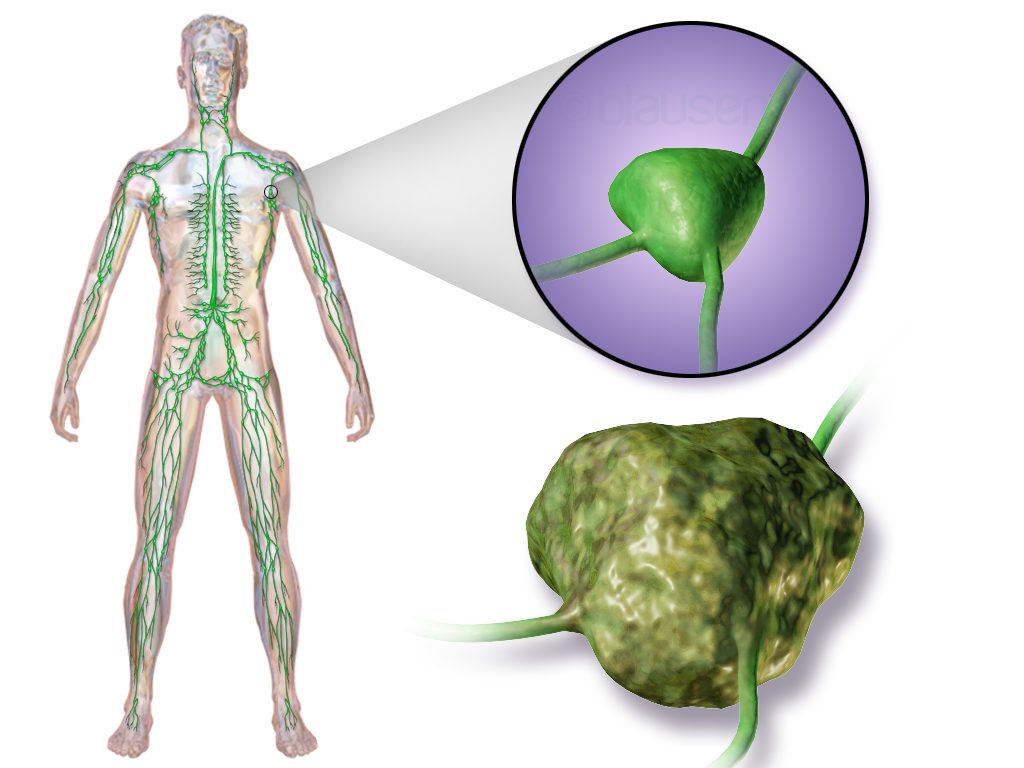
  • pseudolymphomas and malignant lymphomas;
    PSEUDOLYMPHOMAS: Pseudolymphoma is a benign lymphocytic infiltrate that resembles cutaneous lymphoma histologically, clinically, or both.  MALIGNANT LYMPHOMAS: Lymphoma is a group of blood and lymph tumors that develop from lymphocytes (a type of white blood cell).The name typically refers to just the cancerous versions rather than all such tumors. Signs and symptoms may include enlarged lymph nodes, fever, drenching sweats, unintended weight loss, itching, and constantly feeling tired. The enlarged lymph nodes are usually painless. The sweats are most common at night.
    1000071468
  • cause allergic reactions
  • slows the conduction rate between myocardial fibres and eliminate ectopic rhythms;
  • cause cerebellar syndrome;
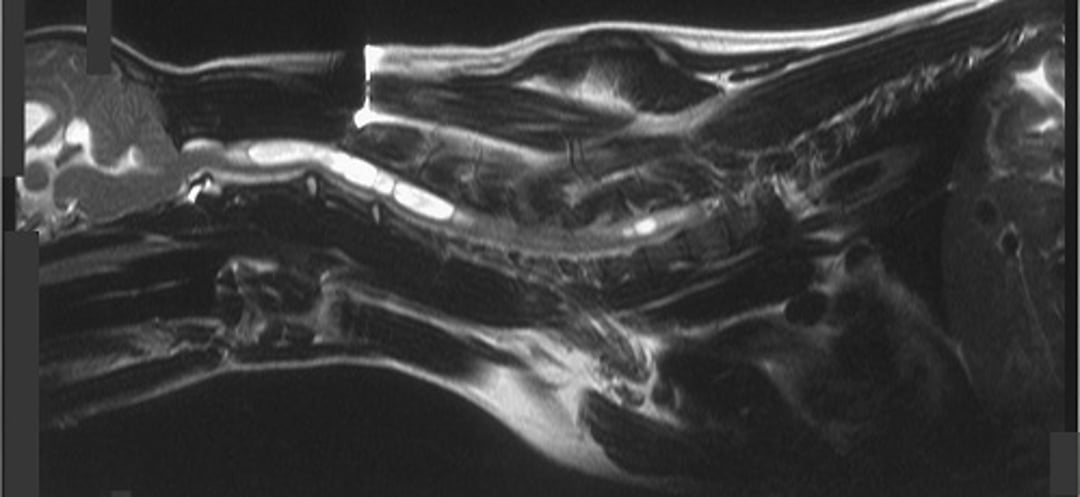
    Cerebellar cognitive affective syndrome (CCAS), also called Schmahmann's syndrome, is a condition that follows from lesions (damage) to the cerebellum of the brain. It refers to a constellation of deficits in the cognitive domains of executive function, spatial cognition, language, and affect. Impairments of executive function include problems with planning, set-shifting, abstract reasoning, verbal fluency, and working memory, and there is often perseveration, distractibility and inattention.
    1000071469
  • Excess hair growth.
    Hypertrichosis (sometimes known as werewolf syndrome or Ambras syndrome) is an abnormal amount of hair growth over the body.The two distinct types of hypertrichosis are generalized hypertrichosis, which occurs over the entire body, and localized hypertrichosis, which is restricted to a certain area. Hypertrichosis can be either congenital (present at birth) or acquired later in life.The excess growth of hair occurs in areas of the skin with the exception of androgen-dependent hair of the pubic area, face, and axillary regions.
_____________________________________________

_____________


WHY PHENYTOIN MAY CAUSE HAIR GROWTH:


  • the activation of the gp130-jak-STAT3 axis:
by doing this, it enhances the expression of the vascular endothelial and transforming growth factor beta-1, which are key regulators of the angiogenesis (the forming of new blood vessels and capillaries from the ones already existing) and dermal remodeling


  • The increase in epidermal growth factor and vascular endothilial growth factor:

for reference, EGF (epidermal growth factor) is basically a protein composed of 53 amino acid residues and three intramolecular disulfide bonds. For us humans, it signals to the body to stimulate cell growth, differentiation and survival by binding the EGF receptor (signals the skin cells to produce elastin, collagen and hyaluronic acid).


VEGF instead is a protein produced by cells which stimulate angiogenesis and vasculogenesis (so pretty much it's role is to facilitate the creation of new blood vessels.)

promoting keratinocyte proliferation (pretty much the division of said cells, which are essential for regeneration and wound healing) of and extracellular matrix regeneration, both essential for follicular health.

  • IT INHIBITs COLLAGENASE ACTIVITY:

collagenase is a specific class of proteolytic enzymes which purpose is to degrade collagen, the most abundant protein in our body. By doing the hydrolysis of the peptide bonds of the triple helix structure of the original collagen, process which is essential for things tissue remodelling.

preserving the structural integrity of the perifollicular matrix, which supports hair follicle anchorage.


  • IT'S POTENT ANTIOXIDANT EFFECTS:

Antioxidants are compounds that inhibit oxidation, a chemical reaction that can produce free radicals. Autoxidation leads to degradation of organic compounds, including living matter.
Superoxide dismutase (SOD, EC 1.15.1.1) is any of a family of enzymes that alternately catalyze the dismutation (or partitioning) of the superoxide (O−
2) anion radical into normal molecular oxygen (O2) and hydrogen peroxide (H
2O
2).

Glutathione peroxidase (GPx) (EC 1.11.1.9) is the general name of an enzyme family with peroxidase activity whose main biological role is to protect the organism from oxidative damage.The biochemical function of glutathione peroxidase is to reduce lipid hydroperoxides to their corresponding alcohols and to reduce free hydrogen peroxide to water.
phenytoin exhibits potent antioxidant effects by upregulating superoxide dismutase (SOD) and glutathione peroxidase (GSH-Px). This upregulation mitigates oxidative stress, a major contributor to hair follicle miniaturization and cycling disruption, which is followed by phenytoin may reduce apoptosis and promote anagen entry, as evidenced by increased follicular density and synchronized growth patterns in animal models

  • ITS SUPPORT TO TISSUE REMODELING AND ANGIOGENESIS

It's been noted that phenytoin has a stimulatory effect on connective tissue and angiogenesis, possibly making it easier for a hair follicle to sprout and giving it trophic support.

_______________________
_______________
_______


These attributes position this drug as a possible and biologically plausible candidate for an AGA treatment. Hyperchitrosis is a very common side effect of this drug, which targets every age group and gender indistinctively. A nine year old who was prescribed this drug for epilepsy treatment complained about excess hair growth, especially on his: back, arms and butt.
aga (a.k.a. androgenetic alopecia, is one of the most common types of alopecia (hairloss), caused by the sensibility to androgens and DHT.

A recent study where patients of vast different ages who suffered from AGA were subjected to an experiment where they applied a topical 5% phenytoin solution, they measured different attributes of their scalp, such as hair density, number of follicular units, follicular unit density from baseline, anagen rate, hair texture and oiliness:


EVERY. SINGLE. ONE. SHOWED. IMPROVEMENT.

While some were mild (like the anagen rate), Statistically significant improvements were observed in total hair count from baseline, hair density from baseline, and the Number of total follicular units also exhibited a significant increase from baseline :feelsgah::feelsgah::feelsgah::feelsgah::feelsgah:

But the best part???..

Is that NOT ONE person reported serious side effects:LOL::soy:

This means that a 5% TOPICAL phenytoin solution might be the perfect potential treatment for hairloss treatment, while not having to deal with extreme side effects:feelshah:


________________________
__________________
___________


Now on a serious note; is it worth taking the drug?

No. Atleast not yet. the side effects are clearly no joke and the hair growth you will get is hypertrichosis (basically you will most likepy get more ass hair while little to no difference in your norwood victimized hairline)

DOES IT HAVE THE POTENTIAL to be an hairloss treatment?
Ofcourse. Until now, everything has been positive and poinying for a bright future For the newer usage of the drug, the solution is still highly experimental.:feelswhat:

@Volpa mogs
#volpamogs​
 
  • +1
  • Love it
  • Woah
Reactions: exvh, GandysOrbitals, theübermenschboy and 26 others
Botb worthy :feelsautistic:
 
  • +1
  • Love it
Reactions: theübermenschboy, astatin, callard and 5 others
@Askinov @Stalker @Emolifta @Navity @ghoulmania
 
  • +1
Reactions: exvh, theübermenschboy, Navity and 6 others
@Sage @Idontknow- @The Hatman @LTG
 
  • +1
Reactions: exvh, callard, Askinov and 4 others
finally a high quality guide from mr squarepants

inb4 botb
 
  • +1
  • JFL
  • Love it
Reactions: theübermenschboy, callard, Askinov and 2 others
  • +1
  • Woah
Reactions: theübermenschboy, callard, Askinov and 1 other person
Reserving spot for later
Edit: @epiclarp this might help u
 
Last edited:
  • JFL
  • +1
Reactions: callard, Askinov, socio and 2 others
Tldr
 
  • +1
  • Love it
Reactions: Askinov, pleasevanity, socio and 1 other person
I'm peeing and it burns
 
  • JFL
  • +1
Reactions: callard, Askinov, socio and 1 other person
Last edited:
  • +1
  • Love it
Reactions: Askinov, pleasevanity, socio and 1 other person
mirin
 
  • +1
  • Love it
Reactions: Askinov, socio and Mr. Squarepants
@chang cypionate @Vrilltrum @pleasevanity @astatin @Egg
 
  • +1
Reactions: Egg, callard, chang cypionate and 2 others
informative write up!! good thread mr squarepants :hmmNice:
 
  • +1
  • Love it
Reactions: callard, filthycurrycel, Askinov and 3 others
Bumppp
 
  • +1
Reactions: Askinov, pleasevanity and socio
informative write up!! good thread mr squarepants :hmmNice:
Thank you bhai, i will surely need this when my dad genes kick in fully:soCute:
 
  • +1
Reactions: Askinov, Idontknow- and socio
B
 
  • +1
Reactions: Askinov and pleasevanity
★☠︎︎PHENYTOIN☠︎︎★
could phenytoin really help with androgenetic alopecia?

View attachment 5395472

Let's look into it:

☠︎︎THIS THREAD INCLUDES☠︎︎:
  • an explanation on what phenytoin is;
  • Phenytoin's side effects;​
  • How phenytoin causes hair growth;​
  • The study part;​
  • A final elaboration on the drug.​
NOTE: if you happen to don't know some terms, there will be most likely a
b
with a definition attached to it, to make everyone understand better).

NOTE²: this thread is only for educational purposes. Don't take this as medical advice.


PHENYTOIN'S ORIGINAL PURPOSE:

  • Phenytoin is an anti-seizure drug that has been under clinical evaluation for around eight decades. It is primarily used for the treatment of tonic-clonic and partial seizures. Phenytoin has a highly selective inhibitory effect on the motor area of the cerebral cortex. For its mode of action, phenytoin binds to the inactivated state of the Na+ channel to prolong the neuronal refractory period. Moreover, it is generally believed that phenytoin exerts its antiepileptic effect by stabilising the function of brain cell membranes and increasing the levels of the inhibitory neurotransmitters serotonin (5-HT) and γ-aminobutyric acid (GABA) in the brain . Through these mechanisms, phenytoin prevents the spread of abnormal discharge and has anti-epileptic effects.
View attachment 5395476


_______________________

__________________

____________


PHENYTOIN'S SIDE EFFECTS:


  • cerebellar dysfunction;
  • dyskinesia;
    Dyskinesia is, in general, an abnormality of movement. In neurology, the term can refer to abnormal movements of the voluntary muscles, while in internal medicine it may refer to abnormal movement of certain organs or hollow viscera.View attachment 5395575
  • peripheral neuropathy;
    Peripheral neuropathy, often shortened to neuropathy, is damage or disease affecting the nerves. Damage to nerves may impair sensation, movement, gland function, or organ function depending on which nerve fibers are affected. Neuropathies affecting motor, sensory, or autonomic nerve fibers result in different symptoms. More than one type of fiber may be affected simultaneously. Peripheral neuropathy may be acute (with sudden onset, rapid progress) or chronic (symptoms begin subtly and progress slowly), and may be reversible or permanent.View attachment 5395582
  • gingival hyperplasia;
    Gingival enlargement is an increase in the size of the gingiva (gums). It is a common feature of gingival disease. Gingival enlargement can be caused by a number of factors, including inflammatory conditions and the side effects of certain medications. The treatment is based on the cause. View attachment 5395586
  • pseudolymphomas and malignant lymphomas;
    PSEUDOLYMPHOMAS: Pseudolymphoma is a benign lymphocytic infiltrate that resembles cutaneous lymphoma histologically, clinically, or both.  MALIGNANT LYMPHOMAS: Lymphoma is a group of blood and lymph tumors that develop from lymphocytes (a type of white blood cell).The name typically refers to just the cancerous versions rather than all such tumors. Signs and symptoms may include enlarged lymph nodes, fever, drenching sweats, unintended weight loss, itching, and constantly feeling tired. The enlarged lymph nodes are usually painless. The sweats are most common at night.View attachment 5395598
  • cause allergic reactions
  • slows the conduction rate between myocardial fibres and eliminate ectopic rhythms;
  • cause cerebellar syndrome;
    Cerebellar cognitive affective syndrome (CCAS), also called Schmahmann's syndrome, is a condition that follows from lesions (damage) to the cerebellum of the brain. It refers to a constellation of deficits in the cognitive domains of executive function, spatial cognition, language, and affect. Impairments of executive function include problems with planning, set-shifting, abstract reasoning, verbal fluency, and working memory, and there is often perseveration, distractibility and inattention.View attachment 5395608
  • Excess hair growth.
    Hypertrichosis (sometimes known as werewolf syndrome or Ambras syndrome) is an abnormal amount of hair growth over the body.The two distinct types of hypertrichosis are generalized hypertrichosis, which occurs over the entire body, and localized hypertrichosis, which is restricted to a certain area. Hypertrichosis can be either congenital (present at birth) or acquired later in life.The excess growth of hair occurs in areas of the skin with the exception of androgen-dependent hair of the pubic area, face, and axillary regions.

_____________________________________________

_____________


WHY PHENYTOIN MAY CAUSE HAIR GROWTH:


  • the activation of the gp130-jak-STAT3 axis:
by doing this, it enhances the expression of the vascular endothelial and transforming growth factor beta-1, which are key regulators of the angiogenesis (the forming of new blood vessels and capillaries from the ones already existing) and dermal remodeling


  • The increase in epidermal growth factor and vascular endothilial growth factor:

for reference, EGF (epidermal growth factor) is basically a protein composed of 53 amino acid residues and three intramolecular disulfide bonds. For us humans, it signals to the body to stimulate cell growth, differentiation and survival by binding the EGF receptor (signals the skin cells to produce elastin, collagen and hyaluronic acid).


VEGF instead is a protein produced by cells which stimulate angiogenesis and vasculogenesis (so pretty much it's role is to facilitate the creation of new blood vessels.)

promoting keratinocyte proliferation (pretty much the division of said cells, which are essential for regeneration and wound healing) of and extracellular matrix regeneration, both essential for follicular health.

  • IT INHIBITs COLLAGENASE ACTIVITY:

collagenase is a specific class of proteolytic enzymes which purpose is to degrade collagen, the most abundant protein in our body. By doing the hydrolysis of the peptide bonds of the triple helix structure of the original collagen, process which is essential for things tissue remodelling.

preserving the structural integrity of the perifollicular matrix, which supports hair follicle anchorage.


  • IT'S POTENT ANTIOXIDANT EFFECTS:

Antioxidants are compounds that inhibit oxidation, a chemical reaction that can produce free radicals. Autoxidation leads to degradation of organic compounds, including living matter.
Superoxide dismutase (SOD, EC 1.15.1.1) is any of a family of enzymes that alternately catalyze the dismutation (or partitioning) of the superoxide (O−
2) anion radical into normal molecular oxygen (O2) and hydrogen peroxide (H
2O
2).

Glutathione peroxidase (GPx) (EC 1.11.1.9) is the general name of an enzyme family with peroxidase activity whose main biological role is to protect the organism from oxidative damage.The biochemical function of glutathione peroxidase is to reduce lipid hydroperoxides to their corresponding alcohols and to reduce free hydrogen peroxide to water.
phenytoin exhibits potent antioxidant effects by upregulating superoxide dismutase (SOD) and glutathione peroxidase (GSH-Px). This upregulation mitigates oxidative stress, a major contributor to hair follicle miniaturization and cycling disruption, which is followed by phenytoin may reduce apoptosis and promote anagen entry, as evidenced by increased follicular density and synchronized growth patterns in animal models

  • ITS SUPPORT TO TISSUE REMODELING AND ANGIOGENESIS

It's been noted that phenytoin has a stimulatory effect on connective tissue and angiogenesis, possibly making it easier for a hair follicle to sprout and giving it trophic support.

_______________________
_______________
_______


These attributes position this drug as a possible and biologically plausible candidate for an AGA treatment. Hyperchitrosis is a very common side effect of this drug, which targets every age group and gender indistinctively. A nine year old who was prescribed this drug for epilepsy treatment complained about excess hair growth, especially on his: back, arms and butt.
aga (a.k.a. androgenetic alopecia, is one of the most common types of alopecia (hairloss), caused by the sensibility to androgens and DHT.

A recent study where patients of vast different ages who suffered from AGA were subjected to an experiment where they applied a topical 5% phenytoin solution, they measured different attributes of their scalp, such as hair density, number of follicular units, follicular unit density from baseline, anagen rate, hair texture and oiliness:


EVERY. SINGLE. ONE. SHOWED. IMPROVEMENT.

While some were mild (like the anagen rate), Statistically significant improvements were observed in total hair count from baseline, hair density from baseline, and the Number of total follicular units also exhibited a significant increase from baseline :feelsgah::feelsgah::feelsgah::feelsgah::feelsgah:

But the best part???..

Is that NOT ONE person reported serious side effects:LOL::soy:

This means that a 5% TOPICAL phenytoin solution might be the perfect potential treatment for hairloss treatment, while not having to deal with extreme side effects:feelshah:


________________________
__________________
___________


Now on a serious note; is it worth taking the drug?

No. Atleast not yet. the side effects are clearly no joke and the hair growth you will get is hypertrichosis (basically you will most likepy get more ass hair while little to no difference in your norwood victimized hairline)

DOES IT HAVE THE POTENTIAL to be an hairloss treatment?
Ofcourse. Until now, everything has been positive and poinying for a bright future For the newer usage of the drug, the solution is still highly experimental.:feelswhat:

@Volpa mogs
#volpamogs​
inb4 botb
 
  • JFL
  • +1
Reactions: callard, Askinov, pleasevanity and 1 other person
read like half the thread and didn’t understand shit

brutal iqmog
 
  • +1
  • So Sad
  • JFL
Reactions: callard, Askinov, Lemur and 1 other person
★☠︎︎PHENYTOIN☠︎︎★
could phenytoin really help with androgenetic alopecia?

View attachment 5395472

Let's look into it:

☠︎︎THIS THREAD INCLUDES☠︎︎:
  • an explanation on what phenytoin is;
  • Phenytoin's side effects;​
  • How phenytoin causes hair growth;​
  • The study part;​
  • A final elaboration on the drug.​
NOTE: if you happen to don't know some terms, there will be most likely a
b
with a definition attached to it, to make everyone understand better).

NOTE²: this thread is only for educational purposes. Don't take this as medical advice.


PHENYTOIN'S ORIGINAL PURPOSE:

  • Phenytoin is an anti-seizure drug that has been under clinical evaluation for around eight decades. It is primarily used for the treatment of tonic-clonic and partial seizures. Phenytoin has a highly selective inhibitory effect on the motor area of the cerebral cortex. For its mode of action, phenytoin binds to the inactivated state of the Na+ channel to prolong the neuronal refractory period. Moreover, it is generally believed that phenytoin exerts its antiepileptic effect by stabilising the function of brain cell membranes and increasing the levels of the inhibitory neurotransmitters serotonin (5-HT) and γ-aminobutyric acid (GABA) in the brain . Through these mechanisms, phenytoin prevents the spread of abnormal discharge and has anti-epileptic effects.
View attachment 5395476


_______________________

__________________

____________


PHENYTOIN'S SIDE EFFECTS:


  • cerebellar dysfunction;
  • dyskinesia;
    Dyskinesia is, in general, an abnormality of movement. In neurology, the term can refer to abnormal movements of the voluntary muscles, while in internal medicine it may refer to abnormal movement of certain organs or hollow viscera.View attachment 5395575
  • peripheral neuropathy;
    Peripheral neuropathy, often shortened to neuropathy, is damage or disease affecting the nerves. Damage to nerves may impair sensation, movement, gland function, or organ function depending on which nerve fibers are affected. Neuropathies affecting motor, sensory, or autonomic nerve fibers result in different symptoms. More than one type of fiber may be affected simultaneously. Peripheral neuropathy may be acute (with sudden onset, rapid progress) or chronic (symptoms begin subtly and progress slowly), and may be reversible or permanent.View attachment 5395582
  • gingival hyperplasia;
    Gingival enlargement is an increase in the size of the gingiva (gums). It is a common feature of gingival disease. Gingival enlargement can be caused by a number of factors, including inflammatory conditions and the side effects of certain medications. The treatment is based on the cause. View attachment 5395586
  • pseudolymphomas and malignant lymphomas;
    PSEUDOLYMPHOMAS: Pseudolymphoma is a benign lymphocytic infiltrate that resembles cutaneous lymphoma histologically, clinically, or both.  MALIGNANT LYMPHOMAS: Lymphoma is a group of blood and lymph tumors that develop from lymphocytes (a type of white blood cell).The name typically refers to just the cancerous versions rather than all such tumors. Signs and symptoms may include enlarged lymph nodes, fever, drenching sweats, unintended weight loss, itching, and constantly feeling tired. The enlarged lymph nodes are usually painless. The sweats are most common at night.View attachment 5395598
  • cause allergic reactions
  • slows the conduction rate between myocardial fibres and eliminate ectopic rhythms;
  • cause cerebellar syndrome;
    Cerebellar cognitive affective syndrome (CCAS), also called Schmahmann's syndrome, is a condition that follows from lesions (damage) to the cerebellum of the brain. It refers to a constellation of deficits in the cognitive domains of executive function, spatial cognition, language, and affect. Impairments of executive function include problems with planning, set-shifting, abstract reasoning, verbal fluency, and working memory, and there is often perseveration, distractibility and inattention.View attachment 5395608
  • Excess hair growth.
    Hypertrichosis (sometimes known as werewolf syndrome or Ambras syndrome) is an abnormal amount of hair growth over the body.The two distinct types of hypertrichosis are generalized hypertrichosis, which occurs over the entire body, and localized hypertrichosis, which is restricted to a certain area. Hypertrichosis can be either congenital (present at birth) or acquired later in life.The excess growth of hair occurs in areas of the skin with the exception of androgen-dependent hair of the pubic area, face, and axillary regions.

_____________________________________________

_____________


WHY PHENYTOIN MAY CAUSE HAIR GROWTH:


  • the activation of the gp130-jak-STAT3 axis:
by doing this, it enhances the expression of the vascular endothelial and transforming growth factor beta-1, which are key regulators of the angiogenesis (the forming of new blood vessels and capillaries from the ones already existing) and dermal remodeling


  • The increase in epidermal growth factor and vascular endothilial growth factor:

for reference, EGF (epidermal growth factor) is basically a protein composed of 53 amino acid residues and three intramolecular disulfide bonds. For us humans, it signals to the body to stimulate cell growth, differentiation and survival by binding the EGF receptor (signals the skin cells to produce elastin, collagen and hyaluronic acid).


VEGF instead is a protein produced by cells which stimulate angiogenesis and vasculogenesis (so pretty much it's role is to facilitate the creation of new blood vessels.)

promoting keratinocyte proliferation (pretty much the division of said cells, which are essential for regeneration and wound healing) of and extracellular matrix regeneration, both essential for follicular health.

  • IT INHIBITs COLLAGENASE ACTIVITY:

collagenase is a specific class of proteolytic enzymes which purpose is to degrade collagen, the most abundant protein in our body. By doing the hydrolysis of the peptide bonds of the triple helix structure of the original collagen, process which is essential for things tissue remodelling.

preserving the structural integrity of the perifollicular matrix, which supports hair follicle anchorage.


  • IT'S POTENT ANTIOXIDANT EFFECTS:

Antioxidants are compounds that inhibit oxidation, a chemical reaction that can produce free radicals. Autoxidation leads to degradation of organic compounds, including living matter.
Superoxide dismutase (SOD, EC 1.15.1.1) is any of a family of enzymes that alternately catalyze the dismutation (or partitioning) of the superoxide (O−
2) anion radical into normal molecular oxygen (O2) and hydrogen peroxide (H
2O
2).

Glutathione peroxidase (GPx) (EC 1.11.1.9) is the general name of an enzyme family with peroxidase activity whose main biological role is to protect the organism from oxidative damage.The biochemical function of glutathione peroxidase is to reduce lipid hydroperoxides to their corresponding alcohols and to reduce free hydrogen peroxide to water.
phenytoin exhibits potent antioxidant effects by upregulating superoxide dismutase (SOD) and glutathione peroxidase (GSH-Px). This upregulation mitigates oxidative stress, a major contributor to hair follicle miniaturization and cycling disruption, which is followed by phenytoin may reduce apoptosis and promote anagen entry, as evidenced by increased follicular density and synchronized growth patterns in animal models

  • ITS SUPPORT TO TISSUE REMODELING AND ANGIOGENESIS

It's been noted that phenytoin has a stimulatory effect on connective tissue and angiogenesis, possibly making it easier for a hair follicle to sprout and giving it trophic support.

_______________________
_______________
_______


These attributes position this drug as a possible and biologically plausible candidate for an AGA treatment. Hyperchitrosis is a very common side effect of this drug, which targets every age group and gender indistinctively. A nine year old who was prescribed this drug for epilepsy treatment complained about excess hair growth, especially on his: back, arms and butt.
aga (a.k.a. androgenetic alopecia, is one of the most common types of alopecia (hairloss), caused by the sensibility to androgens and DHT.

A recent study where patients of vast different ages who suffered from AGA were subjected to an experiment where they applied a topical 5% phenytoin solution, they measured different attributes of their scalp, such as hair density, number of follicular units, follicular unit density from baseline, anagen rate, hair texture and oiliness:


EVERY. SINGLE. ONE. SHOWED. IMPROVEMENT.

While some were mild (like the anagen rate), Statistically significant improvements were observed in total hair count from baseline, hair density from baseline, and the Number of total follicular units also exhibited a significant increase from baseline :feelsgah::feelsgah::feelsgah::feelsgah::feelsgah:

But the best part???..

Is that NOT ONE person reported serious side effects:LOL::soy:

This means that a 5% TOPICAL phenytoin solution might be the perfect potential treatment for hairloss treatment, while not having to deal with extreme side effects:feelshah:


________________________
__________________
___________


Now on a serious note; is it worth taking the drug?

No. Atleast not yet. the side effects are clearly no joke and the hair growth you will get is hypertrichosis (basically you will most likepy get more ass hair while little to no difference in your norwood victimized hairline)

DOES IT HAVE THE POTENTIAL to be an hairloss treatment?
Ofcourse. Until now, everything has been positive and poinying for a bright future For the newer usage of the drug, the solution is still highly experimental.:feelswhat:

@Volpa mogs
#volpamogs​
ill bump tf outta this after my seige game
 
  • +1
  • Love it
Reactions: Askinov and Mr. Squarepants
b
 
  • +1
  • Love it
Reactions: callard and Mr. Squarepants
★☠︎︎PHENYTOIN☠︎︎★
could phenytoin really help with androgenetic alopecia?

View attachment 5395472

Let's look into it:

☠︎︎THIS THREAD INCLUDES☠︎︎:
  • an explanation on what phenytoin is;
  • Phenytoin's side effects;​
  • How phenytoin causes hair growth;​
  • The study part;​
  • A final elaboration on the drug.​
NOTE: if you happen to don't know some terms, there will be most likely a
b
with a definition attached to it, to make everyone understand better).

NOTE²: this thread is only for educational purposes. Don't take this as medical advice.


PHENYTOIN'S ORIGINAL PURPOSE:

  • Phenytoin is an anti-seizure drug that has been under clinical evaluation for around eight decades. It is primarily used for the treatment of tonic-clonic and partial seizures. Phenytoin has a highly selective inhibitory effect on the motor area of the cerebral cortex. For its mode of action, phenytoin binds to the inactivated state of the Na+ channel to prolong the neuronal refractory period. Moreover, it is generally believed that phenytoin exerts its antiepileptic effect by stabilising the function of brain cell membranes and increasing the levels of the inhibitory neurotransmitters serotonin (5-HT) and γ-aminobutyric acid (GABA) in the brain . Through these mechanisms, phenytoin prevents the spread of abnormal discharge and has anti-epileptic effects.
View attachment 5395476


_______________________

__________________

____________


PHENYTOIN'S SIDE EFFECTS:


  • cerebellar dysfunction;
  • dyskinesia;
    Dyskinesia is, in general, an abnormality of movement. In neurology, the term can refer to abnormal movements of the voluntary muscles, while in internal medicine it may refer to abnormal movement of certain organs or hollow viscera.View attachment 5395575
  • peripheral neuropathy;
    Peripheral neuropathy, often shortened to neuropathy, is damage or disease affecting the nerves. Damage to nerves may impair sensation, movement, gland function, or organ function depending on which nerve fibers are affected. Neuropathies affecting motor, sensory, or autonomic nerve fibers result in different symptoms. More than one type of fiber may be affected simultaneously. Peripheral neuropathy may be acute (with sudden onset, rapid progress) or chronic (symptoms begin subtly and progress slowly), and may be reversible or permanent.View attachment 5395582
  • gingival hyperplasia;
    Gingival enlargement is an increase in the size of the gingiva (gums). It is a common feature of gingival disease. Gingival enlargement can be caused by a number of factors, including inflammatory conditions and the side effects of certain medications. The treatment is based on the cause. View attachment 5395586
  • pseudolymphomas and malignant lymphomas;
    PSEUDOLYMPHOMAS: Pseudolymphoma is a benign lymphocytic infiltrate that resembles cutaneous lymphoma histologically, clinically, or both.  MALIGNANT LYMPHOMAS: Lymphoma is a group of blood and lymph tumors that develop from lymphocytes (a type of white blood cell).The name typically refers to just the cancerous versions rather than all such tumors. Signs and symptoms may include enlarged lymph nodes, fever, drenching sweats, unintended weight loss, itching, and constantly feeling tired. The enlarged lymph nodes are usually painless. The sweats are most common at night.View attachment 5395598
  • cause allergic reactions
  • slows the conduction rate between myocardial fibres and eliminate ectopic rhythms;
  • cause cerebellar syndrome;
    Cerebellar cognitive affective syndrome (CCAS), also called Schmahmann's syndrome, is a condition that follows from lesions (damage) to the cerebellum of the brain. It refers to a constellation of deficits in the cognitive domains of executive function, spatial cognition, language, and affect. Impairments of executive function include problems with planning, set-shifting, abstract reasoning, verbal fluency, and working memory, and there is often perseveration, distractibility and inattention.View attachment 5395608
  • Excess hair growth.
    Hypertrichosis (sometimes known as werewolf syndrome or Ambras syndrome) is an abnormal amount of hair growth over the body.The two distinct types of hypertrichosis are generalized hypertrichosis, which occurs over the entire body, and localized hypertrichosis, which is restricted to a certain area. Hypertrichosis can be either congenital (present at birth) or acquired later in life.The excess growth of hair occurs in areas of the skin with the exception of androgen-dependent hair of the pubic area, face, and axillary regions.


_____________________________________________

_____________


WHY PHENYTOIN MAY CAUSE HAIR GROWTH:


  • the activation of the gp130-jak-STAT3 axis:
by doing this, it enhances the expression of the vascular endothelial and transforming growth factor beta-1, which are key regulators of the angiogenesis (the forming of new blood vessels and capillaries from the ones already existing) and dermal remodeling


  • The increase in epidermal growth factor and vascular endothilial growth factor:

for reference, EGF (epidermal growth factor) is basically a protein composed of 53 amino acid residues and three intramolecular disulfide bonds. For us humans, it signals to the body to stimulate cell growth, differentiation and survival by binding the EGF receptor (signals the skin cells to produce elastin, collagen and hyaluronic acid).


VEGF instead is a protein produced by cells which stimulate angiogenesis and vasculogenesis (so pretty much it's role is to facilitate the creation of new blood vessels.)

promoting keratinocyte proliferation (pretty much the division of said cells, which are essential for regeneration and wound healing) of and extracellular matrix regeneration, both essential for follicular health.

  • IT INHIBITs COLLAGENASE ACTIVITY:

collagenase is a specific class of proteolytic enzymes which purpose is to degrade collagen, the most abundant protein in our body. By doing the hydrolysis of the peptide bonds of the triple helix structure of the original collagen, process which is essential for things tissue remodelling.

preserving the structural integrity of the perifollicular matrix, which supports hair follicle anchorage.


  • IT'S POTENT ANTIOXIDANT EFFECTS:

Antioxidants are compounds that inhibit oxidation, a chemical reaction that can produce free radicals. Autoxidation leads to degradation of organic compounds, including living matter.
Superoxide dismutase (SOD, EC 1.15.1.1) is any of a family of enzymes that alternately catalyze the dismutation (or partitioning) of the superoxide (O−
2) anion radical into normal molecular oxygen (O2) and hydrogen peroxide (H
2O
2).

Glutathione peroxidase (GPx) (EC 1.11.1.9) is the general name of an enzyme family with peroxidase activity whose main biological role is to protect the organism from oxidative damage.The biochemical function of glutathione peroxidase is to reduce lipid hydroperoxides to their corresponding alcohols and to reduce free hydrogen peroxide to water.
phenytoin exhibits potent antioxidant effects by upregulating superoxide dismutase (SOD) and glutathione peroxidase (GSH-Px). This upregulation mitigates oxidative stress, a major contributor to hair follicle miniaturization and cycling disruption, which is followed by phenytoin may reduce apoptosis and promote anagen entry, as evidenced by increased follicular density and synchronized growth patterns in animal models

  • ITS SUPPORT TO TISSUE REMODELING AND ANGIOGENESIS

It's been noted that phenytoin has a stimulatory effect on connective tissue and angiogenesis, possibly making it easier for a hair follicle to sprout and giving it trophic support.

_______________________
_______________
_______


These attributes position this drug as a possible and biologically plausible candidate for an AGA treatment. Hyperchitrosis is a very common side effect of this drug, which targets every age group and gender indistinctively. A nine year old who was prescribed this drug for epilepsy treatment complained about excess hair growth, especially on his: back, arms and butt.
aga (a.k.a. androgenetic alopecia, is one of the most common types of alopecia (hairloss), caused by the sensibility to androgens and DHT.

A recent study where patients of vast different ages who suffered from AGA were subjected to an experiment where they applied a topical 5% phenytoin solution, they measured different attributes of their scalp, such as hair density, number of follicular units, follicular unit density from baseline, anagen rate, hair texture and oiliness:


EVERY. SINGLE. ONE. SHOWED. IMPROVEMENT.

While some were mild (like the anagen rate), Statistically significant improvements were observed in total hair count from baseline, hair density from baseline, and the Number of total follicular units also exhibited a significant increase from baseline :feelsgah::feelsgah::feelsgah::feelsgah::feelsgah:

But the best part???..

Is that NOT ONE person reported serious side effects:LOL::soy:

This means that a 5% TOPICAL phenytoin solution might be the perfect potential treatment for hairloss treatment, while not having to deal with extreme side effects:feelshah:


________________________
__________________
___________


Now on a serious note; is it worth taking the drug?

No. Atleast not yet. the side effects are clearly no joke and the hair growth you will get is hypertrichosis (basically you will most likepy get more ass hair while little to no difference in your norwood victimized hairline)

DOES IT HAVE THE POTENTIAL to be an hairloss treatment?
Ofcourse. Until now, everything has been positive and poinying for a bright future For the newer usage of the drug, the solution is still highly experimental.:feelswhat:

@Volpa mogs
#volpamogs​
I have no good input sry i wont say npc stuff like botb worthy or inb4 botb dnr +mirin effort holy effort .but good thread cooked up ✌️ you did good boyo
 
  • JFL
  • +1
  • Love it
Reactions: theübermenschboy, callard, Emolifta and 1 other person
@The Hatman read up
 
  • JFL
Reactions: The Hatman, callard and Mr. Squarepants
@Lemur How did the game go:LOL:

@GandysOrbitals
 
  • +1
  • JFL
  • So Sad
Reactions: GandysOrbitals, Lemur and callard
@callard
 
  • +1
Reactions: callard
Alr last bump
 
  • JFL
Reactions: callard
Extremely promising compound mirin thread it's actually useful
 
  • +1
  • Love it
Reactions: Lemur, callard and Mr. Squarepants
Extremely promising compound mirin thread it's actually useful
Thanks bhai

The study is brand new too and shows so much potential
 
  • +1
Reactions: callard and tomacōck
Ou shi im yellow
 
  • JFL
Reactions: Lemur

Similar threads

jacxb
Replies
7
Views
100
jacxb
jacxb
psl.shuffler666
Replies
5
Views
57
feefz
feefz
L
Replies
29
Views
178
croasbow
croasbow
appealmogs
Replies
0
Views
36
appealmogs
appealmogs
B
Replies
3
Views
49
WilhelmThyWizard
WilhelmThyWizard

Users who are viewing this thread

Back
Top
Sponsored
Stake.us
America's #1 Social Casino
Slots, Poker & More
Join Now →