
Seth Walsh

Iconoclast
Contributor
- Joined
- Jan 12, 2020
- Posts
- 10,186
- Reputation
- 20,730
Saw an old Dragons’ Den pitch that accidentally explains capitalism better than most finance books.
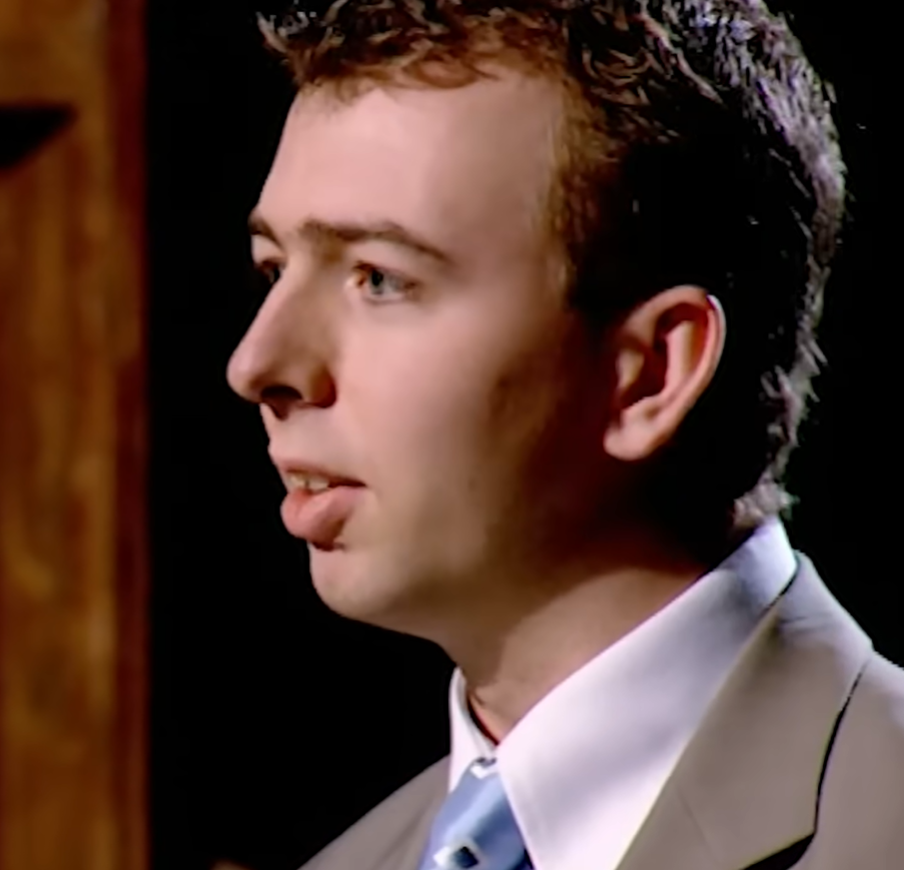
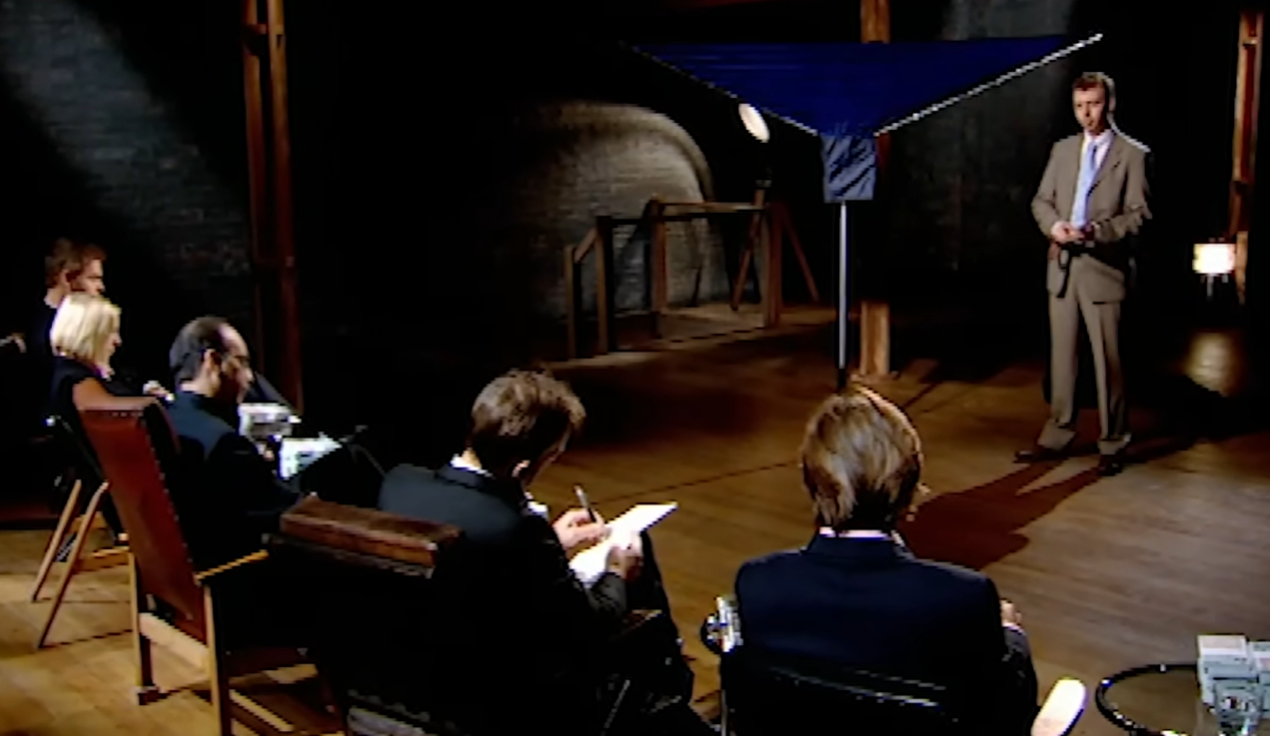
Young guy, around 21, first venture, selling some rotary clothesline / washing-line rain cover type product.
Peter Jones basically didn’t believe in it.

He didn’t love the product.
He didn’t think the market was amazing.
He didn’t see some obvious empire being built from garden washing.
But then Deborah Meaden and Richard Farleigh start moving in.
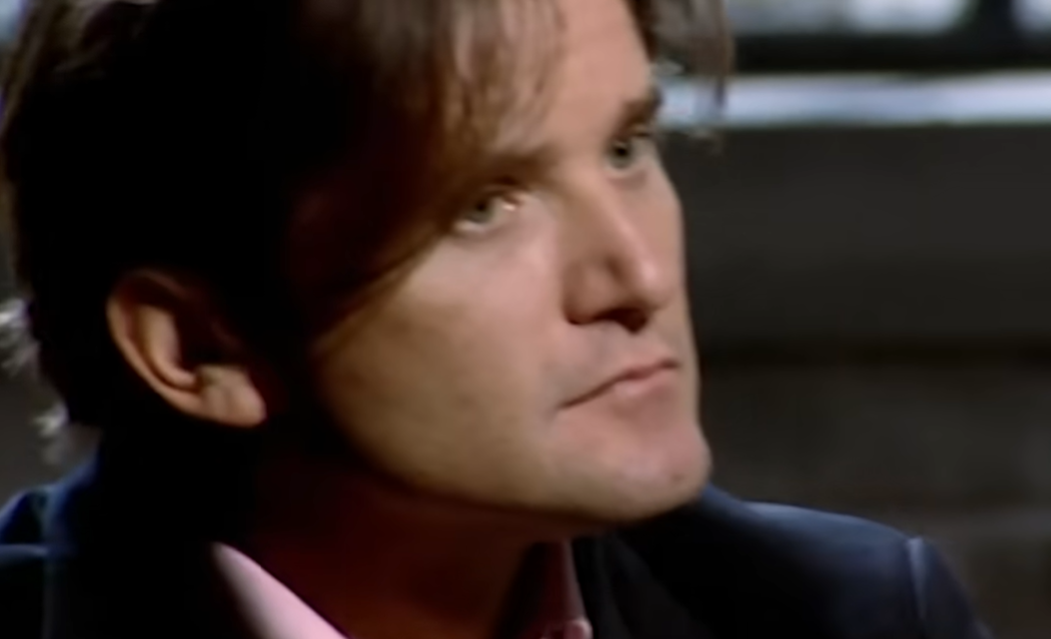
The deal ends up around:
£85k for 40% equity.
And suddenly Peter starts acting irritated.
This is the part most people miss.
He wasn’t really mad about the clothesline.
He was mad about the capture.
Because the real product wasn’t the clothesline.
The real product was:
a young founder’s future labour, ambition, time, energy, and optionality.
That is what they bought.
Not plastic.
Not a garden accessory.
Not some boomer washing gadget.
They bought a 40% claim on a 21-year-old founder who had never been offered capital before.
That is the game.
Most normal people watch it and think:
“Why would they want 40% of a boring little clothesline business?”
Wrong question.
The correct question is:
How much does it cost to buy a large slice of someone’s first serious attempt at escaping normal life?
That is what early-stage capitalism really is.
The investor risks a cheque.
The founder risks years.
The investor loses £85k if it fails.
The founder loses time, youth, confidence, opportunity cost, reputation, and probably spends years learning painful lessons for someone else’s cap table.
But here is the clever part:
40% is huge.
But it is not so huge that the founder quits.
That is the perfect extraction zone.
If the investor takes 80%, the founder becomes a resentful employee.
If the investor takes 5%, the upside is too small.
But 40%?
That is brutal and elegant.
The founder still owns 60%, so he keeps grinding.
He still believes it is “his company.” And the investors know the idea is SHIT. And they won't tell the poor old 21-year old with his "dream".
He still wakes up thinking he is building his dream.
He still has enough ownership to stay emotionally attached.
But the investor owns nearly half the upside.
That is why Peter got annoyed.
He didn’t suddenly become passionate about rotary clotheslines.
He saw the structure.
Low downside.
Large equity.
Young founder.
First capital.
Retail optionality.
Licensing optionality.
Catalogue optionality.
QVC/garden-centre optionality.
Possible full category capture if it somehow works.
Worst case?
It dies.
Cheque gone.
Move on.
Base case?
Maybe it sells enough to get some money back, maybe gives them a little return, maybe opens some distribution relationship.
Bull case?
It randomly catches.
The thing gets into garden centres, catalogues, supermarkets, TV shopping, international distributors.
Suddenly a “stupid clothesline” is doing millions.
And they own 40%.
That is why rich people fight over things they openly claim are bad.
They are not always fighting over belief.
They are fighting over cheap convexity.
This is the same logic everywhere.
A venture capitalist doesn’t need every founder to win.
A private equity buyer doesn’t need every asset to be beautiful.
A landlord doesn’t need every tenant to become rich.
A studio doesn’t need every artist to become a star.
They just need enough asymmetric contracts where someone else supplies the effort, obsession, and unpaid grind.
The capitalist supplies capital.
The founder supplies life-force.
And the contract decides who owns the future.
That is the cold part.
The founder sees investment as validation.
The investor sees ownership.
The founder hears:
“We believe in you.”
The investor thinks:
“We have purchased 40% of the upside before you understand what your time is worth.”
That is why first-time founders are dangerous to themselves.
They negotiate like the money is the scarce thing.
It isn’t.
At 21, the scarce thing is not £85k.
The scarce thing is your next 5 years of obsession.
Your willingness to work 12-hour days.
Your ability to learn.
Your hunger.
Your naivety.
Your desire to prove everyone wrong.
Your emotional attachment to the company.
That is the asset.
And if someone can buy 40% of that for seed capital, they will.
This is also why Peter Jones getting annoyed is revealing.
He was not jealous because he loved the product.
He was jealous because someone else got the option.
He saw a bad product but a good deal.
That is advanced capitalism.
Normal people evaluate the object.
Capitalists evaluate the contract.
Normal person:
“Would I buy this clothesline?”
Capitalist:
“Can I buy 40% of the person trying to sell it?”
Massive difference.
And this is why equity is the most psychologically misunderstood thing in business.
Founders think:
“I still own most of it.”
Investors think:
“We own enough of it.”
The founder thinks in control.
The investor thinks in payoff.
The founder thinks in dream.
The investor thinks in claim.
The founder thinks the business is the product.
The investor knows the founder is the product.
That is the lesson.
Peter didn’t need to believe in the clothesline.

He only needed to recognise that someone else had bought a cheap lottery ticket attached to a young man’s ambition.
And in capitalism, that is often enough to make rich people angry.
Because the real game is not always finding genius.
Sometimes it is finding someone inexperienced enough to sell you convexity before they know what convexity is.