Troxyy
Iron
- Joined
- Jun 22, 2026
- Posts
- 7
- Reputation
- 1
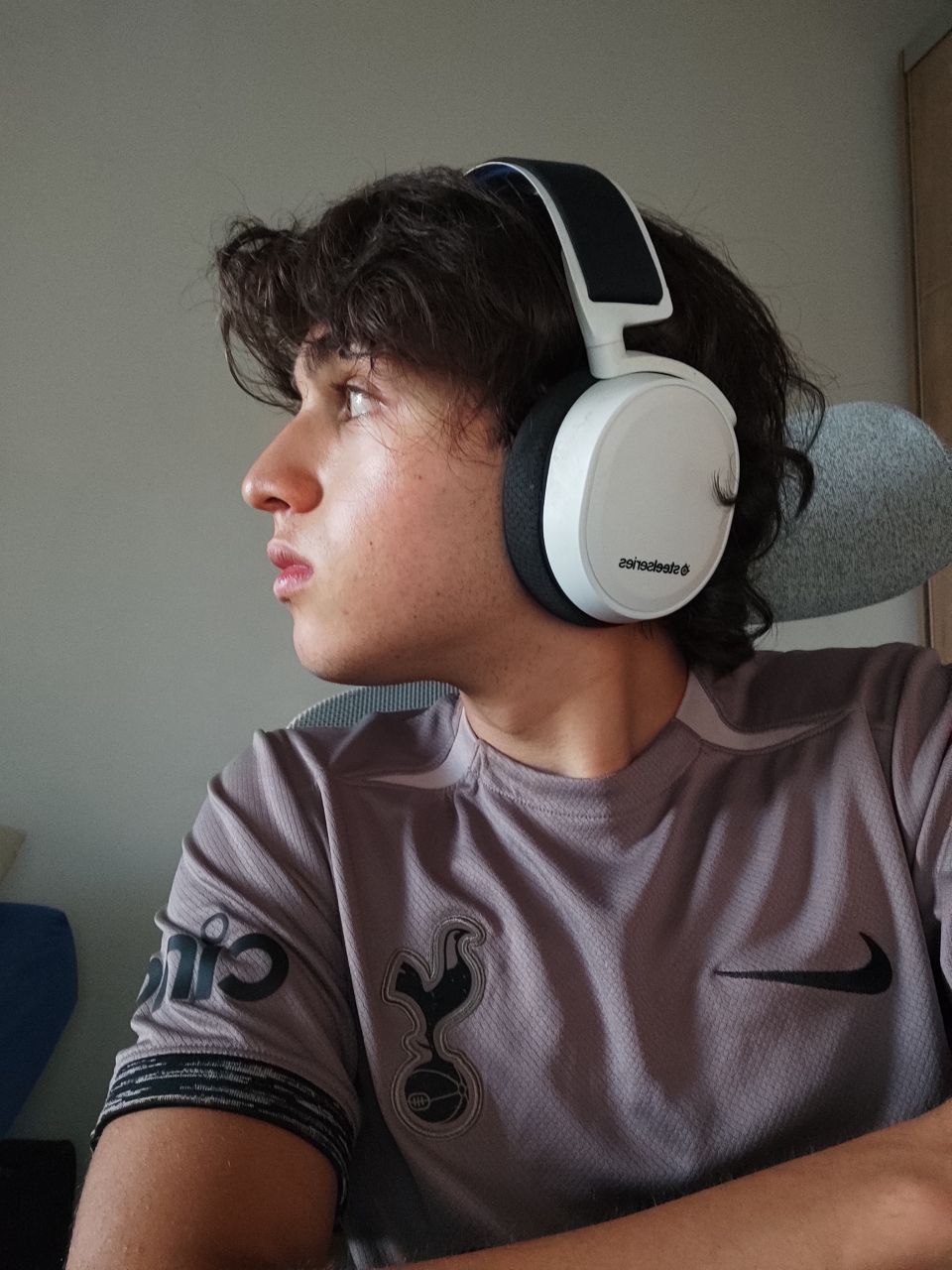
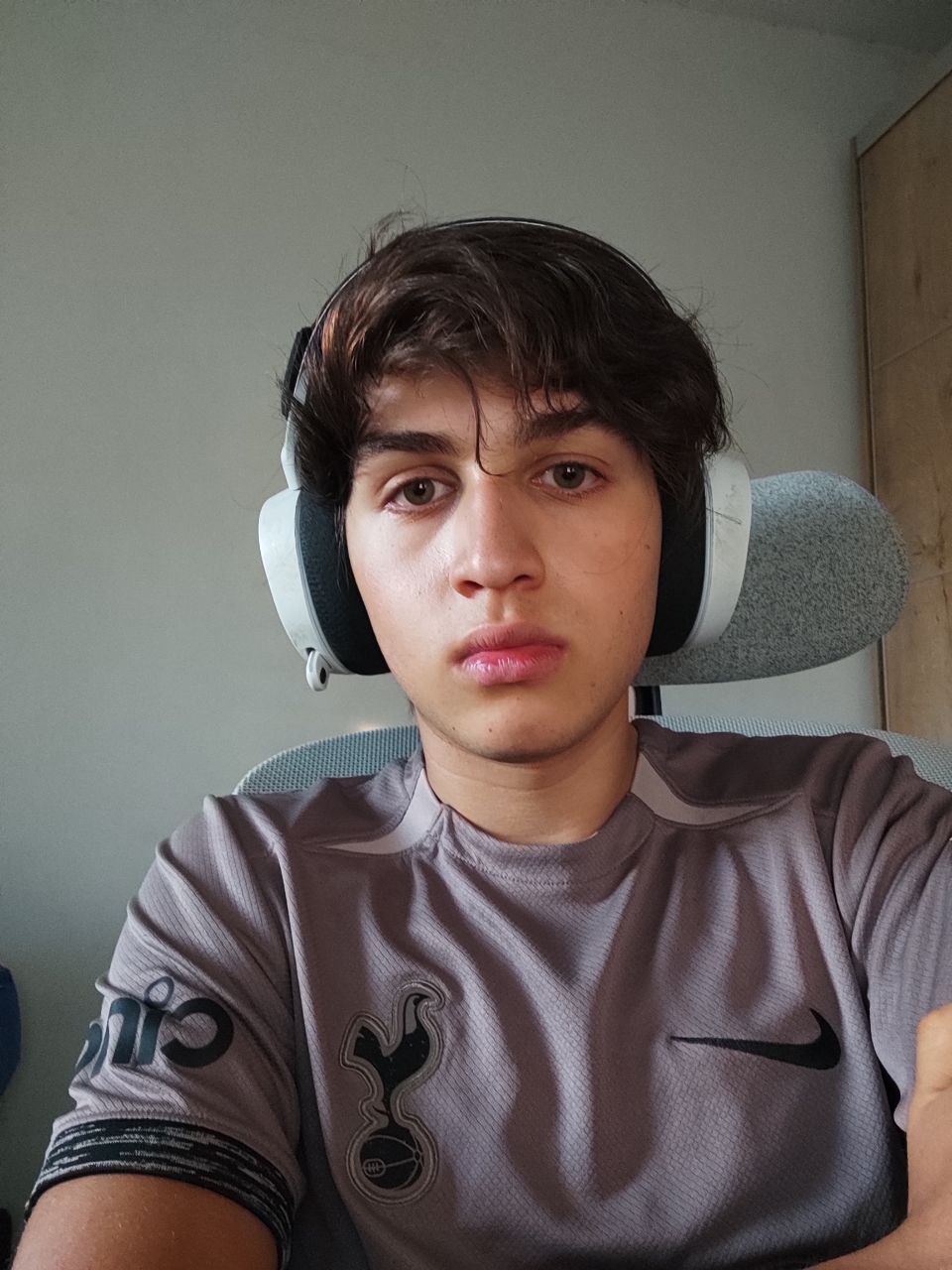
I asked ChatGPT what my biggest facial flaws or weak points appeared to be. It said the main possible issue was an under-projected chin, with the under-eye/infraorbital area as a secondary concern. It also stressed that mandibular, maxillary and zygomatic recession cannot actually be diagnosed from selfies.
I then asked it to simulate:
Before doing anything, my plan is to get a lateral cephalogram, bite assessment and maxillofacial/orthodontic consultation. I want to obtain measurements such as SNA, SNB, ANB and Pog-NB to determine whether the actual issue is isolated chin recession, mandibular recession, maxillary position or none of them.
My questions:
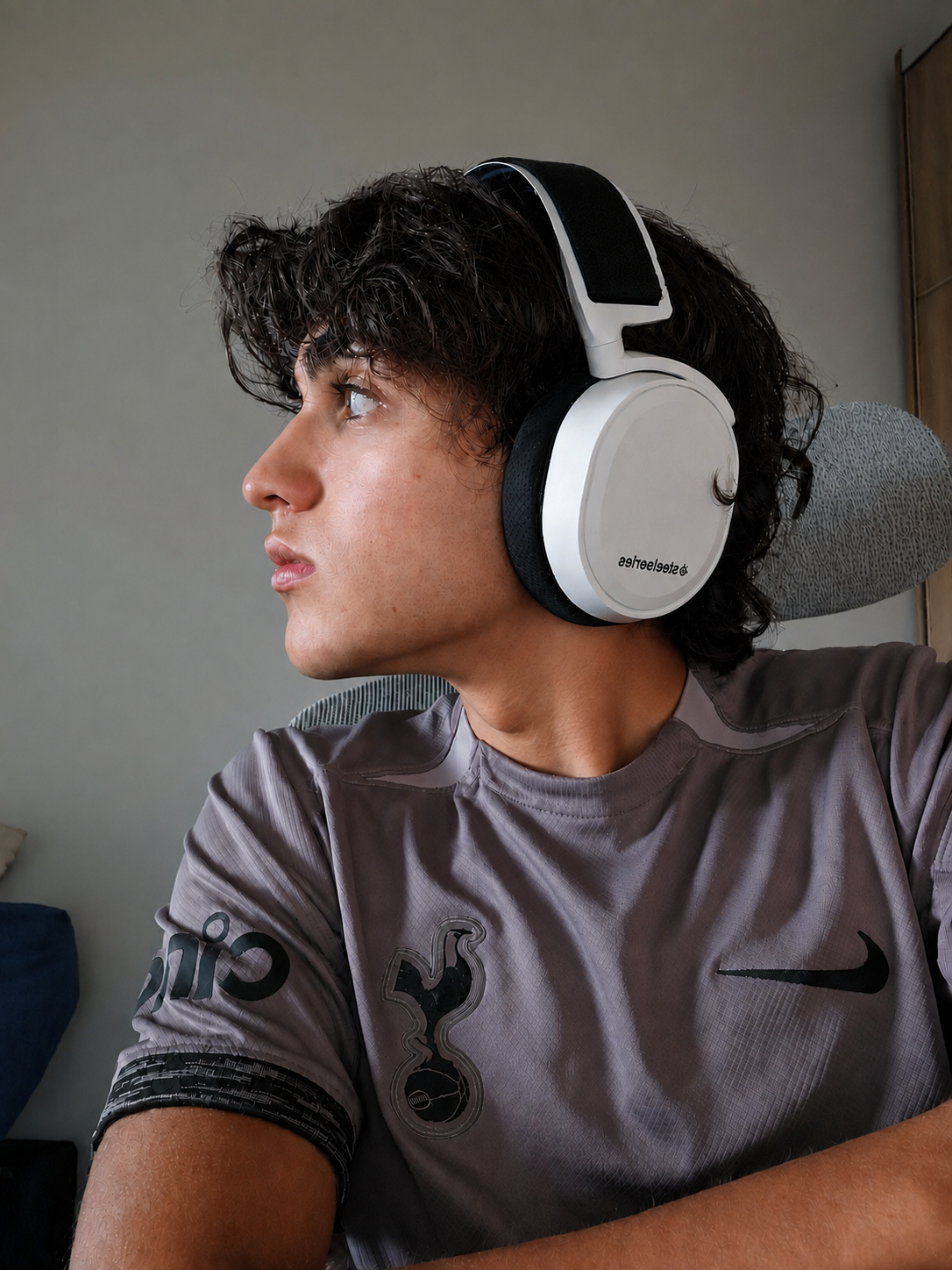
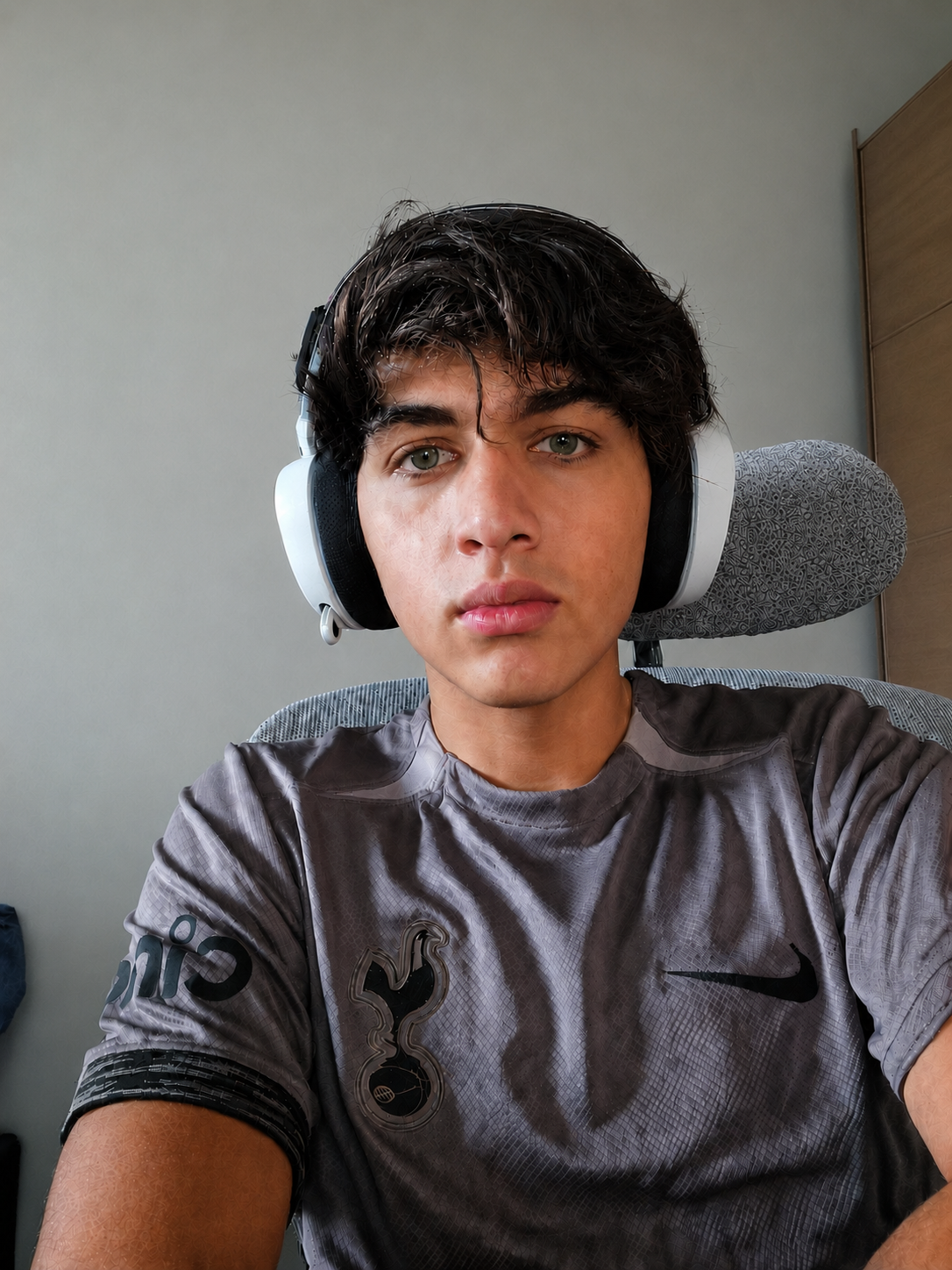
I then asked it to simulate:
- Around 6–7 mm sliding genioplasty advancement
- Hypothetical 3–4 mm maxillary/Le Fort I advancement
- Conservative under-eye/infraorbital support
- Upper-eyelid fat grafting/superior-sulcus filling to reduce upper-eyelid exposure
- A drop from roughly 14% to 12% body fat
- A sharper cervicomental angle/high-hyoid appearance
- My real olive-green eye colour
Before doing anything, my plan is to get a lateral cephalogram, bite assessment and maxillofacial/orthodontic consultation. I want to obtain measurements such as SNA, SNB, ANB and Pog-NB to determine whether the actual issue is isolated chin recession, mandibular recession, maxillary position or none of them.
My questions:
- Could the overall direction of this morph be realistic, or is it clearly overcorrected/too AI?
- Which simulated changes actually improve my facial balance?
- Which changes look unnecessary or make me look worse?
- Based on the originals, does isolated sliding genioplasty seem like the only procedure worth investigating first?
- Does the maxillary advancement look proportionate, or does it push the upper lip/midface too far forward?
- Are the under-eye and upper-eyelid changes an improvement, or should I leave the eye area alone?