DIY FILLER: A PRACTICAL GUIDE (FBOTB)

Veridic

Veridic

Member of SLYR
Joined
Aug 14, 2024
Posts
2,626
Reputation
3,508
DIY Filler Guide

A beginner's step-by-step guide to injecting filler at home.
The following content does not promote or condone any of the mentioned activities below, read at your own risk.


Things to keep in mind:

1. Never inject without aspirating first (non negotiable).

2. Inject slowly, deposit gel in small amounts.


3. Make sure to place filler as close to the supraperiosteal as possible for minimal migration risk.

4. Know and understand signs of vascular occlusion, stop injecting immediately and apply a warm compress + aspirin + hyaluronidase in case of severe damage.


Supplies to have on hand:

High G filler syringe (structure)
Firmer and stiffer, best for lifting and giving more structure to mimic bone.

Low G filler syringe (contour)
Softer and more malleable, best for contouring and smoothing out transitions.

Microcannulas
Preferred if you'd like to lower risk of damaging a vessel.

Replacement needles
Usually comes with filler but if not, it's good to have them as the needle dulls quite easily after a few injections.

Hyaluronidase (dissolver)

Guide: https://looksmax.org/threads/how-to-dissolve-a-diy-filler-botch-or-migration-hyaluronidase.1872972/

Topical numbing cream
Most filler comes with premixed gel solutions containing lidocaine.

Marking tool
Example: white eyeliner pencil for anatomy marking

Gloves

Disinfectant (alcohol pads or solution)


Filler and hyaluronidase available through my free source (DM)
Optional: Ultrasound device for vessel mapping


The difference between cannula and needle (solo) injection techniques:

Cannula: Blunt tipped tool used to lower vessel damage risks as well as making it easier to glide along longer planes of structure such as the zygomas or mandibular regions.

Needle (Solo): Acceptable for most regions, just make sure to place boluses instead of threading or fanning too much in case you mess up.

All injection techniques below are possible without a cannula which I've personally resorted to in the past, however this is purely dependent on the individual's knowledge of their facial anatomy. Operate at your own risk.

Threading: Injecting while withdrawing.

Boluses: Depositing balls of filler gel to later massage/sculpt into desired shape.


Terminology
Definitions
Anterior
Forward facing surface, forward projection.
Posterior
Rear facing surface, depth enhancement behind a structure.
Lateral
Towards the side of the face, widening/flaring enhancements.
Medial
Center of the face, central placement which is often avoided.
Superior
Upwards towards the top of the head, higher placement for "lifting".
Inferior
Toward the bottom of the face, lower placement for base support.
Supraperiosteal
On or above the periosteum aka the bone surface layer.
Subcutaneous
Below the skin but above deeper soft tissue structure.
Sub-SMAS
Below the superficial deeper fat/muscle layers, best for deeper lift and support.


Enhancing projection, filling in any supraorbital recessions, and anything else that may be holding you back from a more dimorphic brow bone while smoothening out the forehead to upper lid transition. In some cases, individuals can benefit from this by lifting the tail of the brow for a more striking eye area.

Filler type: High G' for structural lift, Lower G' prime fillers are acceptable for contouring purposes only.

Anatomy: Look out for the supraorbital/supratrochlear arteries that run from the midline and upward.

Preparation:

-Disinfect the injection sites
-Apply topical numbing cream if needed

Mark key anatomy:

-Supraorbital notch
-Brow ridge contour (along orbital rim)
-Entry points: brow head and tail, medial or below brow for support if needed.​

:ALERTA:Technique:ALERTA:

1. Using your needle, create a small pilot hole at the entry of the lateral brow tail or temple, this should be 1-2cm above the lateral canthus.
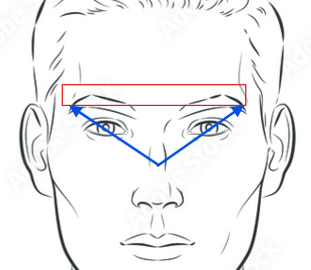
1771817352635


2. Attach pre-filled 1ml syringe to cannula, and insert the blunt tip through the pilot hole mentioned above GENTLY.

3. Advance your setup slowly into the hypodermis/submuscular plane, then drop to the periosteal (you should feel contact with the bone at this point, gentle scraping is fine but avoid any aggressiveness).

4. Use a fanning or threading technique by directing the cannula along the orbital rim.

For projection: Use spaced deposits on bone along the ridge laterally as you go.

For lifting: Use the threading technique by injecting while withdrawing the needle in a fan pattern from the lateral entry across the brow.

5. Massage gently immediately after each deposit once the needle is back out, by sculpting and ensuring the gel distribution is to your liking. Your fingers are fine for this.

Volume: 0.05–0.1ml per pass, 3–6 threads or small boluses spaced along rim.

Needle-only alternative requires periosteal deposits spaced out laterally along the rim of the supraorbital as well.


Don't forget to aspirate!​

Enhancing forward projection of the front cheekbones and undereye support for fullness, and reduction of any midface flatness.. Serves to improve the ogee curve and adding a more "forward grown" appearance.

Preparation:

-Disinfect the injection sites
-Apply topical numbing cream if needed

Mark anatomy:

-Zygomatic apex (most protruding point)
-Anterior face of zygoma (forward facing surface)
-Infraorbital artery

Entry: Lateral to the zygoma, horizontal line where the cheekbone runs under the infraorbital rim.​

Filler Type: High G' for structure and lifting properties, avoid low G' filler unless contouring into the tear troughs. Keep the volume conservative with no more than 1ml per side unless unsatisfied with outcome.

Anatomy: Watch out for the infraorbital artery, and any zygomaticofacial artery branches (low risk if done using a cannula).


:ALERTA:Technique:ALERTA:

1. Create pilot hole at lateral entry point along the arch of the zygo, lateral to the apex and across the anterior surface.
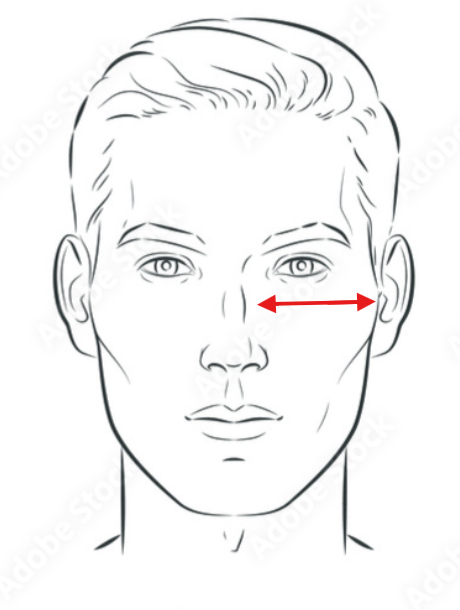

1771565989370


2. Attach pre-filled 1.1ml syringe to cannula and insert blunt tip through pilot hole.

3. Advance slowly in hypodermis/sub smas plane, then drop to supraperiosteal, making contact with bone.

4. Direct the cannula toward anterior zygoma face at a 90* perpendicular to bone angle.

-For projection use bolus deposits, around 0.05-0.2ml per bolus.
-For contouring, use a fanning technique while drawing and injecting at the same time from the lateral entry towards the apex. Don't forget to remain lateral as you move.

5. Deposit 0.05–0.2ml boluses every 3–5mm along anterior surface. For fanning, stay lateral to avoid infraorbital foramen.

6. Massage gently, immediately after each deposit until you sculpt the gel into a form that suits your needs.

7. Repeat on opposite side, and compare. Don't forget that swelling may influence the variance of outcome, it's okay to come back and make touch ups later.

Same technique applies when using a needle without a cannula.


Don't forget to aspirate!​

Reducing under eye hollowing and adding support to the infraorbital rim for a well rested, higher trust appearance. Best results come from combining this with anterior/ upper midface zygomatic filler.

Preparation:

-Disinfect the injection sites
-Apply topical numbing cream if needed

Mark Anatomy:

-Infraorbital rim
-Tear trough depression (hollows)
-Infraorbital foramen
-Ligament areas

Entry: Medial or lateral infraorbital

Filler Type: Low to medium G' since this is a very delicate area. Avoid any high G' gels and keep the volume very conservative.

Anatomy: Watching out for infraorbital arteries, angular artery branches, and ophthalmic retrograde risks in order to avoid going blind. Yes this is the most riskiest area to DIY, and I've personally resorted to injecting into the bottom of my tear trough and massaging the filler gel upwards, although not as effective it still works.


:ALERTA:Technique:ALERTA:

1. Create pilot hole at lateral entry point (below infraorbital rim).
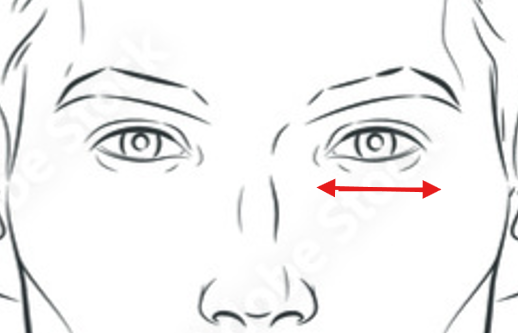
1771568698863


2. Attach pre-filled 1ml syringe to cannula and insert the blunt tip into the pilot hole.

3. Advance into subcutaneous plane, then drop to supraperiosteal along the rim. You should feel the bone with gentle contact.

4. Use threading only, (0.02–0.05ml per pass max), parallel to rim, never bolus. Layer thinly, massage extremely gently.

5. Repeat on both sides and compare. I wouldn't recommend using a needle without a cannula here, but I have done this before which is riskier. Keep volume at no more than 0.5ml per side, even if outcome isn't up to your liking. The tear troughs are notorious for looking overfilled if you overstep this boundary.


Don't forget to aspirate!​

Soften nasolabial folds for a reduced "sagging" appearance, in return restoring youthfulness. Enhancing overall harmony without adding any actual projection or width.

Preparation:

-Disinfect the injection sites.
-Apply topical numbing cream if needed.

Mark Anatomy:

-Nasolabial fold
-Piriform fossa (near the base of the nose)
-Medial cheek fat pads to fill for more lift

Entry: Lateral or inferior to the folds

Filler Type: Medium to high G' for support. Use a low G' filler gel if the folds are superficial.

Anatomy: Avoid angular artery that runs along the nasolabial fold, and any infraorbital branches.


:ALERTA:Technique:ALERTA:

1. Create your pilot hole at the lateral/inferior entry point, just below the fold near the corner of your mouth, or the lateral cheek.
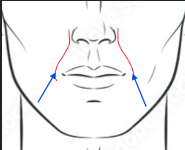
1771816861820


2. Attach your pre-filled 1.1ml syringe to cannula and insert the blunt tip through the pilot hole.

3. Advance into the subcutaneous plane, then deeper towards the supraperiosteal (bone contact).

4. Deposit while withdrawing the needle in small amounts, inject upward along fold (0.05–0.1ml per pass) parallel to the crease.

5. Massage and mold the gel to your liking, keep in mind that swelling may cause the filler gel to appear more "projected" for a bit.

6. Repeat on both sides.

Same principle without a cannula, low risk.


Don't forget to aspirate!​

Add forward projection, length, symmetry, or height for a more dimorphic frontal and side profile harmonious balance.

Preparation:

-Disinfect the injection sites.
-Apply topical numbing cream if needed.

Mark Anatomy:

-Pogonion (most anterior point)
-Mental crease (horizontal line just above the chin)
-Mental foramen (to avoid)
-Chin border (if looking to blend any assymetries)

Entry: Purely based on whether you're attempting to add height or projection. Below pogonion is ideal for both, make sure to begin from the center of the chin and move outwards as you build the foundational structure.

Filler Type: High G' for structure and projection, avoid low G' even when contouring as it's just not needed.

Anatomy: Look out for submental artery which runs under the chin midline, this is unlikely to cause any issues even without aspirating which should always be done regardless.


:ALERTA:Technique:ALERTA:

1. No cannula required for this region, insert the needles in the direction of where you'd like the gel to project.
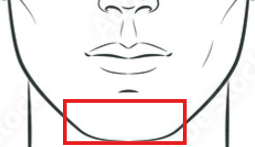

1771571542504


2. Inject and withdraw the needle as you go, 0.1–0.3ml per bolus max, 3–5 boluses spaced across pogonion. Make sure you begin from the supraperiosteal, making contact with bone.

3. Massage as you go, inspect very carefully as any minor asymmetries can be noticeable depending on how severe.

4. Repeat and inspect after every bolus injection, don't get overconfident and overfill.


Don't forget to aspirate!​

Increasing bizygomatic width for a more prominent frontal and side profile cheekbone projection.

Filler type: High G' all the way. This is one of the most active regions in your face, anything lower may encourage migration.

Anatomy: Zygomaticofacial artery branches to look out for, low risk with cannula.

Preparation:

-Disinfect the injection sites.
-Apply topical numbing cream is needed.
-Know your vessel mapping

Mark Anatomy:

-Zygomatic Arch
-Lateral flare point (widest bizygomatic spot)
-Submalar hollow

Entry: Lateral or along the arch, begin from the hairline/tail of the zygomatic bone and move alongside the plane.

:ALERTA:Technique:ALERTA:

1. Create pilot hole at lateral entry point along the zygomatic plane near the temples/hairline.
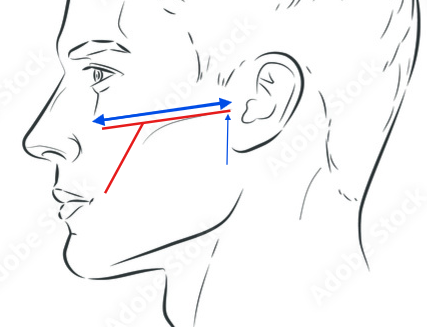
1771824194824


2. Attach pre-filled syringe and insert blunt tip through the pilot hole.

3. Advance into hypodermis/sub smas plane, then lower to the supraperiosteal, making contact with bone.

4. Direct the cannula/needle along the zygomatic arch (follow the bone curve). Place the filler in bolus deposits spaced out centimeters apart.

5. Massage and sculpt the gel to your liking. Try to push the filler up instead of down as it might be hard to get it back up if it moves vertically down the zygomatic plane.

6. Repeat on both sides, don't be too afraid to deposit some extra on here as long as you don't go above 0.1ml per deposit.

Volume: Try not to go over 1-1.5ml total on each side due to overfilling risks.

Note: make sure to stay on top of the cheekbone as this visually lifts your zygos and causes them to widen at the same time. Going any lower risks migration once the filler integrates.


Don't forget to aspirate!​

Adding width, projection, and JFA angularity to the mandibular angles within the gonions. Not only does this increase your frontal jawline width, but your side profile jaw profile becomes more striking. Best paired with lateral zygomatic filler.

Filler Type: Nothing lower than High G', as migration is very common within this region and anything too soft will eventually spread due to how often the muscles in this area move.

Anatomy: Avoid the facial artery that runs along the inferior mandible, and emerges at the mandibular notch anterior to said angle. Nothing too big to worry about but good to remember.


Preparation:

-Disinfect the injection sites.
-Have a 2 mirror set up in a way that allows you to see the back of your ramus.
-Apply topical numbing cream if needed, this area stings a bit.

Mark Anatomy:

-Gonial angle, rear to the mandible.
-Mandibular notch, avoid anything anterior to this.
-Ramus

Entry: Inferior to gonial angle, along border.

:ALERTA:Technique:ALERTA:

1. Create pilot hole at posterior entry point, behind the gonial angle at the ramus.
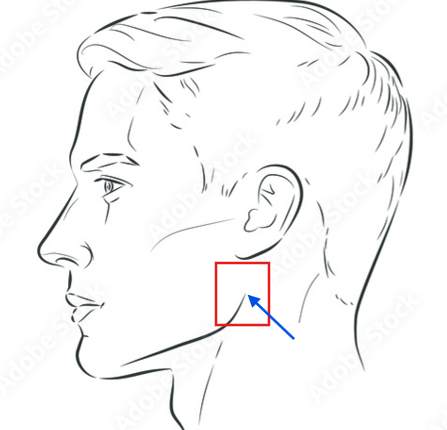
1771819207946


2. Attach pre-filled syringe to cannula and insert blunt tip or use a syringe, it's easier.

3. Advance into hypodermis and lower to supraperiosteal, making contact with bone.

4. Direct the cannula/needle along the mandibular angle/border of the ramus. I suggest using bigger boluses at the upper section of the ramus in order to avoid major migration into the lower jaw, 0.1–0.3ml boluses spaced 3–5mm apart along upper ramus/angle, total <0.8ml per side.

5. Massage VERY gently.

6. Repeat on both sides, do not inject more than 0.8ml per side per session, swelling or the lack of can make it appear different than when it will settle.

Note: This is one of the trickiest areas to diy, chewing is not recommended for a few days until the HA integrates a bit, I'd also suggest getting a friend to help you out as this is a very difficult area to see.


Don't forget to aspirate!​

Add volume, enhance symmetry, and smoothen out vertical lip lines (smoker's lips).

Preparation:

-Disinfect the injection sites.
-Apply topical numbing cream if needed.

Mark Anatomy:

-Vermilion border (edge of lips)
-Cupid's bow
-Philtrum
-Mouth corners (oral commissures)

Entry: Lateral vermilion border, or the side of lips. 2-3 entry points per lip for even distribution.

Filler Type: Low to medium G' for natural movement and softness. Avoid high G', it will look terrible.

Anatomy: Superior and inferior labial arteries, avoid these at all costs.


:ALERTA:Technique:ALERTA:

1. Insert needle without cannula into the lateral vermilion border or side of the lips.
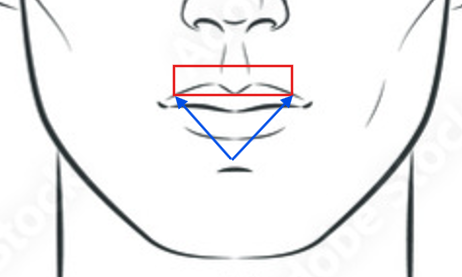
1771820151464


2. Advance in submucosal/dermal plane.

-For border definition use a threading technique along the edge of the vermilion, about 0.02-0.05ml per pass.
-For more volume use small bolus deposits in the upper and lower tubercles. No more than 0.2ml per site.
-For philtrum shortening use micro bolus deposits placed at the top, stay superficial in the border and deeper in the body.

3. Massage with one finger, be very careful doing so.

4. Repeat on both lips/sides. Compare very frequently, this is a sensitive area when it comes to facial harmony.


Don't forget to aspirate!​

Contouring and widening the mandibular border for more angularity and a seamless blend from the gonions to your chin. Helps separate the jaw from the neck's soft tissue in case you have a "bad jawline". Pair with gonion + lateral zygomatic filler for total FWHR changes.

Preparation:

-Disinfect the injection sites.
-Apply topical numbing cream is needed.

Mark Anatomy:

-Inferior mandibular border (entire plane from gonial angle to the chin).
-Pre jowl sulcus, indent anterior to jowl near the chin.
-Facial artery notch, avoid going anterior to this.

Entry: Lateral along inferior border.

Filler Type: High G', and nothing else. Use this for both projection and contouring.

Anatomy: Facial artery running parallel along the border, emerges at mandibular notch anterior to the gonions.


:ALERTA:Technique:ALERTA:

1. Create pilot hole at the mid lateral entry point along your inferior border, half way between the gonion and chin.
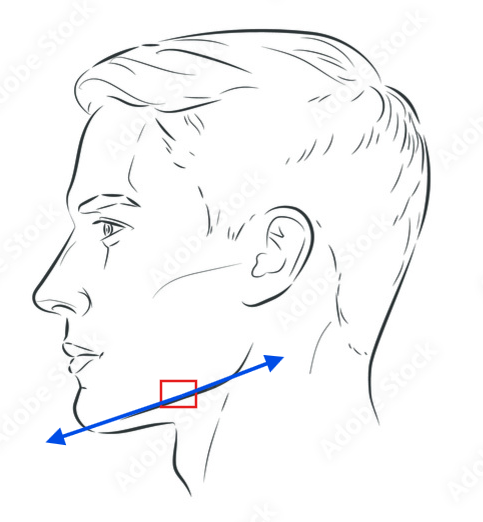
1771821002706


2. Attach pre-filled 1ml syringe to cannula (heavily recommended for best results), and insert through pilot hole (or use your needle alone).

3. Advance through hypodermis plane, move to supraperiosteal and make contact with bone. Make sure you feel some minor scraping, it is important to place the filler as close to bone here as possible.

4. Direct your needle/cannula along the inferior mandibular border, following the edge and apply a threading/fanning technique. Inject while withdrawing in small deposits, 0.1–0.3ml per pass, thread in 3–6 passes per side. Total <2ml.

5. Focus on posterior to mid border for extra angularity, then fill pre jowl sulcus which is the indent near your chin for a smoother transition into the pogonion (chin).

6. Don't massage too much unless it's to smoothen out any boluses.

7. Repeat on both sides, don't forget that swelling may influence the variance of outcome so don't freak out if you look slightly asymmetrical.


Don't forget to aspirate!
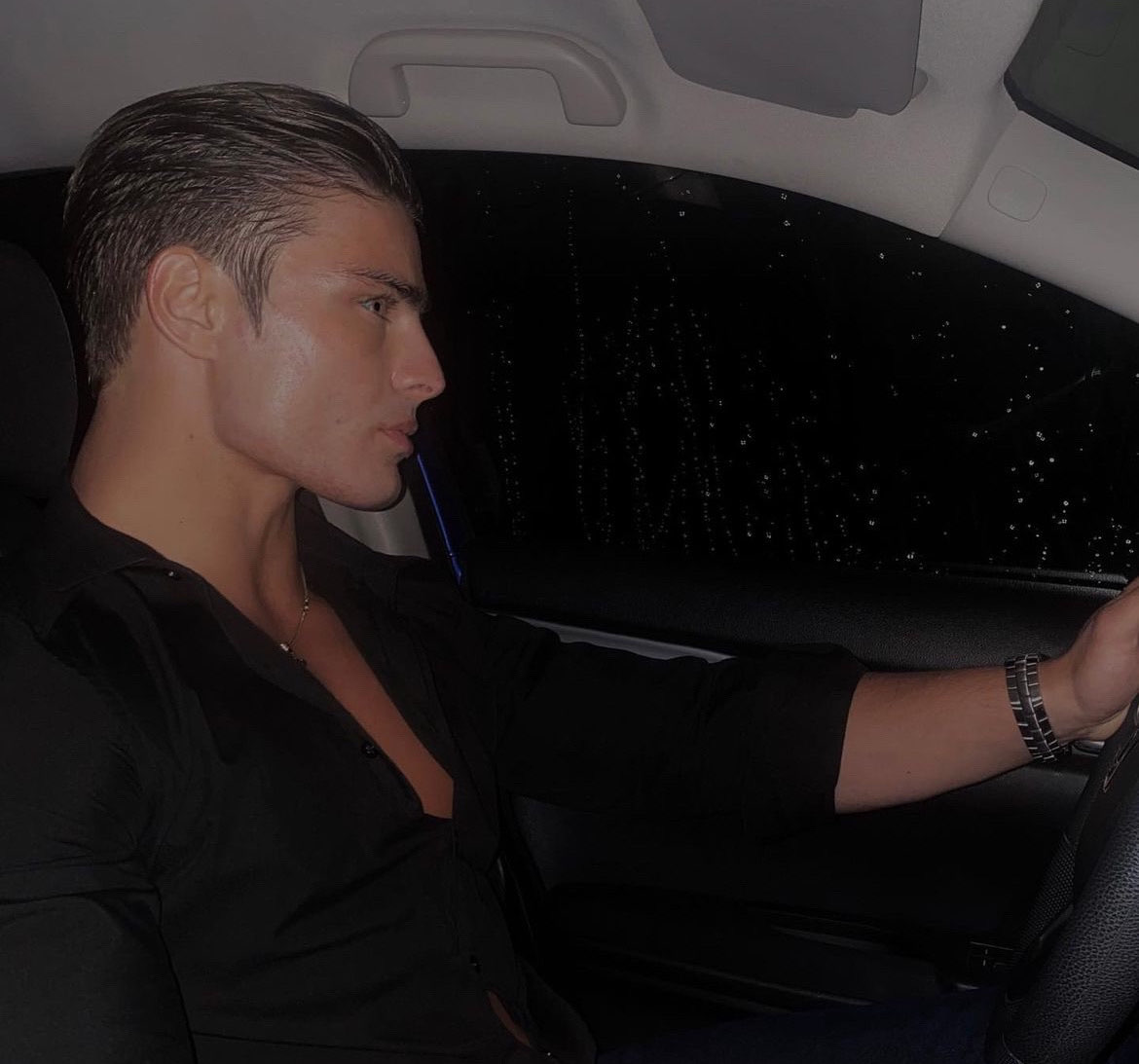


1771827515552

Thanks for reading​
 
Last edited:
  • +1
  • Love it
Reactions: GOOGLEBALLS, Matthew24, Micrognathic and 54 others
hahaha I am first bask in my truceldom
 
  • +1
Reactions: ImaASCENDsoon, Wildlife, idont and 3 others
Another veridic classic :ogre:

Good thread
 
  • +1
  • Love it
Reactions: Cilliann, Wildlife, Sayori and 4 others
How do you prevent migration
 
  • +1
Reactions: Veridic
DIY Filler Guide

A beginner's step-by-step guide to injecting filler at home.
The following content does not promote or condone any of the mentioned activities below, read at your own risk.


Things to keep in mind:

1. Never inject without aspirating first (non negotiable).

2. Inject slowly, deposit gel in small amounts.


3. Make sure to place filler as close to the supraperiosteal as possible for minimal migration risk.

4. Know and understand signs of vascular occlusion, stop injecting immediately and apply a warm compress + aspirin + hyaluronidase in case of severe damage.


Supplies to have on hand:

High G filler syringe (structure)
Firmer and stiffer, best for lifting and giving more structure to mimic bone.

Low G filler syringe (contour)
Softer and more malleable, best for contouring and smoothing out transitions.

Microcannulas
Preferred if you'd like to lower risk of damaging a vessel.

Replacement needles
Usually comes with filler but if not, it's good to have them as the needle dulls quite easily after a few injections.

Hyaluronidase (dissolver)

Guide: https://looksmax.org/threads/how-to-dissolve-a-diy-filler-botch-or-migration-hyaluronidase.1872972/

Topical numbing cream
Most filler comes with premixed gel solutions containing lidocaine.

Marking tool
Example: white eyeliner pencil for anatomy marking

Gloves

Disinfectant (alcohol pads or solution)


Filler and hyaluronidase available through my free source (DM)
Optional: Ultrasound device for vessel mapping


The difference between cannula and needle (solo) injection techniques:

Cannula: Blunt tipped tool used to lower vessel damage risks as well as making it easier to glide along longer planes of structure such as the zygomas or mandibular regions.

Needle (Solo): Acceptable for most regions, just make sure to place boluses instead of threading or fanning too much in case you mess up.

All injection techniques below are possible without a cannula which I've personally resorted to in the past, however this is purely dependent on the individual's knowledge of their facial anatomy. Operate at your own risk.


Terminology
Definitions
Anterior
Forward facing surface, forward projection.
Posterior
Rear facing surface, depth enhancement behind a structure.
Lateral
Towards the side of the face, widening/flaring enhancements.
Medial
Center of the face, central placement which is often avoided.
Superior
Upwards towards the top of the head, higher placement for "lifting".
Inferior
Toward the bottom of the face, lower placement for base support.
Supraperiosteal
On or above the periosteum aka the bone surface layer.
Subcutaneous
Below the skin but above deeper soft tissue structure.
Sub-SMAS
Below the superficial deeper fat/muscle layers, best for deeper lift and support.


Enhancing projection, filling in any supraorbital recessions, and anything else that may be holding you back from a more dimorphic brow bone while smoothening out the forehead to upper lid transition. In some cases, individuals can benefit from this by lifting the tail of the brow for a more striking eye area.

Filler type: High G' for structural lift, Lower G' prime fillers are acceptable for contouring purposes only.

Anatomy: Look out for the supraorbital/supratrochlear arteries that run from the midline and upward.


:ALERTA:Technique:ALERTA:

1. Using your needle, create a small pilot hole at the entry of the lateral brow tail or temple, this should be 1-2cm above the lateral canthus.

View attachment 4689031

2. Attach pre-filled 1ml syringe to cannula, and insert the blunt tip through the pilot hole mentioned above GENTLY.

3. Advance your setup slowly into the hypodermis/submuscular plane, then drop to the periosteal (you should feel contact with the bone at this point, gentle scraping is fine but avoid any aggressiveness).

4. Use a fanning or threading technique by directing the cannula along the orbital rim.

For projection: Use spaced deposits on bone along the ridge laterally as you go.

For lifting: Use the threading technique by injecting while withdrawing the needle in a fan pattern from the lateral entry across the brow.

5. Massage gently immediately after each deposit once the needle is back out, by sculpting and ensuring the gel distribution is to your liking. Your fingers are fine for this.

Volume: 0.05–0.1ml per pass, 3–6 threads or small boluses spaced along rim.

Needle-only alternative requires periosteal deposits spaced out laterally along the rim of the supraorbital as well.

View attachment 4669526

Don't forget to aspirate!​

Enhancing forward projection of the front cheekbones and undereye support for fullness, and reduction of any midface flatness.. Serves to improve the ogee curve and adding a more "forward grown" appearance.


Filler Type: High G' for structure and lifting properties, avoid low G' filler unless contouring into the tear troughs. Keep the volume conservative with no more than 1ml per side unless unsatisfied with outcome.

Anatomy: Watch out for the infraorbital artery, and any zygomaticofacial artery branches (low risk if done using a cannula).


:ALERTA:Technique:ALERTA:

1. Create pilot hole at lateral entry point along the arch of the zygo, lateral to the apex and across the anterior surface.


View attachment 4677073


2. Attach pre-filled 1.1ml syringe to cannula and insert blunt tip through pilot hole.

3. Advance slowly in hypodermis/sub smas plane, then drop to supraperiosteal, making contact with bone.

4. Direct the cannula toward anterior zygoma face at a 90* perpendicular to bone angle.

-For projection use bolus deposits, around 0.05-0.2ml per bolus.
-For contouring, use a fanning technique while drawing and injecting at the same time from the lateral entry towards the apex. Don't forget to remain lateral as you move.

5. Deposit 0.05–0.2ml boluses every 3–5mm along anterior surface. For fanning, stay lateral to avoid infraorbital foramen.

6. Massage gently, immediately after each deposit until you sculpt the gel into a form that suits your needs.

7. Repeat on opposite side, and compare. Don't forget that swelling may influence the variance of outcome, it's okay to come back and make touch ups later.

Same technique applies when using a needle without a cannula.


Don't forget to aspirate!​

Reducing under eye hollowing and adding support to the infraorbital rim for a well rested, higher trust appearance. Best results come from combining this with anterior/ upper midface zygomatic filler.


Filler Type: Low to medium G' since this is a very delicate area. Avoid any high G' gels and keep the volume very conservative.

Anatomy: Watching out for infraorbital arteries, angular artery branches, and ophthalmic retrograde risks in order to avoid going blind. Yes this is the most riskiest area to DIY, and I've personally resorted to injecting into the bottom of my tear trough and massaging the filler gel upwards, although not as effective it still works.


:ALERTA:Technique:ALERTA:

1. Create pilot hole at lateral entry point (below infraorbital rim).

View attachment 4677131

2. Attach pre-filled 1ml syringe to cannula and insert the blunt tip into the pilot hole.

3. Advance into subcutaneous plane, then drop to supraperiosteal along the rim. You should feel the bone with gentle contact.

4. Use threading only, (0.02–0.05ml per pass max), parallel to rim, never bolus. Layer thinly, massage extremely gently.

5. Repeat on both sides and compare. I wouldn't recommend using a needle without a cannula here, but I have done this before which is riskier. Keep volume at no more than 0.5ml per side, even if outcome isn't up to your liking. The tear troughs are notorious for looking overfilled if you overstep this boundary.


Don't forget to aspirate!​

Soften nasolabial folds for a reduced "sagging" appearance, in return restoring youthfulness. Enhancing overall harmony without adding any actual projection or width.


Filler Type: Medium to high G' for support. Use a low G' filler gel if the folds are superficial.

Anatomy: Avoid angular artery that runs along the nasolabial fold, and any infraorbital branches.


:ALERTA:Technique:ALERTA:

1. Create your pilot hole at the lateral/inferior entry point, just below the fold near the corner of your mouth, or the lateral cheek.

View attachment 4689007

2. Attach your pre-filled 1.1ml syringe to cannula and insert the blunt tip through the pilot hole.

3. Advance into the subcutaneous plane, then deeper towards the supraperiosteal (bone contact).

4. Deposit while withdrawing the needle in small amounts, inject upward along fold (0.05–0.1ml per pass) parallel to the crease.

5. Massage and mold the gel to your liking, keep in mind that swelling may cause the filler gel to appear more "projected" for a bit.

6. Repeat on both sides.

Same principle without a cannula, low risk.


Don't forget to aspirate!​

Add forward projection, length, symmetry, or height for a more dimorphic frontal and side profile harmonious balance.


Filler Type: High G' for structure and projection, avoid low G' even when contouring as it's just not needed.

Anatomy: Look out for submental artery which runs under the chin midline, this is unlikely to cause any issues even without aspirating which should always be done regardless.


:ALERTA:Technique:ALERTA:

1. No cannula required for this region, insert the needles in the direction of where you'd like the gel to project.


View attachment 4677209


2. Inject and withdraw the needle as you go, 0.1–0.3ml per bolus max, 3–5 boluses spaced across pogonion. Make sure you begin from the supraperiosteal, making contact with bone.

3. Massage as you go, inspect very carefully as any minor asymmetries can be noticeable depending on how severe.

4. Repeat and inspect after every bolus injection, don't get overconfident and overfill.


Don't forget to aspirate!​

Increasing bizygomatic width for a more prominent frontal and side profile cheekbone projection.

Filler type: High G' all the way. This is one of the most active regions in your face, anything lower may encourage migration.

Anatomy: Zygomaticofacial artery branches to look out for, low risk with cannula.


:ALERTA:Technique:ALERTA:

1. Create pilot hole at lateral entry point along the zygomatic plane near the temples/hairline.

View attachment 4689331

2. Attach pre-filled syringe and insert blunt tip through the pilot hole.

3. Advance into hypodermis/sub smas plane, then lower to the supraperiosteal, making contact with bone.

4. Direct the cannula/needle along the zygomatic arch (follow the bone curve). Place the filler in bolus deposits spaced out centimeters apart.

5. Massage and sculpt the gel to your liking. Try to push the filler up instead of down as it might be hard to get it back up if it moves vertically down the zygomatic plane.

6. Repeat on both sides, don't be too afraid to deposit some extra on here as long as you don't go above 0.1ml per deposit.

Volume: Try not to go over 1-1.5ml total on each side due to overfilling risks.

Note: make sure to stay on top of the cheekbone as this visually lifts your zygos and causes them to widen at the same time. Going any lower risks migration once the filler integrates.


Don't forget to aspirate!​

Adding width, projection, and JFA angularity to the mandibular angles within the gonions. Not only does this increase your frontal jawline width, but your side profile jaw profile becomes more striking. Best paired with lateral zygomatic filler.

Filler Type: Nothing lower than High G', as migration is very common within this region and anything too soft will eventually spread due to how often the muscles in this area move.

Anatomy: Avoid the facial artery that runs along the inferior mandible, and emerges at the mandibular notch anterior to said angle. Nothing too big to worry about but good to remember.


Entry: Inferior to gonial angle, along border.


:ALERTA:Technique:ALERTA:

1. Create pilot hole at posterior entry point, behind the gonial angle at the ramus.

View attachment 4689121

2. Attach pre-filled syringe to cannula and insert blunt tip or use a syringe, it's easier.

3. Advance into hypodermis and lower to supraperiosteal, making contact with bone.

4. Direct the cannula/needle along the mandibular angle/border of the ramus. I suggest using bigger boluses at the upper section of the ramus in order to avoid major migration into the lower jaw, 0.1–0.3ml boluses spaced 3–5mm apart along upper ramus/angle, total <0.8ml per side.

5. Massage VERY gently.

6. Repeat on both sides, do not inject more than 0.8ml per side per session, swelling or the lack of can make it appear different than when it will settle.

Note: This is one of the trickiest areas to diy, chewing is not recommended for a few days until the HA integrates a bit, I'd also suggest getting a friend to help you out as this is a very difficult area to see.


Don't forget to aspirate!​

Add volume, enhance symmetry, and smoothen out vertical lip lines (smoker's lips).


Filler Type: Low to medium G' for natural movement and softness. Avoid high G', it will look terrible.

Anatomy: Superior and inferior labial arteries, avoid these at all costs.


:ALERTA:Technique:ALERTA:

1. Insert needle without cannula into the lateral vermilion border or side of the lips.

View attachment 4689172

2. Advance in submucosal/dermal plane.

-For border definition use a threading technique along the edge of the vermilion, about 0.02-0.05ml per pass.
-For more volume use small bolus deposits in the upper and lower tubercles. No more than 0.2ml per site.
-For philtrum shortening use micro bolus deposits placed at the top, stay superficial in the border and deeper in the body.

3. Massage with one finger, be very careful doing so.

4. Repeat on both lips/sides. Compare very frequently, this is a sensitive area when it comes to facial harmony.


Don't forget to aspirate!​

Contouring and widening the mandibular border for more angularity and a seamless blend from the gonions to your chin. Helps separate the jaw from the neck's soft tissue in case you have a "bad jawline". Pair with gonion + lateral zygomatic filler for total FWHR changes.


Filler Type: High G', and nothing else. Use this for both projection and contouring.

Anatomy: Facial artery running parallel along the border, emerges at mandibular notch anterior to the gonions.


:ALERTA:Technique:ALERTA:

1. Create pilot hole at the mid lateral entry point along your inferior border, half way between the gonion and chin.

View attachment 4689221

2. Attach pre-filled 1ml syringe to cannula (heavily recommended for best results), and insert through pilot hole (or use your needle alone).

3. Advance through hypodermis plane, move to supraperiosteal and make contact with bone. Make sure you feel some minor scraping, it is important to place the filler as close to bone here as possible.

4. Direct your needle/cannula along the inferior mandibular border, following the edge and apply a threading/fanning technique. Inject while withdrawing in small deposits, 0.1–0.3ml per pass, thread in 3–6 passes per side. Total <2ml.

5. Focus on posterior to mid border for extra angularity, then fill pre jowl sulcus which is the indent near your chin for a smoother transition into the pogonion (chin).

6. Don't massage too much unless it's to smoothen out any boluses.

7. Repeat on both sides, don't forget that swelling may influence the variance of outcome so don't freak out if you look slightly asymmetrical.


Don't forget to aspirate!


View attachment 4689448
Thanks for reading​
High iq will use and show results
 
  • +1
  • Love it
Reactions: Sayori, L88, Orka and 1 other person
mirin high effort
 
  • +1
Reactions: Veridic, L88 and Orka
How do you prevent migration
1. Using the correct filler type for the area.

2. Injecting into the correct plane.

3. Avoiding overfilling.

4. Massaging right after each deposit to mold and integrate the gel.

5. Proper after care = no heavy chewing, sleeping on your face, alcohol/stimulants, heavy activity, etc.
 
  • +1
Reactions: solodolo, FoidFumbler, Adonis123 and 2 others
If you get vascular occlusion how do you make sure you can dissolve it in time before having permanent damage like skin necrosis that will ruin your face forever?
 
  • +1
Reactions: L88, Orka and Veridic
If you get vascular occlusion how do you make sure you can dissolve it in time before having permanent damage like skin necrosis that will ruin your face forever?
Great question, the most important part is recognizing it first off. As I've mentioned, stop injecting immediately and avoid any aggressive massaging. Inject hyaluronidase asap using the guide I've written and included above.
 
  • +1
Reactions: L88 and Orka
Great question, the most important part is recognizing it first off. As I've mentioned, stop injecting immediately and avoid any aggressive massaging. Inject hyaluronidase asap using the guide I've written and included above.
Ye but i know that it's hard to target the exact spot of the filler sometimes that's why people dissolve with ultrasound guided hyaluronidase. Even doctors need so many hyal sessions before they dissolve it fully. I'm too scared of this tbh.
 
  • +1
Reactions: L88 and Veridic
Ye but i know that it's hard to target the exact spot of the filler sometimes that's why people dissolve with ultrasound guided hyaluronidase. Even doctors need so many hyal sessions before they dissolve it fully. I'm too scared of this tbh.
You don't need ultrasound if you use higher doses of hyaluronidase considering it's localized "spread" effects.

I've been doing my own filler for years now, botching myself here and there and usually it's nothing too major a little hyaluronidase won't fix.

It's all in the risk to reward threshold you personally have at the end of the day :Shruge:
 
  • +1
Reactions: ascendtocl122 and L88
You don't need ultrasound if you use higher doses of hyaluronidase considering it's localized "spread" effects.

I've been doing my own filler for years now, botching myself here and there and usually it's nothing too major a little hyaluronidase won't fix.

It's all in the risk to reward threshold you personally have at the end of the day :Shruge:
what parts of your face are you injecting?
 
  • +1
Reactions: L88 and Veridic
what parts of your face are you injecting?
I've unironically tried every single one on this list outside of lip filler, back when I was younger I would obsess over transforming my entire skull which led to some unfortunate circumstances at times.

Nowadays I usually just place filler on top of some invasive work I've had done such as my silicon chin implant in order to add a bit more projection + round off any rough edges due to my thin facial soft tissue.
 
  • +1
Reactions: L88
Mirin effort bro :DankPepe:
 
  • Love it
Reactions: Veridic
Thanks bhai i used to have negative :feelswhy::DankPepe:
It's hard out here, gotta shitpost to hell and back just to get a good post to rep :hnghn:
 
  • +1
Reactions: xzylecrey, davidlaidisme67 and L88
@Orka sorry

DIY Filler Guide

A beginner's step-by-step guide to injecting filler at home.
The following content does not promote or condone any of the mentioned activities below, read at your own risk.


Things to keep in mind:

1. Never inject without aspirating first (non negotiable).

2. Inject slowly, deposit gel in small amounts.


3. Make sure to place filler as close to the supraperiosteal as possible for minimal migration risk.

4. Know and understand signs of vascular occlusion, stop injecting immediately and apply a warm compress + aspirin + hyaluronidase in case of severe damage.


Supplies to have on hand:

High G filler syringe (structure)
Firmer and stiffer, best for lifting and giving more structure to mimic bone.

Low G filler syringe (contour)
Softer and more malleable, best for contouring and smoothing out transitions.

Microcannulas
Preferred if you'd like to lower risk of damaging a vessel.

Replacement needles
Usually comes with filler but if not, it's good to have them as the needle dulls quite easily after a few injections.

Hyaluronidase (dissolver)

Guide: https://looksmax.org/threads/how-to-dissolve-a-diy-filler-botch-or-migration-hyaluronidase.1872972/

Topical numbing cream
Most filler comes with premixed gel solutions containing lidocaine.

Marking tool
Example: white eyeliner pencil for anatomy marking

Gloves

Disinfectant (alcohol pads or solution)


Filler and hyaluronidase available through my free source (DM)
Optional: Ultrasound device for vessel mapping


The difference between cannula and needle (solo) injection techniques:

Cannula: Blunt tipped tool used to lower vessel damage risks as well as making it easier to glide along longer planes of structure such as the zygomas or mandibular regions.

Needle (Solo): Acceptable for most regions, just make sure to place boluses instead of threading or fanning too much in case you mess up.

All injection techniques below are possible without a cannula which I've personally resorted to in the past, however this is purely dependent on the individual's knowledge of their facial anatomy. Operate at your own risk.


Terminology
Definitions
Anterior
Forward facing surface, forward projection.
Posterior
Rear facing surface, depth enhancement behind a structure.
Lateral
Towards the side of the face, widening/flaring enhancements.
Medial
Center of the face, central placement which is often avoided.
Superior
Upwards towards the top of the head, higher placement for "lifting".
Inferior
Toward the bottom of the face, lower placement for base support.
Supraperiosteal
On or above the periosteum aka the bone surface layer.
Subcutaneous
Below the skin but above deeper soft tissue structure.
Sub-SMAS
Below the superficial deeper fat/muscle layers, best for deeper lift and support.


Enhancing projection, filling in any supraorbital recessions, and anything else that may be holding you back from a more dimorphic brow bone while smoothening out the forehead to upper lid transition. In some cases, individuals can benefit from this by lifting the tail of the brow for a more striking eye area.

Filler type: High G' for structural lift, Lower G' prime fillers are acceptable for contouring purposes only.

Anatomy: Look out for the supraorbital/supratrochlear arteries that run from the midline and upward.


:ALERTA:Technique:ALERTA:

1. Using your needle, create a small pilot hole at the entry of the lateral brow tail or temple, this should be 1-2cm above the lateral canthus.

View attachment 4689031

2. Attach pre-filled 1ml syringe to cannula, and insert the blunt tip through the pilot hole mentioned above GENTLY.

3. Advance your setup slowly into the hypodermis/submuscular plane, then drop to the periosteal (you should feel contact with the bone at this point, gentle scraping is fine but avoid any aggressiveness).

4. Use a fanning or threading technique by directing the cannula along the orbital rim.

For projection: Use spaced deposits on bone along the ridge laterally as you go.

For lifting: Use the threading technique by injecting while withdrawing the needle in a fan pattern from the lateral entry across the brow.

5. Massage gently immediately after each deposit once the needle is back out, by sculpting and ensuring the gel distribution is to your liking. Your fingers are fine for this.

Volume: 0.05–0.1ml per pass, 3–6 threads or small boluses spaced along rim.

Needle-only alternative requires periosteal deposits spaced out laterally along the rim of the supraorbital as well.

View attachment 4669526

Don't forget to aspirate!​

Enhancing forward projection of the front cheekbones and undereye support for fullness, and reduction of any midface flatness.. Serves to improve the ogee curve and adding a more "forward grown" appearance.


Filler Type: High G' for structure and lifting properties, avoid low G' filler unless contouring into the tear troughs. Keep the volume conservative with no more than 1ml per side unless unsatisfied with outcome.

Anatomy: Watch out for the infraorbital artery, and any zygomaticofacial artery branches (low risk if done using a cannula).


:ALERTA:Technique:ALERTA:

1. Create pilot hole at lateral entry point along the arch of the zygo, lateral to the apex and across the anterior surface.


View attachment 4677073


2. Attach pre-filled 1.1ml syringe to cannula and insert blunt tip through pilot hole.

3. Advance slowly in hypodermis/sub smas plane, then drop to supraperiosteal, making contact with bone.

4. Direct the cannula toward anterior zygoma face at a 90* perpendicular to bone angle.

-For projection use bolus deposits, around 0.05-0.2ml per bolus.
-For contouring, use a fanning technique while drawing and injecting at the same time from the lateral entry towards the apex. Don't forget to remain lateral as you move.

5. Deposit 0.05–0.2ml boluses every 3–5mm along anterior surface. For fanning, stay lateral to avoid infraorbital foramen.

6. Massage gently, immediately after each deposit until you sculpt the gel into a form that suits your needs.

7. Repeat on opposite side, and compare. Don't forget that swelling may influence the variance of outcome, it's okay to come back and make touch ups later.

Same technique applies when using a needle without a cannula.


Don't forget to aspirate!​

Reducing under eye hollowing and adding support to the infraorbital rim for a well rested, higher trust appearance. Best results come from combining this with anterior/ upper midface zygomatic filler.


Filler Type: Low to medium G' since this is a very delicate area. Avoid any high G' gels and keep the volume very conservative.

Anatomy: Watching out for infraorbital arteries, angular artery branches, and ophthalmic retrograde risks in order to avoid going blind. Yes this is the most riskiest area to DIY, and I've personally resorted to injecting into the bottom of my tear trough and massaging the filler gel upwards, although not as effective it still works.


:ALERTA:Technique:ALERTA:

1. Create pilot hole at lateral entry point (below infraorbital rim).

View attachment 4677131

2. Attach pre-filled 1ml syringe to cannula and insert the blunt tip into the pilot hole.

3. Advance into subcutaneous plane, then drop to supraperiosteal along the rim. You should feel the bone with gentle contact.

4. Use threading only, (0.02–0.05ml per pass max), parallel to rim, never bolus. Layer thinly, massage extremely gently.

5. Repeat on both sides and compare. I wouldn't recommend using a needle without a cannula here, but I have done this before which is riskier. Keep volume at no more than 0.5ml per side, even if outcome isn't up to your liking. The tear troughs are notorious for looking overfilled if you overstep this boundary.


Don't forget to aspirate!​

Soften nasolabial folds for a reduced "sagging" appearance, in return restoring youthfulness. Enhancing overall harmony without adding any actual projection or width.


Filler Type: Medium to high G' for support. Use a low G' filler gel if the folds are superficial.

Anatomy: Avoid angular artery that runs along the nasolabial fold, and any infraorbital branches.


:ALERTA:Technique:ALERTA:

1. Create your pilot hole at the lateral/inferior entry point, just below the fold near the corner of your mouth, or the lateral cheek.

View attachment 4689007

2. Attach your pre-filled 1.1ml syringe to cannula and insert the blunt tip through the pilot hole.

3. Advance into the subcutaneous plane, then deeper towards the supraperiosteal (bone contact).

4. Deposit while withdrawing the needle in small amounts, inject upward along fold (0.05–0.1ml per pass) parallel to the crease.

5. Massage and mold the gel to your liking, keep in mind that swelling may cause the filler gel to appear more "projected" for a bit.

6. Repeat on both sides.

Same principle without a cannula, low risk.


Don't forget to aspirate!​

Add forward projection, length, symmetry, or height for a more dimorphic frontal and side profile harmonious balance.


Filler Type: High G' for structure and projection, avoid low G' even when contouring as it's just not needed.

Anatomy: Look out for submental artery which runs under the chin midline, this is unlikely to cause any issues even without aspirating which should always be done regardless.


:ALERTA:Technique:ALERTA:

1. No cannula required for this region, insert the needles in the direction of where you'd like the gel to project.


View attachment 4677209


2. Inject and withdraw the needle as you go, 0.1–0.3ml per bolus max, 3–5 boluses spaced across pogonion. Make sure you begin from the supraperiosteal, making contact with bone.

3. Massage as you go, inspect very carefully as any minor asymmetries can be noticeable depending on how severe.

4. Repeat and inspect after every bolus injection, don't get overconfident and overfill.


Don't forget to aspirate!​

Increasing bizygomatic width for a more prominent frontal and side profile cheekbone projection.

Filler type: High G' all the way. This is one of the most active regions in your face, anything lower may encourage migration.

Anatomy: Zygomaticofacial artery branches to look out for, low risk with cannula.


:ALERTA:Technique:ALERTA:

1. Create pilot hole at lateral entry point along the zygomatic plane near the temples/hairline.

View attachment 4689331

2. Attach pre-filled syringe and insert blunt tip through the pilot hole.

3. Advance into hypodermis/sub smas plane, then lower to the supraperiosteal, making contact with bone.

4. Direct the cannula/needle along the zygomatic arch (follow the bone curve). Place the filler in bolus deposits spaced out centimeters apart.

5. Massage and sculpt the gel to your liking. Try to push the filler up instead of down as it might be hard to get it back up if it moves vertically down the zygomatic plane.

6. Repeat on both sides, don't be too afraid to deposit some extra on here as long as you don't go above 0.1ml per deposit.

Volume: Try not to go over 1-1.5ml total on each side due to overfilling risks.

Note: make sure to stay on top of the cheekbone as this visually lifts your zygos and causes them to widen at the same time. Going any lower risks migration once the filler integrates.


Don't forget to aspirate!​

Adding width, projection, and JFA angularity to the mandibular angles within the gonions. Not only does this increase your frontal jawline width, but your side profile jaw profile becomes more striking. Best paired with lateral zygomatic filler.

Filler Type: Nothing lower than High G', as migration is very common within this region and anything too soft will eventually spread due to how often the muscles in this area move.

Anatomy: Avoid the facial artery that runs along the inferior mandible, and emerges at the mandibular notch anterior to said angle. Nothing too big to worry about but good to remember.


Entry: Inferior to gonial angle, along border.


:ALERTA:Technique:ALERTA:

1. Create pilot hole at posterior entry point, behind the gonial angle at the ramus.

View attachment 4689121

2. Attach pre-filled syringe to cannula and insert blunt tip or use a syringe, it's easier.

3. Advance into hypodermis and lower to supraperiosteal, making contact with bone.

4. Direct the cannula/needle along the mandibular angle/border of the ramus. I suggest using bigger boluses at the upper section of the ramus in order to avoid major migration into the lower jaw, 0.1–0.3ml boluses spaced 3–5mm apart along upper ramus/angle, total <0.8ml per side.

5. Massage VERY gently.

6. Repeat on both sides, do not inject more than 0.8ml per side per session, swelling or the lack of can make it appear different than when it will settle.

Note: This is one of the trickiest areas to diy, chewing is not recommended for a few days until the HA integrates a bit, I'd also suggest getting a friend to help you out as this is a very difficult area to see.


Don't forget to aspirate!​

Add volume, enhance symmetry, and smoothen out vertical lip lines (smoker's lips).


Filler Type: Low to medium G' for natural movement and softness. Avoid high G', it will look terrible.

Anatomy: Superior and inferior labial arteries, avoid these at all costs.


:ALERTA:Technique:ALERTA:

1. Insert needle without cannula into the lateral vermilion border or side of the lips.

View attachment 4689172

2. Advance in submucosal/dermal plane.

-For border definition use a threading technique along the edge of the vermilion, about 0.02-0.05ml per pass.
-For more volume use small bolus deposits in the upper and lower tubercles. No more than 0.2ml per site.
-For philtrum shortening use micro bolus deposits placed at the top, stay superficial in the border and deeper in the body.

3. Massage with one finger, be very careful doing so.

4. Repeat on both lips/sides. Compare very frequently, this is a sensitive area when it comes to facial harmony.


Don't forget to aspirate!​

Contouring and widening the mandibular border for more angularity and a seamless blend from the gonions to your chin. Helps separate the jaw from the neck's soft tissue in case you have a "bad jawline". Pair with gonion + lateral zygomatic filler for total FWHR changes.


Filler Type: High G', and nothing else. Use this for both projection and contouring.

Anatomy: Facial artery running parallel along the border, emerges at mandibular notch anterior to the gonions.


:ALERTA:Technique:ALERTA:

1. Create pilot hole at the mid lateral entry point along your inferior border, half way between the gonion and chin.

View attachment 4689221

2. Attach pre-filled 1ml syringe to cannula (heavily recommended for best results), and insert through pilot hole (or use your needle alone).

3. Advance through hypodermis plane, move to supraperiosteal and make contact with bone. Make sure you feel some minor scraping, it is important to place the filler as close to bone here as possible.

4. Direct your needle/cannula along the inferior mandibular border, following the edge and apply a threading/fanning technique. Inject while withdrawing in small deposits, 0.1–0.3ml per pass, thread in 3–6 passes per side. Total <2ml.

5. Focus on posterior to mid border for extra angularity, then fill pre jowl sulcus which is the indent near your chin for a smoother transition into the pogonion (chin).

6. Don't massage too much unless it's to smoothen out any boluses.

7. Repeat on both sides, don't forget that swelling may influence the variance of outcome so don't freak out if you look slightly asymmetrical.


Don't forget to aspirate!


View attachment 4689448
Thanks for reading​
amazing thread tho i will def use this. how often do you have to dissolve and reinject it??
 
  • Love it
  • +1
Reactions: gamma13 and Veridic
amazing thread tho i will def use this. how often do you have to dissolve and reinject it??
I personally dissolve my filler every 6 months, no reason to waste perfectly good results.

Sometimes I'll just add some more on top if it's not migrating too hard (y)
 
DIY Filler Guide

A beginner's step-by-step guide to injecting filler at home.
The following content does not promote or condone any of the mentioned activities below, read at your own risk.


Things to keep in mind:

1. Never inject without aspirating first (non negotiable).

2. Inject slowly, deposit gel in small amounts.


3. Make sure to place filler as close to the supraperiosteal as possible for minimal migration risk.

4. Know and understand signs of vascular occlusion, stop injecting immediately and apply a warm compress + aspirin + hyaluronidase in case of severe damage.


Supplies to have on hand:

High G filler syringe (structure)
Firmer and stiffer, best for lifting and giving more structure to mimic bone.

Low G filler syringe (contour)
Softer and more malleable, best for contouring and smoothing out transitions.

Microcannulas
Preferred if you'd like to lower risk of damaging a vessel.

Replacement needles
Usually comes with filler but if not, it's good to have them as the needle dulls quite easily after a few injections.

Hyaluronidase (dissolver)

Guide: https://looksmax.org/threads/how-to-dissolve-a-diy-filler-botch-or-migration-hyaluronidase.1872972/

Topical numbing cream
Most filler comes with premixed gel solutions containing lidocaine.

Marking tool
Example: white eyeliner pencil for anatomy marking

Gloves

Disinfectant (alcohol pads or solution)


Filler and hyaluronidase available through my free source (DM)
Optional: Ultrasound device for vessel mapping


The difference between cannula and needle (solo) injection techniques:

Cannula: Blunt tipped tool used to lower vessel damage risks as well as making it easier to glide along longer planes of structure such as the zygomas or mandibular regions.

Needle (Solo): Acceptable for most regions, just make sure to place boluses instead of threading or fanning too much in case you mess up.

All injection techniques below are possible without a cannula which I've personally resorted to in the past, however this is purely dependent on the individual's knowledge of their facial anatomy. Operate at your own risk.


Terminology
Definitions
Anterior
Forward facing surface, forward projection.
Posterior
Rear facing surface, depth enhancement behind a structure.
Lateral
Towards the side of the face, widening/flaring enhancements.
Medial
Center of the face, central placement which is often avoided.
Superior
Upwards towards the top of the head, higher placement for "lifting".
Inferior
Toward the bottom of the face, lower placement for base support.
Supraperiosteal
On or above the periosteum aka the bone surface layer.
Subcutaneous
Below the skin but above deeper soft tissue structure.
Sub-SMAS
Below the superficial deeper fat/muscle layers, best for deeper lift and support.


Enhancing projection, filling in any supraorbital recessions, and anything else that may be holding you back from a more dimorphic brow bone while smoothening out the forehead to upper lid transition. In some cases, individuals can benefit from this by lifting the tail of the brow for a more striking eye area.

Filler type: High G' for structural lift, Lower G' prime fillers are acceptable for contouring purposes only.

Anatomy: Look out for the supraorbital/supratrochlear arteries that run from the midline and upward.


:ALERTA:Technique:ALERTA:

1. Using your needle, create a small pilot hole at the entry of the lateral brow tail or temple, this should be 1-2cm above the lateral canthus.

View attachment 4689031

2. Attach pre-filled 1ml syringe to cannula, and insert the blunt tip through the pilot hole mentioned above GENTLY.

3. Advance your setup slowly into the hypodermis/submuscular plane, then drop to the periosteal (you should feel contact with the bone at this point, gentle scraping is fine but avoid any aggressiveness).

4. Use a fanning or threading technique by directing the cannula along the orbital rim.

For projection: Use spaced deposits on bone along the ridge laterally as you go.

For lifting: Use the threading technique by injecting while withdrawing the needle in a fan pattern from the lateral entry across the brow.

5. Massage gently immediately after each deposit once the needle is back out, by sculpting and ensuring the gel distribution is to your liking. Your fingers are fine for this.

Volume: 0.05–0.1ml per pass, 3–6 threads or small boluses spaced along rim.

Needle-only alternative requires periosteal deposits spaced out laterally along the rim of the supraorbital as well.

View attachment 4669526

Don't forget to aspirate!​

Enhancing forward projection of the front cheekbones and undereye support for fullness, and reduction of any midface flatness.. Serves to improve the ogee curve and adding a more "forward grown" appearance.


Filler Type: High G' for structure and lifting properties, avoid low G' filler unless contouring into the tear troughs. Keep the volume conservative with no more than 1ml per side unless unsatisfied with outcome.

Anatomy: Watch out for the infraorbital artery, and any zygomaticofacial artery branches (low risk if done using a cannula).


:ALERTA:Technique:ALERTA:

1. Create pilot hole at lateral entry point along the arch of the zygo, lateral to the apex and across the anterior surface.


View attachment 4677073


2. Attach pre-filled 1.1ml syringe to cannula and insert blunt tip through pilot hole.

3. Advance slowly in hypodermis/sub smas plane, then drop to supraperiosteal, making contact with bone.

4. Direct the cannula toward anterior zygoma face at a 90* perpendicular to bone angle.

-For projection use bolus deposits, around 0.05-0.2ml per bolus.
-For contouring, use a fanning technique while drawing and injecting at the same time from the lateral entry towards the apex. Don't forget to remain lateral as you move.

5. Deposit 0.05–0.2ml boluses every 3–5mm along anterior surface. For fanning, stay lateral to avoid infraorbital foramen.

6. Massage gently, immediately after each deposit until you sculpt the gel into a form that suits your needs.

7. Repeat on opposite side, and compare. Don't forget that swelling may influence the variance of outcome, it's okay to come back and make touch ups later.

Same technique applies when using a needle without a cannula.


Don't forget to aspirate!​

Reducing under eye hollowing and adding support to the infraorbital rim for a well rested, higher trust appearance. Best results come from combining this with anterior/ upper midface zygomatic filler.


Filler Type: Low to medium G' since this is a very delicate area. Avoid any high G' gels and keep the volume very conservative.

Anatomy: Watching out for infraorbital arteries, angular artery branches, and ophthalmic retrograde risks in order to avoid going blind. Yes this is the most riskiest area to DIY, and I've personally resorted to injecting into the bottom of my tear trough and massaging the filler gel upwards, although not as effective it still works.


:ALERTA:Technique:ALERTA:

1. Create pilot hole at lateral entry point (below infraorbital rim).

View attachment 4677131

2. Attach pre-filled 1ml syringe to cannula and insert the blunt tip into the pilot hole.

3. Advance into subcutaneous plane, then drop to supraperiosteal along the rim. You should feel the bone with gentle contact.

4. Use threading only, (0.02–0.05ml per pass max), parallel to rim, never bolus. Layer thinly, massage extremely gently.

5. Repeat on both sides and compare. I wouldn't recommend using a needle without a cannula here, but I have done this before which is riskier. Keep volume at no more than 0.5ml per side, even if outcome isn't up to your liking. The tear troughs are notorious for looking overfilled if you overstep this boundary.


Don't forget to aspirate!​

Soften nasolabial folds for a reduced "sagging" appearance, in return restoring youthfulness. Enhancing overall harmony without adding any actual projection or width.


Filler Type: Medium to high G' for support. Use a low G' filler gel if the folds are superficial.

Anatomy: Avoid angular artery that runs along the nasolabial fold, and any infraorbital branches.


:ALERTA:Technique:ALERTA:

1. Create your pilot hole at the lateral/inferior entry point, just below the fold near the corner of your mouth, or the lateral cheek.

View attachment 4689007

2. Attach your pre-filled 1.1ml syringe to cannula and insert the blunt tip through the pilot hole.

3. Advance into the subcutaneous plane, then deeper towards the supraperiosteal (bone contact).

4. Deposit while withdrawing the needle in small amounts, inject upward along fold (0.05–0.1ml per pass) parallel to the crease.

5. Massage and mold the gel to your liking, keep in mind that swelling may cause the filler gel to appear more "projected" for a bit.

6. Repeat on both sides.

Same principle without a cannula, low risk.


Don't forget to aspirate!​

Add forward projection, length, symmetry, or height for a more dimorphic frontal and side profile harmonious balance.


Filler Type: High G' for structure and projection, avoid low G' even when contouring as it's just not needed.

Anatomy: Look out for submental artery which runs under the chin midline, this is unlikely to cause any issues even without aspirating which should always be done regardless.


:ALERTA:Technique:ALERTA:

1. No cannula required for this region, insert the needles in the direction of where you'd like the gel to project.


View attachment 4677209


2. Inject and withdraw the needle as you go, 0.1–0.3ml per bolus max, 3–5 boluses spaced across pogonion. Make sure you begin from the supraperiosteal, making contact with bone.

3. Massage as you go, inspect very carefully as any minor asymmetries can be noticeable depending on how severe.

4. Repeat and inspect after every bolus injection, don't get overconfident and overfill.


Don't forget to aspirate!​

Increasing bizygomatic width for a more prominent frontal and side profile cheekbone projection.

Filler type: High G' all the way. This is one of the most active regions in your face, anything lower may encourage migration.

Anatomy: Zygomaticofacial artery branches to look out for, low risk with cannula.


:ALERTA:Technique:ALERTA:

1. Create pilot hole at lateral entry point along the zygomatic plane near the temples/hairline.

View attachment 4689331

2. Attach pre-filled syringe and insert blunt tip through the pilot hole.

3. Advance into hypodermis/sub smas plane, then lower to the supraperiosteal, making contact with bone.

4. Direct the cannula/needle along the zygomatic arch (follow the bone curve). Place the filler in bolus deposits spaced out centimeters apart.

5. Massage and sculpt the gel to your liking. Try to push the filler up instead of down as it might be hard to get it back up if it moves vertically down the zygomatic plane.

6. Repeat on both sides, don't be too afraid to deposit some extra on here as long as you don't go above 0.1ml per deposit.

Volume: Try not to go over 1-1.5ml total on each side due to overfilling risks.

Note: make sure to stay on top of the cheekbone as this visually lifts your zygos and causes them to widen at the same time. Going any lower risks migration once the filler integrates.


Don't forget to aspirate!​

Adding width, projection, and JFA angularity to the mandibular angles within the gonions. Not only does this increase your frontal jawline width, but your side profile jaw profile becomes more striking. Best paired with lateral zygomatic filler.

Filler Type: Nothing lower than High G', as migration is very common within this region and anything too soft will eventually spread due to how often the muscles in this area move.

Anatomy: Avoid the facial artery that runs along the inferior mandible, and emerges at the mandibular notch anterior to said angle. Nothing too big to worry about but good to remember.


Entry: Inferior to gonial angle, along border.


:ALERTA:Technique:ALERTA:

1. Create pilot hole at posterior entry point, behind the gonial angle at the ramus.

View attachment 4689121

2. Attach pre-filled syringe to cannula and insert blunt tip or use a syringe, it's easier.

3. Advance into hypodermis and lower to supraperiosteal, making contact with bone.

4. Direct the cannula/needle along the mandibular angle/border of the ramus. I suggest using bigger boluses at the upper section of the ramus in order to avoid major migration into the lower jaw, 0.1–0.3ml boluses spaced 3–5mm apart along upper ramus/angle, total <0.8ml per side.

5. Massage VERY gently.

6. Repeat on both sides, do not inject more than 0.8ml per side per session, swelling or the lack of can make it appear different than when it will settle.

Note: This is one of the trickiest areas to diy, chewing is not recommended for a few days until the HA integrates a bit, I'd also suggest getting a friend to help you out as this is a very difficult area to see.


Don't forget to aspirate!​

Add volume, enhance symmetry, and smoothen out vertical lip lines (smoker's lips).


Filler Type: Low to medium G' for natural movement and softness. Avoid high G', it will look terrible.

Anatomy: Superior and inferior labial arteries, avoid these at all costs.


:ALERTA:Technique:ALERTA:

1. Insert needle without cannula into the lateral vermilion border or side of the lips.

View attachment 4689172

2. Advance in submucosal/dermal plane.

-For border definition use a threading technique along the edge of the vermilion, about 0.02-0.05ml per pass.
-For more volume use small bolus deposits in the upper and lower tubercles. No more than 0.2ml per site.
-For philtrum shortening use micro bolus deposits placed at the top, stay superficial in the border and deeper in the body.

3. Massage with one finger, be very careful doing so.

4. Repeat on both lips/sides. Compare very frequently, this is a sensitive area when it comes to facial harmony.


Don't forget to aspirate!​

Contouring and widening the mandibular border for more angularity and a seamless blend from the gonions to your chin. Helps separate the jaw from the neck's soft tissue in case you have a "bad jawline". Pair with gonion + lateral zygomatic filler for total FWHR changes.


Filler Type: High G', and nothing else. Use this for both projection and contouring.

Anatomy: Facial artery running parallel along the border, emerges at mandibular notch anterior to the gonions.


:ALERTA:Technique:ALERTA:

1. Create pilot hole at the mid lateral entry point along your inferior border, half way between the gonion and chin.

View attachment 4689221

2. Attach pre-filled 1ml syringe to cannula (heavily recommended for best results), and insert through pilot hole (or use your needle alone).

3. Advance through hypodermis plane, move to supraperiosteal and make contact with bone. Make sure you feel some minor scraping, it is important to place the filler as close to bone here as possible.

4. Direct your needle/cannula along the inferior mandibular border, following the edge and apply a threading/fanning technique. Inject while withdrawing in small deposits, 0.1–0.3ml per pass, thread in 3–6 passes per side. Total <2ml.

5. Focus on posterior to mid border for extra angularity, then fill pre jowl sulcus which is the indent near your chin for a smoother transition into the pogonion (chin).

6. Don't massage too much unless it's to smoothen out any boluses.

7. Repeat on both sides, don't forget that swelling may influence the variance of outcome so don't freak out if you look slightly asymmetrical.


Don't forget to aspirate!


View attachment 4689448
Thanks for reading​
Bet gonna do this within 2 weeks wish me luck
 
  • +1
Reactions: Veridic
I personally dissolve my filler every 6 months, no reason to waste perfectly good results.

Sometimes I'll just add some more on top if it's not migrating too hard (y)
sweet. 16 rn will prob do it when im closer to mid 17-18
 
  • +1
Reactions: Veridic
I personally dissolve my filler every 6 months, no reason to waste perfectly good results.

Sometimes I'll just add some more on top if it's not migrating too hard (y)
I want to do radiesse on my jaw because of potential bloating because of ha , what is your experience with this? And how many years have you been injecting btw
 
  • +1
Reactions: Veridic
I want to do radiesse on my jaw because of potential bloating because of ha , what is your experience with this? And how many years have you been injecting btw
I personally stick to korean brands for my high g' filler since it only costs me $25-40 per syringe.

I've been injecting filler for about 3-4 years now, as well as being an RN certified in injectables.
 
  • +1
Reactions: ascendtocl122, davidlaidisme67 and monk321
DIY Filler Guide

A beginner's step-by-step guide to injecting filler at home.
The following content does not promote or condone any of the mentioned activities below, read at your own risk.


Things to keep in mind:

1. Never inject without aspirating first (non negotiable).

2. Inject slowly, deposit gel in small amounts.


3. Make sure to place filler as close to the supraperiosteal as possible for minimal migration risk.

4. Know and understand signs of vascular occlusion, stop injecting immediately and apply a warm compress + aspirin + hyaluronidase in case of severe damage.


Supplies to have on hand:

High G filler syringe (structure)
Firmer and stiffer, best for lifting and giving more structure to mimic bone.

Low G filler syringe (contour)
Softer and more malleable, best for contouring and smoothing out transitions.

Microcannulas
Preferred if you'd like to lower risk of damaging a vessel.

Replacement needles
Usually comes with filler but if not, it's good to have them as the needle dulls quite easily after a few injections.

Hyaluronidase (dissolver)

Guide: https://looksmax.org/threads/how-to-dissolve-a-diy-filler-botch-or-migration-hyaluronidase.1872972/

Topical numbing cream
Most filler comes with premixed gel solutions containing lidocaine.

Marking tool
Example: white eyeliner pencil for anatomy marking

Gloves

Disinfectant (alcohol pads or solution)


Filler and hyaluronidase available through my free source (DM)
Optional: Ultrasound device for vessel mapping


The difference between cannula and needle (solo) injection techniques:

Cannula: Blunt tipped tool used to lower vessel damage risks as well as making it easier to glide along longer planes of structure such as the zygomas or mandibular regions.

Needle (Solo): Acceptable for most regions, just make sure to place boluses instead of threading or fanning too much in case you mess up.

All injection techniques below are possible without a cannula which I've personally resorted to in the past, however this is purely dependent on the individual's knowledge of their facial anatomy. Operate at your own risk.


Terminology
Definitions
Anterior
Forward facing surface, forward projection.
Posterior
Rear facing surface, depth enhancement behind a structure.
Lateral
Towards the side of the face, widening/flaring enhancements.
Medial
Center of the face, central placement which is often avoided.
Superior
Upwards towards the top of the head, higher placement for "lifting".
Inferior
Toward the bottom of the face, lower placement for base support.
Supraperiosteal
On or above the periosteum aka the bone surface layer.
Subcutaneous
Below the skin but above deeper soft tissue structure.
Sub-SMAS
Below the superficial deeper fat/muscle layers, best for deeper lift and support.


Enhancing projection, filling in any supraorbital recessions, and anything else that may be holding you back from a more dimorphic brow bone while smoothening out the forehead to upper lid transition. In some cases, individuals can benefit from this by lifting the tail of the brow for a more striking eye area.

Filler type: High G' for structural lift, Lower G' prime fillers are acceptable for contouring purposes only.

Anatomy: Look out for the supraorbital/supratrochlear arteries that run from the midline and upward.


:ALERTA:Technique:ALERTA:

1. Using your needle, create a small pilot hole at the entry of the lateral brow tail or temple, this should be 1-2cm above the lateral canthus.

View attachment 4689031

2. Attach pre-filled 1ml syringe to cannula, and insert the blunt tip through the pilot hole mentioned above GENTLY.

3. Advance your setup slowly into the hypodermis/submuscular plane, then drop to the periosteal (you should feel contact with the bone at this point, gentle scraping is fine but avoid any aggressiveness).

4. Use a fanning or threading technique by directing the cannula along the orbital rim.

For projection: Use spaced deposits on bone along the ridge laterally as you go.

For lifting: Use the threading technique by injecting while withdrawing the needle in a fan pattern from the lateral entry across the brow.

5. Massage gently immediately after each deposit once the needle is back out, by sculpting and ensuring the gel distribution is to your liking. Your fingers are fine for this.

Volume: 0.05–0.1ml per pass, 3–6 threads or small boluses spaced along rim.

Needle-only alternative requires periosteal deposits spaced out laterally along the rim of the supraorbital as well.


Don't forget to aspirate!​

Enhancing forward projection of the front cheekbones and undereye support for fullness, and reduction of any midface flatness.. Serves to improve the ogee curve and adding a more "forward grown" appearance.


Filler Type: High G' for structure and lifting properties, avoid low G' filler unless contouring into the tear troughs. Keep the volume conservative with no more than 1ml per side unless unsatisfied with outcome.

Anatomy: Watch out for the infraorbital artery, and any zygomaticofacial artery branches (low risk if done using a cannula).


:ALERTA:Technique:ALERTA:

1. Create pilot hole at lateral entry point along the arch of the zygo, lateral to the apex and across the anterior surface.


View attachment 4677073


2. Attach pre-filled 1.1ml syringe to cannula and insert blunt tip through pilot hole.

3. Advance slowly in hypodermis/sub smas plane, then drop to supraperiosteal, making contact with bone.

4. Direct the cannula toward anterior zygoma face at a 90* perpendicular to bone angle.

-For projection use bolus deposits, around 0.05-0.2ml per bolus.
-For contouring, use a fanning technique while drawing and injecting at the same time from the lateral entry towards the apex. Don't forget to remain lateral as you move.

5. Deposit 0.05–0.2ml boluses every 3–5mm along anterior surface. For fanning, stay lateral to avoid infraorbital foramen.

6. Massage gently, immediately after each deposit until you sculpt the gel into a form that suits your needs.

7. Repeat on opposite side, and compare. Don't forget that swelling may influence the variance of outcome, it's okay to come back and make touch ups later.

Same technique applies when using a needle without a cannula.


Don't forget to aspirate!​

Reducing under eye hollowing and adding support to the infraorbital rim for a well rested, higher trust appearance. Best results come from combining this with anterior/ upper midface zygomatic filler.


Filler Type: Low to medium G' since this is a very delicate area. Avoid any high G' gels and keep the volume very conservative.

Anatomy: Watching out for infraorbital arteries, angular artery branches, and ophthalmic retrograde risks in order to avoid going blind. Yes this is the most riskiest area to DIY, and I've personally resorted to injecting into the bottom of my tear trough and massaging the filler gel upwards, although not as effective it still works.


:ALERTA:Technique:ALERTA:

1. Create pilot hole at lateral entry point (below infraorbital rim).

View attachment 4677131

2. Attach pre-filled 1ml syringe to cannula and insert the blunt tip into the pilot hole.

3. Advance into subcutaneous plane, then drop to supraperiosteal along the rim. You should feel the bone with gentle contact.

4. Use threading only, (0.02–0.05ml per pass max), parallel to rim, never bolus. Layer thinly, massage extremely gently.

5. Repeat on both sides and compare. I wouldn't recommend using a needle without a cannula here, but I have done this before which is riskier. Keep volume at no more than 0.5ml per side, even if outcome isn't up to your liking. The tear troughs are notorious for looking overfilled if you overstep this boundary.


Don't forget to aspirate!​

Soften nasolabial folds for a reduced "sagging" appearance, in return restoring youthfulness. Enhancing overall harmony without adding any actual projection or width.


Filler Type: Medium to high G' for support. Use a low G' filler gel if the folds are superficial.

Anatomy: Avoid angular artery that runs along the nasolabial fold, and any infraorbital branches.


:ALERTA:Technique:ALERTA:

1. Create your pilot hole at the lateral/inferior entry point, just below the fold near the corner of your mouth, or the lateral cheek.

View attachment 4689007

2. Attach your pre-filled 1.1ml syringe to cannula and insert the blunt tip through the pilot hole.

3. Advance into the subcutaneous plane, then deeper towards the supraperiosteal (bone contact).

4. Deposit while withdrawing the needle in small amounts, inject upward along fold (0.05–0.1ml per pass) parallel to the crease.

5. Massage and mold the gel to your liking, keep in mind that swelling may cause the filler gel to appear more "projected" for a bit.

6. Repeat on both sides.

Same principle without a cannula, low risk.


Don't forget to aspirate!​

Add forward projection, length, symmetry, or height for a more dimorphic frontal and side profile harmonious balance.


Filler Type: High G' for structure and projection, avoid low G' even when contouring as it's just not needed.

Anatomy: Look out for submental artery which runs under the chin midline, this is unlikely to cause any issues even without aspirating which should always be done regardless.


:ALERTA:Technique:ALERTA:

1. No cannula required for this region, insert the needles in the direction of where you'd like the gel to project.


View attachment 4677209


2. Inject and withdraw the needle as you go, 0.1–0.3ml per bolus max, 3–5 boluses spaced across pogonion. Make sure you begin from the supraperiosteal, making contact with bone.

3. Massage as you go, inspect very carefully as any minor asymmetries can be noticeable depending on how severe.

4. Repeat and inspect after every bolus injection, don't get overconfident and overfill.


Don't forget to aspirate!​

Increasing bizygomatic width for a more prominent frontal and side profile cheekbone projection.

Filler type: High G' all the way. This is one of the most active regions in your face, anything lower may encourage migration.

Anatomy: Zygomaticofacial artery branches to look out for, low risk with cannula.


:ALERTA:Technique:ALERTA:

1. Create pilot hole at lateral entry point along the zygomatic plane near the temples/hairline.

View attachment 4689331

2. Attach pre-filled syringe and insert blunt tip through the pilot hole.

3. Advance into hypodermis/sub smas plane, then lower to the supraperiosteal, making contact with bone.

4. Direct the cannula/needle along the zygomatic arch (follow the bone curve). Place the filler in bolus deposits spaced out centimeters apart.

5. Massage and sculpt the gel to your liking. Try to push the filler up instead of down as it might be hard to get it back up if it moves vertically down the zygomatic plane.

6. Repeat on both sides, don't be too afraid to deposit some extra on here as long as you don't go above 0.1ml per deposit.

Volume: Try not to go over 1-1.5ml total on each side due to overfilling risks.

Note: make sure to stay on top of the cheekbone as this visually lifts your zygos and causes them to widen at the same time. Going any lower risks migration once the filler integrates.


Don't forget to aspirate!​

Adding width, projection, and JFA angularity to the mandibular angles within the gonions. Not only does this increase your frontal jawline width, but your side profile jaw profile becomes more striking. Best paired with lateral zygomatic filler.

Filler Type: Nothing lower than High G', as migration is very common within this region and anything too soft will eventually spread due to how often the muscles in this area move.

Anatomy: Avoid the facial artery that runs along the inferior mandible, and emerges at the mandibular notch anterior to said angle. Nothing too big to worry about but good to remember.


Entry: Inferior to gonial angle, along border.


:ALERTA:Technique:ALERTA:

1. Create pilot hole at posterior entry point, behind the gonial angle at the ramus.

View attachment 4689121

2. Attach pre-filled syringe to cannula and insert blunt tip or use a syringe, it's easier.

3. Advance into hypodermis and lower to supraperiosteal, making contact with bone.

4. Direct the cannula/needle along the mandibular angle/border of the ramus. I suggest using bigger boluses at the upper section of the ramus in order to avoid major migration into the lower jaw, 0.1–0.3ml boluses spaced 3–5mm apart along upper ramus/angle, total <0.8ml per side.

5. Massage VERY gently.

6. Repeat on both sides, do not inject more than 0.8ml per side per session, swelling or the lack of can make it appear different than when it will settle.

Note: This is one of the trickiest areas to diy, chewing is not recommended for a few days until the HA integrates a bit, I'd also suggest getting a friend to help you out as this is a very difficult area to see.


Don't forget to aspirate!​

Add volume, enhance symmetry, and smoothen out vertical lip lines (smoker's lips).


Filler Type: Low to medium G' for natural movement and softness. Avoid high G', it will look terrible.

Anatomy: Superior and inferior labial arteries, avoid these at all costs.


:ALERTA:Technique:ALERTA:

1. Insert needle without cannula into the lateral vermilion border or side of the lips.

View attachment 4689172

2. Advance in submucosal/dermal plane.

-For border definition use a threading technique along the edge of the vermilion, about 0.02-0.05ml per pass.
-For more volume use small bolus deposits in the upper and lower tubercles. No more than 0.2ml per site.
-For philtrum shortening use micro bolus deposits placed at the top, stay superficial in the border and deeper in the body.

3. Massage with one finger, be very careful doing so.

4. Repeat on both lips/sides. Compare very frequently, this is a sensitive area when it comes to facial harmony.


Don't forget to aspirate!​

Contouring and widening the mandibular border for more angularity and a seamless blend from the gonions to your chin. Helps separate the jaw from the neck's soft tissue in case you have a "bad jawline". Pair with gonion + lateral zygomatic filler for total FWHR changes.


Filler Type: High G', and nothing else. Use this for both projection and contouring.

Anatomy: Facial artery running parallel along the border, emerges at mandibular notch anterior to the gonions.


:ALERTA:Technique:ALERTA:

1. Create pilot hole at the mid lateral entry point along your inferior border, half way between the gonion and chin.

View attachment 4689221

2. Attach pre-filled 1ml syringe to cannula (heavily recommended for best results), and insert through pilot hole (or use your needle alone).

3. Advance through hypodermis plane, move to supraperiosteal and make contact with bone. Make sure you feel some minor scraping, it is important to place the filler as close to bone here as possible.

4. Direct your needle/cannula along the inferior mandibular border, following the edge and apply a threading/fanning technique. Inject while withdrawing in small deposits, 0.1–0.3ml per pass, thread in 3–6 passes per side. Total <2ml.

5. Focus on posterior to mid border for extra angularity, then fill pre jowl sulcus which is the indent near your chin for a smoother transition into the pogonion (chin).

6. Don't massage too much unless it's to smoothen out any boluses.

7. Repeat on both sides, don't forget that swelling may influence the variance of outcome so don't freak out if you look slightly asymmetrical.


Don't forget to aspirate!


View attachment 4689448
Thanks for reading​
Really well made, read thru everything bump for my bro :Comfy:
 
  • Love it
Reactions: Veridic
Bump, botb I believe in you :Hmmge:
 
I want to do radiesse on my jaw because of potential bloating because of ha , what is your experience with this? And how many years have you been injecting btw
Bloating?
 
Final bump, let's see if this dies
 
mogger thread but ngl i would be surprised if any diy filler thread would get into botb unless there are video instructions for each and every region. if there are however, then it’s pretty much guaranteed to end up there.
 
  • +1
Reactions: Veridic
mogger thread but ngl i would be surprised if any diy filler thread would get into botb unless there are video instructions for each and every region. if there are however, then it’s pretty much guaranteed to end up there.
Ts flopped anyways
 
  • +1
Reactions: ascendtocl122
DIY Filler Guide

A beginner's step-by-step guide to injecting filler at home.
The following content does not promote or condone any of the mentioned activities below, read at your own risk.


Things to keep in mind:

1. Never inject without aspirating first (non negotiable).

2. Inject slowly, deposit gel in small amounts.


3. Make sure to place filler as close to the supraperiosteal as possible for minimal migration risk.

4. Know and understand signs of vascular occlusion, stop injecting immediately and apply a warm compress + aspirin + hyaluronidase in case of severe damage.


Supplies to have on hand:

High G filler syringe (structure)
Firmer and stiffer, best for lifting and giving more structure to mimic bone.

Low G filler syringe (contour)
Softer and more malleable, best for contouring and smoothing out transitions.

Microcannulas
Preferred if you'd like to lower risk of damaging a vessel.

Replacement needles
Usually comes with filler but if not, it's good to have them as the needle dulls quite easily after a few injections.

Hyaluronidase (dissolver)

Guide: https://looksmax.org/threads/how-to-dissolve-a-diy-filler-botch-or-migration-hyaluronidase.1872972/

Topical numbing cream
Most filler comes with premixed gel solutions containing lidocaine.

Marking tool
Example: white eyeliner pencil for anatomy marking

Gloves

Disinfectant (alcohol pads or solution)


Filler and hyaluronidase available through my free source (DM)
Optional: Ultrasound device for vessel mapping


The difference between cannula and needle (solo) injection techniques:

Cannula: Blunt tipped tool used to lower vessel damage risks as well as making it easier to glide along longer planes of structure such as the zygomas or mandibular regions.

Needle (Solo): Acceptable for most regions, just make sure to place boluses instead of threading or fanning too much in case you mess up.

All injection techniques below are possible without a cannula which I've personally resorted to in the past, however this is purely dependent on the individual's knowledge of their facial anatomy. Operate at your own risk.


Terminology
Definitions
Anterior
Forward facing surface, forward projection.
Posterior
Rear facing surface, depth enhancement behind a structure.
Lateral
Towards the side of the face, widening/flaring enhancements.
Medial
Center of the face, central placement which is often avoided.
Superior
Upwards towards the top of the head, higher placement for "lifting".
Inferior
Toward the bottom of the face, lower placement for base support.
Supraperiosteal
On or above the periosteum aka the bone surface layer.
Subcutaneous
Below the skin but above deeper soft tissue structure.
Sub-SMAS
Below the superficial deeper fat/muscle layers, best for deeper lift and support.


Enhancing projection, filling in any supraorbital recessions, and anything else that may be holding you back from a more dimorphic brow bone while smoothening out the forehead to upper lid transition. In some cases, individuals can benefit from this by lifting the tail of the brow for a more striking eye area.

Filler type: High G' for structural lift, Lower G' prime fillers are acceptable for contouring purposes only.

Anatomy: Look out for the supraorbital/supratrochlear arteries that run from the midline and upward.


:ALERTA:Technique:ALERTA:

1. Using your needle, create a small pilot hole at the entry of the lateral brow tail or temple, this should be 1-2cm above the lateral canthus.

View attachment 4689031

2. Attach pre-filled 1ml syringe to cannula, and insert the blunt tip through the pilot hole mentioned above GENTLY.

3. Advance your setup slowly into the hypodermis/submuscular plane, then drop to the periosteal (you should feel contact with the bone at this point, gentle scraping is fine but avoid any aggressiveness).

4. Use a fanning or threading technique by directing the cannula along the orbital rim.

For projection: Use spaced deposits on bone along the ridge laterally as you go.

For lifting: Use the threading technique by injecting while withdrawing the needle in a fan pattern from the lateral entry across the brow.

5. Massage gently immediately after each deposit once the needle is back out, by sculpting and ensuring the gel distribution is to your liking. Your fingers are fine for this.

Volume: 0.05–0.1ml per pass, 3–6 threads or small boluses spaced along rim.

Needle-only alternative requires periosteal deposits spaced out laterally along the rim of the supraorbital as well.


Don't forget to aspirate!​

Enhancing forward projection of the front cheekbones and undereye support for fullness, and reduction of any midface flatness.. Serves to improve the ogee curve and adding a more "forward grown" appearance.


Filler Type: High G' for structure and lifting properties, avoid low G' filler unless contouring into the tear troughs. Keep the volume conservative with no more than 1ml per side unless unsatisfied with outcome.

Anatomy: Watch out for the infraorbital artery, and any zygomaticofacial artery branches (low risk if done using a cannula).


:ALERTA:Technique:ALERTA:

1. Create pilot hole at lateral entry point along the arch of the zygo, lateral to the apex and across the anterior surface.


View attachment 4677073


2. Attach pre-filled 1.1ml syringe to cannula and insert blunt tip through pilot hole.

3. Advance slowly in hypodermis/sub smas plane, then drop to supraperiosteal, making contact with bone.

4. Direct the cannula toward anterior zygoma face at a 90* perpendicular to bone angle.

-For projection use bolus deposits, around 0.05-0.2ml per bolus.
-For contouring, use a fanning technique while drawing and injecting at the same time from the lateral entry towards the apex. Don't forget to remain lateral as you move.

5. Deposit 0.05–0.2ml boluses every 3–5mm along anterior surface. For fanning, stay lateral to avoid infraorbital foramen.

6. Massage gently, immediately after each deposit until you sculpt the gel into a form that suits your needs.

7. Repeat on opposite side, and compare. Don't forget that swelling may influence the variance of outcome, it's okay to come back and make touch ups later.

Same technique applies when using a needle without a cannula.


Don't forget to aspirate!​

Reducing under eye hollowing and adding support to the infraorbital rim for a well rested, higher trust appearance. Best results come from combining this with anterior/ upper midface zygomatic filler.


Filler Type: Low to medium G' since this is a very delicate area. Avoid any high G' gels and keep the volume very conservative.

Anatomy: Watching out for infraorbital arteries, angular artery branches, and ophthalmic retrograde risks in order to avoid going blind. Yes this is the most riskiest area to DIY, and I've personally resorted to injecting into the bottom of my tear trough and massaging the filler gel upwards, although not as effective it still works.


:ALERTA:Technique:ALERTA:

1. Create pilot hole at lateral entry point (below infraorbital rim).

View attachment 4677131

2. Attach pre-filled 1ml syringe to cannula and insert the blunt tip into the pilot hole.

3. Advance into subcutaneous plane, then drop to supraperiosteal along the rim. You should feel the bone with gentle contact.

4. Use threading only, (0.02–0.05ml per pass max), parallel to rim, never bolus. Layer thinly, massage extremely gently.

5. Repeat on both sides and compare. I wouldn't recommend using a needle without a cannula here, but I have done this before which is riskier. Keep volume at no more than 0.5ml per side, even if outcome isn't up to your liking. The tear troughs are notorious for looking overfilled if you overstep this boundary.


Don't forget to aspirate!​

Soften nasolabial folds for a reduced "sagging" appearance, in return restoring youthfulness. Enhancing overall harmony without adding any actual projection or width.


Filler Type: Medium to high G' for support. Use a low G' filler gel if the folds are superficial.

Anatomy: Avoid angular artery that runs along the nasolabial fold, and any infraorbital branches.


:ALERTA:Technique:ALERTA:

1. Create your pilot hole at the lateral/inferior entry point, just below the fold near the corner of your mouth, or the lateral cheek.

View attachment 4689007

2. Attach your pre-filled 1.1ml syringe to cannula and insert the blunt tip through the pilot hole.

3. Advance into the subcutaneous plane, then deeper towards the supraperiosteal (bone contact).

4. Deposit while withdrawing the needle in small amounts, inject upward along fold (0.05–0.1ml per pass) parallel to the crease.

5. Massage and mold the gel to your liking, keep in mind that swelling may cause the filler gel to appear more "projected" for a bit.

6. Repeat on both sides.

Same principle without a cannula, low risk.


Don't forget to aspirate!​

Add forward projection, length, symmetry, or height for a more dimorphic frontal and side profile harmonious balance.


Filler Type: High G' for structure and projection, avoid low G' even when contouring as it's just not needed.

Anatomy: Look out for submental artery which runs under the chin midline, this is unlikely to cause any issues even without aspirating which should always be done regardless.


:ALERTA:Technique:ALERTA:

1. No cannula required for this region, insert the needles in the direction of where you'd like the gel to project.


View attachment 4677209


2. Inject and withdraw the needle as you go, 0.1–0.3ml per bolus max, 3–5 boluses spaced across pogonion. Make sure you begin from the supraperiosteal, making contact with bone.

3. Massage as you go, inspect very carefully as any minor asymmetries can be noticeable depending on how severe.

4. Repeat and inspect after every bolus injection, don't get overconfident and overfill.


Don't forget to aspirate!​

Increasing bizygomatic width for a more prominent frontal and side profile cheekbone projection.

Filler type: High G' all the way. This is one of the most active regions in your face, anything lower may encourage migration.

Anatomy: Zygomaticofacial artery branches to look out for, low risk with cannula.


:ALERTA:Technique:ALERTA:

1. Create pilot hole at lateral entry point along the zygomatic plane near the temples/hairline.

View attachment 4689331

2. Attach pre-filled syringe and insert blunt tip through the pilot hole.

3. Advance into hypodermis/sub smas plane, then lower to the supraperiosteal, making contact with bone.

4. Direct the cannula/needle along the zygomatic arch (follow the bone curve). Place the filler in bolus deposits spaced out centimeters apart.

5. Massage and sculpt the gel to your liking. Try to push the filler up instead of down as it might be hard to get it back up if it moves vertically down the zygomatic plane.

6. Repeat on both sides, don't be too afraid to deposit some extra on here as long as you don't go above 0.1ml per deposit.

Volume: Try not to go over 1-1.5ml total on each side due to overfilling risks.

Note: make sure to stay on top of the cheekbone as this visually lifts your zygos and causes them to widen at the same time. Going any lower risks migration once the filler integrates.


Don't forget to aspirate!​

Adding width, projection, and JFA angularity to the mandibular angles within the gonions. Not only does this increase your frontal jawline width, but your side profile jaw profile becomes more striking. Best paired with lateral zygomatic filler.

Filler Type: Nothing lower than High G', as migration is very common within this region and anything too soft will eventually spread due to how often the muscles in this area move.

Anatomy: Avoid the facial artery that runs along the inferior mandible, and emerges at the mandibular notch anterior to said angle. Nothing too big to worry about but good to remember.


Entry: Inferior to gonial angle, along border.


:ALERTA:Technique:ALERTA:

1. Create pilot hole at posterior entry point, behind the gonial angle at the ramus.

View attachment 4689121

2. Attach pre-filled syringe to cannula and insert blunt tip or use a syringe, it's easier.

3. Advance into hypodermis and lower to supraperiosteal, making contact with bone.

4. Direct the cannula/needle along the mandibular angle/border of the ramus. I suggest using bigger boluses at the upper section of the ramus in order to avoid major migration into the lower jaw, 0.1–0.3ml boluses spaced 3–5mm apart along upper ramus/angle, total <0.8ml per side.

5. Massage VERY gently.

6. Repeat on both sides, do not inject more than 0.8ml per side per session, swelling or the lack of can make it appear different than when it will settle.

Note: This is one of the trickiest areas to diy, chewing is not recommended for a few days until the HA integrates a bit, I'd also suggest getting a friend to help you out as this is a very difficult area to see.


Don't forget to aspirate!​

Add volume, enhance symmetry, and smoothen out vertical lip lines (smoker's lips).


Filler Type: Low to medium G' for natural movement and softness. Avoid high G', it will look terrible.

Anatomy: Superior and inferior labial arteries, avoid these at all costs.


:ALERTA:Technique:ALERTA:

1. Insert needle without cannula into the lateral vermilion border or side of the lips.

View attachment 4689172

2. Advance in submucosal/dermal plane.

-For border definition use a threading technique along the edge of the vermilion, about 0.02-0.05ml per pass.
-For more volume use small bolus deposits in the upper and lower tubercles. No more than 0.2ml per site.
-For philtrum shortening use micro bolus deposits placed at the top, stay superficial in the border and deeper in the body.

3. Massage with one finger, be very careful doing so.

4. Repeat on both lips/sides. Compare very frequently, this is a sensitive area when it comes to facial harmony.


Don't forget to aspirate!​

Contouring and widening the mandibular border for more angularity and a seamless blend from the gonions to your chin. Helps separate the jaw from the neck's soft tissue in case you have a "bad jawline". Pair with gonion + lateral zygomatic filler for total FWHR changes.


Filler Type: High G', and nothing else. Use this for both projection and contouring.

Anatomy: Facial artery running parallel along the border, emerges at mandibular notch anterior to the gonions.


:ALERTA:Technique:ALERTA:

1. Create pilot hole at the mid lateral entry point along your inferior border, half way between the gonion and chin.

View attachment 4689221

2. Attach pre-filled 1ml syringe to cannula (heavily recommended for best results), and insert through pilot hole (or use your needle alone).

3. Advance through hypodermis plane, move to supraperiosteal and make contact with bone. Make sure you feel some minor scraping, it is important to place the filler as close to bone here as possible.

4. Direct your needle/cannula along the inferior mandibular border, following the edge and apply a threading/fanning technique. Inject while withdrawing in small deposits, 0.1–0.3ml per pass, thread in 3–6 passes per side. Total <2ml.

5. Focus on posterior to mid border for extra angularity, then fill pre jowl sulcus which is the indent near your chin for a smoother transition into the pogonion (chin).

6. Don't massage too much unless it's to smoothen out any boluses.

7. Repeat on both sides, don't forget that swelling may influence the variance of outcome so don't freak out if you look slightly asymmetrical.


Don't forget to aspirate!


View attachment 4689448
Thanks for reading​
Love this thread so much bhai, im planning to treat this thread and @Orka thead as my main guides for DIY fillers once i go off to college.
Remember me when BOTB :feelsgood::love:
 
  • +1
Reactions: Veridic and Orka
Love this thread so much bhai, im planning to treat this thread and @Orka thead as my main guides for DIY fillers once i go off to college.
Remember me when BOTB :feelsgood::love:
Mirin hard, what are you planning on doing?
 
Mirin hard, what are you planning on doing?
Gonna attempt Gonion Fillers and possibly Mandibular Fillers, I dont really want to touch my tear troughs as they are already dogshit, messing up with them might make it look worse so im leaving them till i get Fatgrafts.

I have to say Im surprised this Thread flopped tbh, Rate me Posts now get mores Views and Reacts over Gems like these, Oh well, theyre the ones missing out
 
  • +1
Reactions: Veridic
DIY Filler Guide

A beginner's step-by-step guide to injecting filler at home.
The following content does not promote or condone any of the mentioned activities below, read at your own risk.


Things to keep in mind:

1. Never inject without aspirating first (non negotiable).

2. Inject slowly, deposit gel in small amounts.


3. Make sure to place filler as close to the supraperiosteal as possible for minimal migration risk.

4. Know and understand signs of vascular occlusion, stop injecting immediately and apply a warm compress + aspirin + hyaluronidase in case of severe damage.


Supplies to have on hand:

High G filler syringe (structure)
Firmer and stiffer, best for lifting and giving more structure to mimic bone.

Low G filler syringe (contour)
Softer and more malleable, best for contouring and smoothing out transitions.

Microcannulas
Preferred if you'd like to lower risk of damaging a vessel.

Replacement needles
Usually comes with filler but if not, it's good to have them as the needle dulls quite easily after a few injections.

Hyaluronidase (dissolver)

Guide: https://looksmax.org/threads/how-to-dissolve-a-diy-filler-botch-or-migration-hyaluronidase.1872972/

Topical numbing cream
Most filler comes with premixed gel solutions containing lidocaine.

Marking tool
Example: white eyeliner pencil for anatomy marking

Gloves

Disinfectant (alcohol pads or solution)


Filler and hyaluronidase available through my free source (DM)
Optional: Ultrasound device for vessel mapping


The difference between cannula and needle (solo) injection techniques:

Cannula: Blunt tipped tool used to lower vessel damage risks as well as making it easier to glide along longer planes of structure such as the zygomas or mandibular regions.

Needle (Solo): Acceptable for most regions, just make sure to place boluses instead of threading or fanning too much in case you mess up.

All injection techniques below are possible without a cannula which I've personally resorted to in the past, however this is purely dependent on the individual's knowledge of their facial anatomy. Operate at your own risk.


Terminology
Definitions
Anterior
Forward facing surface, forward projection.
Posterior
Rear facing surface, depth enhancement behind a structure.
Lateral
Towards the side of the face, widening/flaring enhancements.
Medial
Center of the face, central placement which is often avoided.
Superior
Upwards towards the top of the head, higher placement for "lifting".
Inferior
Toward the bottom of the face, lower placement for base support.
Supraperiosteal
On or above the periosteum aka the bone surface layer.
Subcutaneous
Below the skin but above deeper soft tissue structure.
Sub-SMAS
Below the superficial deeper fat/muscle layers, best for deeper lift and support.


Enhancing projection, filling in any supraorbital recessions, and anything else that may be holding you back from a more dimorphic brow bone while smoothening out the forehead to upper lid transition. In some cases, individuals can benefit from this by lifting the tail of the brow for a more striking eye area.

Filler type: High G' for structural lift, Lower G' prime fillers are acceptable for contouring purposes only.

Anatomy: Look out for the supraorbital/supratrochlear arteries that run from the midline and upward.


:ALERTA:Technique:ALERTA:

1. Using your needle, create a small pilot hole at the entry of the lateral brow tail or temple, this should be 1-2cm above the lateral canthus.

View attachment 4689031

2. Attach pre-filled 1ml syringe to cannula, and insert the blunt tip through the pilot hole mentioned above GENTLY.

3. Advance your setup slowly into the hypodermis/submuscular plane, then drop to the periosteal (you should feel contact with the bone at this point, gentle scraping is fine but avoid any aggressiveness).

4. Use a fanning or threading technique by directing the cannula along the orbital rim.

For projection: Use spaced deposits on bone along the ridge laterally as you go.

For lifting: Use the threading technique by injecting while withdrawing the needle in a fan pattern from the lateral entry across the brow.

5. Massage gently immediately after each deposit once the needle is back out, by sculpting and ensuring the gel distribution is to your liking. Your fingers are fine for this.

Volume: 0.05–0.1ml per pass, 3–6 threads or small boluses spaced along rim.

Needle-only alternative requires periosteal deposits spaced out laterally along the rim of the supraorbital as well.


Don't forget to aspirate!​

Enhancing forward projection of the front cheekbones and undereye support for fullness, and reduction of any midface flatness.. Serves to improve the ogee curve and adding a more "forward grown" appearance.


Filler Type: High G' for structure and lifting properties, avoid low G' filler unless contouring into the tear troughs. Keep the volume conservative with no more than 1ml per side unless unsatisfied with outcome.

Anatomy: Watch out for the infraorbital artery, and any zygomaticofacial artery branches (low risk if done using a cannula).


:ALERTA:Technique:ALERTA:

1. Create pilot hole at lateral entry point along the arch of the zygo, lateral to the apex and across the anterior surface.


View attachment 4677073


2. Attach pre-filled 1.1ml syringe to cannula and insert blunt tip through pilot hole.

3. Advance slowly in hypodermis/sub smas plane, then drop to supraperiosteal, making contact with bone.

4. Direct the cannula toward anterior zygoma face at a 90* perpendicular to bone angle.

-For projection use bolus deposits, around 0.05-0.2ml per bolus.
-For contouring, use a fanning technique while drawing and injecting at the same time from the lateral entry towards the apex. Don't forget to remain lateral as you move.

5. Deposit 0.05–0.2ml boluses every 3–5mm along anterior surface. For fanning, stay lateral to avoid infraorbital foramen.

6. Massage gently, immediately after each deposit until you sculpt the gel into a form that suits your needs.

7. Repeat on opposite side, and compare. Don't forget that swelling may influence the variance of outcome, it's okay to come back and make touch ups later.

Same technique applies when using a needle without a cannula.


Don't forget to aspirate!​

Reducing under eye hollowing and adding support to the infraorbital rim for a well rested, higher trust appearance. Best results come from combining this with anterior/ upper midface zygomatic filler.


Filler Type: Low to medium G' since this is a very delicate area. Avoid any high G' gels and keep the volume very conservative.

Anatomy: Watching out for infraorbital arteries, angular artery branches, and ophthalmic retrograde risks in order to avoid going blind. Yes this is the most riskiest area to DIY, and I've personally resorted to injecting into the bottom of my tear trough and massaging the filler gel upwards, although not as effective it still works.


:ALERTA:Technique:ALERTA:

1. Create pilot hole at lateral entry point (below infraorbital rim).

View attachment 4677131

2. Attach pre-filled 1ml syringe to cannula and insert the blunt tip into the pilot hole.

3. Advance into subcutaneous plane, then drop to supraperiosteal along the rim. You should feel the bone with gentle contact.

4. Use threading only, (0.02–0.05ml per pass max), parallel to rim, never bolus. Layer thinly, massage extremely gently.

5. Repeat on both sides and compare. I wouldn't recommend using a needle without a cannula here, but I have done this before which is riskier. Keep volume at no more than 0.5ml per side, even if outcome isn't up to your liking. The tear troughs are notorious for looking overfilled if you overstep this boundary.


Don't forget to aspirate!​

Soften nasolabial folds for a reduced "sagging" appearance, in return restoring youthfulness. Enhancing overall harmony without adding any actual projection or width.


Filler Type: Medium to high G' for support. Use a low G' filler gel if the folds are superficial.

Anatomy: Avoid angular artery that runs along the nasolabial fold, and any infraorbital branches.


:ALERTA:Technique:ALERTA:

1. Create your pilot hole at the lateral/inferior entry point, just below the fold near the corner of your mouth, or the lateral cheek.

View attachment 4689007

2. Attach your pre-filled 1.1ml syringe to cannula and insert the blunt tip through the pilot hole.

3. Advance into the subcutaneous plane, then deeper towards the supraperiosteal (bone contact).

4. Deposit while withdrawing the needle in small amounts, inject upward along fold (0.05–0.1ml per pass) parallel to the crease.

5. Massage and mold the gel to your liking, keep in mind that swelling may cause the filler gel to appear more "projected" for a bit.

6. Repeat on both sides.

Same principle without a cannula, low risk.


Don't forget to aspirate!​

Add forward projection, length, symmetry, or height for a more dimorphic frontal and side profile harmonious balance.


Filler Type: High G' for structure and projection, avoid low G' even when contouring as it's just not needed.

Anatomy: Look out for submental artery which runs under the chin midline, this is unlikely to cause any issues even without aspirating which should always be done regardless.


:ALERTA:Technique:ALERTA:

1. No cannula required for this region, insert the needles in the direction of where you'd like the gel to project.


View attachment 4677209


2. Inject and withdraw the needle as you go, 0.1–0.3ml per bolus max, 3–5 boluses spaced across pogonion. Make sure you begin from the supraperiosteal, making contact with bone.

3. Massage as you go, inspect very carefully as any minor asymmetries can be noticeable depending on how severe.

4. Repeat and inspect after every bolus injection, don't get overconfident and overfill.


Don't forget to aspirate!​

Increasing bizygomatic width for a more prominent frontal and side profile cheekbone projection.

Filler type: High G' all the way. This is one of the most active regions in your face, anything lower may encourage migration.

Anatomy: Zygomaticofacial artery branches to look out for, low risk with cannula.


:ALERTA:Technique:ALERTA:

1. Create pilot hole at lateral entry point along the zygomatic plane near the temples/hairline.

View attachment 4689331

2. Attach pre-filled syringe and insert blunt tip through the pilot hole.

3. Advance into hypodermis/sub smas plane, then lower to the supraperiosteal, making contact with bone.

4. Direct the cannula/needle along the zygomatic arch (follow the bone curve). Place the filler in bolus deposits spaced out centimeters apart.

5. Massage and sculpt the gel to your liking. Try to push the filler up instead of down as it might be hard to get it back up if it moves vertically down the zygomatic plane.

6. Repeat on both sides, don't be too afraid to deposit some extra on here as long as you don't go above 0.1ml per deposit.

Volume: Try not to go over 1-1.5ml total on each side due to overfilling risks.

Note: make sure to stay on top of the cheekbone as this visually lifts your zygos and causes them to widen at the same time. Going any lower risks migration once the filler integrates.


Don't forget to aspirate!​

Adding width, projection, and JFA angularity to the mandibular angles within the gonions. Not only does this increase your frontal jawline width, but your side profile jaw profile becomes more striking. Best paired with lateral zygomatic filler.

Filler Type: Nothing lower than High G', as migration is very common within this region and anything too soft will eventually spread due to how often the muscles in this area move.

Anatomy: Avoid the facial artery that runs along the inferior mandible, and emerges at the mandibular notch anterior to said angle. Nothing too big to worry about but good to remember.


Entry: Inferior to gonial angle, along border.


:ALERTA:Technique:ALERTA:

1. Create pilot hole at posterior entry point, behind the gonial angle at the ramus.

View attachment 4689121

2. Attach pre-filled syringe to cannula and insert blunt tip or use a syringe, it's easier.

3. Advance into hypodermis and lower to supraperiosteal, making contact with bone.

4. Direct the cannula/needle along the mandibular angle/border of the ramus. I suggest using bigger boluses at the upper section of the ramus in order to avoid major migration into the lower jaw, 0.1–0.3ml boluses spaced 3–5mm apart along upper ramus/angle, total <0.8ml per side.

5. Massage VERY gently.

6. Repeat on both sides, do not inject more than 0.8ml per side per session, swelling or the lack of can make it appear different than when it will settle.

Note: This is one of the trickiest areas to diy, chewing is not recommended for a few days until the HA integrates a bit, I'd also suggest getting a friend to help you out as this is a very difficult area to see.


Don't forget to aspirate!​

Add volume, enhance symmetry, and smoothen out vertical lip lines (smoker's lips).


Filler Type: Low to medium G' for natural movement and softness. Avoid high G', it will look terrible.

Anatomy: Superior and inferior labial arteries, avoid these at all costs.


:ALERTA:Technique:ALERTA:

1. Insert needle without cannula into the lateral vermilion border or side of the lips.

View attachment 4689172

2. Advance in submucosal/dermal plane.

-For border definition use a threading technique along the edge of the vermilion, about 0.02-0.05ml per pass.
-For more volume use small bolus deposits in the upper and lower tubercles. No more than 0.2ml per site.
-For philtrum shortening use micro bolus deposits placed at the top, stay superficial in the border and deeper in the body.

3. Massage with one finger, be very careful doing so.

4. Repeat on both lips/sides. Compare very frequently, this is a sensitive area when it comes to facial harmony.


Don't forget to aspirate!​

Contouring and widening the mandibular border for more angularity and a seamless blend from the gonions to your chin. Helps separate the jaw from the neck's soft tissue in case you have a "bad jawline". Pair with gonion + lateral zygomatic filler for total FWHR changes.


Filler Type: High G', and nothing else. Use this for both projection and contouring.

Anatomy: Facial artery running parallel along the border, emerges at mandibular notch anterior to the gonions.


:ALERTA:Technique:ALERTA:

1. Create pilot hole at the mid lateral entry point along your inferior border, half way between the gonion and chin.

View attachment 4689221

2. Attach pre-filled 1ml syringe to cannula (heavily recommended for best results), and insert through pilot hole (or use your needle alone).

3. Advance through hypodermis plane, move to supraperiosteal and make contact with bone. Make sure you feel some minor scraping, it is important to place the filler as close to bone here as possible.

4. Direct your needle/cannula along the inferior mandibular border, following the edge and apply a threading/fanning technique. Inject while withdrawing in small deposits, 0.1–0.3ml per pass, thread in 3–6 passes per side. Total <2ml.

5. Focus on posterior to mid border for extra angularity, then fill pre jowl sulcus which is the indent near your chin for a smoother transition into the pogonion (chin).

6. Don't massage too much unless it's to smoothen out any boluses.

7. Repeat on both sides, don't forget that swelling may influence the variance of outcome so don't freak out if you look slightly asymmetrical.


Don't forget to aspirate!


View attachment 4689448
Thanks for reading​
Bookmarked + mirin guide bhai
 
@Alexanderr this botb when 20 reacts?
 
  • Love it
Reactions: Veridic
Gonna attempt Gonion Fillers and possibly Mandibular Fillers, I dont really want to touch my tear troughs as they are already dogshit, messing up with them might make it look worse so im leaving them till i get Fatgrafts.

I have to say Im surprised this Thread flopped tbh, Rate me Posts now get mores Views and Reacts over Gems like these, Oh well, theyre the ones missing out
I didn't mention this but I did my tear troughs by injecting into the bottom of the hollow itself and then massaging the gel upwards into the infraorbital region. Not going to lie, the gonions are the most aids aspect. There is way too much nerve irritation whenever you forget to not chew or in general getting major lymphatic swelling but it eventually goes away.

Tbh yeah it's brutal, hopefully my effort doesn't go to waste.
 
DIY Filler Guide

A beginner's step-by-step guide to injecting filler at home.
The following content does not promote or condone any of the mentioned activities below, read at your own risk.


Things to keep in mind:

1. Never inject without aspirating first (non negotiable).

2. Inject slowly, deposit gel in small amounts.


3. Make sure to place filler as close to the supraperiosteal as possible for minimal migration risk.

4. Know and understand signs of vascular occlusion, stop injecting immediately and apply a warm compress + aspirin + hyaluronidase in case of severe damage.


Supplies to have on hand:

High G filler syringe (structure)
Firmer and stiffer, best for lifting and giving more structure to mimic bone.

Low G filler syringe (contour)
Softer and more malleable, best for contouring and smoothing out transitions.

Microcannulas
Preferred if you'd like to lower risk of damaging a vessel.

Replacement needles
Usually comes with filler but if not, it's good to have them as the needle dulls quite easily after a few injections.

Hyaluronidase (dissolver)

Guide: https://looksmax.org/threads/how-to-dissolve-a-diy-filler-botch-or-migration-hyaluronidase.1872972/

Topical numbing cream
Most filler comes with premixed gel solutions containing lidocaine.

Marking tool
Example: white eyeliner pencil for anatomy marking

Gloves

Disinfectant (alcohol pads or solution)


Filler and hyaluronidase available through my free source (DM)
Optional: Ultrasound device for vessel mapping


The difference between cannula and needle (solo) injection techniques:

Cannula: Blunt tipped tool used to lower vessel damage risks as well as making it easier to glide along longer planes of structure such as the zygomas or mandibular regions.

Needle (Solo): Acceptable for most regions, just make sure to place boluses instead of threading or fanning too much in case you mess up.

All injection techniques below are possible without a cannula which I've personally resorted to in the past, however this is purely dependent on the individual's knowledge of their facial anatomy. Operate at your own risk.


Terminology
Definitions
Anterior
Forward facing surface, forward projection.
Posterior
Rear facing surface, depth enhancement behind a structure.
Lateral
Towards the side of the face, widening/flaring enhancements.
Medial
Center of the face, central placement which is often avoided.
Superior
Upwards towards the top of the head, higher placement for "lifting".
Inferior
Toward the bottom of the face, lower placement for base support.
Supraperiosteal
On or above the periosteum aka the bone surface layer.
Subcutaneous
Below the skin but above deeper soft tissue structure.
Sub-SMAS
Below the superficial deeper fat/muscle layers, best for deeper lift and support.


Enhancing projection, filling in any supraorbital recessions, and anything else that may be holding you back from a more dimorphic brow bone while smoothening out the forehead to upper lid transition. In some cases, individuals can benefit from this by lifting the tail of the brow for a more striking eye area.

Filler type: High G' for structural lift, Lower G' prime fillers are acceptable for contouring purposes only.

Anatomy: Look out for the supraorbital/supratrochlear arteries that run from the midline and upward.


:ALERTA:Technique:ALERTA:

1. Using your needle, create a small pilot hole at the entry of the lateral brow tail or temple, this should be 1-2cm above the lateral canthus.

View attachment 4689031

2. Attach pre-filled 1ml syringe to cannula, and insert the blunt tip through the pilot hole mentioned above GENTLY.

3. Advance your setup slowly into the hypodermis/submuscular plane, then drop to the periosteal (you should feel contact with the bone at this point, gentle scraping is fine but avoid any aggressiveness).

4. Use a fanning or threading technique by directing the cannula along the orbital rim.

For projection: Use spaced deposits on bone along the ridge laterally as you go.

For lifting: Use the threading technique by injecting while withdrawing the needle in a fan pattern from the lateral entry across the brow.

5. Massage gently immediately after each deposit once the needle is back out, by sculpting and ensuring the gel distribution is to your liking. Your fingers are fine for this.

Volume: 0.05–0.1ml per pass, 3–6 threads or small boluses spaced along rim.

Needle-only alternative requires periosteal deposits spaced out laterally along the rim of the supraorbital as well.


Don't forget to aspirate!​

Enhancing forward projection of the front cheekbones and undereye support for fullness, and reduction of any midface flatness.. Serves to improve the ogee curve and adding a more "forward grown" appearance.


Filler Type: High G' for structure and lifting properties, avoid low G' filler unless contouring into the tear troughs. Keep the volume conservative with no more than 1ml per side unless unsatisfied with outcome.

Anatomy: Watch out for the infraorbital artery, and any zygomaticofacial artery branches (low risk if done using a cannula).


:ALERTA:Technique:ALERTA:

1. Create pilot hole at lateral entry point along the arch of the zygo, lateral to the apex and across the anterior surface.


View attachment 4677073


2. Attach pre-filled 1.1ml syringe to cannula and insert blunt tip through pilot hole.

3. Advance slowly in hypodermis/sub smas plane, then drop to supraperiosteal, making contact with bone.

4. Direct the cannula toward anterior zygoma face at a 90* perpendicular to bone angle.

-For projection use bolus deposits, around 0.05-0.2ml per bolus.
-For contouring, use a fanning technique while drawing and injecting at the same time from the lateral entry towards the apex. Don't forget to remain lateral as you move.

5. Deposit 0.05–0.2ml boluses every 3–5mm along anterior surface. For fanning, stay lateral to avoid infraorbital foramen.

6. Massage gently, immediately after each deposit until you sculpt the gel into a form that suits your needs.

7. Repeat on opposite side, and compare. Don't forget that swelling may influence the variance of outcome, it's okay to come back and make touch ups later.

Same technique applies when using a needle without a cannula.


Don't forget to aspirate!​

Reducing under eye hollowing and adding support to the infraorbital rim for a well rested, higher trust appearance. Best results come from combining this with anterior/ upper midface zygomatic filler.


Filler Type: Low to medium G' since this is a very delicate area. Avoid any high G' gels and keep the volume very conservative.

Anatomy: Watching out for infraorbital arteries, angular artery branches, and ophthalmic retrograde risks in order to avoid going blind. Yes this is the most riskiest area to DIY, and I've personally resorted to injecting into the bottom of my tear trough and massaging the filler gel upwards, although not as effective it still works.


:ALERTA:Technique:ALERTA:

1. Create pilot hole at lateral entry point (below infraorbital rim).

View attachment 4677131

2. Attach pre-filled 1ml syringe to cannula and insert the blunt tip into the pilot hole.

3. Advance into subcutaneous plane, then drop to supraperiosteal along the rim. You should feel the bone with gentle contact.

4. Use threading only, (0.02–0.05ml per pass max), parallel to rim, never bolus. Layer thinly, massage extremely gently.

5. Repeat on both sides and compare. I wouldn't recommend using a needle without a cannula here, but I have done this before which is riskier. Keep volume at no more than 0.5ml per side, even if outcome isn't up to your liking. The tear troughs are notorious for looking overfilled if you overstep this boundary.


Don't forget to aspirate!​

Soften nasolabial folds for a reduced "sagging" appearance, in return restoring youthfulness. Enhancing overall harmony without adding any actual projection or width.


Filler Type: Medium to high G' for support. Use a low G' filler gel if the folds are superficial.

Anatomy: Avoid angular artery that runs along the nasolabial fold, and any infraorbital branches.


:ALERTA:Technique:ALERTA:

1. Create your pilot hole at the lateral/inferior entry point, just below the fold near the corner of your mouth, or the lateral cheek.

View attachment 4689007

2. Attach your pre-filled 1.1ml syringe to cannula and insert the blunt tip through the pilot hole.

3. Advance into the subcutaneous plane, then deeper towards the supraperiosteal (bone contact).

4. Deposit while withdrawing the needle in small amounts, inject upward along fold (0.05–0.1ml per pass) parallel to the crease.

5. Massage and mold the gel to your liking, keep in mind that swelling may cause the filler gel to appear more "projected" for a bit.

6. Repeat on both sides.

Same principle without a cannula, low risk.


Don't forget to aspirate!​

Add forward projection, length, symmetry, or height for a more dimorphic frontal and side profile harmonious balance.


Filler Type: High G' for structure and projection, avoid low G' even when contouring as it's just not needed.

Anatomy: Look out for submental artery which runs under the chin midline, this is unlikely to cause any issues even without aspirating which should always be done regardless.


:ALERTA:Technique:ALERTA:

1. No cannula required for this region, insert the needles in the direction of where you'd like the gel to project.


View attachment 4677209


2. Inject and withdraw the needle as you go, 0.1–0.3ml per bolus max, 3–5 boluses spaced across pogonion. Make sure you begin from the supraperiosteal, making contact with bone.

3. Massage as you go, inspect very carefully as any minor asymmetries can be noticeable depending on how severe.

4. Repeat and inspect after every bolus injection, don't get overconfident and overfill.


Don't forget to aspirate!​

Increasing bizygomatic width for a more prominent frontal and side profile cheekbone projection.

Filler type: High G' all the way. This is one of the most active regions in your face, anything lower may encourage migration.

Anatomy: Zygomaticofacial artery branches to look out for, low risk with cannula.


:ALERTA:Technique:ALERTA:

1. Create pilot hole at lateral entry point along the zygomatic plane near the temples/hairline.

View attachment 4689331

2. Attach pre-filled syringe and insert blunt tip through the pilot hole.

3. Advance into hypodermis/sub smas plane, then lower to the supraperiosteal, making contact with bone.

4. Direct the cannula/needle along the zygomatic arch (follow the bone curve). Place the filler in bolus deposits spaced out centimeters apart.

5. Massage and sculpt the gel to your liking. Try to push the filler up instead of down as it might be hard to get it back up if it moves vertically down the zygomatic plane.

6. Repeat on both sides, don't be too afraid to deposit some extra on here as long as you don't go above 0.1ml per deposit.

Volume: Try not to go over 1-1.5ml total on each side due to overfilling risks.

Note: make sure to stay on top of the cheekbone as this visually lifts your zygos and causes them to widen at the same time. Going any lower risks migration once the filler integrates.


Don't forget to aspirate!​

Adding width, projection, and JFA angularity to the mandibular angles within the gonions. Not only does this increase your frontal jawline width, but your side profile jaw profile becomes more striking. Best paired with lateral zygomatic filler.

Filler Type: Nothing lower than High G', as migration is very common within this region and anything too soft will eventually spread due to how often the muscles in this area move.

Anatomy: Avoid the facial artery that runs along the inferior mandible, and emerges at the mandibular notch anterior to said angle. Nothing too big to worry about but good to remember.


Entry: Inferior to gonial angle, along border.


:ALERTA:Technique:ALERTA:

1. Create pilot hole at posterior entry point, behind the gonial angle at the ramus.

View attachment 4689121

2. Attach pre-filled syringe to cannula and insert blunt tip or use a syringe, it's easier.

3. Advance into hypodermis and lower to supraperiosteal, making contact with bone.

4. Direct the cannula/needle along the mandibular angle/border of the ramus. I suggest using bigger boluses at the upper section of the ramus in order to avoid major migration into the lower jaw, 0.1–0.3ml boluses spaced 3–5mm apart along upper ramus/angle, total <0.8ml per side.

5. Massage VERY gently.

6. Repeat on both sides, do not inject more than 0.8ml per side per session, swelling or the lack of can make it appear different than when it will settle.

Note: This is one of the trickiest areas to diy, chewing is not recommended for a few days until the HA integrates a bit, I'd also suggest getting a friend to help you out as this is a very difficult area to see.


Don't forget to aspirate!​

Add volume, enhance symmetry, and smoothen out vertical lip lines (smoker's lips).


Filler Type: Low to medium G' for natural movement and softness. Avoid high G', it will look terrible.

Anatomy: Superior and inferior labial arteries, avoid these at all costs.


:ALERTA:Technique:ALERTA:

1. Insert needle without cannula into the lateral vermilion border or side of the lips.

View attachment 4689172

2. Advance in submucosal/dermal plane.

-For border definition use a threading technique along the edge of the vermilion, about 0.02-0.05ml per pass.
-For more volume use small bolus deposits in the upper and lower tubercles. No more than 0.2ml per site.
-For philtrum shortening use micro bolus deposits placed at the top, stay superficial in the border and deeper in the body.

3. Massage with one finger, be very careful doing so.

4. Repeat on both lips/sides. Compare very frequently, this is a sensitive area when it comes to facial harmony.


Don't forget to aspirate!​

Contouring and widening the mandibular border for more angularity and a seamless blend from the gonions to your chin. Helps separate the jaw from the neck's soft tissue in case you have a "bad jawline". Pair with gonion + lateral zygomatic filler for total FWHR changes.


Filler Type: High G', and nothing else. Use this for both projection and contouring.

Anatomy: Facial artery running parallel along the border, emerges at mandibular notch anterior to the gonions.


:ALERTA:Technique:ALERTA:

1. Create pilot hole at the mid lateral entry point along your inferior border, half way between the gonion and chin.

View attachment 4689221

2. Attach pre-filled 1ml syringe to cannula (heavily recommended for best results), and insert through pilot hole (or use your needle alone).

3. Advance through hypodermis plane, move to supraperiosteal and make contact with bone. Make sure you feel some minor scraping, it is important to place the filler as close to bone here as possible.

4. Direct your needle/cannula along the inferior mandibular border, following the edge and apply a threading/fanning technique. Inject while withdrawing in small deposits, 0.1–0.3ml per pass, thread in 3–6 passes per side. Total <2ml.

5. Focus on posterior to mid border for extra angularity, then fill pre jowl sulcus which is the indent near your chin for a smoother transition into the pogonion (chin).

6. Don't massage too much unless it's to smoothen out any boluses.

7. Repeat on both sides, don't forget that swelling may influence the variance of outcome so don't freak out if you look slightly asymmetrical.


Don't forget to aspirate!


View attachment 4689448
Thanks for reading​
can I do nasolabial folds with radiesse??
 
  • +1
Reactions: Veridic
  • JFL
Reactions: Veridic and tomahawk
DIY Filler Guide

A beginner's step-by-step guide to injecting filler at home.
The following content does not promote or condone any of the mentioned activities below, read at your own risk.


Things to keep in mind:

1. Never inject without aspirating first (non negotiable).

2. Inject slowly, deposit gel in small amounts.


3. Make sure to place filler as close to the supraperiosteal as possible for minimal migration risk.

4. Know and understand signs of vascular occlusion, stop injecting immediately and apply a warm compress + aspirin + hyaluronidase in case of severe damage.


Supplies to have on hand:

High G filler syringe (structure)
Firmer and stiffer, best for lifting and giving more structure to mimic bone.

Low G filler syringe (contour)
Softer and more malleable, best for contouring and smoothing out transitions.

Microcannulas
Preferred if you'd like to lower risk of damaging a vessel.

Replacement needles
Usually comes with filler but if not, it's good to have them as the needle dulls quite easily after a few injections.

Hyaluronidase (dissolver)

Guide: https://looksmax.org/threads/how-to-dissolve-a-diy-filler-botch-or-migration-hyaluronidase.1872972/

Topical numbing cream
Most filler comes with premixed gel solutions containing lidocaine.

Marking tool
Example: white eyeliner pencil for anatomy marking

Gloves

Disinfectant (alcohol pads or solution)


Filler and hyaluronidase available through my free source (DM)
Optional: Ultrasound device for vessel mapping


The difference between cannula and needle (solo) injection techniques:

Cannula: Blunt tipped tool used to lower vessel damage risks as well as making it easier to glide along longer planes of structure such as the zygomas or mandibular regions.

Needle (Solo): Acceptable for most regions, just make sure to place boluses instead of threading or fanning too much in case you mess up.

All injection techniques below are possible without a cannula which I've personally resorted to in the past, however this is purely dependent on the individual's knowledge of their facial anatomy. Operate at your own risk.


Terminology
Definitions
Anterior
Forward facing surface, forward projection.
Posterior
Rear facing surface, depth enhancement behind a structure.
Lateral
Towards the side of the face, widening/flaring enhancements.
Medial
Center of the face, central placement which is often avoided.
Superior
Upwards towards the top of the head, higher placement for "lifting".
Inferior
Toward the bottom of the face, lower placement for base support.
Supraperiosteal
On or above the periosteum aka the bone surface layer.
Subcutaneous
Below the skin but above deeper soft tissue structure.
Sub-SMAS
Below the superficial deeper fat/muscle layers, best for deeper lift and support.


Enhancing projection, filling in any supraorbital recessions, and anything else that may be holding you back from a more dimorphic brow bone while smoothening out the forehead to upper lid transition. In some cases, individuals can benefit from this by lifting the tail of the brow for a more striking eye area.

Filler type: High G' for structural lift, Lower G' prime fillers are acceptable for contouring purposes only.

Anatomy: Look out for the supraorbital/supratrochlear arteries that run from the midline and upward.


:ALERTA:Technique:ALERTA:

1. Using your needle, create a small pilot hole at the entry of the lateral brow tail or temple, this should be 1-2cm above the lateral canthus.

View attachment 4689031

2. Attach pre-filled 1ml syringe to cannula, and insert the blunt tip through the pilot hole mentioned above GENTLY.

3. Advance your setup slowly into the hypodermis/submuscular plane, then drop to the periosteal (you should feel contact with the bone at this point, gentle scraping is fine but avoid any aggressiveness).

4. Use a fanning or threading technique by directing the cannula along the orbital rim.

For projection: Use spaced deposits on bone along the ridge laterally as you go.

For lifting: Use the threading technique by injecting while withdrawing the needle in a fan pattern from the lateral entry across the brow.

5. Massage gently immediately after each deposit once the needle is back out, by sculpting and ensuring the gel distribution is to your liking. Your fingers are fine for this.

Volume: 0.05–0.1ml per pass, 3–6 threads or small boluses spaced along rim.

Needle-only alternative requires periosteal deposits spaced out laterally along the rim of the supraorbital as well.


Don't forget to aspirate!​

Enhancing forward projection of the front cheekbones and undereye support for fullness, and reduction of any midface flatness.. Serves to improve the ogee curve and adding a more "forward grown" appearance.


Filler Type: High G' for structure and lifting properties, avoid low G' filler unless contouring into the tear troughs. Keep the volume conservative with no more than 1ml per side unless unsatisfied with outcome.

Anatomy: Watch out for the infraorbital artery, and any zygomaticofacial artery branches (low risk if done using a cannula).


:ALERTA:Technique:ALERTA:

1. Create pilot hole at lateral entry point along the arch of the zygo, lateral to the apex and across the anterior surface.


View attachment 4677073


2. Attach pre-filled 1.1ml syringe to cannula and insert blunt tip through pilot hole.

3. Advance slowly in hypodermis/sub smas plane, then drop to supraperiosteal, making contact with bone.

4. Direct the cannula toward anterior zygoma face at a 90* perpendicular to bone angle.

-For projection use bolus deposits, around 0.05-0.2ml per bolus.
-For contouring, use a fanning technique while drawing and injecting at the same time from the lateral entry towards the apex. Don't forget to remain lateral as you move.

5. Deposit 0.05–0.2ml boluses every 3–5mm along anterior surface. For fanning, stay lateral to avoid infraorbital foramen.

6. Massage gently, immediately after each deposit until you sculpt the gel into a form that suits your needs.

7. Repeat on opposite side, and compare. Don't forget that swelling may influence the variance of outcome, it's okay to come back and make touch ups later.

Same technique applies when using a needle without a cannula.


Don't forget to aspirate!​

Reducing under eye hollowing and adding support to the infraorbital rim for a well rested, higher trust appearance. Best results come from combining this with anterior/ upper midface zygomatic filler.


Filler Type: Low to medium G' since this is a very delicate area. Avoid any high G' gels and keep the volume very conservative.

Anatomy: Watching out for infraorbital arteries, angular artery branches, and ophthalmic retrograde risks in order to avoid going blind. Yes this is the most riskiest area to DIY, and I've personally resorted to injecting into the bottom of my tear trough and massaging the filler gel upwards, although not as effective it still works.


:ALERTA:Technique:ALERTA:

1. Create pilot hole at lateral entry point (below infraorbital rim).

View attachment 4677131

2. Attach pre-filled 1ml syringe to cannula and insert the blunt tip into the pilot hole.

3. Advance into subcutaneous plane, then drop to supraperiosteal along the rim. You should feel the bone with gentle contact.

4. Use threading only, (0.02–0.05ml per pass max), parallel to rim, never bolus. Layer thinly, massage extremely gently.

5. Repeat on both sides and compare. I wouldn't recommend using a needle without a cannula here, but I have done this before which is riskier. Keep volume at no more than 0.5ml per side, even if outcome isn't up to your liking. The tear troughs are notorious for looking overfilled if you overstep this boundary.


Don't forget to aspirate!​

Soften nasolabial folds for a reduced "sagging" appearance, in return restoring youthfulness. Enhancing overall harmony without adding any actual projection or width.


Filler Type: Medium to high G' for support. Use a low G' filler gel if the folds are superficial.

Anatomy: Avoid angular artery that runs along the nasolabial fold, and any infraorbital branches.


:ALERTA:Technique:ALERTA:

1. Create your pilot hole at the lateral/inferior entry point, just below the fold near the corner of your mouth, or the lateral cheek.

View attachment 4689007

2. Attach your pre-filled 1.1ml syringe to cannula and insert the blunt tip through the pilot hole.

3. Advance into the subcutaneous plane, then deeper towards the supraperiosteal (bone contact).

4. Deposit while withdrawing the needle in small amounts, inject upward along fold (0.05–0.1ml per pass) parallel to the crease.

5. Massage and mold the gel to your liking, keep in mind that swelling may cause the filler gel to appear more "projected" for a bit.

6. Repeat on both sides.

Same principle without a cannula, low risk.


Don't forget to aspirate!​

Add forward projection, length, symmetry, or height for a more dimorphic frontal and side profile harmonious balance.


Filler Type: High G' for structure and projection, avoid low G' even when contouring as it's just not needed.

Anatomy: Look out for submental artery which runs under the chin midline, this is unlikely to cause any issues even without aspirating which should always be done regardless.


:ALERTA:Technique:ALERTA:

1. No cannula required for this region, insert the needles in the direction of where you'd like the gel to project.


View attachment 4677209


2. Inject and withdraw the needle as you go, 0.1–0.3ml per bolus max, 3–5 boluses spaced across pogonion. Make sure you begin from the supraperiosteal, making contact with bone.

3. Massage as you go, inspect very carefully as any minor asymmetries can be noticeable depending on how severe.

4. Repeat and inspect after every bolus injection, don't get overconfident and overfill.


Don't forget to aspirate!​

Increasing bizygomatic width for a more prominent frontal and side profile cheekbone projection.

Filler type: High G' all the way. This is one of the most active regions in your face, anything lower may encourage migration.

Anatomy: Zygomaticofacial artery branches to look out for, low risk with cannula.


:ALERTA:Technique:ALERTA:

1. Create pilot hole at lateral entry point along the zygomatic plane near the temples/hairline.

View attachment 4689331

2. Attach pre-filled syringe and insert blunt tip through the pilot hole.

3. Advance into hypodermis/sub smas plane, then lower to the supraperiosteal, making contact with bone.

4. Direct the cannula/needle along the zygomatic arch (follow the bone curve). Place the filler in bolus deposits spaced out centimeters apart.

5. Massage and sculpt the gel to your liking. Try to push the filler up instead of down as it might be hard to get it back up if it moves vertically down the zygomatic plane.

6. Repeat on both sides, don't be too afraid to deposit some extra on here as long as you don't go above 0.1ml per deposit.

Volume: Try not to go over 1-1.5ml total on each side due to overfilling risks.

Note: make sure to stay on top of the cheekbone as this visually lifts your zygos and causes them to widen at the same time. Going any lower risks migration once the filler integrates.


Don't forget to aspirate!​

Adding width, projection, and JFA angularity to the mandibular angles within the gonions. Not only does this increase your frontal jawline width, but your side profile jaw profile becomes more striking. Best paired with lateral zygomatic filler.

Filler Type: Nothing lower than High G', as migration is very common within this region and anything too soft will eventually spread due to how often the muscles in this area move.

Anatomy: Avoid the facial artery that runs along the inferior mandible, and emerges at the mandibular notch anterior to said angle. Nothing too big to worry about but good to remember.


Entry: Inferior to gonial angle, along border.


:ALERTA:Technique:ALERTA:

1. Create pilot hole at posterior entry point, behind the gonial angle at the ramus.

View attachment 4689121

2. Attach pre-filled syringe to cannula and insert blunt tip or use a syringe, it's easier.

3. Advance into hypodermis and lower to supraperiosteal, making contact with bone.

4. Direct the cannula/needle along the mandibular angle/border of the ramus. I suggest using bigger boluses at the upper section of the ramus in order to avoid major migration into the lower jaw, 0.1–0.3ml boluses spaced 3–5mm apart along upper ramus/angle, total <0.8ml per side.

5. Massage VERY gently.

6. Repeat on both sides, do not inject more than 0.8ml per side per session, swelling or the lack of can make it appear different than when it will settle.

Note: This is one of the trickiest areas to diy, chewing is not recommended for a few days until the HA integrates a bit, I'd also suggest getting a friend to help you out as this is a very difficult area to see.


Don't forget to aspirate!​

Add volume, enhance symmetry, and smoothen out vertical lip lines (smoker's lips).


Filler Type: Low to medium G' for natural movement and softness. Avoid high G', it will look terrible.

Anatomy: Superior and inferior labial arteries, avoid these at all costs.


:ALERTA:Technique:ALERTA:

1. Insert needle without cannula into the lateral vermilion border or side of the lips.

View attachment 4689172

2. Advance in submucosal/dermal plane.

-For border definition use a threading technique along the edge of the vermilion, about 0.02-0.05ml per pass.
-For more volume use small bolus deposits in the upper and lower tubercles. No more than 0.2ml per site.
-For philtrum shortening use micro bolus deposits placed at the top, stay superficial in the border and deeper in the body.

3. Massage with one finger, be very careful doing so.

4. Repeat on both lips/sides. Compare very frequently, this is a sensitive area when it comes to facial harmony.


Don't forget to aspirate!​

Contouring and widening the mandibular border for more angularity and a seamless blend from the gonions to your chin. Helps separate the jaw from the neck's soft tissue in case you have a "bad jawline". Pair with gonion + lateral zygomatic filler for total FWHR changes.


Filler Type: High G', and nothing else. Use this for both projection and contouring.

Anatomy: Facial artery running parallel along the border, emerges at mandibular notch anterior to the gonions.


:ALERTA:Technique:ALERTA:

1. Create pilot hole at the mid lateral entry point along your inferior border, half way between the gonion and chin.

View attachment 4689221

2. Attach pre-filled 1ml syringe to cannula (heavily recommended for best results), and insert through pilot hole (or use your needle alone).

3. Advance through hypodermis plane, move to supraperiosteal and make contact with bone. Make sure you feel some minor scraping, it is important to place the filler as close to bone here as possible.

4. Direct your needle/cannula along the inferior mandibular border, following the edge and apply a threading/fanning technique. Inject while withdrawing in small deposits, 0.1–0.3ml per pass, thread in 3–6 passes per side. Total <2ml.

5. Focus on posterior to mid border for extra angularity, then fill pre jowl sulcus which is the indent near your chin for a smoother transition into the pogonion (chin).

6. Don't massage too much unless it's to smoothen out any boluses.

7. Repeat on both sides, don't forget that swelling may influence the variance of outcome so don't freak out if you look slightly asymmetrical.


Don't forget to aspirate!


View attachment 4689448
Thanks for reading​
I was waiting for this thread, Mirin
 
  • +1
Reactions: Veridic
8
DIY Filler Guide

A beginner's step-by-step guide to injecting filler at home.
The following content does not promote or condone any of the mentioned activities below, read at your own risk.


Things to keep in mind:

1. Never inject without aspirating first (non negotiable).

2. Inject slowly, deposit gel in small amounts.


3. Make sure to place filler as close to the supraperiosteal as possible for minimal migration risk.

4. Know and understand signs of vascular occlusion, stop injecting immediately and apply a warm compress + aspirin + hyaluronidase in case of severe damage.


Supplies to have on hand:

High G filler syringe (structure)
Firmer and stiffer, best for lifting and giving more structure to mimic bone.

Low G filler syringe (contour)
Softer and more malleable, best for contouring and smoothing out transitions.

Microcannulas
Preferred if you'd like to lower risk of damaging a vessel.

Replacement needles
Usually comes with filler but if not, it's good to have them as the needle dulls quite easily after a few injections.

Hyaluronidase (dissolver)

Guide: https://looksmax.org/threads/how-to-dissolve-a-diy-filler-botch-or-migration-hyaluronidase.1872972/

Topical numbing cream
Most filler comes with premixed gel solutions containing lidocaine.

Marking tool
Example: white eyeliner pencil for anatomy marking

Gloves

Disinfectant (alcohol pads or solution)


Filler and hyaluronidase available through my free source (DM)
Optional: Ultrasound device for vessel mapping


The difference between cannula and needle (solo) injection techniques:

Cannula: Blunt tipped tool used to lower vessel damage risks as well as making it easier to glide along longer planes of structure such as the zygomas or mandibular regions.

Needle (Solo): Acceptable for most regions, just make sure to place boluses instead of threading or fanning too much in case you mess up.

All injection techniques below are possible without a cannula which I've personally resorted to in the past, however this is purely dependent on the individual's knowledge of their facial anatomy. Operate at your own risk.


Terminology
Definitions
Anterior
Forward facing surface, forward projection.
Posterior
Rear facing surface, depth enhancement behind a structure.
Lateral
Towards the side of the face, widening/flaring enhancements.
Medial
Center of the face, central placement which is often avoided.
Superior
Upwards towards the top of the head, higher placement for "lifting".
Inferior
Toward the bottom of the face, lower placement for base support.
Supraperiosteal
On or above the periosteum aka the bone surface layer.
Subcutaneous
Below the skin but above deeper soft tissue structure.
Sub-SMAS
Below the superficial deeper fat/muscle layers, best for deeper lift and support.


Enhancing projection, filling in any supraorbital recessions, and anything else that may be holding you back from a more dimorphic brow bone while smoothening out the forehead to upper lid transition. In some cases, individuals can benefit from this by lifting the tail of the brow for a more striking eye area.

Filler type: High G' for structural lift, Lower G' prime fillers are acceptable for contouring purposes only.

Anatomy: Look out for the supraorbital/supratrochlear arteries that run from the midline and upward.


:ALERTA:Technique:ALERTA:

1. Using your needle, create a small pilot hole at the entry of the lateral brow tail or temple, this should be 1-2cm above the lateral canthus.

View attachment 4689031

2. Attach pre-filled 1ml syringe to cannula, and insert the blunt tip through the pilot hole mentioned above GENTLY.

3. Advance your setup slowly into the hypodermis/submuscular plane, then drop to the periosteal (you should feel contact with the bone at this point, gentle scraping is fine but avoid any aggressiveness).

4. Use a fanning or threading technique by directing the cannula along the orbital rim.

For projection: Use spaced deposits on bone along the ridge laterally as you go.

For lifting: Use the threading technique by injecting while withdrawing the needle in a fan pattern from the lateral entry across the brow.

5. Massage gently immediately after each deposit once the needle is back out, by sculpting and ensuring the gel distribution is to your liking. Your fingers are fine for this.

Volume: 0.05–0.1ml per pass, 3–6 threads or small boluses spaced along rim.

Needle-only alternative requires periosteal deposits spaced out laterally along the rim of the supraorbital as well.


Don't forget to aspirate!​

Enhancing forward projection of the front cheekbones and undereye support for fullness, and reduction of any midface flatness.. Serves to improve the ogee curve and adding a more "forward grown" appearance.


Filler Type: High G' for structure and lifting properties, avoid low G' filler unless contouring into the tear troughs. Keep the volume conservative with no more than 1ml per side unless unsatisfied with outcome.

Anatomy: Watch out for the infraorbital artery, and any zygomaticofacial artery branches (low risk if done using a cannula).


:ALERTA:Technique:ALERTA:

1. Create pilot hole at lateral entry point along the arch of the zygo, lateral to the apex and across the anterior surface.


View attachment 4677073


2. Attach pre-filled 1.1ml syringe to cannula and insert blunt tip through pilot hole.

3. Advance slowly in hypodermis/sub smas plane, then drop to supraperiosteal, making contact with bone.

4. Direct the cannula toward anterior zygoma face at a 90* perpendicular to bone angle.

-For projection use bolus deposits, around 0.05-0.2ml per bolus.
-For contouring, use a fanning technique while drawing and injecting at the same time from the lateral entry towards the apex. Don't forget to remain lateral as you move.

5. Deposit 0.05–0.2ml boluses every 3–5mm along anterior surface. For fanning, stay lateral to avoid infraorbital foramen.

6. Massage gently, immediately after each deposit until you sculpt the gel into a form that suits your needs.

7. Repeat on opposite side, and compare. Don't forget that swelling may influence the variance of outcome, it's okay to come back and make touch ups later.

Same technique applies when using a needle without a cannula.


Don't forget to aspirate!​

Reducing under eye hollowing and adding support to the infraorbital rim for a well rested, higher trust appearance. Best results come from combining this with anterior/ upper midface zygomatic filler.


Filler Type: Low to medium G' since this is a very delicate area. Avoid any high G' gels and keep the volume very conservative.

Anatomy: Watching out for infraorbital arteries, angular artery branches, and ophthalmic retrograde risks in order to avoid going blind. Yes this is the most riskiest area to DIY, and I've personally resorted to injecting into the bottom of my tear trough and massaging the filler gel upwards, although not as effective it still works.


:ALERTA:Technique:ALERTA:

1. Create pilot hole at lateral entry point (below infraorbital rim).

View attachment 4677131

2. Attach pre-filled 1ml syringe to cannula and insert the blunt tip into the pilot hole.

3. Advance into subcutaneous plane, then drop to supraperiosteal along the rim. You should feel the bone with gentle contact.

4. Use threading only, (0.02–0.05ml per pass max), parallel to rim, never bolus. Layer thinly, massage extremely gently.

5. Repeat on both sides and compare. I wouldn't recommend using a needle without a cannula here, but I have done this before which is riskier. Keep volume at no more than 0.5ml per side, even if outcome isn't up to your liking. The tear troughs are notorious for looking overfilled if you overstep this boundary.


Don't forget to aspirate!​

Soften nasolabial folds for a reduced "sagging" appearance, in return restoring youthfulness. Enhancing overall harmony without adding any actual projection or width.


Filler Type: Medium to high G' for support. Use a low G' filler gel if the folds are superficial.

Anatomy: Avoid angular artery that runs along the nasolabial fold, and any infraorbital branches.


:ALERTA:Technique:ALERTA:

1. Create your pilot hole at the lateral/inferior entry point, just below the fold near the corner of your mouth, or the lateral cheek.

View attachment 4689007

2. Attach your pre-filled 1.1ml syringe to cannula and insert the blunt tip through the pilot hole.

3. Advance into the subcutaneous plane, then deeper towards the supraperiosteal (bone contact).

4. Deposit while withdrawing the needle in small amounts, inject upward along fold (0.05–0.1ml per pass) parallel to the crease.

5. Massage and mold the gel to your liking, keep in mind that swelling may cause the filler gel to appear more "projected" for a bit.

6. Repeat on both sides.

Same principle without a cannula, low risk.


Don't forget to aspirate!​

Add forward projection, length, symmetry, or height for a more dimorphic frontal and side profile harmonious balance.


Filler Type: High G' for structure and projection, avoid low G' even when contouring as it's just not needed.

Anatomy: Look out for submental artery which runs under the chin midline, this is unlikely to cause any issues even without aspirating which should always be done regardless.


:ALERTA:Technique:ALERTA:

1. No cannula required for this region, insert the needles in the direction of where you'd like the gel to project.


View attachment 4677209


2. Inject and withdraw the needle as you go, 0.1–0.3ml per bolus max, 3–5 boluses spaced across pogonion. Make sure you begin from the supraperiosteal, making contact with bone.

3. Massage as you go, inspect very carefully as any minor asymmetries can be noticeable depending on how severe.

4. Repeat and inspect after every bolus injection, don't get overconfident and overfill.


Don't forget to aspirate!​

Increasing bizygomatic width for a more prominent frontal and side profile cheekbone projection.

Filler type: High G' all the way. This is one of the most active regions in your face, anything lower may encourage migration.

Anatomy: Zygomaticofacial artery branches to look out for, low risk with cannula.


:ALERTA:Technique:ALERTA:

1. Create pilot hole at lateral entry point along the zygomatic plane near the temples/hairline.

View attachment 4689331

2. Attach pre-filled syringe and insert blunt tip through the pilot hole.

3. Advance into hypodermis/sub smas plane, then lower to the supraperiosteal, making contact with bone.

4. Direct the cannula/needle along the zygomatic arch (follow the bone curve). Place the filler in bolus deposits spaced out centimeters apart.

5. Massage and sculpt the gel to your liking. Try to push the filler up instead of down as it might be hard to get it back up if it moves vertically down the zygomatic plane.

6. Repeat on both sides, don't be too afraid to deposit some extra on here as long as you don't go above 0.1ml per deposit.

Volume: Try not to go over 1-1.5ml total on each side due to overfilling risks.

Note: make sure to stay on top of the cheekbone as this visually lifts your zygos and causes them to widen at the same time. Going any lower risks migration once the filler integrates.


Don't forget to aspirate!​

Adding width, projection, and JFA angularity to the mandibular angles within the gonions. Not only does this increase your frontal jawline width, but your side profile jaw profile becomes more striking. Best paired with lateral zygomatic filler.

Filler Type: Nothing lower than High G', as migration is very common within this region and anything too soft will eventually spread due to how often the muscles in this area move.

Anatomy: Avoid the facial artery that runs along the inferior mandible, and emerges at the mandibular notch anterior to said angle. Nothing too big to worry about but good to remember.


Entry: Inferior to gonial angle, along border.


:ALERTA:Technique:ALERTA:

1. Create pilot hole at posterior entry point, behind the gonial angle at the ramus.

View attachment 4689121

2. Attach pre-filled syringe to cannula and insert blunt tip or use a syringe, it's easier.

3. Advance into hypodermis and lower to supraperiosteal, making contact with bone.

4. Direct the cannula/needle along the mandibular angle/border of the ramus. I suggest using bigger boluses at the upper section of the ramus in order to avoid major migration into the lower jaw, 0.1–0.3ml boluses spaced 3–5mm apart along upper ramus/angle, total <0.8ml per side.

5. Massage VERY gently.

6. Repeat on both sides, do not inject more than 0.8ml per side per session, swelling or the lack of can make it appear different than when it will settle.

Note: This is one of the trickiest areas to diy, chewing is not recommended for a few days until the HA integrates a bit, I'd also suggest getting a friend to help you out as this is a very difficult area to see.


Don't forget to aspirate!​

Add volume, enhance symmetry, and smoothen out vertical lip lines (smoker's lips).


Filler Type: Low to medium G' for natural movement and softness. Avoid high G', it will look terrible.

Anatomy: Superior and inferior labial arteries, avoid these at all costs.


:ALERTA:Technique:ALERTA:

1. Insert needle without cannula into the lateral vermilion border or side of the lips.

View attachment 4689172

2. Advance in submucosal/dermal plane.

-For border definition use a threading technique along the edge of the vermilion, about 0.02-0.05ml per pass.
-For more volume use small bolus deposits in the upper and lower tubercles. No more than 0.2ml per site.
-For philtrum shortening use micro bolus deposits placed at the top, stay superficial in the border and deeper in the body.

3. Massage with one finger, be very careful doing so.

4. Repeat on both lips/sides. Compare very frequently, this is a sensitive area when it comes to facial harmony.


Don't forget to aspirate!​

Contouring and widening the mandibular border for more angularity and a seamless blend from the gonions to your chin. Helps separate the jaw from the neck's soft tissue in case you have a "bad jawline". Pair with gonion + lateral zygomatic filler for total FWHR changes.


Filler Type: High G', and nothing else. Use this for both projection and contouring.

Anatomy: Facial artery running parallel along the border, emerges at mandibular notch anterior to the gonions.


:ALERTA:Technique:ALERTA:

1. Create pilot hole at the mid lateral entry point along your inferior border, half way between the gonion and chin.

View attachment 4689221

2. Attach pre-filled 1ml syringe to cannula (heavily recommended for best results), and insert through pilot hole (or use your needle alone).

3. Advance through hypodermis plane, move to supraperiosteal and make contact with bone. Make sure you feel some minor scraping, it is important to place the filler as close to bone here as possible.

4. Direct your needle/cannula along the inferior mandibular border, following the edge and apply a threading/fanning technique. Inject while withdrawing in small deposits, 0.1–0.3ml per pass, thread in 3–6 passes per side. Total <2ml.

5. Focus on posterior to mid border for extra angularity, then fill pre jowl sulcus which is the indent near your chin for a smoother transition into the pogonion (chin).

6. Don't massage too much unless it's to smoothen out any boluses.

7. Repeat on both sides, don't forget that swelling may influence the variance of outcome so don't freak out if you look slightly asymmetrical.


Don't forget to aspirate!


View attachment 4689448
Thanks for reading​
inb4 sticky or botb
 
  • +1
Reactions: Veridic
Might want to have 2% nitroglycerin gel handy just in case.
 
  • +1
Reactions: Veridic

Similar threads

Veridic
Replies
7
Views
639
revant
R
illusion
Replies
11
Views
469
rares54
rares54
Veridic
Replies
18
Views
546
Fridx
Fridx
illusion
Replies
30
Views
449
Centurion_Hunter
Centurion_Hunter
pio
Replies
35
Views
3K
swordsinsanee
swordsinsanee

Users who are viewing this thread

  • adam04552
Back
Top