1
1stRanked
Iron
- Joined
- Apr 3, 2026
- Posts
- 13
- Reputation
- 3
If yes, you're in the right place
Thread video
Table of Contents
This post is not a guide or tutorial, nor is it meant to encourage anyone to attempt the same procedure. I’m simply sharing my personal experience for informational purposes only. I was fully aware of the risks involved when I decided to do this myself. I am not responsible for any harm, complications, or outcomes that may occur if someone chooses to replicate or act on what I’ve done.
Thread video
Table of Contents
- Introduction to Botox
- How Botox Produces Its Effects
- Required Equipment & Optional Items
- Preparing the Solution
- Basic Facial Anatomy
- Important Points to Keep in Mind
- Recovery & Aftercare
- Personal Demonstration Videos
Introduction to Botox
What is Botox?
Botox is the commercial name for a purified form of botulinum toxin, a protein naturally produced by the bacterium Clostridium botulinum. Although the toxin itself is potent, carefully purified and controlled doses are widely used in both medicine and cosmetic treatments.
Its primary function is to temporarily interrupt communication between nerves and muscles, reducing muscle contractions and allowing targeted muscles to relax for a limited period.
How Botox Works
Botulinum toxin acts by preventing nerve cells from releasing neurotransmitters responsible for muscle contraction.
Its activity follows several stages:
- recognition of the nerve ending
- attachment to the nerve cell
- internalization into the neuron
- enzymatic cleavage of proteins such as SNAP-25, VAMP, and syntaxin
Because these proteins are essential for neurotransmitter release, muscle contraction is temporarily blocked until new nerve endings regenerate.
Equipment
Required
- Botox
- Sterile saline
- Insulin syringes
- Alcohol prep pads
Optional
- Lidocaine cream
- Any comfort items you personally prefer
Preparing the Botox Solution
The dilution depends on the amount of Botox being used.
Video Guide to reconstitute botox
A commonly used example is:
- 100 IU → 1 mL saline
- 200 IU → 2 mL saline
This maintains a 1:1 dilution ratio.
But ive used 2.5mL saline for 100IU to get a 4IU/0.1 mL c
Since i needed 3U ive just put 0.075mL
Basic Anatomy
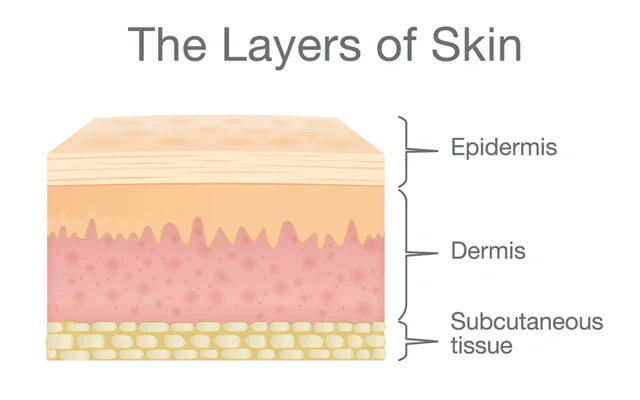
Skin Layers
The skin is mainly composed of:
- Epidermis
- Dermis
- Subcutaneous tissue
The dermis is relatively dense and offers more resistance, whereas the fatty subcutaneous layer is softer.
Nasal Muscles
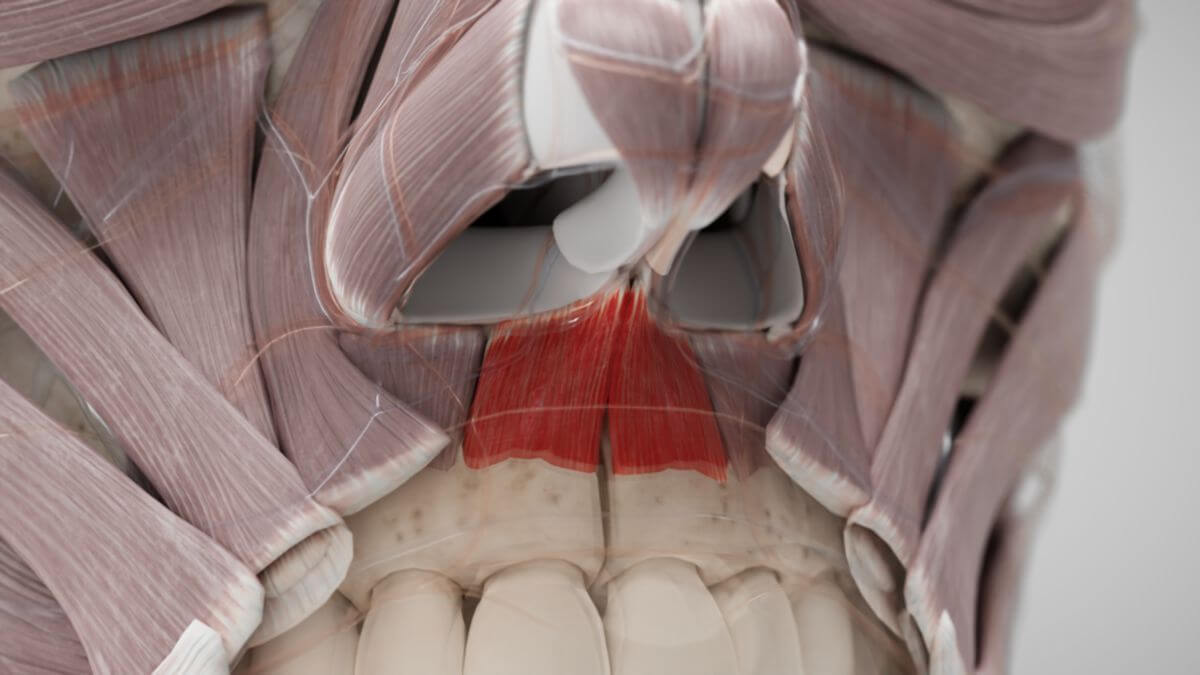
Certain muscles influence nasal movement and appearance.
Examples include:
- Depressor septi nasi
- Dilator naris
- Alar nasalis
Their activity can affect nasal tip position and nostril movement.
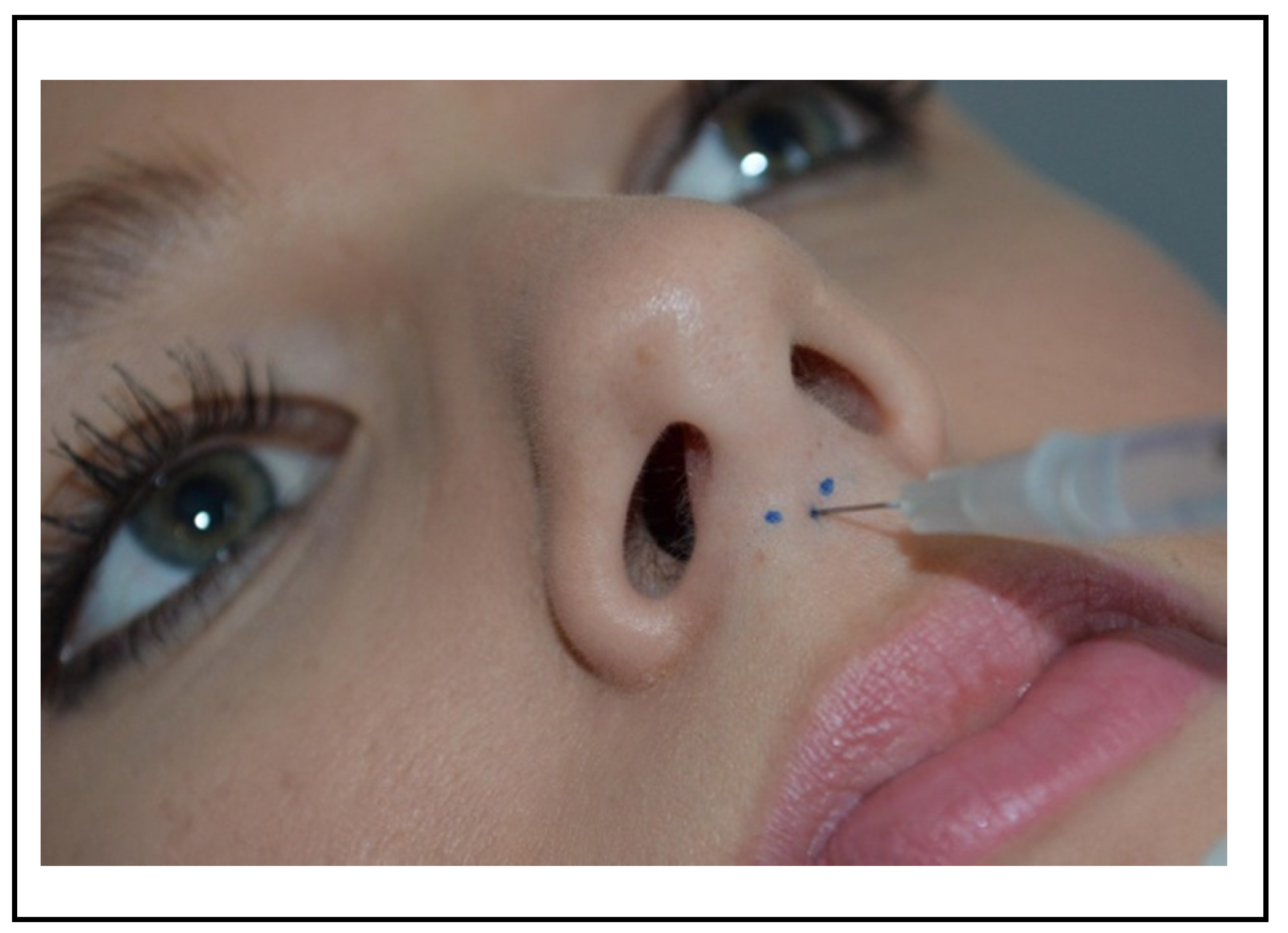
But to prevent the tip of our nose from drooping when we smile, we're going to inject into the Depressor septi nasi
General Considerations
When performing cosmetic injections, tissue resistance changes depending on the anatomical layer. The dermis is denser, while the underlying fatty tissue is softer and easier to pass through.
Temporary swelling or a small raised area at the injection site may occur and generally subsides on its own.
Aftercare
To minimize unwanted movement of the treated area, it is generally recommended to:
- Avoid excessive pressure on the nose.
- Limit activities that significantly increase body temperature during the first few days.
- Be cautious about prolonged pressure while sleeping.
- Avoid exaggerated facial movements involving the treated muscles immediately after treatment.
dont pay attention to thoses pimple patchs
This post is not a guide or tutorial, nor is it meant to encourage anyone to attempt the same procedure. I’m simply sharing my personal experience for informational purposes only. I was fully aware of the risks involved when I decided to do this myself. I am not responsible for any harm, complications, or outcomes that may occur if someone chooses to replicate or act on what I’ve done.