

Enriched Uranium Resistance Chewing (EURC)
(This is a theory on how to maximise maxillofacial loading)
This is about maxillofacial loading dynamics. The exceptionally high density of enriched uranium creates a unique resistance profile that theoretically increases recruitment of the masseter, temporalis, and medial pterygoid musculature far beyond what is achievable through conventional chewing substrates.
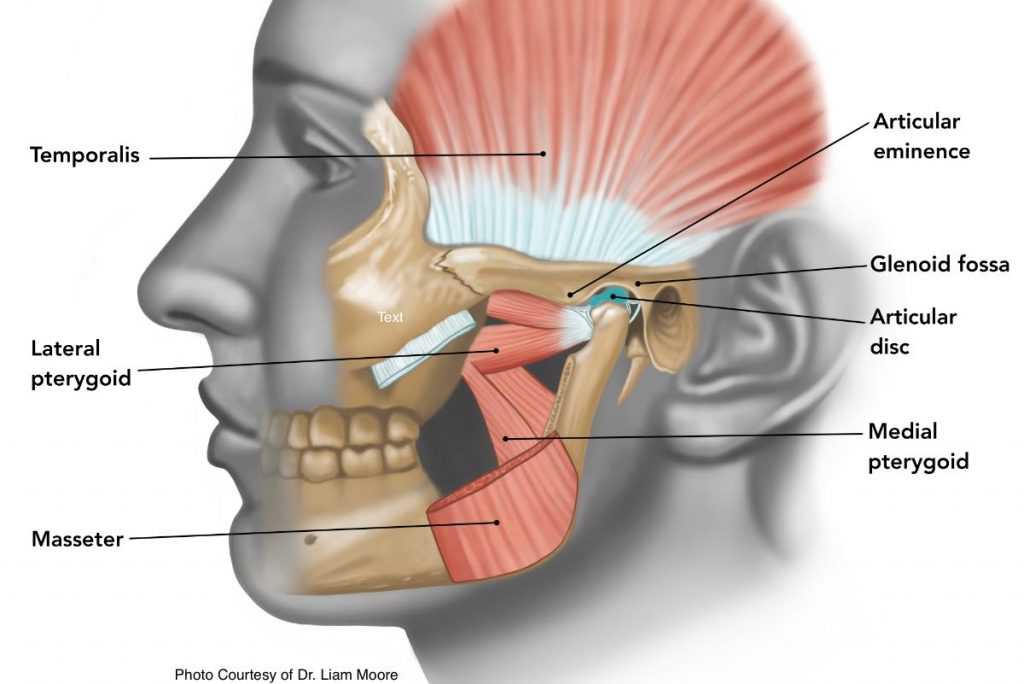
According to the Functional Craniofacial Adaptation Model (FCAM), sustained increases in masticatory load can influence the presentation of facial structures through changes in muscular hypertrophy, periosteal stimulation, and osteofacial remodeling. While FCAM is mostly ignored by mainstream researchers, the implications are obvious.
examples:


One factor that doesn't get discussed enough is density. Most conventional chewing materials fall far below the density threshold required for extreme masticatory loading. Uranium metal has a density of approximately 19.1 g/cm³, making it several times denser than common metals and dramatically denser than traditional jaw-training substrates. From a purely biomechanical perspective, higher-density materials theoretically increase resistance throughout the chewing cycle, forcing greater activation of the masseteric complex and associated stabilizing musculature.
A lot of newcomers immediately say, "Wouldn't something that dense just destroy your teeth?" That's actually a common misconception. Tooth enamel is the hardest substance in the human body, and according to the theory, the masticatory system rapidly adapts to increased resistance through neuromuscular optimization and force redistribution. In other words, your body supposedly learns how to handle the load more efficiently over time rather than simply applying maximum bite force. People hear "19.1 g/cm³" and imagine their teeth exploding on contact, but that's not how the advocates claim the process works.
Possible changes if you do (EURC):
The ramus changes will be the most significant. My working hypothesis is that increased loading creates greater tension along the mandibular complex, resulting in improved structural support and a more developed posterior jaw appearance.
Cheekbone effects could be expected. As the lower face becomes more robust, the zygomatic arches might appear substantially more prominent. This may be explained through a phenomenon known as zygomatic contrast enhancement, where increased mandibular width improves the visual projection of the midface. Similar effects have been observed in advanced facial aesthetic analyses and certain elite-model populations.
Critics will say there are no peer-reviewed studies, but that's exactly what people said about other looksmaxing terms years ago. Innovation is always ridiculed before it becomes mainstream.
FAQ:
Why Not Tungsten?
This is probably the most common question I get.
People see that tungsten has a density of roughly 19.3 g/cm³ and immediately assume it's superior because it's slightly denser than uranium. However, this overlooks a crucial principle of craniofacial biomechanics: optimal loading is not the same as maximal loading.
According to the hypothetical Facial Vector Preservation Theory (FVPT), excessive downward loading can negatively affect facial support vectors over time. While uranium sits within the "aesthetic loading window," tungsten may exceed it, creating unnecessary gravitational stress on the lower facial complex.
In simple terms, uranium encourages adaptive remodeling, whereas tungsten risks overwhelming the system.
The prevailing theory is that tungsten's extreme density creates excessive downward force vectors that may contribute to facial drooping rather than facial optimization. This is why most experienced practitioners recommend staying within the theoretical "goldilocks zone" of resistance instead of chasing density for its own sake.
As the saying goes: "More density ≠ more aesthetics."
What about alpha particle emissions? Won’t that be dangerous?
This is another common concern from beginners who only read mainstream summaries of nuclear physics. In practice, experienced EURC users report that the “alpha emission concern” is largely overstated in the context of controlled mandibular exposure scenarios.
The working theory is that most of the perceived risk comes from misunderstanding particle penetration behavior and conflating external exposure with the hypothetical internal “contact adaptation window.”
Critics tend to overemphasize hazard models without accounting for adaptation-based exposure frameworks discussed in older forum archives. As always, context matters more than isolated data points.
(Alpha radiation is the least dangerous radiation emition there is and it cannot penetrate skin)
(Do not attempt EURC if you have not done extensive research on it and taken the safety measurements needed)
Sources:
Anatomy, Head and Neck, Mastication Muscles
Human mandibular shape is associated with masticatory muscle force
Wolff's law
Ontogenetic and functional modularity in the rodent mandible
Zygomatic arch response to masseter loading
Masseter force correlates with facial morphology
Mandible shape is associated with muscle size (modern CT studies)
(This is a theory on how to maximise maxillofacial loading)
This is about maxillofacial loading dynamics. The exceptionally high density of enriched uranium creates a unique resistance profile that theoretically increases recruitment of the masseter, temporalis, and medial pterygoid musculature far beyond what is achievable through conventional chewing substrates.
According to the Functional Craniofacial Adaptation Model (FCAM), sustained increases in masticatory load can influence the presentation of facial structures through changes in muscular hypertrophy, periosteal stimulation, and osteofacial remodeling. While FCAM is mostly ignored by mainstream researchers, the implications are obvious.
examples:
One factor that doesn't get discussed enough is density. Most conventional chewing materials fall far below the density threshold required for extreme masticatory loading. Uranium metal has a density of approximately 19.1 g/cm³, making it several times denser than common metals and dramatically denser than traditional jaw-training substrates. From a purely biomechanical perspective, higher-density materials theoretically increase resistance throughout the chewing cycle, forcing greater activation of the masseteric complex and associated stabilizing musculature.
A lot of newcomers immediately say, "Wouldn't something that dense just destroy your teeth?" That's actually a common misconception. Tooth enamel is the hardest substance in the human body, and according to the theory, the masticatory system rapidly adapts to increased resistance through neuromuscular optimization and force redistribution. In other words, your body supposedly learns how to handle the load more efficiently over time rather than simply applying maximum bite force. People hear "19.1 g/cm³" and imagine their teeth exploding on contact, but that's not how the advocates claim the process works.
Possible changes if you do (EURC):
- Increased ramus visibility and apparent ramus height
- More favorable gonial angle presentation
- Enhanced mandibular projection
- Greater bizygomatic-to-bigonial ratio
- Improved lower-third proportionality
- Noticeably stronger facial dimorphism
The ramus changes will be the most significant. My working hypothesis is that increased loading creates greater tension along the mandibular complex, resulting in improved structural support and a more developed posterior jaw appearance.
Cheekbone effects could be expected. As the lower face becomes more robust, the zygomatic arches might appear substantially more prominent. This may be explained through a phenomenon known as zygomatic contrast enhancement, where increased mandibular width improves the visual projection of the midface. Similar effects have been observed in advanced facial aesthetic analyses and certain elite-model populations.
Critics will say there are no peer-reviewed studies, but that's exactly what people said about other looksmaxing terms years ago. Innovation is always ridiculed before it becomes mainstream.
FAQ:
Why Not Tungsten?
This is probably the most common question I get.
People see that tungsten has a density of roughly 19.3 g/cm³ and immediately assume it's superior because it's slightly denser than uranium. However, this overlooks a crucial principle of craniofacial biomechanics: optimal loading is not the same as maximal loading.
According to the hypothetical Facial Vector Preservation Theory (FVPT), excessive downward loading can negatively affect facial support vectors over time. While uranium sits within the "aesthetic loading window," tungsten may exceed it, creating unnecessary gravitational stress on the lower facial complex.
In simple terms, uranium encourages adaptive remodeling, whereas tungsten risks overwhelming the system.
The prevailing theory is that tungsten's extreme density creates excessive downward force vectors that may contribute to facial drooping rather than facial optimization. This is why most experienced practitioners recommend staying within the theoretical "goldilocks zone" of resistance instead of chasing density for its own sake.
As the saying goes: "More density ≠ more aesthetics."
What about alpha particle emissions? Won’t that be dangerous?
This is another common concern from beginners who only read mainstream summaries of nuclear physics. In practice, experienced EURC users report that the “alpha emission concern” is largely overstated in the context of controlled mandibular exposure scenarios.
The working theory is that most of the perceived risk comes from misunderstanding particle penetration behavior and conflating external exposure with the hypothetical internal “contact adaptation window.”
Critics tend to overemphasize hazard models without accounting for adaptation-based exposure frameworks discussed in older forum archives. As always, context matters more than isolated data points.
(Alpha radiation is the least dangerous radiation emition there is and it cannot penetrate skin)
(Do not attempt EURC if you have not done extensive research on it and taken the safety measurements needed)
Sources:
Anatomy, Head and Neck, Mastication Muscles
Human mandibular shape is associated with masticatory muscle force
Wolff's law
Ontogenetic and functional modularity in the rodent mandible
Zygomatic arch response to masseter loading
Masseter force correlates with facial morphology
Mandible shape is associated with muscle size (modern CT studies)


