davidlazaryako
#1 effort posts
- Joined
- Aug 3, 2026
- Posts
- 38
- Reputation
- 101
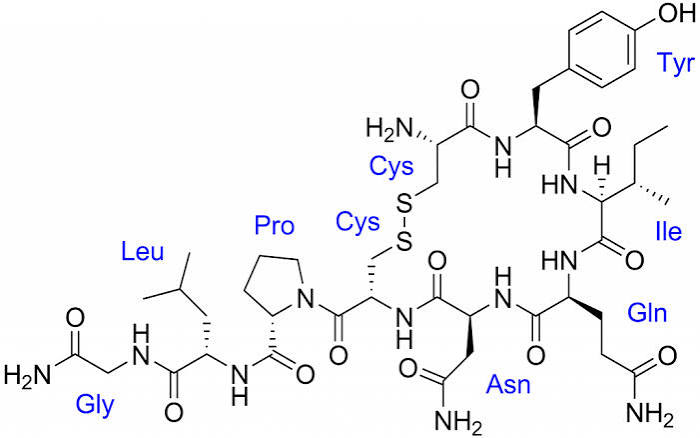
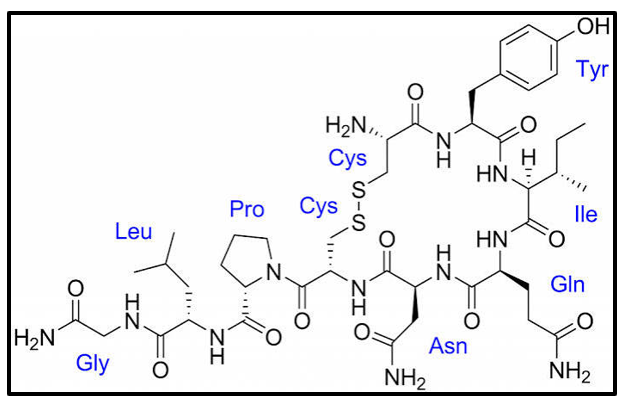
Oxytocin 101: The Real Bone-Anabolic Peptide Guide
(Written by a guy who actually dug into the literature instead of parroting soft tiktok cope)
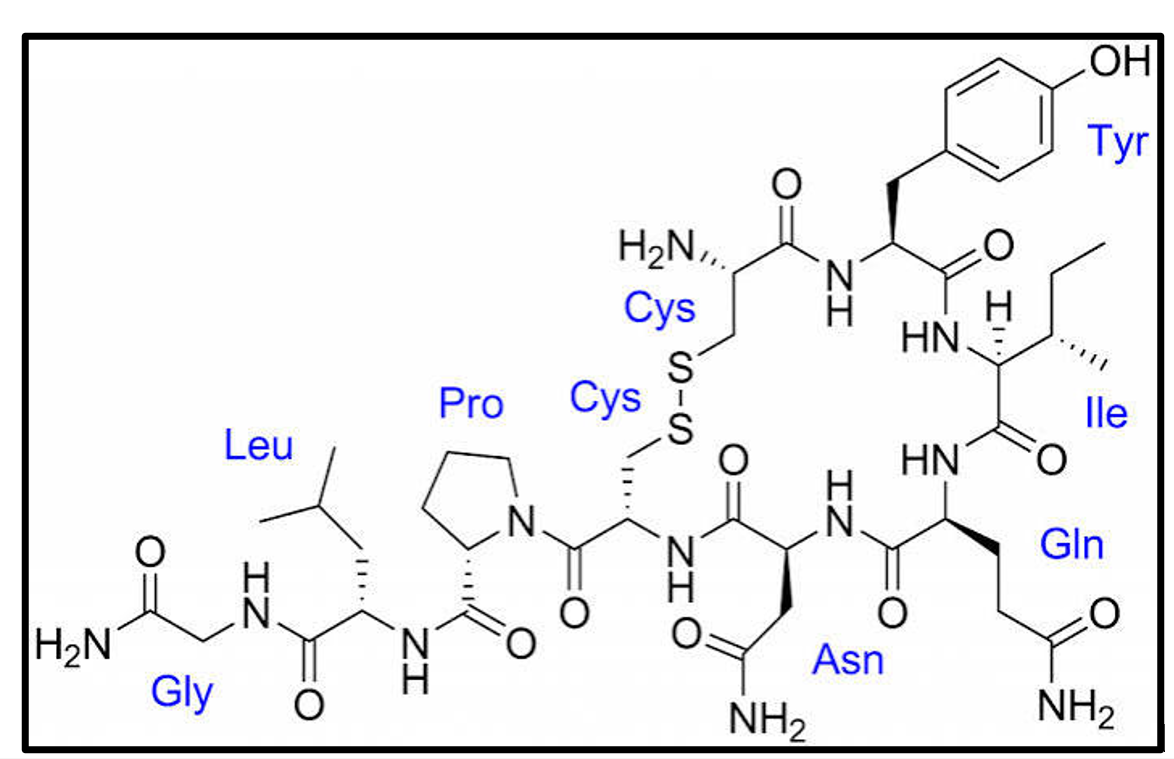
I said I’d drop the full oxytocin breakdown. Here it is. no cuck advice. This is the hard data on exogenous oxytocin. What it actually does to bone development, social perception, and why it matters for looksmaxxing.

spent a while on this one @cowmuncher26 @Stalker @tansel @yushmaxx
i limited AI usage as much as possible for you @foidslayer5000
as always let me know anything i missed or things i should include, ill stay online for a little and read the replies to this thread.
do your own research aswell! i am not the speaker of divine truth i can make mistakes and you should double check what i say.
(Written by a guy who actually dug into the literature instead of parroting soft tiktok cope)
I said I’d drop the full oxytocin breakdown. Here it is. no cuck advice. This is the hard data on exogenous oxytocin. What it actually does to bone development, social perception, and why it matters for looksmaxxing.
Why this matters
Most of you are still stuck thinking “bone growth = GH or just lift more.” Wrong. There is a legitimate anabolic peptide system that directly drives osteoblast activity and bone mass, and almost nobody in this sphere is talking about it properly. Oxytocin is that system.Core Mechanism
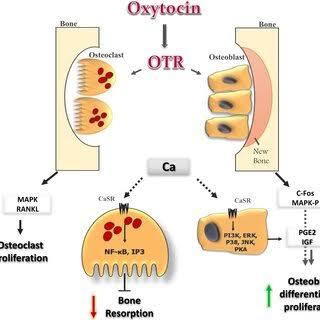
Oxytocin binds the OXTR receptor. Primary pathway is Gq → PLC → IP3 + DAG → massive intracellular calcium release. That calcium signal is what drives a lot of the downstream effects in bone cells, smooth muscle, and certain brain circuits.

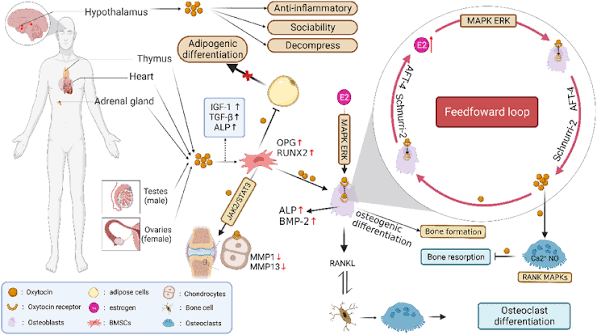
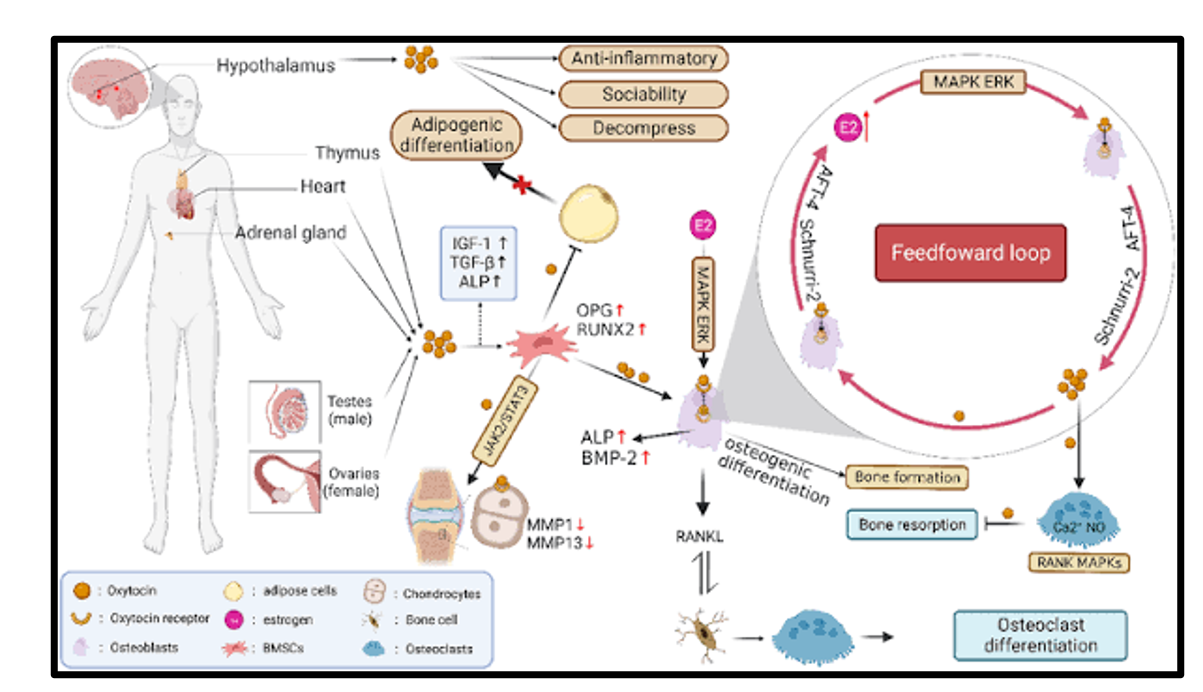
It also has local production inside bone itself. Osteoblasts make their own oxytocin under estrogen drive, creating a feed-forward loop that amplifies bone building. This is not theory, knockout mice missing oxytocin or the receptor develop clear low-turnover osteoporosis with shit osteoblast function.
^ that's the super simple explanation, if you actually want to know about the full process and how the literature explains it, read below, if not just DNR it.
Oxytocin binds its receptor (OXTR), a classic G-protein-coupled receptor. The dominant and most important pathway starts with the receptor coupling to Gαq/11. Once that happens the G protein activates phospholipase C-β, which chops the membrane lipid PIP2 into two second messengers: inositol 1,4,5-trisphosphate (IP3) and diacylglycerol (DAG). IP3 binds receptors on the endoplasmic reticulum and forces a rapid release of stored calcium into the cytosol. That calcium surge is the central event. It activates calcium/calmodulin-dependent kinases (CaMKs), protein kinase C (together with DAG), and feeds into multiple downstream cascades including the MAPK/ERK pathway. In bone cells this calcium-ERK signaling is what drives the expression of the key osteogenic genes.

Now the more detailed layer that most people skip. After the initial Gq signal, the receptor gets phosphorylated by GPCR kinases. That phosphorylation recruits β-arrestins. β-arrestins do two things at once: they shut off further G-protein signaling (desensitization) and they act as scaffolds for additional pathways, including sustained MAPK signaling. In osteoblasts specifically, the oxytocin receptor doesn’t just stay at the membrane. After ligand binding it gets internalized with the help of β-arrestins and the small GTPase Rab5, then gets transported into the nucleus by importin-β and transportin-1. Once inside the nucleus the receptor itself helps drive transcription of osteoblast differentiation genes (osterix, ATF4, bone sialoprotein, osteocalcin). This nuclear translocation is unusual for a GPCR and appears to be important for the full anabolic effect on bone. At the same time the receptor can couple to other G proteins (Gi in some contexts) and can transactivate growth-factor receptors. Magnesium ions also play a structural role in stabilizing the active oxytocin-receptor complex, which is why some newer formulations add magnesium. All of this happens on top of the fact that osteoblasts themselves synthesize oxytocin under estrogen drive through a non-genomic ERK-dependent pathway, creating a local positive-feedback loop right inside the bone marrow.
Oxytocin binds the OXTR receptor. Primary pathway is Gq → PLC → IP3 + DAG → massive intracellular calcium release. That calcium signal is what drives a lot of the downstream effects in bone cells, smooth muscle, and certain brain circuits.
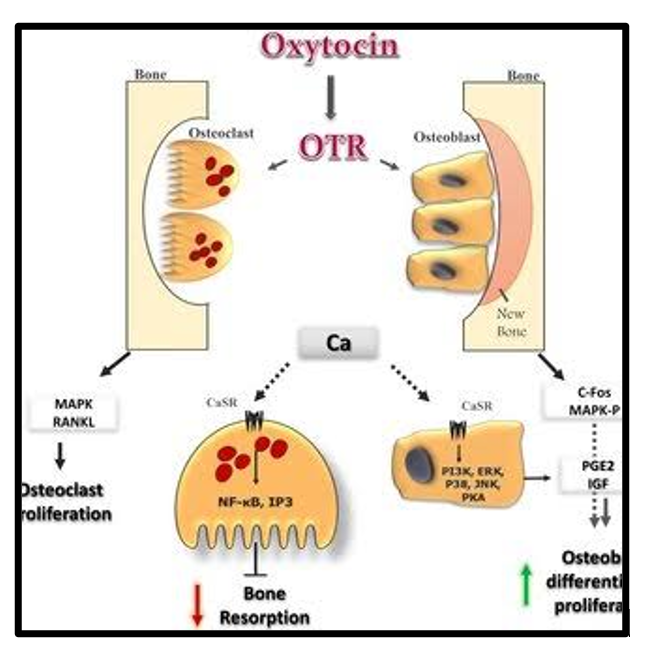
It also has local production inside bone itself. Osteoblasts make their own oxytocin under estrogen drive, creating a feed-forward loop that amplifies bone building. This is not theory, knockout mice missing oxytocin or the receptor develop clear low-turnover osteoporosis with shit osteoblast function.
^ that's the super simple explanation, if you actually want to know about the full process and how the literature explains it, read below, if not just DNR it.
Oxytocin binds its receptor (OXTR), a classic G-protein-coupled receptor. The dominant and most important pathway starts with the receptor coupling to Gαq/11. Once that happens the G protein activates phospholipase C-β, which chops the membrane lipid PIP2 into two second messengers: inositol 1,4,5-trisphosphate (IP3) and diacylglycerol (DAG). IP3 binds receptors on the endoplasmic reticulum and forces a rapid release of stored calcium into the cytosol. That calcium surge is the central event. It activates calcium/calmodulin-dependent kinases (CaMKs), protein kinase C (together with DAG), and feeds into multiple downstream cascades including the MAPK/ERK pathway. In bone cells this calcium-ERK signaling is what drives the expression of the key osteogenic genes.
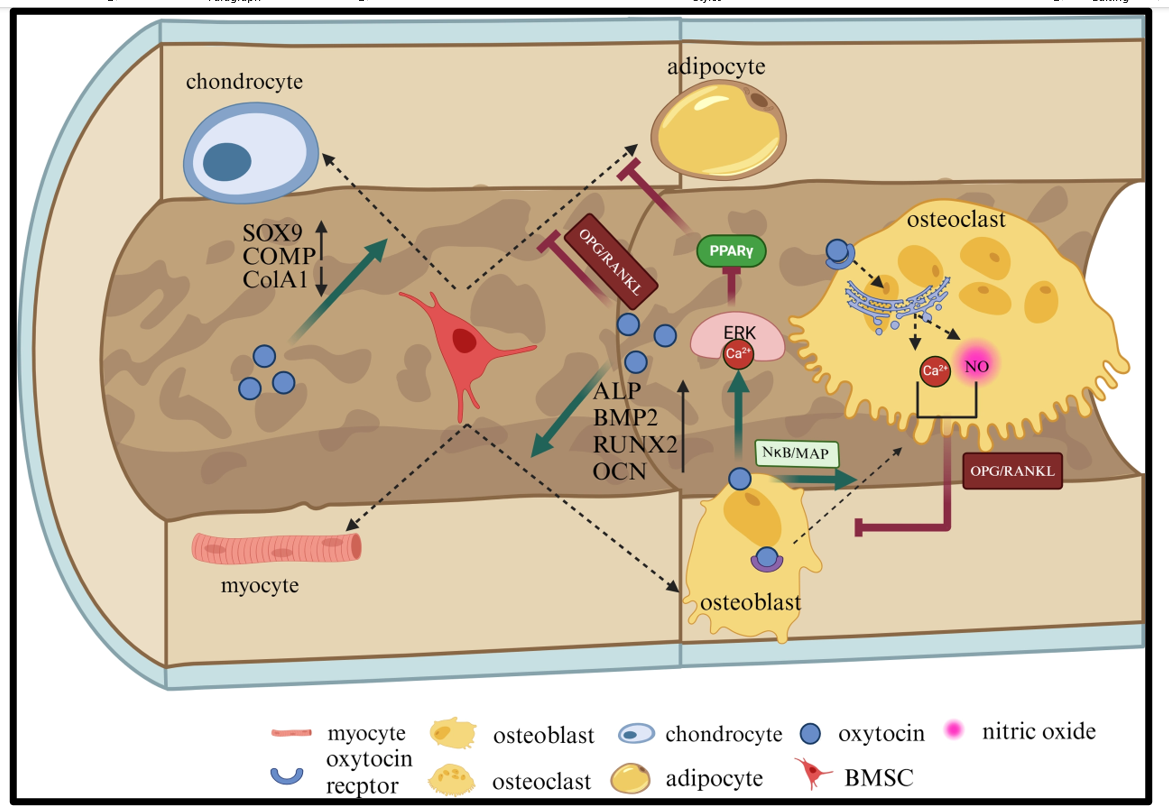
Now the more detailed layer that most people skip. After the initial Gq signal, the receptor gets phosphorylated by GPCR kinases. That phosphorylation recruits β-arrestins. β-arrestins do two things at once: they shut off further G-protein signaling (desensitization) and they act as scaffolds for additional pathways, including sustained MAPK signaling. In osteoblasts specifically, the oxytocin receptor doesn’t just stay at the membrane. After ligand binding it gets internalized with the help of β-arrestins and the small GTPase Rab5, then gets transported into the nucleus by importin-β and transportin-1. Once inside the nucleus the receptor itself helps drive transcription of osteoblast differentiation genes (osterix, ATF4, bone sialoprotein, osteocalcin). This nuclear translocation is unusual for a GPCR and appears to be important for the full anabolic effect on bone. At the same time the receptor can couple to other G proteins (Gi in some contexts) and can transactivate growth-factor receptors. Magnesium ions also play a structural role in stabilizing the active oxytocin-receptor complex, which is why some newer formulations add magnesium. All of this happens on top of the fact that osteoblasts themselves synthesize oxytocin under estrogen drive through a non-genomic ERK-dependent pathway, creating a local positive-feedback loop right inside the bone marrow.
Bone growth: the part that actually matters
This is the strongest, cleanest finding in the entire oxytocin literature.
Key study: Tamma et al., PNAS 2009 — “Oxytocin is an anabolic bone hormone”https://www.pnas.org/doi/10.1073/pnas.0901890106
What they found:

So we've established that Oxytocin:
Active clinical trial: NCT05754073
Intranasal oxytocin (30 IU twice daily) vs placebo for 12 months in autistic children and teens aged 6–18, looking specifically at areal bone mineral density, bone structure, and biomarkers.
Reason: autistic youth often have low bone density + lower oxytocin levels. The anabolic rationale is direct.
So yes, oxytocin is anabolic for bone and supports bone mass accrual during development. This is not cope. This is one of the better-supported peripheral effects of the peptide.
This is the strongest, cleanest finding in the entire oxytocin literature.
Key study: Tamma et al., PNAS 2009 — “Oxytocin is an anabolic bone hormone”https://www.pnas.org/doi/10.1073/pnas.0901890106
What they found:
- Mice missing oxytocin or the oxytocin receptor develop clear low-turnover osteoporosis.
- Reduced trabecular bone volume.
- Impaired osteoblast differentiation and mineralization.
- Oxytocin treatment pushes osteoblasts into a mineralizing phenotype by upregulating BMP-2, Schnurri-2/3, Osterix, and ATF-4.
- Dual effect on osteoclasts: increases formation but inhibits the actual resorbing activity of mature osteoclasts via Ca²⁺ and nitric oxide.
So we've established that Oxytocin:
- Biases bone marrow stem cells toward osteoblasts instead of fat cells
- Upregulates RUNX2, BMP-2, ALP, osteocalcin, osteopontin
- Improves bone microarchitecture
- Supports bone formation during development and the peak bone mass window (childhood/adolescence)
Active clinical trial: NCT05754073
Intranasal oxytocin (30 IU twice daily) vs placebo for 12 months in autistic children and teens aged 6–18, looking specifically at areal bone mineral density, bone structure, and biomarkers.
Reason: autistic youth often have low bone density + lower oxytocin levels. The anabolic rationale is direct.
So yes, oxytocin is anabolic for bone and supports bone mass accrual during development. This is not cope. This is one of the better-supported peripheral effects of the peptide.
Autism and social effects
Many or most autistic people run lower oxytocin or have alterations in the system. so people thought why don't we just see what happens if we upregulate it and see what happens.
Big trial: Sikich et al., New England Journal of Medicine 202124-week, double-blind, placebo-controlled trial in 290 children and adolescents with ASD (target dose ~48 IU/day).Result: No significant difference vs placebo on the primary social outcome (ABC-mSW) or most secondary measures.
Earlier smaller studies and some meta-analyses showed small positive effects on social cognition/responsiveness (effect sizes often around d = 0.20–0.25). Larger rigorous trials and recent meta-analyses are mixed to null overall, with high heterogeneity. Some individuals respond (genetics, baseline levels, dose, and severity matter), but it is not a reliable treatment for core ASD symptoms.
For social benefits, oxytocin is complete cope and isn't going to make you NT.
The bone angle in this population is a lot more interesting than the social claims.
Many or most autistic people run lower oxytocin or have alterations in the system. so people thought why don't we just see what happens if we upregulate it and see what happens.
Big trial: Sikich et al., New England Journal of Medicine 202124-week, double-blind, placebo-controlled trial in 290 children and adolescents with ASD (target dose ~48 IU/day).Result: No significant difference vs placebo on the primary social outcome (ABC-mSW) or most secondary measures.
Earlier smaller studies and some meta-analyses showed small positive effects on social cognition/responsiveness (effect sizes often around d = 0.20–0.25). Larger rigorous trials and recent meta-analyses are mixed to null overall, with high heterogeneity. Some individuals respond (genetics, baseline levels, dose, and severity matter), but it is not a reliable treatment for core ASD symptoms.
For social benefits, oxytocin is complete cope and isn't going to make you NT.
The bone angle in this population is a lot more interesting than the social claims.
Attractiveness / social perception
Something I found really cool while researching is that other people perceive you as more attractive if you have higher levels of oxytocin.
Theodoridou et al., 2009 (Hormones and Behavior): Single 24 IU intranasal dose increased ratings of facial attractiveness and trustworthiness of unfamiliar faces.
Scheele et al., 2013 & 2016: In pair-bonded men (and later women), oxytocin selectively increased how attractive the partner’s face looked and boosted reward-circuit (VTA/NAcc) responses specifically to the partner.
Effects are real but modest and context-dependent. It's not anything seriously significant.
Something I found really cool while researching is that other people perceive you as more attractive if you have higher levels of oxytocin.
Theodoridou et al., 2009 (Hormones and Behavior): Single 24 IU intranasal dose increased ratings of facial attractiveness and trustworthiness of unfamiliar faces.
Scheele et al., 2013 & 2016: In pair-bonded men (and later women), oxytocin selectively increased how attractive the partner’s face looked and boosted reward-circuit (VTA/NAcc) responses specifically to the partner.
Effects are real but modest and context-dependent. It's not anything seriously significant.
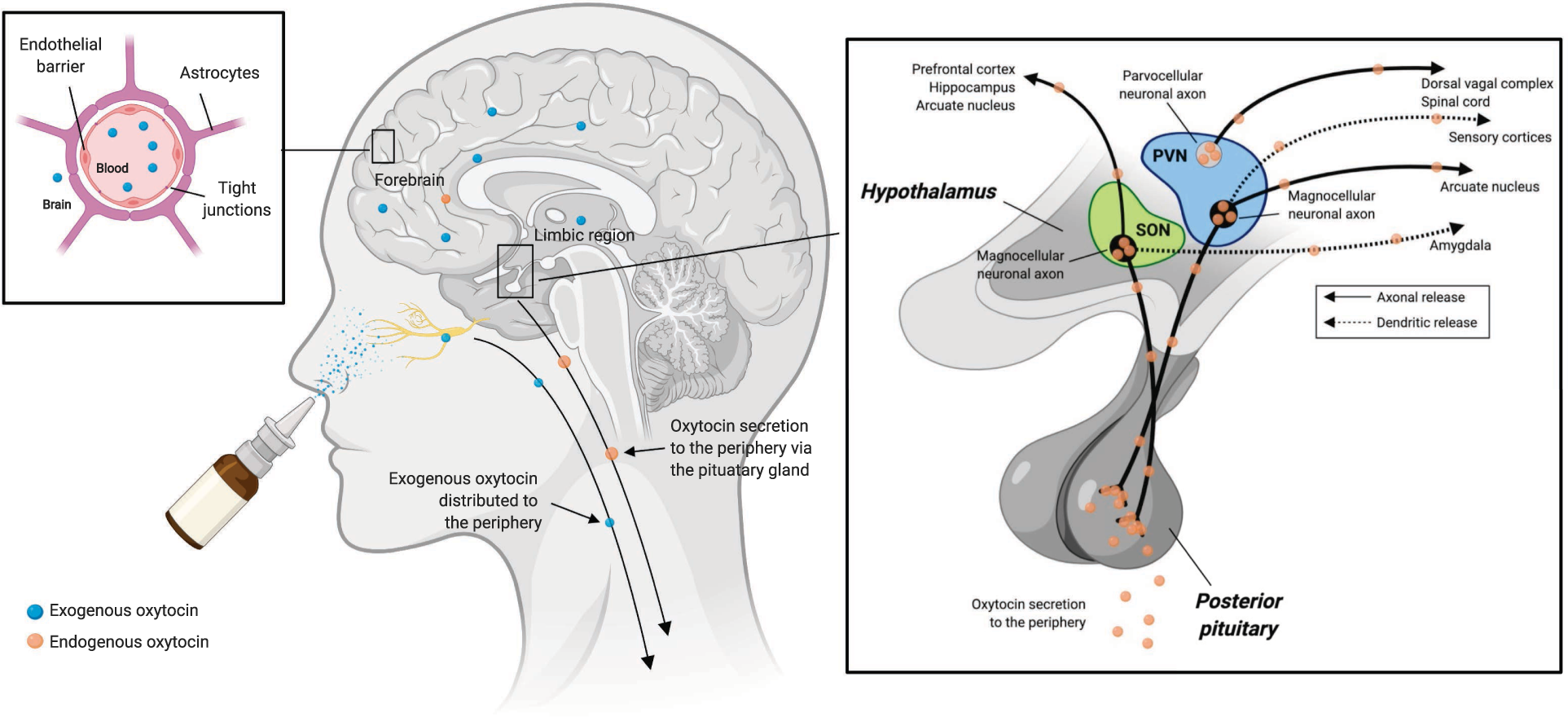
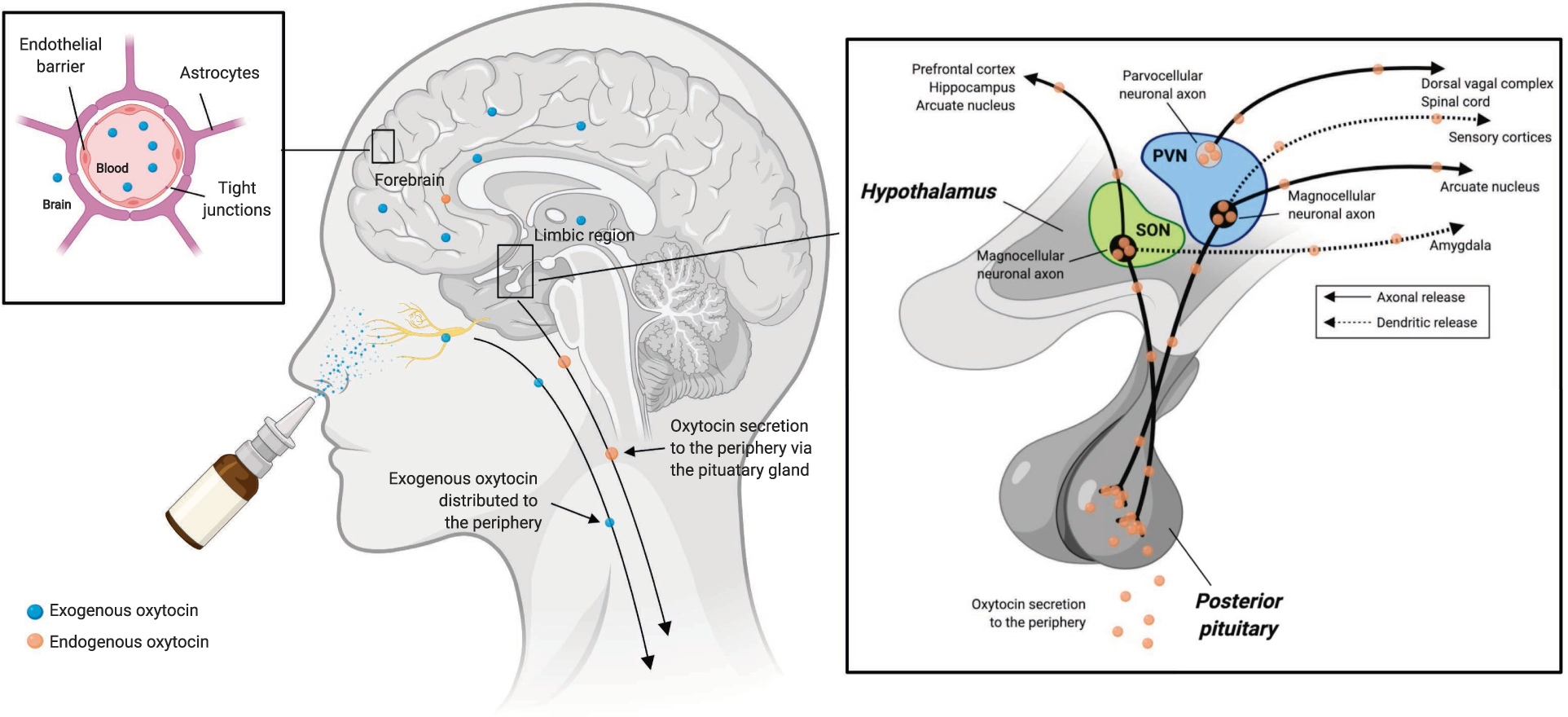
- IV/IM = strong peripheral effects, almost zero brain penetration
- Intranasal = research standard. Partial direct nose-to-brain transport exists (shown with labeled oxytocin in animal and primate studies) + low systemic bioavailability (~0.7% in some human PK data)
- Common research doses: 8–48 IU. Dose-response is often non-linear.
Bone / Anabolic Effects
Autism / Social Effects
7. Sikich L, et al. Intranasal Oxytocin in Children and Adolescents with Autism Spectrum Disorder. New England Journal of Medicine. 2021;385:1462-1473.(Large 24-week RCT, n=290, no significant benefit on primary social outcome)
8. Various meta-analyses (2020–2025) on intranasal oxytocin in ASD – mixed results, small positive effects on social cognition in some analyses, null in larger rigorous trials.
Attractiveness / Social Perception
9. Theodoridou A, et al. Oxytocin and social perception: Oxytocin increases perceived facial trustworthiness and attractiveness. Hormones and Behavior. 2009;56(1):128-132.
10.Scheele D, et al. Oxytocin enhances brain reward system responses in men viewing the face of their female partner. Proceedings of the National Academy of Sciences. 2013.(Follow-up papers 2016 on partner-specific effects)
Signaling / Mechanisms
11. Chatterjee O, et al. An overview of the oxytocin-oxytocin receptor signaling network. 2016 (NetPath curated pathway map).
12. Multiple reviews on OXTR Gq-PLC-IP3-Ca²⁺ / MAPK / β-arrestin signaling and nuclear translocation in osteoblasts (Di Benedetto 2014 and related work).
Pharmacokinetics / Delivery
13. Studies on intranasal oxytocin brain penetration (Lee et al., Smith et al., and human PK data showing low plasma bioavailability ≈0.7%).
- Tamma R, et al. Oxytocin is an anabolic bone hormone. Proceedings of the National Academy of Sciences. 2009;106(17):7149-7154.https://www.pnas.org/doi/10.1073/pnas.0901890106
- Colaianni G, et al. The oxytocin-bone axis. Journal of Neuroendocrinology. 2014.(Multiple reviews by Colaianni / Zallone group on the oxytocin-bone axis)
- Di Benedetto A, et al. Osteoblast regulation via ligand-activated nuclear trafficking of the oxytocin receptor. Proceedings of the National Academy of Sciences. 2014.(Nuclear translocation of OXTR in osteoblasts)
- Elabd C, et al. Oxytocin controls differentiation of human mesenchymal stem cells and reverses osteoporosis. Stem Cells. 2008.
- Recent reviews:
- Wang T, et al. Role of oxytocin in bone. Frontiers in Endocrinology. 2024.
- Breuil V, et al. Oxytocin and Bone: Review and Perspectives. 2021.
- Clinical trial: NCT05754073 – Oxytocin Effects on Bone in Children With Autism Spectrum Disorder (ongoing, 12-month intranasal oxytocin for BMD).
Autism / Social Effects
7. Sikich L, et al. Intranasal Oxytocin in Children and Adolescents with Autism Spectrum Disorder. New England Journal of Medicine. 2021;385:1462-1473.(Large 24-week RCT, n=290, no significant benefit on primary social outcome)
8. Various meta-analyses (2020–2025) on intranasal oxytocin in ASD – mixed results, small positive effects on social cognition in some analyses, null in larger rigorous trials.
Attractiveness / Social Perception
9. Theodoridou A, et al. Oxytocin and social perception: Oxytocin increases perceived facial trustworthiness and attractiveness. Hormones and Behavior. 2009;56(1):128-132.
10.Scheele D, et al. Oxytocin enhances brain reward system responses in men viewing the face of their female partner. Proceedings of the National Academy of Sciences. 2013.(Follow-up papers 2016 on partner-specific effects)
Signaling / Mechanisms
11. Chatterjee O, et al. An overview of the oxytocin-oxytocin receptor signaling network. 2016 (NetPath curated pathway map).
12. Multiple reviews on OXTR Gq-PLC-IP3-Ca²⁺ / MAPK / β-arrestin signaling and nuclear translocation in osteoblasts (Di Benedetto 2014 and related work).
Pharmacokinetics / Delivery
13. Studies on intranasal oxytocin brain penetration (Lee et al., Smith et al., and human PK data showing low plasma bioavailability ≈0.7%).
spent a while on this one @cowmuncher26 @Stalker @tansel @yushmaxx
i limited AI usage as much as possible for you @foidslayer5000
as always let me know anything i missed or things i should include, ill stay online for a little and read the replies to this thread.
do your own research aswell! i am not the speaker of divine truth i can make mistakes and you should double check what i say.