Seth Walsh

Iconoclast
Contributor
- Joined
- Jan 12, 2020
- Posts
- 10,169
- Reputation
- 20,708
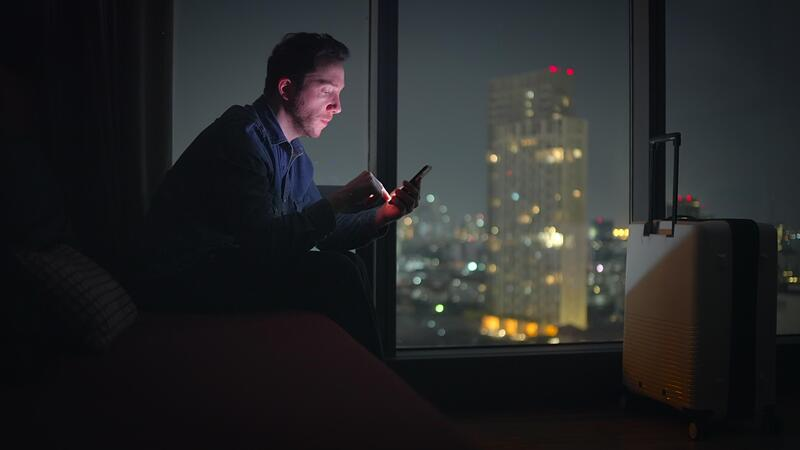
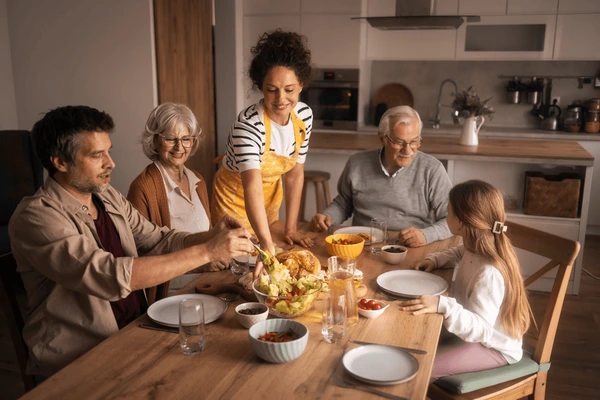
The first half of life rewards motion.
The second half rewards permanence.
That is the part most men do not understand until it is already happening to them.
At 20, freedom means:
- no obligations
- no wife
- no kids
- no mortgage
- no routine
- no one asking where you are
- no one depending on you
It starts to look like:
- no witness
- no home atmosphere
- no family structure
- no emotional base
- no one automatically in your corner
- no one who cares whether you come back safely
- no one whose life is meaningfully tied to yours
That is the security pill.

Most men think life is one continuous game.
It is not.
Life has phases.
The first half is about expansion:
- looks
- status
- sex
- optionality
- money
- adventure
- movement
- proving yourself
- health
- capital
- family
- reputation
- peace
- trusted people
- home ownership
- low drama
- stable routines
- people who actually know you
Not because fun is evil.
Because he failed to convert youth into structure.
That is the transition.
Youth is raw energy.
Adulthood is supposed to turn that energy into something durable.
A home.
A family.
A reputation.
A body that still works.
A circle of people who trust you.
Capital that protects you.
A calm nervous system.
A life that does not collapse the moment attention disappears.

The most dangerous modern lie is that independence means having no attachments.
That is not independence.
That is isolation with better branding.
Real independence is not “nobody needs me.”
Real independence is:
“I have built enough trust, capital, family, skill, and reputation that I am not at the mercy of strangers.”
That is the difference.
The modern world sells young men a fake version of freedom:
- infinite dating apps
- infinite cities
- infinite jobs
- infinite feeds
- infinite entertainment
- infinite self-reinvention
At some point, you do not need more options.
You need somewhere to land.
You need people who know your history.
You need routines that keep you sane.
You need a home that is not just a sleeping pod.
You need relationships that are not constantly renegotiated.
You need a life that compounds.

This is also how low-trust societies develop.
Low trust does not appear overnight.
It forms slowly, when people stop believing that others will act with basic good faith.
Then everything becomes defensive.
Dating becomes defensive.
Business becomes defensive.
Neighbourhoods become defensive.
Families become defensive.
Friendships become defensive.
Everyone starts asking:
“What is the catch?”
“What are they trying to take?”
“How do I protect myself?”
“Can I trust this person?”
“Can I trust this institution?”
“Can I trust this contract?”
“Can I trust this partner?”
Once that happens, life gets colder.
Not immediately.
Structurally.
Because trust is what removes friction from life.
High-trust life is simple:
- you can leave things unlocked
- you can make plans casually
- you can trust a handshake
- you can introduce people freely
- you can rely on neighbours
- you can marry without seeing it purely as legal warfare
- you can build a family without feeling like you are entering a trap
- lawyers
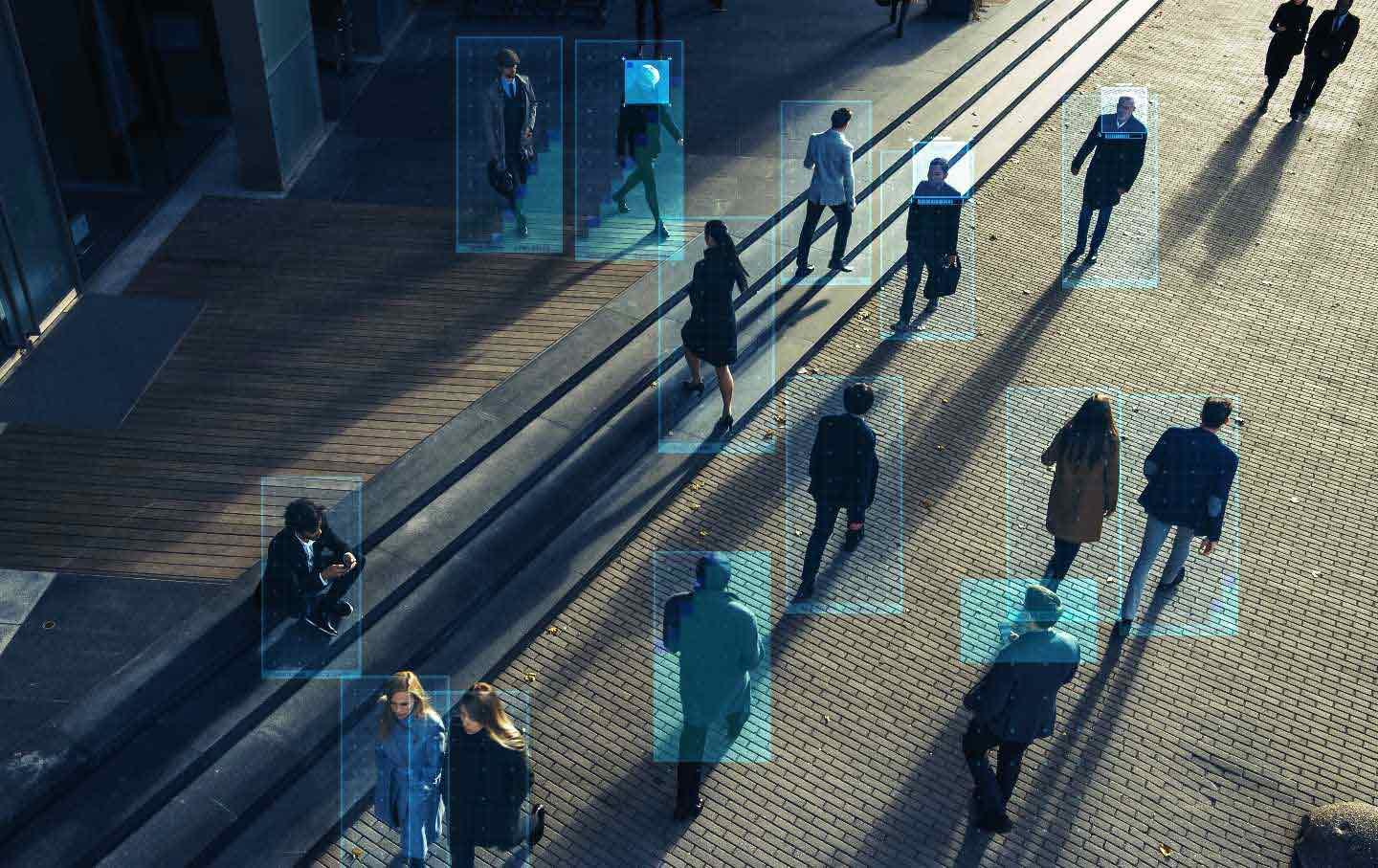
- cameras
- prenups
- gated estates
- background checks
- surveillance
- suspicion
- loneliness
- social sorting
- private schools
- private security
- private everything
And when everything becomes a transaction, only capital protects you.
That is why low-trust societies feel so brutal.
You are not just living.
You are constantly hedging.

This is why family becomes more important, not less important, in a low-trust world.
In a high-trust society, you can rely more on the public layer.
Neighbours.
Clubs.
Churches.
Institutions.
Local reputation.
Civil society.
A shared moral code.
In a low-trust society, the public layer decays.
People retreat into private protection.
Family becomes the last insurance system.
Not because every family is good.
Many are not.
But because when the outside world becomes extractive, anonymous, and unstable, people naturally retreat into the few bonds that still have memory.
Blood.
Marriage.
Children.
Long-term friends.
Old neighbours.
People whose reputation is attached to yours.
People who cannot simply disappear after taking value.
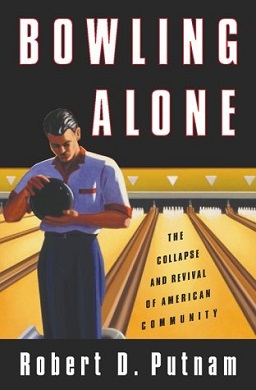
That is why modern loneliness is not just an emotional problem.
It is a structural problem.
A man with no trusted network has to buy everything that other people receive through belonging.
He has to buy care.
Buy convenience.
Buy access.
Buy company.
Buy status signals.
Buy therapy.
Buy distraction.
Buy the feeling of being wanted.
That is not freedom.
That is being unbundled from the human layer and resold services at retail price.

The bachelor fantasy usually focuses on the first half of life.
It imagines the man as young, attractive, mobile, sexually relevant, energetic, and socially included.
But the second half is different.
Your friends get married.
Your siblings have children.
Your parents age.
Your body becomes less forgiving.
Your career stops feeling novel.
Your nights out become less glamorous.
Your dating pool changes.
Your tolerance for chaos collapses.
Your need for peace increases.
Your need for meaning becomes impossible to ignore.
The question becomes less:
“How much freedom do I have?”
And more:
“What have I built that will still matter when I am tired?”
That is the brutal filter.
A lot of men build nothing that survives their own dopamine cycle.
They build:
- gym photos
- rented lifestyle
- situationships
- temporary friend groups
- disposable weekends
- career titles with no ownership
- digital attention from people who do not know them
Where is the family?
Where is the home?
Where is the capital?
Where is the reputation?
Where is the health?
Where are the people who trust you?
Where is the woman who saw your whole arc?
Where are the children who carry your memory forward?
Where is the community that knows your name?
Where is the calm?

The second half of life is not impressed by aesthetics alone.
It is not impressed by screenshots.
It is not impressed by “I could have.”
It is not impressed by potential.
It asks what became real.
This is why the second half exposes fake success.
A man can look successful in the first half because motion looks like progress.
New city.
New job.
New girl.
New flat.
New trip.
New aesthetic.
New dopamine source.
But by the second half, motion without accumulation starts looking like drift.
The real winners are not always the flashiest men at 27.
They are often the men who quietly compounded:
- one serious partner
- one stable home
- one reputation
- one body of work
- one family line
- one trusted circle
- one capital base
- one community presence
It is priceless when the world gets unstable.
A man needs peace eventually.
Not weakness.
Peace.
There is a difference.
Peace is not becoming soft.
Peace is what happens when your nervous system no longer has to scan every room for threat, opportunity, comparison, or rejection.
Peace is having enough security that you are not constantly negotiating your own existence.
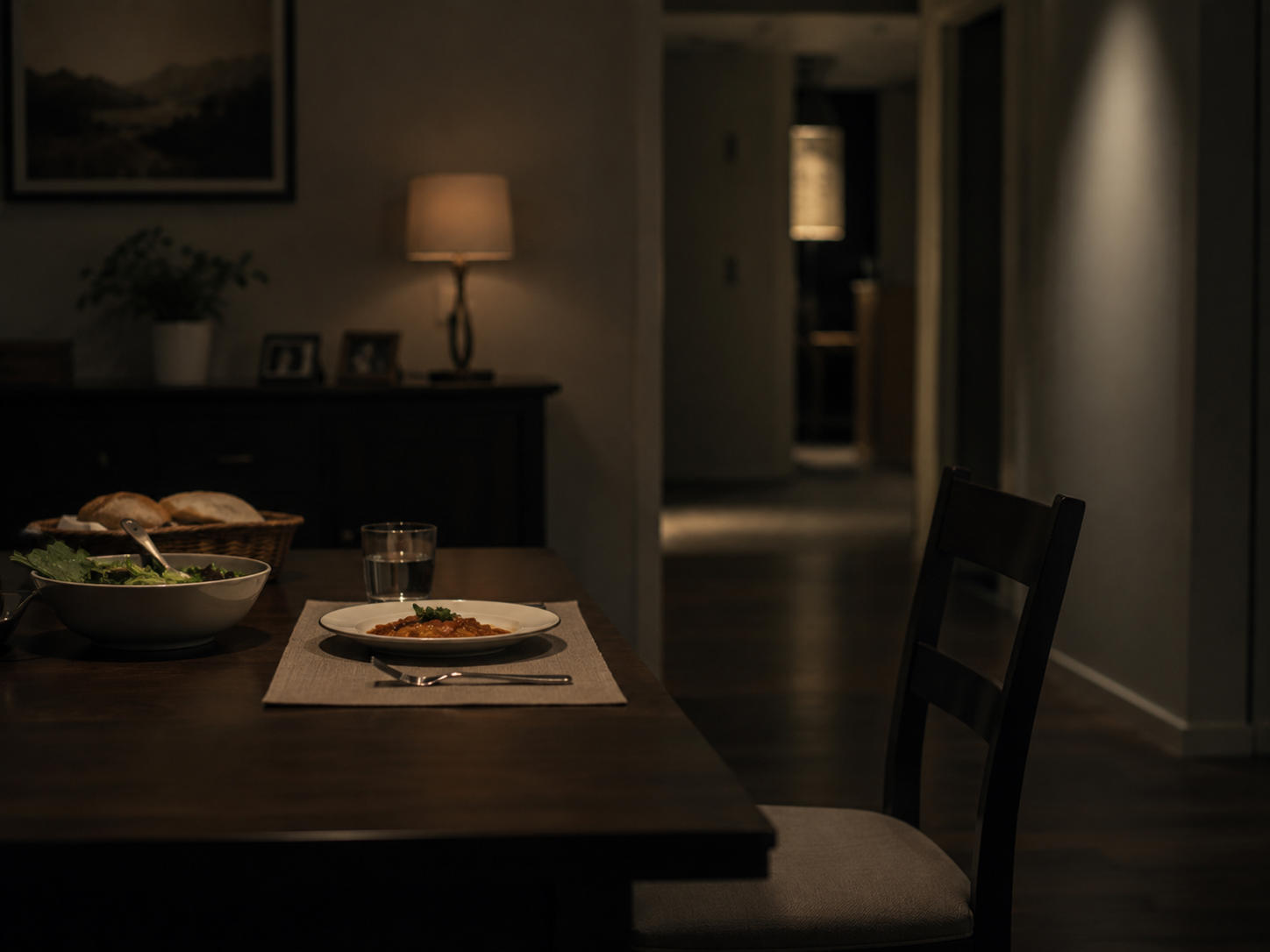
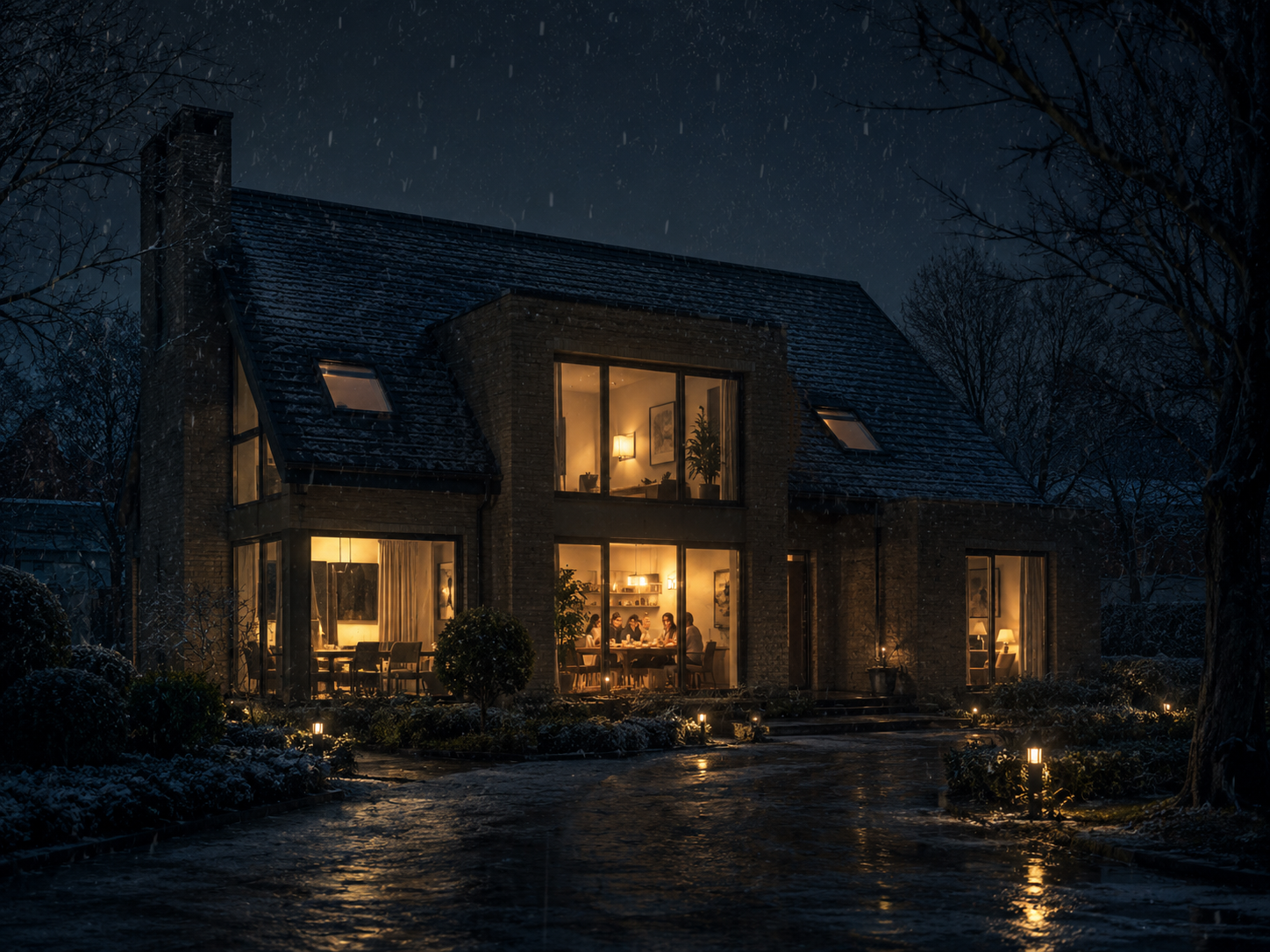
Peace is sleeping in a home that feels like yours.
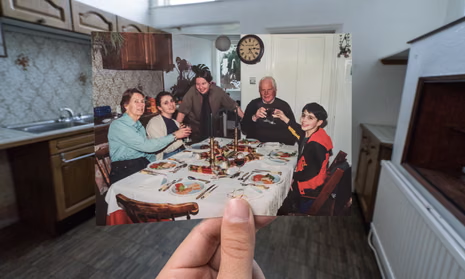
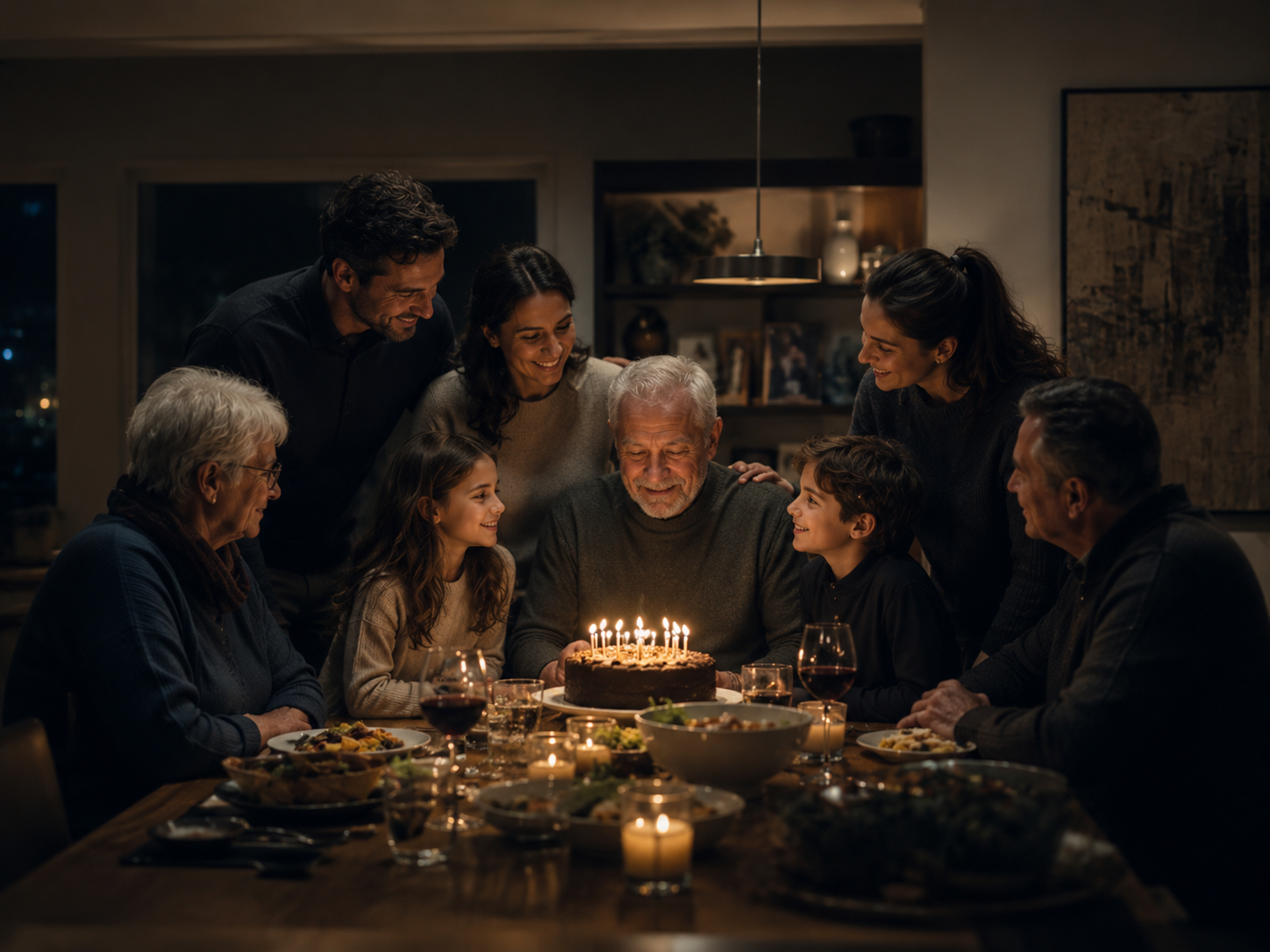
Peace is knowing who will be at the table on Sunday.
Peace is having people who remember the younger version of you and still choose to stay.
Peace is not needing to perform every minute to justify being kept around.
Peace is what high-trust bonds create.
Modern men are starved of this.
They have stimulation.
They have porn.
They have apps.
They have feeds.
They have gyms.
They have hustle content.
They have status anxiety.
They have infinite comparison.
But they do not have peace.
So they keep mistaking intensity for aliveness.
Drama feels like meaning.
Chaos feels like passion.
Novelty feels like progress.
Attention feels like love.
Movement feels like growth.
Until the body gets tired.
Then the man realizes he did not want infinite novelty.
He wanted safety without humiliation.
He wanted love without constant auditioning.
He wanted home.
This is why the second half of life is really about trust.
Who can you trust?
Who trusts you?
Who has seen your flaws and stayed?
Who would show up if you were sick?
Who would tell the truth at your funeral?
Who would protect your children?
Who would notice if your life started falling apart?
Who knows you beyond your performance?
That is the real social score.
Not followers.
Not likes.
Not screenshots.
Not surface popularity.
Trusted embeddedness.
That is what people used to get from:
- family
- church
- local clubs
- extended kin
- neighbourhoods
- stable marriages
- long-term work communities
- multi-generational social networks
This is the paradox.
Modernity removes obligations.
Then sells you replacement services for the support those obligations used to create.
No family dinner — order delivery.
No local community — join Discord.
No trusted spouse — use dating apps.
No elders — watch podcasts.
No children — consume entertainment.
No neighbourhood — rent in an anonymous building.
No shared meaning — buy therapy language.
No durable identity — rebrand yourself every year.
It feels like choice.
But a lot of it is just social disintegration packaged as lifestyle.

The second half punishes men who confuse optionality with achievement.
Optionality is useful only if it eventually gets exercised.
Money is useful if it becomes security.
Status is useful if it becomes trust.
Looks are useful if they help you build real bonds.
Career success is useful if it protects your family and buys autonomy.
Freedom is useful if it helps you choose the right obligations.
But if you never choose, optionality decays.
The man who refuses every permanent bond because he is “keeping his options open” eventually discovers that his options kept moving too.
Women age out of patience.
Friends age into families.
Parents age into dependency.
Social groups close.
Health declines.
Energy drops.
The market reprices him.
And then the same man who feared being trapped starts craving any structure that will hold him.
That is the inversion.
At 25, commitment looks like a cage.
At 50, no commitment can feel like falling through air.
This does not mean every man should blindly marry.
Bad marriage can destroy a man.
Bad family can poison a man.
Low-trust dating markets are real.
Divorce risk is real.
Legal asymmetry is real.
Betrayal is real.
But that does not make isolation a strategy.
It only means selection matters more.
The answer to low trust is not to build nothing.
The answer is to build carefully.
Choose better.
Move slower.
Screen harder.
Develop yourself.
Build capital.
Protect downside.
Avoid reckless legal exposure.
But do not confuse risk management with spiritual suicide.
A man still needs durable bonds.
He still needs people.
He still needs home.
He still needs continuity.
He still needs a reason to become less selfish.
He still needs something beyond himself.
Because the self is not enough to live inside forever.

The harshest truth is that nobody escapes dependence.
You either choose healthy dependence early, or you are forced into humiliating dependence later.
Dependence on family.
Dependence on spouse.
Dependence on children.
Dependence on friends.
Dependence on institutions.
Dependence on landlords.
Dependence on employers.
Dependence on markets.
Dependence on caregivers.
Dependence on the state.
The isolated man thinks he is above dependence.
He is not.
He has merely postponed it until he has less leverage.
That is why security has to be built before you need it.
Family before old age.
Capital before crisis.
Health before diagnosis.
Reputation before desperation.
Community before loneliness.
Trust before collapse.
Calm before burnout.
The second half of life is not asking whether you had fun.
It asks whether your fun became anything.
Did your dating become love?
Did your work become capital?
Did your capital become security?
Did your security become generosity?
Did your body become health?
Did your social life become community?
Did your family become legacy?
Did your chaos become wisdom?
Did your freedom become responsibility?
Or did it all just evaporate?
That is the whole pill.
The first half of life is about becoming desirable.
The second half is about becoming dependable.
The first half asks:
“Can I get attention?”
The second half asks:
“Can I be trusted with anything permanent?”
That is where many men fail.
Not because they are evil.
Because they were trained to optimize for the wrong scoreboard for too long.
Looks matter.
Money matters.
Status matters.
But they are not the final thing.
They are inputs.
The final thing is whether you can use them to build a life that gets warmer instead of colder with age.
The real nightmare is not being alone for a weekend.
That is fine.
The nightmare is becoming structurally alone.
No one expecting you.
No one needing you.
No one remembering your story.
No one whose future is tied to your survival.
No one whose life gets better because you became stronger.
That is not freedom.
That is social death with WiFi.
The second half of life is simple.
Build what compounds:
- health
- capital
- family
- trust
- skill
- reputation
- home
- calm
- meaning
- attention
- novelty
- fake status
- endless scrolling
- empty sex
- rented identity
- unstable circles
- performative freedom
- dopamine without structure
The first half rewards the man who can move.
The second half rewards the man who has somewhere to return to.
And when the world becomes low-trust, unstable, expensive, anonymous, and cold, the highest status is not noise.
It is security.
A real home.
A real family.
A real circle.
A real reputation.
A real body.
A real capital base.
A real reason to keep going.
That is the second half of life.
Not freedom from responsibility.
Freedom through the right responsibilities.