


Axix
Banned
- Joined
- May 11, 2026
- Posts
- 12
- Reputation
- 14
Before trying any of this, obviously treat it as hypothetical information and not medical advice. If you’re actually considering anything mentioned here, speak to a qualified medical professional first. This is mainly focused on more advanced pharmacological approaches rather than basic “looksmaxxing”
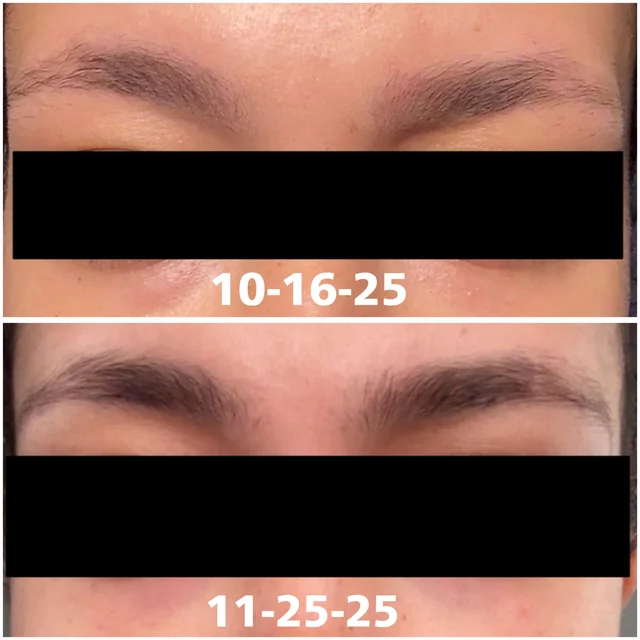
Starting with eyebrows, one of the strongest combinations people use is low-dose oral minoxidil alongside topical minoxidil applied directly to the brow area. A lot of people focus too much on thickening the center of the brows, but extending them further outward laterally often has a much bigger aesthetic impact. Consistency with application matters a lot here.
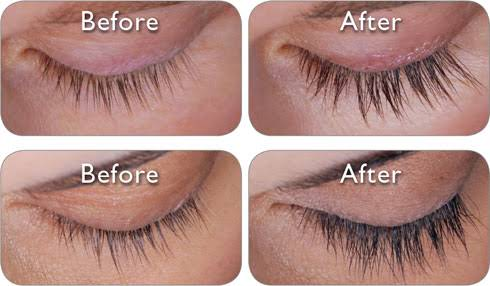
For eyelashes, bimatoprost (commonly sold as Latisse) is one of the most effective options for increasing lash length and density. The main issue is the possibility of prostaglandin-associated fat loss around the eyes, so people sometimes apply something occlusive like petroleum jelly around the surrounding skin beforehand to reduce unwanted exposure.
Under-eye appearance is a bit more complicated. Sleep and hydration obviously matter, but temporary improvements can also come from vasoconstrictors such as caffeine or oxymetazoline. Beyond that, improving skin thickness and collagen production can help reduce the visibility of veins and hollowing under the eyes. Certain skin-lightening ingredients, like hydroquinone, are also sometimes used to reduce pigmentation and lessen the contrast created by shadows beneath the eyes.
For eye whitening and reducing redness in the sclera, products containing brimonidine or similar vasoconstrictors can make the eyes appear clearer and brighter for several hours. Unlike older redness-relief drops, these are generally considered less likely to cause rebound redness.
People with lighter-colored eyes sometimes try temporarily reducing pupil size to make iris color appear more vivid. Low-strength pilocarpine drops are occasionally used for this purpose, though stronger concentrations can cause annoying visual side effects, which is why some dilute them with preservative-free lubricating drops.

Finally, there’s some emerging discussion around topical PPAR-gamma agonists like rosiglitazone or pioglitazone for potentially encouraging localized fat retention or growth around the eye area. Compared to products marketed for “volume enhancement” that have little evidence behind them, these are being looked at more seriously, although research and real-world experimentation are still extremely limited.
Starting with eyebrows, one of the strongest combinations people use is low-dose oral minoxidil alongside topical minoxidil applied directly to the brow area. A lot of people focus too much on thickening the center of the brows, but extending them further outward laterally often has a much bigger aesthetic impact. Consistency with application matters a lot here.
For eyelashes, bimatoprost (commonly sold as Latisse) is one of the most effective options for increasing lash length and density. The main issue is the possibility of prostaglandin-associated fat loss around the eyes, so people sometimes apply something occlusive like petroleum jelly around the surrounding skin beforehand to reduce unwanted exposure.
Under-eye appearance is a bit more complicated. Sleep and hydration obviously matter, but temporary improvements can also come from vasoconstrictors such as caffeine or oxymetazoline. Beyond that, improving skin thickness and collagen production can help reduce the visibility of veins and hollowing under the eyes. Certain skin-lightening ingredients, like hydroquinone, are also sometimes used to reduce pigmentation and lessen the contrast created by shadows beneath the eyes.
For eye whitening and reducing redness in the sclera, products containing brimonidine or similar vasoconstrictors can make the eyes appear clearer and brighter for several hours. Unlike older redness-relief drops, these are generally considered less likely to cause rebound redness.
People with lighter-colored eyes sometimes try temporarily reducing pupil size to make iris color appear more vivid. Low-strength pilocarpine drops are occasionally used for this purpose, though stronger concentrations can cause annoying visual side effects, which is why some dilute them with preservative-free lubricating drops.
Finally, there’s some emerging discussion around topical PPAR-gamma agonists like rosiglitazone or pioglitazone for potentially encouraging localized fat retention or growth around the eye area. Compared to products marketed for “volume enhancement” that have little evidence behind them, these are being looked at more seriously, although research and real-world experimentation are still extremely limited.


