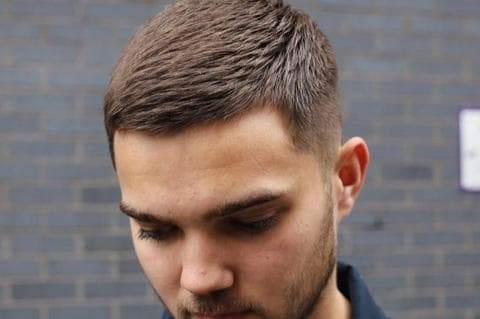
D
Deleted member 233773
171cm HTB
- Joined
- Sep 24, 2025
- Posts
- 1,650
- Reputation
- 1,235
You've probably done this before, looking for a new hairstyle, you come across a guide and it tells you to identify your face shape. You follow the recommendation exactly, but it still doesn't look how you wanted. The problem, against common belief, your face shape is almost irrelevant and way too unspecific. What actually matters are your individual facial features. And once you understand the four that matter most, choosing the perfect hairstyle becomes surprisingly easy. The first and most important feature are your facial thirds. Research shows that facial thirds determine perceived attractiveness more than almost any other proportional feature. This is the exact principle professional hair stylists use to correct imbalances. For example, if you have a small, narrow upper third, expose it, don't cover it.

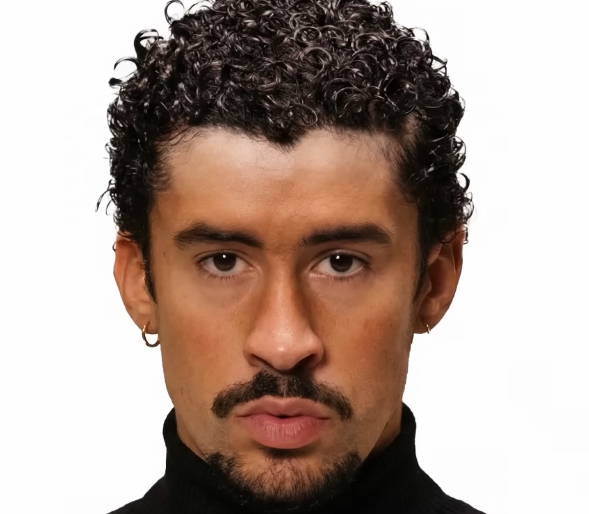
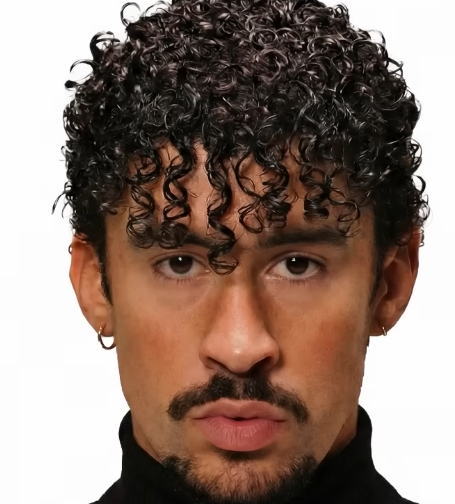
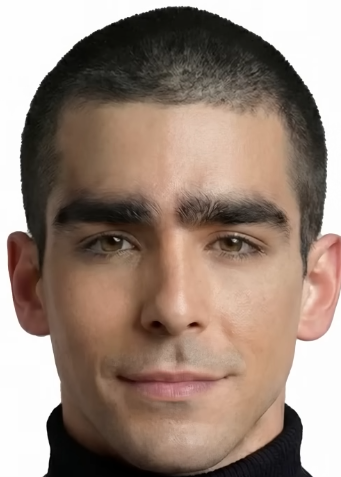
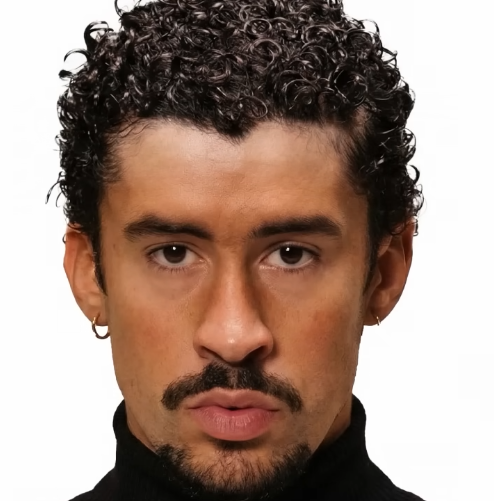
 bad Bunny demonstrates this perfectly where he consistently wears his hairstyled upward and away from his forehead, making his compact upper third appear larger and more balanced. But here's where it gets interesting. Look at actor Omar Aayus.

 He also has a narrow upper third, but when he wears downward styles that cover his forehead, his face looks compressed and bottom heavy. Now look at this morph where we expose his forehead. The proportions immediately improve because we're no longer hiding an already small feature.
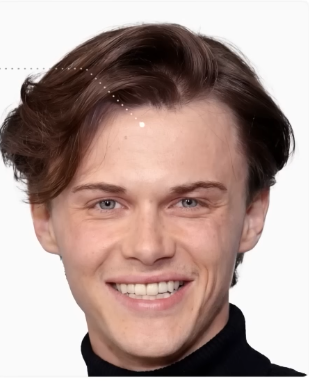
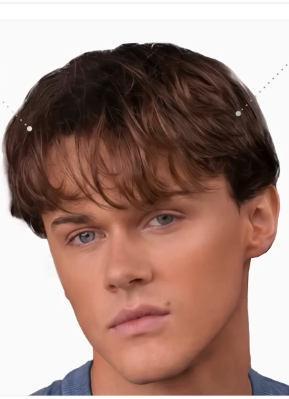
Now, if you have a large, wide upper third, the opposite applies. Chris Briny is the perfect example.

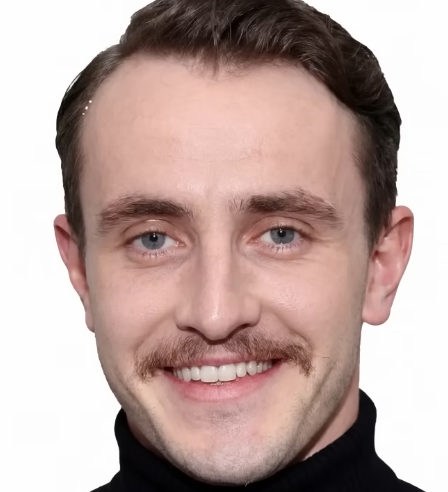
 He has a prominent forehead, so when he wears forward styled hair or bangs, it visually reduces that area and creates balance. Paul Mscal's case is even more specific.
 His slightly receding hairline makes his upper third wider than his midface, which is why forward styled hair with textured bangs work so well in him. It's not just about covering height. It's also about reducing perceived width. And if your upper,
middle, and lower thirds are already balanced and proportional, you have the most flexibility. You can pull off slick backs, medium length flows, and mid parts equally well.


 Okay, so another crucial feature you need to understand is your facial symmetry. And this one is counterintuitive. The more asymmetrical your face is, the more asymmetrical your hairstyle needs to be. Most men assume symmetrical hairstyles, clean middle parts, perfectly balanced buzz cuts, always look better. But that only works if your face is already symmetrical.
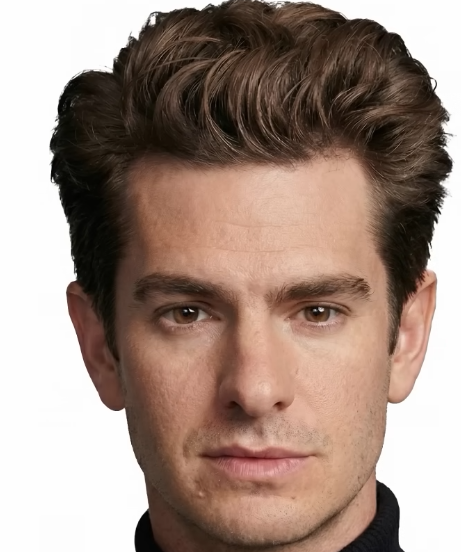
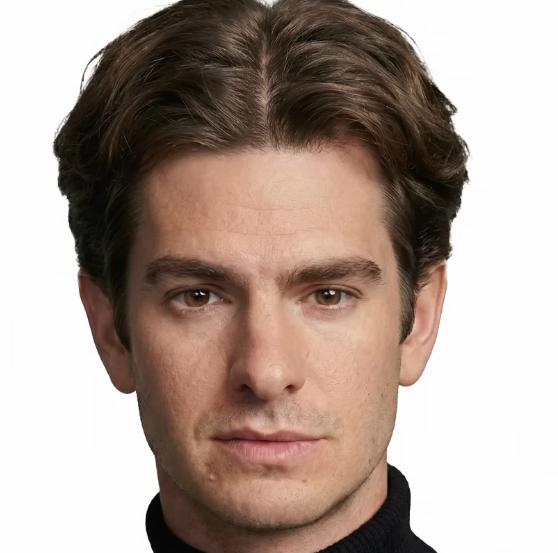
Look at this comparison of Andrew Garfield.

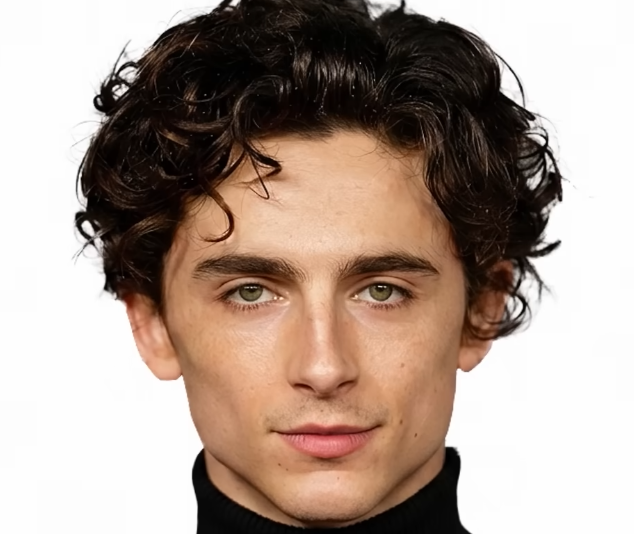
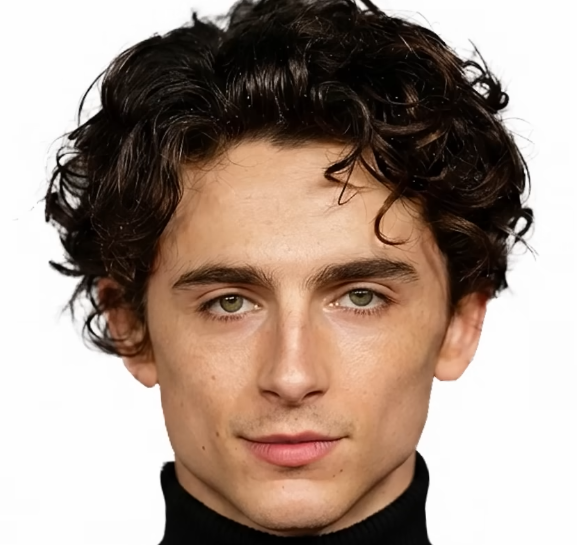
 On the left, a relatively balanced face. On the right, the same face with a clean middle part. Notice how the slight unevenness around the eyes and jaw suddenly becomes more visible. A symmetrical hairstyle creates a visual reference point. And when your face deviates from that symmetry, it stands out. Timothy Charm's face, like most, has subtle asymmetry. If you mirror his face, the structural unevenness becomes clear.

 But he consistently wears messy textured hair with irregular volume because it prevents your eye from locking onto his structural asymmetry. Now compare that to someone like Brad Pitt where during his career he pulled off nearly every single hairstyle out there just because of his highly balanced facial structure.
Clean symmetrical hairstyles emphasized his natural balance rather than exposing any deviations. The third feature is your vertical face length. And the principle here is quite simple. Your hairstyles vertical silhouette should counterbalance your face length. If you have a long face, you need horizontal emphasis. Flat styles, sides swept hair, anything that reduces vertical height.
Adding volume on top will only make your face look even longer. Look at Adam Driver. He has an elongated face, which is why he almost exclusively wears his hair flat or sides swept. You never see him with a quiff or high volume on top.

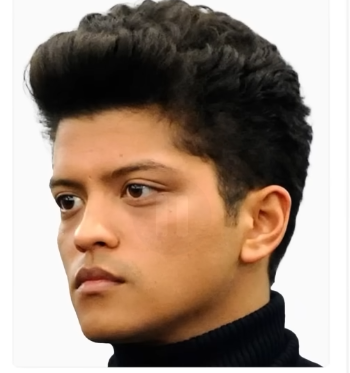
It would exaggerate his facial proportions because it makes the face immediately look stretched and unbalanced. But if you have a short, more compressed face, the opposite would apply. You need vertical emphasis to add height. Bruno Mars is famous for his long afro, but it doesn't just look cool, it also adds volume and height, elongating his facial proportions. And even when he's not wearing the afro, like here,
 he usually goes for upward styled hairstyles because short styles like a buzzcut would draw focus to a slightly compressed face. On the other hand, if your face is balanced vertically like Robert Patterson, you have complete flexibility. High volume styles, flat styles, slick back looks, all of them generally work because there is no vertical imbalance to correct. The fourth and final feature will determine if you can pull off a buzz cut, which is your jaw projection. Short hair, especially buzz cuts, remove all distraction from the lower third.
There's nothing to soften and redirect attention making your jaw the focal point. Streamer Marlon Ludrin Garcia became known for his buzzcut. His jaw is angular, well projected and defined. So removing hair draws more attention to that particular feature. Another famous example is Jeremy Meeks. His short hair emphasized his facial structure, eyes, and especially his jawline so dramatically that his mug shot went viral, launching his career as a professional model. On the other hand, if your joy is softer like Austin Butler's, short hair also exposes that.
In those cases, messy textured styles work better because they create visual distraction. Take a look at this morph.
A buzz cut would shift all focus to his lower third, which isn't his strongest feature. Once you understand these four features, you realize why someone like Brad Pitt was able to pull off practically any hairstyle throughout his career, while another individual with the exact same face shape could not. So, forget what the face shape chart says.
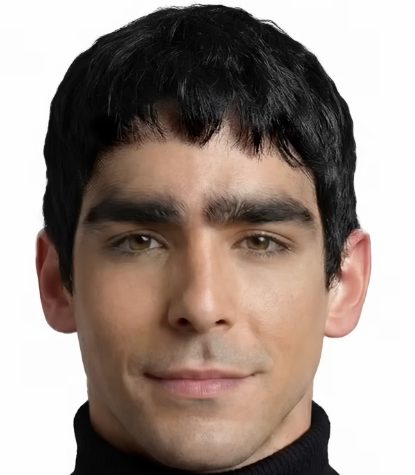
Now, if you have a large, wide upper third, the opposite applies. Chris Briny is the perfect example.
middle, and lower thirds are already balanced and proportional, you have the most flexibility. You can pull off slick backs, medium length flows, and mid parts equally well.
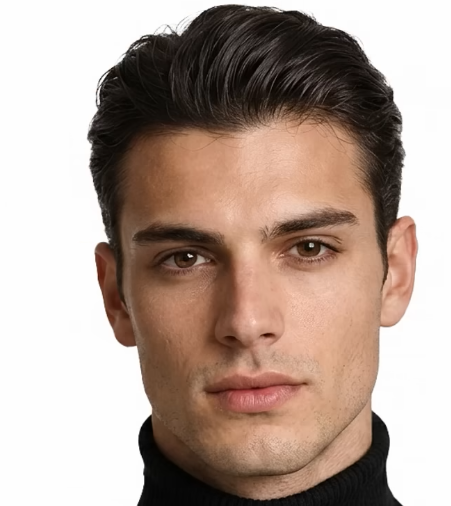
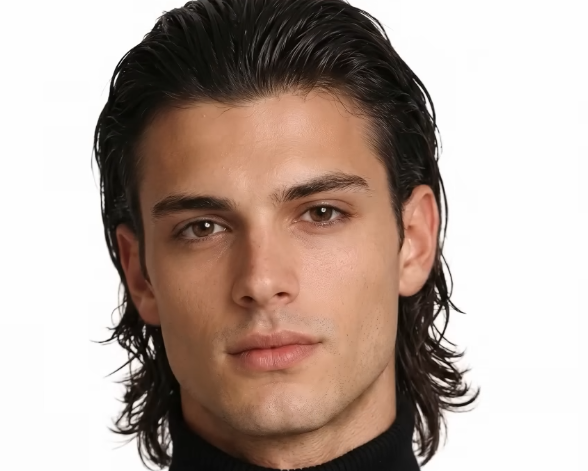
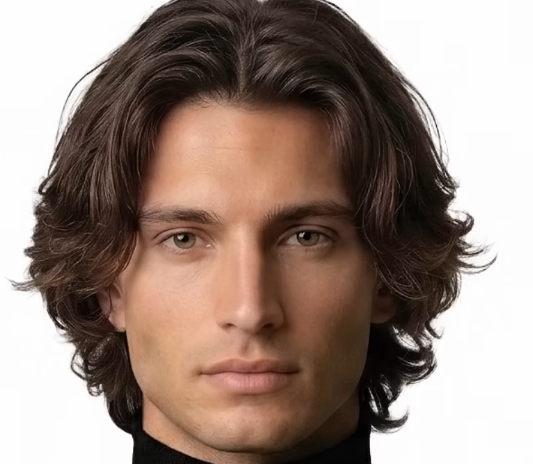
Look at this comparison of Andrew Garfield.
Clean symmetrical hairstyles emphasized his natural balance rather than exposing any deviations. The third feature is your vertical face length. And the principle here is quite simple. Your hairstyles vertical silhouette should counterbalance your face length. If you have a long face, you need horizontal emphasis. Flat styles, sides swept hair, anything that reduces vertical height.
Adding volume on top will only make your face look even longer. Look at Adam Driver. He has an elongated face, which is why he almost exclusively wears his hair flat or sides swept. You never see him with a quiff or high volume on top.
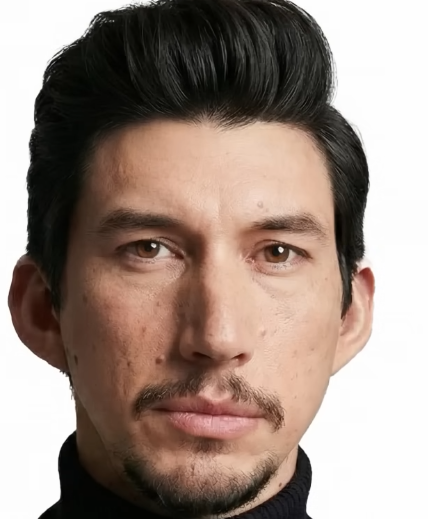
It would exaggerate his facial proportions because it makes the face immediately look stretched and unbalanced. But if you have a short, more compressed face, the opposite would apply. You need vertical emphasis to add height. Bruno Mars is famous for his long afro, but it doesn't just look cool, it also adds volume and height, elongating his facial proportions. And even when he's not wearing the afro, like here,
There's nothing to soften and redirect attention making your jaw the focal point. Streamer Marlon Ludrin Garcia became known for his buzzcut. His jaw is angular, well projected and defined. So removing hair draws more attention to that particular feature. Another famous example is Jeremy Meeks. His short hair emphasized his facial structure, eyes, and especially his jawline so dramatically that his mug shot went viral, launching his career as a professional model. On the other hand, if your joy is softer like Austin Butler's, short hair also exposes that.
In those cases, messy textured styles work better because they create visual distraction. Take a look at this morph.
A buzz cut would shift all focus to his lower third, which isn't his strongest feature. Once you understand these four features, you realize why someone like Brad Pitt was able to pull off practically any hairstyle throughout his career, while another individual with the exact same face shape could not. So, forget what the face shape chart says.
Attachments
Last edited:


 .
.