



bop_hunter1488271
Iron
- Joined
- Oct 23, 2025
- Posts
- 87
- Reputation
- 170
Downturned mouth corners often run in families or come with age. A permanently “sad” or frowning mouth looks unhappy/angry, which fucks your appeal (hate that word but wtv). Fortunately, both at-home techniques and hardmaxxes can help raise the lip corners:
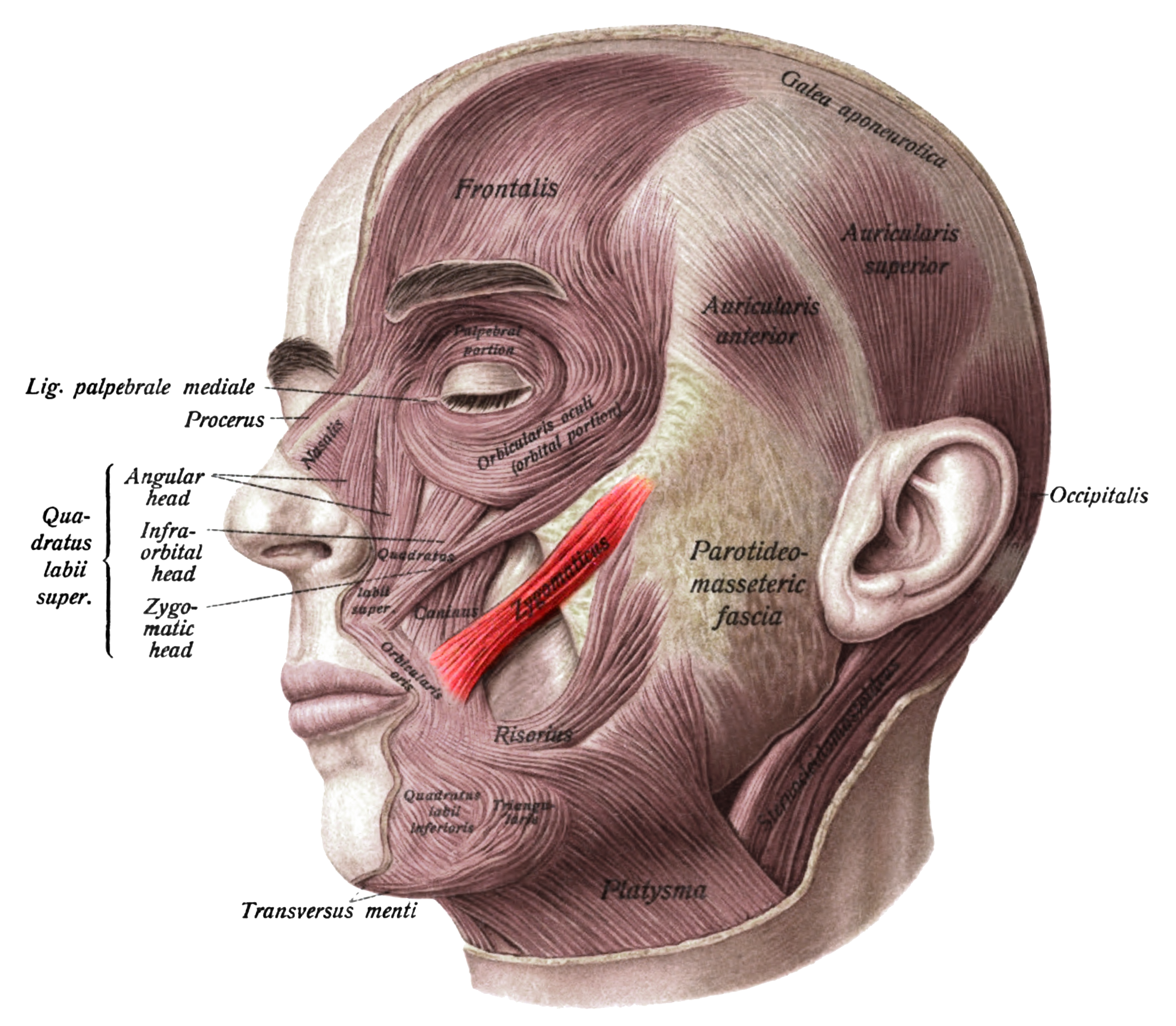
The depressor anguli oris muscle (red) pulls mouth corners down. Relaxing or weakening this muscle helps lift the lip corners. For example, a 20-week facial exercise program significantly improved lower-face fullness and reduced perceived age in middle-aged women[3].
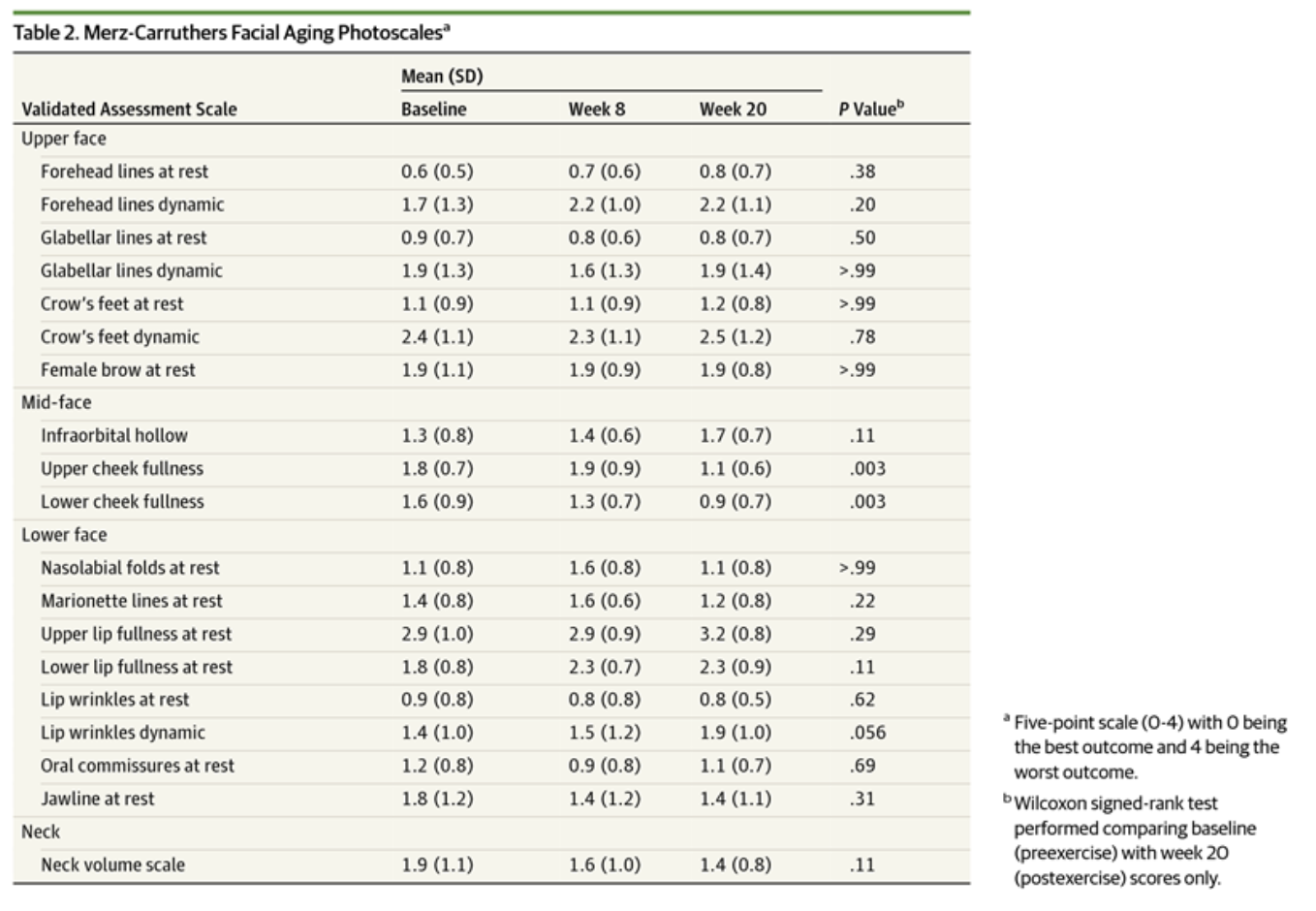
Try training your smile muscles and stretching the mouth area as follows:
Smile Lift: Place your fingers at the corners of your mouth. Smile widely (using cheek muscles, not jaw) and gently push the corners up with your fingers, holding the stretch for 5–10 seconds. Repeat 10–15 times. This targets the zygomaticus muscles that turn up the corners[4][3].
Purse and Press: Purse your lips as if to whistle, then attempt to smile at the same time, forcing the corners upward. Hold 5 seconds, repeat 10 times. This combines orbicularis oris engagement with an upward pull.
O–E: Say “O” then “E” (like singing an octave), alternating 5–10 times. This dynamic movement activates the perioral muscles and may help balance the upper lip elevation.
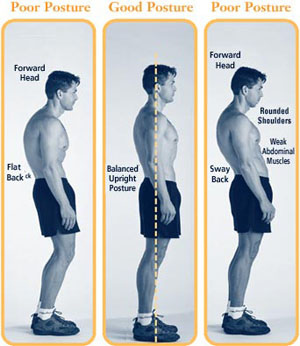
Neck/Chin posture: Keep good posture and avoid slouching. Occasionally tip your head back slightly and press the tongue to the roof of the mouth to gently stretch jawline muscles this can relieve downward pull on the mouth.
Facial massage: Use fingertips or a warm washcloth to massage the muscles around the mouth. Gentle upward strokes at the mouth corners can increase circulation and tension relief. (No strong studies, but some users find it helps muscle relaxation.)

In addition, keep your lips moisturized (dry lips accentuate lines) and consider topical lip plumpers (cinnamon/menthol-based) for a temporary lift. However, be realistic: at-home methods only produce small improvements over weeks. The JAMA Dermatology study found consistent exercise led to slightly fuller cheeks and a younger look[3], but it required daily commitment and weeks of practice.
In conclusion, practice smile-strengthening exercises daily, do gentle facial massages, and maintain good posture. These steps can gradually retrain muscles around the mouth and offset downward sag, as shown by clinical studies[3].
HARDMAXXES
If home methods aren’t enough, surgical corner-lift operations give the most dramatic and lasting elevation of downturned lips[5]. Modern options include minimally invasive injections:
Botulinum toxin (Botox) to DAO: Injecting Botox into the depressor anguli oris muscle (the “frown muscle” shown above) weakens it. This reduces the downward pull, so the corners lift passively. Practitioners often target nearby muscles like depressor labii inferioris and mentalis as well. Jeong (2020) reports that using Botox in DAO yielded reliable corner-lifting with high patient satisfaction[2][6]. Effects last ~3–4 months per treatment.
Hyaluronic Acid (HA) Fillers: Juvederm or Restylane can be injected at the mouth corners or upper lip to add volume and support. Fillers can prop up the corner or the surrounding lip, counteracting the downward vector. Often doctors combine fillers with Botox: one injects filler at the corner or cheeks to “buttress” the area while using Botox to relax pulling muscles[7]. Jeong’s series of 100+ patients showed that Botox + filler consistently lifted flat or downturned corners without major complications[7]. Fillers last ~6–12 months and can be redone as needed.
Cheek Filler or Volume: Injecting filler into the cheek (zygomatic) area can restore lost support of a sagging midface, improving youthfulness[8][7]. (This approach is like shoring up the face scaffolding.)
Skin-tightening procedures: Non-surgical skin tightening (e.g. RF, ultrasound) has limited lift for the mouth corners. The evidence is weak, but some dermatologists use devices on the lower face. These may be worth trying if you also want skin firming, but expect only mild effects.
Surgical Corner-Lift (Anguloplasty): For a permanent fix, surgeons perform a mouth corner lift (anguloplasty). This involves removing a small triangular piece of skin just above each downturned corner and suturing it to raise the corner. Vidal et al. (2013) describe a 20-minute “corner anguloplasty” that corrected sagging mouth angles in 71 patients with very good results[8]. This yields an immediate lift that lasts (since it’s actual lifted tissue). Drawbacks: a small scar at each corner and usual surgical recovery. The aesthetic review found that surgical lifts achieve the best elevation of the mouth corners[5], though scars are inevitable. Surgeons may also perform a mini-facelift or midface lift at the same time to address overall sagging.
Other options: Fat grafting (transplanting your own fat to lip/cheek) can provide more volume like fillers. Thread lifts (sutures under skin) have been used to lift cheeks and marionette lines, but corners can slip back over time. A proper facelift or neck lift will generally raise the lower face including mouth corners, if aging is advanced.
Outcomes: Studies report high satisfaction with all methods[5][7], though private hardmaxx results are not shared publicly. In general, Botox/filler has little downtime and no scars, with immediate but temporary lift. Surgery gives the most pronounced, lasting change but involves incisions and healing. A systematic review concluded that patients doing either approach were generally happy[5]. Choose based on how much change you want versus acceptable recovery time.
OVERALL
For a home-based approach, commit to daily facial exercises (smiling “lifts”) and care habits to slow or modestly reverse the droop[3]. If you want a larger change, consult a dermatologist or plastic surgeon about Botox/filler or a lip corner lift. Scientific studies back both paths: exercise regimens can improve lower-face fullness and make you look younger[3], while medical treatments can reliably elevate the corners[2][8].
Scientific Literature Used:
1. Jeong T. K. (2020). Mouth Corner Lift with Botulinum Toxin Type A and Hyaluronic Acid Filler. Plastic and reconstructive surgery, 145(3), 538e–541e. https://doi.org/10.1097/PRS.0000000000006605[2][6][7].
2. Vidal, P., Berner, J. E., Castillo, P., Rochefort, G., & Loubies, R. (2013). Descended mouth corner: an ignored but needed feature of facial rejuvenation. Archives of plastic surgery, 40(6), 783–786. https://doi.org/10.5999/aps.2013.40.6.783[8].
3. van der Sluis, N., Gülbitti, H. A., van Dongen, J. A., & van der Lei, B. (2022). Lifting the Mouth Corner: A Systematic Review of Techniques, Clinical Outcomes, and Patient Satisfaction. Aesthetic surgery journal, 42(8), 833–841. https://doi.org/10.1093/asj/sjac077 [1][5].
4. Alam M, Walter AJ, Geisler A, et al. Association of Facial Exercise With the Appearance of Aging. JAMA Dermatol. 2018;154(3):365–367. doi:10.1001/jamadermatol.2017.5142 [3].
At-home Exercises
The depressor anguli oris muscle (red) pulls mouth corners down. Relaxing or weakening this muscle helps lift the lip corners. For example, a 20-week facial exercise program significantly improved lower-face fullness and reduced perceived age in middle-aged women[3].
Try training your smile muscles and stretching the mouth area as follows:
Smile Lift: Place your fingers at the corners of your mouth. Smile widely (using cheek muscles, not jaw) and gently push the corners up with your fingers, holding the stretch for 5–10 seconds. Repeat 10–15 times. This targets the zygomaticus muscles that turn up the corners[4][3].
Purse and Press: Purse your lips as if to whistle, then attempt to smile at the same time, forcing the corners upward. Hold 5 seconds, repeat 10 times. This combines orbicularis oris engagement with an upward pull.
O–E: Say “O” then “E” (like singing an octave), alternating 5–10 times. This dynamic movement activates the perioral muscles and may help balance the upper lip elevation.
Neck/Chin posture: Keep good posture and avoid slouching. Occasionally tip your head back slightly and press the tongue to the roof of the mouth to gently stretch jawline muscles this can relieve downward pull on the mouth.
Facial massage: Use fingertips or a warm washcloth to massage the muscles around the mouth. Gentle upward strokes at the mouth corners can increase circulation and tension relief. (No strong studies, but some users find it helps muscle relaxation.)
In addition, keep your lips moisturized (dry lips accentuate lines) and consider topical lip plumpers (cinnamon/menthol-based) for a temporary lift. However, be realistic: at-home methods only produce small improvements over weeks. The JAMA Dermatology study found consistent exercise led to slightly fuller cheeks and a younger look[3], but it required daily commitment and weeks of practice.
In conclusion, practice smile-strengthening exercises daily, do gentle facial massages, and maintain good posture. These steps can gradually retrain muscles around the mouth and offset downward sag, as shown by clinical studies[3].
HARDMAXXES
If home methods aren’t enough, surgical corner-lift operations give the most dramatic and lasting elevation of downturned lips[5]. Modern options include minimally invasive injections:
Botulinum toxin (Botox) to DAO: Injecting Botox into the depressor anguli oris muscle (the “frown muscle” shown above) weakens it. This reduces the downward pull, so the corners lift passively. Practitioners often target nearby muscles like depressor labii inferioris and mentalis as well. Jeong (2020) reports that using Botox in DAO yielded reliable corner-lifting with high patient satisfaction[2][6]. Effects last ~3–4 months per treatment.
Hyaluronic Acid (HA) Fillers: Juvederm or Restylane can be injected at the mouth corners or upper lip to add volume and support. Fillers can prop up the corner or the surrounding lip, counteracting the downward vector. Often doctors combine fillers with Botox: one injects filler at the corner or cheeks to “buttress” the area while using Botox to relax pulling muscles[7]. Jeong’s series of 100+ patients showed that Botox + filler consistently lifted flat or downturned corners without major complications[7]. Fillers last ~6–12 months and can be redone as needed.
Cheek Filler or Volume: Injecting filler into the cheek (zygomatic) area can restore lost support of a sagging midface, improving youthfulness[8][7]. (This approach is like shoring up the face scaffolding.)
Skin-tightening procedures: Non-surgical skin tightening (e.g. RF, ultrasound) has limited lift for the mouth corners. The evidence is weak, but some dermatologists use devices on the lower face. These may be worth trying if you also want skin firming, but expect only mild effects.
Surgical Corner-Lift (Anguloplasty): For a permanent fix, surgeons perform a mouth corner lift (anguloplasty). This involves removing a small triangular piece of skin just above each downturned corner and suturing it to raise the corner. Vidal et al. (2013) describe a 20-minute “corner anguloplasty” that corrected sagging mouth angles in 71 patients with very good results[8]. This yields an immediate lift that lasts (since it’s actual lifted tissue). Drawbacks: a small scar at each corner and usual surgical recovery. The aesthetic review found that surgical lifts achieve the best elevation of the mouth corners[5], though scars are inevitable. Surgeons may also perform a mini-facelift or midface lift at the same time to address overall sagging.
Other options: Fat grafting (transplanting your own fat to lip/cheek) can provide more volume like fillers. Thread lifts (sutures under skin) have been used to lift cheeks and marionette lines, but corners can slip back over time. A proper facelift or neck lift will generally raise the lower face including mouth corners, if aging is advanced.
Outcomes: Studies report high satisfaction with all methods[5][7], though private hardmaxx results are not shared publicly. In general, Botox/filler has little downtime and no scars, with immediate but temporary lift. Surgery gives the most pronounced, lasting change but involves incisions and healing. A systematic review concluded that patients doing either approach were generally happy[5]. Choose based on how much change you want versus acceptable recovery time.
OVERALL
For a home-based approach, commit to daily facial exercises (smiling “lifts”) and care habits to slow or modestly reverse the droop[3]. If you want a larger change, consult a dermatologist or plastic surgeon about Botox/filler or a lip corner lift. Scientific studies back both paths: exercise regimens can improve lower-face fullness and make you look younger[3], while medical treatments can reliably elevate the corners[2][8].
Scientific Literature Used:
1. Jeong T. K. (2020). Mouth Corner Lift with Botulinum Toxin Type A and Hyaluronic Acid Filler. Plastic and reconstructive surgery, 145(3), 538e–541e. https://doi.org/10.1097/PRS.0000000000006605[2][6][7].
2. Vidal, P., Berner, J. E., Castillo, P., Rochefort, G., & Loubies, R. (2013). Descended mouth corner: an ignored but needed feature of facial rejuvenation. Archives of plastic surgery, 40(6), 783–786. https://doi.org/10.5999/aps.2013.40.6.783[8].
3. van der Sluis, N., Gülbitti, H. A., van Dongen, J. A., & van der Lei, B. (2022). Lifting the Mouth Corner: A Systematic Review of Techniques, Clinical Outcomes, and Patient Satisfaction. Aesthetic surgery journal, 42(8), 833–841. https://doi.org/10.1093/asj/sjac077 [1][5].
4. Alam M, Walter AJ, Geisler A, et al. Association of Facial Exercise With the Appearance of Aging. JAMA Dermatol. 2018;154(3):365–367. doi:10.1001/jamadermatol.2017.5142 [3].





