

GHK-Cu everything you need to know

truecel9

truecel9

Gold
Joined
May 10, 2026
Posts
923
Reputation
1,032

GHK-Cu

Disclaimer
This thread was originally written in my native language, and I used ChatGPT to translate everything, so I apologize if something sounds a bit weird or got messed up. If you find misinformation in this thread or think i could improve on something, please let me know

This information is for educational purposes only. The use of substances carries potential risks and should be done under the supervision of a healthcare professional. Always consult with a doctor before starting any cycle, and be aware of the possible side effects and health risks involved. The doctors legally can’t involve anyone else like your parents or talk about your compound usage to someone other than you.


Table of Contents​


• What is GHK-Cu?
• How does GHK-Cu work?
• What can you expect while using it?
• Possible side effects
• How do you use GHK-Cu?
• Conclusion


What is GHK-Cu?​


On paper, GHK-Cu is the best looksmaxxing tool on the market: healthier and better hair, clearer skin, anti-aging, and more. GHK-Cu is a peptide-copper complex composed of the amino acids glycine, histidine, and lysine, along with one copper(II) ion. It naturally occurs in our urine, plasma, and saliva. It has been scientifically studied for approximately 50 years and was discovered by Loren Pickart.


https://compoundreview.org/peptides/ghk-cu/


How does GHK-Cu work?​


(There are both topical and subcutaneous/intramuscular forms of GHK-Cu administration, but I will only cover the subcutaneous injection here.) Based on preclinical data (cell cultures, animal models, and observations), it passes through our fat tissue directly into the bloodstream and tissue system and does not have to fight through the skin barrier like creams do. The peptide binds copper more effectively, allowing our cells to use the copper for enzymes involved in processes such as collagen production and wound healing. It has also been observed that GHK influences fibroblasts, immune cells, and stem cells, leading to increased collagen production, reduced pro-inflammatory signaling, and altered expression of repair genes. GHK is believed not only to stimulate cells and tissue but to actually "remodel" them. Because it works on a cellular level, noticeable changes should only be expected after several months (approximately 2–3 months).


What can you expect while using it?​


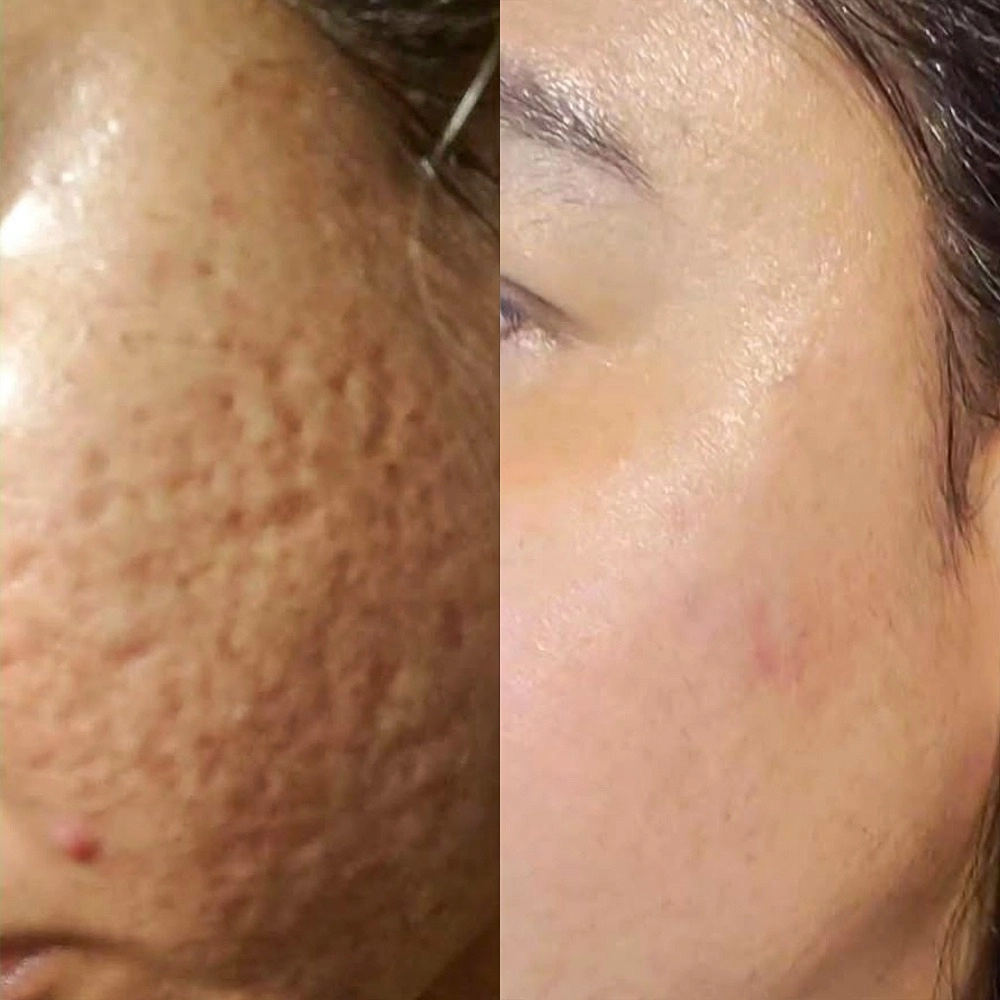
Studies often discuss the potential anti-aging benefits. Human blood has been shown to contain approximately 200 ng/ml of the peptide in a 20-year-old individual. However, this level steadily declines over time and drops to only about 80 ng/ml by the age of 60. As mentioned earlier, injections can remodel tissue and stimulate collagen and elastin production, which may slow the aging process and improve overall skin quality.


https://pubmed.ncbi.nlm.nih.gov/35083444/
1783381289692

https://www.hubmeded.com/blog/copper-peptides-before-and-after


A significant improvement in skin quality has been observed due to increased collagen and elastin production. Inflammation has also been significantly reduced.


Changes observed in the skin​


• Smoother texture
• Brighter skin tone
• Improved moisture retention
• Reduced inflammation


It is also believed that both GHK-Cu and other peptides can be used to treat orthopedic injuries.​


Due to their effects on important signaling pathways such as PI3K/Akt, mTOR, MAPK, TGF-β, and AMPK, peptides can modulate processes such as tissue regeneration, the resolution of inflammation, and the recovery of nerve and muscle tissue. Wound-healing peptides, including BPC-157, TB-500, and GHK-Cu, promote the formation of new blood vessels (angiogenesis), integrin-mediated remodeling of the extracellular matrix, and the activation of fibroblasts. Growth hormone secretagogues such as Ipamorelin, CJC-1295, Tesamorelin, Sermorelin, and AOD-9604, on the other hand, activate IGF-1 signaling and support the repair of satellite cells, which are important for muscle regeneration. Although the evidence is still limited, laboratory and animal studies have shown promising results.


https://pubmed.ncbi.nlm.nih.gov/41490200/


The potential benefits for hair growth and hair quality are also frequently discussed. In this study https://pubmed.ncbi.nlm.nih.gov/27489425/, the effectiveness of a complex consisting of 5-aminolevulinic acid and the glycyl-histidyl-lysine peptide on hair growth was investigated.


Objective:​


This study examined the effectiveness and safety of an active compound called ALAVAX, consisting of 5-aminolevulinic acid (5-ALA) and the GHK peptide (glycyl-histidyl-lysine), for the treatment of male pattern hair loss.


Methods:​


A total of 45 men with androgenetic alopecia participated in the study. The participants were divided into three groups:


• Group A: ALAVAX with 100 mg/ml
• Group B: ALAVAX with 50 mg/ml
• Group C: Placebo


The treatment was administered once daily for six months. The following factors were evaluated:


• Total hair count
• Hair length
• Hair thickness
• Patient satisfaction
• Possible side effects


The evaluations were conducted after 1, 3, and 6 months.


Results:​


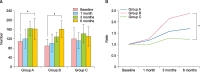
• After six months, the average increase in hair count was:


o 52.6 hairs in Group A (statistically significant),
o 71.5 hairs in Group B (statistically significant),
o 9.6 hairs in the placebo group.
1783381308411


• The increase in hair count was statistically significantly greater in Group B compared to the placebo group.


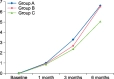
• Good or very good satisfaction was reported by:


o 26.7% of participants in Group A,
o 14.3% in Group B,
o 7.1% in the placebo group.
1783381318210


• There were no significant differences among the three groups regarding hair length or hair thickness.


• No side effects occurred in any of the groups.


Based on this study, it can be assumed that GHK-Cu may also be considered as a treatment option for hereditary hair loss.

Possible Side Effects​


As with any injection, there is a risk of bacterial infections, abscesses, and inflammation. So far, no significant long-term side effects or risks are known. However, common reactions include pain or a stinging sensation at the injection site, redness/swelling, and itching. Skin rashes and allergic reactions also cannot be ruled out.


How do you use GHK-Cu?​


What do you need for an injection?​


• The peptide
• Insulin syringes
• Alcohol wipes
• Bacteriostatic water


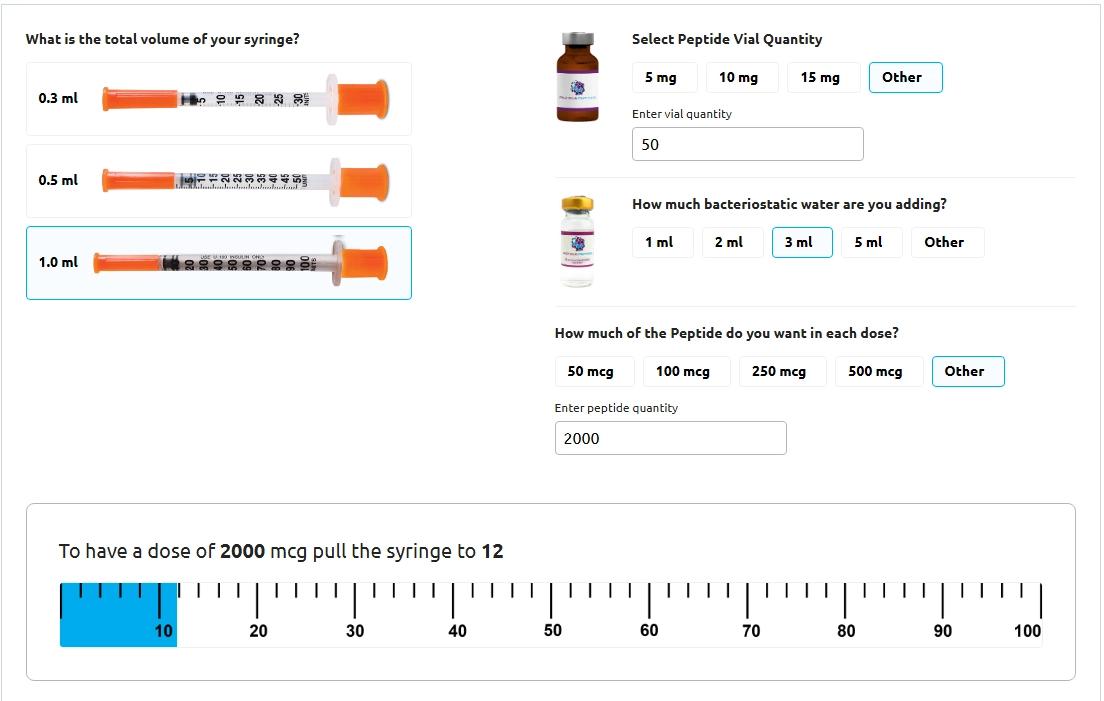
Most people take 1,000–2,000 mcg daily, although I believe 2,000 mcg is the more effective dose. However, you should start with 1,000 mcg for the first 1–3 weeks to avoid the so-called "Copper Uglies."


Once you have all of your materials, you first need to reconstitute the peptide. Most vials that can be ordered online contain 50 mg of GHK-Cu, which is mixed with 3 ml of bacteriostatic water. After doing this, you can either store the peptide directly in the syringes or leave it in the vial and draw it up fresh each day.


To determine how far to fill the syringe, you can use a peptide calculator. With a daily dose of 2,000 mcg, you should draw a 1.0 ml syringe to the 12-unit mark. However, this varies depending on the size of the syringe.
1783381333563


https://particlepeptides.com/en/content/48-peptide-calculator


After reconstituting and drawing up the peptide, it should be stored in a refrigerator away from light to prevent the peptide from degrading.


The best injection site for a subcutaneous injection is the upper gluteal fat area. Simply pinch the fat slightly and insert the needle straight in. However, before attempting this process, you should first watch an instructional video to avoid making mistakes.


Here is a helpful video on reconstitution and injection:


GHK-Cu is also not used in "cycles." Cycling it will only slow the process and delay results even further. It should be taken daily, and there is currently no established time limit after which you are supposed to stop using it.


Conclusion​


In my opinion, there is no better looksmaxxing peptide on the market. Given its excellent risk-to-reward ratio, there is virtually no reason not to use GHK-Cu. Since no long-term adverse effects have been identified after approximately 50 years of research, you can realistically begin using it without much concern.
 
  • +1
Reactions: nathan V, irlesper and jotunnr

GHK-Cu

Disclaimer
This thread was originally written in my native language, and I used ChatGPT to translate everything, so I apologize if something sounds a bit weird or got messed up. If you find misinformation in this thread or think i could improve on something, please let me know

This information is for educational purposes only. The use of substances carries potential risks and should be done under the supervision of a healthcare professional. Always consult with a doctor before starting any cycle, and be aware of the possible side effects and health risks involved. The doctors legally can’t involve anyone else like your parents or talk about your compound usage to someone other than you.


Table of Contents​


• What is GHK-Cu?
• How does GHK-Cu work?
• What can you expect while using it?
• Possible side effects
• How do you use GHK-Cu?
• Conclusion


What is GHK-Cu?​


On paper, GHK-Cu is the best looksmaxxing tool on the market: healthier and better hair, clearer skin, anti-aging, and more. GHK-Cu is a peptide-copper complex composed of the amino acids glycine, histidine, and lysine, along with one copper(II) ion. It naturally occurs in our urine, plasma, and saliva. It has been scientifically studied for approximately 50 years and was discovered by Loren Pickart.


https://compoundreview.org/peptides/ghk-cu/


How does GHK-Cu work?​


(There are both topical and subcutaneous/intramuscular forms of GHK-Cu administration, but I will only cover the subcutaneous injection here.) Based on preclinical data (cell cultures, animal models, and observations), it passes through our fat tissue directly into the bloodstream and tissue system and does not have to fight through the skin barrier like creams do. The peptide binds copper more effectively, allowing our cells to use the copper for enzymes involved in processes such as collagen production and wound healing. It has also been observed that GHK influences fibroblasts, immune cells, and stem cells, leading to increased collagen production, reduced pro-inflammatory signaling, and altered expression of repair genes. GHK is believed not only to stimulate cells and tissue but to actually "remodel" them. Because it works on a cellular level, noticeable changes should only be expected after several months (approximately 2–3 months).


What can you expect while using it?​


Studies often discuss the potential anti-aging benefits. Human blood has been shown to contain approximately 200 ng/ml of the peptide in a 20-year-old individual. However, this level steadily declines over time and drops to only about 80 ng/ml by the age of 60. As mentioned earlier, injections can remodel tissue and stimulate collagen and elastin production, which may slow the aging process and improve overall skin quality.


https://pubmed.ncbi.nlm.nih.gov/35083444/

View attachment 5325089
https://www.hubmeded.com/blog/copper-peptides-before-and-after


A significant improvement in skin quality has been observed due to increased collagen and elastin production. Inflammation has also been significantly reduced.


Changes observed in the skin​


• Smoother texture
• Brighter skin tone
• Improved moisture retention
• Reduced inflammation


It is also believed that both GHK-Cu and other peptides can be used to treat orthopedic injuries.​


Due to their effects on important signaling pathways such as PI3K/Akt, mTOR, MAPK, TGF-β, and AMPK, peptides can modulate processes such as tissue regeneration, the resolution of inflammation, and the recovery of nerve and muscle tissue. Wound-healing peptides, including BPC-157, TB-500, and GHK-Cu, promote the formation of new blood vessels (angiogenesis), integrin-mediated remodeling of the extracellular matrix, and the activation of fibroblasts. Growth hormone secretagogues such as Ipamorelin, CJC-1295, Tesamorelin, Sermorelin, and AOD-9604, on the other hand, activate IGF-1 signaling and support the repair of satellite cells, which are important for muscle regeneration. Although the evidence is still limited, laboratory and animal studies have shown promising results.


https://pubmed.ncbi.nlm.nih.gov/41490200/


The potential benefits for hair growth and hair quality are also frequently discussed. In this study https://pubmed.ncbi.nlm.nih.gov/27489425/, the effectiveness of a complex consisting of 5-aminolevulinic acid and the glycyl-histidyl-lysine peptide on hair growth was investigated.


Objective:​


This study examined the effectiveness and safety of an active compound called ALAVAX, consisting of 5-aminolevulinic acid (5-ALA) and the GHK peptide (glycyl-histidyl-lysine), for the treatment of male pattern hair loss.


Methods:​


A total of 45 men with androgenetic alopecia participated in the study. The participants were divided into three groups:


• Group A: ALAVAX with 100 mg/ml
• Group B: ALAVAX with 50 mg/ml
• Group C: Placebo


The treatment was administered once daily for six months. The following factors were evaluated:


• Total hair count
• Hair length
• Hair thickness
• Patient satisfaction
• Possible side effects


The evaluations were conducted after 1, 3, and 6 months.


Results:​


• After six months, the average increase in hair count was:


o 52.6 hairs in Group A (statistically significant),
o 71.5 hairs in Group B (statistically significant),
o 9.6 hairs in the placebo group.
View attachment 5325091

• The increase in hair count was statistically significantly greater in Group B compared to the placebo group.


• Good or very good satisfaction was reported by:


o 26.7% of participants in Group A,
o 14.3% in Group B,
o 7.1% in the placebo group.
View attachment 5325092

• There were no significant differences among the three groups regarding hair length or hair thickness.


• No side effects occurred in any of the groups.


Based on this study, it can be assumed that GHK-Cu may also be considered as a treatment option for hereditary hair loss.

Possible Side Effects​


As with any injection, there is a risk of bacterial infections, abscesses, and inflammation. So far, no significant long-term side effects or risks are known. However, common reactions include pain or a stinging sensation at the injection site, redness/swelling, and itching. Skin rashes and allergic reactions also cannot be ruled out.


How do you use GHK-Cu?​


What do you need for an injection?​


• The peptide
• Insulin syringes
• Alcohol wipes
• Bacteriostatic water


Most people take 1,000–2,000 mcg daily, although I believe 2,000 mcg is the more effective dose. However, you should start with 1,000 mcg for the first 1–3 weeks to avoid the so-called "Copper Uglies."


Once you have all of your materials, you first need to reconstitute the peptide. Most vials that can be ordered online contain 50 mg of GHK-Cu, which is mixed with 3 ml of bacteriostatic water. After doing this, you can either store the peptide directly in the syringes or leave it in the vial and draw it up fresh each day.


To determine how far to fill the syringe, you can use a peptide calculator. With a daily dose of 2,000 mcg, you should draw a 1.0 ml syringe to the 12-unit mark. However, this varies depending on the size of the syringe.
View attachment 5325094

https://particlepeptides.com/en/content/48-peptide-calculator


After reconstituting and drawing up the peptide, it should be stored in a refrigerator away from light to prevent the peptide from degrading.


The best injection site for a subcutaneous injection is the upper gluteal fat area. Simply pinch the fat slightly and insert the needle straight in. However, before attempting this process, you should first watch an instructional video to avoid making mistakes.


Here is a helpful video on reconstitution and injection:


GHK-Cu is also not used in "cycles." Cycling it will only slow the process and delay results even further. It should be taken daily, and there is currently no established time limit after which you are supposed to stop using it.


Conclusion​


In my opinion, there is no better looksmaxxing peptide on the market. Given its excellent risk-to-reward ratio, there is virtually no reason not to use GHK-Cu. Since no long-term adverse effects have been identified after approximately 50 years of research, you can realistically begin using it without much concern.

dnr, cope pep just use retinoids
 
dnr, cope pep just use retinoids
Gang i like you but this is pretty low iq coming from you

Even if there are better alternatives, it's an informative thread regardless. And it's well formatted.

Not saying im gonna be using GHK anytime soon but it definitely sheds some light on it for the greys
 
  • +1
Reactions: truecel9

GHK-Cu

Disclaimer
This thread was originally written in my native language, and I used ChatGPT to translate everything, so I apologize if something sounds a bit weird or got messed up. If you find misinformation in this thread or think i could improve on something, please let me know

This information is for educational purposes only. The use of substances carries potential risks and should be done under the supervision of a healthcare professional. Always consult with a doctor before starting any cycle, and be aware of the possible side effects and health risks involved. The doctors legally can’t involve anyone else like your parents or talk about your compound usage to someone other than you.


Table of Contents​


• What is GHK-Cu?
• How does GHK-Cu work?
• What can you expect while using it?
• Possible side effects
• How do you use GHK-Cu?
• Conclusion


What is GHK-Cu?​


On paper, GHK-Cu is the best looksmaxxing tool on the market: healthier and better hair, clearer skin, anti-aging, and more. GHK-Cu is a peptide-copper complex composed of the amino acids glycine, histidine, and lysine, along with one copper(II) ion. It naturally occurs in our urine, plasma, and saliva. It has been scientifically studied for approximately 50 years and was discovered by Loren Pickart.


https://compoundreview.org/peptides/ghk-cu/


How does GHK-Cu work?​


(There are both topical and subcutaneous/intramuscular forms of GHK-Cu administration, but I will only cover the subcutaneous injection here.) Based on preclinical data (cell cultures, animal models, and observations), it passes through our fat tissue directly into the bloodstream and tissue system and does not have to fight through the skin barrier like creams do. The peptide binds copper more effectively, allowing our cells to use the copper for enzymes involved in processes such as collagen production and wound healing. It has also been observed that GHK influences fibroblasts, immune cells, and stem cells, leading to increased collagen production, reduced pro-inflammatory signaling, and altered expression of repair genes. GHK is believed not only to stimulate cells and tissue but to actually "remodel" them. Because it works on a cellular level, noticeable changes should only be expected after several months (approximately 2–3 months).


What can you expect while using it?​


Studies often discuss the potential anti-aging benefits. Human blood has been shown to contain approximately 200 ng/ml of the peptide in a 20-year-old individual. However, this level steadily declines over time and drops to only about 80 ng/ml by the age of 60. As mentioned earlier, injections can remodel tissue and stimulate collagen and elastin production, which may slow the aging process and improve overall skin quality.


https://pubmed.ncbi.nlm.nih.gov/35083444/

View attachment 5325089
https://www.hubmeded.com/blog/copper-peptides-before-and-after


A significant improvement in skin quality has been observed due to increased collagen and elastin production. Inflammation has also been significantly reduced.


Changes observed in the skin​


• Smoother texture
• Brighter skin tone
• Improved moisture retention
• Reduced inflammation


It is also believed that both GHK-Cu and other peptides can be used to treat orthopedic injuries.​


Due to their effects on important signaling pathways such as PI3K/Akt, mTOR, MAPK, TGF-β, and AMPK, peptides can modulate processes such as tissue regeneration, the resolution of inflammation, and the recovery of nerve and muscle tissue. Wound-healing peptides, including BPC-157, TB-500, and GHK-Cu, promote the formation of new blood vessels (angiogenesis), integrin-mediated remodeling of the extracellular matrix, and the activation of fibroblasts. Growth hormone secretagogues such as Ipamorelin, CJC-1295, Tesamorelin, Sermorelin, and AOD-9604, on the other hand, activate IGF-1 signaling and support the repair of satellite cells, which are important for muscle regeneration. Although the evidence is still limited, laboratory and animal studies have shown promising results.


https://pubmed.ncbi.nlm.nih.gov/41490200/


The potential benefits for hair growth and hair quality are also frequently discussed. In this study https://pubmed.ncbi.nlm.nih.gov/27489425/, the effectiveness of a complex consisting of 5-aminolevulinic acid and the glycyl-histidyl-lysine peptide on hair growth was investigated.


Objective:​


This study examined the effectiveness and safety of an active compound called ALAVAX, consisting of 5-aminolevulinic acid (5-ALA) and the GHK peptide (glycyl-histidyl-lysine), for the treatment of male pattern hair loss.


Methods:​


A total of 45 men with androgenetic alopecia participated in the study. The participants were divided into three groups:


• Group A: ALAVAX with 100 mg/ml
• Group B: ALAVAX with 50 mg/ml
• Group C: Placebo


The treatment was administered once daily for six months. The following factors were evaluated:


• Total hair count
• Hair length
• Hair thickness
• Patient satisfaction
• Possible side effects


The evaluations were conducted after 1, 3, and 6 months.


Results:​


• After six months, the average increase in hair count was:


o 52.6 hairs in Group A (statistically significant),
o 71.5 hairs in Group B (statistically significant),
o 9.6 hairs in the placebo group.
View attachment 5325091

• The increase in hair count was statistically significantly greater in Group B compared to the placebo group.


• Good or very good satisfaction was reported by:


o 26.7% of participants in Group A,
o 14.3% in Group B,
o 7.1% in the placebo group.
View attachment 5325092

• There were no significant differences among the three groups regarding hair length or hair thickness.


• No side effects occurred in any of the groups.


Based on this study, it can be assumed that GHK-Cu may also be considered as a treatment option for hereditary hair loss.

Possible Side Effects​


As with any injection, there is a risk of bacterial infections, abscesses, and inflammation. So far, no significant long-term side effects or risks are known. However, common reactions include pain or a stinging sensation at the injection site, redness/swelling, and itching. Skin rashes and allergic reactions also cannot be ruled out.


How do you use GHK-Cu?​


What do you need for an injection?​


• The peptide
• Insulin syringes
• Alcohol wipes
• Bacteriostatic water


Most people take 1,000–2,000 mcg daily, although I believe 2,000 mcg is the more effective dose. However, you should start with 1,000 mcg for the first 1–3 weeks to avoid the so-called "Copper Uglies."


Once you have all of your materials, you first need to reconstitute the peptide. Most vials that can be ordered online contain 50 mg of GHK-Cu, which is mixed with 3 ml of bacteriostatic water. After doing this, you can either store the peptide directly in the syringes or leave it in the vial and draw it up fresh each day.


To determine how far to fill the syringe, you can use a peptide calculator. With a daily dose of 2,000 mcg, you should draw a 1.0 ml syringe to the 12-unit mark. However, this varies depending on the size of the syringe.
View attachment 5325094

https://particlepeptides.com/en/content/48-peptide-calculator


After reconstituting and drawing up the peptide, it should be stored in a refrigerator away from light to prevent the peptide from degrading.


The best injection site for a subcutaneous injection is the upper gluteal fat area. Simply pinch the fat slightly and insert the needle straight in. However, before attempting this process, you should first watch an instructional video to avoid making mistakes.


Here is a helpful video on reconstitution and injection:


GHK-Cu is also not used in "cycles." Cycling it will only slow the process and delay results even further. It should be taken daily, and there is currently no established time limit after which you are supposed to stop using it.


Conclusion​


In my opinion, there is no better looksmaxxing peptide on the market. Given its excellent risk-to-reward ratio, there is virtually no reason not to use GHK-Cu. Since no long-term adverse effects have been identified after approximately 50 years of research, you can realistically begin using it without much concern.

nice thread but I
 

Similar threads

clavenjoyer11
Replies
1
Views
26
canp_Q
canp_Q
clavenjoyer11
Replies
3
Views
49
VidePhilip
VidePhilip
jsmogu
Replies
10
Views
71
bluebandz
bluebandz
shouldiusehgh
Replies
9
Views
40
bluebandz
bluebandz
quartzlynx_82zr
Replies
14
Views
115
drey kz
drey kz

Users who are viewing this thread

  • truecel9
  • truegriffithh
  • SfPBP
  • nathan V
  • irlesper
Back
Top