yvesjiu
Iron
- Joined
- Apr 13, 2026
- Posts
- 38
- Reputation
- 13
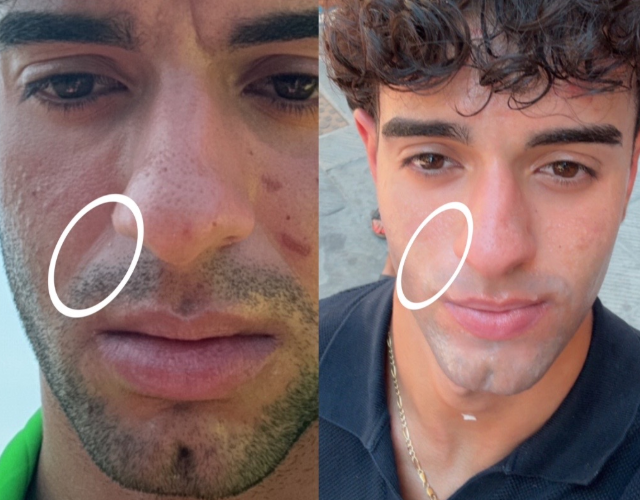
I got them at high school and i became very insecure until 5 years later I fixed it. Seeing some people ask about how to get rid of smile lines, what actually works for nasolabial folds without going full plastic surgery route, and whether any OTC patchesare legit. So here's what I found:
1) Understanding skin anatomy and why smile lines form.
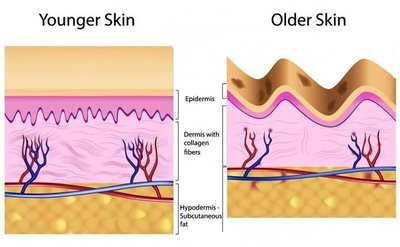
Before throwing money at anything you need to understand what you're actually dealing with. Nasolabial folds and expression lines form because of two things happening simultaneously: collagen loss in the dermis (the deeper skin layer) causes skin to lose its scaffolding and sag, and repeated facial muscle movement creases the skin over time, eventually making those creases permanent even at rest.
The key layer here is the dermis: unlike the epidermis which regenerates, once you lose collagen in the dermis it does not come back on its own. This is why prevention and mechanical support matter far more than any cream or serum. Topical products mostly work on the epidermis and cannot rebuild deep collagen structure. What actually works is either mechanical intervention (retaining the skin position while you sleep/rest so it doesn't crease further) or clinical procedures like filler. We're going the mechanical route because it's cheap and carries no risk.
DISCLAIMER: Most "anti-wrinkle cream" products are basically moisturizers with marketing. They will not fix structural creasing. Don't waste money on them expecting results.
2) The patch mechanism, and why you've already seen this work
You've definitely seen this on social media without realizing what it was.
Every influencer posting their "morning skincare routine" or "grwm" has those little translucent or white patches under their eyes. That's not a beauty trend for aesthetics, those are hydrocolloid or silicone eye patches, and they work on a purely mechanical principle: they physically hold the skin flat against the face so the muscle underneath cannot contract and deepen the crease while you sleep or rest.
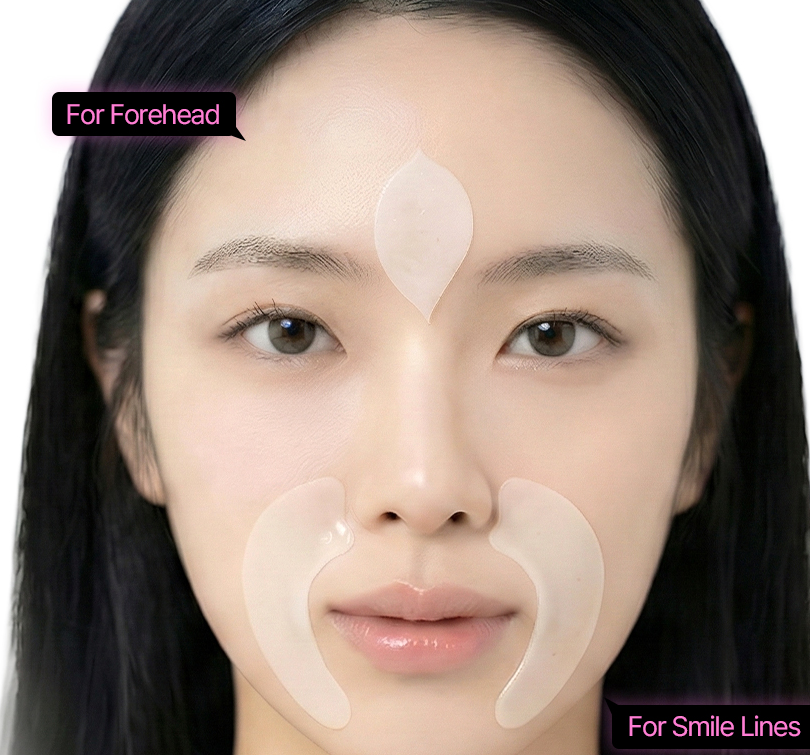
The exact same logic applies to nasolabial folds, forehead lines, and corner-of-mouth creases. The eye patch trend proved the concept already. People just haven't connected the dots that you can apply the same mechanic to other problem zones.


3) What to actually look for in a facial patch
Not all patches are equal. The material determines how well it holds and whether it irritates:
Silicone patches
Hydrocolloid patches
Kraft paper / water-activated patches
1) Understanding skin anatomy and why smile lines form.
Before throwing money at anything you need to understand what you're actually dealing with. Nasolabial folds and expression lines form because of two things happening simultaneously: collagen loss in the dermis (the deeper skin layer) causes skin to lose its scaffolding and sag, and repeated facial muscle movement creases the skin over time, eventually making those creases permanent even at rest.
The key layer here is the dermis: unlike the epidermis which regenerates, once you lose collagen in the dermis it does not come back on its own. This is why prevention and mechanical support matter far more than any cream or serum. Topical products mostly work on the epidermis and cannot rebuild deep collagen structure. What actually works is either mechanical intervention (retaining the skin position while you sleep/rest so it doesn't crease further) or clinical procedures like filler. We're going the mechanical route because it's cheap and carries no risk.
DISCLAIMER: Most "anti-wrinkle cream" products are basically moisturizers with marketing. They will not fix structural creasing. Don't waste money on them expecting results.
2) The patch mechanism, and why you've already seen this work
You've definitely seen this on social media without realizing what it was.
Every influencer posting their "morning skincare routine" or "grwm" has those little translucent or white patches under their eyes. That's not a beauty trend for aesthetics, those are hydrocolloid or silicone eye patches, and they work on a purely mechanical principle: they physically hold the skin flat against the face so the muscle underneath cannot contract and deepen the crease while you sleep or rest.
The exact same logic applies to nasolabial folds, forehead lines, and corner-of-mouth creases. The eye patch trend proved the concept already. People just haven't connected the dots that you can apply the same mechanic to other problem zones.
3) What to actually look for in a facial patch
Not all patches are equal. The material determines how well it holds and whether it irritates:
Silicone patches
- Reusable (wash and reuse up to 30–60 uses per patch)
- Creates a microclimate that boosts hydration in the skin underneath
- Best for: forehead lines, between brows, décolletage
Hydrocolloid patches
- Single use, more affordable per unit
- Originally designed for wound healing — they absorb excess fluid and create a sealed environment
- What most eye patches are made of
- Best for: under-eye area, smaller targeted zones
Kraft paper / water-activated patches
- Old school mechanic — purely physical adhesion, zero active ingredients
- Longest track record of any format
- Best for: nasolabial folds, corner of mouth, larger surface areas where silicone doesn't conform well
- Cleanse and completely dry your face before applying — oil kills adhesion
- Do NOT moisturize before applying, do it after removal in the morning
- For silicone patches: press firmly and smooth outward from center so skin is held slightly taut under the patch
- Sleep on your back if possible — side sleeping presses patches into the pillow and reduces contact
- Leave on overnight (3–8 hours minimum)
- Morning removal: peel slowly from the edge, don't drag
- Rinse face, then apply your usual moisturizer and SPF