


Natural.love
Bronze
- Joined
- Dec 22, 2025
- Posts
- 469
- Reputation
- 289
most of this is water already but I will post it anyway lol.
Topics:
gym
workouts
diet
supplements
and some other stuff.
GYM
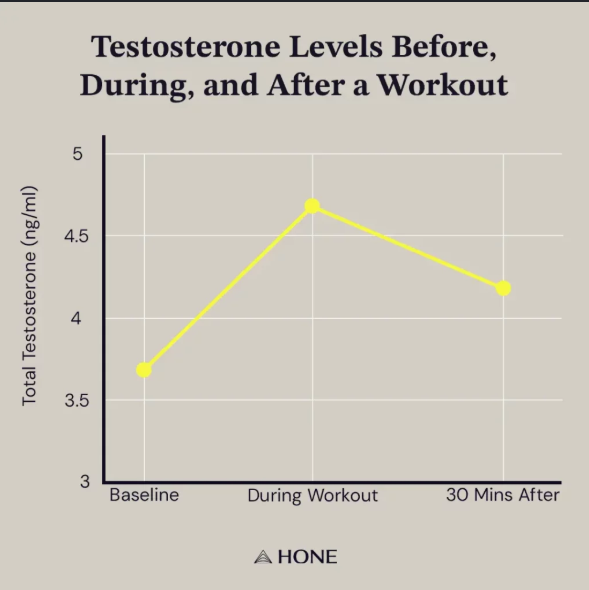
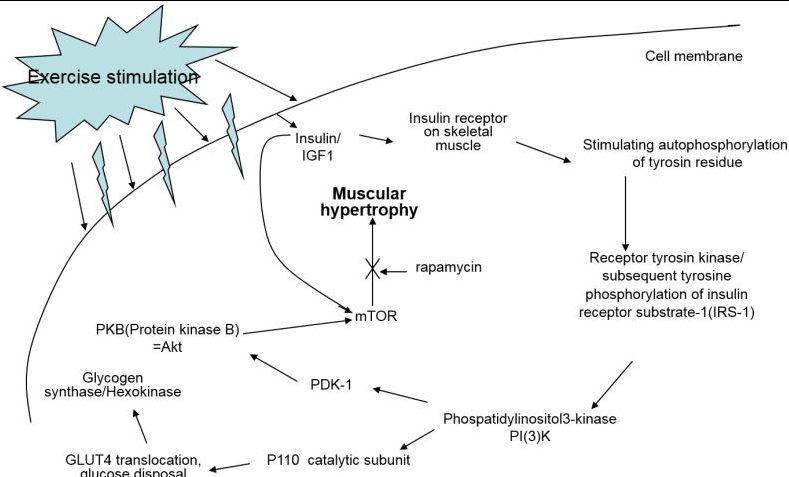
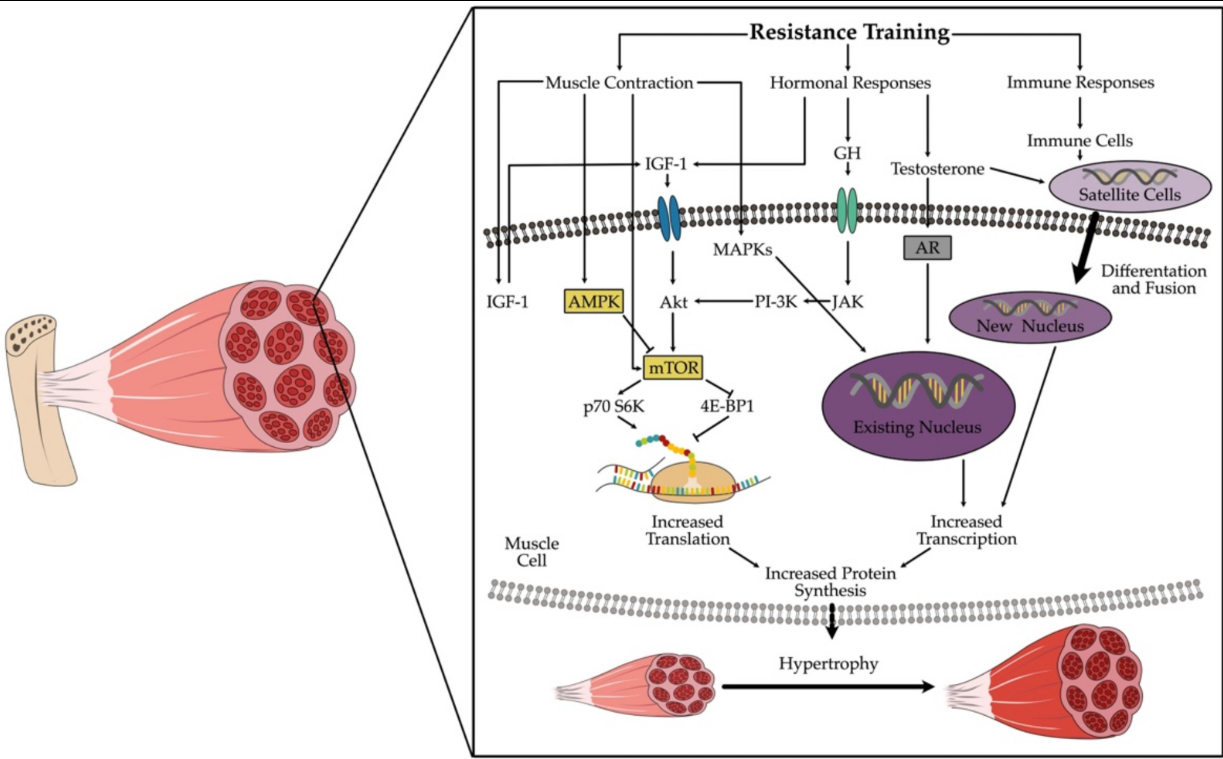
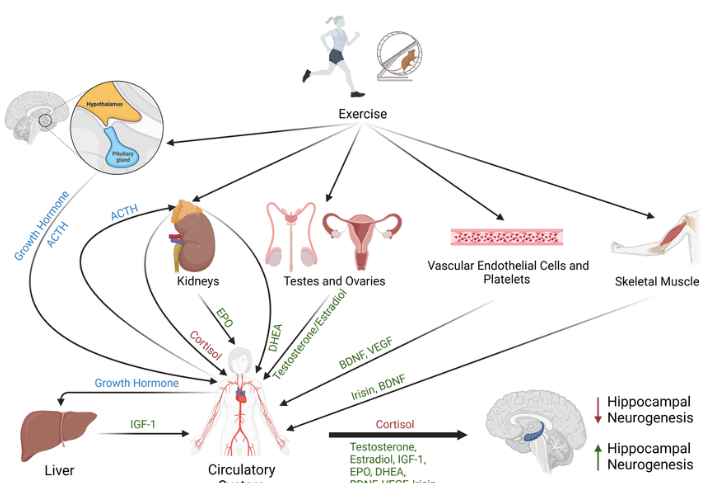
Going to the gym as a teen - adult is one of the best things you can do. Hormone production(testosterone mostly), sperm production, human growth hormone and igf-1 etc...
https://pubmed.ncbi.nlm.nih.gov/12797841/
"Human growth hormone (hGH) is secreted in a pulsatile fashion, generally following a circadian rhythm. A number of physiological stimuli can initiate hGH secretion, the most powerful, non-pharmacological of which are sleep and exercise. hGH has many varied roles throughout life, from growth itself, including the turnover of muscle, bone and collagen, to the regulation of selective aspects of metabolic function including increased fat metabolism and the maintenance of a healthier body composition in later life. The exercise-induced growth hormone response (EIGR) is well recognised and although the exact mechanisms remain elusive, a number of candidates have been implicated. These include neural input, direct stimulation by catecholamines, lactate and or nitric oxide, and changes in acid-base balance. Of these, the best candidates appear to be afferent stimulation, nitric oxide and lactate. Resistance training results in a significant EIGR. Evidence suggests that load and frequency are determining factors in the regulation of hGH secretion. Despite the significant EIGR induced by resistance training, much of the stimulus for protein synthesis has been attributed to insulin-like growth factor-1 with modest contributions from the hGH-GH receptor interaction on the cell membrane. The EIGR to endurance exercise is associated with the intensity, duration, frequency and mode of endurance exercise. A number of studies have suggested an intensity 'threshold' exists for EIGR. An exercise intensity above lactate threshold and for a minimum of 10 minutes appears to elicit the greatest stimulus to the secretion of hGH. Exercise training above the lactate threshold may amplify the pulsatile release of hGH at rest, increasing 24-hour hGH secretion. The impact of chronic exercise training on the EIGR remains equivocal. Recent evidence suggests that endurance training results in decreased resting hGH and a blunted EIGR, which may be linked to an increased tissue sensitivity to hGH. While the potential ergogenic effects of exogenous GH administration are attractive to some athletes, the abuse of GH has been associated with a number of pathologies. Identification of a training programme that will optimise the EIGR may present a viable alternative. Ageing is often associated with a progressive decrease in the volume and, especially, the intensity of exercise. A growing body of evidence suggests that higher intensity exercise is effective in eliciting beneficial health, well-being and training outcomes. In a great many cases, the impact of some of the deleterious effects of ageing could be reduced if exercise focused on promoting the EIGR. This review examines the current knowledge and proposed mechanisms for the EIGR, the physiological consequences of endurance, strength and power training on the EIGR and its potential effects in elderly populations, including the aged athlete."
In short:
Human growth hormone (hGH) is released in pulses, mainly influenced by sleep and exercise, and plays a key role in growth, tissue repair (including muscle, bone, and collagen), fat metabolism, and maintaining healthy body composition. Exercise is a major trigger of hGH release, known as the exercise-induced growth hormone response (EIGR), with likely mechanisms involving neural signals, nitric oxide, and lactate production. Resistance training produces a strong hGH response, particularly influenced by load and training frequency, although muscle growth is driven more by insulin-like growth factor-1 (IGF-1) than by hGH itself. Endurance exercise also stimulates hGH release, especially when intensity exceeds the lactate threshold for at least about 10 minutes. Regular high-intensity training can increase overall daily hGH secretion, though long-term endurance training may lower resting hGH levels and reduce the response, possibly due to improved tissue sensitivity. While synthetic hGH is sometimes used for performance enhancement, it carries health risks, making well-designed training a safer alternative. Higher-intensity exercise is particularly important with aging, as it can help counteract declines in physical function and improve overall health by enhancing the hGH response.
WORKOUTS
Best workouts to maximise this:
https://pubmed.ncbi.nlm.nih.gov/15204068/
5. Rest For Longer(not a workout
Research has shown that longer rest periods of around 120 seconds between sets are better for raising testosterone. This makes sense as the longer you give yourself to recover, the more weight you’ll be able to lift.
https://pubmed.ncbi.nlm.nih.gov/20555276/
DIET:
Essential Macro and Caloric Needs
Protein
Healthy Fats (30-40% of calories)
Complex Carbohydrates (40-50% of calories)
Hormone-Boosting & Health Foods
Eggs(including yolk)
Fatty fish
avacado
Butter(Raw if you have access to it).
Fruits(only if in season)
Meats & Organs
Whole fat Milk - vegetable juice
Diet Strategy & Timing
Prioritize Breakfast Protein
Pre/Post-Workout Nutrition, get carbs in before workout, and after your workout eat eggs.
Do not snack throughout the day. Like candy, chips, sandwhiches etc....
SUPPLEMENTS:
Creatine Monohydrate.
Omega-3 Fatty Acids (Fish Oil).
Citrulline Malate.
Vitamin D.
Whey Protein.
but, if you actually follow the right diet and lifestyle. Supplements are not needed.
https://thewhistler.ng/women-attracted-men-broad-shoulders-muscles-study/
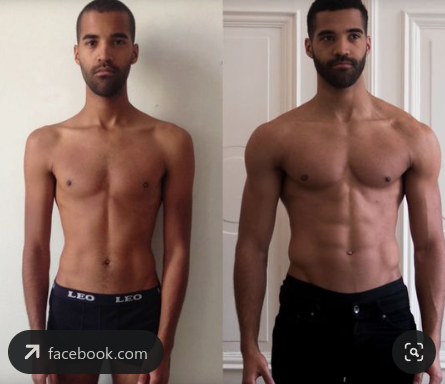
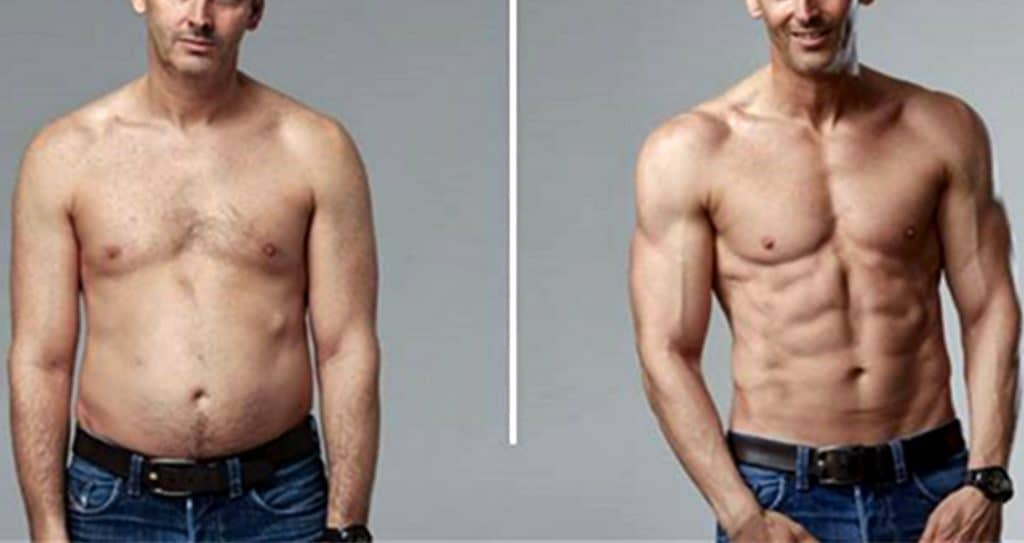
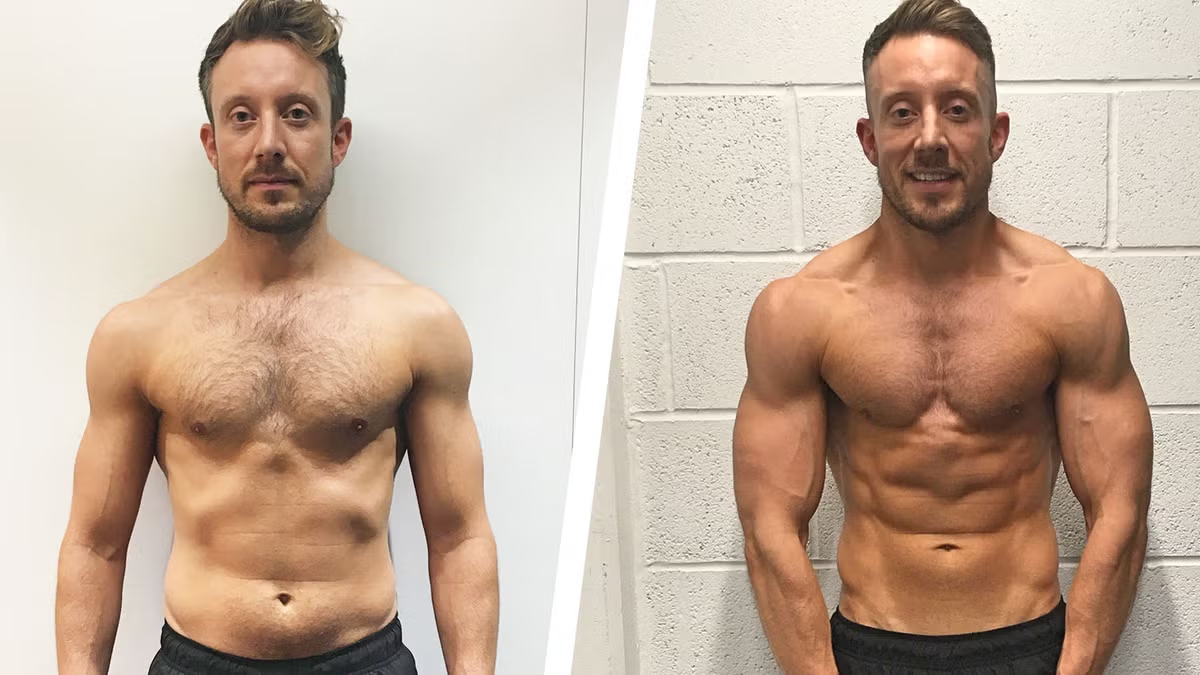
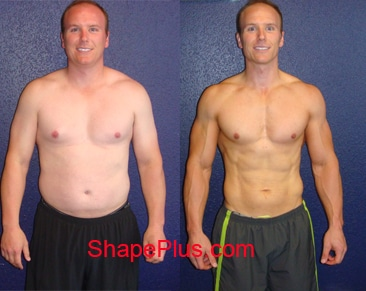
 which one will woman find more attractive? (image from some thread on this forum
  )
)
https://menshealth.com.au/women-find-this-type-guy-most-attractive/
https://menshealth.com.au/women-find-this-type-guy-most-attractive/
https://www.fatherly.com/health/why-women-love-big-shoulders


 not only your face is making you more intimidating and more attractive. Body and frame.
Should i edit this and include peptides or performance enhancing drugs?
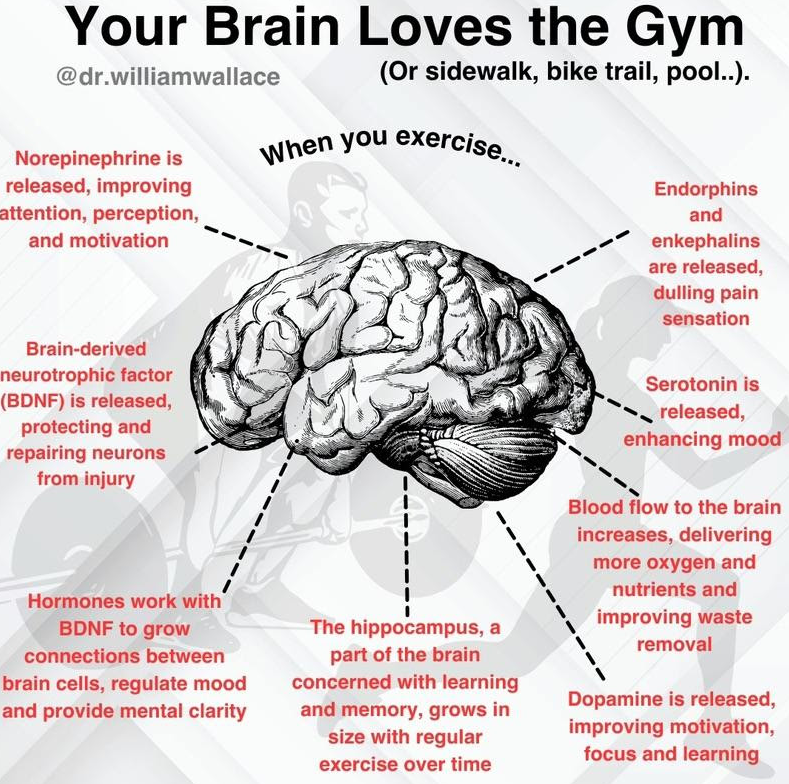
The gym also releases endorphins, dopamine and seretonin.
Topics:
gym
workouts
diet
supplements
and some other stuff.
GYM
Going to the gym as a teen - adult is one of the best things you can do. Hormone production(testosterone mostly), sperm production, human growth hormone and igf-1 etc...
https://pubmed.ncbi.nlm.nih.gov/12797841/
"Human growth hormone (hGH) is secreted in a pulsatile fashion, generally following a circadian rhythm. A number of physiological stimuli can initiate hGH secretion, the most powerful, non-pharmacological of which are sleep and exercise. hGH has many varied roles throughout life, from growth itself, including the turnover of muscle, bone and collagen, to the regulation of selective aspects of metabolic function including increased fat metabolism and the maintenance of a healthier body composition in later life. The exercise-induced growth hormone response (EIGR) is well recognised and although the exact mechanisms remain elusive, a number of candidates have been implicated. These include neural input, direct stimulation by catecholamines, lactate and or nitric oxide, and changes in acid-base balance. Of these, the best candidates appear to be afferent stimulation, nitric oxide and lactate. Resistance training results in a significant EIGR. Evidence suggests that load and frequency are determining factors in the regulation of hGH secretion. Despite the significant EIGR induced by resistance training, much of the stimulus for protein synthesis has been attributed to insulin-like growth factor-1 with modest contributions from the hGH-GH receptor interaction on the cell membrane. The EIGR to endurance exercise is associated with the intensity, duration, frequency and mode of endurance exercise. A number of studies have suggested an intensity 'threshold' exists for EIGR. An exercise intensity above lactate threshold and for a minimum of 10 minutes appears to elicit the greatest stimulus to the secretion of hGH. Exercise training above the lactate threshold may amplify the pulsatile release of hGH at rest, increasing 24-hour hGH secretion. The impact of chronic exercise training on the EIGR remains equivocal. Recent evidence suggests that endurance training results in decreased resting hGH and a blunted EIGR, which may be linked to an increased tissue sensitivity to hGH. While the potential ergogenic effects of exogenous GH administration are attractive to some athletes, the abuse of GH has been associated with a number of pathologies. Identification of a training programme that will optimise the EIGR may present a viable alternative. Ageing is often associated with a progressive decrease in the volume and, especially, the intensity of exercise. A growing body of evidence suggests that higher intensity exercise is effective in eliciting beneficial health, well-being and training outcomes. In a great many cases, the impact of some of the deleterious effects of ageing could be reduced if exercise focused on promoting the EIGR. This review examines the current knowledge and proposed mechanisms for the EIGR, the physiological consequences of endurance, strength and power training on the EIGR and its potential effects in elderly populations, including the aged athlete."
In short:
Human growth hormone (hGH) is released in pulses, mainly influenced by sleep and exercise, and plays a key role in growth, tissue repair (including muscle, bone, and collagen), fat metabolism, and maintaining healthy body composition. Exercise is a major trigger of hGH release, known as the exercise-induced growth hormone response (EIGR), with likely mechanisms involving neural signals, nitric oxide, and lactate production. Resistance training produces a strong hGH response, particularly influenced by load and training frequency, although muscle growth is driven more by insulin-like growth factor-1 (IGF-1) than by hGH itself. Endurance exercise also stimulates hGH release, especially when intensity exceeds the lactate threshold for at least about 10 minutes. Regular high-intensity training can increase overall daily hGH secretion, though long-term endurance training may lower resting hGH levels and reduce the response, possibly due to improved tissue sensitivity. While synthetic hGH is sometimes used for performance enhancement, it carries health risks, making well-designed training a safer alternative. Higher-intensity exercise is particularly important with aging, as it can help counteract declines in physical function and improve overall health by enhancing the hGH response.
WORKOUTS
Best workouts to maximise this:
1.High-Intensity Interval Training (HIIT) https://pubmed.ncbi.nlm.nih.gov/21849912/
https://pubmed.ncbi.nlm.nih.gov/21849912/
2. Resistance Training
https://pubmed.ncbi.nlm.nih.gov/17051372/
https://link.springer.com/article/10.1007/BF004232473.Bodyweight Squats, Push-Ups, Pull-Ups, Sit-Ups
https://pubmed.ncbi.nlm.nih.gov/22234399/https://pubmed.ncbi.nlm.nih.gov/15204068/
4. Don’t Skip Leg Day
https://pubmed.ncbi.nlm.nih.gov/11782267/5. Rest For Longer(not a workout)
Research has shown that longer rest periods of around 120 seconds between sets are better for raising testosterone. This makes sense as the longer you give yourself to recover, the more weight you’ll be able to lift.https://pubmed.ncbi.nlm.nih.gov/20555276/
DIET:
Essential Macro and Caloric Needs
Protein
Healthy Fats (30-40% of calories)
Complex Carbohydrates (40-50% of calories)
Hormone-Boosting & Health Foods
Eggs(including yolk)
Fatty fish
avacado
Butter(Raw if you have access to it).
Fruits(only if in season)
Meats & Organs
Whole fat Milk - vegetable juice
Diet Strategy & Timing
Prioritize Breakfast Protein
Pre/Post-Workout Nutrition, get carbs in before workout, and after your workout eat eggs.
Do not snack throughout the day. Like candy, chips, sandwhiches etc....
SUPPLEMENTS:
Creatine Monohydrate.
Omega-3 Fatty Acids (Fish Oil).
Citrulline Malate.
Vitamin D.
Whey Protein.
but, if you actually follow the right diet and lifestyle. Supplements are not needed.
https://thewhistler.ng/women-attracted-men-broad-shoulders-muscles-study/
)https://menshealth.com.au/women-find-this-type-guy-most-attractive/
https://menshealth.com.au/women-find-this-type-guy-most-attractive/
https://www.fatherly.com/health/why-women-love-big-shoulders
Should i edit this and include peptides or performance enhancing drugs?
The gym also releases endorphins, dopamine and seretonin.


