Help!

foidzslayer67

foidzslayer67

Iron
Joined
May 6, 2026
Posts
63
Reputation
12
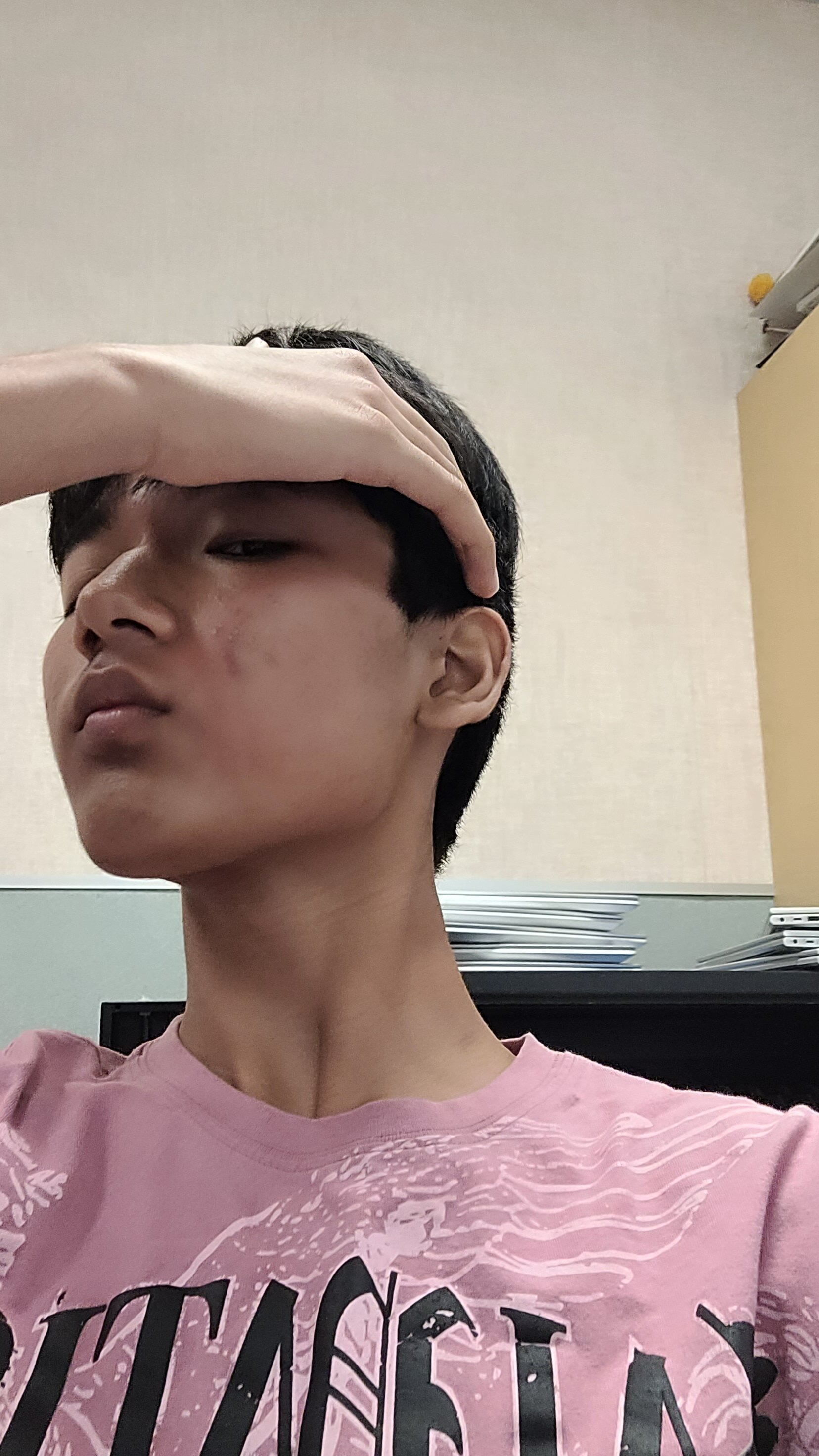
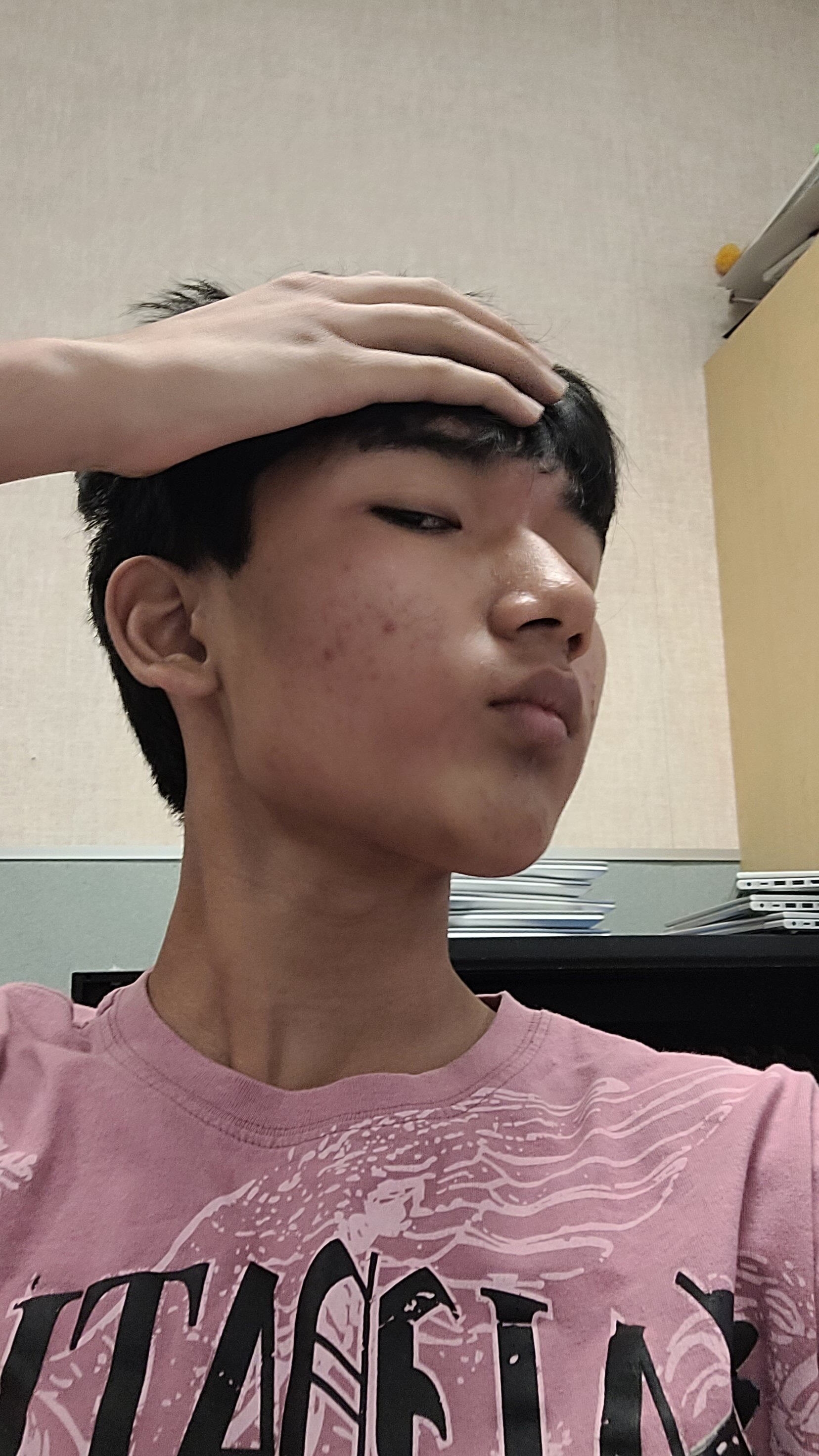
Hey guys it's my 4th post here! I was wondering how can I fix my eye distance like can I do surgery or som. Maybe even canthoplasty? But I know I need to fix my skin with actune. Widen my lips. But what else? (I'm completely new to this stuff but any help would help ig)

 

Attachments

  • 20260507_162257.jpg
    20260507_162257.jpg
    1.2 MB · Views: 0
  • 20260507_095808.jpg
    20260507_095808.jpg
    502.8 KB · Views: 0
  • 20260507_095806.jpg
    20260507_095806.jpg
    563.4 KB · Views: 0
what all @ foidslayers look like :feelsez:
 
  • +1
Reactions: foidzslayer67
what all @ foidslayers look like :feelsez:
Woah don't get the wrong idea I didn't choose the name my friend did who helped me create this acc did
 
OBO but thats never happening. Just keep a hairstyle thats short on the sides. Plus wide set eyes arent that big of a failo
 
Yes. He told me after what the meaning of the name was. Is there anyway I can change it?
 
OBO but thats never happening. Just keep a hairstyle thats short on the sides. Plus wide set eyes arent that big of a failo
WHATS OBO ILL DO IT
 
idek but fix ur skin first
 
DID YOU EVEN READ THE POST!
 
YES IT IS!!
 
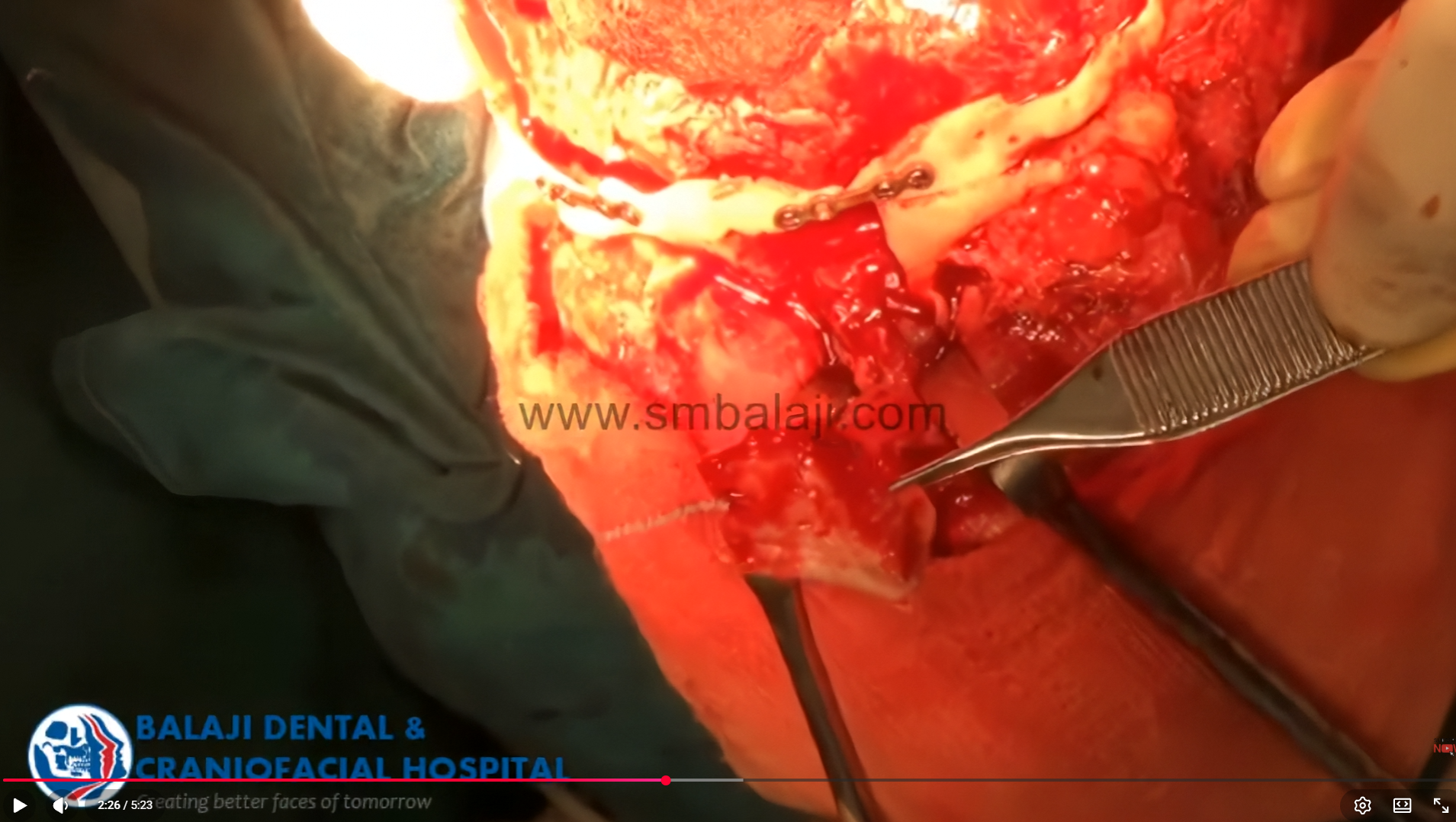
WTF IS THIS VIDEO

title

Hypertelorism - Corrective Surgery by Box Osteotomy and Facial Bipartition​

Screenshot 2026 05 07 184014

I wasnt anything sexual it was just obo being performed

sorry i forgot age restrictions existed on yt. heres a description of obo by gpt


An orbital box osteotomy is a complex craniofacial surgery used to reposition the eye sockets (orbits). It’s most often performed in children or teens who have congenital skull or facial differences that affect the spacing or position of the eyes, such as hypertelorism (eyes set too far apart) or certain craniofacial syndromes.

What the surgery is meant to do​

The goal is to:
  • Move the eye sockets closer together or into a better position
  • Improve facial balance and appearance
  • Sometimes improve how the eyelids or surrounding bones function
The eyeballs themselves usually stay connected to their muscles, nerves, and blood supply during the procedure β€” the surgeon mainly works with the surrounding bone.

What happens during the operation​

The surgery is done under general anesthesia, so the patient is fully asleep and does not feel anything.
Typical steps include:
  1. Accessing the skull and facial bones
    • Surgeons make carefully planned incisions, often hidden within the hairline or natural skin folds.
    • Parts of the forehead and upper facial bones may be temporarily lifted to reach the orbital area.
  2. Marking and cutting the bone
    • Specialized surgical tools are used to cut around the bony eye sockets.
    • The β€œbox” part of the name comes from moving the eye socket structures as a block of bone.
  3. Repositioning the orbits
    • The surgeon moves the orbital bones into a new position.
    • Measurements and imaging help make the placement symmetrical.
  4. Stabilizing the bones
    • Tiny plates and screws β€” often titanium or dissolvable materials β€” hold the bones in place while healing occurs.
  5. Closing the area
    • The forehead and scalp tissues are placed back and stitched closed.

Who performs it​

The operation is usually done by a team that may include:
  • Craniofacial surgeons
  • Neurosurgeons
  • Plastic surgeons
  • Ophthalmologists (eye specialists)
  • Anesthesiologists

How long it takes​

The surgery can take many hours because it involves delicate work around:
  • The eyes
  • The optic nerves
  • Blood vessels
  • The brain/skull area

Recovery​

After surgery:
  • Patients usually stay in the hospital for several days
  • Swelling and bruising around the eyes are very common at first
  • Follow-up imaging and checkups monitor healing
  • Full recovery can take weeks to months

Risks​

Like other major craniofacial surgeries, risks can include:
  • Infection
  • Bleeding
  • Swelling
  • Vision problems (rare but serious)
  • Asymmetry
  • Need for additional surgeries later
Modern imaging, surgical planning, and monitoring have made the procedure much safer and more precise than in the past.
 
Why do you say I won't get it?
 
Hey I'm sorry if I came out wrong. So then why did you suggest it to me then? DO I have a deformity and what is chink?
 

Similar threads

IHateMyself67
Replies
19
Views
70
LookzMaxxerSyn
LookzMaxxerSyn
F
Replies
18
Views
52
milkcrate1
milkcrate1
P
Replies
14
Views
67
T-bone123
T-bone123
RIRAfoidslayer
Replies
2
Views
19
avgsub5human
avgsub5human
J
Replies
2
Views
36
Finncelchud
Finncelchud

Users who are viewing this thread

Back
Top